Le sel sits in Kyoto's Higashiyama ward, steps from Kiyomizudera, at the intersection where European bistro sensibility meets the city's obsessive seasonal ingredient culture. The address alone signals a particular kind of ambition: operating within one of Japan's most tradition-saturated neighbourhoods while speaking a different culinary language. Daytime and evening service here carry distinct rhythms worth understanding before you book.
Pearl is the En Primeur Club membership app — saves, bookings, and concierge access live there. Same editors, same standards.
- Address
- 東山区清水4丁目148-6, 京都市東山区, 京都府, 605-0862
 Saves & bookings on Pearl
Higashiyama's Other Dining Register
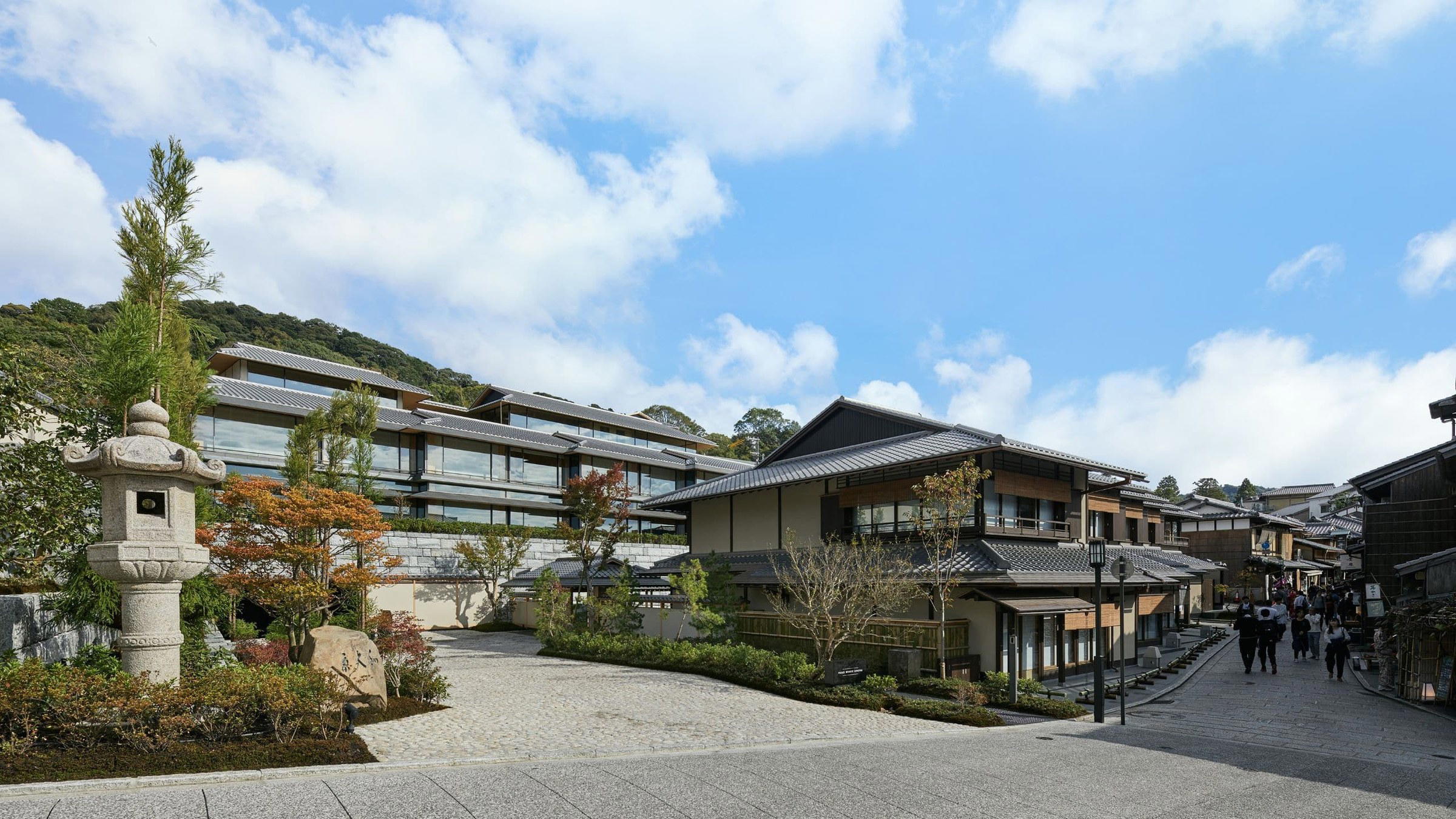
Kyoto's Higashiyama ward is better known for kaiseki austerity than anything approaching a French-inflected table. The stone-paved lanes around Kiyomizudera (清水寺) draw crowds for tofu restaurants, matcha shops, and century-old establishments built around seasonal Japanese ingredients. Le sel, at 東山区清水4丁目148-6, Kyoto, is a restaurant serving an Organic Ramen Course at a price tier of about $35 per person. In a city where the dominant dining prestige runs through kaiseki lineages like Gion Sasaki, Kikunoi Honten, and Hyotei, a restaurant whose name is French for salt positions itself as a counterpoint, not a rival.
That positioning matters in practical terms. Kyoto diners who have worked through the kaiseki tier, Mizai, Isshisoden Nakamura, often seek out smaller Western-influenced tables as a change of idiom rather than a change of ambition. Le sel appears to address exactly that appetite.
The Lunch-to-Dinner Shift in Higashiyama
The lunch-versus-dinner divide is more pronounced in this part of Kyoto than in, say, Gion or Nakagyō. By midday, the lanes around Kiyomizudera carry significant pedestrian traffic from temple visitors, tour groups, and day-trippers from Osaka who board the Kintetsu or Keihan lines and arrive by 11 a.m. That foot traffic shapes how restaurants in the immediate area approach daytime service: lighter formats, faster pacing, and menus that can absorb a guest who arrived by chance rather than reservation.
Evening service in Higashiyama operates under entirely different conditions. Once the temple crowds dissipate, typically after 5 p.m. the neighbourhood quiets to a degree unusual for central Kyoto. Stone steps empty, shutters close on souvenir shops, and the few restaurants that remain open for dinner hold a near-exclusive claim on guests who have made a deliberate choice to be there. That structural solitude gives evening dining in this ward a concentration that Gion's busier restaurant corridor rarely achieves. A table at le sel after dark is, by neighbourhood logic, already a more committed act than the same table at noon.
For visitors calibrating their itinerary, the implication is direct: if the goal is a relaxed, lower-pressure meal where the room's energy allows for unhurried courses, lunch at le sel fits the rhythm of a morning spent at Kiyomizudera. An evening booking converts the experience into something closer to destination dining, with the surrounding neighbourhood's silence amplifying whatever is happening on the plate.
European Technique in a Japanese Ingredient City
Kyoto's ingredient culture is among the more codified in Japan. The city's market calendar runs through specific Kyoto vegetables (Kyoyasai), Nishiki Market suppliers with multi-generational relationships, and seasonal protocols that kaiseki kitchens treat as near-absolute. A restaurant operating with European framing inside this system is not working against it, the leading Western-influenced kitchens in Japan's former capital absorb the local supply chain and translate it into different techniques.
This pattern has regional precedents worth naming. HAJIME in Osaka has spent years demonstrating how French structure can coexist with Kansai-region sourcing. akordu in Nara does something comparable with a Basque-influenced vocabulary applied to ingredients from Yamato's farming valleys. The point is that Western-named restaurants in the Kansai region are not necessarily imports, they are often hybrids produced by kitchens that understand both systems from the inside. Le sel's address in Higashiyama places it inside that broader regional pattern, even if the specific menu details require direct verification with the restaurant.
Comparisons further afield are also instructive. Le Bernardin in New York City built its identity by applying French technique to the narrowest possible ingredient focus, seafood, with almost dogmatic consistency. Atomix in New York City runs the opposite experiment: Korean culinary logic expressed through a fine-dining format that would be legible in Copenhagen or Paris. Le sel's name invokes the French tradition without specifying where that tension resolves, which is itself an editorial choice by whoever opened it.
The Neighbourhood comparable set
Within Kyoto's dining map, Higashiyama's Western-adjacent restaurants occupy a smaller and less-documented tier than the kaiseki institutions on the other side of the Kamo River. The city's critical and award infrastructure skews heavily toward Japanese formats: the Michelin Guide Kyoto consistently concentrates its upper recognition on kaiseki, soba, and tempura specialists. Restaurants with French or European names in tourist-adjacent Higashiyama receive less systematic attention, which means useful comparative context often comes from peer tables in other Japanese cities rather than local competition.
Goh in Fukuoka and Harutaka in Tokyo represent the broader national pattern of Western-influenced precision applied to locally specific ingredients. Regionally, Bistro Ange in Toyohashi and Birdland in Sakai point to how mid-tier Japanese cities sustain French-influenced restaurants that serve local clientele rather than visiting critics. Le sel's Higashiyama location gives it access to a tourist stream those restaurants lack, while also placing it in a neighbourhood where the dominant dining narrative runs in a different direction entirely.
Planning a Visit
Reaching le sel from central Kyoto is direct on the city's bus network, the stop for Kiyomizudera is served by multiple routes from Kyoto Station, and the walk from the stop to the Kiyomizu 4-chome address takes roughly ten minutes through the ascending lanes of the Sannen-zaka district. Visitors coming from Osaka can combine a Keihan or Kintetsu journey with a Kyoto day itinerary that puts Higashiyama first and allows a meal to anchor either end of the day.
Prospective diners should verify operating days and reservation availability directly before planning around it. Arriving without a reservation during the midday Higashiyama rush is a reasonable approach; arriving on that basis for an evening dinner in a neighbourhood that clears out by 5 p.m. carries more risk.
Those interested in the broader Kansai and Japan regional dining map will find additional context through our coverage of Bishamonbō in Takashima, Honke Nakagawa in Nanao, Furuya Sanno in Sapporo, and Ohanaya in Nishikawa Machi.
A Pricing-First Comparison
Comparable venues nearby, for context on price, style, and recognition.
| Venue | Cuisine | Price | Notes |
|---|---|---|---|
| le selThis venue — the venue you are viewing | Gion-Shijo, Organic Ramen Course | $$ | Not listed |
| Wagashi Mise Seiyo | Not listed | $$ | Kita, Seasonal Japanese Wagashi Sweets Shop |
| Daigokuden Honpo Honten | Not listed | $$ | Nakagyō, Traditional Japanese Wagashi & Sweets Café |
| Nakamura Tokichi Honten Kyoto eki ten | Shimogyō, Matcha sweets & soba café | $$ | Not listed |
| 德まる | 中京区, Japanese Kappo | $$ | Not listed |
| Shinme | Kamigyō, Traditional Kyoto Izakaya | $$ | Not listed |



At a Glance
- Modern
- Trendy
- Intimate
- Casual Hangout
- Solo
- After Work
- Open Kitchen
- Sake Program
- Organic
- Local Sourcing
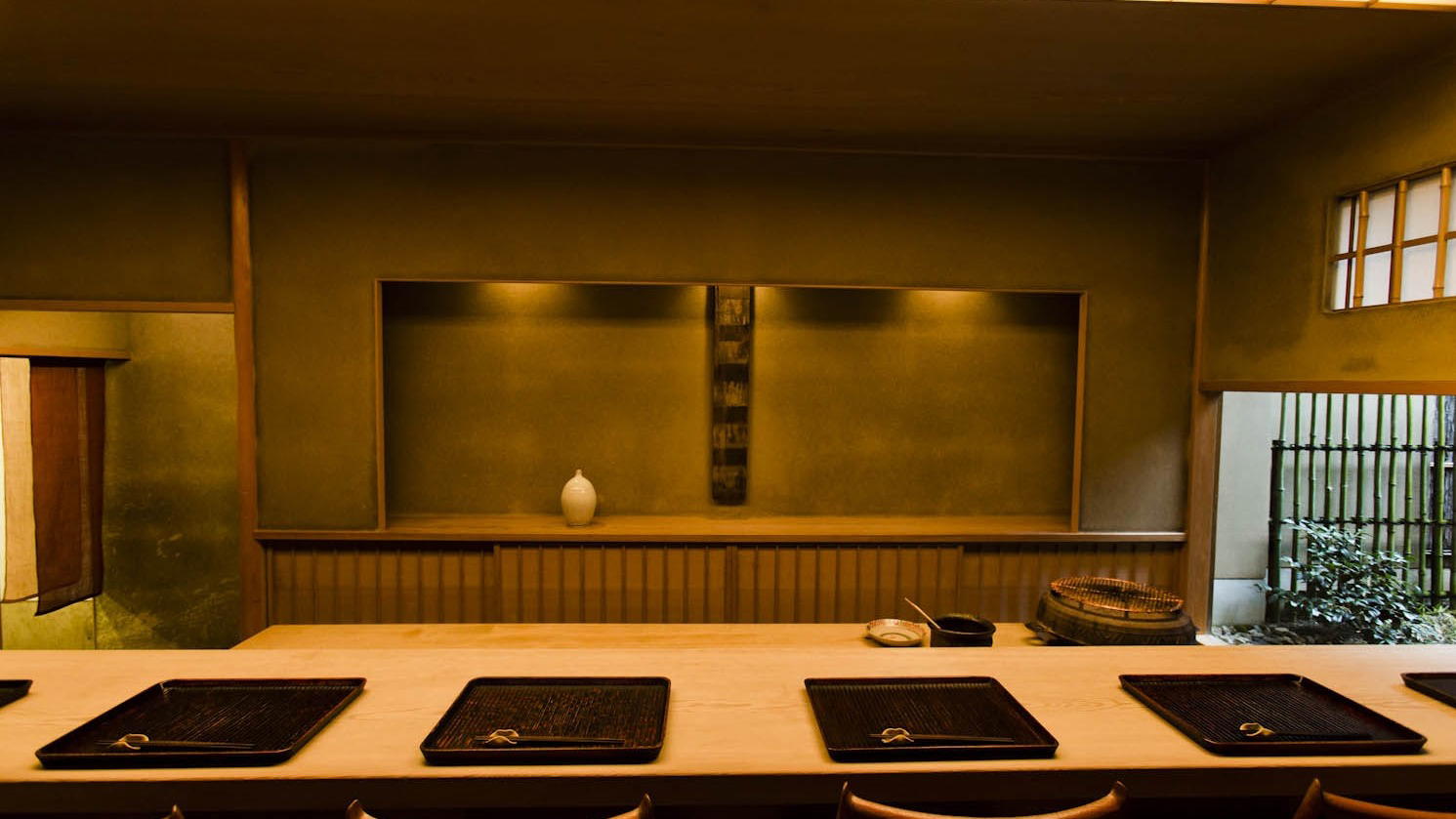
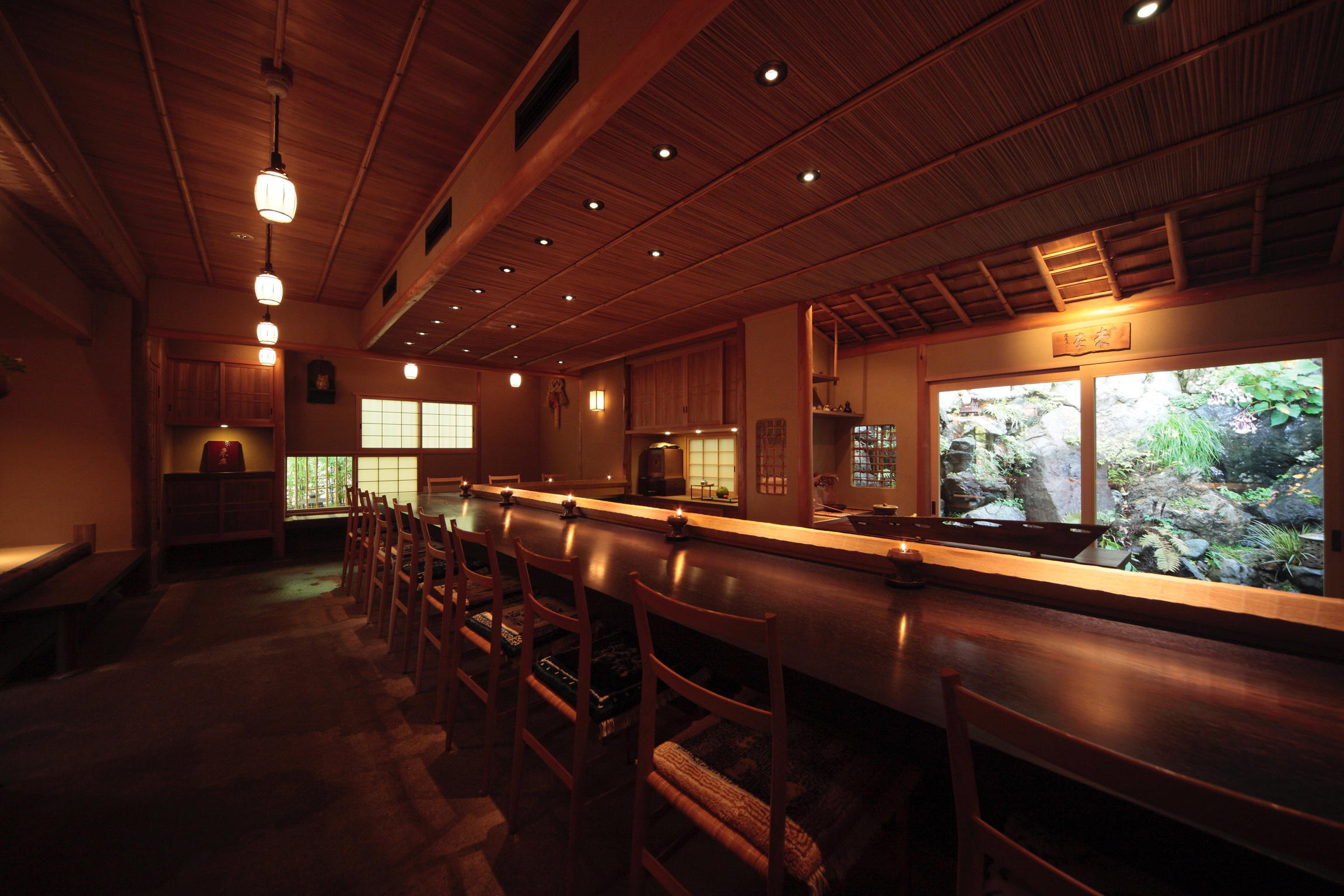
Calm, tranquil counter-style dining atmosphere designed for intimate gatherings with close friends or loved ones.