
1 Michelin Key
Open since 1818, Hiiragiya is among Kyoto's oldest surviving ryokan, operating in Nakagyo Ward with 24 individually designed traditional rooms. Awarded a Michelin Key in 2024, it occupies a distinct position in the city's accommodation spectrum: deeply rooted in craft and ritual, from handmade light controls to breakfast tofu prepared over Japanese white charcoal, with none of the design-hotel aesthetic that defines much of Kyoto's newer luxury offer.

Pearl is the En Primeur Club membership app — saves, bookings, and concierge access live there. Same editors, same standards.
- Address
- 〒604-8094 Kyoto, Nakagyo Ward, Nakahakusanchō, 277
- Phone
- +81 75-221-1136
- Website
- hiiragiya.co.jp
- Directions
- Get directions
Where Nakagyo Ward Places You
Kyoto's Nakagyo Ward sits at the city's geographic and cultural centre, bounded by the Kamogawa River to the east and Nijo Castle to the northwest. It is neither the tourist-dense corridor of Higashiyama nor the austere northern reaches preferred by newer design properties like Aman Kyoto. Nakagyo is working Kyoto: machiya townhouses beside contemporary shopfronts, covered shopping arcades within walking distance of ancient shrines. Staying here means the city arrives at a human pace rather than as a series of managed excursions. Hiiragiya has occupied this neighbourhood since 1818, long before the surrounding blocks took their current shape, and that continuity of address is itself a form of editorial statement about how the property relates to the city.
The contrast with Kyoto's newer international luxury layer is worth noting. Properties like the Park Hyatt Kyoto, positioned on the Higashiyama slopes, or HOTEL THE MITSUI KYOTO, which occupies a former Mitsui clan residence near Nijo, each make a case for luxury through architecture and service scale. Hiiragiya's argument is different: it is not performing tradition but continuing it, and the neighbourhood location, unglamorous by comparison, reinforces that position.
The Ryokan Format and What It Demands of You
The ryokan format occupies a category of its own within Japan's accommodation spectrum. It is not a boutique hotel with Japanese aesthetics applied. The structure of the stay — arrival rituals, room service of kaiseki meals, the sequence of the bath, the folding of the futon — constitutes its own grammar, and the guest's willingness to submit to that grammar determines the quality of the experience. Ryokan exist across a wide range, from roadside onsen inns to properties that command rates comparable to the finest European hotels. The upper tier, where Hiiragiya sits, is characterised by craft investment in the rooms themselves, the quality of the food program, and an attentiveness to detail that is not theatrical but structural.
Hiiragiya's 2024 Michelin Key recognition places it formally within the category of properties where the stay itself is considered a hospitality experience worth seeking out, independent of surrounding attractions. The Michelin Key system, introduced as a companion to the restaurant star framework, evaluates the coherence of the accommodation offer as a whole. Within Kyoto's ryokan population, this is a meaningful credential signal rather than a marketing addition. Properties such as SOWAKA and The Shinmonzen operate at the intersection of traditional and contemporary Kyoto luxury; Hiiragiya's position is less hybridised and more committed to a single register.
Twenty-Four Rooms, One Consistent Argument
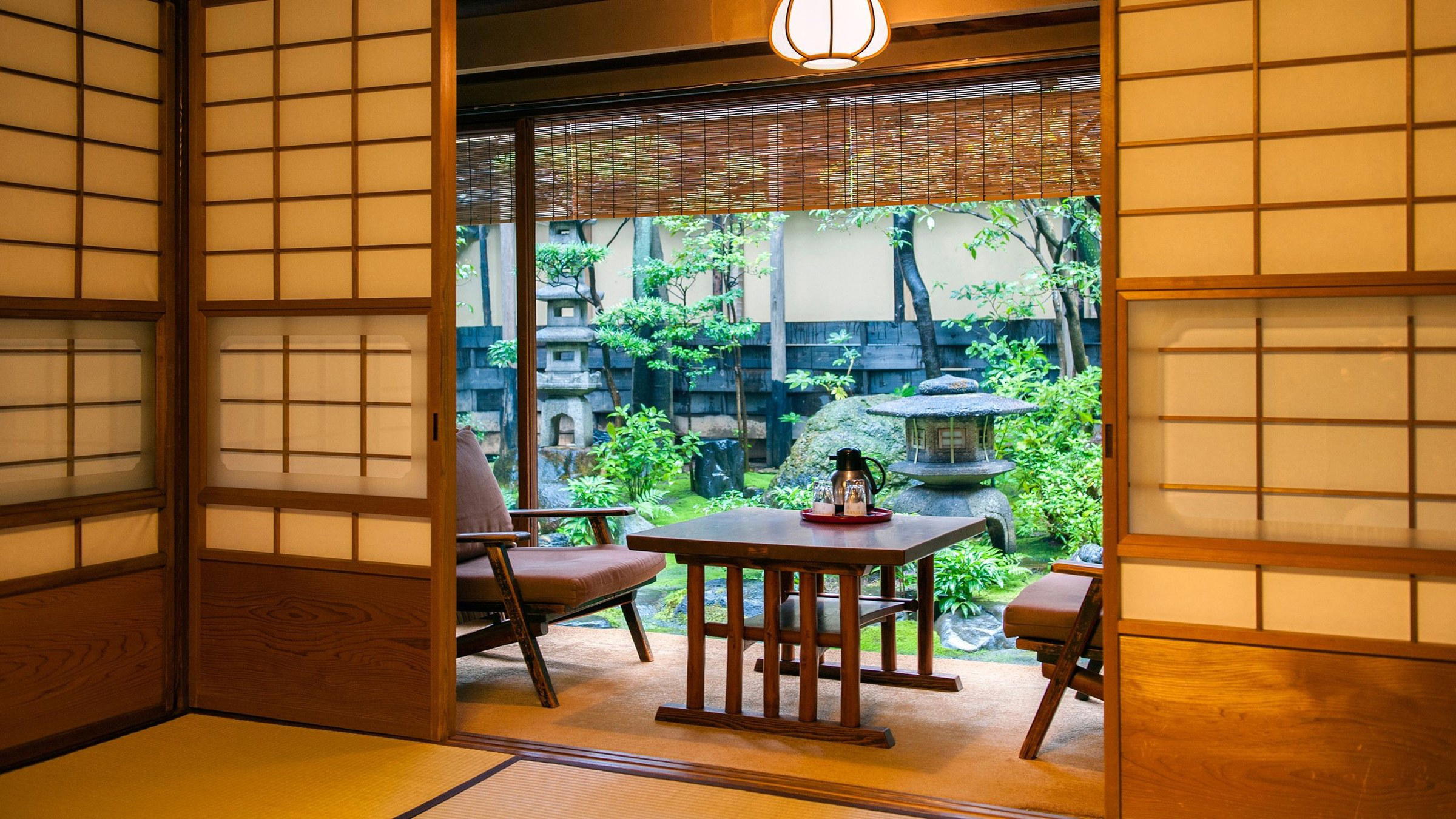
Across Japan's premium ryokan category, room differentiation tends toward either suite hierarchy or philosophical uniformity. Hiiragiya operates with 24 rooms, each distinct in layout and decorative detail, but unified by a commitment to traditional construction and material quality that does not vary by room tier. The arts and crafts incorporated throughout, stained glass, woodwork, and kakejiku hanging scrolls, were executed by master artisans. This is not restoration or reproduction; it is the continuation of a craft tradition within a functioning building.
The detail that most precisely captures Hiiragiya's character is the remote control for the lights and curtains. It exists, acknowledging contemporary expectation, but it is hard-wired rather than wireless, and was handmade by the proprietor's late great-grandfather. That object is a more accurate index of the property's philosophy than any amount of descriptive language: pragmatic concession to modernity, executed entirely within a craft vocabulary inherited across generations.
For context on how other Japanese properties handle the tension between traditional format and contemporary comfort, Gora Kadan in Hakone and Asaba in Izu represent the wider ryokan tier that prioritises setting alongside tradition. Closer to Hiiragiya's urban, craft-centred model would be Nishimuraya Honkan in Kinosaki-cho, which similarly occupies a historic town address and maintains a strong traditional format. Each makes a different argument about what the ryokan should be; Hiiragiya's is among the most consistent.
The Breakfast Tofu and the Logic of Ritual
Food at the upper ryokan tier operates as extension of the accommodation philosophy rather than as a separable restaurant offering. The breakfast tofu bowl at Hiiragiya is prepared using traditional Japanese white charcoal, bincho-tan, a cooking medium associated with controlled, consistent heat and the kind of process attention that produces imperceptible rather than dramatic differences in outcome. The bowl itself was designed by Kiyotsugu Nakagawa, a woodworker awarded the title of Living National Treasure by the Japanese government, a designation reserved for individuals who have achieved the highest level of mastery in an intangible cultural property.
That combination of cooking method and vessel design applied to a single dish at breakfast encodes the property's approach to the stay as a whole: detail accumulation rather than spectacle. Whether the charcoal's effect on temperature registers in the flavour depends on the guest's sensitivity and attention. The property does not claim it will. The question it poses is whether you are willing to pay that level of attention, and the honest answer to that question is what determines whether Hiiragiya is the right choice for a given traveller.
Kyoto's Accommodation Spectrum and Where This Fits
Kyoto's premium accommodation market has expanded considerably over the past decade. International brands including Four Seasons Hotel Kyoto, Dusit Thani Kyoto, and Ace Hotel Kyoto each address different segments of that market. The international branded properties offer legibility and consistency for guests unfamiliar with the ryokan format. Hiiragiya operates in a different register entirely, one that requires no prior knowledge of the property's history to appreciate but rewards familiarity with Japanese hospitality traditions considerably more than a standard hotel stay does.
Within the broader Japan ryokan circuit, properties worth considering alongside Hiiragiya include Zaborin in Kutchan, which takes a more contemporary design approach in a northern landscape setting, and ENOWA Yufu in Yufu, where the onsen tradition is central to the offer. Amanemu in Mie and Fufu Kawaguchiko represent the landscape-led end of the spectrum. Hiiragiya's differentiation is urban address combined with material depth: it is for travellers who want the ryokan format within walking distance of Kyoto's central districts, without the property having been rearchitected to make that proximity more palatable to international tastes.
For those planning a longer Japan itinerary, properties like Benesse House in Naoshima, Halekulani Okinawa, and Jusandi in Ishigaki extend the premium Japanese accommodation circuit well beyond the Kansai region. For the Kyoto stay itself, the case for Hiiragiya is direct: no other property in the city combines an 1818 operating history, Michelin Key recognition, and a room count small enough to maintain genuine attentiveness at 24 keys. See our full Kyoto restaurants and hotels guide for broader city context.
Planning the Stay
Hiiragiya does not accommodate lone travellers during high seasons, a policy that reflects both the ryokan's service model and the economics of a 24-room property where single-occupancy bookings at seasonal peaks create operational asymmetries. Autumn foliage season, typically mid-November, and cherry blossom season in late March to early April represent the highest-demand windows; solo travellers planning visits during those periods should adjust expectations or timing accordingly. Room availability should be confirmed directly and well in advance, particularly for spring and autumn visits. For travellers calibrating between Kyoto's hotel options, the choice between Hiiragiya and a newer property is less about quality tier than about which grammar of hospitality you want to be immersed in for the duration.
City Peers
Comparable venues nearby, for context on price, style, and recognition.
| Venue | Cuisine | Price | Awards | Notes |
|---|---|---|---|---|
| HiiragiyaThis venue — the venue you are viewing | Traditional Japanese ryokan blending Edo-Meiji heritage with modern comforts | $500–750 | 1 Michelin Key | Not listed |
| Genji Kyoto | Contemporary Japanese sanctuary inspired by the Tale of Genji | $500–750 | 1 Michelin Key · Design Hotels Member | Shimogyō |
| Garrya Nijo Castle Kyoto | Modern Japanese luxury boutique blending tradition and contemporary design | Not listed | 1 Michelin Key | Nakagyō |
| Hoshinoya Kyoto | luxury hybrid ryokan blending traditional Japanese architecture with modern comforts | $750–1,000 | 1 Michelin Key · Tatler Listed in Best Hotels Asia-Pacific | Nishikyō |
| ROKU KYOTO, LXR Hotels & Resorts | Mountain resort blending Japanese artisanship with modern luxury | Not listed | 1 Michelin Key · La Liste Top Hotels | Kita |
| Ace Hotel Kyoto | Contemporary fusion of Kyoto craft and modern design in historic structure | $200–300 | 1 Michelin Key · Mr & Mrs Smith Seal of Approval | Nakagyō |
Recognition history
Dated appearances from independent guides and award organizations, with the underlying list record or original source where available.
Michelin 1 Key
Michelin
Full recognition history (3 entries)
Michelin 1 Key
Michelin
Michelin 1 Key
Michelin
Continue exploring
More in Kyoto
Hotels in Kyoto
Browse all →
Bars in Kyoto
Browse all →
Restaurants in Kyoto
Browse all →
Wineries in Kyoto
Browse all →
Details
- Elegant
- Quiet
- Classic
- Intimate
- Sophisticated
- Romantic Getaway
- Anniversary
- Honeymoon
- Historic Building
- Garden
- Room Service
- Elevator
- Air Conditioning
- Wi Fi
- Concierge
- Garden
- Elevator
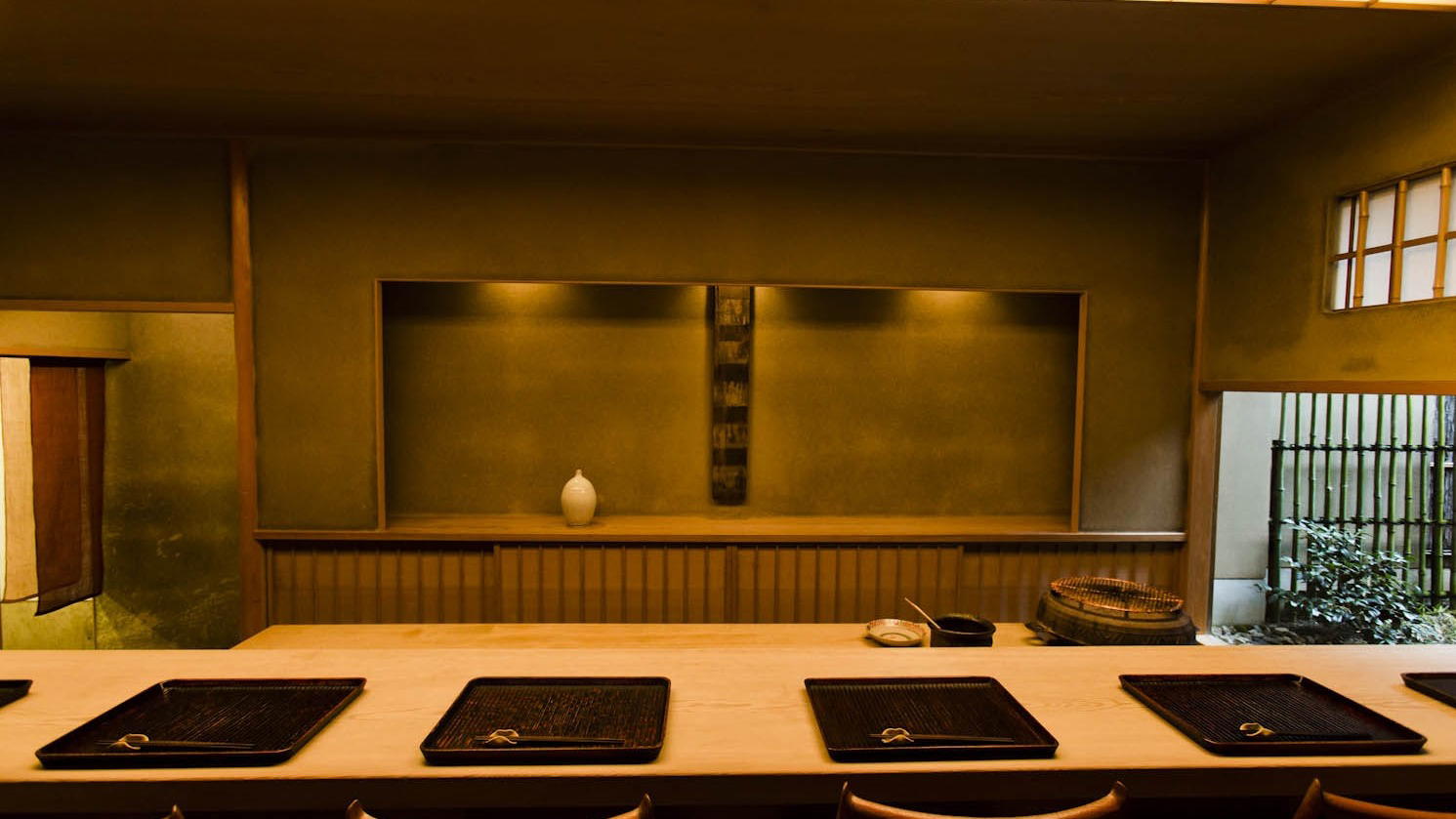
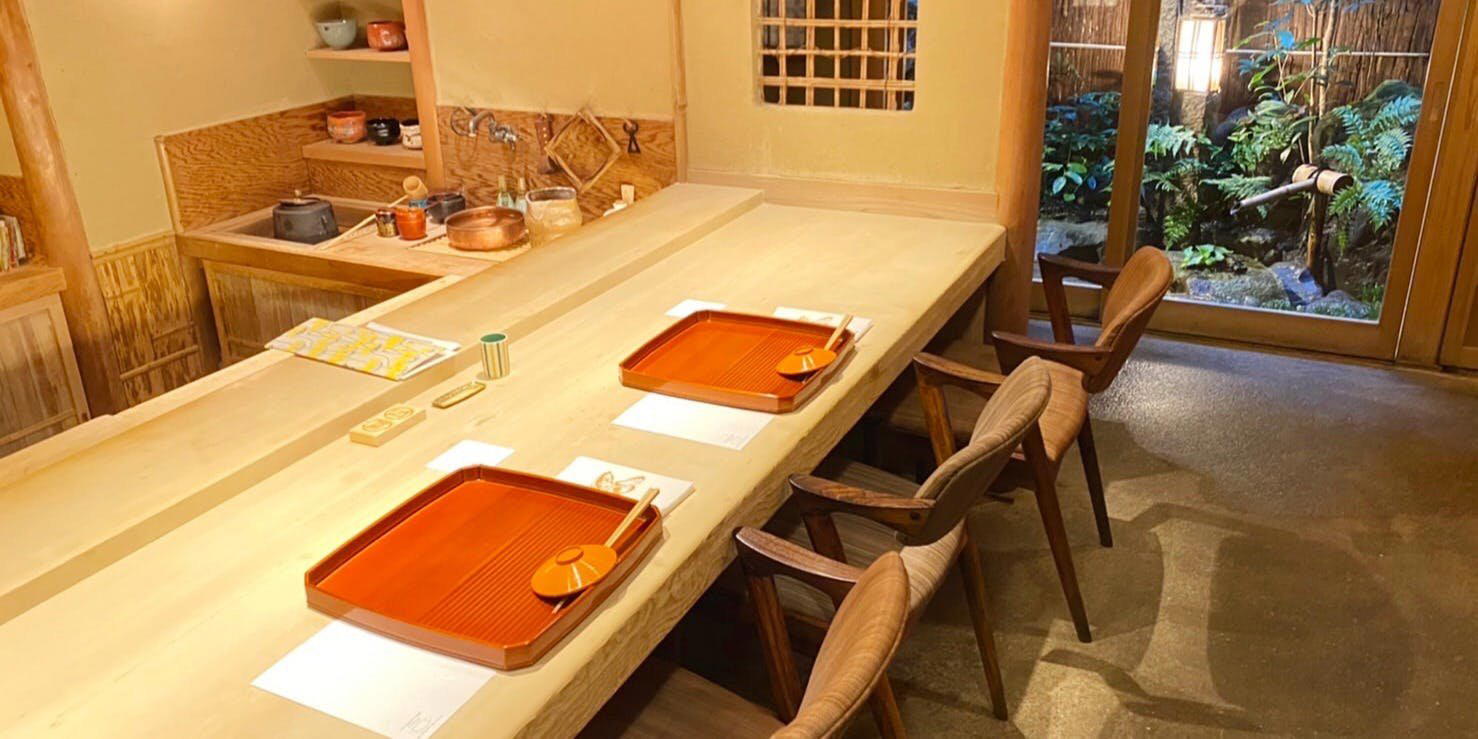
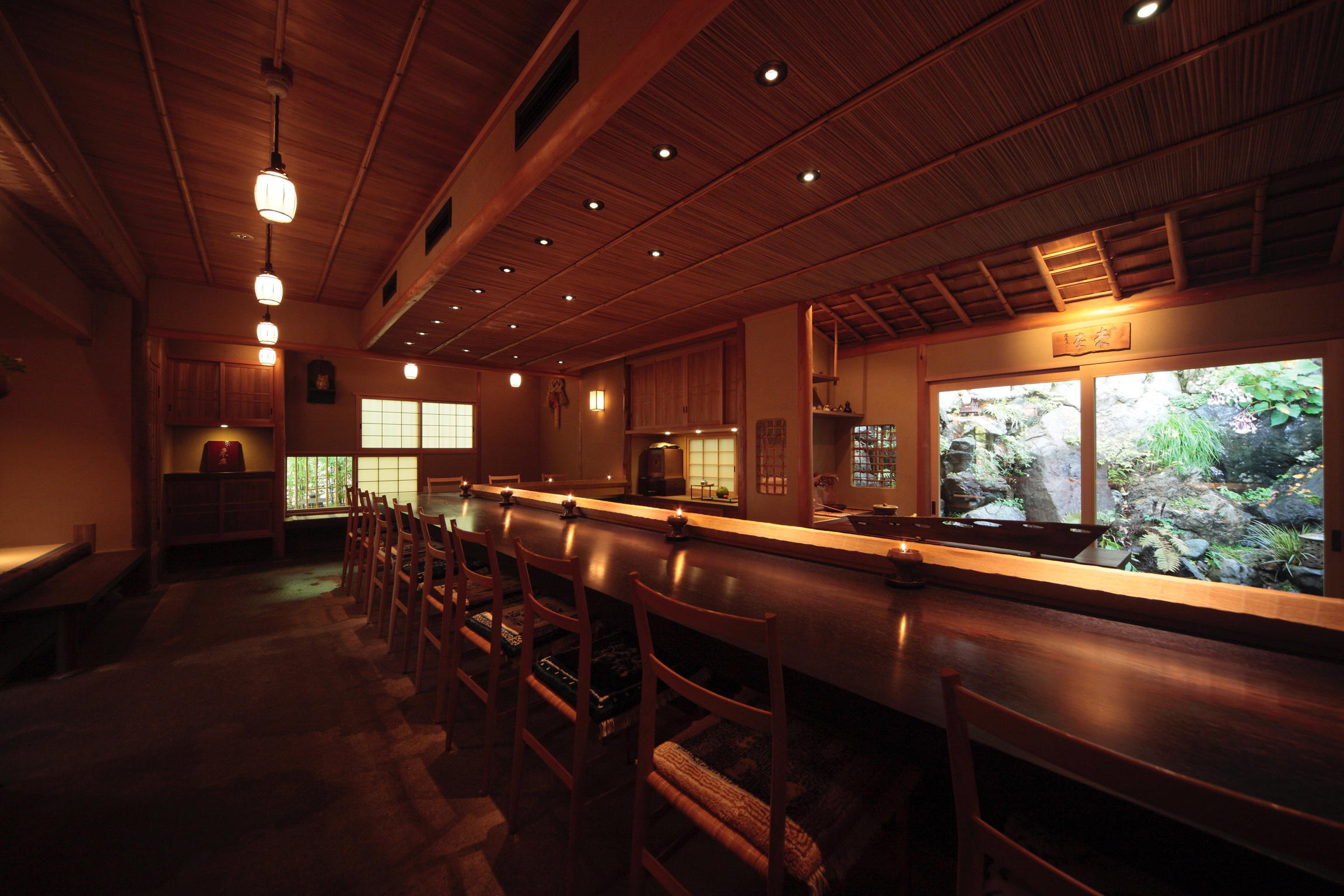
Tranquil and elegant with natural light filtering through shoji screens, polished wooden elements, and seasonal decorations creating a timeless Japanese atmosphere.