


A two-Michelin-star ryotei in the heart of Gion, Gion Maruyama holds a 2025 La Liste score of 87 points and an Opinionated About Dining ranking of #406 in Japan. The kitchen operates under a strict 'flavour, not seasoning' philosophy, running lunch and dinner seatings from Thursday to Tuesday in a space that combines traditional tatami rooms with a modern counter.
Pearl is the En Primeur Club membership app — saves, bookings, and concierge access live there. Same editors, same standards.
- Address
- 570-171 Gionmachi Minamigawa, Higashiyama Ward, Kyoto, 605-0074, Japan
- Phone
- +81 75-525-0009
- Website
- gionmaruyama.com
- Directions
- Get directions
 Saves & bookings on Pearl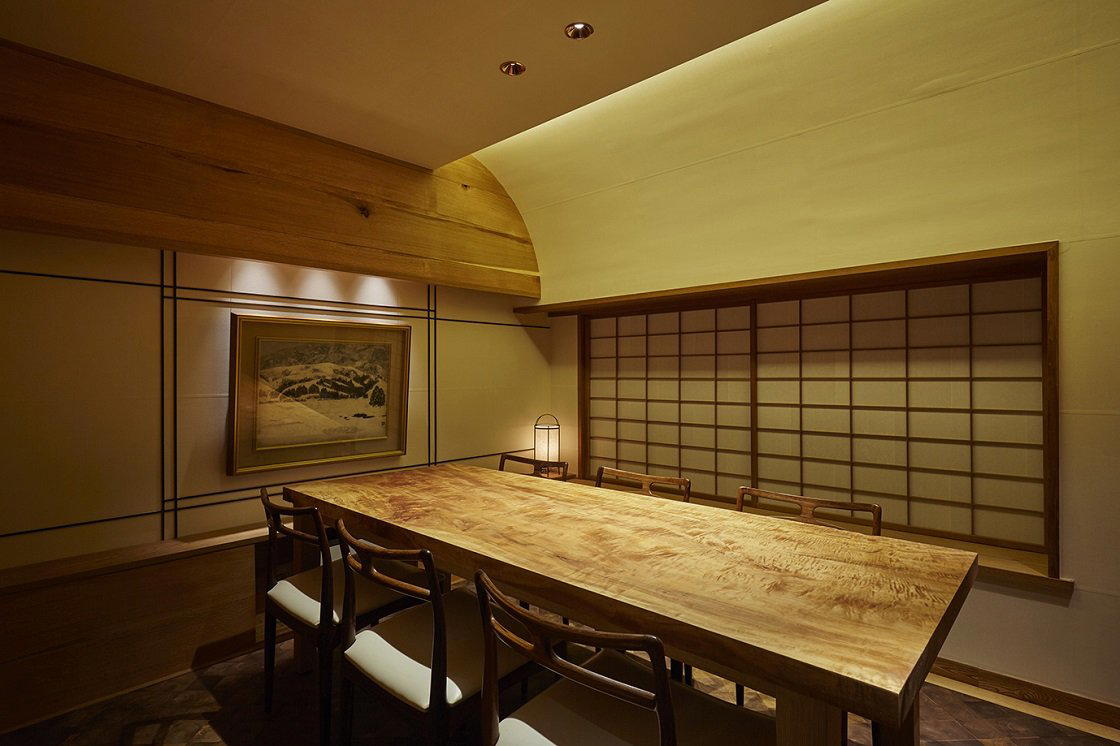
Where the Tea Ceremony Meets the Kaiseki Counter
Gionmachi Minamigawa, the southern stretch of the Gion district that runs along the edge of Higashiyama Ward, is among the more concentrated addresses for serious kaiseki dining anywhere in Japan. The preserved machiya townhouses, stone-paved lanes, and proximity to Yasaka Shrine create a physical context that many Kyoto kitchens use as backdrop; the leading use it as argument. In this neighbourhood, the rituals of hospitality, how a room is prepared, how a vessel is chosen, how a guest is received, carry as much weight as what arrives on the plate. Gion Maruyama operates squarely within that tradition, and its two Michelin stars confirm that the tradition is being executed at a level the guide takes seriously.
The format here is ryotei, the formal Japanese restaurant structure built around private rooms, seasonal menus, and service choreography that descends from the tea ceremony. What separates Gion Maruyama from a strictly classical reading of that format is a counter, a modern addition that positions a small number of guests directly in front of the kitchen. In a city where the ryotei tradition can feel sealed behind sliding screens, that counter is a meaningful structural choice, letting the working rhythm of the meal become part of the experience rather than something concealed.
The Philosophy Behind the Flavour
Kyoto kaiseki is a cuisine defined by restraint: dashi pulled from kombu and katsuobushi at precise concentrations, vegetables sourced from the city's traditional farming villages, fish treated according to the season rather than the preference. Chef Yoshio Maruyama works within that framework but has articulated a specific position inside it. The credo recorded in the La Liste citation, 'flavour, not seasoning', signals a prioritisation of the ingredient's native character over the chef's intervention. That stance places him in a lineage of Kyoto cooks who regard restraint not as a limitation but as the discipline that reveals what the ingredient actually tastes like.
Flower arrangements, carefully chosen vessels, a well-appointed ceremonial space: these are not decorative decisions but structural ones, each element in dialogue with the food.
Awards and Peer Context
The two-star Michelin rating, maintained consecutively in 2024 and 2025, places Gion Maruyama in a specific tier of Kyoto kaiseki. For comparison, Gion Sasaki operates at three stars, while Kikunoi Honten and Mizai occupy adjacent positions in the Kyoto formal-dining tier. The two-star bracket, which also includes venues like Ifuki and Kyokaiseki Kichisen, represents kaiseki that the Michelin inspectors regard as worth a detour rather than simply a meal worth the journey. At the ¥¥¥¥ price tier, diners are booking into a category where every element, room, service, and ingredient sourcing, is expected to cohere.
OAD rankings, driven by a community of experienced diners rather than anonymous inspectors, tend to reflect the consistent quality that repeat visitors experience rather than a single high-performance night. A ranking in the 300-400 range within Japan, a country with extraordinary density of serious restaurants, is a meaningful endorsement of consistency.
For readers planning a broader Japan itinerary, the kaiseki tradition extends well beyond Kyoto's city limits. RyuGin and Kanda represent Tokyo's interpretation of the form, while HAJIME in Osaka takes the seasonal-produce premise in a more contemporary direction. akordu in Nara and Goh in Fukuoka show how regional Japanese fine dining has developed its own critical standing outside the two main urban centres.
The Drinks Question at a Kyoto Ryotei
The editorial angle worth addressing at a kaiseki counter operating at this tier is how drinks are handled, because the kaiseki format creates conditions that differ from Western tasting-menu pairings in important ways. The progression of flavours in kaiseki, from delicate nimono (simmered dishes) through grilled courses to rice and pickles, is calibrated to a specific flavour arc, and the traditional accompaniment is sake rather than wine. At the two-star level in Kyoto, sake selection tends to be treated with the same sourcing rigour applied to the food: small producers, regional breweries, seasonal and aged expressions.
What La Liste's description of Gion Maruyama emphasises, carefully chosen serving vessels, tea ceremony-derived service, a devotion to sensory coherence, suggests that the drinks element is not treated as a secondary consideration. The vessel through which sake is served is itself part of the ceremony. In a ryotei context, the choice of ceramic, lacquerware, or glass for each stage of the meal is a curatorial act, and what fills that vessel is chosen in relation to it. Diners approaching the restaurant from a wine-first perspective should come prepared for a programme built around Japanese brewing traditions, and should treat the sake selection, if offered, as the intended pairing rather than an alternative to it.
For those whose primary orientation is wine, Kyoto's broader dining scene does accommodate that preference: Gion Nishikawa and other venues in the neighbourhood operate within kaiseki's seasonal framework while engaging more directly with Western wine lists. But at the restaurant, the tea ceremony spirit that pervades the service points toward a drinks programme aligned with the kitchen's broader philosophy of original character over intervention.
Planning a Visit
The restaurant operates a tightly structured schedule: lunch and dinner seatings run Monday, Tuesday, Thursday through Sunday, with Wednesday closed. Each service window is short, 11am to 1pm for lunch, 5pm to 7:30pm for dinner, which implies fixed seatings rather than open booking throughout the day. At the ¥¥¥¥ price tier with two Michelin stars, advance booking is essential well ahead of your travel dates. Autumn (October through November), when Kyoto's maple foliage season draws its highest concentration of visitors, is the period of most constrained availability across the neighbourhood's formal dining rooms.
The address, 570-171 Gionmachi Minamigawa, Higashiyama Ward, places the restaurant within walking distance of the main Gion landmarks. Within the immediate kaiseki comparable set, Hyotei offers a different entry point into Kyoto's formal dining tradition, with a longer institutional history and a multi-generation format. 1000 in Yokohama and 6 in Okinawa round out a picture of how Japan's serious-dining tier extends across its cities and islands. Harutaka in Tokyo represents the parallel world of premium sushi, for those whose Japan itinerary spans both kaiseki and the omakase counter.
What Regulars Order
Because the restaurant operates within kaiseki's seasonal-menu structure, there is no fixed dish that anchors a regular's order in the way a signature might at a Western restaurant. The menu changes with the season, and the kaiseki format is itself the ordering system. What regulars at this tier of Kyoto kaiseki tend to seek is not a specific dish but specific moments within that arc: the quality of the dashi in the soup course, the sourcing of the seasonal vegetable in the nimono, the precision of the rice. Given the La Liste citation's emphasis on 'flavour, not seasoning' and the kitchen's documented focus on ingredient-native character, those moments are the ones that reflect Chef Maruyama's sustained position. The two Michelin stars and the OAD ranking both suggest that those moments land consistently.
Booking and Cost Snapshot
Comparable venues nearby, for context on price, style, and recognition.
| Venue | Cuisine | Price | Awards |
|---|---|---|---|
| Gion MaruyamaThis venue — the venue you are viewing | Higashiyama, Kyoto Kaiseki | $$$$ | Michelin 2 Star |
| Ifuki | Higashiyama, Sumibi Kappo Kaiseki | $$$$ | Michelin 2 Star |
| Kyokaiseki Kichisen | Sakyō, Kyoto Kaiseki | $$$$ | Michelin 2 Star |
| Kodaiji Wakuden | Higashiyama, Luxury Kaiseki | $$$$ | Michelin 2 Star |
| Gion Nishikawa | Higashiyama, Michelin-Starred Kaiseki | $$$$ | Michelin 2 Star |
| Kiyama | Nakagyō, Traditional Kaiseki Washoku | $$$$ | Michelin 1 Star |
Recognition history
Dated appearances from independent guides and award organizations, with the underlying list record or original source where available.
La Liste Top Restaurants
La Liste
Michelin 2 Stars
Michelin
Opinionated About Dining Top Restaurants in Japan Recommended
Opinionated About Dining
La Liste Top Restaurants
La Liste
Michelin 2 Stars
Michelin
Opinionated About Dining Top Restaurants in Japan Ranked #406
Opinionated About Dining
Michelin 2 Stars
Michelin
Opinionated About Dining Top Restaurants in Japan Ranked #349
Opinionated About Dining
Opinionated About Dining Top Restaurants in Japan Recommended
Opinionated About Dining
Continue exploring
More in Kyoto
Restaurants in Kyoto
Browse all →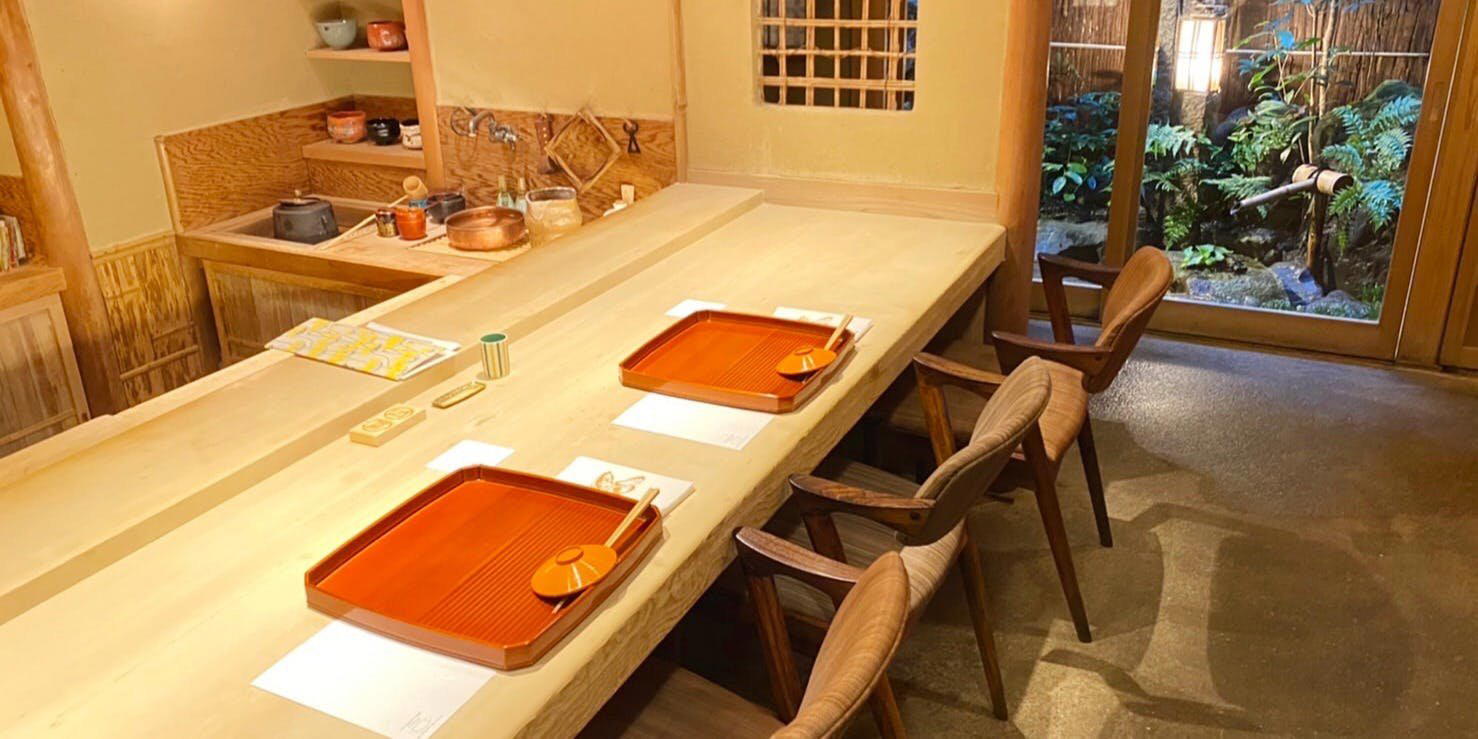
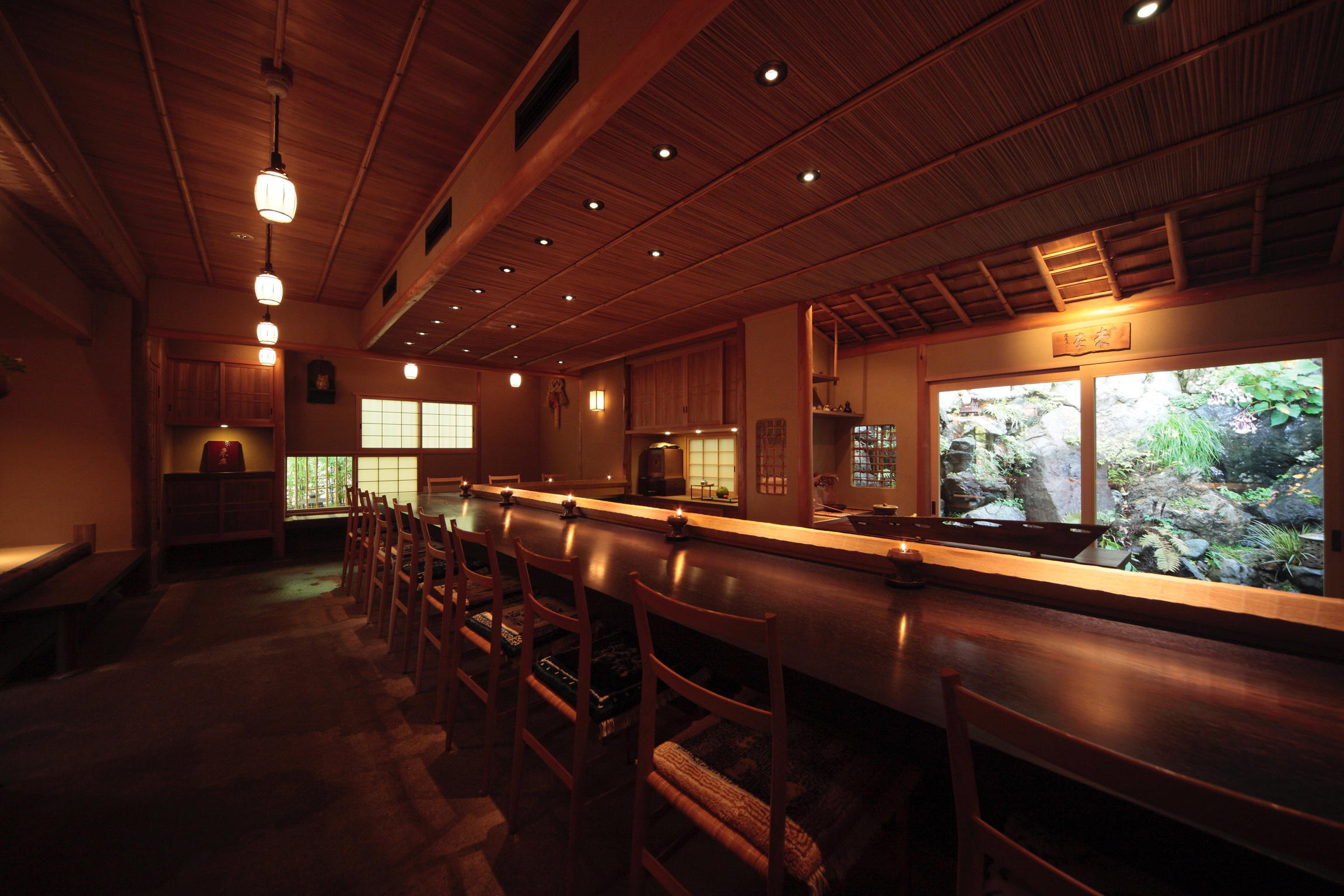
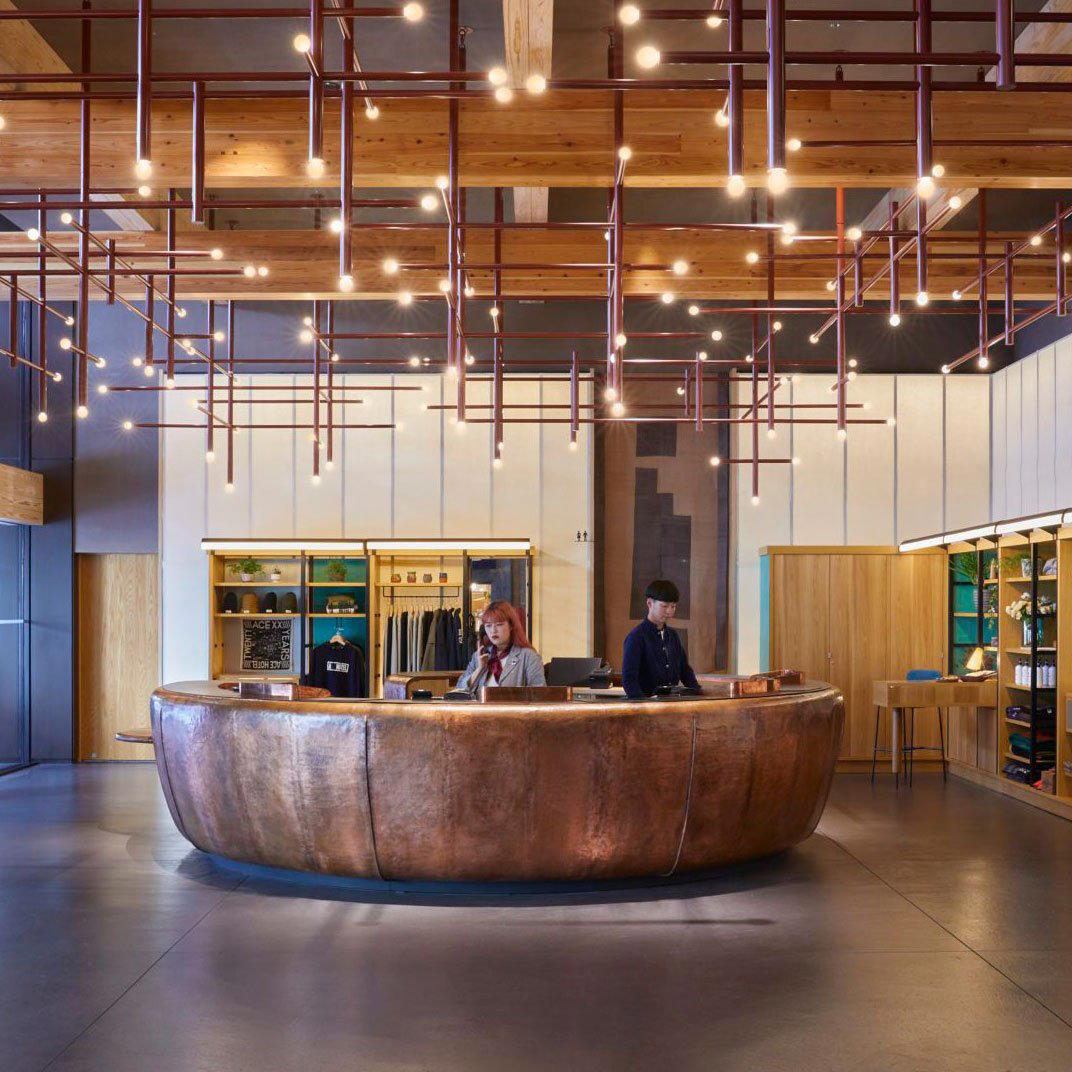
Bars in Kyoto
Browse all →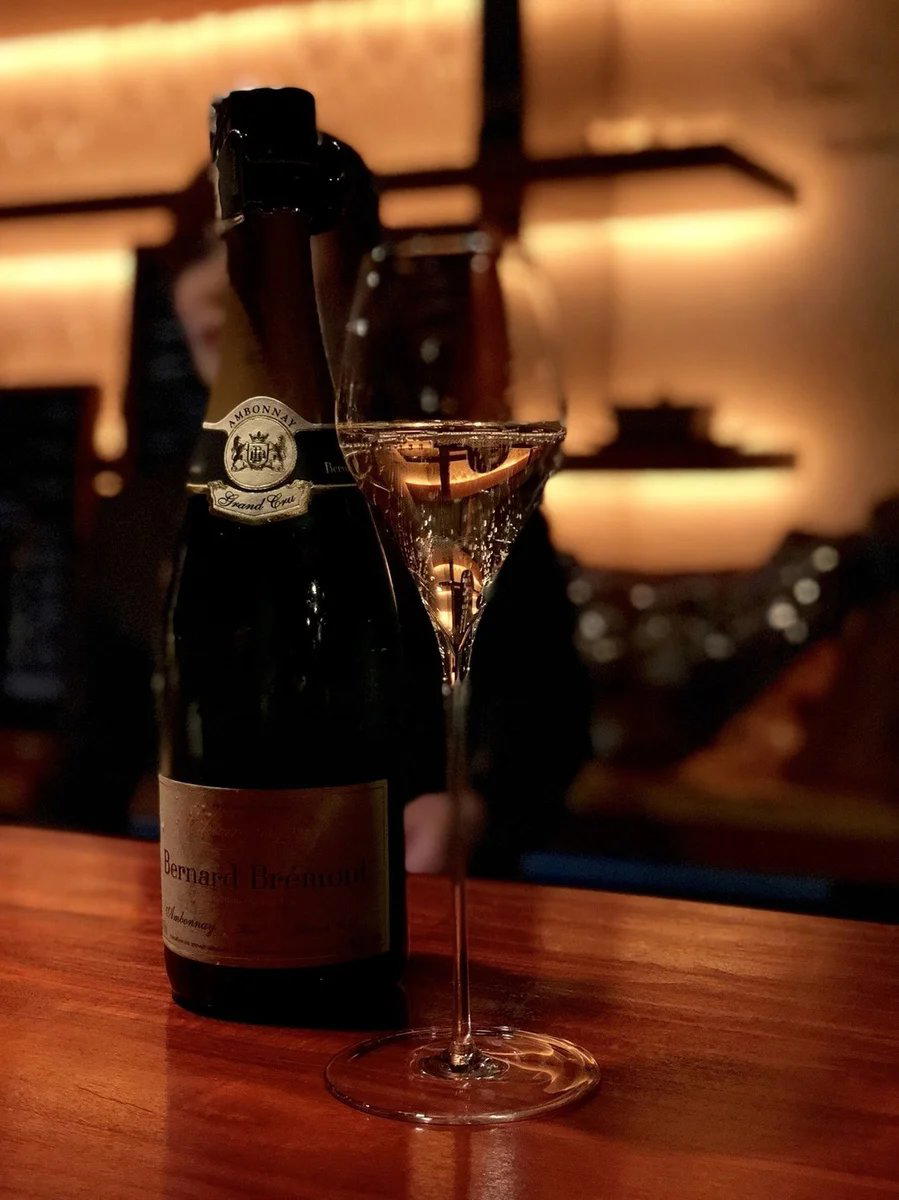
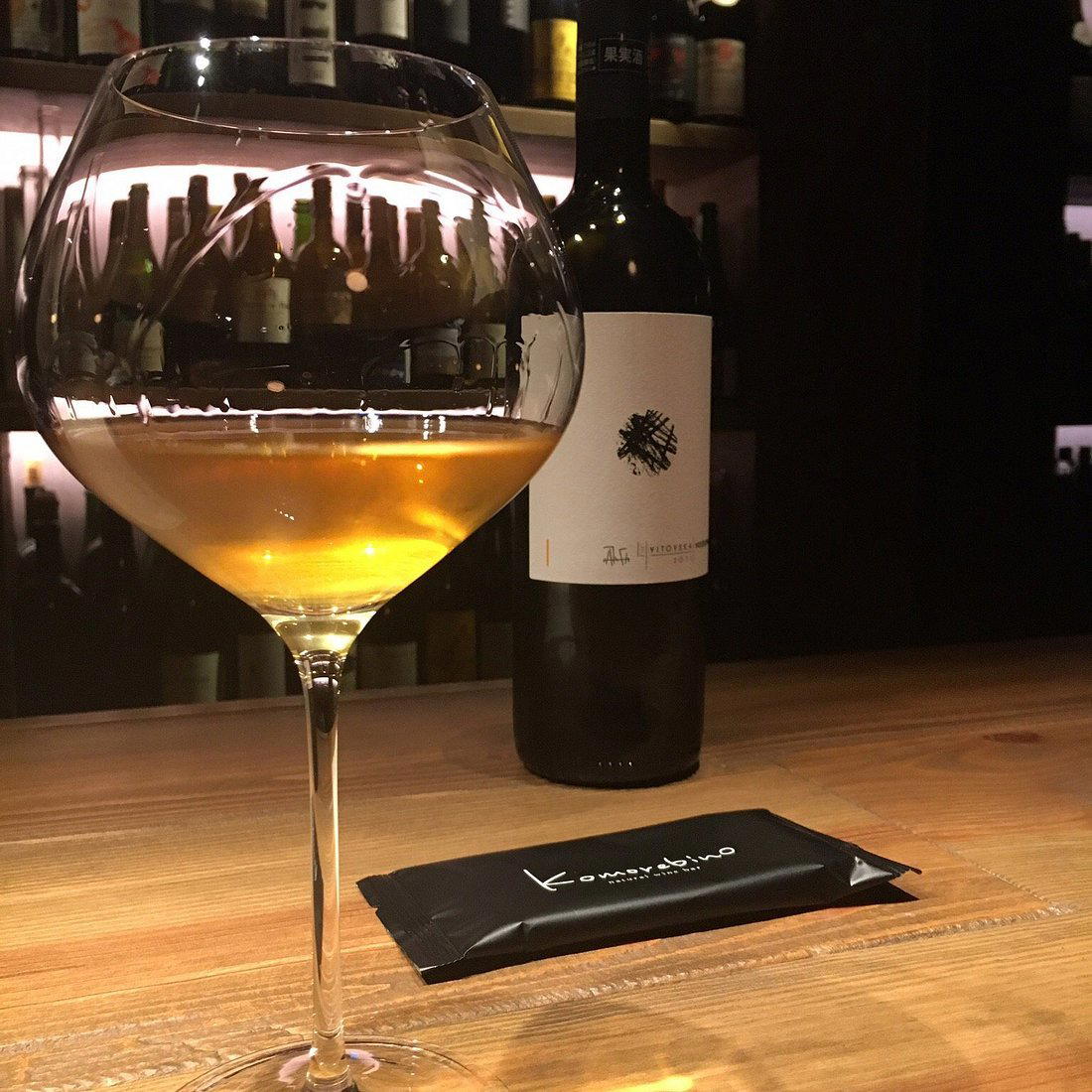
Hotels in Kyoto
Browse all →
Wineries in Kyoto
Browse all →
At a Glance
- Elegant
- Intimate
- Sophisticated
- Classic
- Special Occasion
- Date Night
- Celebration
- Private Dining
- Garden
- Sake Program
- Garden
Current opening hours
- Monday
- 11 AM–1 PM, 5–7:30 PM
- Tuesday
- 11 AM–1 PM, 5–7:30 PM
- Wednesday
- Closed
- Thursday
- 11 AM–1 PM, 5–7:30 PM
- Friday
- 11 AM–1 PM, 5–7:30 PM
- Saturday
- 11 AM–1 PM, 5–7:30 PM
- Sunday
- 11 AM–1 PM, 5–7:30 PM
Hours can change for holidays and private events. Last verified .
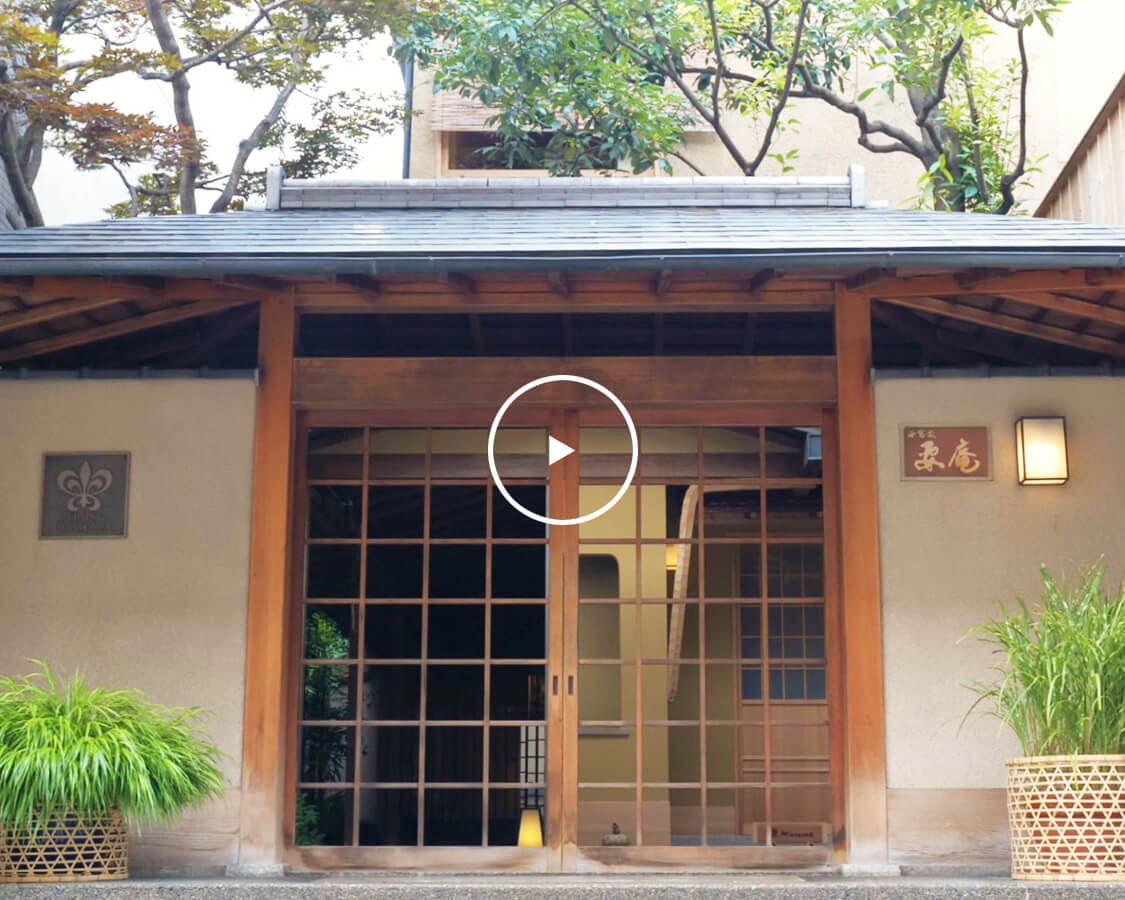
Elegant and serene traditional Japanese setting with sukiya-style rooms, seasonal decorations, soft natural light, and graceful tea ceremony-inspired hospitality.