Skip to Main Content
← Collection
Kyoto, Japan

Wine Bar Musée

LocationKyoto, Japan

<h2>Three Floors Up on a Narrow Lane</h2><p>Kyoto does not wear its drinking culture on its sleeve. The city's bars tend to occupy upper floors of unmarked buildings on lanes that reward the visitor who already knows where they are going. Wine Bar Musée sits on the third floor of a building along one of those narrow passages in Nakagyo Ward, a three-minute walk from Shijo-Karasuma station. The approach matters here: you climb rather than enter at street level, and that vertical threshold shifts the atmosphere before you have even sat down. What waits at the leading is a small room that operates at a register quite different from the ground-floor izakayas and the tourist-facing machiya restaurants nearby.</p><p>Small wine bars occupy a particular niche in Kyoto's drinking map. The city's central ward around Shijo and Karasuma has developed a quiet density of specialist drink venues over the past decade, running from craft cocktail rooms like <a href="https://www.enprimeurclub.com/bars/bees-knees-kyoto">Bee's Knees</a> and <a href="https://www.enprimeurclub.com/bars/alkaa-kyoto-bar">ALKAA</a> to the more ingredient-focused approach at <a href="https://www.enprimeurclub.com/bars/apotheca-kyoto-bar">APOTHECA</a>. Wine-specific rooms sit within that same broader shift toward specialist, low-capacity venues where the selection itself is the proposition. Musée belongs to that cohort: the format is compact, the focus is the glass, and the room is scaled to match.</p><h2>What the Room Communicates</h2><p>Third-floor wine bars in Japanese cities tend to carry a particular atmospheric logic. The climb filters out casual foot traffic. The compact size, typical of venues in this format, concentrates the room's energy. Lighting is usually kept low; the space is oriented around the bar or a small number of tables rather than any performative kitchen or open display. The effect is closer to a private collection than a restaurant annex, which is precisely the register that dedicated wine venues in Kyoto aim for.</p><p>In a city where spatial restraint is a design value rather than a compromise, a small third-floor room is not a limitation. It is a considered choice. The building on Kannondocho places Musée within walking distance of the commercial activity around Shijo-Karasuma but insulated from it by the narrow lane and the floors of separation. That positioning, physically and atmospherically, is what distinguishes this tier of Kyoto bar from the broader hospitality market.</p><p>For comparison across Kyoto's more theatrical bar end, <a href="https://www.enprimeurclub.com/bars/bar-cordon-noir-">Bar Cordon Noir</a> represents a different atmospheric proposition, and the contrast between the two illustrates how varied the city's drinking rooms have become. Elsewhere in Japan, bars like <a href="https://www.enprimeurclub.com/bars/ben-fiddich">Bar Benfiddich in Tokyo</a> and <a href="https://www.enprimeurclub.com/bars/bar-nayuta-osaka">Bar Nayuta in Osaka</a> show how the specialist small-venue format scales across different cities and categories, from spirits-forward Japanese bars to their wine-focused counterparts.</p><h2>Wine in Kyoto: The Broader Context</h2><p>Japan's relationship with wine has matured significantly over the past two decades. The country's domestic wine production, centered on regions like Yamanashi and Nagano, has gained international recognition, and the import market has deepened considerably. In Kyoto specifically, wine has carved space alongside the city's more embedded sake and whisky culture. The visitor who arrives expecting only Japanese spirits will find a more plural drinking environment, particularly in the central wards where venues have developed distinct personalities around their lists.</p><p>Small wine bars operating at this scale typically anchor their selection around either a regional specialty (a single country or appellation), a stylistic bent (natural wine, orange wine, or a low-intervention focus), or a broad-range approach that treats the list as an educational instrument. Without specific list data available, it would be imprecise to categorize Musée's selection in any of those terms. What the format and positioning do suggest is a curated approach rather than a volume-driven one: the room's size imposes discipline on the list, and the third-floor address implies an audience that arrives with intention.</p><p>For those building a wider picture of Kyoto's drink scene, our <a href="https://www.enprimeurclub.com/bars/kyoto">full Kyoto bars guide</a> maps the range of specialist venues across the city's central wards. Wine-focused visitors may also find useful context in our <a href="https://www.enprimeurclub.com/wineries/kyoto">full Kyoto wineries guide</a>, which covers production-side activity in the broader region.</p><h2>Getting There and Planning Your Visit</h2><p>The logistics are direct in terms of access. Shijo-Karasuma station serves multiple subway lines and places the building on Kannondocho within a three-minute walk. That proximity to one of Kyoto's main transport intersections means Musée is easily combined with dinner in the Shijo corridor before or after. The third-floor location means the entrance requires some attention; narrow-lane buildings in this part of Nakagyo Ward do not announce themselves with large signage. Arriving with the address confirmed in advance is advisable.</p><p>Kyoto's specialist bar tier tends to keep limited hours and limited seats. Whether Musée operates on a reservation basis or walk-in model is not confirmed in current data, but the small-room format across comparable Kyoto venues suggests that early evening arrivals and a flexible approach to timing serve visitors better than arriving late on a weekend night without prior contact. For the broader hospitality context around where to stay while visiting these venues, our <a href="https://www.enprimeurclub.com/hotels/kyoto">full Kyoto hotels guide</a> covers the central and Higashiyama options in detail.</p><p>Those building a full Kyoto itinerary across food and drink categories can use our <a href="https://www.enprimeurclub.com/restaurants/kyoto">full Kyoto restaurants guide</a>, <a href="https://www.enprimeurclub.com/experiences/kyoto">full Kyoto experiences guide</a>, and the bar resources already linked above. For a point of international comparison in the same specialist small-venue category, <a href="https://www.enprimeurclub.com/bars/bar-leather-apron-honolulu">Bar Leather Apron in Honolulu</a> offers an interesting parallel in how a compact, credential-led bar operates in a tourism-heavy city while maintaining a specialist identity.</p><h2>Frequently Asked Questions</h2><dl><dt><strong>What should I drink at Wine Bar Musée?</strong></dt><dd>Wine Bar Musée is, as the name indicates, a wine-focused venue rather than a cocktail or spirits bar. The selection in a room of this scale and format is typically curated rather than encyclopedic. Arriving open to the house recommendation or a short list of pours by the glass is consistent with how specialist small wine bars of this type operate in Kyoto's central wards. Specific list details are not confirmed in current data, so it is worth checking directly with the venue for current availability before your visit.</dd><dt><strong>What is the standout thing about Wine Bar Musée?</strong></dt><dd>The combination of location and format. Shijo-Karasuma is one of Kyoto's most accessible central points, yet the third-floor address on a narrow lane in Nakagyo Ward gives the bar a removed quality that the immediate surroundings do not suggest. For a city as densely visited as Kyoto, that atmospheric separation at close range to a major transit hub is the defining characteristic of this type of venue. Pricing information is not confirmed in current data; for comparisons across the Kyoto bar tier, our <a href="https://www.enprimeurclub.com/bars/kyoto">full Kyoto bars guide</a> provides broader context.</dd><dt><strong>Do I need a reservation for Wine Bar Musée?</strong></dt><dd>Booking policy details are not confirmed in current public data. Small third-floor wine bars in central Kyoto, particularly those operating with limited seating, do tend to fill quickly on weekend evenings and during peak travel periods (spring cherry blossom season and autumn foliage season being the two highest-demand windows). If you are planning around a specific date, contacting the venue in advance is the more reliable approach than arriving without prior notice. Phone and website details are not listed in current records, so local search or Google Maps contact information would be the practical starting point.</dd></dl>

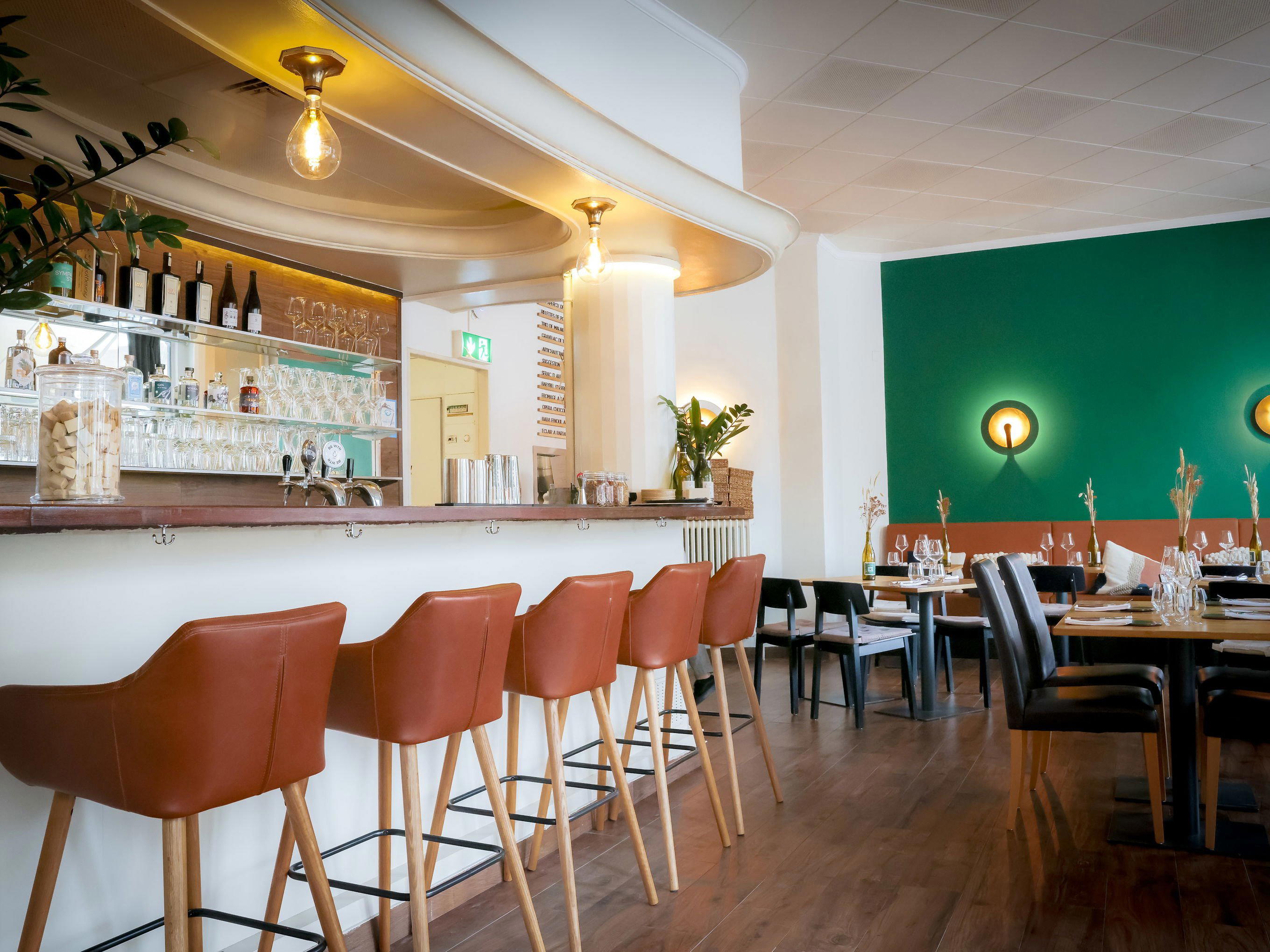
Wine Bar Musée bar in Kyoto, Japan
About

Three Floors Up on a Narrow Lane

Kyoto does not wear its drinking culture on its sleeve. The city's bars tend to occupy upper floors of unmarked buildings on lanes that reward the visitor who already knows where they are going. Wine Bar Musée sits on the third floor of a building along one of those narrow passages in Nakagyo Ward, a three-minute walk from Shijo-Karasuma station. The approach matters here: you climb rather than enter at street level, and that vertical threshold shifts the atmosphere before you have even sat down. What waits at the leading is a small room that operates at a register quite different from the ground-floor izakayas and the tourist-facing machiya restaurants nearby.

Small wine bars occupy a particular niche in Kyoto's drinking map. The city's central ward around Shijo and Karasuma has developed a quiet density of specialist drink venues over the past decade, running from craft cocktail rooms like Bee's Knees and ALKAA to the more ingredient-focused approach at APOTHECA. Wine-specific rooms sit within that same broader shift toward specialist, low-capacity venues where the selection itself is the proposition. Musée belongs to that cohort: the format is compact, the focus is the glass, and the room is scaled to match.

What the Room Communicates

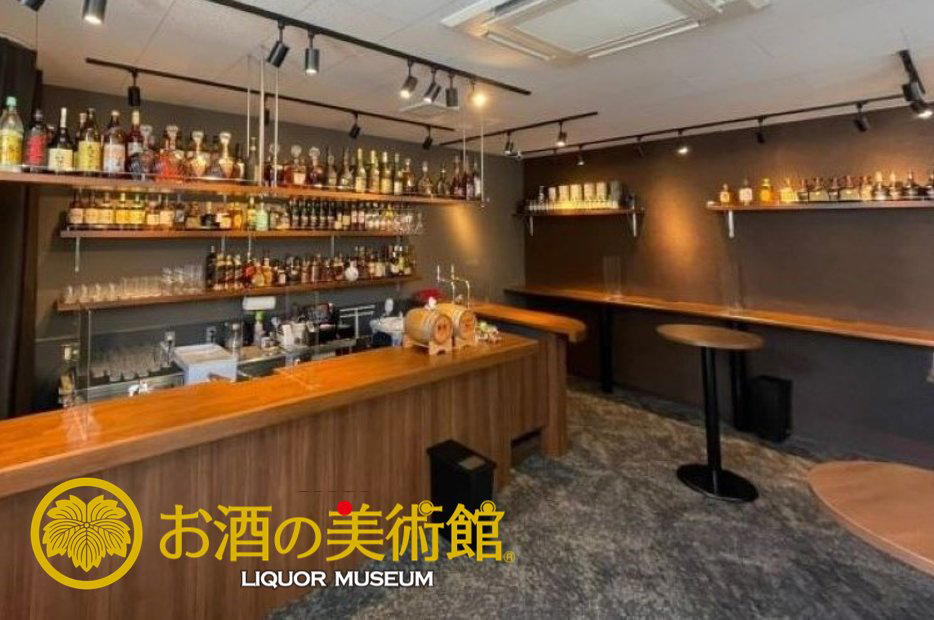
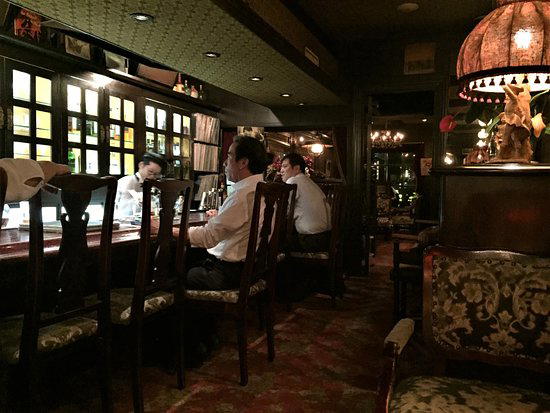
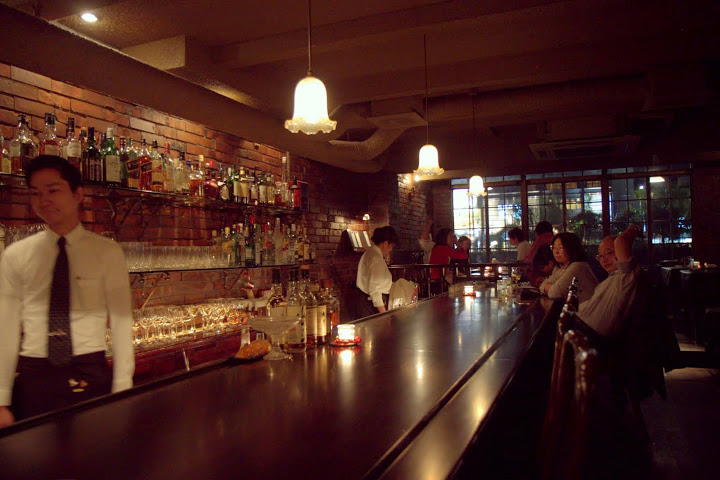
Third-floor wine bars in Japanese cities tend to carry a particular atmospheric logic. The climb filters out casual foot traffic. The compact size, typical of venues in this format, concentrates the room's energy. Lighting is usually kept low; the space is oriented around the bar or a small number of tables rather than any performative kitchen or open display. The effect is closer to a private collection than a restaurant annex, which is precisely the register that dedicated wine venues in Kyoto aim for.

In a city where spatial restraint is a design value rather than a compromise, a small third-floor room is not a limitation. It is a considered choice. The building on Kannondocho places Musée within walking distance of the commercial activity around Shijo-Karasuma but insulated from it by the narrow lane and the floors of separation. That positioning, physically and atmospherically, is what distinguishes this tier of Kyoto bar from the broader hospitality market.

For comparison across Kyoto's more theatrical bar end, Bar Cordon Noir represents a different atmospheric proposition, and the contrast between the two illustrates how varied the city's drinking rooms have become. Elsewhere in Japan, bars like Bar Benfiddich in Tokyo and Bar Nayuta in Osaka show how the specialist small-venue format scales across different cities and categories, from spirits-forward Japanese bars to their wine-focused counterparts.

Wine in Kyoto: The Broader Context

Japan's relationship with wine has matured significantly over the past two decades. The country's domestic wine production, centered on regions like Yamanashi and Nagano, has gained international recognition, and the import market has deepened considerably. In Kyoto specifically, wine has carved space alongside the city's more embedded sake and whisky culture. The visitor who arrives expecting only Japanese spirits will find a more plural drinking environment, particularly in the central wards where venues have developed distinct personalities around their lists.

Small wine bars operating at this scale typically anchor their selection around either a regional specialty (a single country or appellation), a stylistic bent (natural wine, orange wine, or a low-intervention focus), or a broad-range approach that treats the list as an educational instrument. Without specific list data available, it would be imprecise to categorize Musée's selection in any of those terms. What the format and positioning do suggest is a curated approach rather than a volume-driven one: the room's size imposes discipline on the list, and the third-floor address implies an audience that arrives with intention.

For those building a wider picture of Kyoto's drink scene, our full Kyoto bars guide maps the range of specialist venues across the city's central wards. Wine-focused visitors may also find useful context in our full Kyoto wineries guide, which covers production-side activity in the broader region.

Getting There and Planning Your Visit

The logistics are direct in terms of access. Shijo-Karasuma station serves multiple subway lines and places the building on Kannondocho within a three-minute walk. That proximity to one of Kyoto's main transport intersections means Musée is easily combined with dinner in the Shijo corridor before or after. The third-floor location means the entrance requires some attention; narrow-lane buildings in this part of Nakagyo Ward do not announce themselves with large signage. Arriving with the address confirmed in advance is advisable.

Kyoto's specialist bar tier tends to keep limited hours and limited seats. Whether Musée operates on a reservation basis or walk-in model is not confirmed in current data, but the small-room format across comparable Kyoto venues suggests that early evening arrivals and a flexible approach to timing serve visitors better than arriving late on a weekend night without prior contact. For the broader hospitality context around where to stay while visiting these venues, our full Kyoto hotels guide covers the central and Higashiyama options in detail.

Those building a full Kyoto itinerary across food and drink categories can use our full Kyoto restaurants guide, full Kyoto experiences guide, and the bar resources already linked above. For a point of international comparison in the same specialist small-venue category, Bar Leather Apron in Honolulu offers an interesting parallel in how a compact, credential-led bar operates in a tourism-heavy city while maintaining a specialist identity.

Frequently Asked Questions

What should I drink at Wine Bar Musée?
Wine Bar Musée is, as the name indicates, a wine-focused venue rather than a cocktail or spirits bar. The selection in a room of this scale and format is typically curated rather than encyclopedic. Arriving open to the house recommendation or a short list of pours by the glass is consistent with how specialist small wine bars of this type operate in Kyoto's central wards. Specific list details are not confirmed in current data, so it is worth checking directly with the venue for current availability before your visit.
What is the standout thing about Wine Bar Musée?
The combination of location and format. Shijo-Karasuma is one of Kyoto's most accessible central points, yet the third-floor address on a narrow lane in Nakagyo Ward gives the bar a removed quality that the immediate surroundings do not suggest. For a city as densely visited as Kyoto, that atmospheric separation at close range to a major transit hub is the defining characteristic of this type of venue. Pricing information is not confirmed in current data; for comparisons across the Kyoto bar tier, our full Kyoto bars guide provides broader context.
Do I need a reservation for Wine Bar Musée?
Booking policy details are not confirmed in current public data. Small third-floor wine bars in central Kyoto, particularly those operating with limited seating, do tend to fill quickly on weekend evenings and during peak travel periods (spring cherry blossom season and autumn foliage season being the two highest-demand windows). If you are planning around a specific date, contacting the venue in advance is the more reliable approach than arriving without prior notice. Phone and website details are not listed in current records, so local search or Google Maps contact information would be the practical starting point.

Cuisine and Recognition

A compact peer snapshot based on similar venues we track.

Collector Access

Need a Table?

Our members enjoy priority alerts and concierge-led booking support for the world's most difficult bars and lounges.

Get Exclusive Access