
1 Michelin Key
A 40-room retreat in Kyoto's Okazaki district, Fufu Kyoto carries a Michelin Key (2024) and the brand's signature commitment to contemporary kaiseki hospitality. Every room includes a private hot-spring bath, and the garden-set restaurant Ioto grounds the stay in local ingredients and seasonal rhythm. Rates from $1,267 per night position it at the upper tier of Kyoto's modern ryokan alternatives.

Pearl is the En Primeur Club membership app, where members save venues, book tables and use the concierge.
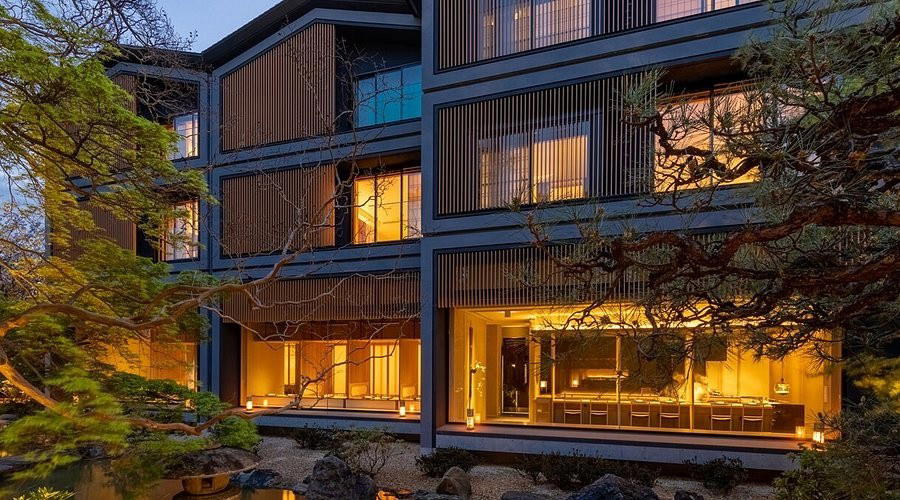
Where Okazaki's Garden Culture Meets the Modern Ryokan
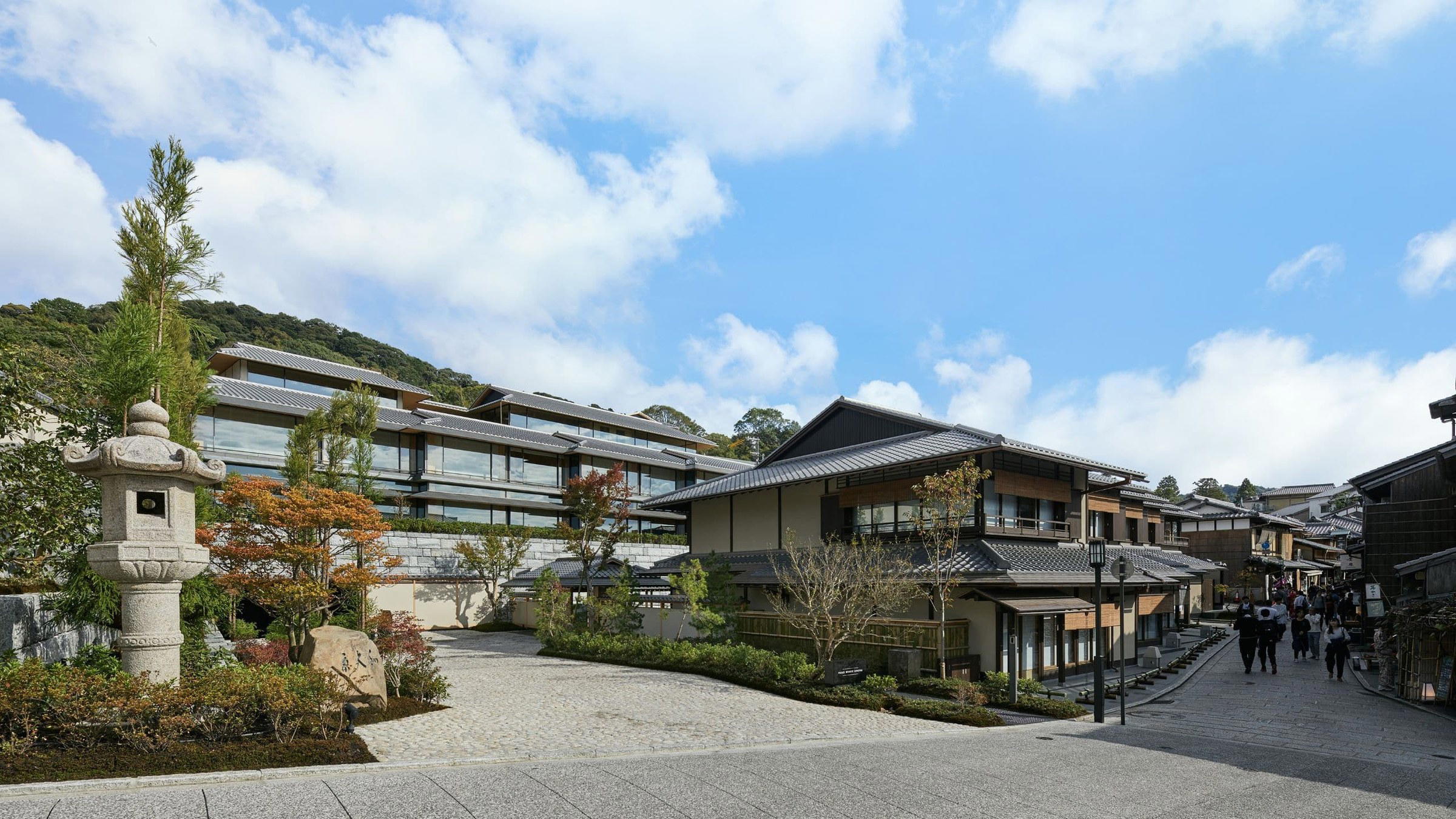
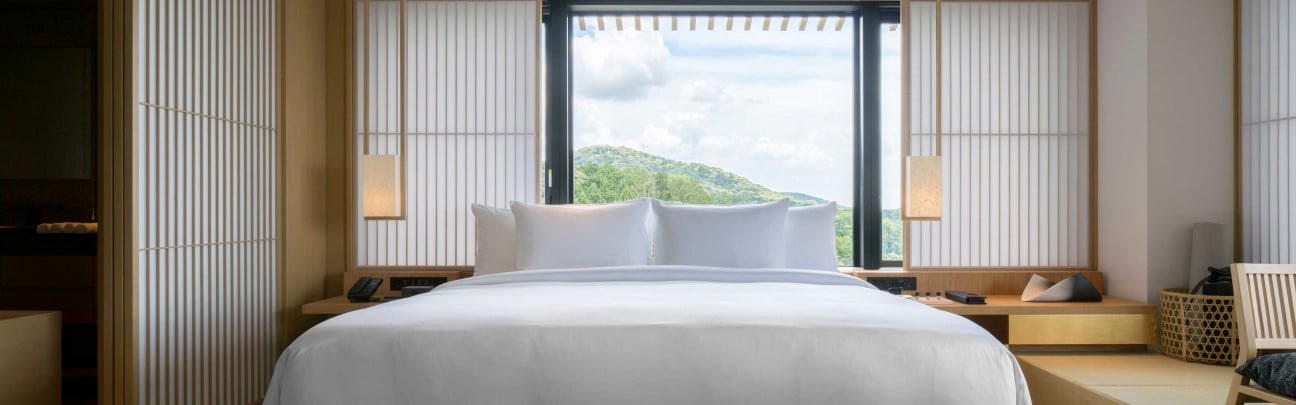
Approaching Fufu Kyoto along the Okazaki canal corridor, the shift from city to sanctuary happens gradually. The Nanzenji neighborhood has long operated as a kind of gravitational center for Kyoto's contemplative side: temple gates, canal-fed gardens, and a built environment that has resisted the pressures that have reshaped other parts of the city. Within that setting, Fufu Kyoto occupies a garden property that uses its verdant surroundings as architectural material as much as decoration. The greens outside the window are not incidental. They define the visual cadence of the stay from arrival through each morning's light.
Japan's premium ryokan-adjacent hotel category has been one of hospitality's more quietly confident segments over the past decade. Properties in this tier, where contemporary construction replaces aged timber frames but the service logic of traditional Japanese hospitality stays intact, have attracted a traveler who wants the emotional grammar of a ryokan without sacrificing modern spatial standards. The FUFU brand, known among informed travelers well before its Michelin recognition, operates precisely in that space. Fufu Kawaguchiko and Fufu Nikko follow the same design and service philosophy, but the Kyoto property carries its own competitive weight, shaped by the particular demands of the city it sits in.
The Room as a Destination
Japan's onsen hotel tradition places the bath at the center of the stay, not at its edge. Forty rooms, each with a private hot-spring bath, is a considered ratio: large enough to sustain the service infrastructure the brand requires, contained enough to preserve the register of intimacy that separates this category from a conventional luxury hotel. At a nightly rate from $1,267, Fufu Kyoto prices against the upper tier of Kyoto's contemporary ryokan alternatives rather than against the international hotel chains a few districts away.
The accommodation scale at Fufu Kyoto positions it differently from some of the city's larger flagships. Four Seasons Hotel Kyoto operates at a different footprint and audience. Park Hyatt Kyoto commands Higashiyama's hillside with an architectural statement. Aman Kyoto, with its forest-garden setting and minimal key count, competes in a slightly different register of seclusion. Fufu Kyoto's 40-room count and onsen-in-every-room structure place it in a niche that prioritizes bodily ritual and seasonal immersion over brand spectacle.
Ioto and the Case for Provenance-Led Cooking in Kyoto
Kyoto's culinary identity has always been organized around scarcity and seasonality. Kyo-yasai, the heirloom vegetables grown in the city's surrounding agricultural zones, became central to kaiseki not because of ideology but because of geography: landlocked, distant from major fishing ports, the city's cooks historically worked with what grew nearby and what arrived preserved. That constraint produced one of the world's most ingredient-focused cooking traditions, where the sourcing decision is the creative decision.
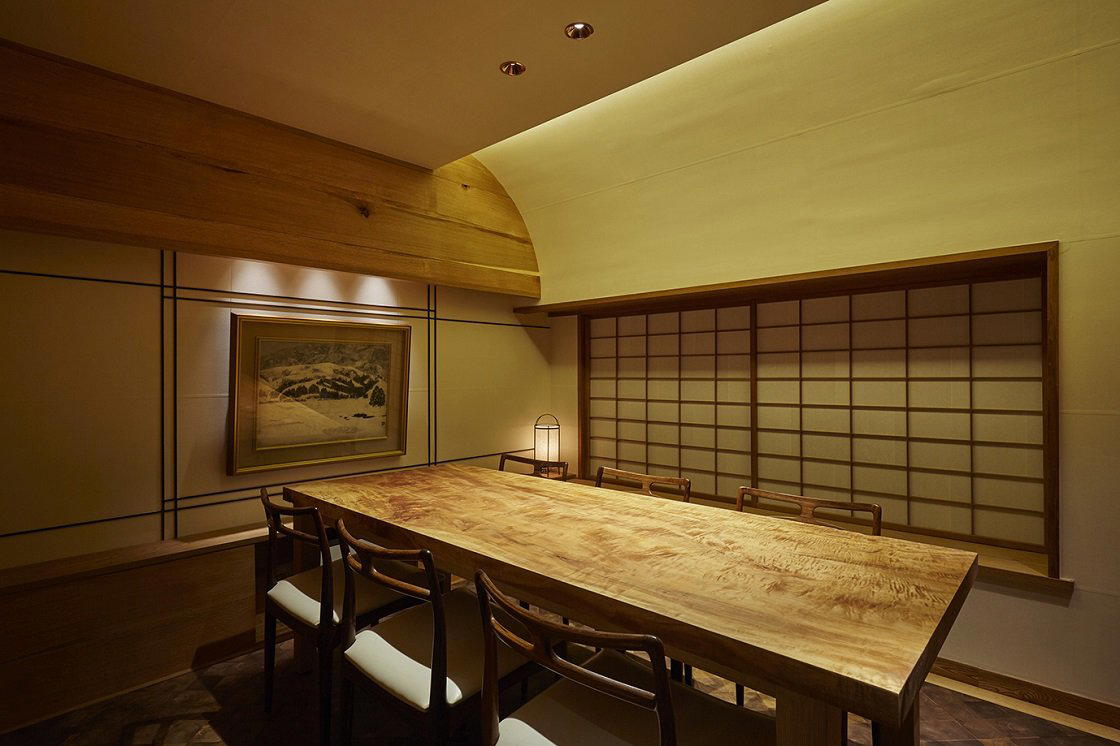
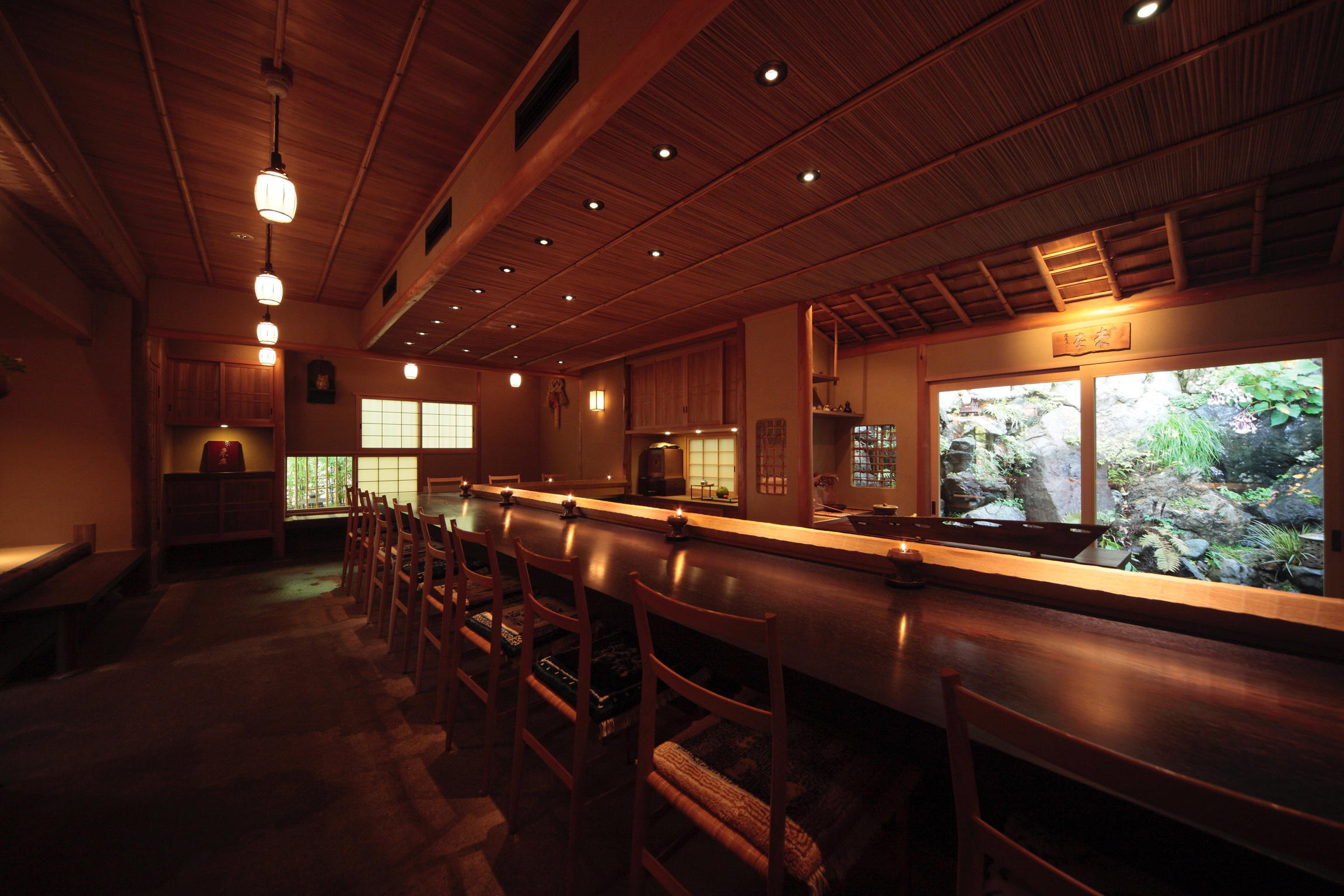
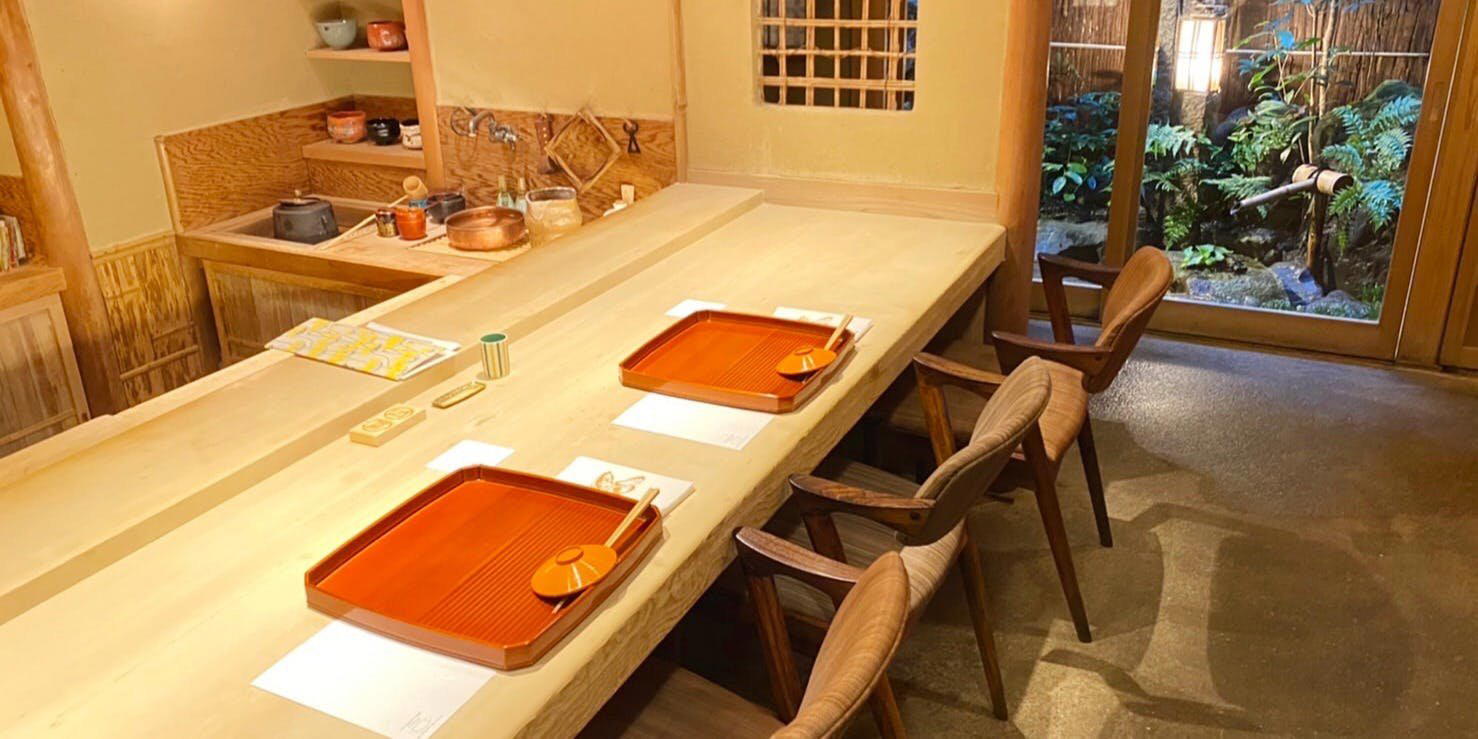
Ioto, the restaurant at Fufu Kyoto, operates within that tradition. The garden setting is not decorative framing for the dining experience; in the logic of kaiseki, the landscape outside and the food on the table are meant to read as continuous, the same seasonal moment expressed through two different media. A Michelin Key awarded in 2024 confirms that the property's hospitality execution has cleared a formal threshold, the Key designation specifically recognizes hotels for guest experience quality, and Fufu Kyoto's recognition in the first year of the Michelin Key program in Japan signals early credibility in a newly formalized category.
For the traveler focused on where the food comes from, Kyoto's broader agricultural infrastructure is relevant context. The Nishiki Market, a few kilometers west, has functioned as the city's ingredient clearinghouse for centuries and remains one of the more direct ways to understand what is in season at any given moment. The ryokan kitchen at a property like this typically tracks that seasonal signal closely, with the breakfast service often the clearest expression of local sourcing: tofu from neighborhood producers, pickled vegetables calibrated to the week's market, seasonal fish prepared in ways that reference the city's preservation traditions.
Okazaki as a Base for Kyoto's Eastern Districts
Fufu Kyoto's address in Sakyo Ward places it within reach of a cluster of cultural sites that reward extended time rather than a single visit. The Nanzenji temple complex is walkable, as are the Heian Shrine grounds and the chain of museums along the Okazaki canal. The Philosopher's Path begins nearby and links southward through the neighborhoods of Ginkakuji and Nanzenji in a sequence that has defined the eastern Kyoto walking route for decades.
This location distinguishes the property from Kyoto hotels anchored in Higashiyama or downtown Gion. The Shinmonzen and SOWAKA both operate within the denser Gion-Higashiyama corridor, where proximity to Hanamikoji and the preserved machiya streets is the primary spatial asset. Okazaki trades that intensity for a quieter residential register, where the garden becomes the event rather than a backdrop to the city's pedestrian theater.
For visitors arriving via Kyoto Station, the Okazaki district sits to the northeast, accessible by taxi, bus, or bicycle depending on the season and luggage situation. Spring and autumn bring significant foot traffic to the Heian Shrine and Nanzenji neighborhoods, and the canal area can be dense during cherry blossom and autumn foliage periods. Booking well in advance for those windows is advisable at a property of this size, where availability tightens quickly.
Positioning in Japan's Broader Luxury Travel Circuit
FUFU's multi-property model gives travelers a logical way to sequence regional Japan. The brand's other properties extend the same service language across different natural settings: Fufu Kawaguchiko puts Mount Fuji in the frame; Fufu Nikko situates guests near the Toshogu shrine complex and Nikko's cedar forests. Kyoto anchors a broader Japan itinerary that might extend east toward Tokyo, where Bvlgari Hotel Tokyo operates at a different scale and urban register, or south into the Kii Peninsula, where Amanemu in Mie occupies its own onsen-focused coastal setting.
Other traditional inn formats in Japan offer useful points of comparison for understanding what Fufu Kyoto is doing and for whom. Gora Kadan in Hakone, Asaba in Izu, and Nishimuraya Honkan in Kinosaki-cho all operate within the classic ryokan tradition with varying degrees of historical fabric. Fufu Kyoto belongs to a newer current: contemporary construction, private hot-spring baths in each room rather than communal bathing, and a design vocabulary that references tradition without being constrained by it. Zaborin in Kutchan offers a Hokkaido variant of that same contemporary-onsen model for travelers extending northward.
Within Kyoto specifically, the comparison set spans a range of approaches. HOTEL THE MITSUI KYOTO draws on its historical site near Nijo Castle. Ace Hotel Kyoto and Dusit Thani Kyoto occupy the more design-forward international hotel tier. Fufu Kyoto's competitive logic sits closer to properties that treat the bathing ritual and seasonal meal as the stay's core activity, with the room itself configured to support that priority rather than to deliver a conventional hotel experience with Japanese aesthetic applied as surface.
For the full picture of where Fufu Kyoto sits among the city's dining and accommodation options, see our full Kyoto restaurants guide.
Planning Your Stay
Fufu Kyoto's 40 rooms and Michelin Key status keep demand consistent year-round, with peak periods around cherry blossom season in late March and early April and autumn foliage in November compressing availability considerably. Rates start from $1,267 per night. The property is at 41-41 Nanzenji Kusakawachō, Sakyo Ward, a few minutes from the Nanzenji temple complex on Kyoto's eastern edge. Given the limited room count, securing dates several months ahead for high-season travel is the standard approach for this tier of property.
Cuisine Context
Comparable venues nearby, for context on price, style, and recognition.
| Venue | Cuisine | Price | Awards | Notes |
|---|---|---|---|---|
| Fufu KyotoThis venue (the venue you are viewing) | Modern ryokan with Japanese garden and private onsens | Not listed | 1 Michelin Key | Not listed |
| Kanamean Nishitomiya | Traditional family-owned ryokan blending 19th-century wooden architecture with contemporary luxury. | $500–750 | 2 Michelin Keys · Relais Chateaux Award | Nakagyō |
| The Hotel Higashiyama by Kyoto Tokyu Hotel, A Pan Pacific Hotel | Blends traditional ryokan hospitality with contemporary luxury inspired by Kyoto's feudal-era Higashiyama district. | $300–500 | Michelin Selected | Higashiyama |
| Four Seasons Hotel Kyoto | Contemporary resort-style oasis inspired by traditional Kyoto machiya houses set in a historic pond garden. | $1,000–1,500 | 1 Michelin Key · La Liste Top Hotels | Higashiyama |
| Hyatt Regency Kyoto | Traditional Japanese luxury with modern facilities | $300–500 | Michelin Selected · Virtuoso Luxury Hotel Partner | Higashiyama |
| KIKOKUTEI Bekkan | Contemporary boutique ryokan blending modern minimalism with traditional Japanese hospitality principles | $300–500 | Michelin Selected | Shimogyō |
Recognition history
Dated appearances from independent guides and award organizations, with the underlying list record or original source where available.
Michelin 1 Key
Michelin
Full recognition history (3 entries)
Michelin 1 Key
Michelin
Michelin 1 Key
Michelin
Continue exploring
More in Kyoto
Hotels in Kyoto
All hotels in Kyoto →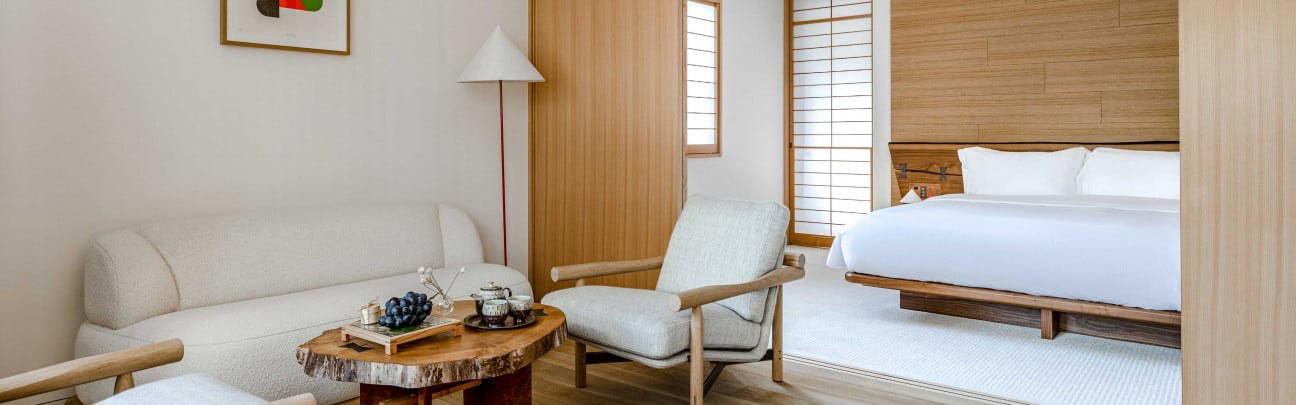
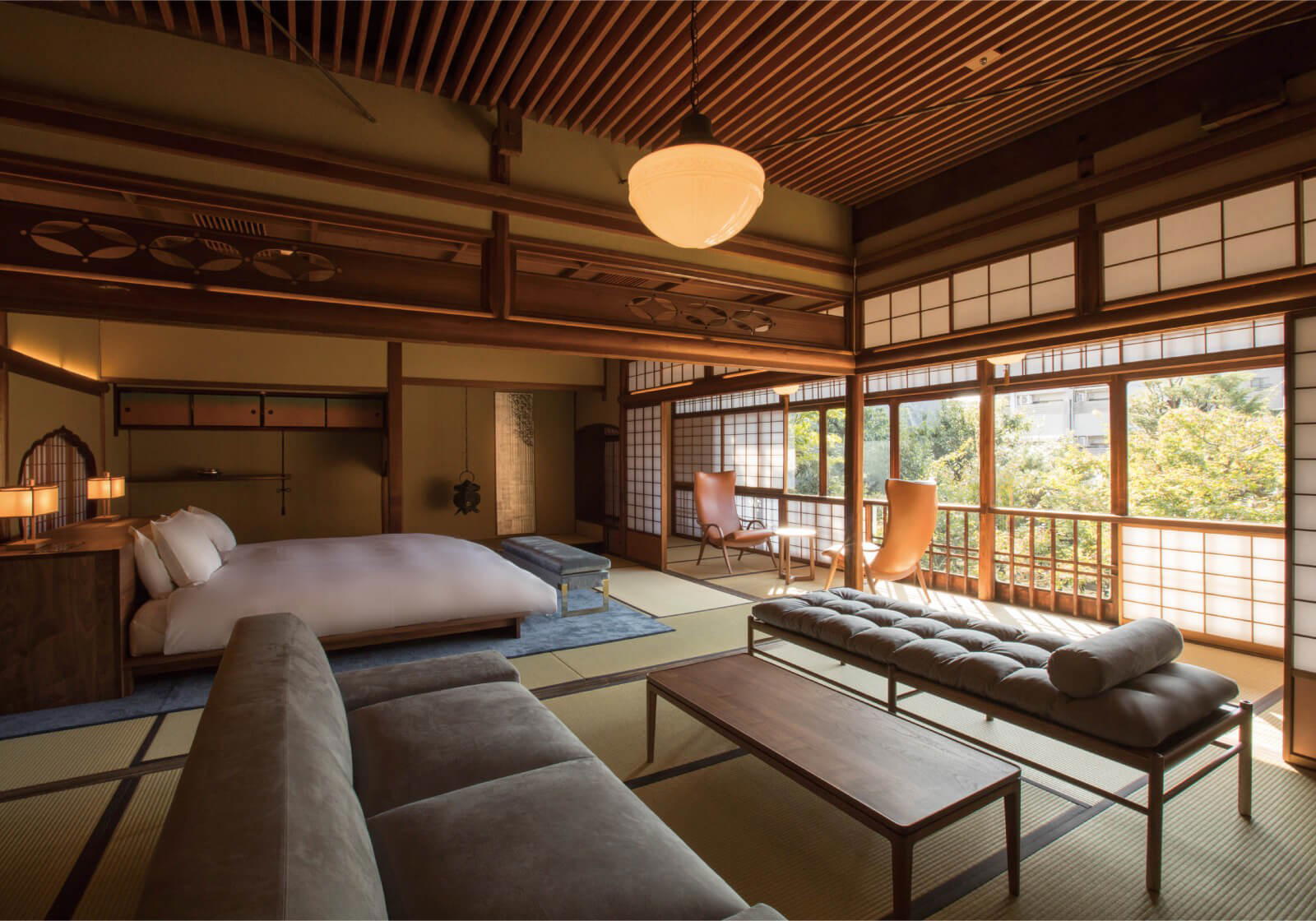
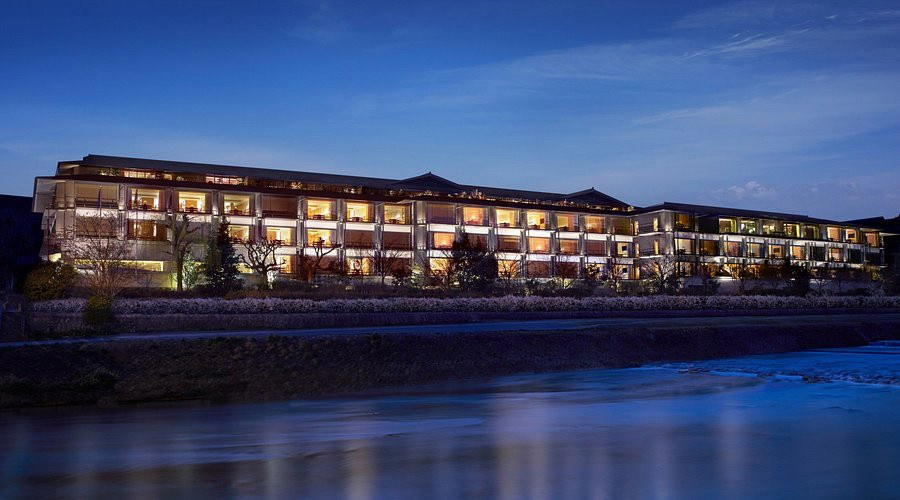
Bars in Kyoto
All bars in Kyoto →
Restaurants in Kyoto
All restaurants in Kyoto →
Wineries in Kyoto
Browse all →
Details
- Quiet
- Elegant
- Modern
- Intimate
- Sophisticated
- Minimalist
- Romantic Getaway
- Honeymoon
- Anniversary
- Wellness Retreat
- Garden
- Wi Fi
- Room Service
- Concierge
- Restaurant
- Bar
- Garden
- Wheelchair Accessible
- Elevator
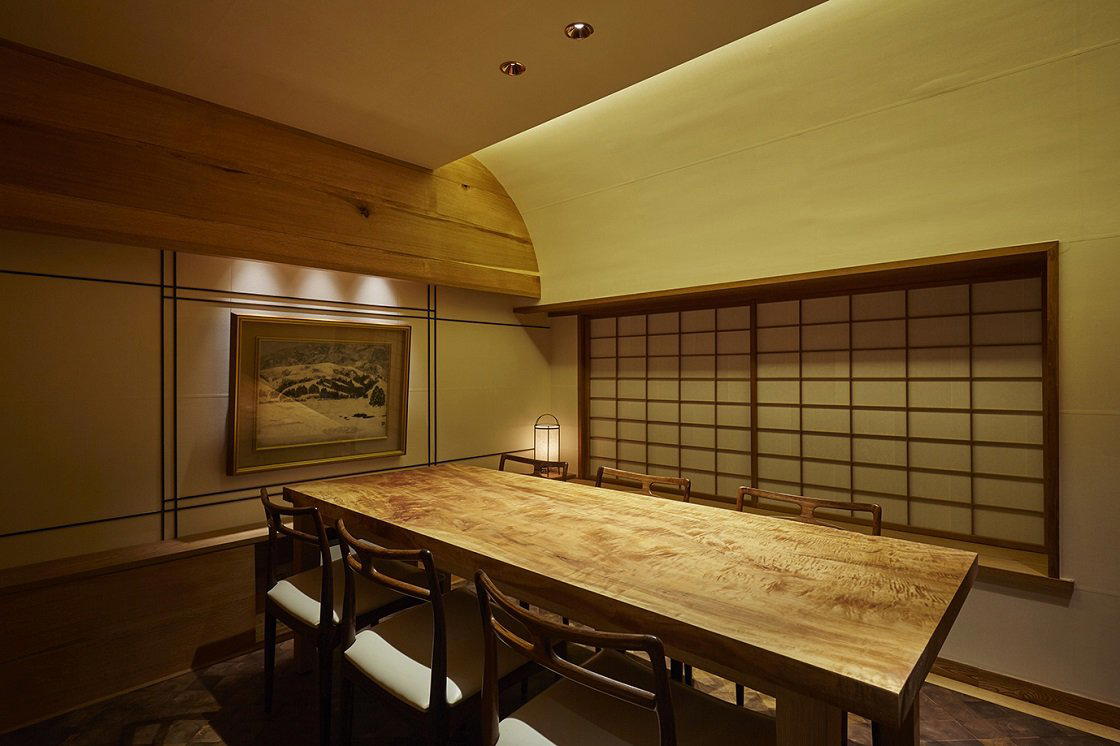
Serene and relaxing with Japanese garden views, soft lighting, incense fragrance, and a tranquil atmosphere praised in guest reviews.