Kyoto Tsurara occupies a city where the boundaries between dining room and cultural inheritance are deliberately thin. Set within a metropolis that has defined Japanese kaiseki for centuries, it operates in a peer group of deeply serious kitchens where seasonal discipline and spatial restraint carry as much weight as what arrives on the plate. A reservation here sits inside one of the world's most concentrated fine-dining corridors.

Pearl is the En Primeur Club membership app — saves, bookings, and concierge access live there. Same editors, same standards.
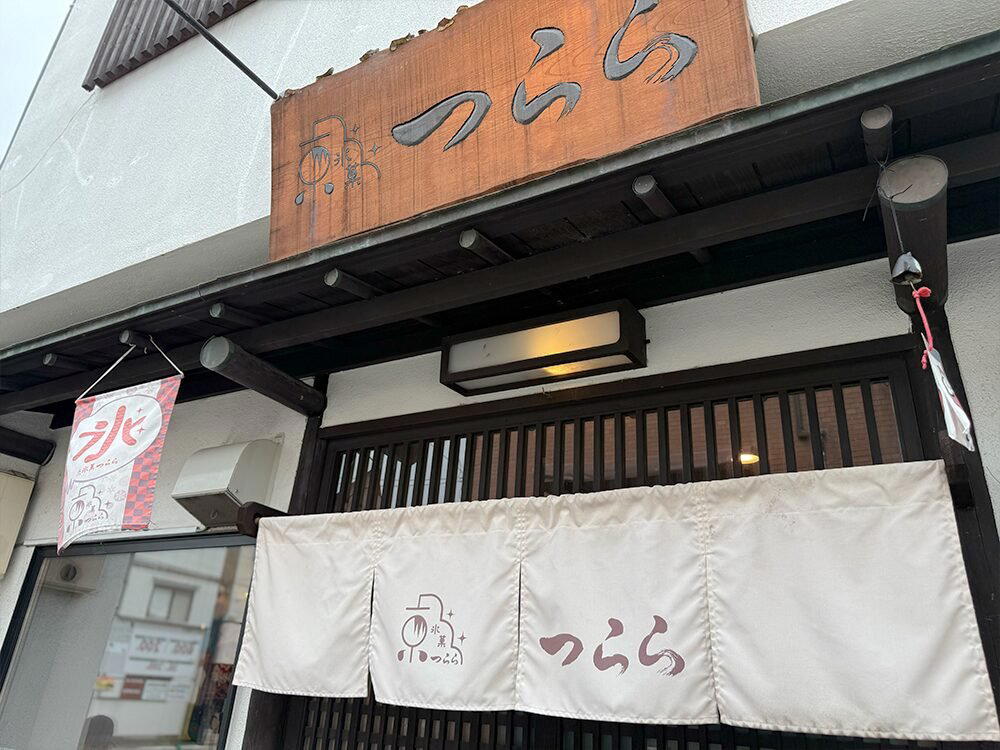
Eating in Kyoto: What the City Demands of Its Kitchens
Kyoto Tsurara is a restaurant in Kyoto serving Modern Japanese Kakigori, with a casual dress code and reservations recommended. A restaurant in Kyoto does not merely compete with its contemporaries; it competes with the weight of a living culinary archive. Kitchens like Kikunoi Honten, Hyotei, and Gion Sasaki carry Michelin recognition and generational pedigree, setting the benchmark against which newer or less-documented addresses are quietly assessed by anyone who eats seriously in this city.
Kyoto Tsurara operates inside that context. The name itself, tsurara meaning icicle in Japanese, carries a sensory precision that aligns with a city culture that expects even language to do considered work. The venue sits within Kyoto's demanding dining environment, where expectations run high.
The Neighbourhood as Frame
Kyoto's dining geography is not uniform. The city clusters its serious restaurants in ways that reflect both historical land use and the logic of foot traffic from temples, ryokan corridors, and the geisha districts. Gion, Higashiyama, and the streets flanking the Kamo River have historically attracted the kaiseki houses that define the city's upper register. Further west and north, quieter neighbourhoods sustain a different kind of kitchen: smaller, less trafficked by tourists, and often operating with a local clientele whose expectations are formed by decades of regular attendance rather than annual visits.
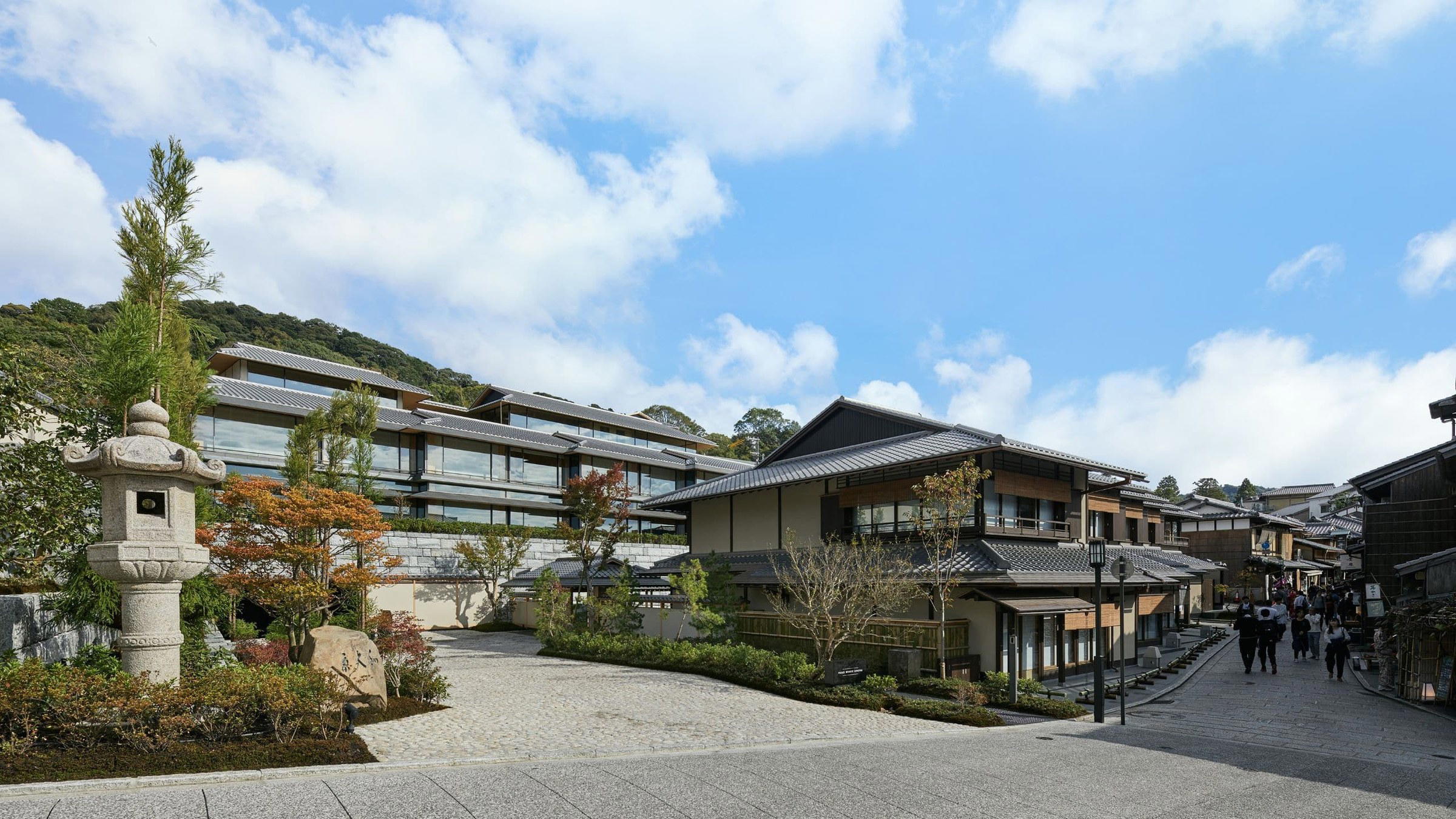
Where a Kyoto restaurant sits within this geography shapes the experience before a single dish appears. A room in Gion arrives pre-loaded with expectation and atmosphere. A room in a residential quarter asks the guest to bring more of their own attention, to read the space without the shorthand of famous streets. Its Kyoto location places it in a city that prizes precision and seasonality. For visitors cross-referencing options, the full Kyoto restaurants guide maps the city's dining character across neighbourhoods and price registers.
Where Kyoto Sits in Japan's Fine-Dining Architecture
Understanding any Kyoto restaurant requires locating it within the broader architecture of Japanese fine dining, which has become more geographically distributed in recent years. The concentration of Michelin stars in Tokyo is well documented, but Kyoto's starred count per capita remains among the highest of any city in Japan. Mizai and Isshisoden Nakamura represent the city's capacity to sustain kaiseki houses that read as culturally specific rather than internationally inflected.
Outside Kyoto, the regional comparison points are instructive. HAJIME in Osaka operates in a register closer to contemporary European fine dining, applying precision technique to a city more associated with street-level abundance. Harutaka in Tokyo represents the capital's sushi-counter model at its most refined. akordu in Nara shows how Kansai's secondary cities have developed their own serious dining cultures, while Goh in Fukuoka has become among the more discussed kitchens in western Japan. Internationally, kitchens like Le Bernardin in New York City and Atomix in New York City demonstrate how Korean and French fine-dining traditions translate into comparable peer tiers; Kyoto kaiseki occupies a structurally similar position in the Japanese context, where cultural specificity is itself a value proposition.
Further afield in Japan's less-documented dining corridors, addresses like 三本木 石川割烹 in Nanao, 北の大地山乃 in Sapporo, 湖畔庵橦 in Takashima, 鳳羽屋 in Nishikawa Machi, Birdland in Sakai, and Bistro Ange in Toyohashi illustrate how Japan's regional dining culture extends well beyond the Michelin-mapped urban centres. Kyoto Tsurara, whatever its confirmed status, operates in the city that functions as the gravitational centre of that tradition.
Planning a Visit
Kyoto's serious restaurants operate on booking cycles that reward forward planning. The city's peak seasons, cherry blossom in late March through April and autumn foliage through October and November, drive reservation demand at the summit tier significantly higher than the rest of the year. Kitchens in the kaiseki register often take reservations weeks to months in advance, particularly for weekend seatings.
The Kansai region as a whole warrants dedicated time for serious eaters. Kyoto and Osaka are thirty minutes apart by shinkansen, making it possible to access both cities' dining cultures across a single stay. Nara, a further thirty minutes east of Osaka, adds another register entirely. Building an itinerary that moves between Kyoto's formality and Osaka's more democratic abundance is a pattern that experienced visitors to the region return to repeatedly.
What to Expect from Kyoto's Format
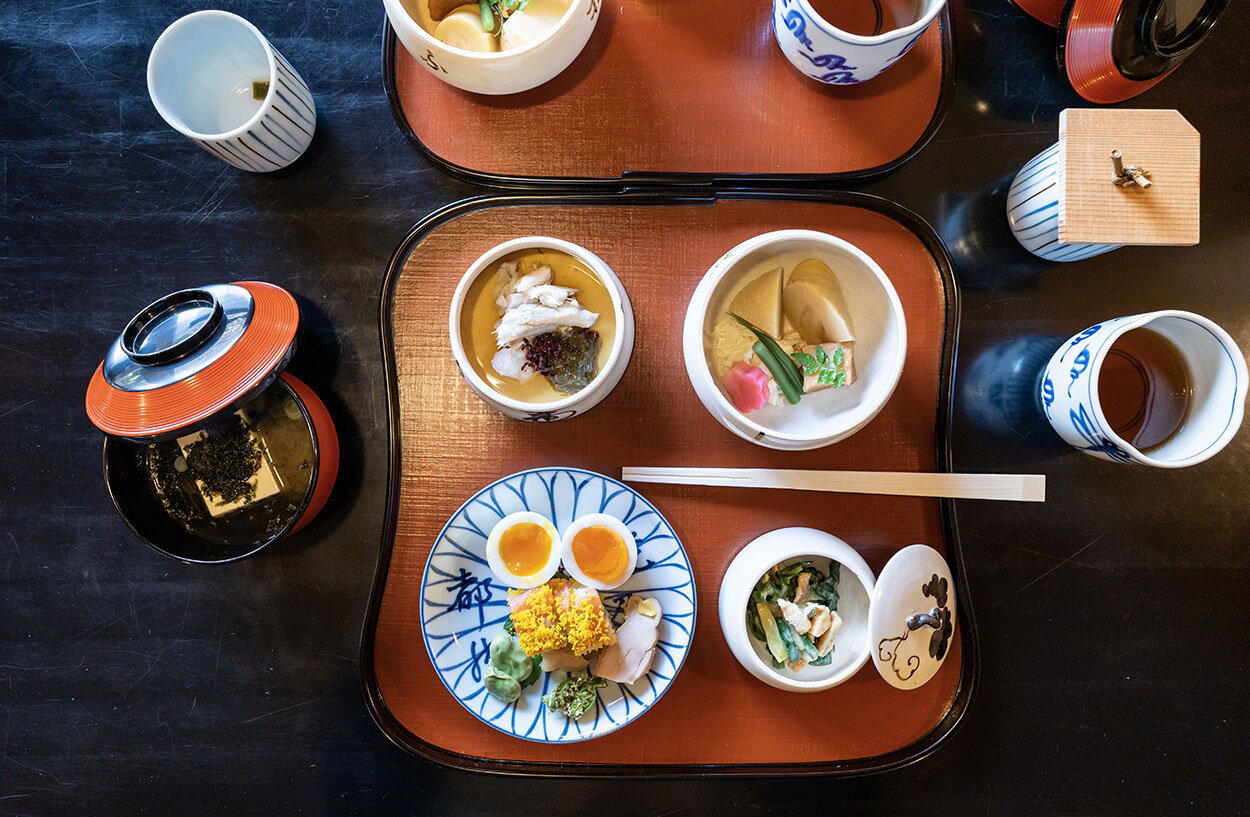
Kyoto kaiseki, in its traditional form, moves through a sequence of courses tied to the season's produce and the logic of textural and temperature contrast. Lacquerware, ceramic from Kyoto's own kiln traditions, and the arrangement of space within the room are treated as extensions of the cooking rather than as decoration. The pace is calibrated to the format, never rushed, and the expectation that the guest will arrive without strong dietary constraints is more pronounced here than in most European fine-dining contexts, though this varies by kitchen. Guests with specific requirements are advised to communicate them clearly at the time of booking, well in advance of the meal itself.
The restaurant sits at a modest price tier. For those mapping options across the price spectrum, Kyoto's ¥¥¥ tier includes kitchens working in Italian and Chinese registers, confirming that the city's dining offer extends beyond kaiseki into other serious formats.
Style and Standing
Comparable venues nearby, for context on price, style, and recognition.
| Venue | Cuisine | Price | Notes |
|---|---|---|---|
| Kyoto TsuraraThis venue — the venue you are viewing | Modern Japanese Kakigori | $$ | Not listed |
| Tasuki Pass The Baton | Traditional Japanese Tea Room & Kakigori | $$ | Gion |
| Touhichi (らぁ麺 とうひち) | Chicken Shoyu Ramen | $$ | Ichijoji |
| Saikyo Yaki Kyoto Yamaroku | Traditional Kyoto Saikyo-yaki / Japanese | $$ | Shimogyō |
| 斎華 | Kaiseki | Not listed | Higashiyama |
| Kawabata Doki | Traditional Japanese Sweets | $$ | Sakyō |
At a Glance
- Modern
- Trendy
- Whimsical
- Casual Hangout
- Solo
- Family
- Design Destination
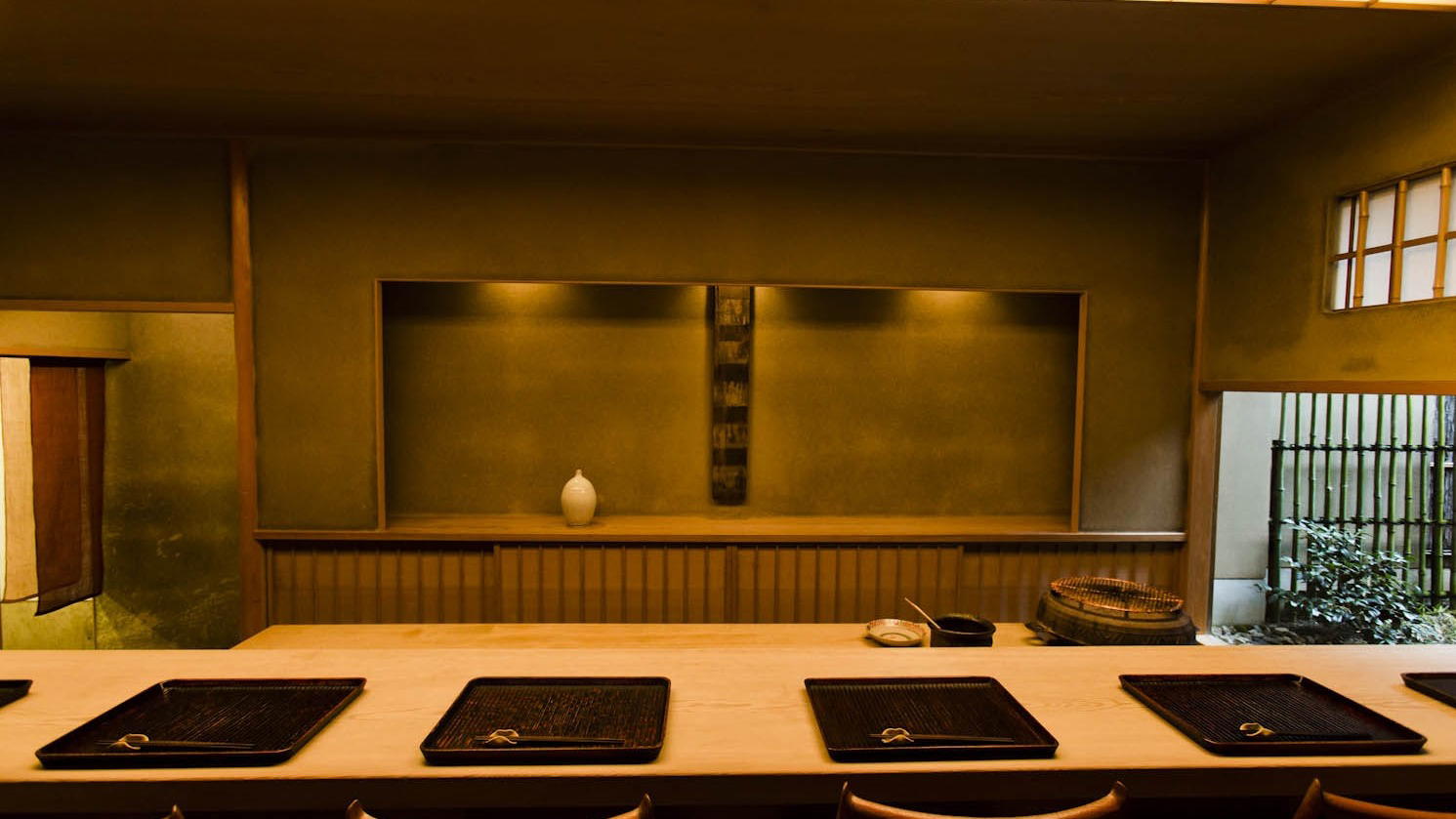
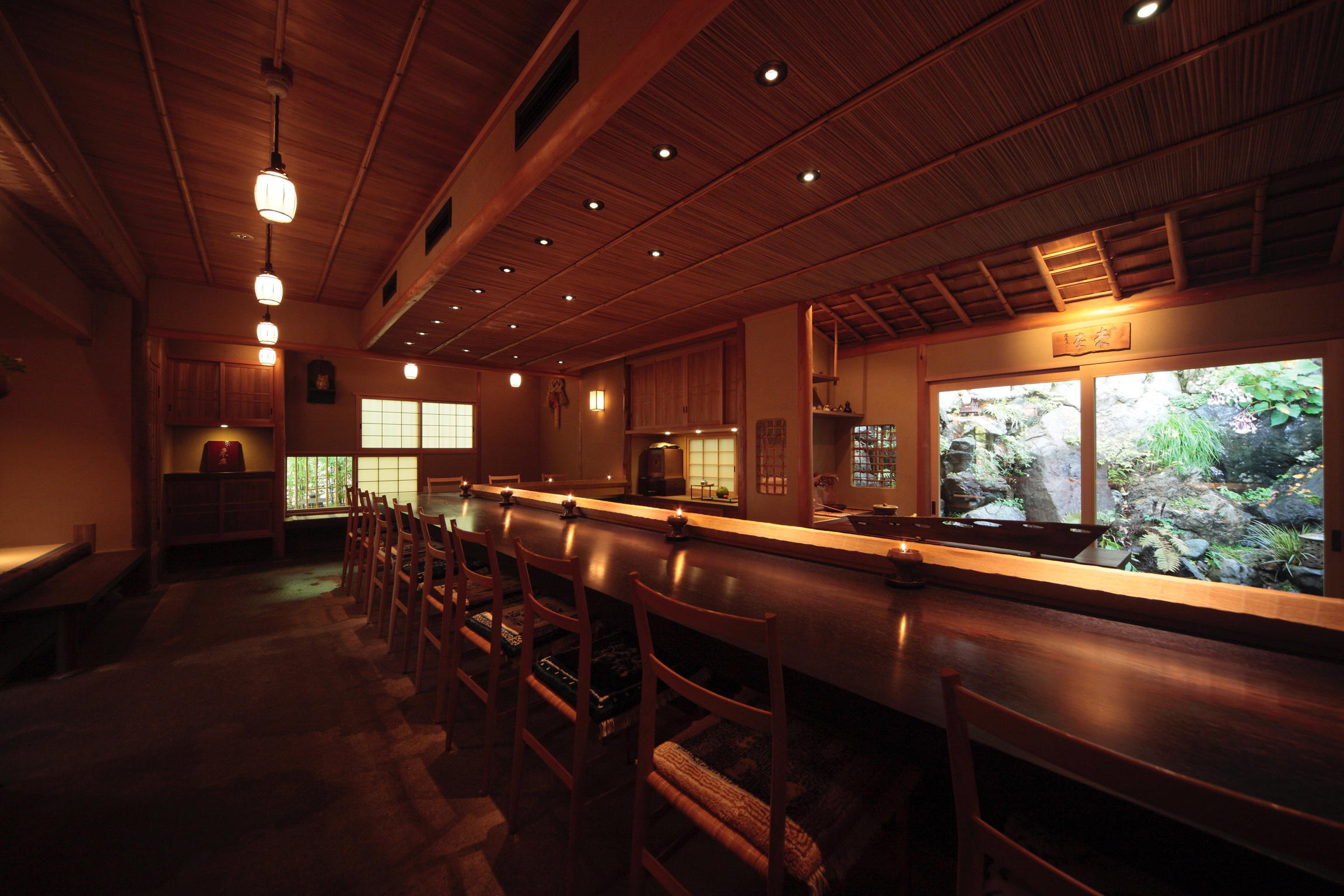
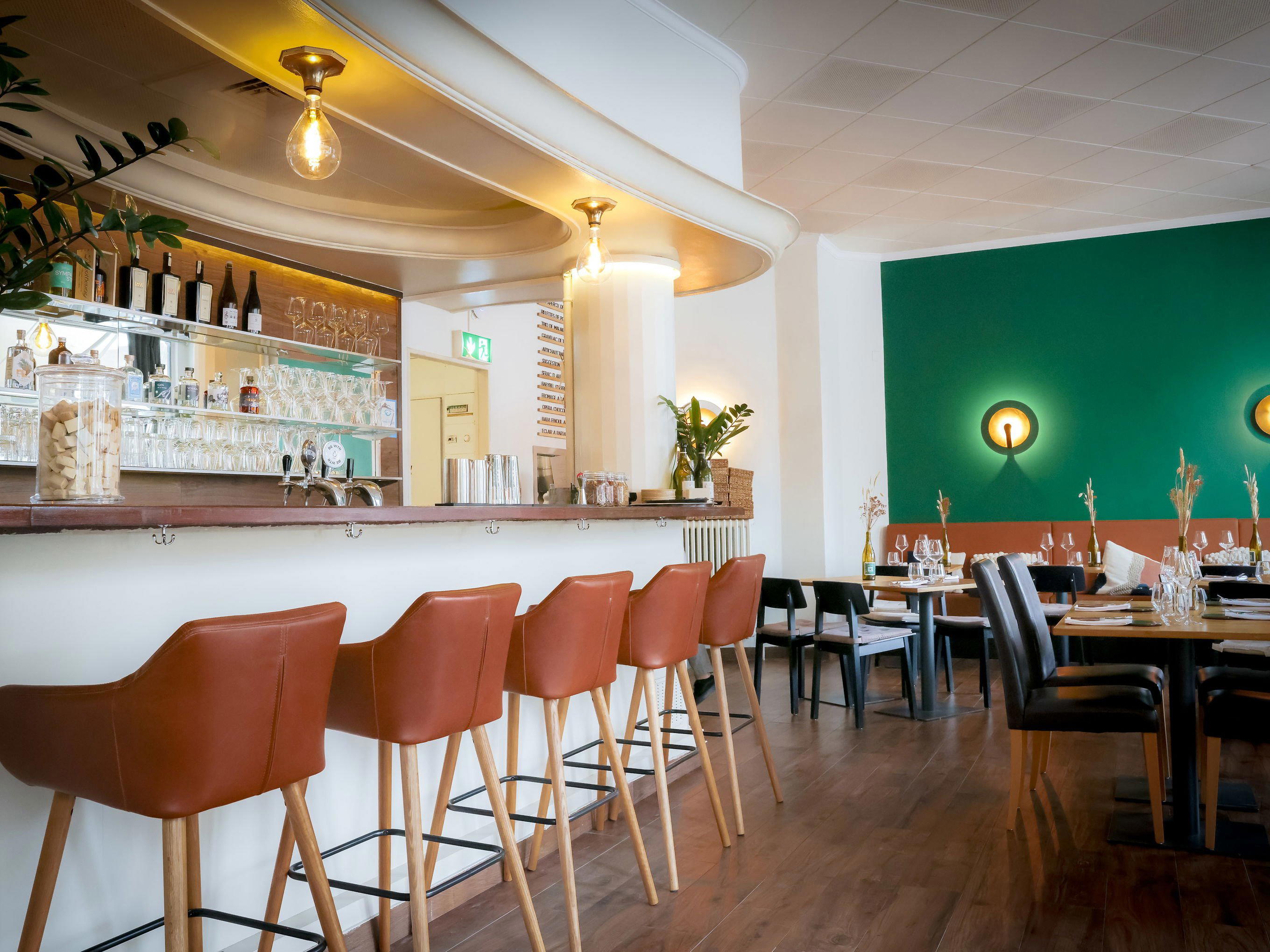
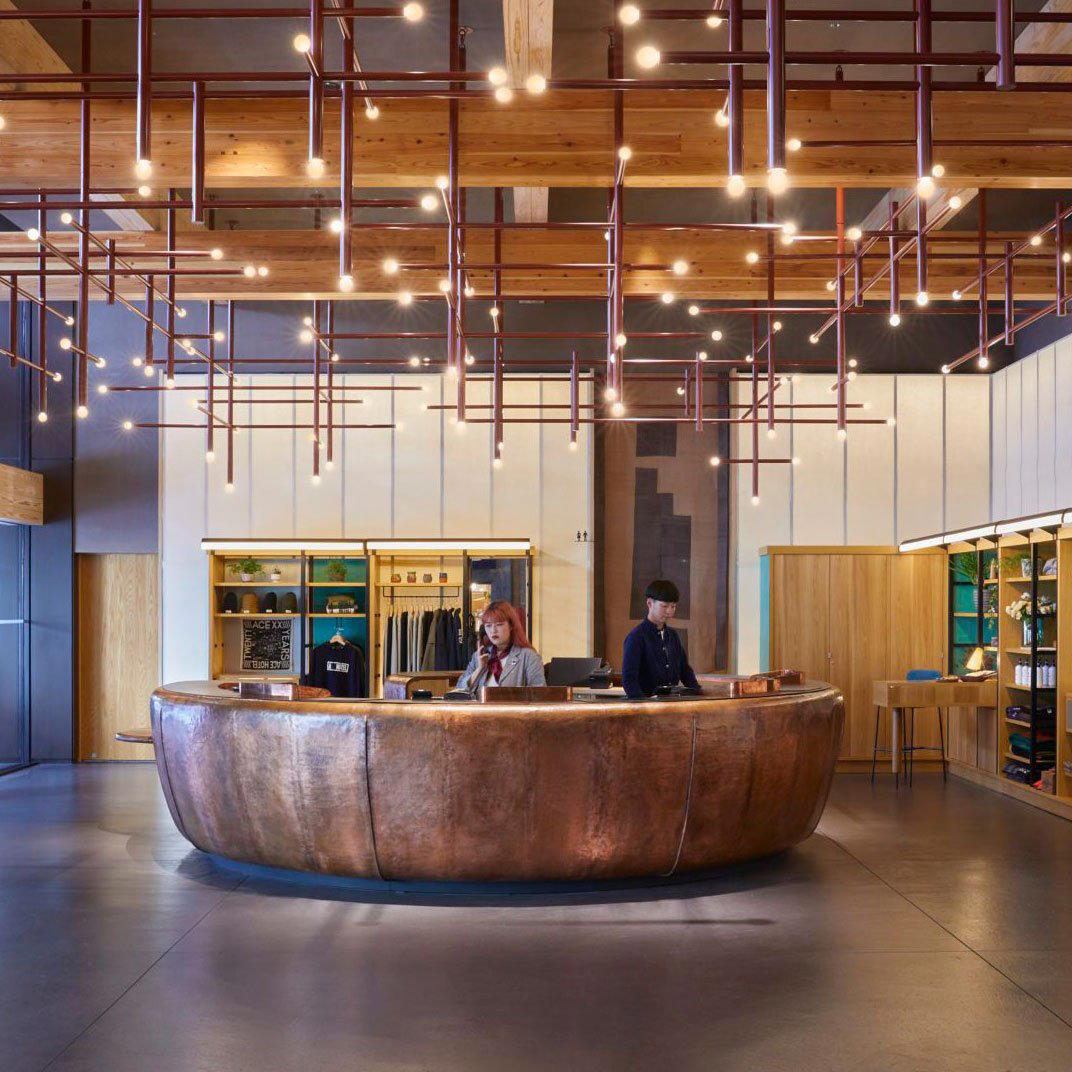
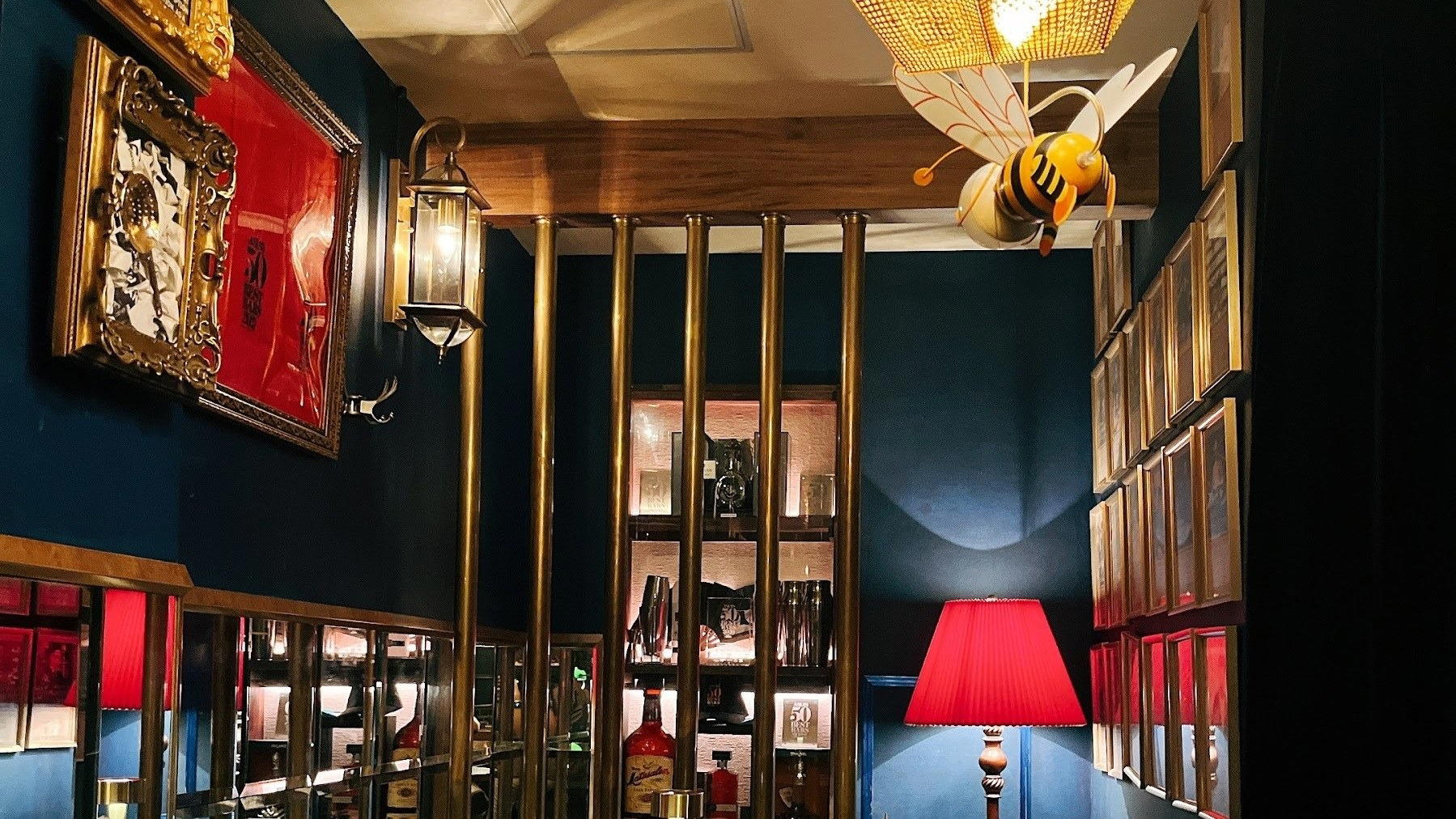
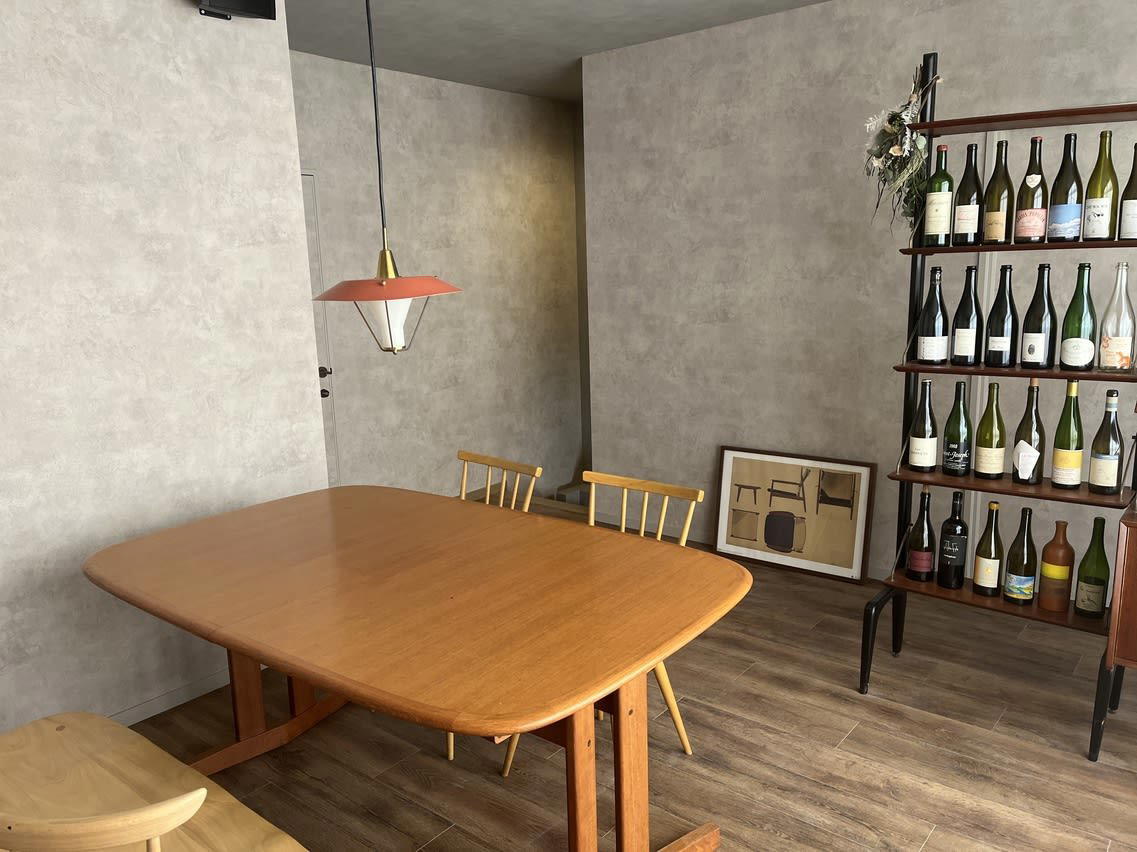
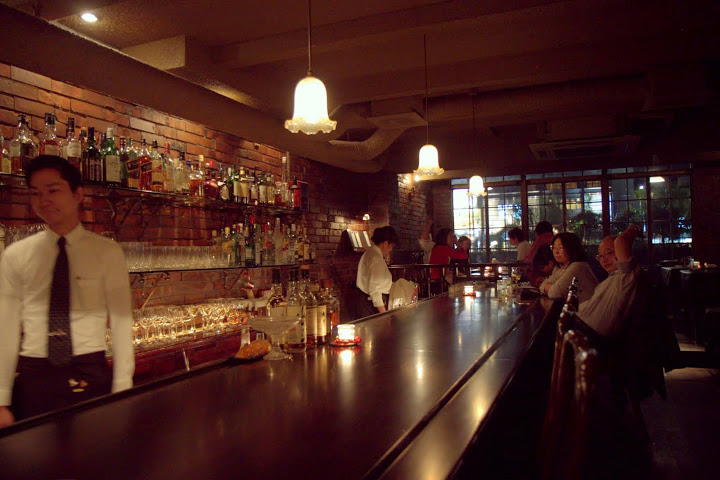
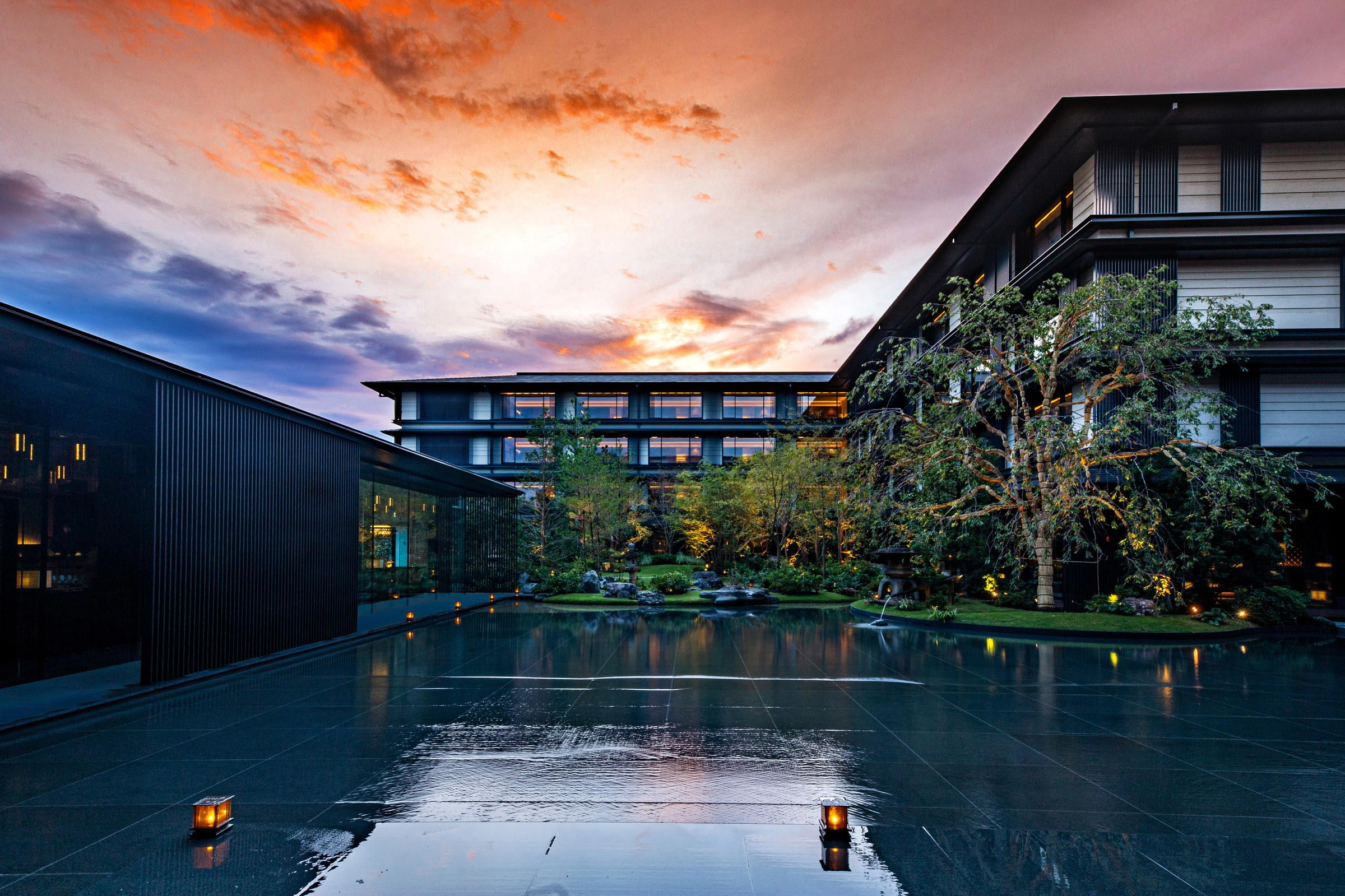
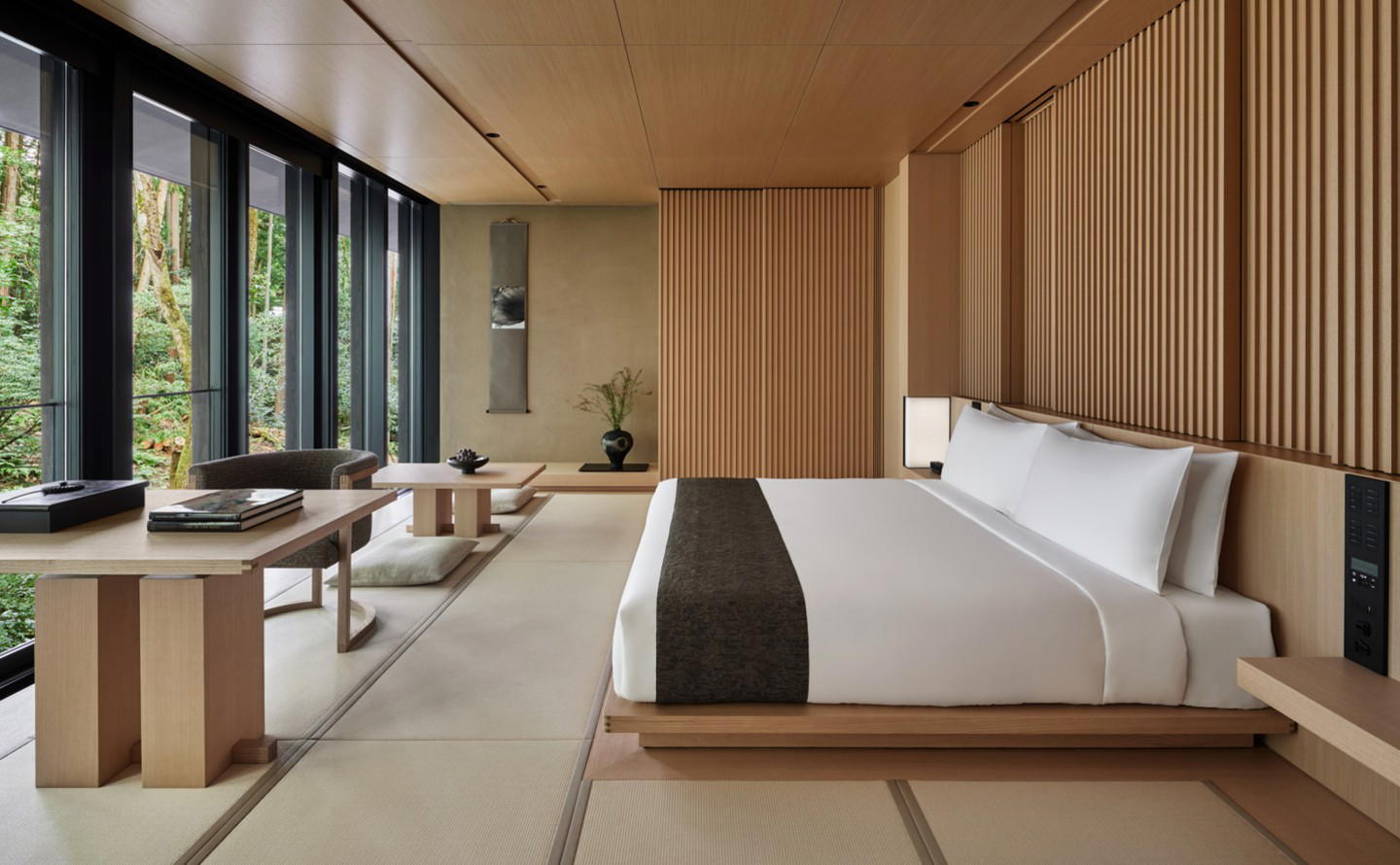
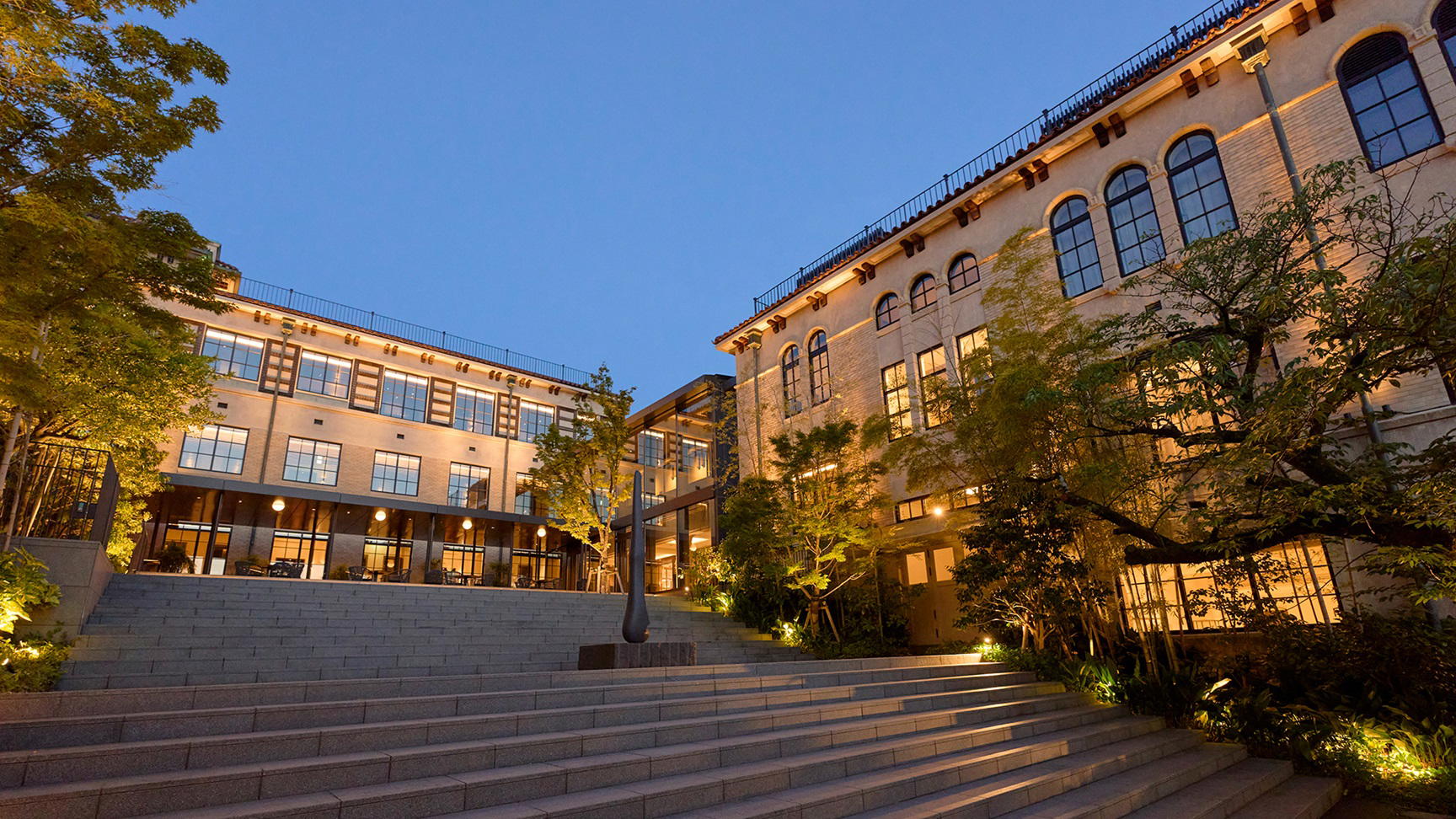
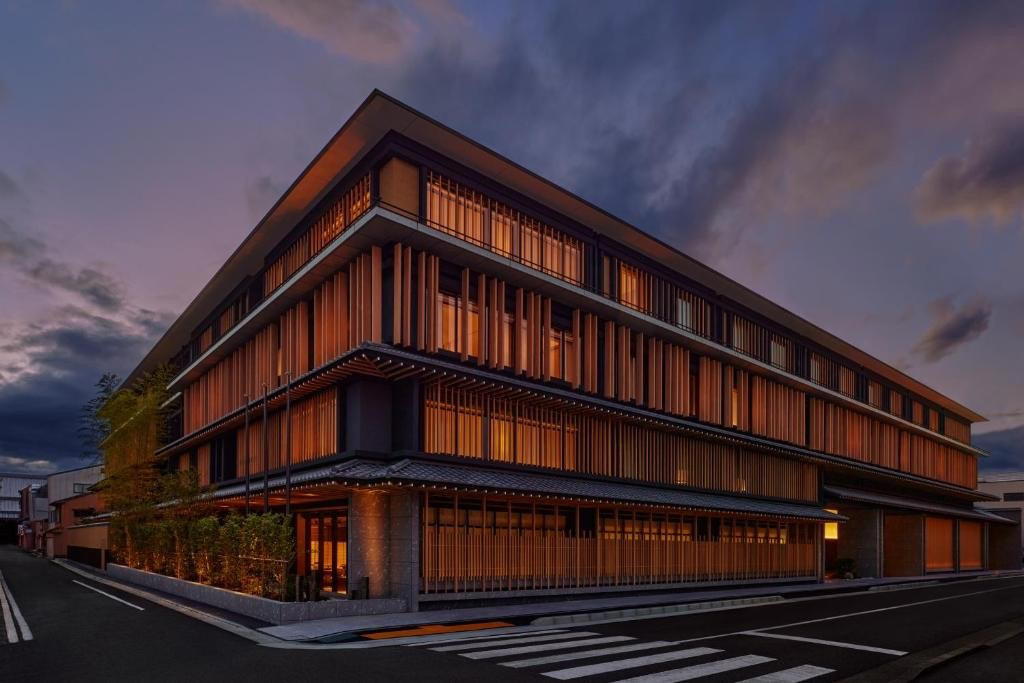
Modern, minimalist aesthetic with a focus on visually dramatic, Instagram-worthy presentations of delicate shaved ice creations.