2 Michelin Stars
Our verdict
A Michelin-starred kaiseki restaurant in Kyoto's Kita Ward where teahouse aesthetics, home-brewed sake, and fermentation traditions shape every course. Named after a phrase favoured by the celebrated epicure Rosanjin Kitaoji, Doppo presents cuisine in the manner of classical Japanese art, restrained, deliberate, and framed by considered negative space.

Pearl is the En Primeur Club membership app, where members save venues, book tables and use the concierge.
The menu
What to order
- Hand-rolled soba sushi
- Bear meat
- Matsuba snow crab
- Wood-grilled mutton
The Teahouse Table: Doppo in Kyoto's Kita Ward
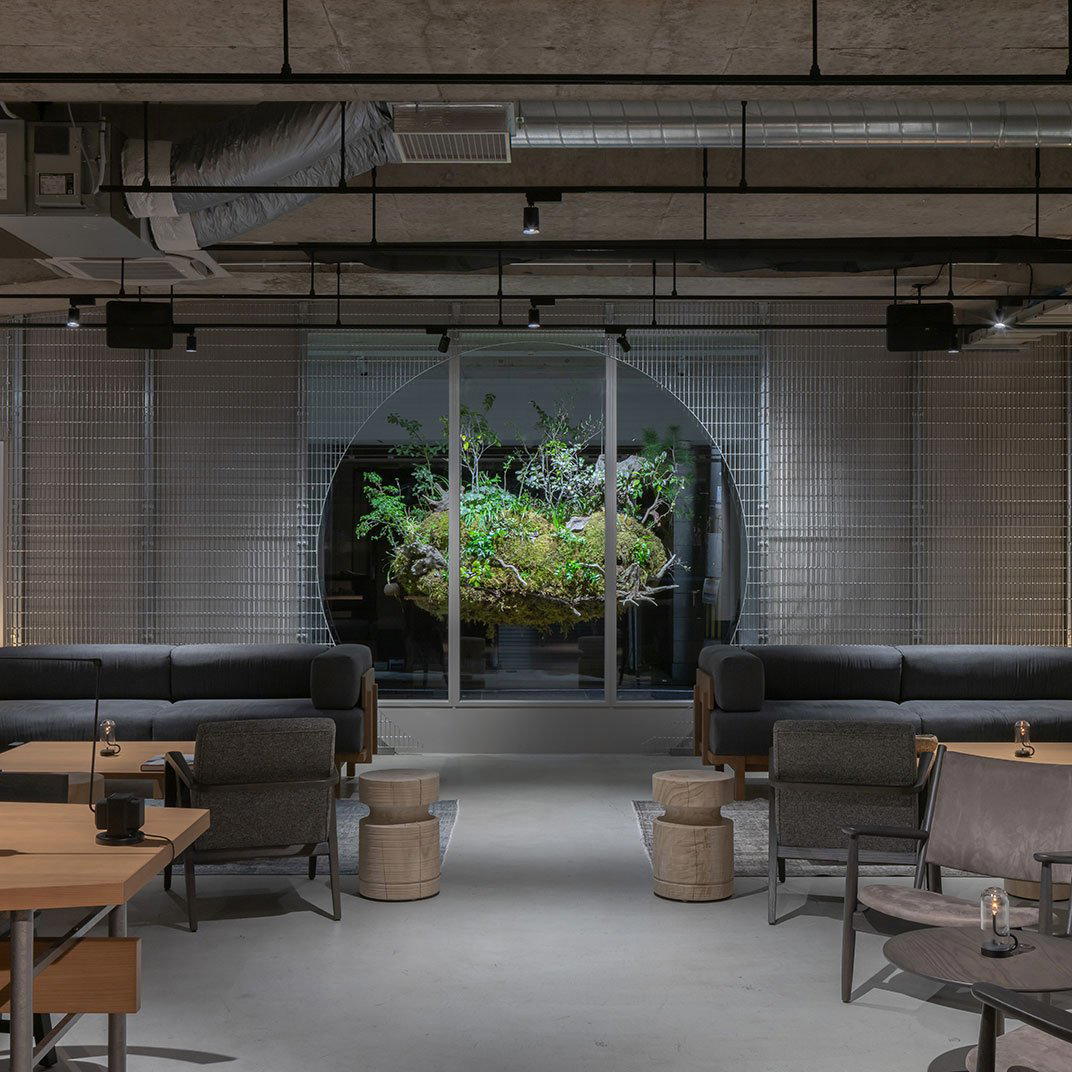
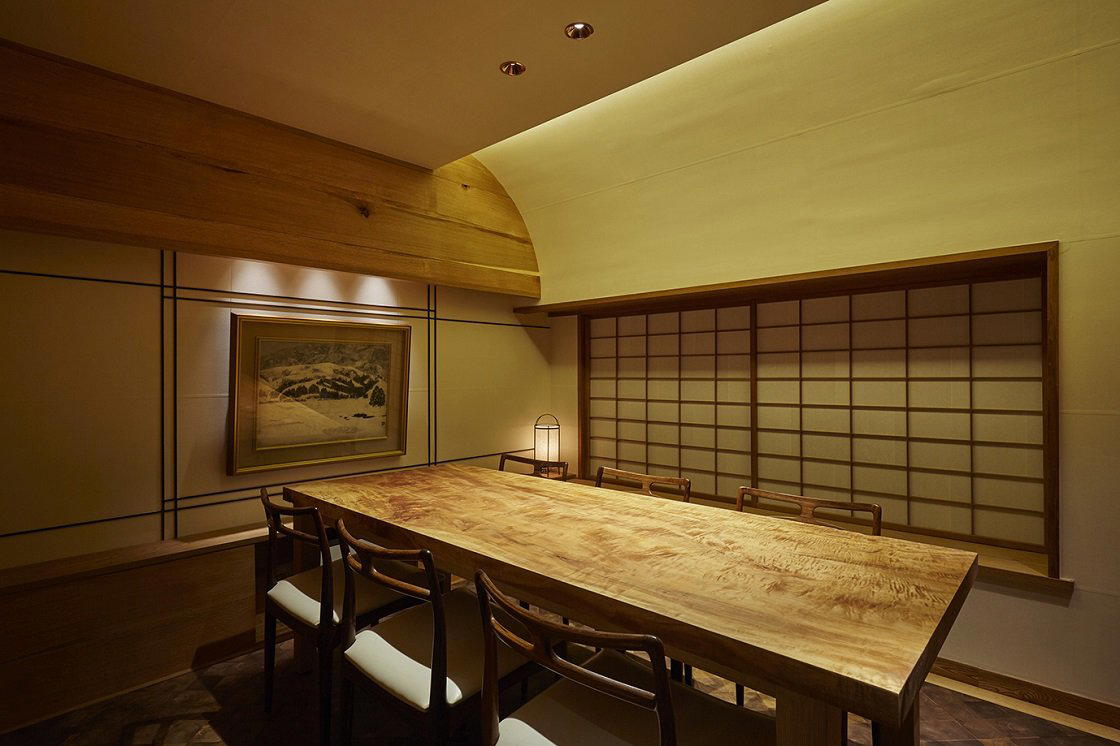
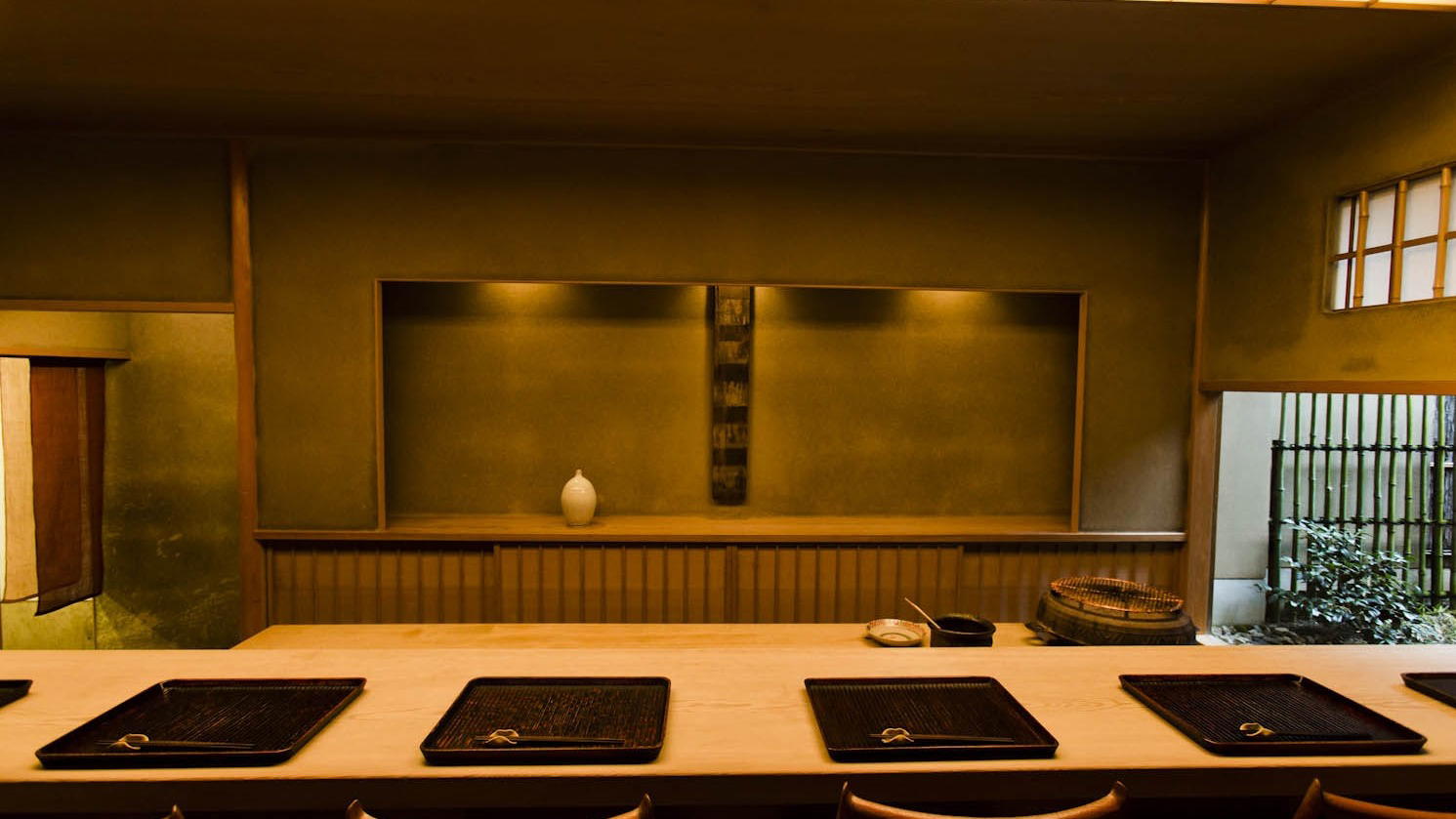
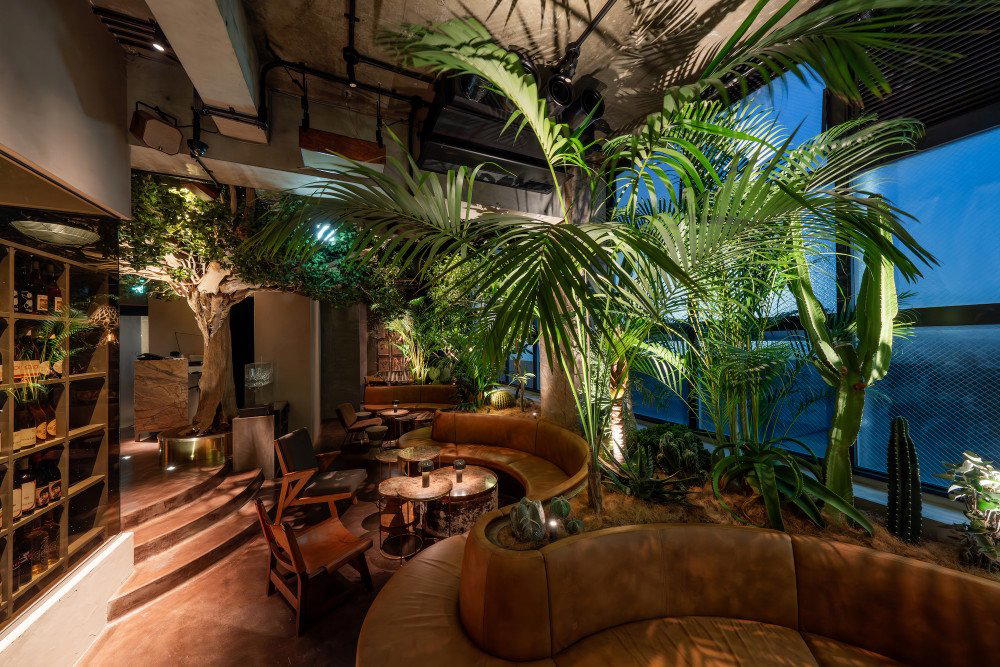
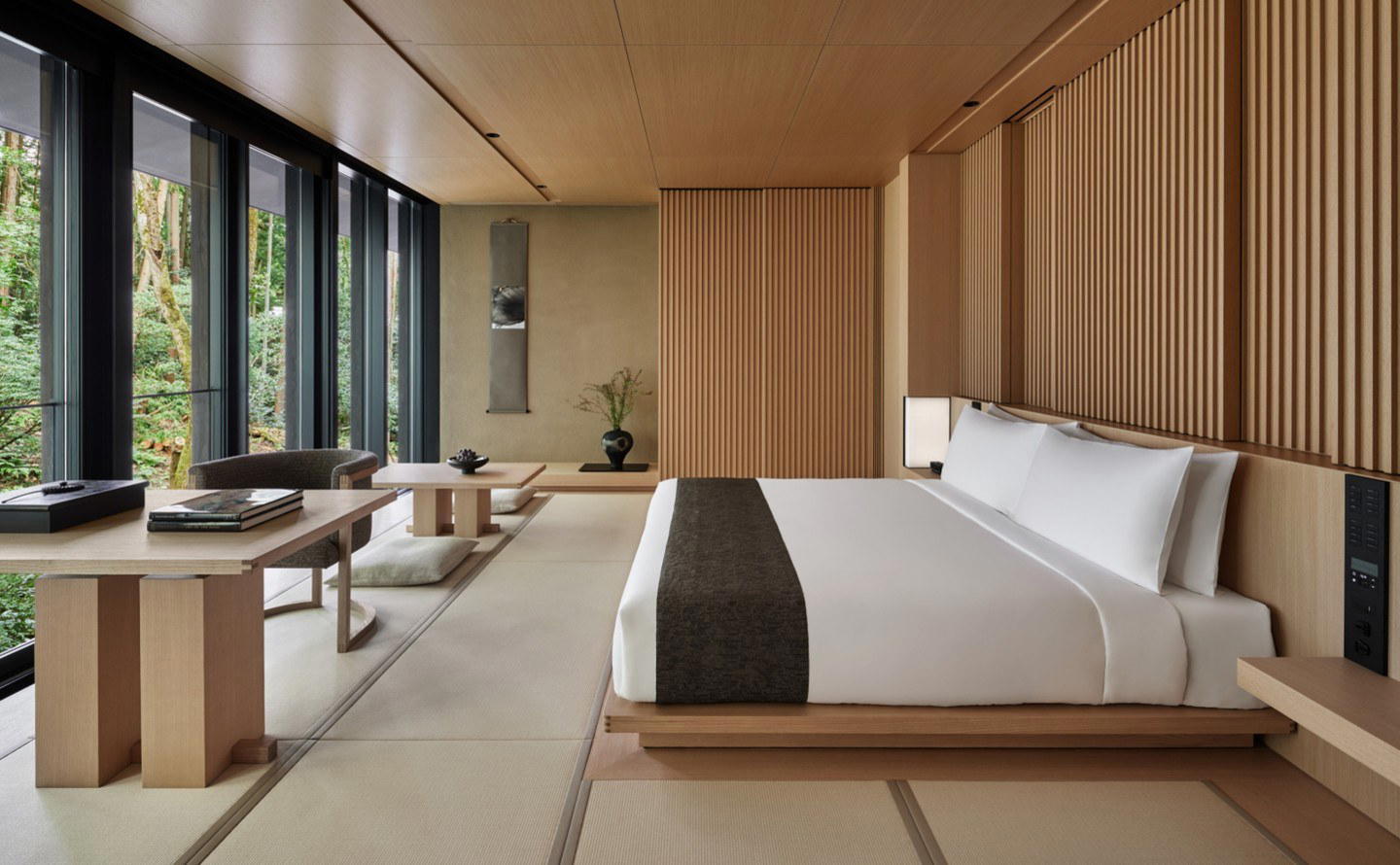
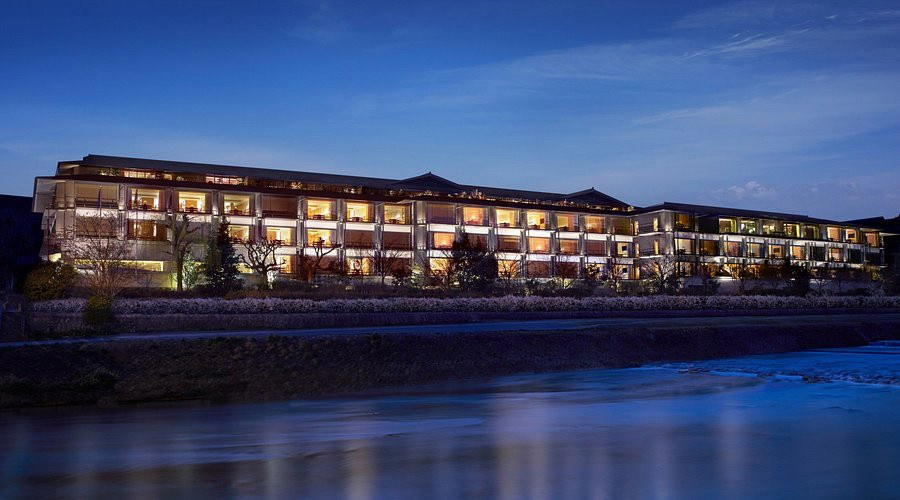
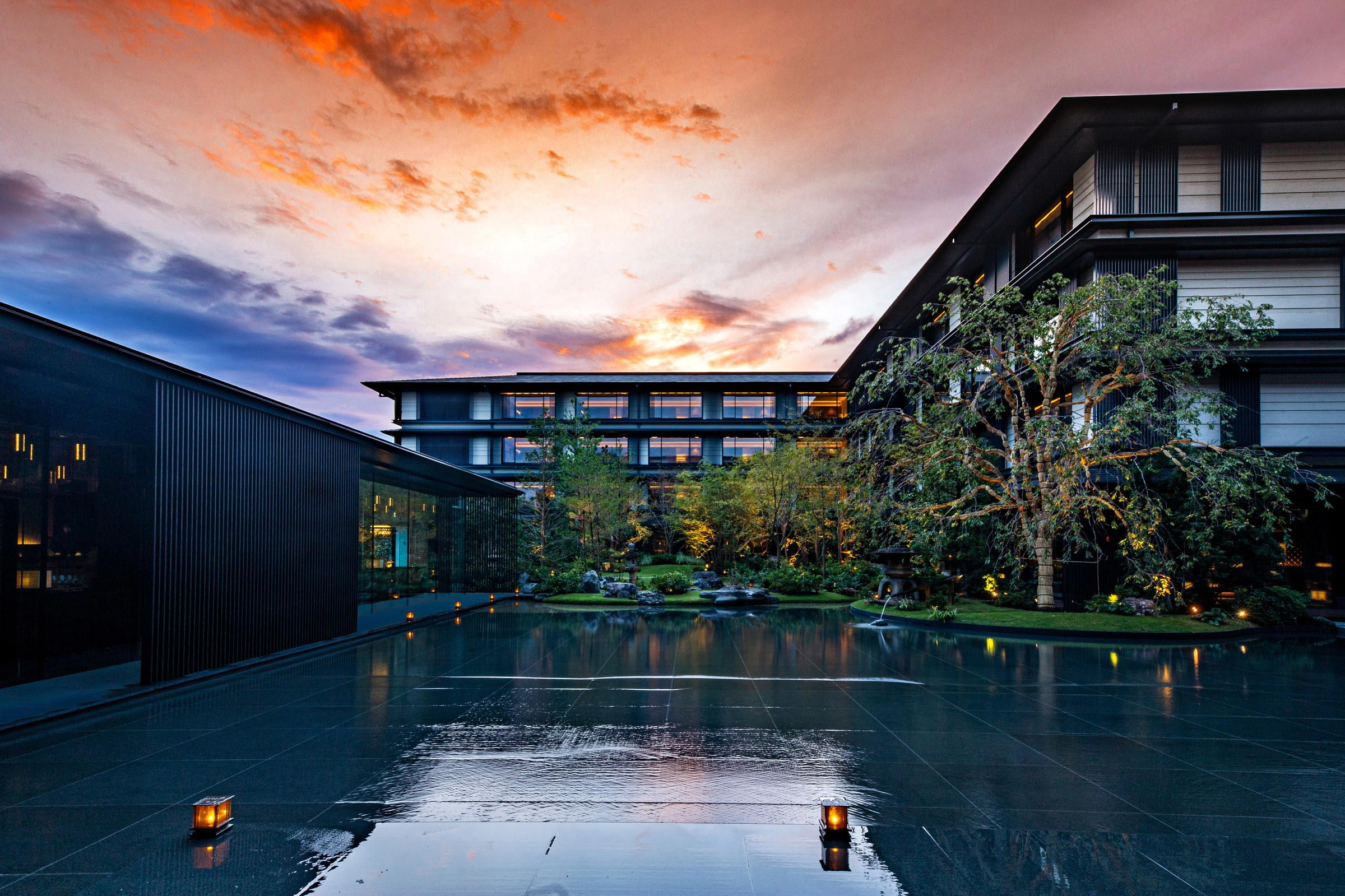
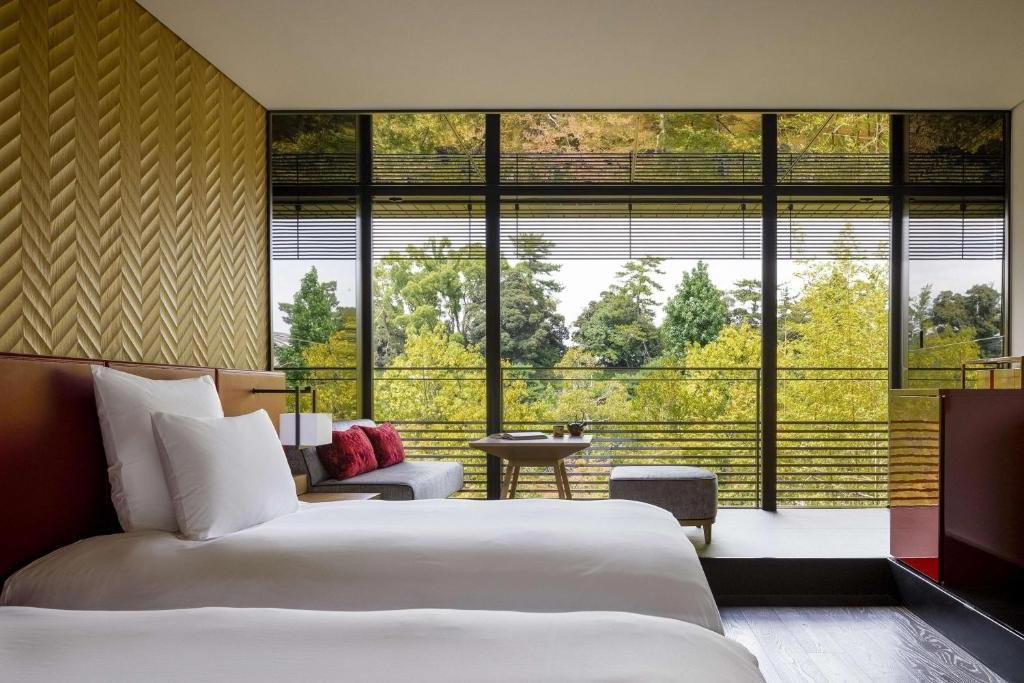
There is a particular grammar to entering a Kyoto restaurant that has decided, quietly and without announcement, that it will not be performing for you. At Doppo, in the northern Kita Ward, the interior registers before the food does. Hanging scrolls, ceramic vases, and ritual objects accumulated over years occupy the space with the unhurried authority of a private collection rather than a curated display. The teahouse format, spare, proportioned, attentive to silence as much as to gesture, is not a reference to tradition so much as a continuation of it. The room is the first course.
Kita Ward sits at the outer edge of what most visitors map onto Kyoto's dining circuit. The concentrated star count of Gion and the Kawaramachi corridor belongs to a different part of the city. Up here, the Michelin 1 Star that Doppo earned in 2024 operates in quieter company, and that distance from the tourist axis is itself an editorial fact about where the restaurant has chosen to situate itself.
Fermentation, Sake, and the Beverage Architecture
Kyoto's finest Japanese restaurants tend to treat sake as either a functional accompaniment or a serious programme, and there is rarely much in between. Doppo sits clearly in the latter category. The venue's declared expertise in home-brewed sake and fermentation marks it as part of a smaller cohort of kaiseki-adjacent restaurants where the drinks programme is not assembled from a distributor list but developed from a foundational knowledge of how fermented liquids behave, age, and interact with food.
Fermentation connects the beverage approach directly to the kitchen. In traditional Japanese cooking, fermentation is not a trend or a technique borrowed from Nordic kitchens, it is the structural base of umami, the mechanism behind miso, tsukemono, and the layered depth of a properly made dashi. A restaurant that signals expertise in fermentation is signalling something about how it understands flavour at a molecular level, not merely how it curates a wine list.
The integration of sake with kaiseki courses follows a pairing logic that differs from European wine service. Where a Burgundy might be chosen to match a sauce, sake pairings work on a broader register: the acidity, umami alignment, and temperature of each pour create a frame around the dish rather than a counterpoint to it. At the top tier of this approach, the beverage is not subordinate to the food but co-equal in the sequence, and the progression from lighter, more fragrant junmai ginjo styles toward richer, more structured nihonshu across a multi-course meal mirrors the movement of the kaiseki format itself. Whether Doppo executes this in full or partial form is something the reservation will clarify, but the knowledge base is on record.
For context, this pairing tradition is well-represented across Kyoto's serious Japanese restaurants. Isshisoden Nakamura and Gion Matayoshi each operate at the top of this tradition, while venues like Kikunoi Roan and Kenninji Gion Maruyama demonstrate how the kaiseki-sake relationship functions across different price tiers and formats. Kodaiji Jugyuan offers another point of reference for how Kyoto restaurants position themselves through cultural heritage as much as through culinary execution.
The Aesthetics of Restraint
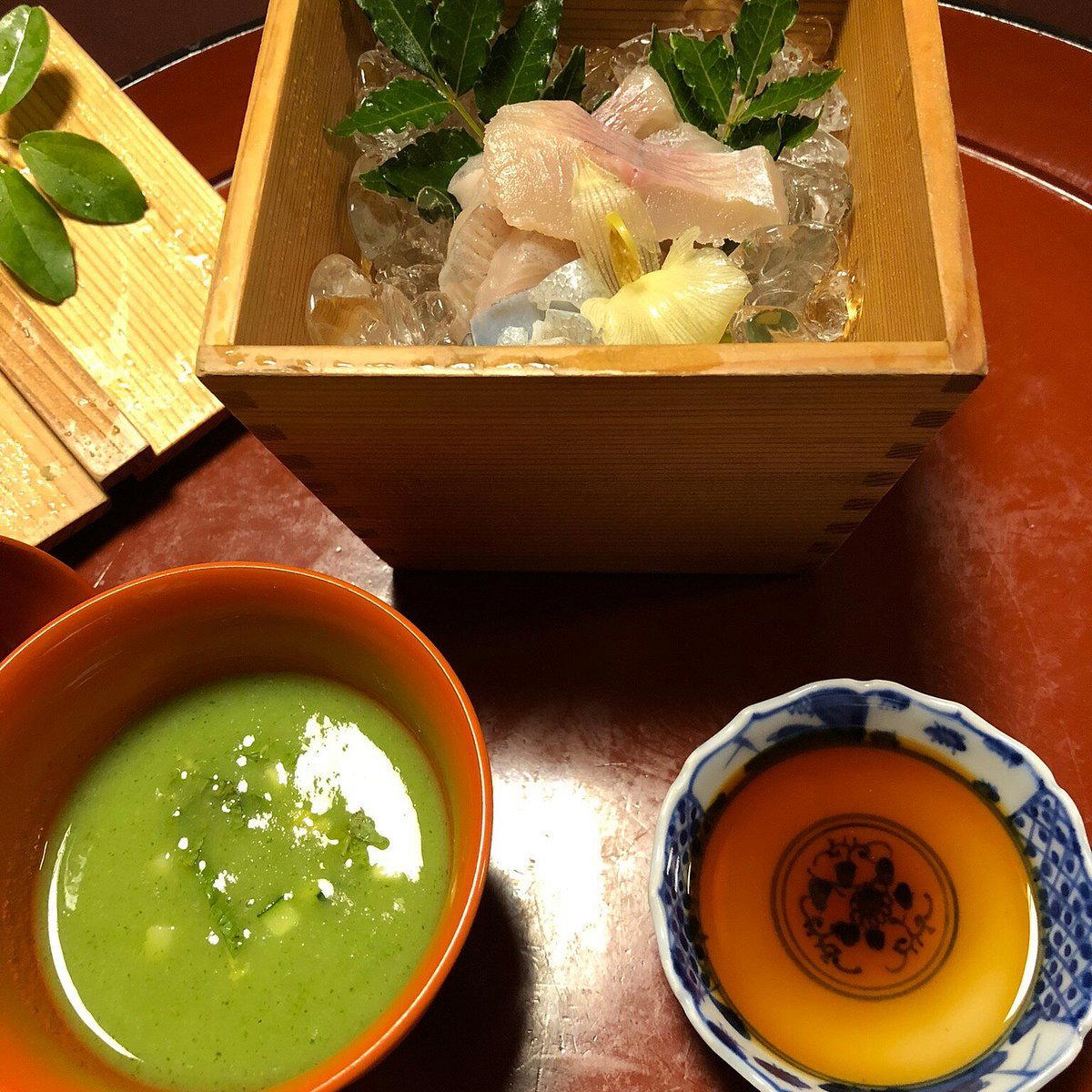
The name Doppo comes from a phrase associated with Rosanjin Kitaoji, the early twentieth-century artist, potter, and gastronome whose influence on Japanese food culture remains one of its most discussed strands. Rosanjin held that food was incomplete without the serving vessel, and that the vessel was incomplete without the tradition it carried. The Michelin guide's own description of the restaurant references him directly: the restaurant is named after one of his favoured expressions, and the philosophy of harmonising cuisine with serving-ware shapes how dishes are presented.
This is not an uncommon position in Kyoto's upper tier. What distinguishes Doppo's version is the specific insistence on blank space as a compositional element. Japanese aesthetics have a term for this, ma, the idea that the interval or the emptiness is as meaningful as the occupied space. In plating terms, this means the decision not to fill a bowl is as deliberate as the decision to fill it. The restraint is the statement.
Across Japan's Michelin-starred Japanese restaurants, this aesthetic split is visible: the maximalist tradition of intricate garnish and architectural plating on one side, and the reductive, object-centred presentation on the other. Doppo sits in the latter tradition, which tends to demand more of both the cook and the diner, since there is less to hide behind.
Placing Doppo in Japan's Wider Scene
A Michelin 1 Star at the ¥¥¥¥ price tier in Kyoto positions Doppo in the same competitive bracket as restaurants that are often more centrally located and more heavily booked by the international traveller circuit. Doppo's single star does not place it below these restaurants in interest, it places it at a different stage of recognition, and the 2024 date of that star means it is among the more recently acknowledged venues in this cohort.
Across Japan, the broader context includes serious Michelin-recognised Japanese restaurants in Tokyo, Osaka, and beyond. Harutaka in Tokyo and Myojaku represent the capital's approach to refined Japanese dining, while Azabu Kadowaki shows how Tokyo's kaiseki-adjacent format operates at the top of that market. Outside the major cities, akordu in Nara, HAJIME in Osaka, Goh in Fukuoka, 1000 in Yokohama, and 6 in Okinawa each demonstrate how refined Japanese dining has dispersed well beyond Tokyo and Kyoto into a genuinely national conversation.
Planning a Visit
Doppo is located at 1-1 Izumojimatsunoshitacho in Kita Ward, at the northern edge of central Kyoto, further from the Gion district and the Shijo corridor than most visitors' primary dining geography. That combination, a 2024 Michelin star, a Kita Ward address, and minimal online footprint, points to a reservation-first venue where advance booking is not merely advisable but structurally necessary. Given the teahouse scale and the evident preference for a certain kind of quietness, this is not a restaurant that accepts walk-ins as a practical matter.
For visitors planning around Kyoto's dining calendar, the spring kaiseki season from late March through May and the autumn period from October through November represent the two points when the city's produce-led cuisine, including the fermented and preserved elements central to Doppo's programme, reaches the fullest expression of seasonal alignment. Booking from abroad is most reliably handled through hotel concierge services or specialist Japan dining reservation platforms, given the absence of a listed English-language booking method in public records.
For a full picture of how Doppo fits into Kyoto's wider offering, see our full Kyoto restaurants guide, along with our guides to Kyoto hotels, Kyoto bars, Kyoto wineries, and Kyoto experiences.
Frequently asked questions
Where do I go for Doppo?
Doppo is located at 1-1 Izumojimatsunoshitacho, Kita Ward, Kyoto, 603-8133, Japan, Kyoto.
What's the cuisine at Doppo?
What distinctions does Doppo have?
Doppo has received recognition including: This fare shows equal reverence for the aesthetics and traditions of Japanese cuisine and for classical works of art. The teahouse-style interior that greets guests is appointed with hanging scrolls, vases and other accoutrements accumulate….
What's the signature dish at Doppo?
Doppo does not publish a fixed signature dish, and the kitchen's approach, rooted in seasonal Japanese cuisine and house fermentation, works against singling out one preparation. The Michelin inspectors specifically note that cuisine is presented to accentuate the beauty of blank spaces, which suggests restraint and composition are the organising principles rather than any single showpiece. The home-brewed sake programme is the clearest through-line across all courses.
Is Doppo more mid-range or high-end?
Pricing at Doppo is listed as ¥¥¥¥.
Do I need a reservation for Doppo?
At the ¥¥¥¥ price tier with a Michelin star, Doppo operates as a reservation-only table, walk-ins are not a realistic option for a Kita Ward teahouse-style room of this standing. Booking ahead is advisable, with lead times typically longer for overseas visitors unfamiliar with local channels. Doppo does not currently list a website or phone number in public directories, so reservations are most reliably secured through a Kyoto hotel concierge or specialist dining intermediary.
| Venue | Cuisine | Price | Awards | Notes |
|---|---|---|---|---|
| DoppoThis venue (the venue you are viewing) | Modern Kaiseki | $200–300 | 2 Michelin Stars | Not listed |
| Gion Sasaki | Modern Kaiseki | $300–500 | 3 Michelin Stars · La Liste Top Restaurants | Kaiseki, Japanese |
| cenci | Innovative Italian-Japanese Fusion | $100–150 | 1 Michelin Star · World's 50 Best #76 | Italian |
| Ifuki | Sumibi Kappo Kaiseki | $200–300 | 2 Michelin Stars · La Liste Top Restaurants | Kaiseki |
| Kyokaiseki Kichisen | Kyoto Kaiseki | $200–300 | 2 Michelin Stars · La Liste Top Restaurants | Japanese |
| Kyo Seika | Modern Chinese Fine Dining | $150–200 | 1 Michelin Star · Tabelog Bronze #216 | Chinese |
Recognition history
Dated appearances from independent guides and award organizations, with the underlying list record or original source where available.
Michelin 2 Stars
Michelin