

Gion Matayoshi places Kyoto kaiseki inside Gion’s quieter social register: counter discipline, private-room formality, sake-led pacing, and a tea-kaiseki sensibility rather than spectacle. Recognition includes Michelin two stars in 2024 and 2025, plus repeated Tabelog Bronze status, which puts it in the city’s serious Japanese dining bracket without turning the room into a trophy case.
Pearl is the En Primeur Club membership app — saves, bookings, and concierge access live there. Same editors, same standards.
- Address
- 570-123 Gionmachi Minamigawa, Higashiyama Ward, Kyoto, 605-0074, Japan
- Phone
- +81 50-3184-1604
- Website
- gion-matayoshi.com
- Directions
- Get directions
 Saves & bookings on Pearl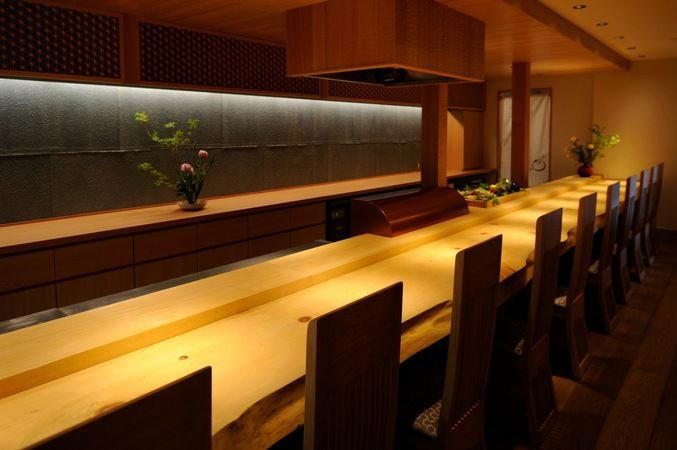
Gion after dark is often mistaken for a theatre of lanterns and postcard alleys. Its serious dining culture is quieter: low voices behind timber doors, shoes managed with ritual care, the slow calibration of sake, rice, soup, fish, and conversation. Here, kaiseki is not simply a tasting menu. It is Kyoto’s grammar of season, room, vessel, and social tempo, with hospitality shaped by restraint as much as display.
Gion Matayoshi belongs to that register. Michelin two stars in 2024 and 2025 and Tabelog Award Bronze status across recent years place it among Kyoto’s established Japanese restaurants, not the city’s casual izakaya tier. Yet medals are not the only lens. The stronger frame is Gion’s old habit of pairing food with drinking, privacy, and measured company, where a meal may be formal in structure but social in rhythm.
Kyoto kaiseki with the social tempo of Gion
Kyoto kaiseki often carries a ceremonial reputation abroad, but the city’s better rooms are less stiff than that suggests. They work through sequence and timing, and through the human scale of a counter or tatami room. The presence of sake, shochu, and wine matters because it signals a meal built for pacing, not mere consumption. Izakaya culture is a useful reference not because this is an izakaya, but because the meal shares Japan’s broader conviction that eating and drinking are social acts, not isolated performances of technique.
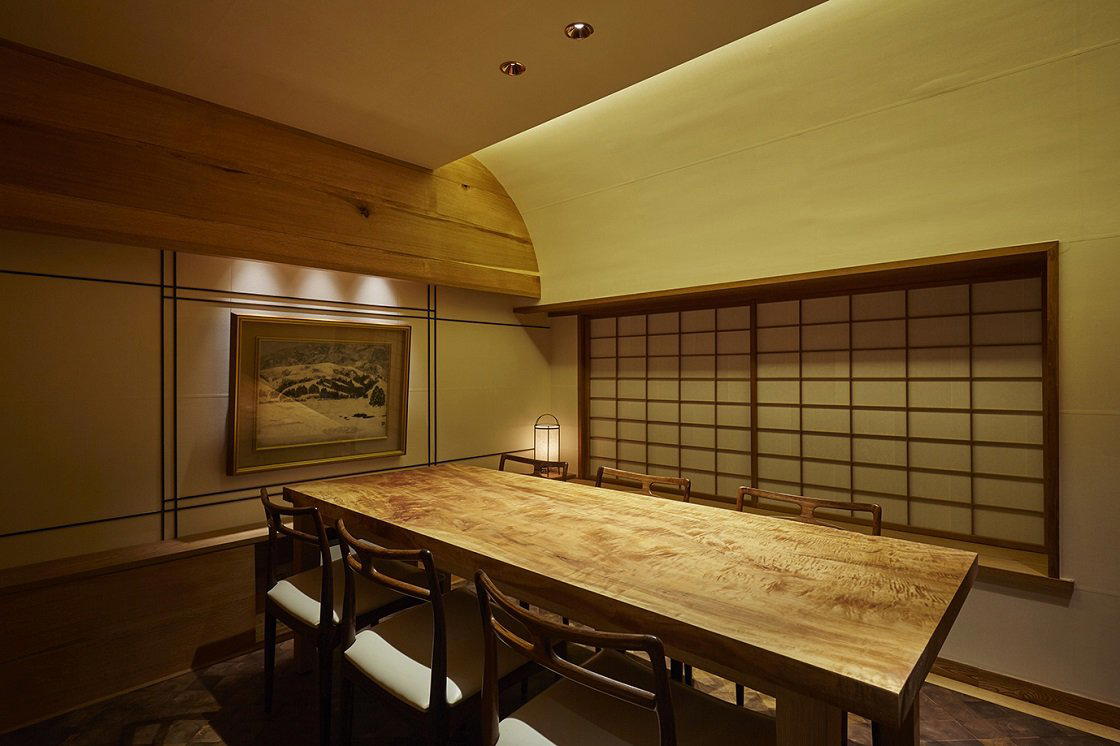
The split between counter seating and private rooms also explains Kyoto dining. Counter seats suit guests who want to watch service cadence and compact-kitchen choreography. Private rooms suit Gion’s pattern of business meals, family occasions, and conversations needing enclosure. That duality is a Kyoto strength. Tokyo often prizes the counter as arena; Kyoto lets formality become quieter, with the room shaping the evening as much as the cuisine.
Chef Kazuto Matayoshi’s name gives the restaurant authorship, but the broader point is the tradition he works inside. Tea-kaiseki influence narrows the register: smaller gestures, seasonal alignment, and avoidance of unnecessary excess. The cuisine’s authority comes from proportion. At this level, the difference between a strong Kyoto meal and a merely expensive one is rarely course count. It is whether the sequence feels inevitable, the rice course carries weight, and the drinking program supports rather than interrupts the arc.
Where it sits among Gion's serious Japanese rooms
Gion is dense with Japanese restaurants that look similar on paper: small rooms, seasonal menus, polished service, serious pricing. Distinctions sit in format and intent. Aji Fukushima occupies the same Kyoto conversation at a slightly different price register, while Ryō-shō, Oryori Mashita, Gion Okada, and Gion Yamagishi define the area’s concentration of formal Japanese dining. In that field, Gion Matayoshi reads as a house for guests who want Gion’s intimacy without reducing the evening to nostalgia.
The Tabelog score near the four-point mark, repeated Bronze recognition, and selection for Japanese cuisine WEST lists indicate sustained domestic approval, important in Kyoto. International visitors often overread global guides and underread local platforms. In Japan, local recognition can be the sharper signal of repeat credibility, especially for Japanese cuisine, where nuance, seasonality, and service conventions are judged by diners with deep category fluency.
There is also a price-tier implication. Kyoto ranges from accessible kappo counters to high-ticket kaiseki. This address operates in the upper band, where the decision is less casual value than desire for Gion’s formal dining code. For a lower-pressure Kyoto Japanese meal, Aoikonshin Yamada, Ayanokoji Karatsu, and Chiso Aida show other ways the city handles Japanese cuisine. For breakfast as a separate cultural lane, Choshoku Kishin shows how Kyoto’s morning cooking can be as codified as dinner.
Who should choose this room
This is a strong choice for diners who want Kyoto’s meal structure to feel communal rather than museum-like. The counter offers a close reading of pace and craft; private rooms let groups make the meal a shared occasion. The no-smoking policy, formal dress expectations, and reservation-only operation point to a controlled environment. The children policy is specific: younger children are not part of the general dining room equation, while older elementary-age children may be accommodated in private rooms. The room therefore suits adult-focused meals or carefully planned family dining.
The drinking context matters. Sake is not an accessory in this style of meal; it is part of the social architecture. Kyoto kaiseki can feel austere when treated as silent course-watching. It comes alive when guests understand the rhythm of pouring, pausing, and letting conversation sit between dishes. That is the bridge to izakaya culture: the format is more formal and the stakes higher, but the pleasure remains collective.
For city planning, place this meal inside a wider Kyoto itinerary rather than as an isolated trophy reservation. Pair it with a stay chosen from our full Kyoto hotels guide, then use our full Kyoto bars guide for a quieter post-dinner drink rather than a loud second act. Broader context sits in our full Kyoto restaurants guide, with cultural add-ons in our full Kyoto experiences guide. Wine-focused travellers can also scan our full Kyoto wineries guide, though Kyoto’s drinking identity is naturally more sake-led than vineyard-led.
The verdict is simple: choose Gion Matayoshi for a composed Gion meal where kaiseki formality and social drinking culture meet. It is not for a loose late-night snack crawl or diners seeking theatrical reinvention. It is for guests who want Kyoto’s seasonal Japanese cooking in a room that understands privacy, pacing, and the etiquette of shared time.
For wider Japanese dining comparisons beyond Kyoto, EP Club’s restaurant archive ranges from -Grilled beef Sukiyaki- KAMAKURA TANUKIAN 鎌倉 たぬき庵 in Kamakura and. 鮪と炭火焼き うお炭 秋葉原店 in Tokyo to.cafe in Osaka.know in Kumamoto, (Shoku) Vietnam in Kawasaki, and [Curry Senmon Ten] Maruyama Kyoju. in Sapporo. For Japanese cooking abroad, see 715, Japanese in Los Angeles and 99 sushi bar, Japanese in Alcobendas.
Budget and Context
Comparable venues by cuisine and price in the same metro.
| Venue | Cuisine | Price | Awards | Notes |
|---|---|---|---|---|
| Gion MatayoshiThis venue — the venue you are viewing | Japanese | $$$$ | Michelin 2 Star | Not listed |
| Kodaiji Wakuden | Higashiyama, Luxury Kaiseki | $$$$ | Michelin 2 Star | Not listed |
| Sanso Kyoyamato | Not listed | $$$$ | Michelin 2 Star | Higashiyama, Traditional Japanese Kaiseki |
| Kodaiji Jugyuan | Higashiyama, Traditional Kyoto Kaiseki | $$$$ | Michelin 2 Star | Not listed |
| Ryō-shō | Higashiyama, Modern Kaiseki | $$$$ | Michelin 2 Star | Not listed |
| Otagi | Kita, Kaiseki | $$$$ | Michelin 2 Star | Not listed |
Recognition history
Dated appearances from independent guides and award organizations, with the underlying list record or original source where available.
Michelin 2 Stars
Michelin
Tabelog Bronze #262
Tabelog
Michelin 2 Stars
Michelin
Tabelog 100 #55 · No. 55
Tabelog · Tabelog 100 - Japanese cuisine - WEST - 2025
Tabelog Bronze
Tabelog
Michelin 2 Stars
Michelin
Continue exploring
More in Kyoto
Restaurants in Kyoto
Browse all →
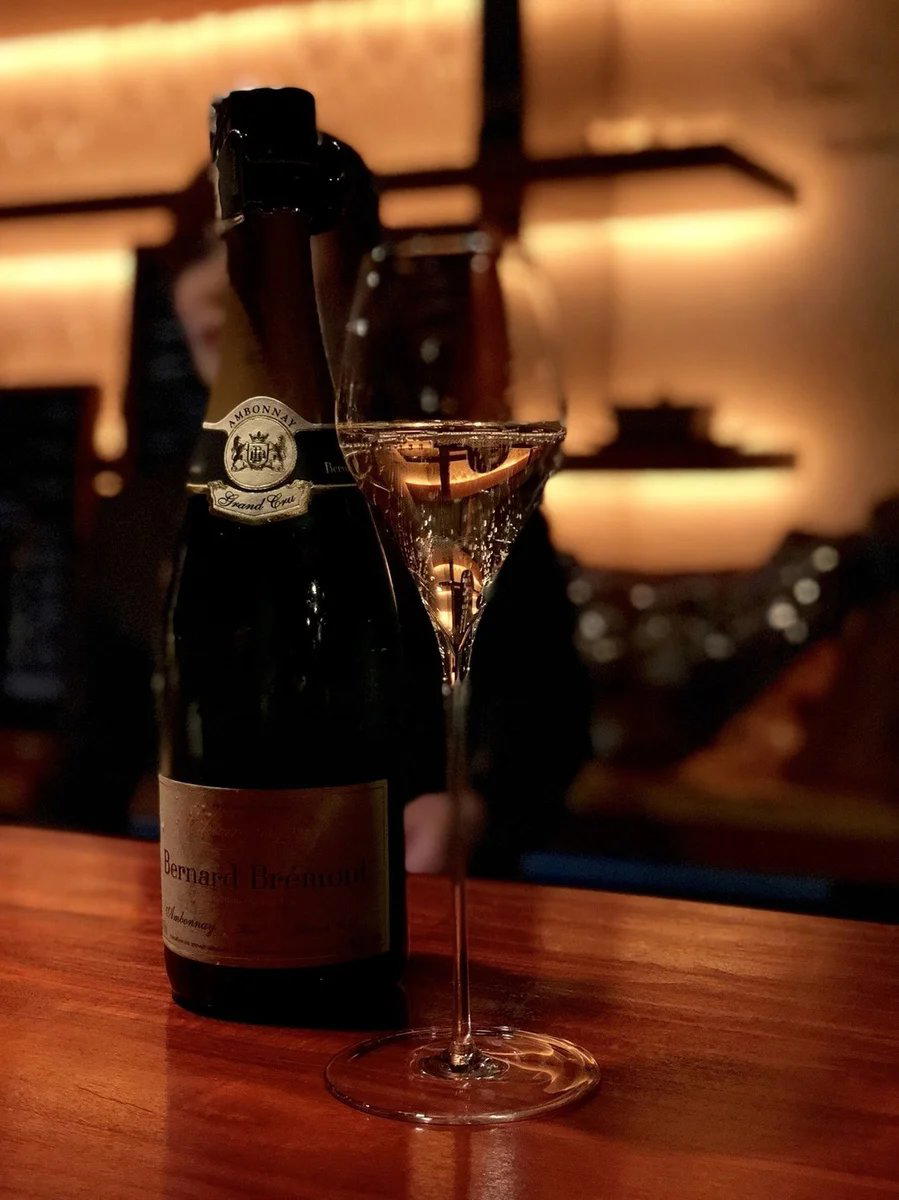
Bars in Kyoto
Browse all →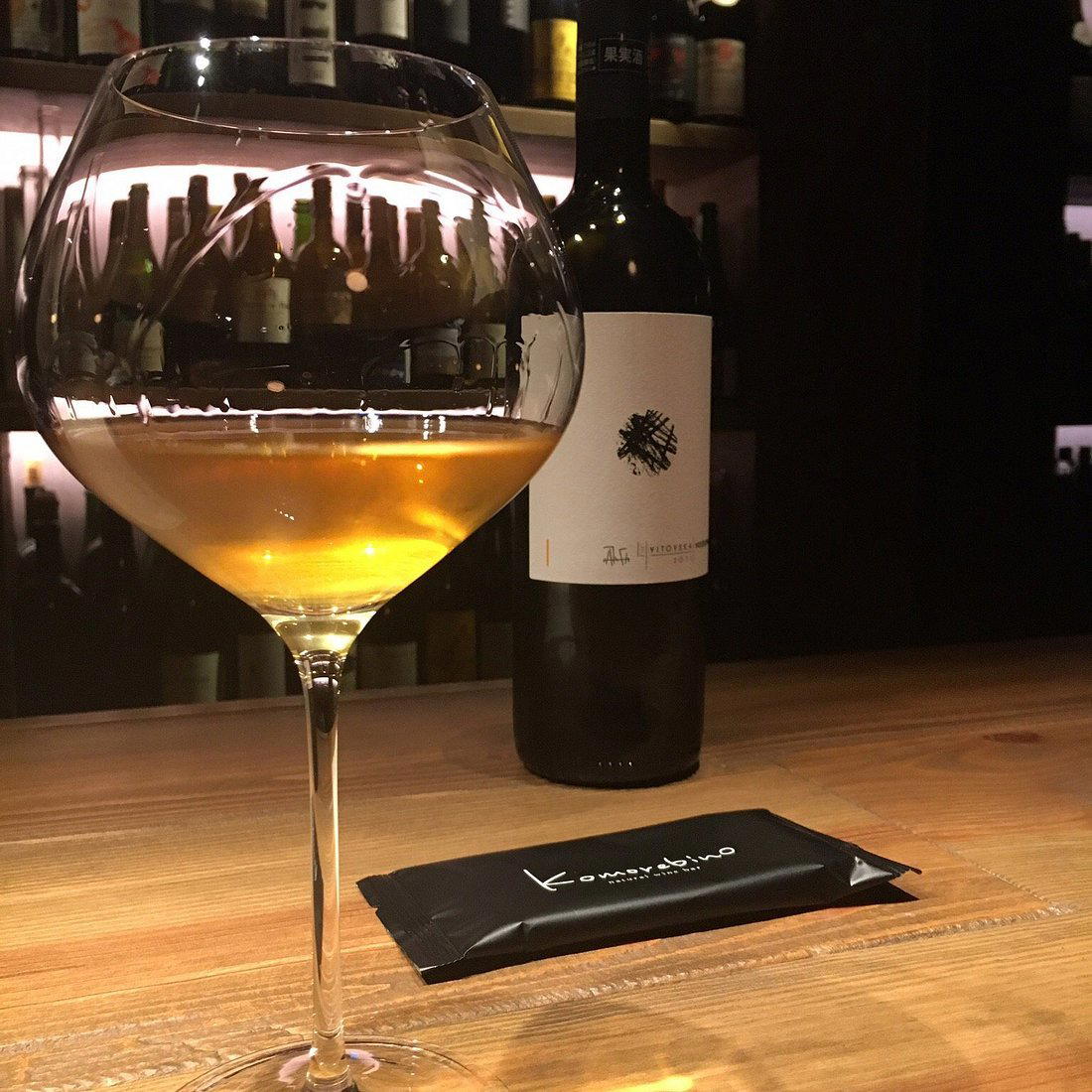
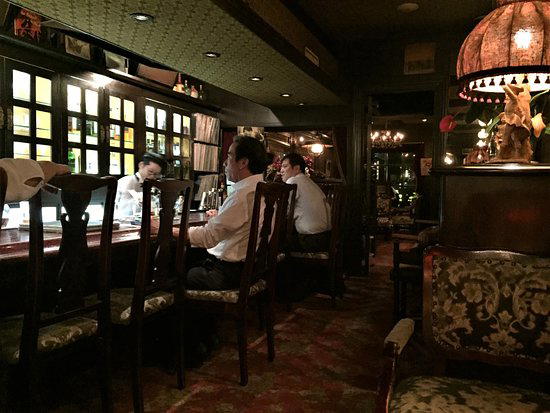
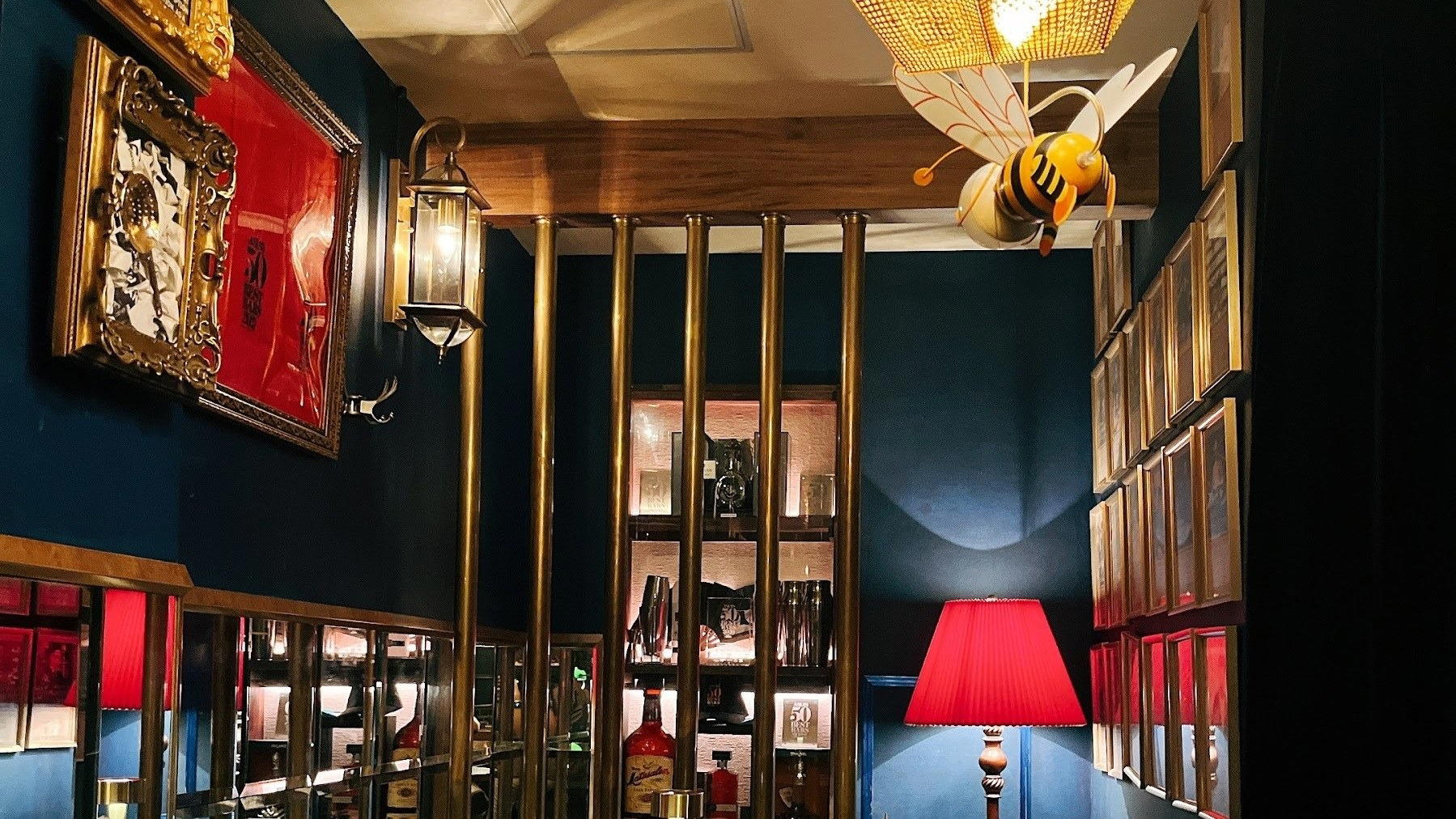
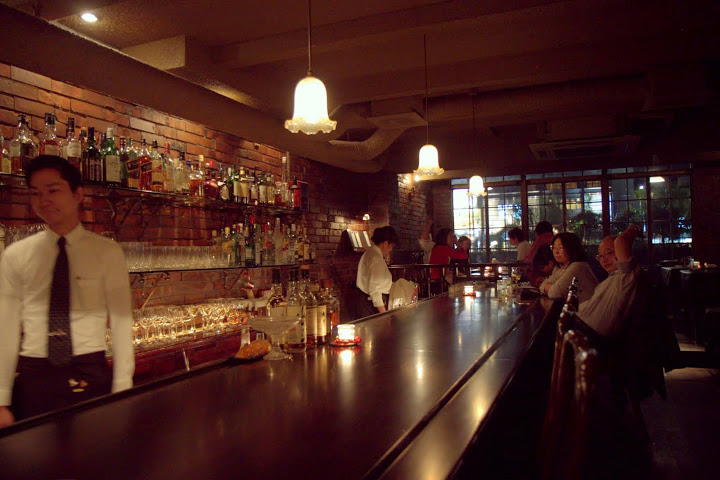
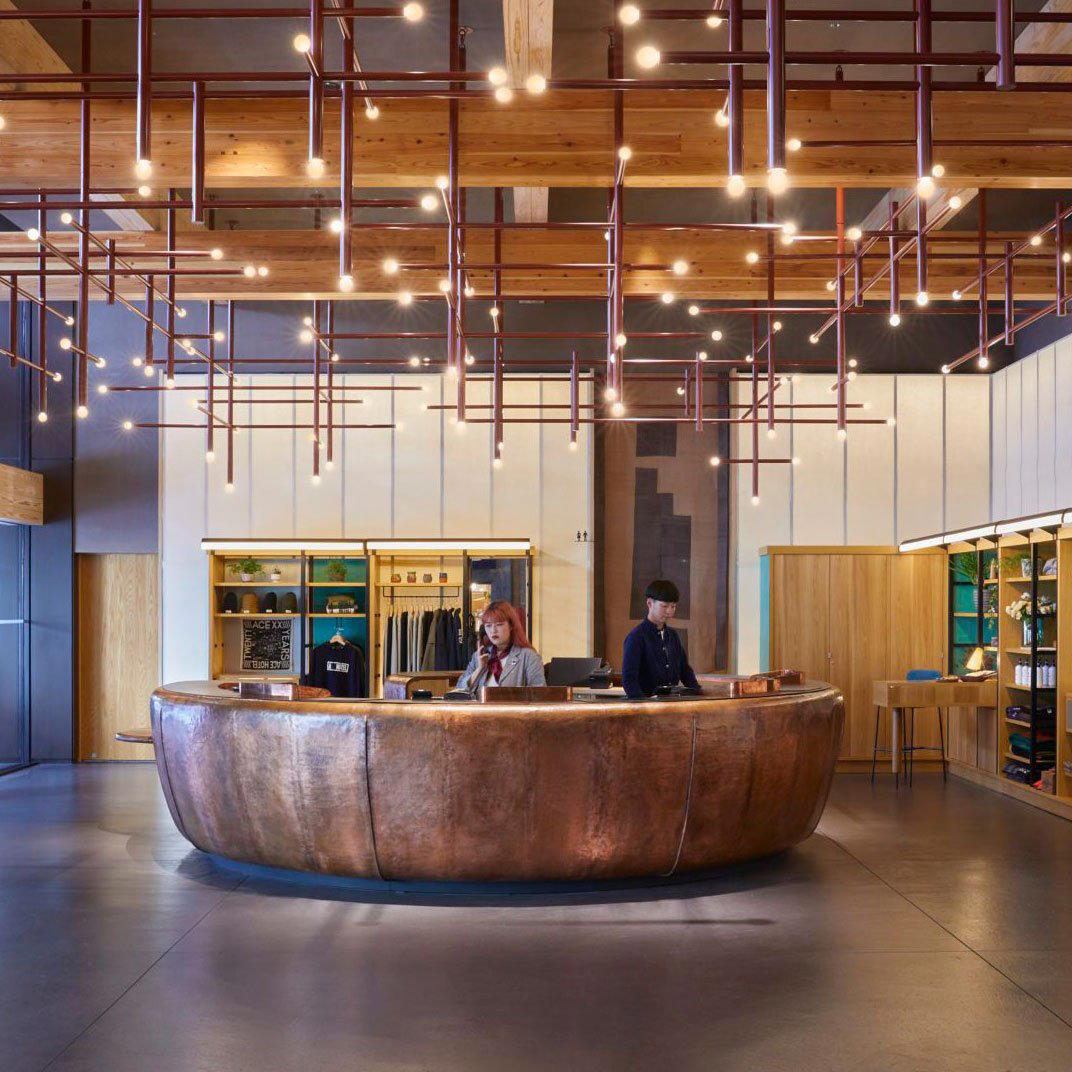
Hotels in Kyoto
Browse all →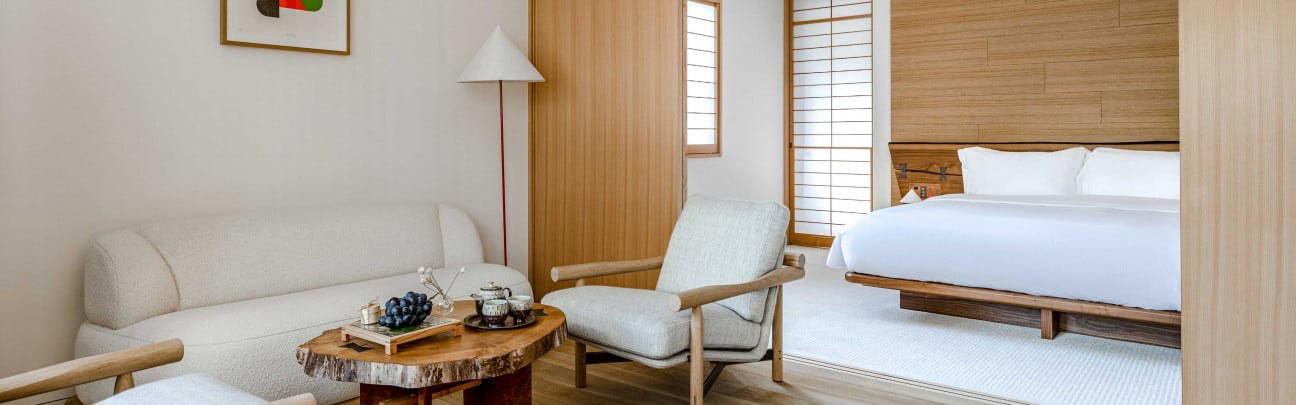
Wineries in Kyoto
Browse all →
At a Glance
- Elegant
- Intimate
- Sophisticated
- Cozy
- Minimalist
- Date Night
- Special Occasion
- Chefs Counter
- Private Dining
- Sake Program
- Local Sourcing
Current opening hours
- Monday
- 12–1 PM, 6–8 PM
- Tuesday
- 12–1 PM, 6–8 PM
- Wednesday
- 12–1 PM, 6–8 PM
- Thursday
- 12–1 PM, 6–8 PM
- Friday
- 12–1 PM, 6–8 PM
- Saturday
- 12–1 PM, 6–8 PM
- Sunday
- 12–1 PM, 6–8 PM
Hours can change for holidays and private events. Last verified .
Minimalist Japanese aesthetics with hand-woven ceiling details, natural wood furniture, indirect lighting, creating a precise, reverent, and intimate atmosphere.