Our verdict
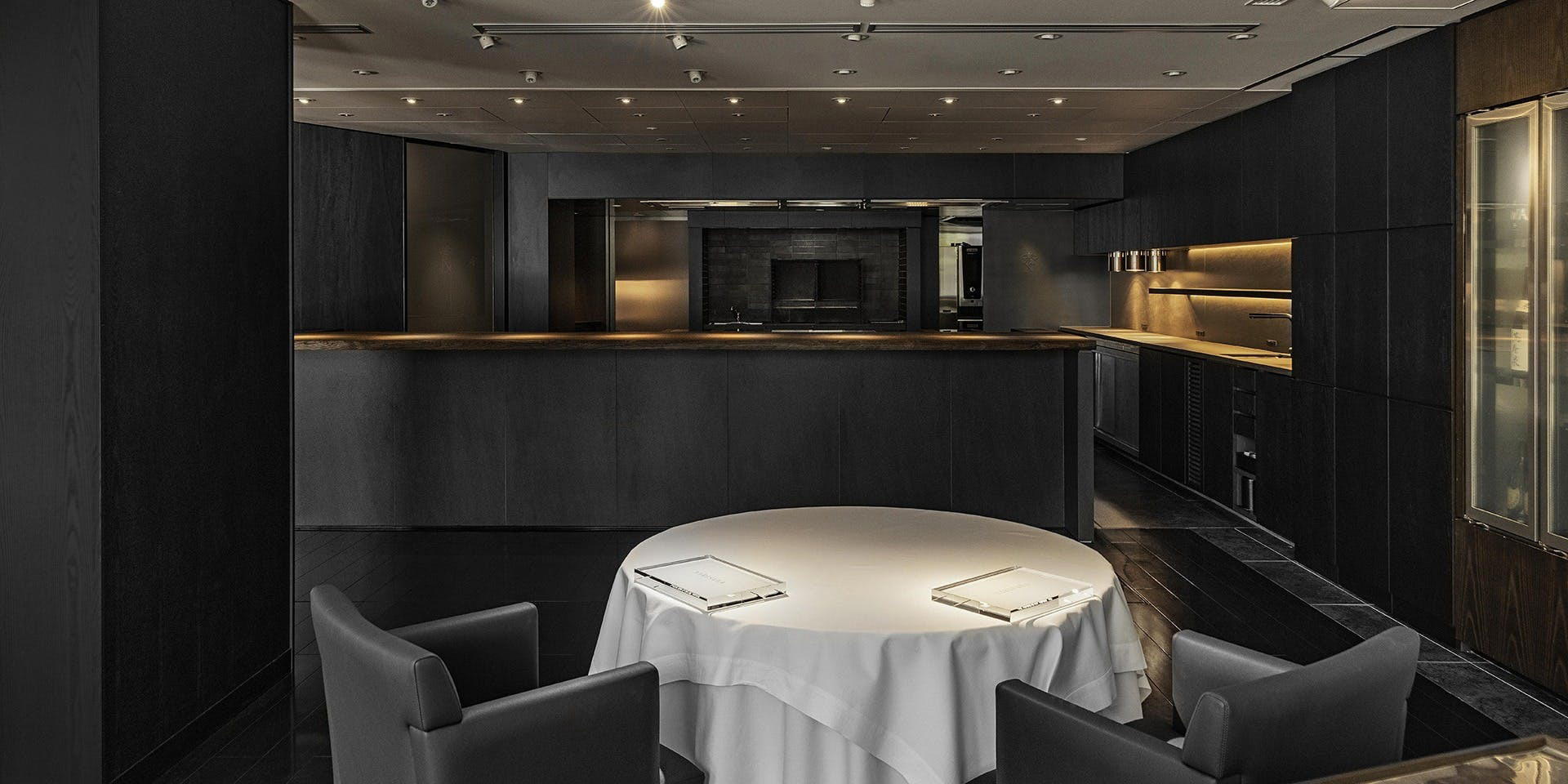
Negishi sits on the seventh floor of a Shinjuku building at the heart of one of Tokyo's most concentrated dining corridors. With minimal online presence and no publicised booking channel, it operates outside the city's omakase-and-reservation mainstream, placing it in a smaller tier of venues that reward local knowledge over digital discovery. For occasion dining in Tokyo, that insularity is part of the proposition.

Pearl is the En Primeur Club membership app, where members save venues, book tables and use the concierge.
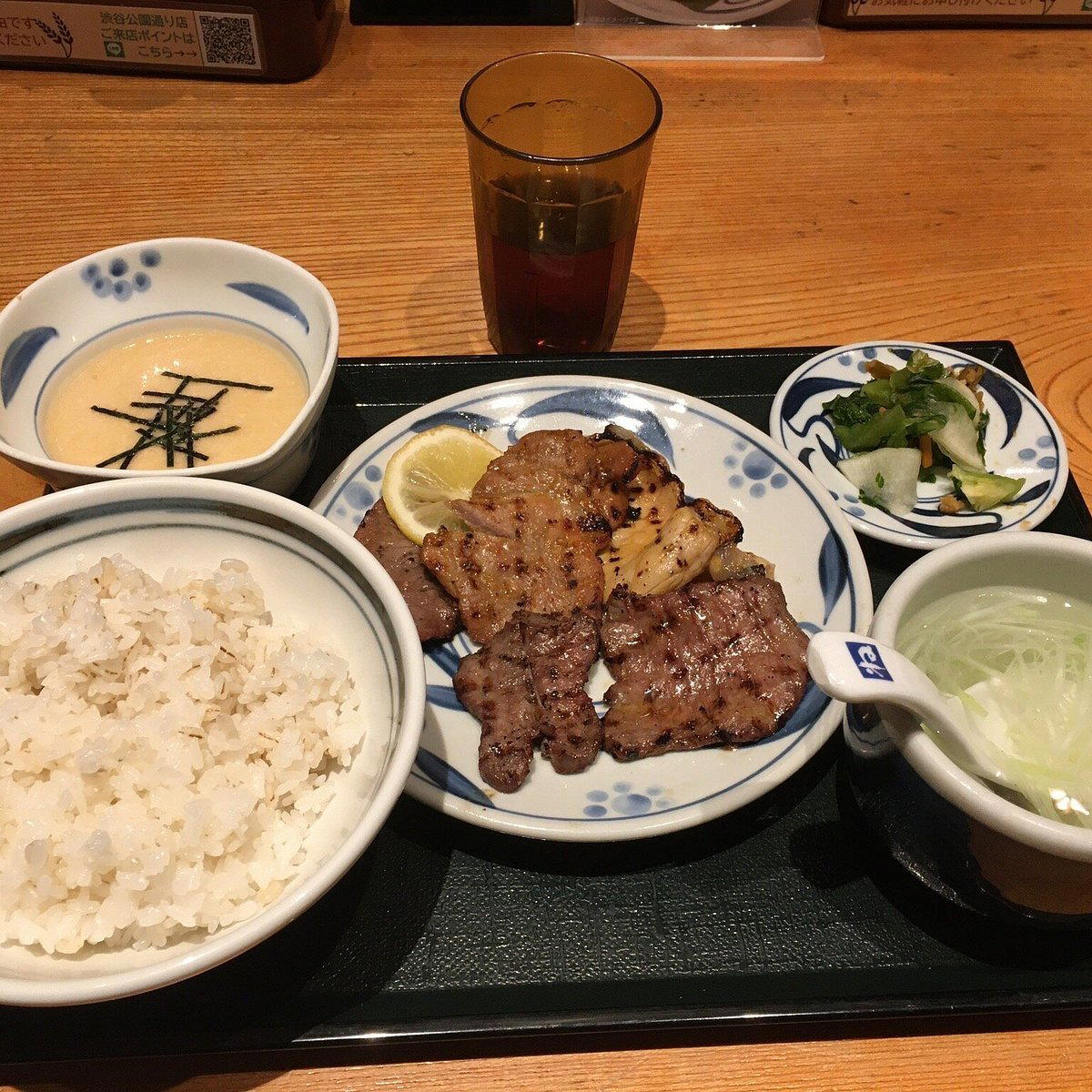
The Seventh Floor, and What That Signals
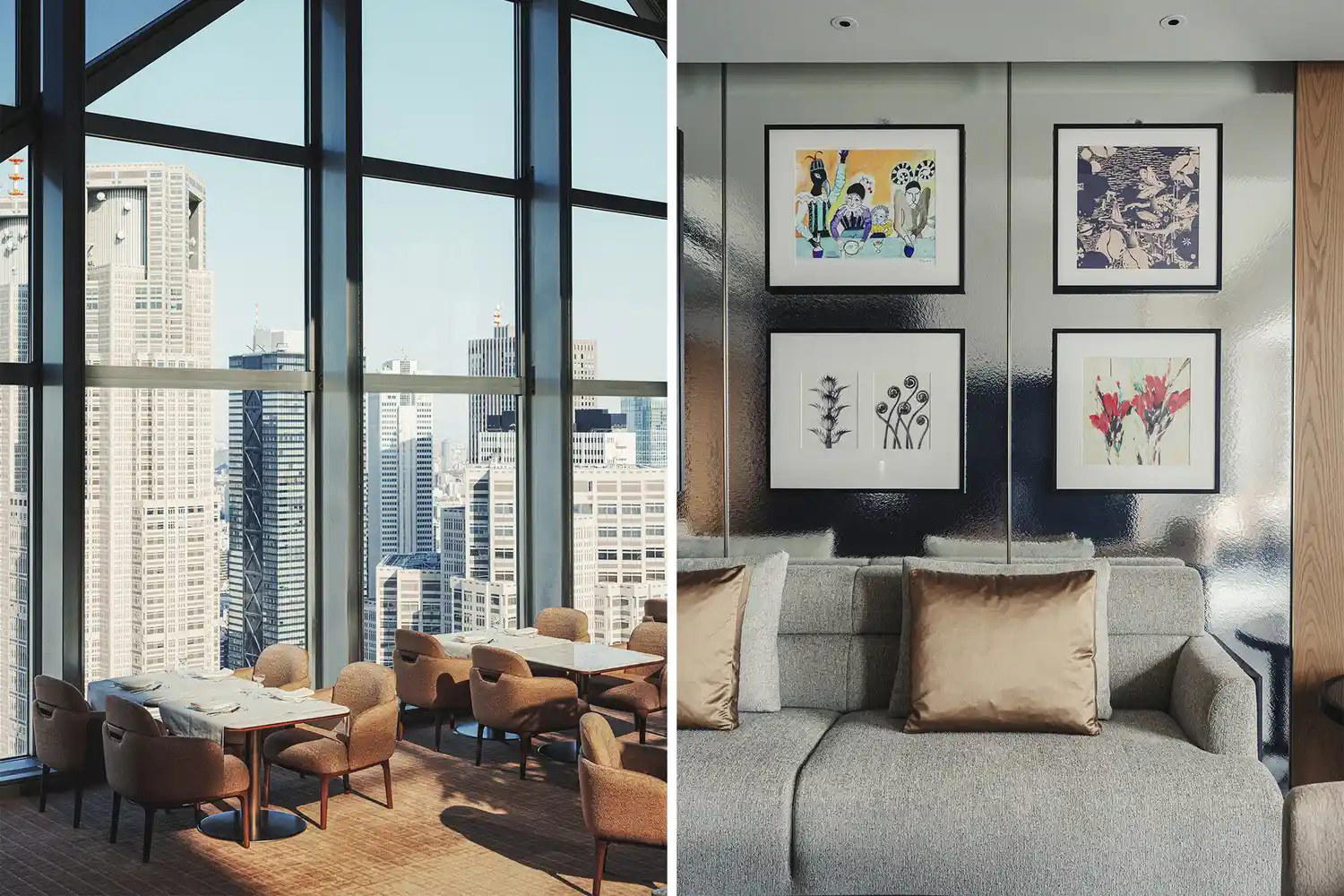
In Tokyo's Shinjuku ward, vertical dining is not a novelty but a structural reality. Restaurants occupy floors three through ten of office buildings across the district, and the elevator ride has long been understood as part of the ritual, a transition from pavement-level noise to something more deliberate. Negishi, on the seventh floor of a building in Shinjuku 3-chome, fits this format. The question a floor-seven address asks of a venue is whether the ascent is rewarded.
Shinjuku 3-chome anchors a particular kind of Tokyo dining culture: smaller rooms, returning clientele, and a separation from the tourist circuits that run through nearby Kabukicho or the department-store restaurants along Isetan. Venues in this cluster tend not to need volume or visibility. They accumulate through word of mouth, which in Tokyo's dining culture is a more durable form of trust than any algorithm-driven review platform.
Occasion Dining in Shinjuku: The Logic of Low-Profile Rooms
Tokyo has developed a sophisticated grammar for celebration dining. At the top of the market, multi-Michelin-starred counters like Harutaka for sushi or RyuGin for kaiseki set the reference point for milestone meals: precise sequences, high individual attention, and price points that signal the gravity of the occasion. Below that tier, a different category of venue serves the same social function with less ceremony and more regularity. These are rooms where locals mark anniversaries, close deals, and host out-of-town guests without requiring a three-month lead time or a concierge to broker access.
Negishi operates in that second register. Its minimal digital footprint, no publicised phone number, no website in the available record, is less an eccentricity than a feature of a particular Tokyo hospitality model. Rooms that do not actively seek discovery tend to serve a defined, repeat clientele. For the visitor planning a significant dinner in Shinjuku, this insularity is worth understanding: it means the room is built around the people who already know it, which changes the dynamic of an evening there considerably compared with a venue optimised for first impressions.
For comparison, the highest-tier French houses in Tokyo, L'Effervescence and Sézanne, operate with formal booking infrastructure and sustained international press coverage. Crony sits in an innovative French tier that courts a younger, media-aware clientele. Negishi belongs to a quieter stratum that has no particular interest in that competition.
What the Address Implies About the Room
The 3-chome location in Shinjuku carries specific associations. The immediate area runs dense with izakayas, specialist restaurants, and bars that have operated under the same management for decades. A seventh-floor address above street level in this part of the ward typically signals a smaller footprint than ground-floor establishments, fewer seats, a tighter kitchen, and a format built for controlled output rather than throughput. These structural conditions shape experience before a single dish arrives: a room that cannot turn tables quickly tends to build its hospitality around time rather than efficiency.
Japan's dining culture broadly, from the counter-format sushi rooms of Ginza to the multi-course kaiseki houses of Kyoto that include Gion Sasaki, treats occasion meals as a function of time as much as food. The meal is the event. Venues that operate quietly, without marketing noise, tend to understand this most instinctively, because their clientele already does.
Reading Negishi Against the Wider Japanese Scene
Tokyo concentrates dining talent at a density that makes peer comparisons instructive. The Michelin-recognised tier, Harutaka, RyuGin, and their counterparts, represents one mode of Tokyo's dining ambition. But Japan's broader restaurant culture extends well beyond the capital. HAJIME in Osaka operates at the furthest end of contemporary Japanese fine dining; Goh in Fukuoka channels regional Kyushu produce through a tightly edited format; regional specialists like akordu in Nara represent the growing interest in fine dining outside metropolitan centres. Further north, 北の山乃 in Sapporo and 一本木 石川製 in Nanao anchor Hokuriku and Hokkaido dining traditions that rarely appear in international coverage. Against this distributed picture, Tokyo's neighbourhood restaurants, the ones in Shinjuku 3-chome elevator buildings, occupy a specific but important position: they are where the city's own residents actually eat when the occasion calls for it.
Beyond Japan, the comparison useful for international visitors is with similarly low-profile urban rooms in other dense dining cities. Le Bernardin in New York operates at the opposite end of the visibility spectrum, Michelin-starred, internationally profiled, structurally built for discoverability. Atomix, also in New York, sits in a curated-omakase format with specific booking infrastructure. Neither comparison illuminates Negishi directly, but both clarify what Negishi is not: it is not building toward that kind of international profile, which is itself a position.
Planning a Visit
No booking channel appears in the public record, which suggests reservations are managed through direct contact at venue level, most likely by phone, and most likely in Japanese. For international visitors, arriving with a Japanese-speaking contact or working through a hotel concierge is the practical path. The Shinjuku 3-chome location is directly accessible from Shinjuku-sanchome Station on the Tokyo Metro Fukutoshin, Marunouchi, and Shinjuku lines, keeping transit simple from most central Tokyo hotels.
For occasion planning across Japan more broadly, it helps to read Negishi alongside its regional counterparts: 湖隣荘 in Takashima, 庄羽屋 in Nishikawa Machi, and Bistro Ange in Toyohashi each represent the kind of locally embedded dining that Tokyo's neighbourhood tier mirrors in its own way. See our full Tokyo restaurants guide for broader context on how Shinjuku's dining corridors sit relative to the city's other major neighbourhoods. And for Japan beyond the capital, Birdland in Sakai is worth adding to any multi-city itinerary.
Reservations: No public booking channel confirmed; direct contact via hotel concierge or Japanese-speaking intermediary advised. Getting there: Shinjuku-sanchome Station (Fukutoshin, Marunouchi, or Shinjuku lines), short walk. Budget: Timing: Evening visits suit the occasion-dining character of the room; weekday reservations typically carry less competition than weekend slots in this part of Shinjuku.
Frequently asked questions
What part of town is Negishi in?
Negishi is located at Japan, 〒160-0022 Tokyo, Shinjuku City, Shinjuku, 3 Chome−4−8 京王フレンテ 7F, Tokyo.
What kind of dining occasion suits Negishi in Shinjuku, Tokyo?
The seventh-floor address in Shinjuku's 3-chome puts Negishi in the category of Tokyo rooms built for deliberate, occasion-specific visits rather than spontaneous drop-ins. The neighbourhood runs dense with izakayas and specialist restaurants, which makes a seventh-floor room with no public booking channel a signal of intentional low visibility. It suits diners who have arranged access in advance and prefer a setting without the foot traffic of street-level operators.
What's the must-try dish at Negishi?
The 3-chome Shinjuku address places the venue within a dense corridor of specialist operators, where the kitchen's focus typically emerges only once you're seated. Arriving without fixed expectations is the practical approach here.
What's the best way to book Negishi?
No phone number or online booking platform appears in the available record for Negishi. In Tokyo's Shinjuku dining scene, this pattern is associated with rooms that rely on direct contact through the building's front desk, hotel concierge referral, or a Japanese-speaking intermediary. A concierge at a Shinjuku-area hotel is the most reliable starting point.
A Tight Comparison
Comparable venues nearby, for context on price, style, and recognition.
| Venue | Cuisine | Price | Notes |
|---|---|---|---|
| NegishiThis venue (the venue you are viewing) | Japanese Beef Tongue Grill | $10–20 | Not listed |
| 餃子歩兵 | Kyoto-style Gyoza | $10–20 | Ginza, Kyoto-style Gyoza |
| Maidreamin Shibuya Store | Japanese Maid Cafe | $10–20 | Shibuya, Japanese Maid Cafe |
| 赤坂 炭火焼肉 金星 | Japanese Robatayaki | Not listed | Minato, Japanese Robatayaki |
| 赤坂詠月 | Japanese Tea Ceremony Dining | Not listed | Minato, Japanese Tea Ceremony Dining |
| 隼 | Japanese Cuisine | Not listed | Minato, Japanese Cuisine |
Recognition history
Dated appearances from independent guides and award organizations, with the underlying list record or original source where available.
Opinionated About Dining Casual in Japan Ranked #84
Opinionated About Dining