Our verdict
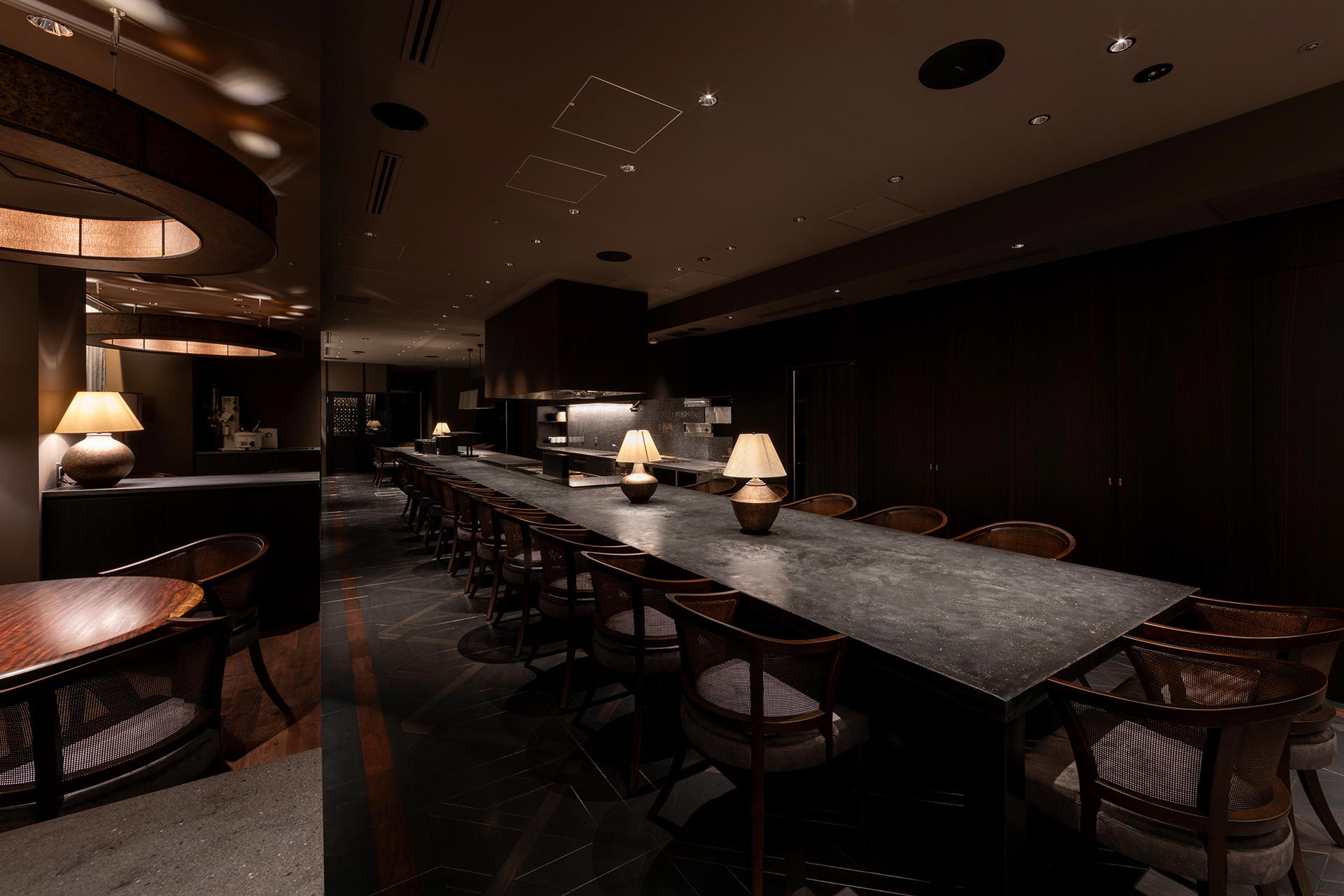
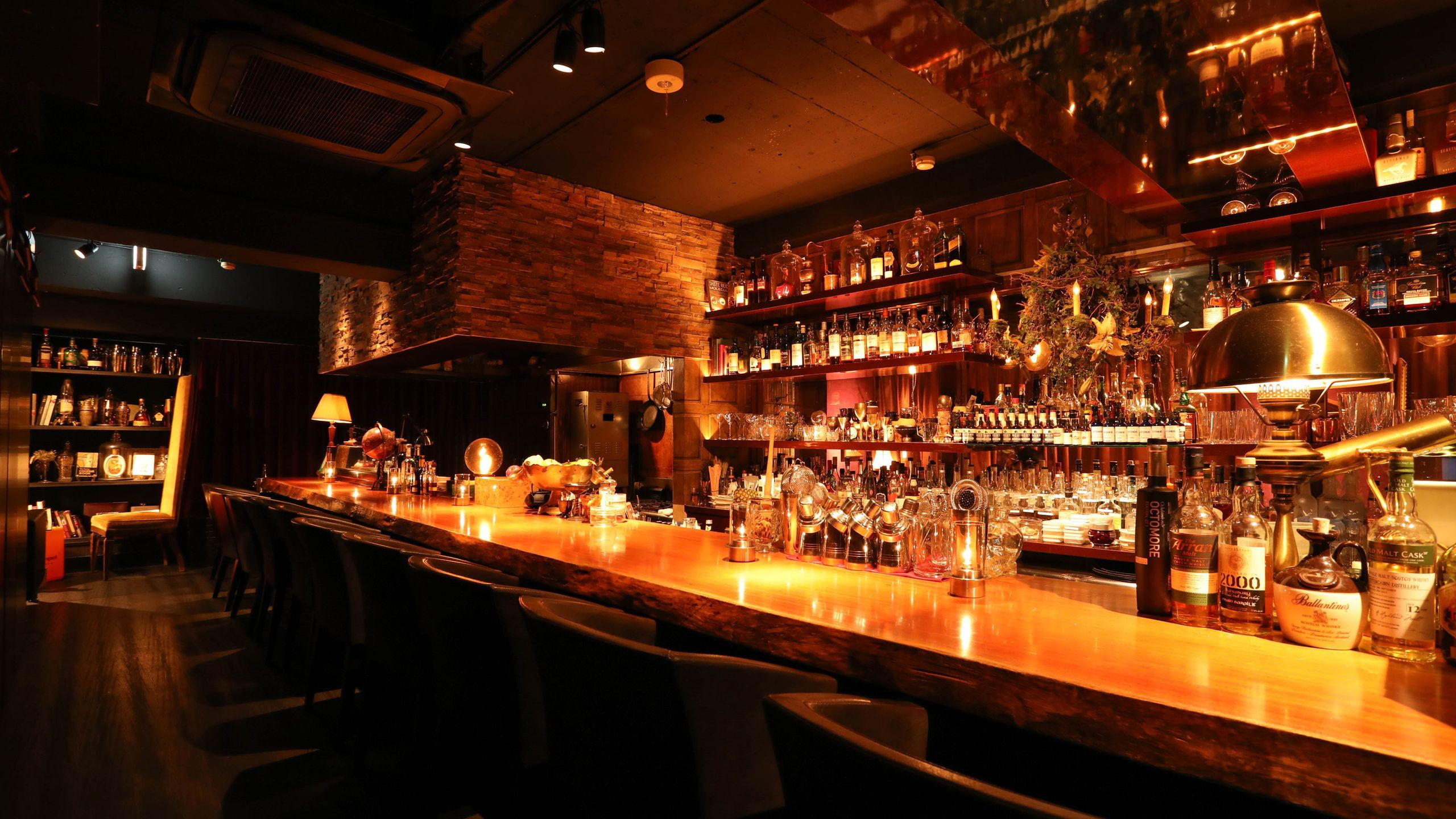
Located in Akasaka's Minato ward, 赤坂 焼き鳥炭火焼鳥 鳥政 sits within Tokyo's dense grid of neighbourhood yakitori counters, a format that rewards repeat visits and local knowledge over tourist traffic. The smoky intimacy of charcoal-grilled skewers defines the experience here, placing it squarely in a tradition that Tokyo's working districts have refined over decades.

Pearl is the En Primeur Club membership app, where members save venues, book tables and use the concierge.
Akasaka After Dark and the Yakitori Counter Tradition
Tokyo's yakitori scene divides sharply between two registers: the high-volume izakaya chains running gas grills at scale, and the smaller, charcoal-dedicated counters where a single cook manages every skewer with close attention. Akasaka sits in an interesting position within this divide. The neighbourhood is primarily a business district, dense with corporate offices, government-adjacent buildings, and the kind of after-work circuit that sustains serious neighbourhood cooking. That context matters. Restaurants in Akasaka, particularly those running yakitori in the traditional sumibiyaki style, tend to calibrate for a regulars-first audience rather than destination diners. 赤坂 焼き鳥炭火焼鳥 鳥政 (Torimasa) operates from a ground-floor address in the Akasaka Nakacho Building on 3-chome, a stretch of the ward that sits away from the louder tourist corridors of nearby Roppongi and closer to the quieter, more purposeful dining of the local working population.
The sumibiyaki method, charcoal grilling, not gas, is the technical and cultural commitment that separates serious yakitori from the casual version. Binchotan charcoal burns at a higher temperature with less smoke and without the gas-derived flavour compounds that can muddy delicate chicken fat. The result is a cleaner render on fattier cuts, better caramelisation on the skin, and a subtler char that lets the bird's own character come through. This is the tradition Torimasa operates within, and it places the venue in a specific competitive tier among Akasaka's evening options.
Lunch vs. Dinner: Two Different Registers
The lunch-versus-dinner divide is particularly pronounced in yakitori. At lunch, most yakitori counters in Tokyo shift format, shorter menus, faster throughput, often a teishoku set (rice, soup, a handful of skewers) priced to attract the office crowd on a midday break. The mood is utilitarian and efficient. Dinner is when the format opens up: longer stays, more variety across the skewer menu, and the kind of pacing that allows a proper sequence of parts, from the leaner breast and tenderloin cuts early in a meal to the richer, fattier thigh and skin pieces later, finishing with rice or soup.
In Akasaka specifically, this divide carries weight because the lunchtime clientele is almost entirely local, nearby office workers who know exactly what they want and how long they have. Evening service shifts toward a slightly broader mix, including diners arriving specifically for the charcoal counter experience, though Akasaka retains more neighbourhood character than destination venues in Ginza or Shinjuku. If you are visiting from outside the area, the evening service is the better entry point: the pacing is less compressed, the full skewer range is available, and the counter dynamic, watching the grill work in real time, is easier to settle into when you are not watching a clock.
Value is also distributed differently across these two services. Lunch sets in yakitori counters at this level tend to offer the clearest price-to-quality signal in the format: a structured set at a fixed price, with the kitchen controlling the sequence. Dinner à la carte allows for more personal selection but the per-skewer arithmetic adds up quickly when you are working through a full sequence of cuts. Neither is wrong, they are calibrated for different purposes.
Akasaka in Tokyo's Broader Dining Map
Akasaka does not carry the same culinary reputation weight as Ginza, Roppongi Hills, or Nakameguro, but that is partly the point for neighbourhood-format restaurants. The ward has its own serious dining circuit, one that includes high-end kaiseki, French, and creative Japanese alongside more informal formats like yakitori. Venues like RyuGin (Kaiseki) operate in the broader Roppongi/Akasaka corridor at the top of Tokyo's fine dining register, while the yakitori and izakaya tier below it handles the daily-use dining that sustains the area's working population. That layered structure, destination-level fine dining sitting above a dense, competent everyday tier, is what gives Akasaka more dining depth than its tourist footprint might suggest.
For comparison, the ¥¥¥¥ tier in Tokyo's restaurant scene is well-represented by venues like Harutaka in sushi, L'Effervescence in French, and Sézanne at the top of the creative French tier. Yakitori counters, even accomplished charcoal-dedicated ones, typically sit in a lower price band, which is part of their value proposition. A full dinner at a serious yakitori counter in Tokyo will generally run less than a comparable omakase seat at a sushi counter of equivalent craft commitment, largely because the ingredient cost structure and format length differ.
Beyond Tokyo, Japan's neighbourhood counter tradition extends across the country in different formats, kaiseki at Gion Sasaki in Kyoto, creative Japanese at Goh in Fukuoka, and the kind of deeply local cooking found at Aji Arai in Oita, all sharing a format logic of small rooms, attentive service, and cooking calibrated for regulars. Torimasa fits that broader tradition at the yakitori register.
Planning Your Visit
Akasaka is accessible from Akasaka Station (Tokyo Metro Chiyoda Line) and Akasaka-mitsuke Station (Ginza and Marunouchi Lines), making it direct to reach from most central Tokyo neighbourhoods. The 3-chome address is a short walk from either station. Given the neighbourhood's business district character, the area quiets noticeably on weekends, some smaller counters adjust hours or close on Sundays, so confirming current service days before visiting is advisable.
Venue Comparison: Yakitori and Charcoal-Grill Tier, Tokyo
| Venue | Format | Price Range | Neighbourhood | Primary Service |
|---|---|---|---|---|
| 赤坂 鳥政 (Torimasa) | Yakitori counter, sumibiyaki | Not confirmed | Akasaka (Minato) | Lunch & dinner |
| Harutaka | Sushi omakase counter | ¥¥¥¥ | Ginza | Dinner (omakase) |
| Crony | Innovative French | ¥¥¥¥ | Tokyo central | Dinner |
| RyuGin | Kaiseki counter | ¥¥¥¥ | Roppongi | Dinner |
For a wider view of Tokyo's dining options across formats and price tiers, see our full Tokyo restaurants guide. For comparable neighbourhood-counter experiences outside Japan, Lazy Bear in San Francisco and Le Bernardin in New York City illustrate how the counter format translates across different culinary traditions.
Elsewhere in Japan, HAJIME in Osaka, akordu in Nara, Abon in Ashiya, affetto akita in Akita, Ajidocoro in Yubari District, Akakichi in Imabari, and aki nagao in Sapporo represent the depth of Japan's regional counter-dining culture across formats and geographies.
Frequently asked questions
Where is 赤坂 炭火焼肉 金星 in Tokyo?
赤坂 炭火焼肉 金星 is located at Japan, 〒107-0052 Tokyo, Minato City, Akasaka, 3 Chome−16−4 赤坂中村ビル 1F, Tokyo.
What should I order at 赤坂 鳥串炭火焼専門店?
The venue name identifies it explicitly as a charcoal-grill yakitori specialist (炭火焼専門店), so the skewer courses are the primary draw. At counters of this format in Akasaka, the kitchen typically sequences from lighter white-meat cuts through richer offal skewers, finishing with a rice or soup closer. Arriving without a plan and following the chef's sequence is standard practice at dedicated yakitori counters.
Can I walk in to 赤坂 炭火焼肉 金星?
Reservations are recommended for 赤坂 炭火焼肉 金星 in Tokyo. Confirm current policy via the venue's official channels.
What's the standout thing about 赤坂 炭火焼肉 金星?
赤坂 炭火焼肉 金星 is best approached by focusing on the core concept and signature offerings.
Price and Recognition
Comparable venues nearby, for context on price, style, and recognition.
| Venue | Cuisine | Price | Awards | Notes |
|---|---|---|---|---|
| 赤坂 炭火焼肉 金星This venue (the venue you are viewing) | Japanese Robatayaki | Not listed | Not listed | Not listed |
| Tonkatsu Maisen (とんかつ まい泉) | Tonkatsu Specialist | $20–30 | Not listed | Omotesando, Tonkatsu Specialist |
| Horumon Masaru | Horumon & Yakiniku Izakaya | $30–50 | Tabelog 100 #74 | Minato, Horumon & Yakiniku Izakaya |
| M & C Cafe Marunouchi oazo | Not listed | $10–20 | Tabelog 100 #6 | Chiyoda, Yoshoku-style cafe in a bookstore |
| Maidreamin Shibuya Store | Japanese Maid Cafe | $10–20 | Not listed | Shibuya, Japanese Maid Cafe |
| Sakanoue Cafe | Bunkyō, Japanese kakigori cafe | $20–30 | Tabelog 100 #73 | Not listed |