鼎 occupies a quiet floor of Hillside Palace in Roppongi, a Minato-ward address that positions it within Tokyo's premium dining corridor without competing for pavement-level visibility. The venue's sparse public profile, no listed phone, no published website, is itself a signal of where it sits in the city's reservation hierarchy. For milestone meals in Tokyo, that opacity is part of the proposition.
Pearl is the En Primeur Club membership app — saves, bookings, and concierge access live there. Same editors, same standards.
- Address
- Japan, 〒106-0032 Tokyo, Minato City, Roppongi, 4 Chome−4−2 Hillside Palace Roppongi, 地下1階
- Phone
- +81368754245
- Website
- m.facebook.com
- Directions
- Get directions
 Saves & bookings on Pearl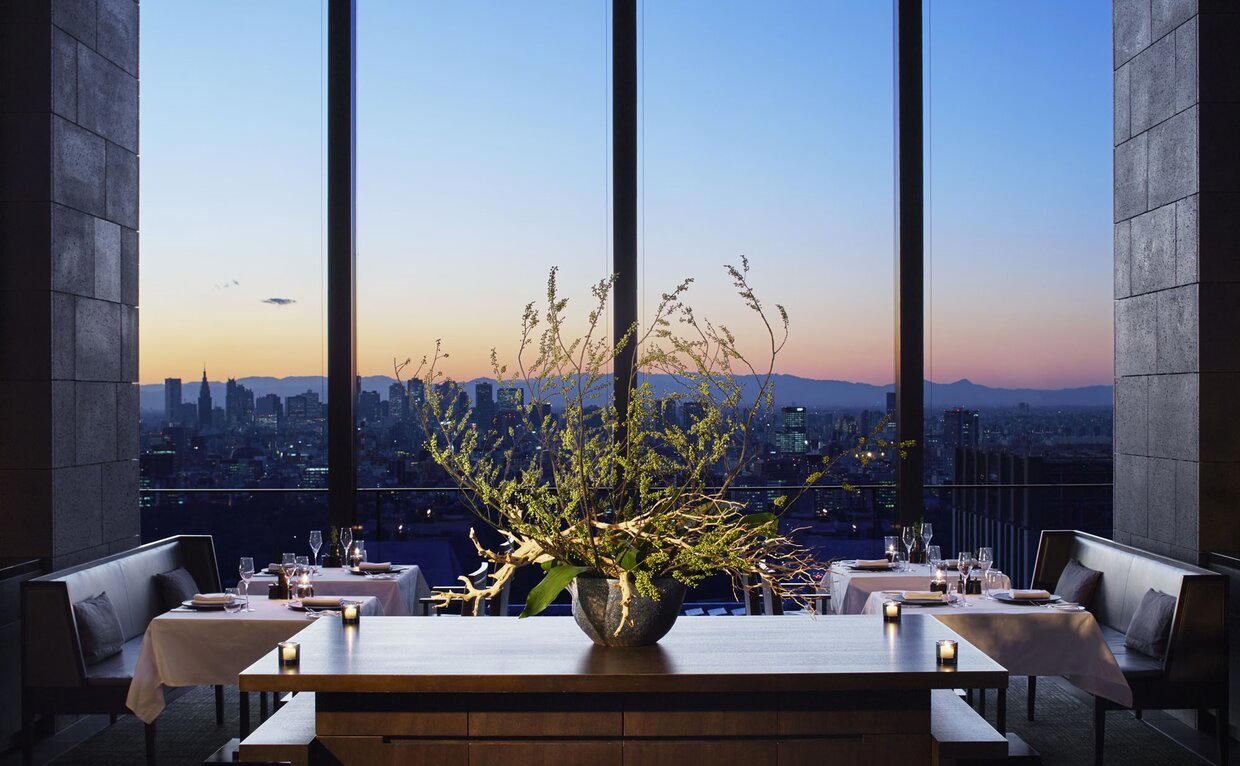
Roppongi's Quieter Register
Tokyo's Minato ward runs a long spectrum from tourist-facing izakayas along Roppongi's main arteries to counter-only rooms that don't publish reservation details or maintain a public web presence. 隼 sits at the far end of that spectrum, occupying a floor of Hillside Palace at 4-4-2 Roppongi, a building address rather than a shopfront, in a neighbourhood where serious dining rooms have long preferred to be found by referral rather than foot traffic. That positioning is not accidental. In Tokyo's premium occasion tier, invisibility functions as a form of curation: the room fills with people who already know what they are looking for.
Roppongi as a dining district has undergone a genuine shift over the past decade. The neighbourhood built its international reputation on volume and late-night energy, but a quieter secondary layer, smaller rooms, higher per-cover prices, longer advance booking windows, has grown steadily alongside it. Venues like RyuGin, long established in the area's kaiseki tier, helped demonstrate that Roppongi could support serious, occasion-driven dining at the summit of the market. 鼎 operates in that same register, though with far less publicly available information than its neighbours.
Occasion Dining in Tokyo's Milestone Tier
Tokyo's premium dining market organises itself differently from most major cities. Where London or New York tend to cluster celebration meals around a handful of branded, media-visible addresses, Tokyo distributes them across a wider range of formats, omakase counters, kaiseki rooms, French-influenced tasting menus, and hybrid formats that resist easy categorisation. The decision about where to mark a significant occasion in Tokyo is therefore less about choosing between a short list of obvious names and more about matching format, cuisine tradition, and room character to the specific nature of the event.
Within that framework, Roppongi's Minato-ward corridor offers a particular kind of occasion meal: one that is geographically central, institutionally serious, and insulated from the noise of high-visibility addresses. L'Effervescence in Nishi-Azabu, just west of the district, represents the French-influenced end of this tier, with a format built around long tasting menus and a strong vegetable focus. Sézanne operates at a similar price point with a more classical French orientation. 鼎's address places it in proximity to both without directly competing on cuisine type, its distinct character, where it to be verified through sourced data, would sit alongside rather than against these peers.
For guests planning a milestone meal in Tokyo, the practical question is often not which room is technically most accomplished, but which combination of format, booking logistics, and room atmosphere leading suits the occasion. A structured, longer tasting format, common across the ¥¥¥¥ tier in this district, signals the kind of unhurried pace that anniversary dinners or significant celebrations tend to require. The table holds for the evening; courses arrive in sequence; the rhythm is set by the kitchen, not the guest. That structure is the occasion, not merely the context for it.
The Roppongi Premium Tier: A Comparative Frame
Placing 鼎 in its competitive context requires working from what the address and neighbourhood pattern suggest, rather than from confirmed cuisine-specific data. The ¥¥¥¥ occasion tier in central Tokyo, the bracket occupied by Harutaka in the sushi segment and Crony in the innovative French category, typically prices per-person at the counter or table in a range that places the meal firmly in special-occasion territory rather than regular dining. Booking windows at this level generally run several weeks to several months ahead, particularly for weekend slots.
| Venue | Cuisine | Price Tier | Format Signal |
|---|---|---|---|
| 鼎 | Not confirmed | Not confirmed | Referral-oriented, minimal public profile |
| Harutaka | Sushi | ¥¥¥¥ | Counter omakase, advance booking required |
| L'Effervescence | French | ¥¥¥¥ | Tasting menu, vegetable-forward |
| RyuGin | Kaiseki | ¥¥¥¥ | Seasonal kaiseki, formal service |
| Crony | Innovative French | ¥¥¥¥ | Chef-driven tasting, contemporary format |
The absence of a published website or phone number for 隼 is worth reading clearly: it does not indicate that the venue is inaccessible, but it does indicate that the path to a reservation runs through channels other than a direct online search. In Tokyo's more rarefied dining tier, hotel concierges, specialist booking services, and established guest relationships function as the actual reservation infrastructure. Travellers arriving without those connections will find the process slower, which is itself a reasonable proxy for where the venue sits in the market.
Tokyo's Broader Occasion Dining Map
Guests for whom Roppongi's specific character is not the priority should know that Tokyo's occasion dining options extend well beyond the central wards. Japan's broader dining circuit offers serious alternatives at the same tier: HAJIME in Osaka operates at the summit of that city's market with a distinctive approach to natural themes; Gion Sasaki in Kyoto represents the kaiseki tradition at its most formal; and akordu in Nara offers a European-influenced counter format in a quieter setting. Further afield, Goh in Fukuoka and regional rooms like Abon in Ashiya, affetto akita in Akita, Aji Arai in Oita, Ajidocoro in Yubari District, Akakichi in Imabari, and aki nagao in Sapporo demonstrate the depth of Japan's regional fine dining outside the capital.
For occasion meals specifically in Tokyo, our full Tokyo restaurants guide maps the premium tier across neighbourhoods, cuisine types, and booking formats. International comparison points for the occasion-dining format include Le Bernardin in New York City and Lazy Bear in San Francisco, both of which operate structured tasting formats at the premium end of their respective markets.
Planning a Visit
鼎 is located at Hillside Palace Roppongi, 4-4-2 Roppongi, Minato City, Tokyo 106-0032. No phone number or website is listed. Travellers planning a visit should arrange reservations well in advance through appropriate channels.
Budget Reality Check
Comparable venues nearby, for context on price, style, and recognition.
| Venue | Cuisine | Price |
|---|---|---|
| 隼This venue — the venue you are viewing | Minato, Japanese Cuisine | Not listed |
| たんたん亭 本店 | Hamadayama, Traditional Japanese Ramen | $$ |
| Ginza Kagari (銀座 篝) | Ginza, Chicken Paitan Ramen | $$ |
| Shibata | Komae, Classic Tokyo Ramen | $$ |
| Kayanoya (茅乃舎) | Roppongi, Dashi Oden Japanese | $$ |
| 傳 | Shibuya, japanese | Not listed |


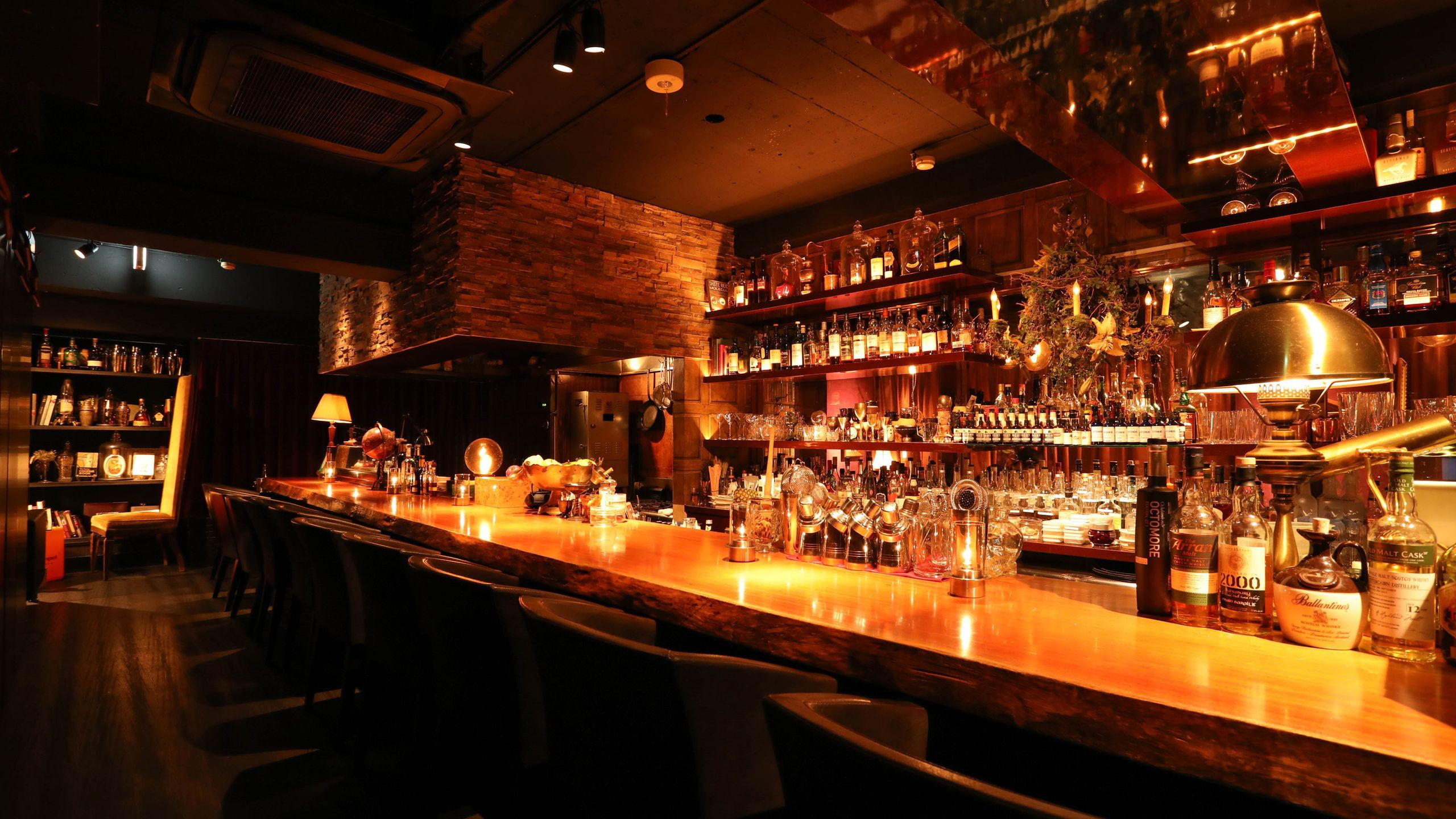


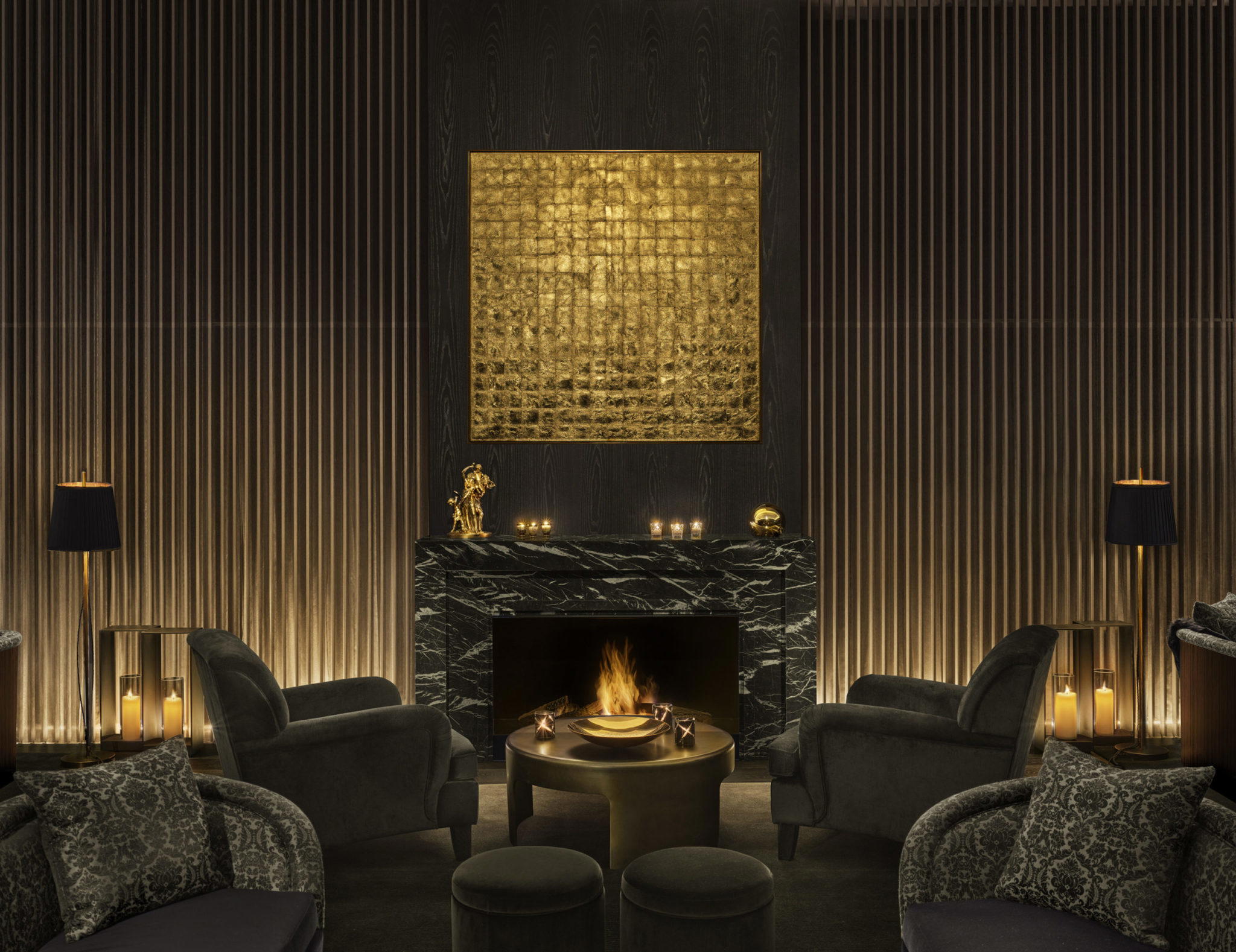



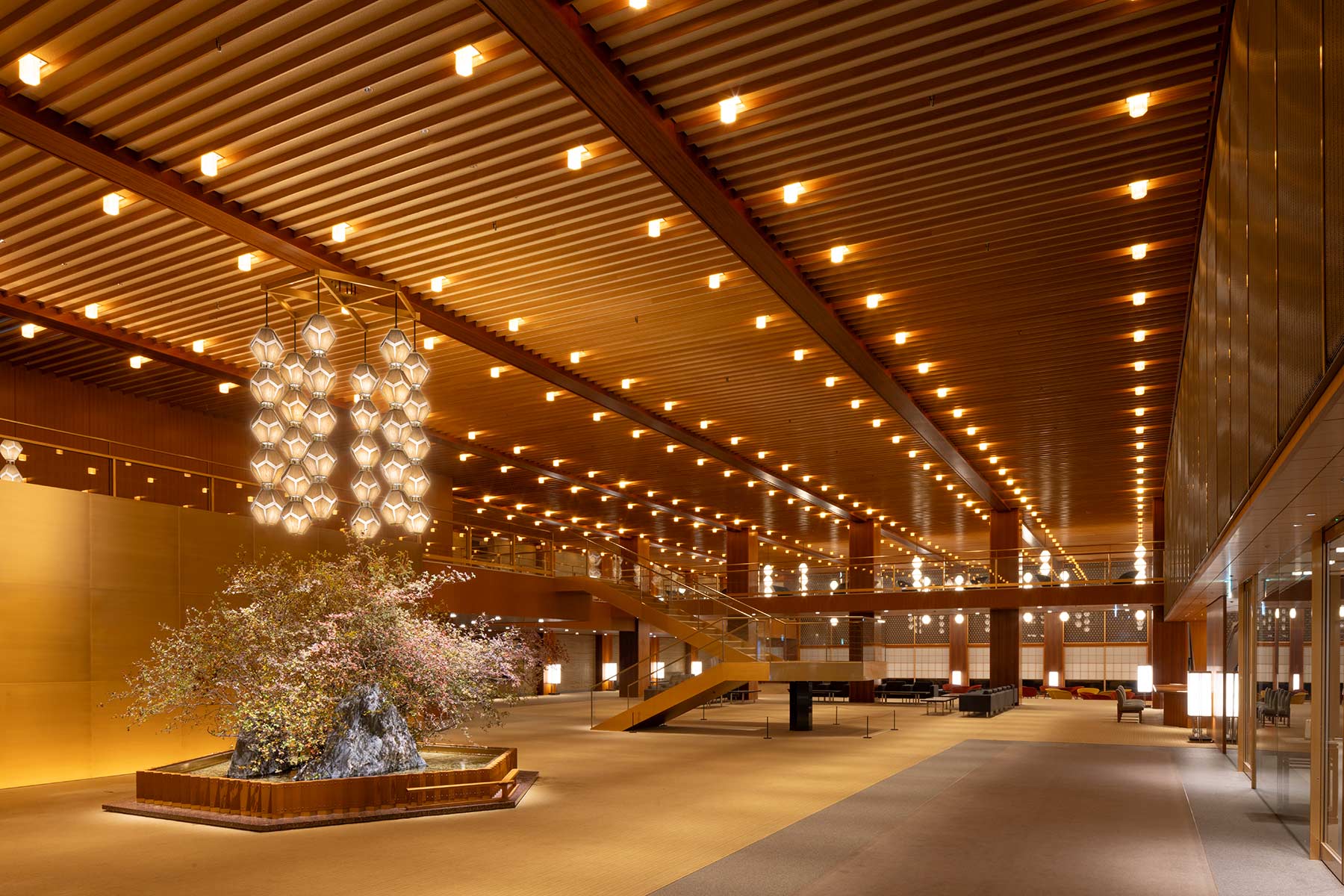


At a Glance
friendly atmosphere