
Michelin Plate
Our verdict
In the heart of Miyagawacho, Kyoto's geisha district where teahouses line cobblestone streets near the Kaburenjo Theatre, Miyagawacho Hotta earns a Michelin Plate for set meals that move between classical Japanese form and deliberate surprise. The owner-chef holds a sake diploma and sommelier credentials, making the pairing dimension as considered as the cooking.

Pearl is the En Primeur Club membership app, where members save venues, book tables and use the concierge.
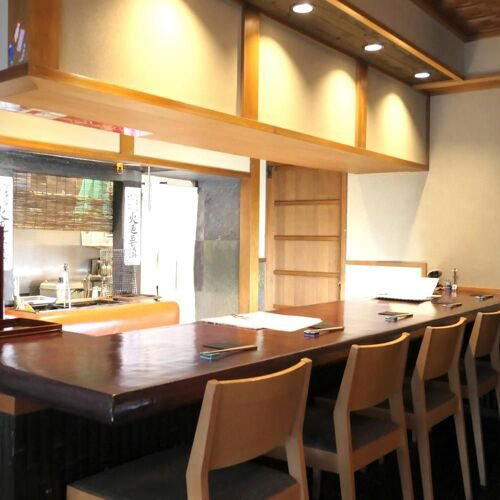
Where the Hanamachi Meets the Kitchen
The cobblestone lane running through Miyagawacho is one of Kyoto's most atmospherically intact streets. Teahouses and geisha houses flank the approach to the Kaburenjo Theatre, where traditional dance performances have been staged for generations. The quarter carries a specific gravity that most restaurants in Kyoto's more touristed corridors do not, the weight of a working cultural district rather than a preserved one. Walking this street in the early evening, with the occasional ochaya lantern lit and the sound of a shamisen carrying from behind a closed shoji, sets an expectation that the meal ahead should carry similar discipline.
Miyagawacho Hotta sits within this context and uses it deliberately. The set meal format signals respect for the kaiseki-adjacent tradition of this district, where the procession of courses, rather than the individual dish, creates the arc of a meal. But what distinguishes the kitchen here from more reverential neighbours is a willingness to let familiarity interrupt formality. A beef cutlet appears in the sequence, not as a concession to comfort, but as a kind of nostalgia, a bridge between the refined register of the broader menu and the kind of food that carries childhood memory for Japanese diners. That tonal shift is harder to execute than it looks.
The Pairing Dimension
Across Kyoto's mid-tier dining scene, the sommelier role is often decorative. A wine list exists, sake is offered, and the floor staff can describe the options. Miyagawacho Hotta operates at a different level of integration. The owner-chef holds both a formal sommelier qualification and a sake diploma, which means the pairing decisions emerge from the same source as the cooking decisions. That compression of roles is relatively rare at the ¥¥¥ price tier in Kyoto, where kitchens this size more typically divide expertise between a dedicated floor team and the chef.
The practical effect is coherence. When bartending technique enters the picture, the menu includes cocktails made from seasonal fruit, the logic connects back to the same person constructing the food menu. Shaved ice in summer is another detail that reads differently once you understand the sommelier background: cold preparations and temperature-sensitive service are not afterthoughts here. Beverages and food are calibrated together, which is the kind of integration that diners at comparable mid-range kaiseki rooms in Gion rarely encounter.
For broader context on how Kyoto's dining scene handles the pairing question at various price points, the full Kyoto restaurants guide maps the range from austere kaiseki counters to more hybrid formats like this one.
Convention and Its Exceptions
The Michelin Plate recognition Hotta holds (2024) signals a kitchen operating above the baseline of its neighbourhood without reaching the full-star tier occupied by rooms like Gion Matayoshi or Kenninji Gion Maruyama. The Plate is Michelin's marker for good cooking without the additional weight of the star system's precision requirements, and it positions Hotta in a tier where the food is reliably serious but the format allows more latitude.
That latitude shows in the menu's willingness to operate across registers. The foundational structure respects the basics of Japanese cuisine, set meal format, seasonal attention, careful sequencing, but details like Worcestershire sauce in the beef cutlet sandwiches introduce a Western-inflected note that kaiseki orthodoxy would exclude. This is not fusion in the imprecise sense the word often carries. It is closer to what the more interesting mid-tier Kyoto kitchens have been doing quietly for years: acknowledging that Japanese cooking has absorbed outside influence at every point in its history and that denial of this is itself a kind of affectation.
Comparable rooms at the ¥¥¥¥ tier, Kikunoi Roan or Isshisoden Nakamura, maintain stricter adherence to kaiseki form. Kodaiji Jugyuan sits at a similar price point but in a different neighbourhood register. Hotta's positioning at ¥¥¥ with Gion-trained technique but a looser menu philosophy makes it a specific kind of proposition: serious cooking without the ceremonial weight of the full kaiseki experience.
The Gion Training and What It Implies
In Kyoto's kitchen hierarchy, Gion training carries specific meaning. The neighbourhood houses some of the city's most demanding kaiseki establishments, and time spent there instils a foundation in technique, sourcing standards, and the expectations of a clientele that understands the form intimately. That background, applied in Miyagawacho rather than Gion itself, produces a particular dynamic: the discipline is present, but the audience is different. Miyagawacho's teahouse culture is distinct from Gion's, less internationally famous, more locally rooted, and a kitchen calibrated to that community can make different choices than one performing for a global kaiseki audience.
The owner-chef's additional qualification in bartending is not incidental. Across Japan's more considered mid-range restaurants, the ability to construct a coherent drinks program without outsourcing it to a separate specialist has become a point of distinction. At venues like Myojaku in Tokyo or Azabu Kadowaki, the integration of food and drink thinking reflects a generation of chefs who trained across disciplines rather than within a single tradition. Hotta belongs to that cohort.
For those mapping a broader Japan itinerary, comparable exercises in cross-disciplinary Japanese cooking can be found at Harutaka in Tokyo, HAJIME in Osaka, akordu in Nara, Goh in Fukuoka, 1000 in Yokohama, and 6 in Okinawa.
Planning Your Visit
Miyagawacho Hotta is located at 4 Chome-322-7 Miyagawasuji, Higashiyama Ward, Kyoto, within walking distance of the Kaburenjo Theatre and the broader teahouse district. The ¥¥¥ pricing sits below the ¥¥¥¥ tier associated with Kyoto's full kaiseki establishments, making it accessible relative to starred neighbours while maintaining clear distance from casual dining.
| Venue | Cuisine | Price Tier | Michelin Status | Format |
|---|---|---|---|---|
| Miyagawacho Hotta | Japanese (set meal) | ¥¥¥ | Michelin Plate 2024 | Set menu, pairing-led |
| Gion Sasaki | Kaiseki | ¥¥¥¥ | Michelin recognised | Counter kaiseki |
| Ifuki | Kaiseki | ¥¥¥¥ | Michelin recognised | Set kaiseki |
| cenci | Italian | ¥¥¥ | Michelin recognised | Set menu |
| Kyo Seika | Chinese | ¥¥¥ | Michelin recognised | Set menu |
For further context on moving around Kyoto after dinner, the Miyagawacho district connects easily to Gion, see the full Kyoto bars guide, the full Kyoto hotels guide, the full Kyoto wineries guide, and the full Kyoto experiences guide.
Frequently asked questions
What should I budget for a meal at Miyagawacho Hotta?
Pricing at Miyagawacho Hotta is listed as ¥¥¥.
Is Miyagawacho Hotta award-winning?
Miyagawacho Hotta has received recognition including: The cobblestone street where the Kaburenjo Theatre of traditional dance is located is lined with teahouses and geisha houses, lending the quarter a distinctive air of elegance. Here in the crossroads of performing art and that is Miyagawach….
What dish is Miyagawacho Hotta famous for?
The beef cutlet is the kitchen's most discussed element, it appears within the set meal as a deliberate reference point, including a version incorporating Worcestershire sauce in a beef cutlet sandwich format. The move reads as a conscious nod to comfort within an otherwise less conventional procession of courses, and the Michelin Plate recognition (2024) suggests it lands as intended.
What part of town is Miyagawacho Hotta in?
Miyagawacho Hotta is located at 4 Chome-322-7 Miyagawasuji, Higashiyama Ward, Kyoto, 605-0801, Japan, Kyoto.
How far ahead should I plan for Miyagawacho Hotta?
A Michelin Plate restaurant on one of Kyoto's most atmospherically intact streets in Higashiyama Ward draws a focused clientele, so same-week availability is unlikely. Reserving two to four weeks in advance is a reasonable baseline, with more lead time advised during peak Kyoto travel periods such as cherry blossom season and autumn foliage.
What's the standout thing about Miyagawacho Hotta?
The pairing integration sets the restaurant apart from comparable Kyoto set-meal venues. The owner-chef holds both a sommelier qualification and a sake diploma, and has bartending experience that feeds into fruit-based cocktails, credentials that shift the drinks programme from a token offering into a structural part of the meal. That combination sits unusually well on a cobblestone lane flanked by geisha houses in Miyagawacho.
Price and Positioning
A small set of peers for context, based on recorded venue fields.
| Venue | Cuisine | Price | Awards | Notes |
|---|---|---|---|---|
| Miyagawacho HottaThis venue (the venue you are viewing) | Modern Kaiseki Omakase | $200–300 | Michelin Plate | Not listed |
| Gion Sasaki | Modern Kaiseki | $300–500 | 3 Michelin Stars · La Liste Top Restaurants | Kaiseki, Japanese |
| cenci | Innovative Italian-Japanese Fusion | $100–150 | 1 Michelin Star · World's 50 Best #76 | Italian |
| Ifuki | Sumibi Kappo Kaiseki | $200–300 | 2 Michelin Stars · La Liste Top Restaurants | Kaiseki |
| Kyokaiseki Kichisen | Kyoto Kaiseki | $200–300 | 2 Michelin Stars · La Liste Top Restaurants | Japanese |
| Kyo Seika | Modern Chinese Fine Dining | $150–200 | 1 Michelin Star · Tabelog Bronze #216 | Chinese |
Recognition history
Dated appearances from independent guides and award organizations, with the underlying list record or original source where available.
Michelin Plate
Michelin
Full recognition history (3 entries)
Michelin Plate
Michelin
Michelin Plate
Michelin
Continue exploring
More in Kyoto
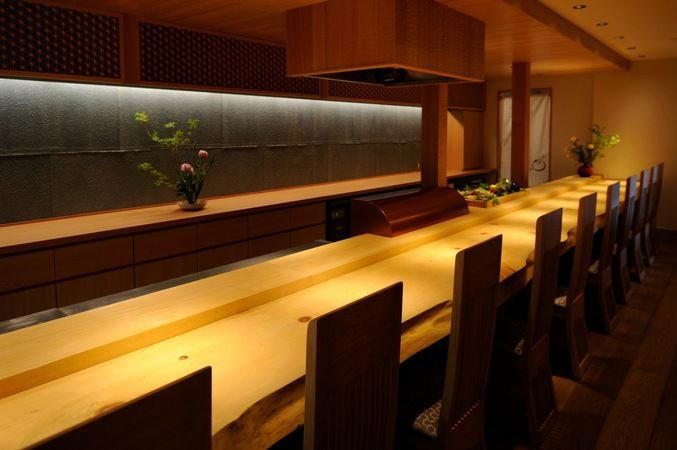
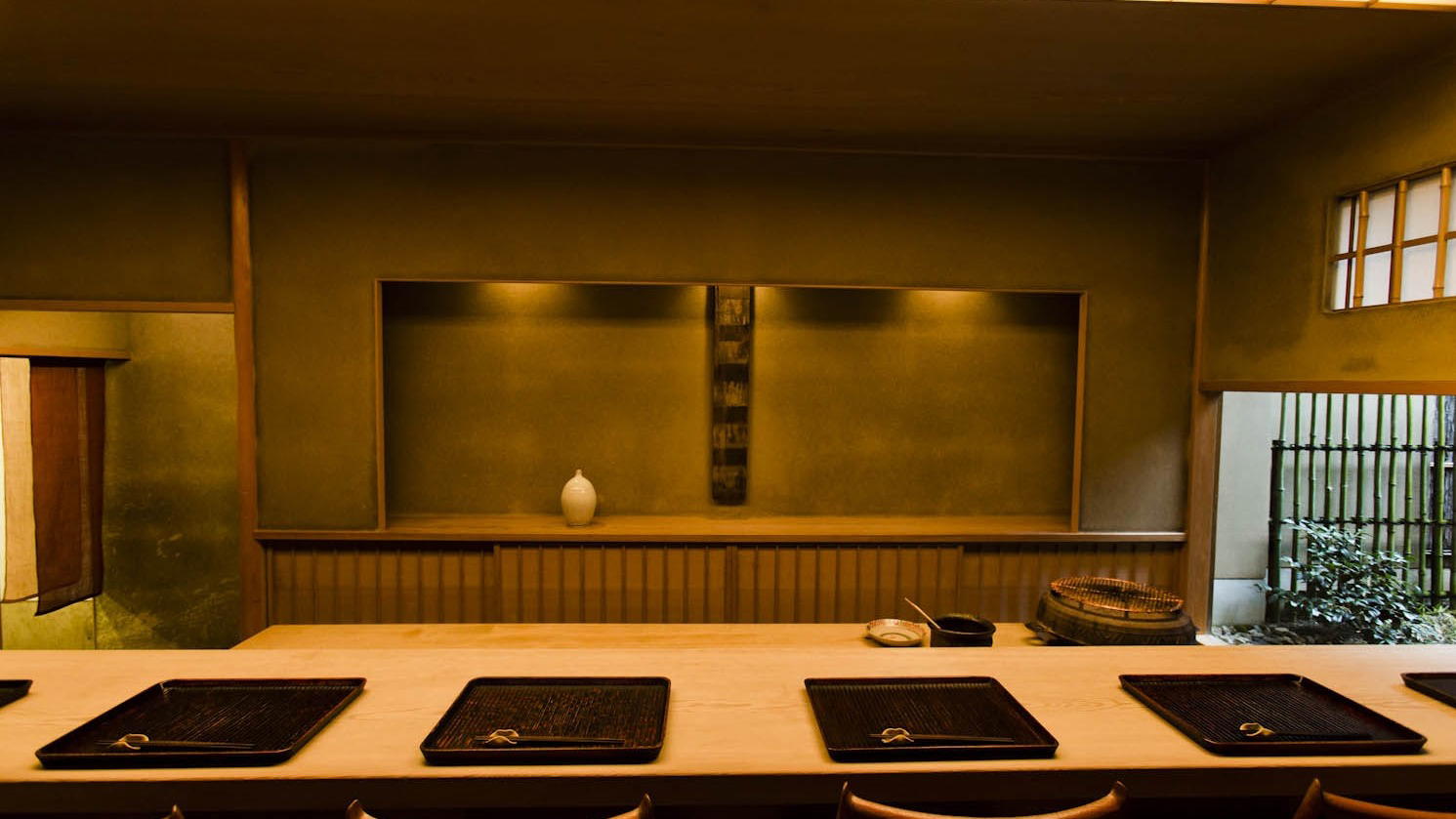
Restaurants in Kyoto
All restaurants in Kyoto →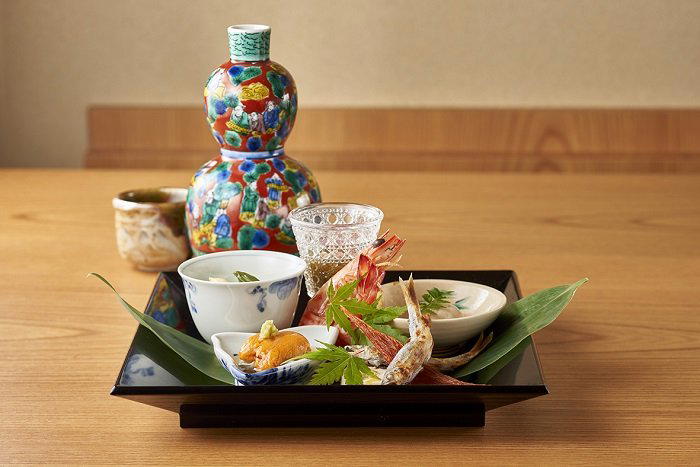
Bars in Kyoto
All bars in Kyoto →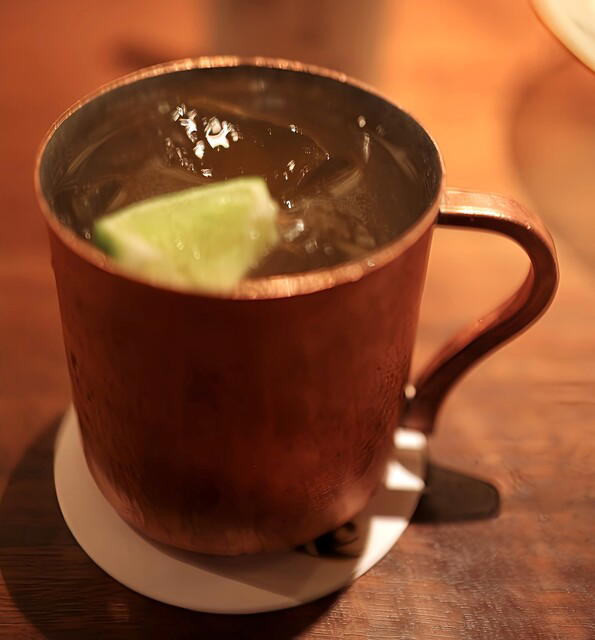
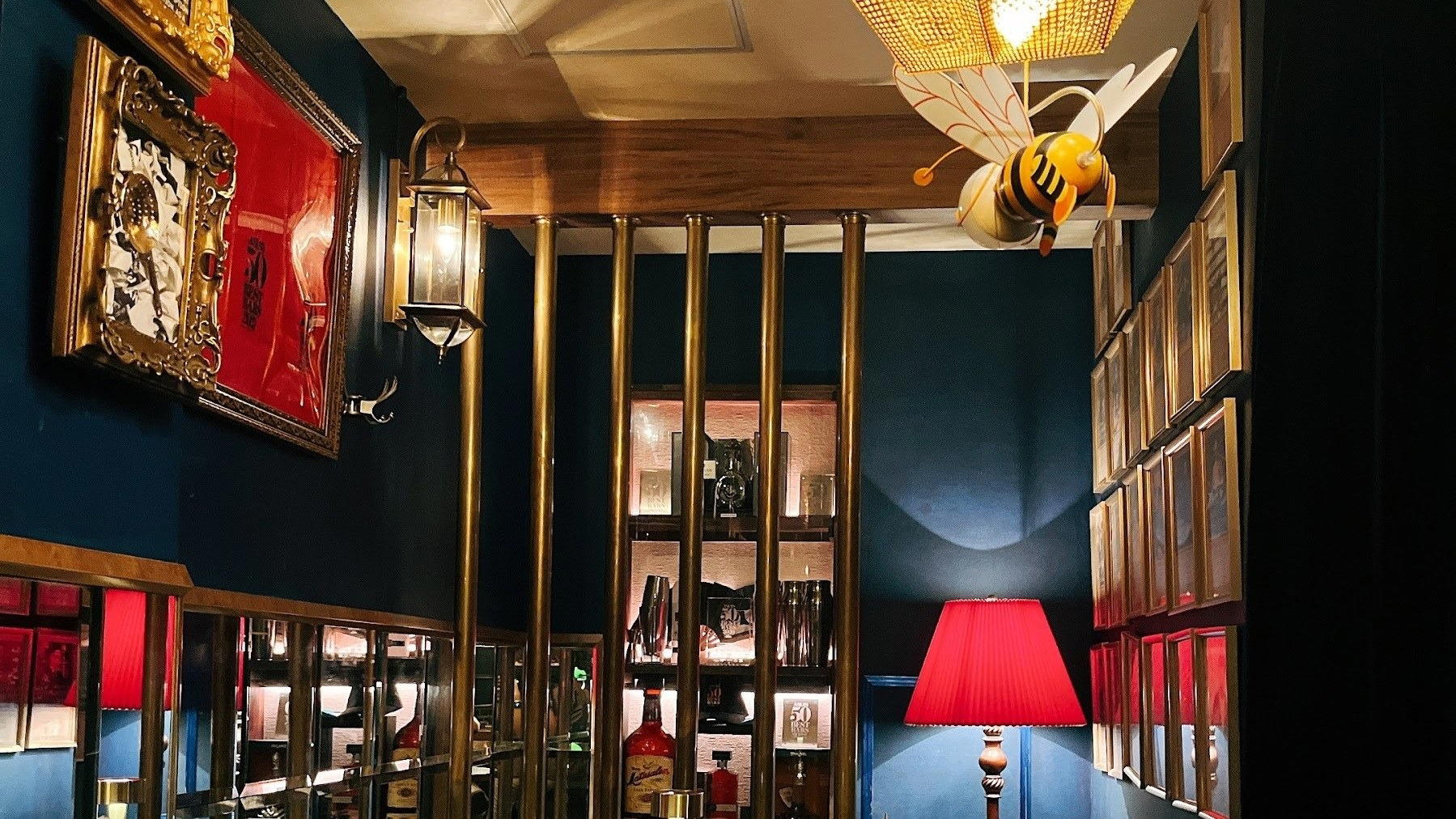
Hotels in Kyoto
All hotels in Kyoto →
Wineries in Kyoto
Browse all →
Details
- Intimate
- Elegant
- Cozy
- Sophisticated
- Date Night
- Special Occasion
- Chefs Counter
- Sake Program
- Extensive Wine List
- Local Sourcing
- Omakase
- Counter Dining
- Sake
- Wine
- Pescatarian Friendly
Current opening hours
- Monday
- 11 AM–3:30 PM, 5:30–9 PM
- Tuesday
- 11 AM–3:30 PM, 5:30–9 PM
- Wednesday
- Closed
- Thursday
- 11 AM–3:30 PM, 5:30–9 PM
- Friday
- 11 AM–3:30 PM, 5:30–9 PM
- Saturday
- 11 AM–3:30 PM, 5:30–9 PM
- Sunday
- 11 AM–3:30 PM, 5:30–9 PM
Hours can change for holidays and private events. Hours as of .
Polished machiya minimalism with pale wood, soft shoji lighting, and tranquil refinement.