


A kaiseki counter in Kyoto's Sakyo Ward that has climbed from rank 60 to rank 19 on Opinionated About Dining's Japan list in two years, while scoring 83 points on La Liste 2026. Doujin operates evenings only, seven days a week, placing it in the tier of serious destination dining without the institutional weight of the city's older houses.
Pearl is the En Primeur Club membership app — saves, bookings, and concierge access live there. Same editors, same standards.
- Address
- 291-1 Kikuhokocho, Sakyo Ward, Kyoto, 606-8364, Japan
- Phone
- +81 50-5595-8094
- Website
- tabelog.com
- Directions
- Get directions
 Saves & bookings on Pearl
Where Sakyo Ward Sits in Kyoto's Kaiseki Order
Kyoto's kaiseki scene distributes itself unevenly across the city. Particularly decorated addresses cluster around Gion and Higashiyama, where Michelin inspectors have long set their rhythms. Sakyo Ward, on the other hand, runs north toward the university district and the quiet precincts around Nanzenji and Heian Shrine, and it sustains a smaller, less touristed tier of serious restaurants that rarely appear in airport-lounge editorial. Doujin, at 291-1 Kikuhokocho in that ward, belongs to that tier, and its reputation now sits closer to the city's more established names than its ward address might suggest.
That kind of trajectory inside a list dominated by long-established Kyoto and Tokyo institutions is not a marketing claim; it is a measurable signal that the critical consensus is shifting. Within the kaiseki category, where movement tends to be incremental, that four-and-a-half-point gain is notable. For comparison, Kyoto's three-Michelin-star kaiseki house Ifuki and the two-star Hassun represent the Michelin-validated upper tier; Doujin's ranking data places it in conversation with that cohort even without an equivalent star count.
The Discipline Behind Kaiseki Simplicity
Kaiseki is not, on the surface, a comfort food tradition, it is codified of Japan's formal dining forms, structured around seasonality, sequence, and visual composition. Kaiseki is not, on the surface, a comfort food tradition, it is codified of Japan's formal dining forms, structured around seasonality, sequence, and visual composition. But the question of skill and simplicity cuts to the centre of what separates good kaiseki from great kaiseki, and it is worth addressing directly.
In kaiseki, a dashi broth is the recurring test. It is almost always clear, almost always served early, and it is made from a handful of ingredients whose quality and treatment leave nowhere to hide. The same logic applies to a bowl of rice at the end of service, or to a sliced piece of fish over a clear sauce. The techniques that define ramen or soba, the patience required to coax depth from simple materials, the restraint to stop before over-manipulating, apply equally to the washoku tradition. A kaiseki kitchen that understands this produces meals where the least showy courses are often the instructive. Doujin's rapid critical ascent suggests it is working in exactly that register.
For context within the Kyoto scene, Chihana and Gion Suetomo occupy the historic Gion addresses that carry generations of institutional weight. Ankyu represents the more intimate end of the same tradition. Doujin positions differently: it lacks the postcode recognition of Gion but is accumulating the critical recognition that tends to precede wider visibility.
The Format and What It Demands of the Diner
Kaiseki in Kyoto operates on the assumption that the guest arrives willing to surrender the evening. Doujin's hours, 6 pm to 10 pm, seven days a week, define a format built around a single, unhurried service. The four-hour window is the meal. That structure is standard at the serious end of the category, but worth stating plainly for anyone accustomed to European tasting-menu pacing, where two-and-a-half hours is considered generous.
The low review count also reflects what serious kaiseki restaurants in Kyoto share: a seat count that keeps the room manageable and the kitchen focused. Booking is essential, and lead times can be long.
Placing Doujin in the Wider Japan Conversation
Kyoto dominates the kaiseki conversation, but the broader context of high-end Japanese dining is useful here. The OAD Japan list on which Doujin now ranks 19th includes restaurants from across the country. HAJIME in Osaka and Goh in Fukuoka operate in different registers but share the same critical ecosystem. In Tokyo, kaiseki comparators include Kikunoi Tokyo and Hirosaku. Harutaka in Tokyo and akordu in Nara represent different category entries from the same geographic orbit. Against that field, Doujin's 19th-place ranking positions it as one of the more compelling arguments for spending a kaiseki evening in Kyoto's quieter north rather than the well-trodden south. Further afield, 1000 in Yokohama and 6 in Okinawa illustrate how Japan's serious dining culture now distributes well beyond the traditional capitals. Doujin is part of that broader pattern of critical attention dispersing to addresses outside the expected circuits.
Planning a Visit
Doujin is at 291-1 Kikuhokocho, Sakyo Ward, Kyoto, a residential address that requires navigation rather than landmark-spotting. Expect about $500 per person. Reservations are essential.
Comparable Venues
Comparable venues nearby, for context on price, style, and recognition.
| Venue | Cuisine | Price | Awards | Notes |
|---|---|---|---|---|
| DoujinThis venue — the venue you are viewing | Kyoto Kaiseki | $$$$ | Not listed | Not listed |
| Tsuneya Densuke | Kyoto Izakaya | $$$$ | Michelin Plate | Nakagyō |
| Koryori Takaya | Kappo Omakase | $$$$ | Michelin Plate | Shimogyō |
| Kappo Umetsu | Kappo Japanese Cuisine | $$$$ | Michelin Plate | Higashiyama |
| Miyagawacho Tensho | Seasonal Tempura Kaiseki | $$$$ | Michelin Plate | Higashiyama |
| Shuhaku | French-Japanese Fusion Kaiseki | $$$$ | Michelin Plate | Higashiyama |
Recognition history
Dated appearances from independent guides and award organizations, with the underlying list record or original source where available.
La Liste Top Restaurants
La Liste
Opinionated About Dining Top Restaurants in Japan Ranked #9
Opinionated About Dining
Tabelog Gold #7
Tabelog
La Liste Top Restaurants
La Liste
Opinionated About Dining Top Restaurants in Japan Ranked #19
Opinionated About Dining
Tabelog 100 #51 · No. 51
Tabelog · Tabelog 100 - Japanese cuisine - WEST - 2025
Tabelog Gold
Tabelog
Opinionated About Dining Top Restaurants in Japan Ranked #61
Opinionated About Dining
Opinionated About Dining Top Restaurants in Japan Ranked #60
Opinionated About Dining
Continue exploring
More in Kyoto
Restaurants in Kyoto
Browse all →
Bars in Kyoto
Browse all →
Hotels in Kyoto
Browse all →
Wineries in Kyoto
Browse all →
At a Glance
- Elegant
- Intimate
- Sophisticated
- Cozy
- Special Occasion
- Chefs Counter
- Sake Program
- Local Sourcing
- Garden
Current opening hours
- Monday
- 6–10 PM
- Tuesday
- 6–10 PM
- Wednesday
- 6–10 PM
- Thursday
- 6–10 PM
- Friday
- 6–10 PM
- Saturday
- 6–10 PM
- Sunday
- 6–10 PM
Hours can change for holidays and private events. Last verified .
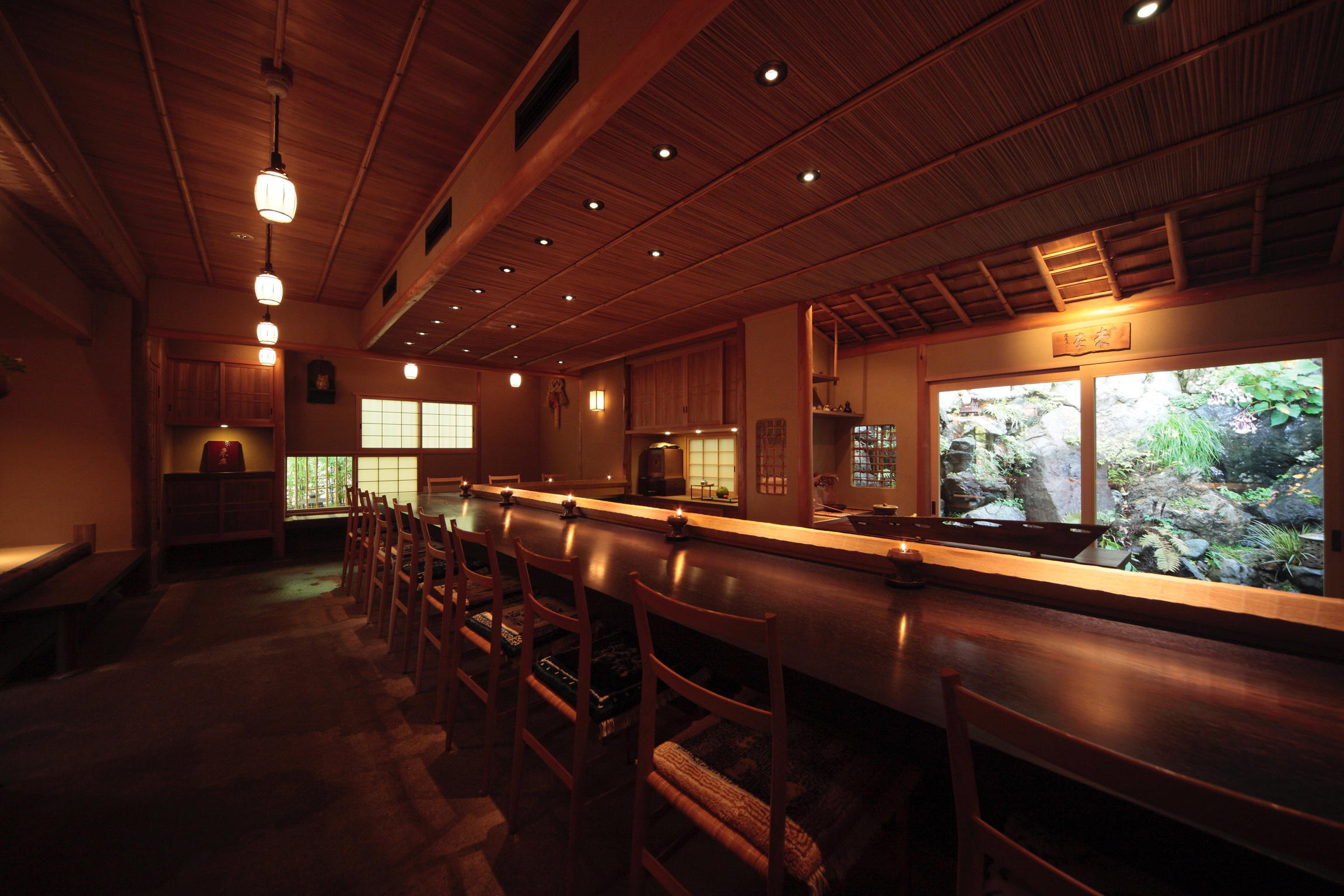
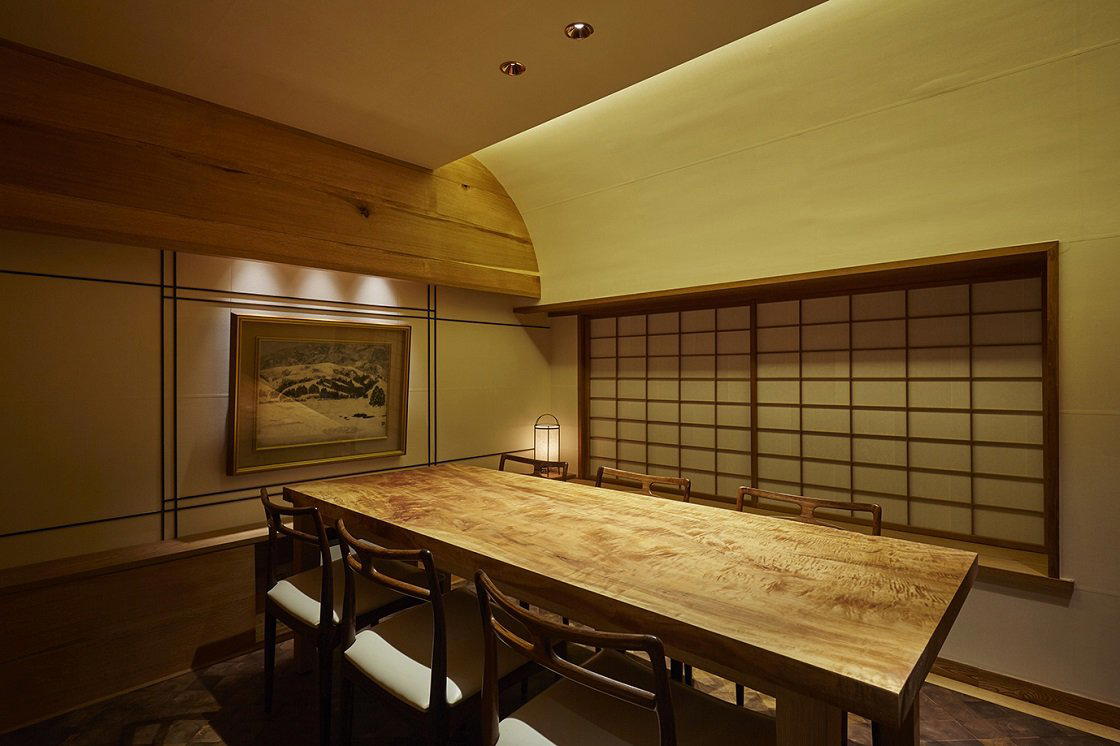
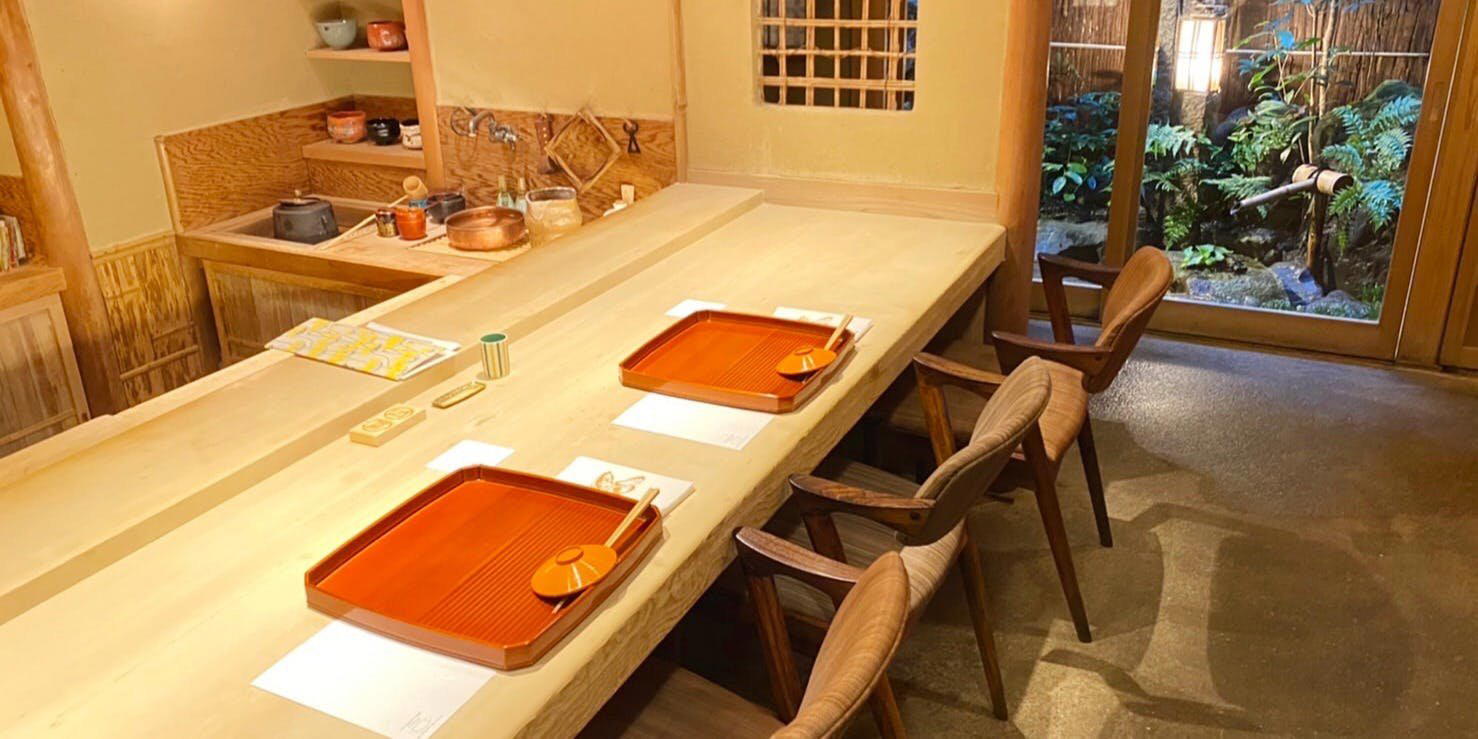
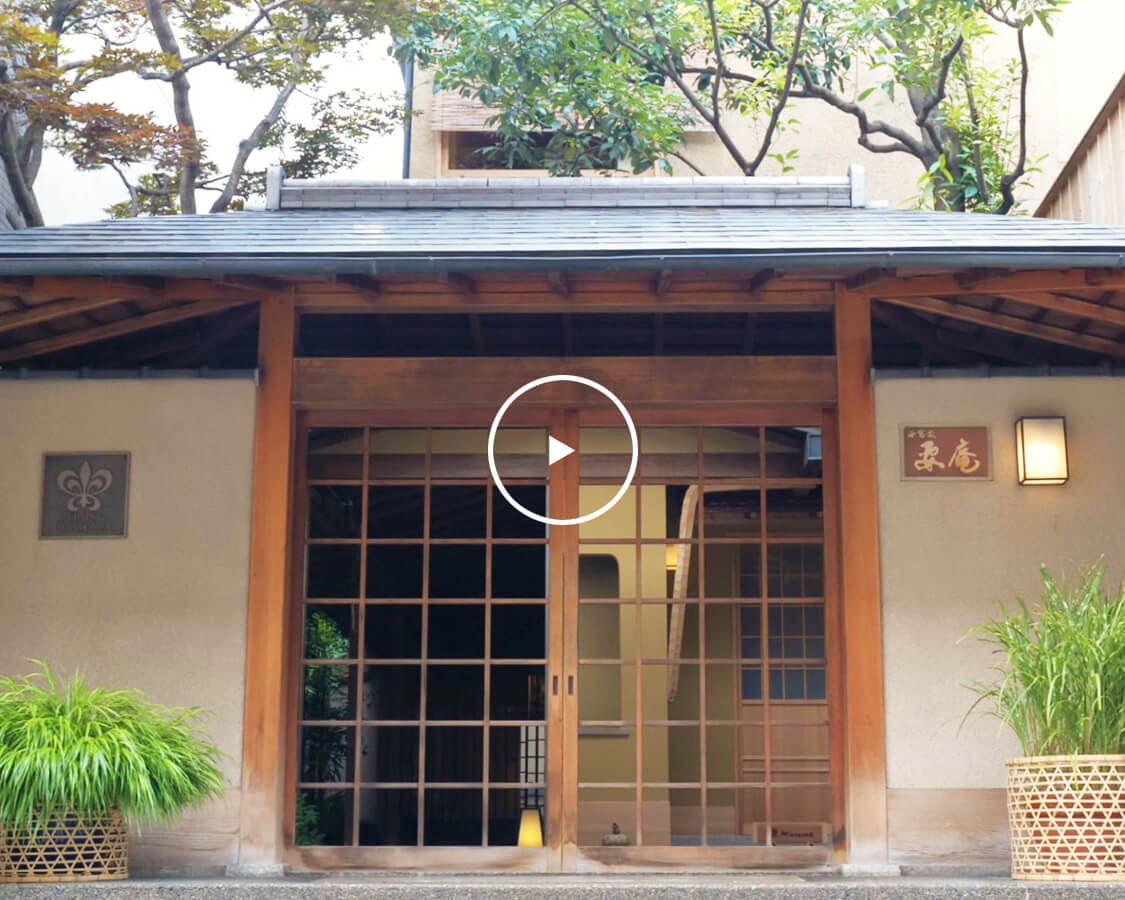
Refined tea-house style atmosphere with serene garden views, evening lights, and a dignified, welcoming presence from the proprietress.