Michelin Plate
Our verdict
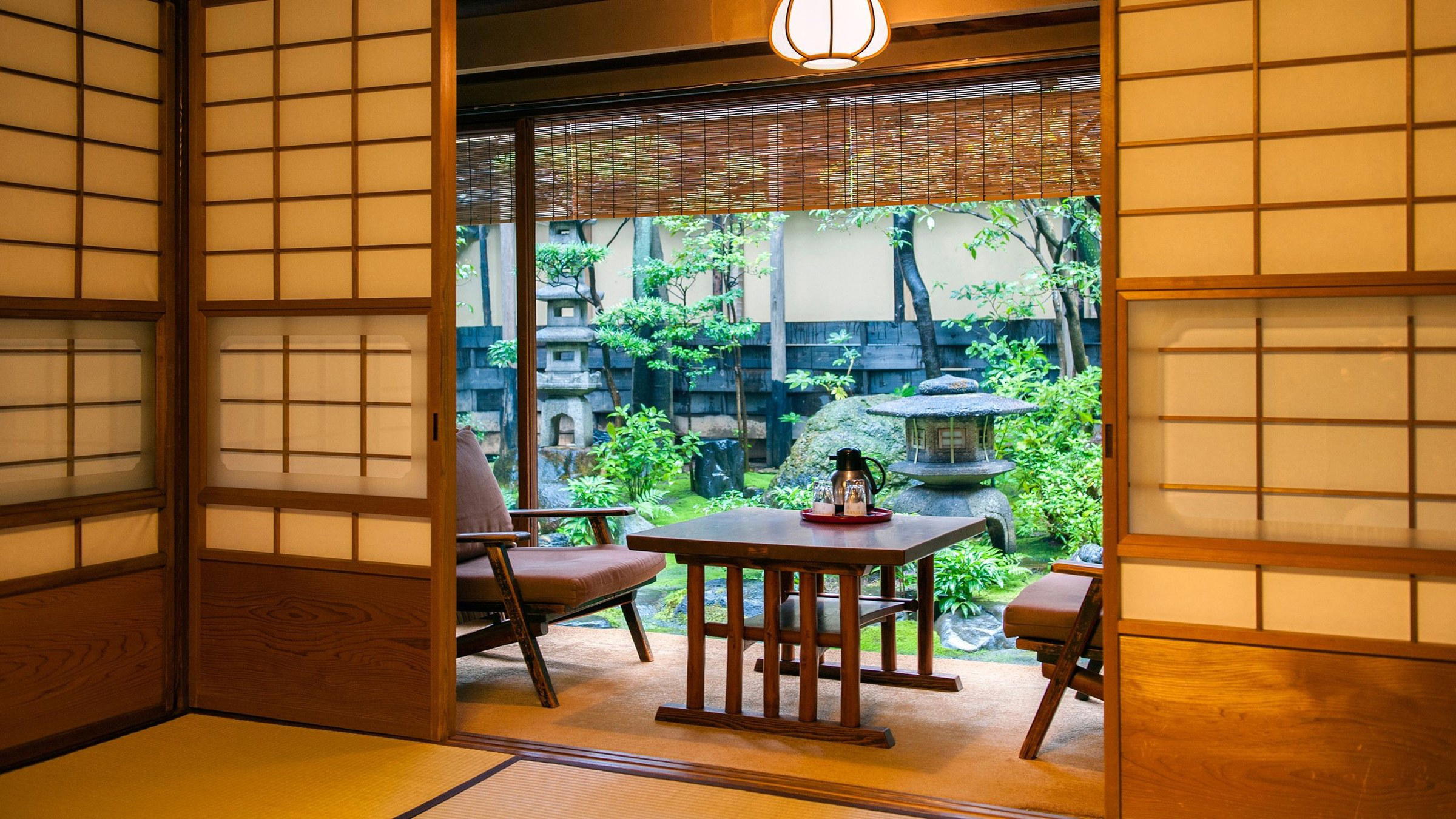
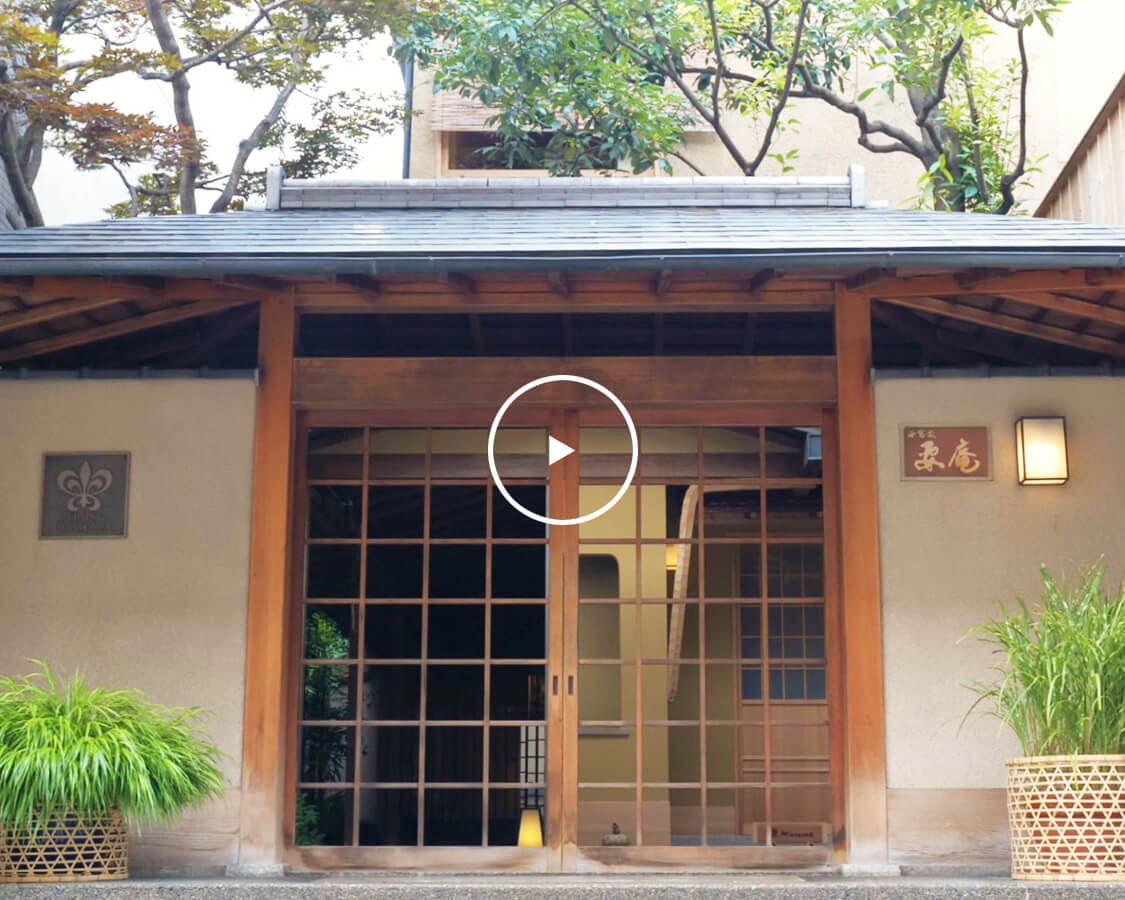
Takezaki is a one-person counter in Nakagyo Ward where a solo owner-chef handles every stage of service around a sunken kotatsu table. The kitchen's focus on fewer ingredients and unusual fish species, sourced with evident curiosity, has earned consecutive Michelin Plate recognition in 2024 and 2025.

Pearl is the En Primeur Club membership app, where members save venues, book tables and use the concierge.
The menu
What to order
- Line-caught kue sashimi
- Akamutsu collar grilled over binchotan
- Tai shirako chawanmushi
- Crab with yuzu
- Seasonal vegetable medley
One Counter, One Chef, No Division of Labour
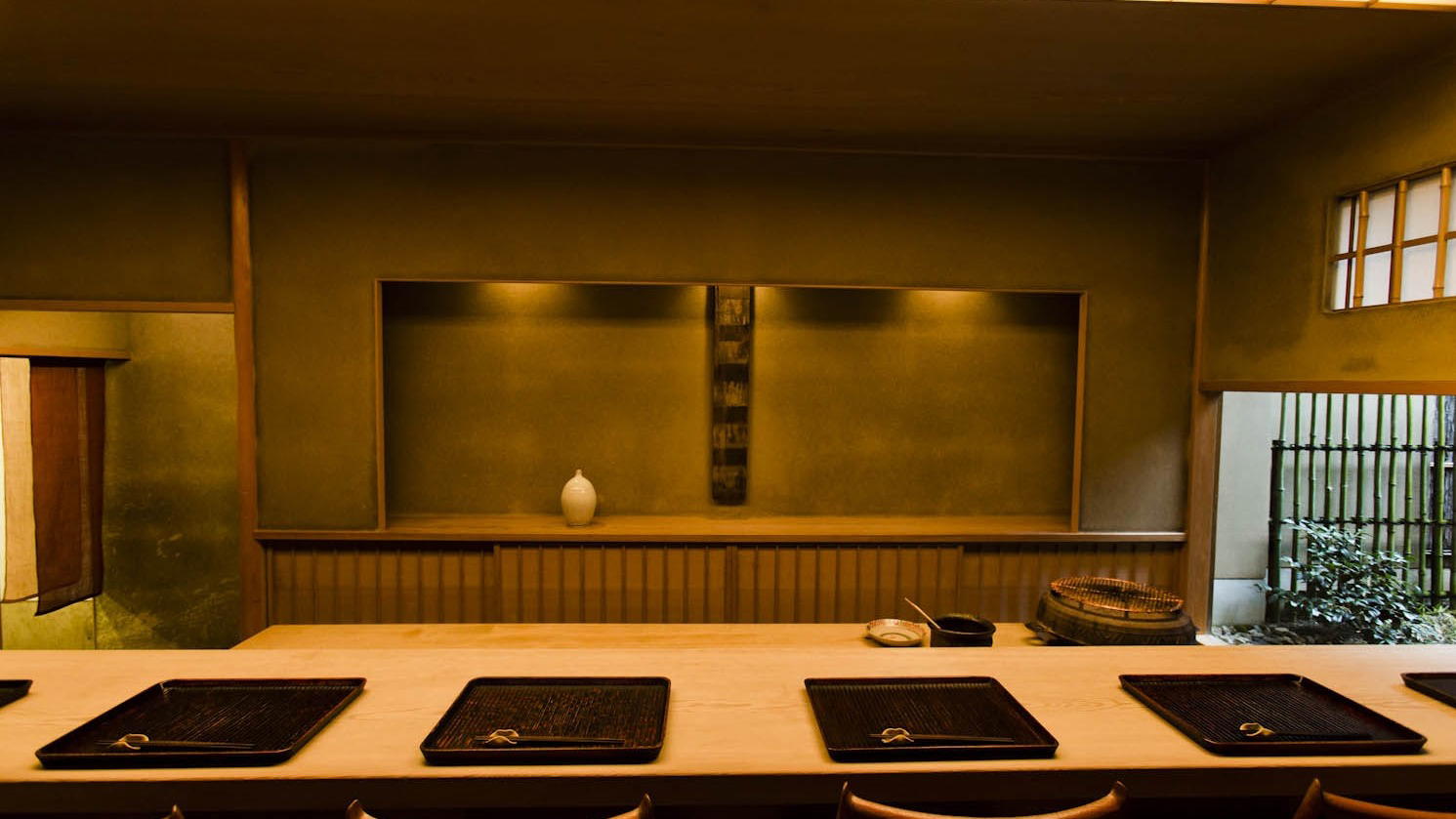
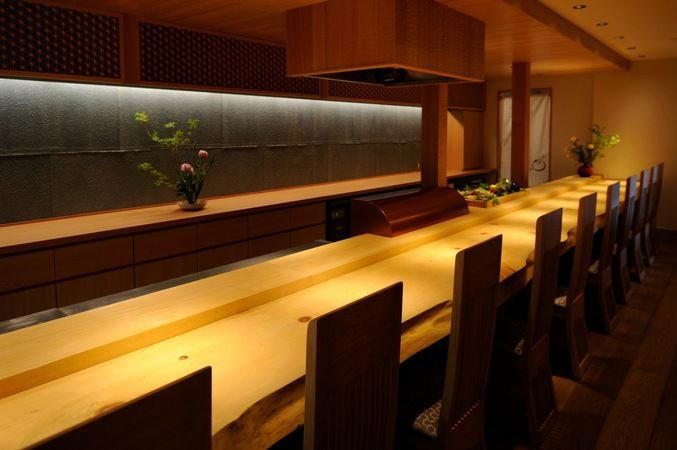
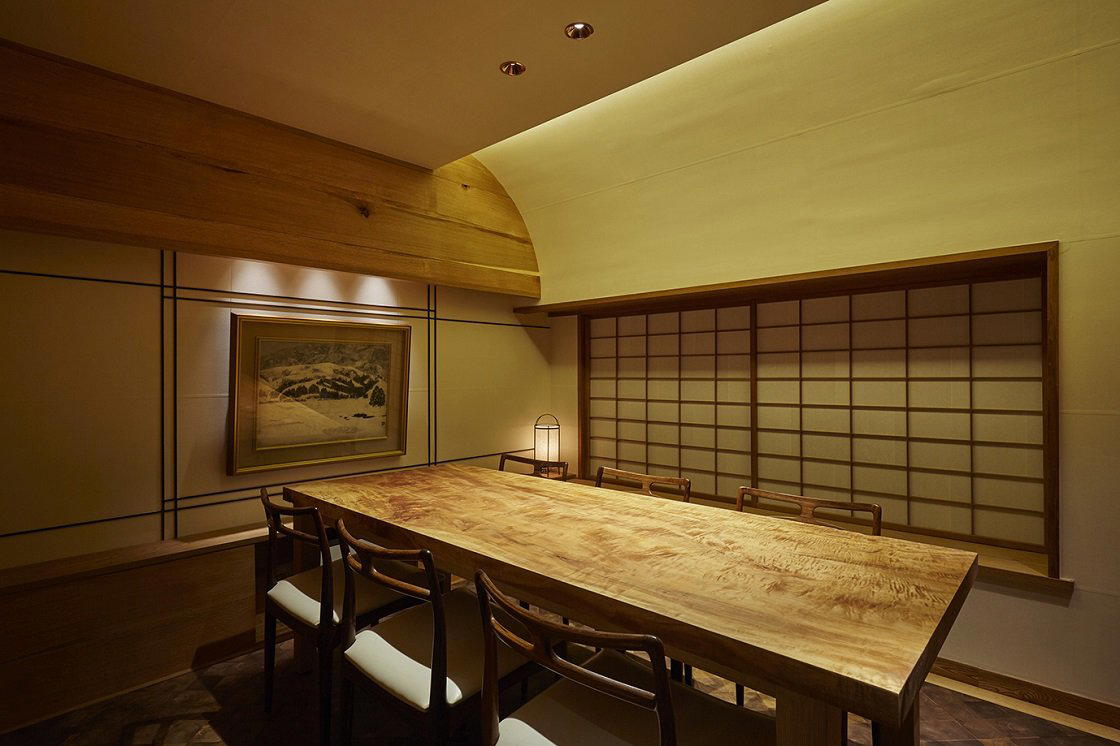
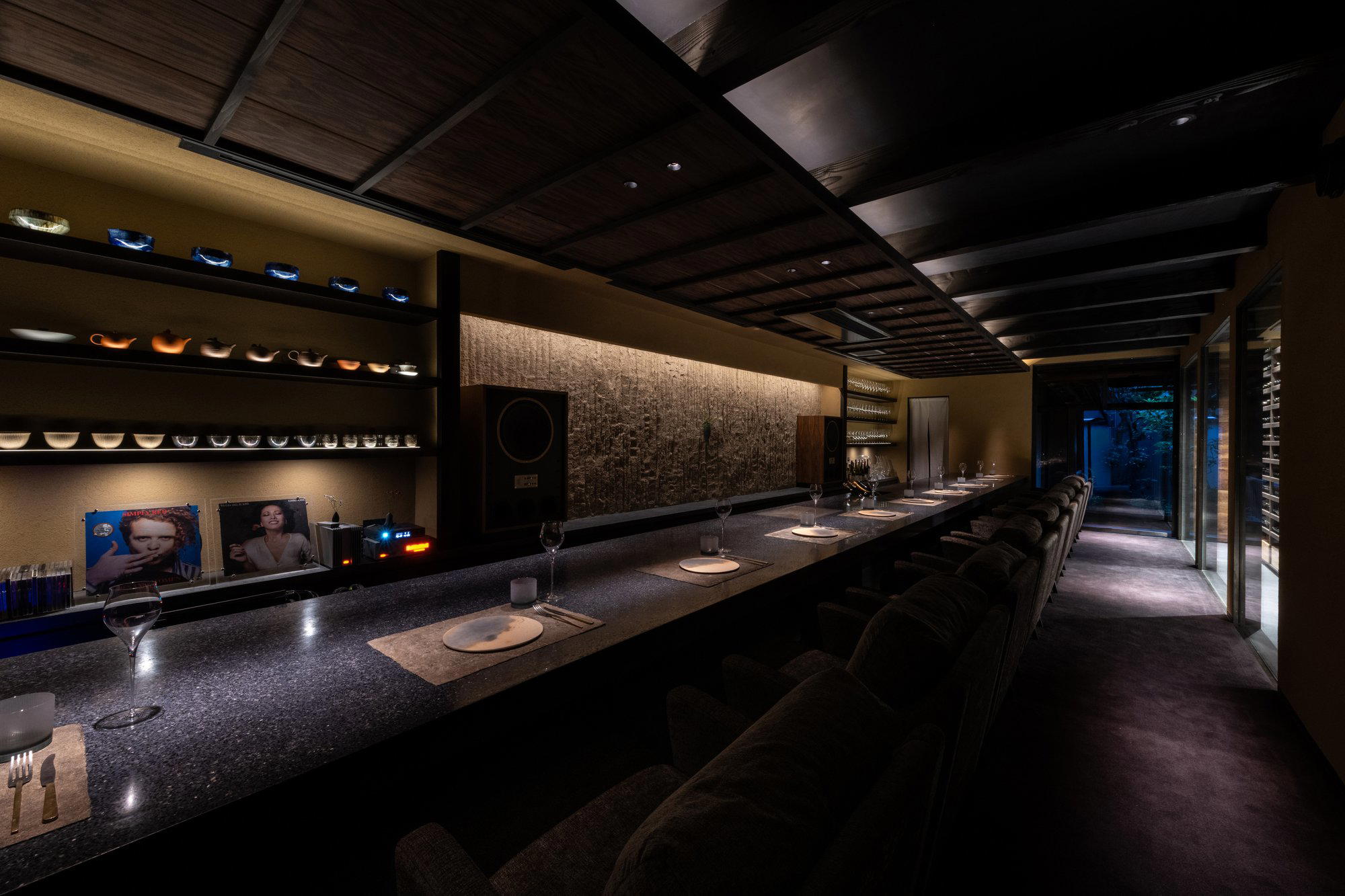
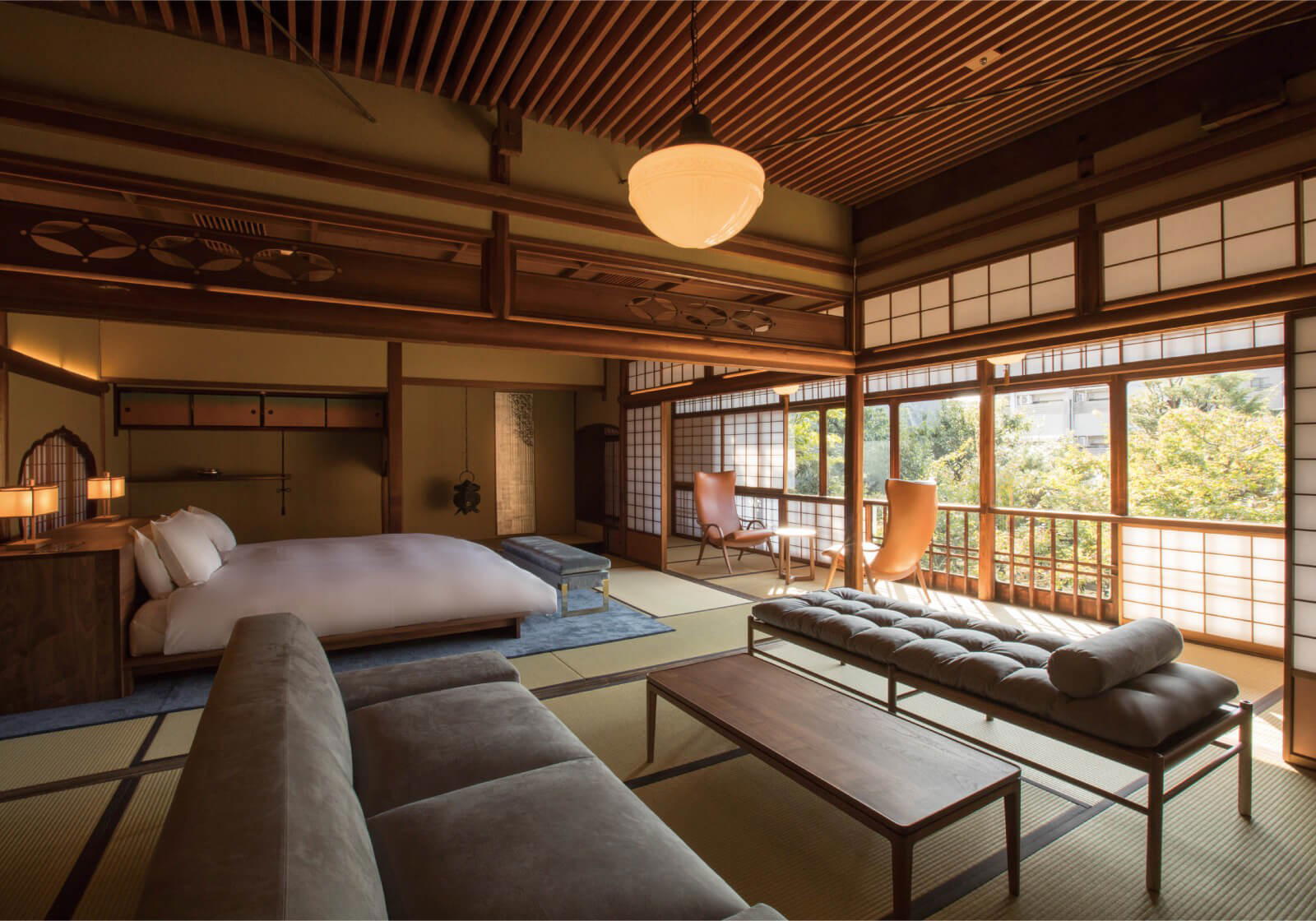
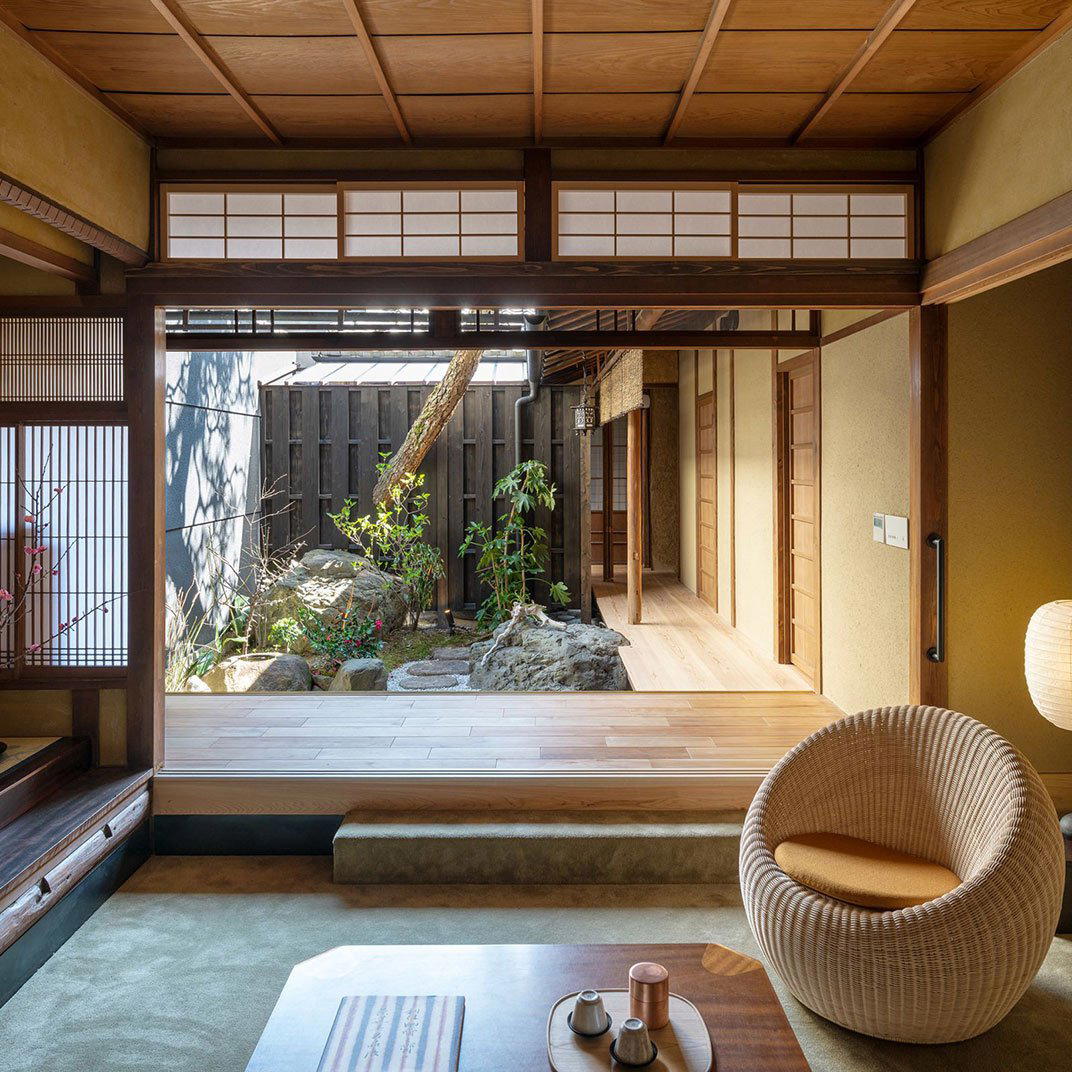
Kyoto's mid-range Japanese dining scene tends to split along a familiar axis: polished kaiseki houses with coordinated brigade service on one side, and small solo operations where the chef's particular obsessions run unchecked on the other. Takezaki sits firmly in the second category. Located at 150 Takeyacho in Nakagyo Ward, it operates around a sunken kotatsu counter with tatami seating, a format that physically closes the gap between kitchen work and table experience in a way that a conventional counter cannot. The room's design is not incidental; it reflects a deliberate compression of the usual front-of-house distance.
That compression is the venue's structural argument. In larger Japanese restaurants, the split between preparation, plating, and service creates natural buffer zones: the chef is shielded, the server mediates, the diner receives a finished object. At Takezaki, none of that intermediation exists. The owner-chef handles kitchen preparation, plating, and service alone and in plain sight, which means every stage of a dish's passage from raw material to table is legible to the guest. For diners used to either formal kaiseki hierarchy or the studied performance of an omakase counter, this matter-of-fact single-person operation reads as something different: practical, direct, and without theatrical framing.
Fewer Ingredients, Sharper Focus
The kitchen's stated philosophy centres on restraint in ingredient count. Across Japanese culinary traditions, this is not an unusual position, Kyoto's kaiseki vocabulary has always privileged the integrity of individual components over complex layering, but it carries particular weight when executed by a solo chef with no brigade to cover technical gaps. Limiting ingredient combinations places the burden squarely on sourcing and technique. At this price tier (¥¥¥, mid-range by Kyoto standards and meaningfully below the ¥¥¥¥ bracket occupied by venues such as Gion Matayoshi, Kikunoi Roan, or Kenninji Gion Maruyama), that decision creates both an editorial clarity and a practical advantage: fewer components mean less waste, tighter execution, and a menu that a single person can genuinely control from start to finish.
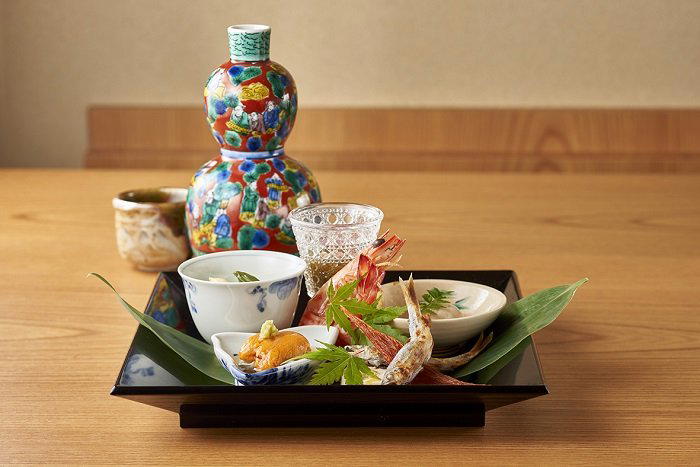
The fish sourcing is where Takezaki's individuality is most evident. The kitchen works with unusual species, presented as decorative sashimi and grilled items, with the explicit aim of finding novel flavours rather than defaulting to the market's most recognisable catches. This is a fairly deliberate departure from convention. Most counters at this level in Kyoto source from the same premium networks and rotate through a predictable seasonal rotation of ayu, amadai, and eel. Chasing less-familiar species requires a different set of supplier relationships and a willingness to accept that some cuts won't perform, but it also generates a menu that changes character in ways that repeat visitors notice.
Recognition and Peer Context
Takezaki holds consecutive Michelin Plate recognition for 2024 and 2025. The Plate designation sits below star level but represents Michelin's formal acknowledgment of a kitchen producing food of sufficient quality to warrant inclusion in the guide. For a solo-chef counter without a brigade, front-of-house team, or elaborate service architecture, consistent Plate recognition is a meaningful credential, it signals that the food itself is carrying the evaluation, not the surrounding infrastructure.
The sample is small enough that it should be weighted carefully, but the score's consistency across a non-trivial number of visits suggests a high satisfaction rate among the guests who do find the counter. At a venue this size, word-of-mouth and specialist audiences tend to self-select: the 47 reviewers are, in all likelihood, people who sought the restaurant out rather than stumbling across it.
Within Kyoto's wider Japanese dining field, Takezaki occupies a distinct position. It operates at lower price pressure than the formal kaiseki institutions, Isshisoden Nakamura and Kodaiji Jugyuan represent the upper end of that field, while its ingredient-led, curiosity-driven approach differs substantially from the structured seasonal choreography those houses practise. The closer comparisons are probably found in small solo counters across Japan's regional cities: venues where a single chef's sourcing instincts define the menu entirely, without committee input or brand consistency requirements. For perspective on how that model plays out in other cities, Harutaka in Tokyo and Goh in Fukuoka occupy analogous positions of chef-driven singular focus, though in different cuisine registers.
The Kotatsu Counter as Format
It is worth pausing on the physical format because it shapes what kind of experience Takezaki delivers. The kotatsu, a low table with an integrated heating element beneath, is a domestic Japanese form rarely encountered in restaurant settings. Combined with tatami seating and close proximity to the chef, it places the meal inside a register that is closer to a formal home dinner than to a commercial restaurant transaction. The guest is not being served by a team; they are, effectively, eating in front of the person who cooked for them. That intimacy is either the point or an obstacle, depending on what the diner is looking for. Those accustomed to the physical separation of conventional restaurant service may find the format requires adjustment. Those seeking direct engagement with the source of the food will find the arrangement almost unreasonably direct.
Solo-chef restaurants of this type are increasingly visible across Japan's secondary and tertiary dining scenes, partly as an economic response to staffing pressures and partly as a deliberate editorial choice by chefs who prefer total control over every element of the guest experience. For context on how the format functions in different regional settings, 6 in Okinawa and akordu in Nara both operate in compact, chef-proximate formats, though their cuisine contexts differ substantially. Within Tokyo's Japanese counter tradition, Myojaku and Azabu Kadowaki illustrate how the single-chef dynamic scales across different price tiers and neighbourhood settings. For a broader view of where Takezaki sits within Kyoto's full dining picture, our full Kyoto restaurants guide maps the city across price tiers and cuisine types.
Planning Your Visit
Reservations: Budget: ¥¥¥ tier, mid-range by Kyoto standards. Dress: No published dress code, though tatami seating means guests should be prepared to remove footwear. Getting there: 150 Takeyacho, Nakagyo Ward, Kyoto. Nakagyo Ward is centrally located and accessible from Kyoto Station by subway or bus. Neighbourhood context: Nakagyo sits between the tourist-heavy corridors of Gion to the east and the commercial centre around Karasuma, placing it within reach of Kyoto's wider dining and cultural circuit. For accommodation, bar, and experience recommendations in the area, see our full Kyoto hotels guide, our full Kyoto bars guide, and our full Kyoto experiences guide.
Frequently asked questions
Is Takezaki more mid-range or high-end?
Pricing at Takezaki is listed as ¥¥¥.
What kind of recognition has Takezaki received?
Takezaki has received recognition including: Seating consists of tatami mats around a sunken kotatsu counter. The intimate space closes the distance with the owner-chef, fostering a welcoming atmosphere. Fare is prepared from few ingredients, the better to draw out the flavour of each….
What should I order at Takezaki?
The kitchen does not publish a fixed menu, and the focus on unusual fish species means the selection changes with what the chef sources. Decorative sashimi and grilled preparations of less-common fish are the format's defining expressions, so following the chef's lead on the day is the practical approach. Given that all preparation and service is handled by one person working with few ingredients, each item on the counter reflects a deliberate choice rather than a broad menu strategy.
What kind of cuisine does Takezaki serve?
A Tight Comparison
A quick snapshot of similar venues for side-by-side context.
| Venue | Cuisine | Price | Awards | Notes |
|---|---|---|---|---|
| TakezakiThis venue (the venue you are viewing) | Traditional Kappo Kaiseki | $100–150 | Michelin Plate | Not listed |
| Gion Sasaki | Modern Kaiseki | $300–500 | 3 Michelin Stars · La Liste Top Restaurants | Kaiseki, Japanese |
| cenci | Innovative Italian-Japanese Fusion | $100–150 | 1 Michelin Star · World's 50 Best #76 | Italian |
| Ifuki | Sumibi Kappo Kaiseki | $200–300 | 2 Michelin Stars · La Liste Top Restaurants | Kaiseki |
| Kyokaiseki Kichisen | Kyoto Kaiseki | $200–300 | 2 Michelin Stars · La Liste Top Restaurants | Japanese |
| Kyo Seika | Modern Chinese Fine Dining | $150–200 | 1 Michelin Star · Tabelog Bronze #216 | Chinese |
Recognition history
Dated appearances from independent guides and award organizations, with the underlying list record or original source where available.
Michelin Plate
Michelin
Full recognition history (3 entries)
Michelin Plate
Michelin
Michelin Plate
Michelin