
Michelin Plate
Our verdict
A Michelin Plate-recognised kaiseki address in Nakagyo Ward, Chiso Aida disciplines itself around Kyoto's seasonal canon: bamboo shoots in spring, pike conger with matsutake in autumn, steamed fish with grated turnip in winter. The kitchen's restraint is the point, not a limitation. Diners who want a grounding in what Kyoto cooking actually is, rather than what it has become, find it here.

Pearl is the En Primeur Club membership app, where members save venues, book tables and use the concierge.
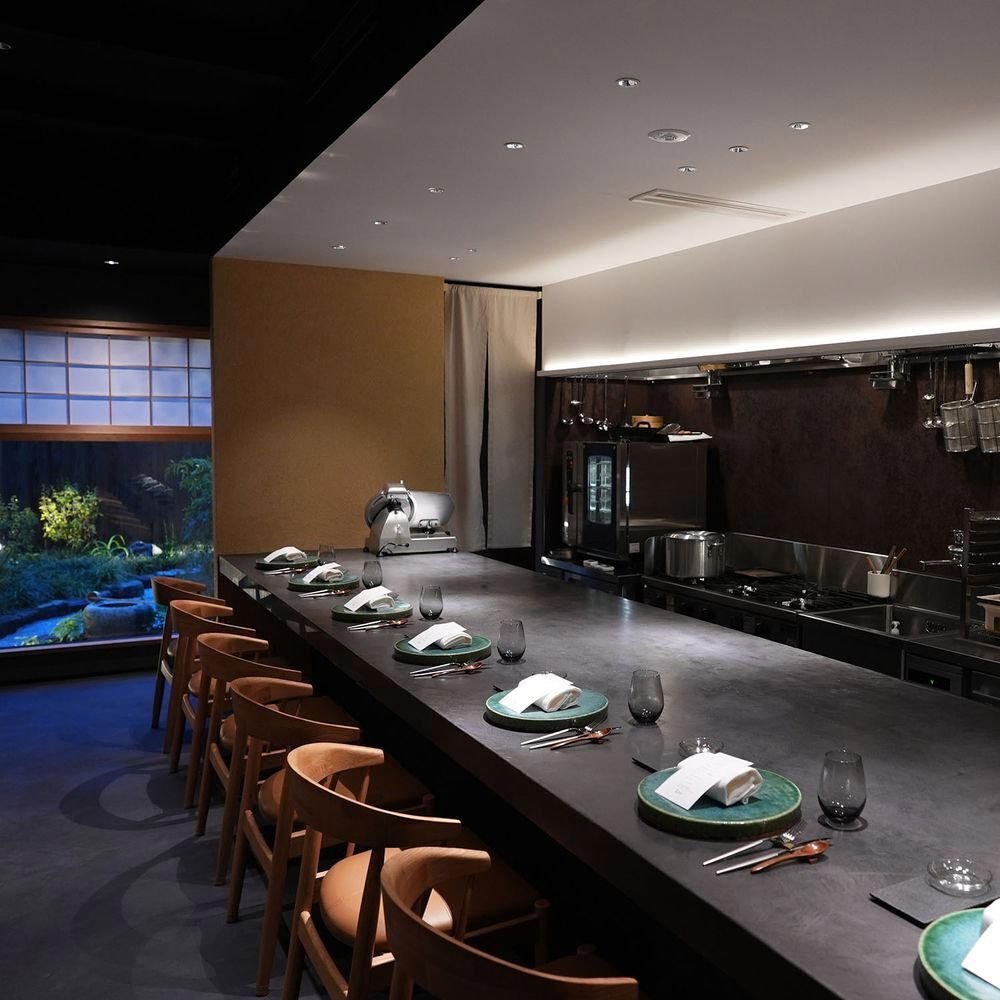
Approach 294 Benzaitencho on a quiet afternoon and the address registers as a private residence before it registers as a restaurant. That ambiguity is not accidental. In Nakagyo Ward, where Kyoto's geisha quarter traditions still shape how serious kitchens operate, restaurants that perform their seriousness tend to be regarded with some suspicion. The places that endure are the ones that simply cook, service after service, season after season.
Kyoto's Seasonal Discipline and Where Chiso Aida Sits Within It
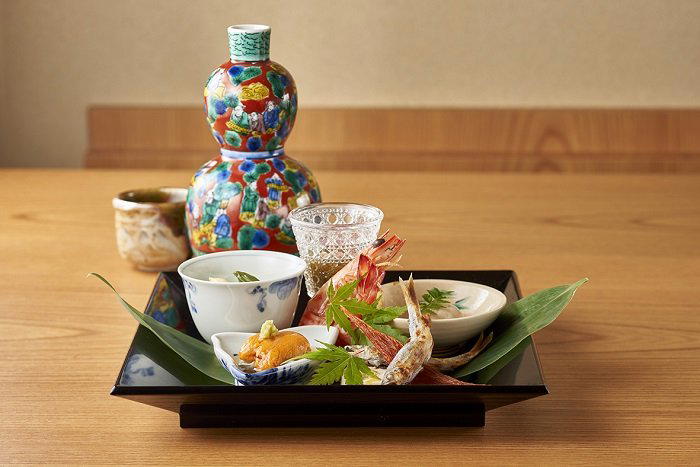
Kyoto kaiseki is built on a single premise: the calendar dictates the menu, not the other way around. That premise sounds simple until you try to hold to it without compromise across a full year of service. Most kitchens soften it, introducing a signature dish or a house style that persists regardless of what month the diner walks in. Chiso Aida takes the premise at face value. The kitchen has articulated a seasonal cycle in terms that leave little room for personal expression: simmered bamboo shoots in spring; herring with eggplant in summer; pike conger alongside matsutake mushrooms in autumn; steamed fish with grated turnip in winter. These are the canonical dishes of the ancient capital, the preparations that Kyoto cooks have been returning to for generations. Finding them executed with consistency and without elaboration is less common than it should be.
The Michelin Plate recognition, held in both 2024 and 2025, positions Chiso Aida within a mid-tier that is actually the most contested in Kyoto's dining economy. The starred tiers, occupied by addresses like Isshisoden Nakamura or the three-star kaiseki of Gion Sasaki at the ¥¥¥¥ price point, draw international reservation traffic months in advance. The Plate tier, priced at ¥¥¥, serves a different function: it is where the cuisine is most accessible to a reader who wants depth without the full formal commitment of a multi-hour, multi-course tasting at the very best of the price bracket. For context, Gion Matayoshi and Kenninji Gion Maruyama operate in the same neighbourhood conversation, as does Kikunoi Roan, which carries one Michelin star and a broader tourist profile.
The Lunch vs. Dinner Question at This Price Point
In traditional Kyoto dining rooms, the lunch-versus-dinner divide is more meaningful than in most cities. Daytime service tends to carry slightly abbreviated formats, and in some kaiseki contexts it draws a clientele of Kyoto residents rather than the international visitors who cluster into evening bookings. At the ¥¥¥ price tier, lunch is often where the ratio of value to formality is most advantageous: you receive the same seasonal kitchen logic, the same sourcing discipline, but in a format whose pacing suits a city afternoon rather than a long evening commitment.
For a reader whose Kyoto itinerary concentrates cultural visits during the day, this matters. Addresses at the ¥¥¥¥ tier, such as Kodaiji Jugyuan, tend to extend evening kaiseki into four-hour territories where the progression of courses becomes the evening itself. Chiso Aida, at its price register, is suited to a reader who wants the seasonal argument made clearly and without theatrical extension.
The Takikomi-Gohan Moment
One procedural detail separates Chiso Aida from most kaiseki kitchens in the Plate and lower-star tier: diners are invited to choose the ingredients for the takikomi-gohan, the seasoned rice dish that typically closes a traditional Japanese meal. This is not a customisation conceit in the contemporary sense. It is an acknowledgment that the rice course, often treated as a formality by kitchens focused on the courses preceding it, carries real meaning and that the diner's preference within a curated set of options is worth accommodating. In a kitchen whose stated motto, 'Continuity is Strength,' signals a resistance to novelty, this one gesture of participation reads as considered rather than commercial.
Practical Planning
Chiso Aida is located at 294 Benzaitencho, Nakagyo Ward, in central Kyoto, accessible from the main Kyoto Station rail hub by subway or taxi in under twenty minutes. The ¥¥¥ price range places it meaningfully below the formal kaiseki ceiling, though it is not a casual walk-in address. Dress expectations at Kyoto's traditional dining rooms in this tier are conservative without requiring formal Western attire; smart-casual, erring toward quieter colours and minimal statement pieces, is appropriate.
Regional Framing: Kyoto Within a Broader Japan Itinerary
Readers building a Japan circuit will find Chiso Aida most useful as the Kyoto counterpoint to what kaiseki-influenced cooking looks like elsewhere. HAJIME in Osaka represents the contemporary, technique-forward end of that spectrum, while Harutaka in Tokyo and Myojaku and Azabu Kadowaki in Tokyo each operate from a different culinary inheritance. Further afield, akordu in Nara, Goh in Fukuoka, 1000 in Yokohama, and 6 in Okinawa each trace a different regional line. Chiso Aida's value in that map is its unambiguous position as a traditional Kyoto address, trained in the geisha quarter idiom and unwilling to move from it.
For broader planning across the city, our full Kyoto restaurants guide covers the complete restaurant tier from Plate to three stars. Supplementary guides to Kyoto hotels, Kyoto bars, Kyoto wineries, and Kyoto experiences support itinerary construction across the full visit.
Frequently asked questions
What's the address for Chiso Aida?
Chiso Aida is located at 294 Benzaitencho, Nakagyo Ward, Kyoto, 604-0093, Japan, Kyoto.
Has Chiso Aida won any awards?
Chiso Aida has received recognition including: Drawn by the elegance of Kyoto cuisine, the chef polished his skills in the city’s geisha quarter and keeps creative flourishes to a minimum. In spring he serves simmered bamboo shoots; in summer, herring with eggplant; in autumn, pike cong….
What's the best thing to order at Chiso Aida?
The kitchen does not offer à la carte choices in the conventional sense, the seasonal cycle determines what arrives. The autumn sitting is particularly well-documented in the venue's own framing: pike conger paired with matsutake mushrooms is the signature pairing of that period. One interactive element worth noting is the takikomi-gohan course, where diners select their own ingredients, making it the one moment in the meal where personal preference shapes the outcome.
What does dinner at Chiso Aida typically cost?
Pricing at Chiso Aida is listed as ¥¥¥.
How hard is it to get a table at Chiso Aida?
Chiso Aida holds Michelin Plate recognition for 2024 and 2025 and sits in the ¥¥¥ tier, which puts reservation pressure at a moderate level, meaningful but below the friction of the starred Kyoto rooms. Planning two to four weeks ahead is a reasonable baseline outside peak cherry blossom and autumn foliage seasons, when Kyoto-wide demand compresses availability across the board.
Cuisine and Awards Snapshot
A short peer table to compare basics side-by-side.
| Venue | Cuisine | Price | Awards | Notes |
|---|---|---|---|---|
| Chiso AidaThis venue (the venue you are viewing) | Traditional Kyoto Kaiseki | Not listed | Michelin Plate | Not listed |
| Gion Sasaki | Modern Kaiseki | $300–500 | 3 Michelin Stars · La Liste Top Restaurants | Kaiseki, Japanese |
| cenci | Innovative Italian-Japanese Fusion | $100–150 | 1 Michelin Star · World's 50 Best #76 | Italian |
| Ifuki | Sumibi Kappo Kaiseki | $200–300 | 2 Michelin Stars · La Liste Top Restaurants | Kaiseki |
| Kyokaiseki Kichisen | Kyoto Kaiseki | $200–300 | 2 Michelin Stars · La Liste Top Restaurants | Japanese |
| Kyo Seika | Modern Chinese Fine Dining | $150–200 | 1 Michelin Star · Tabelog Bronze #216 | Chinese |
Recognition history
Dated appearances from independent guides and award organizations, with the underlying list record or original source where available.
Michelin Plate
Michelin
Full recognition history (3 entries)
Michelin Plate
Michelin
Michelin Plate
Michelin
Continue exploring
More in Kyoto
Restaurants in Kyoto
All restaurants in Kyoto →

Bars in Kyoto
All bars in Kyoto →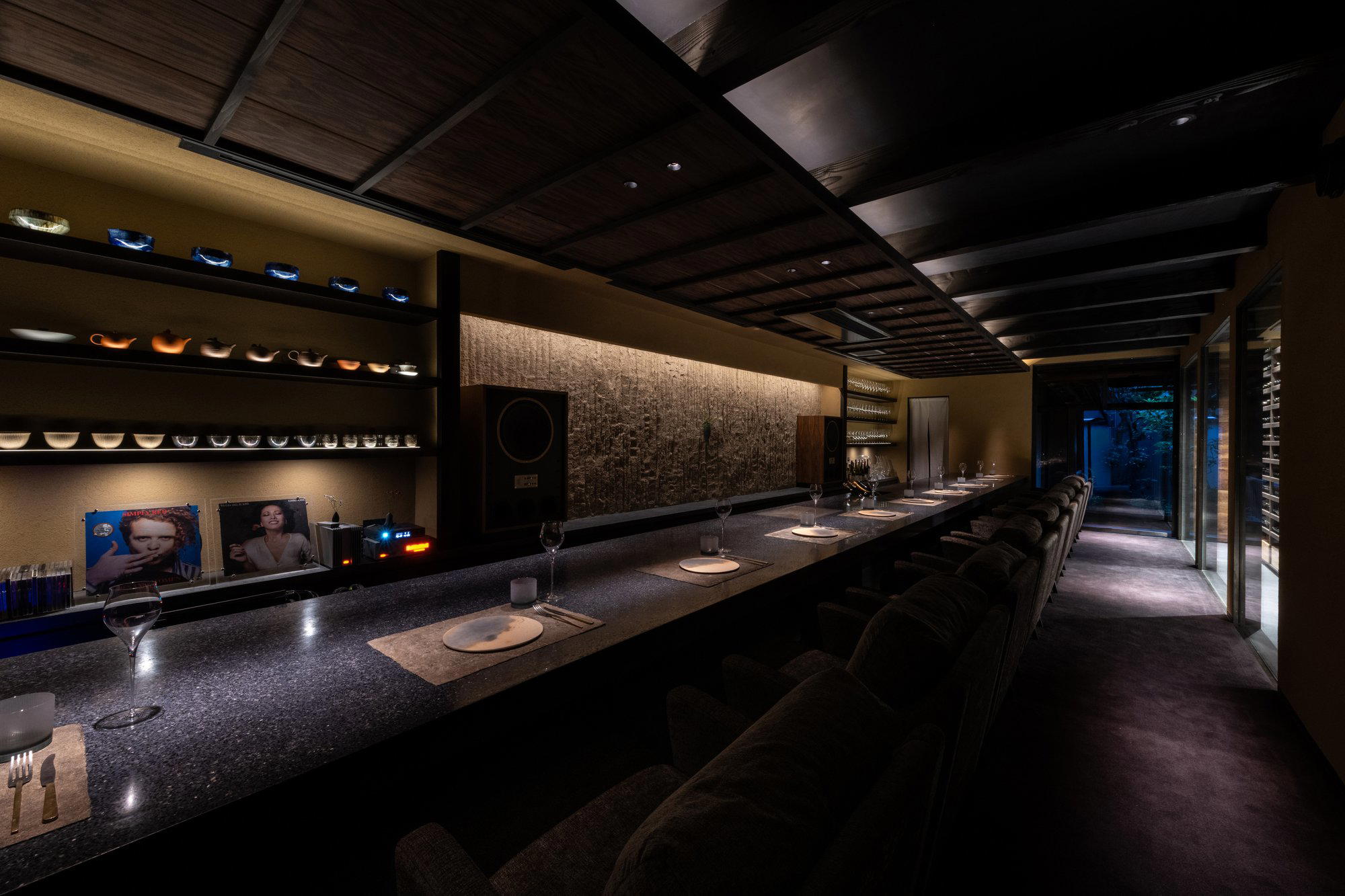
Hotels in Kyoto
All hotels in Kyoto →
Wineries in Kyoto
Browse all →
Details
- Elegant
- Quiet
- Intimate
- Sophisticated
- Classic
- Special Occasion
- Date Night
- Historic Building
- Sake Program
- Tasting Menu
- Sake
Current opening hours
- Monday
- 12–3 PM, 6–10 PM
- Tuesday
- 12–3 PM, 6–10 PM
- Wednesday
- Closed
- Thursday
- 12–3 PM, 6–10 PM
- Friday
- 12–3 PM, 6–10 PM
- Saturday
- 12–3 PM, 6–10 PM
- Sunday
- 12–3 PM, 6–10 PM
Hours can change for holidays and private events. Hours as of .
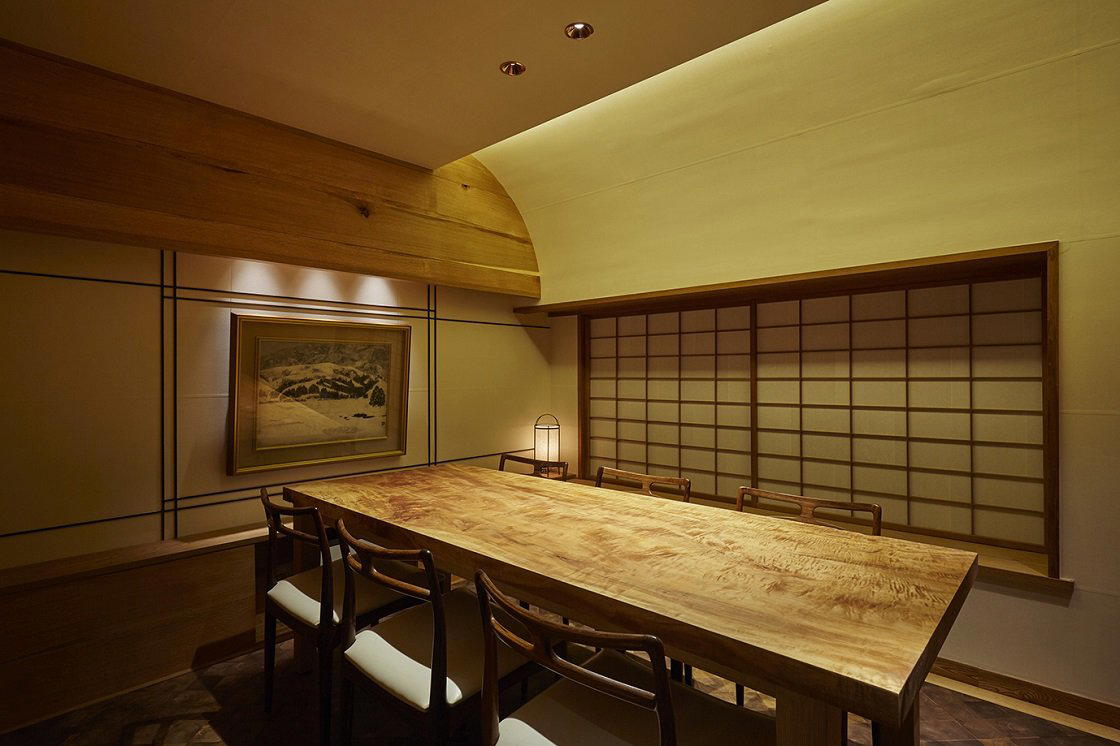
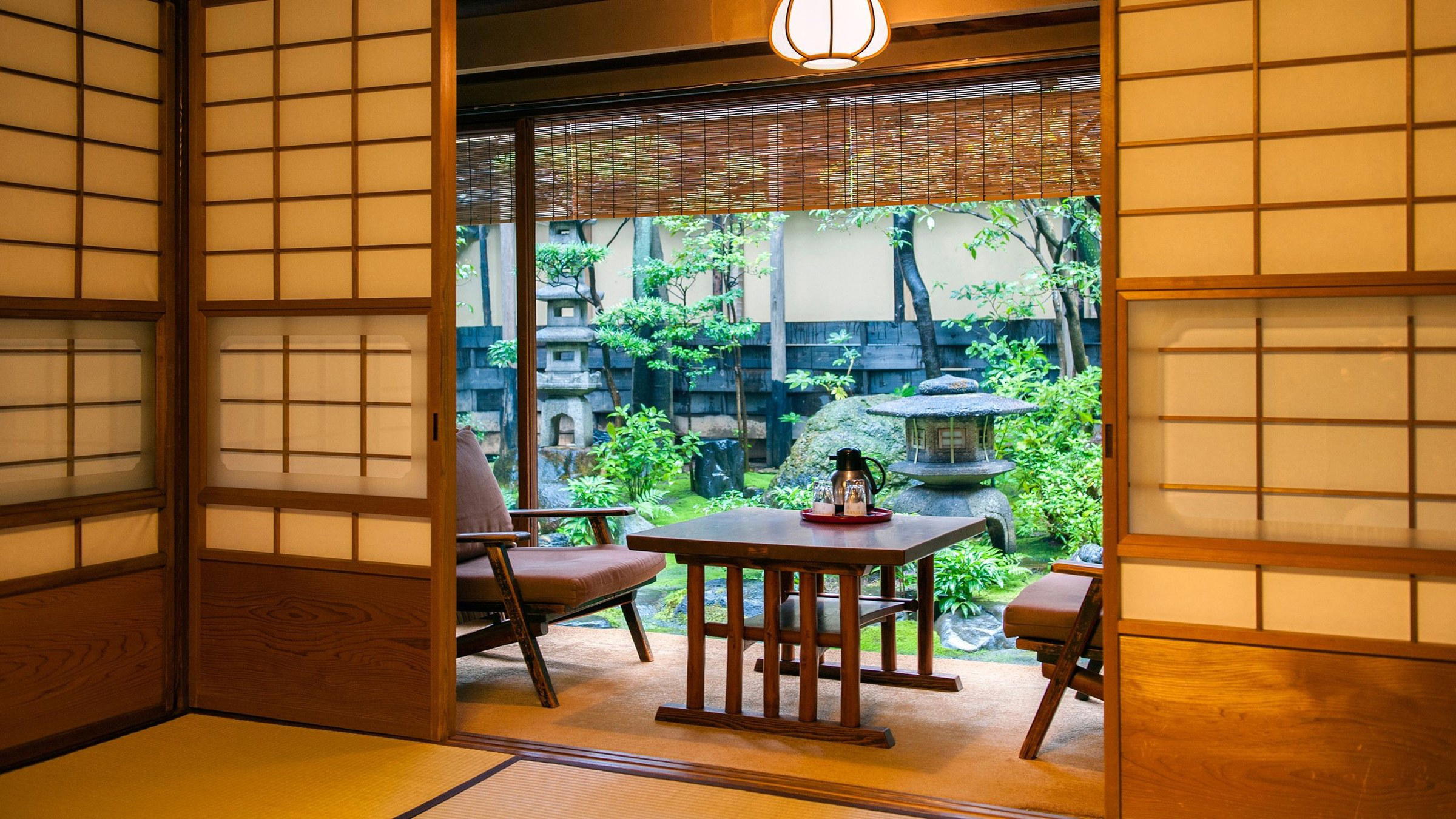
Composed and luminous with natural textures and a restrained palette favoring contemplation.