Michelin Plate
Our verdict
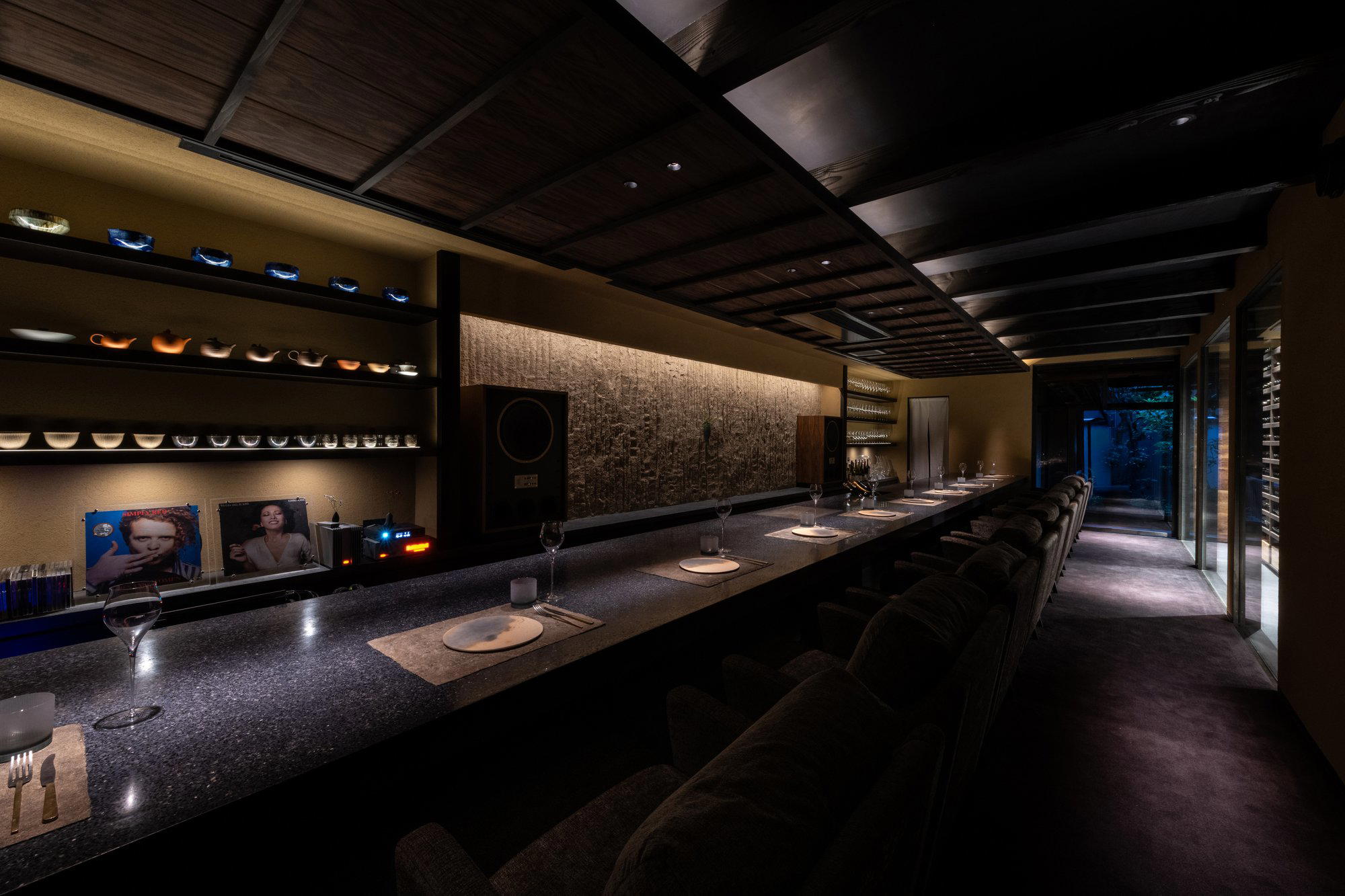
A ryokan-managed kaiseki and tempura counter in Nakagyo Ward, Ten-Yu structures its prix fixe menu around a strict alternation of seafood and vegetables, with tempura fried in cottonseed oil for notable lightness. The ground floor offers private rooms in a modern Japanese style; upstairs, a chef-facing counter adds a more direct register. A Michelin Plate holder ranked #523 on the 2025 Opinionated About Dining Japan list.

Pearl is the En Primeur Club membership app, where members save venues, book tables and use the concierge.
A Menu That Alternates by Design
Among Kyoto's kaiseki houses, the organizing logic of the menu is often where a restaurant's character reveals itself most clearly. At Ten-Yu, in Nakagyo Ward, that logic is structural: the prix fixe alternates between seafood and vegetables in deliberate sequence, refusing the common kaiseki tendency to weight the progression toward a single protein climax. The result is a rhythm that keeps palate and attention engaged across the full meal rather than building toward a single passage. This is not an incidental quirk, it is the kitchen's primary statement about what a meal should feel like.
That philosophy places Ten-Yu in a particular corner of Kyoto's kaiseki scene. The city's higher-end kaiseki houses Chihana, Gion Suetomo, and others operating at the ¥¥¥¥ price tier, tend to anchor their menus in a seasonal ingredient showcase, with luxury protein at the center. Ten-Yu operates at ¥¥¥, and its alternating vegetable-seafood format is less about restraint on budget grounds and more about a specific cooking argument: that vegetables and seafood are equal counterparts, not supporting cast.
The Room, and What It Asks of You
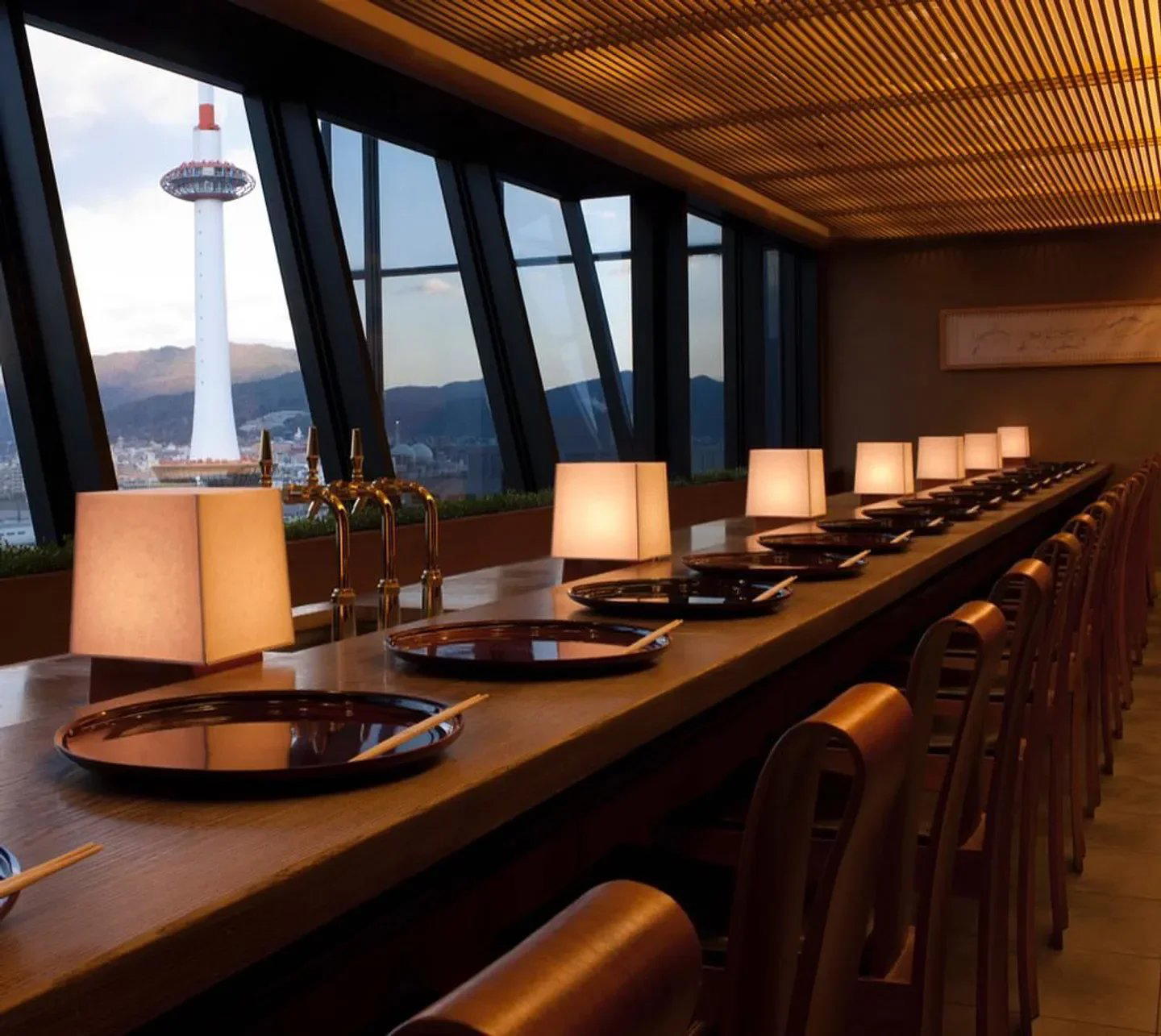
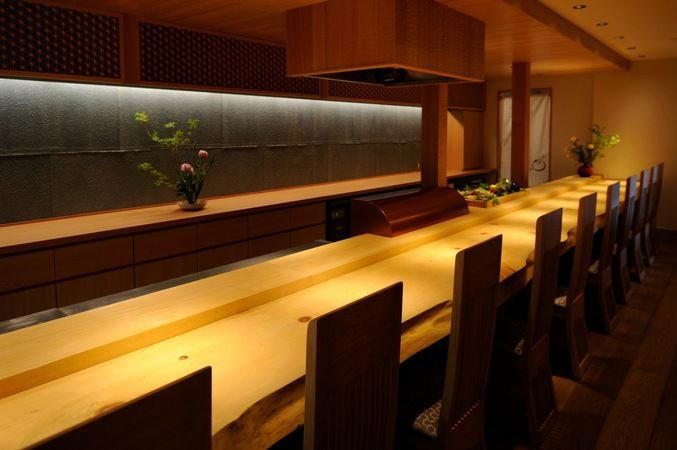
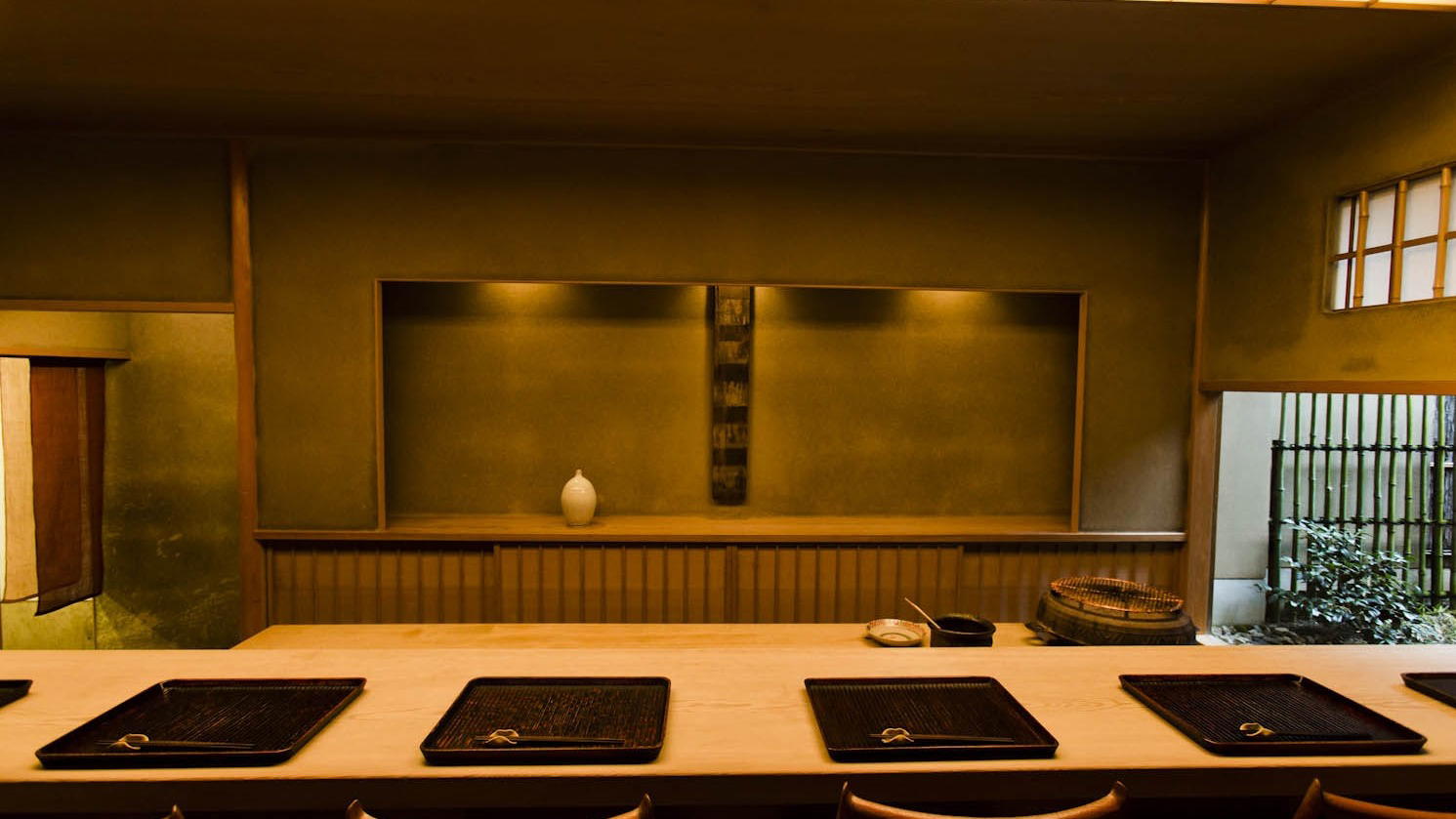
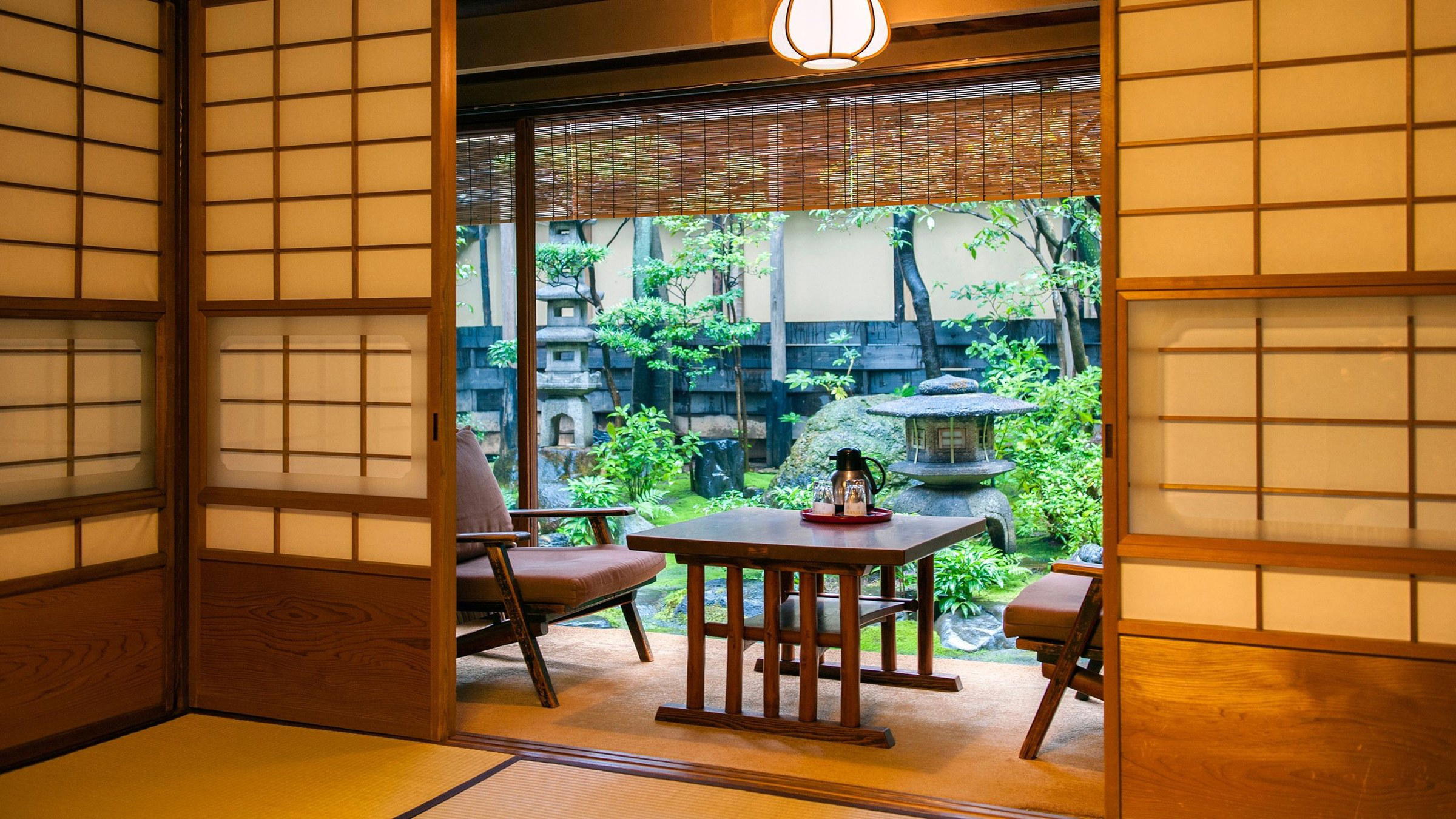
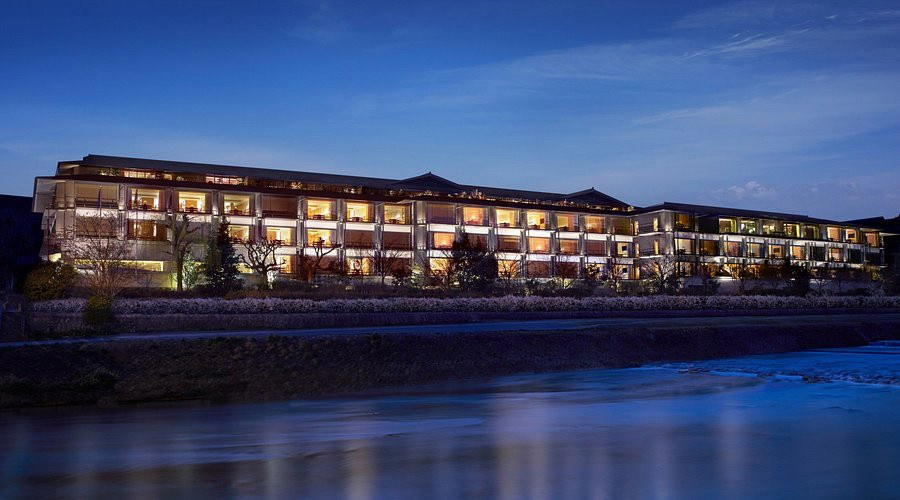
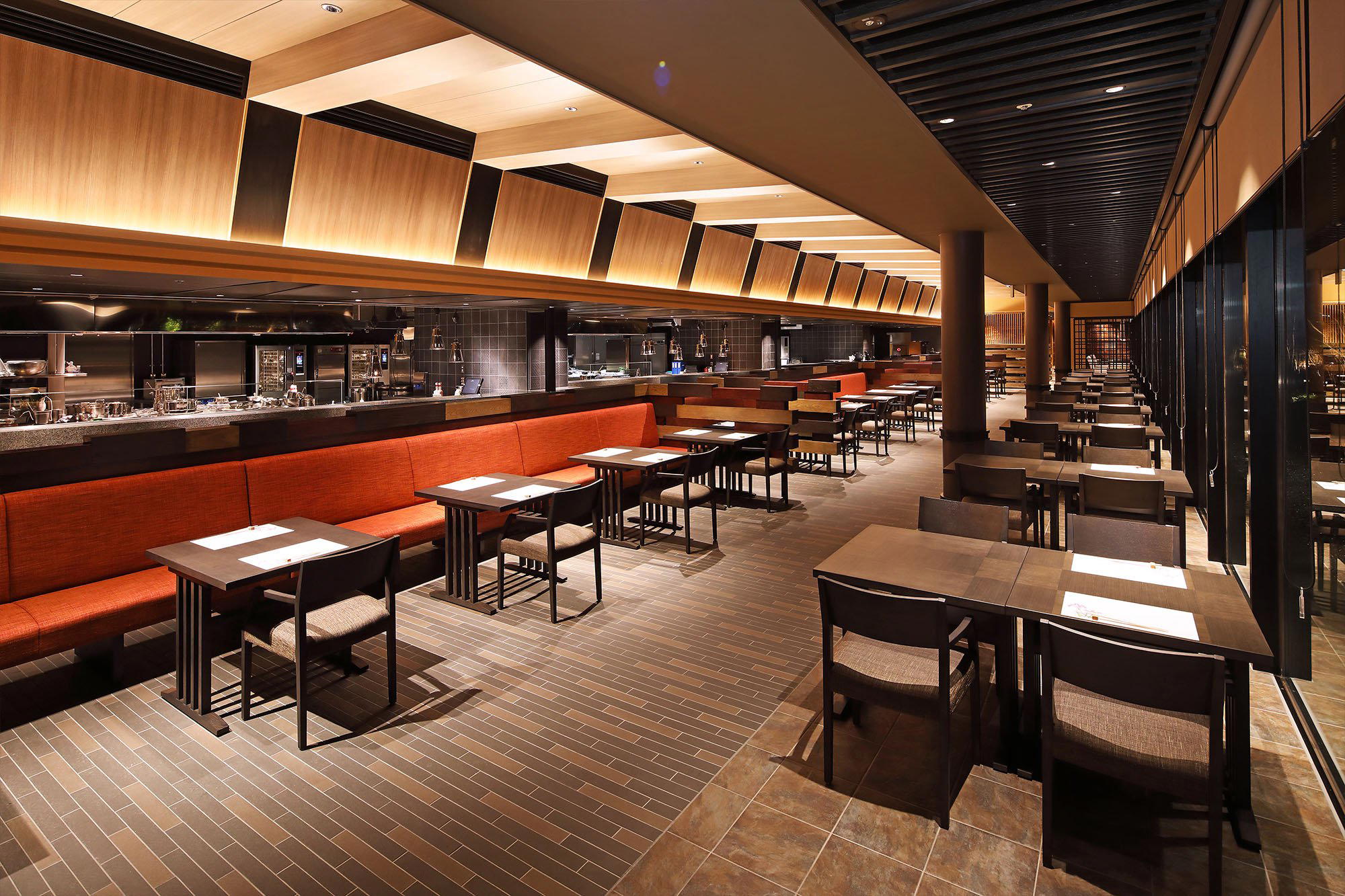
The interior at Ten-Yu was designed by a tea-house craftsman, and the lineage shows. Tea-house construction in Japan is governed by a philosophy of deliberate simplicity, materials chosen for texture and weathering, spatial proportions calibrated to slow the body down. The ground floor houses private rooms in a modern Japanese idiom, offering the contained formality that suits kaiseki's ceremonial side. The upper floor shifts the register: counter seating places guests directly opposite the kitchen, with the chef visible and present. The two configurations are not equivalent choices. The private rooms invite self-contained conversation; the counter creates a different attention, one directed outward toward the cooking process itself.
This split between private room and counter formats is common across Kyoto's mid-to-upper tier kaiseki houses. Ankyu and Ifuki similarly offer configurations that serve different modes of dining. What distinguishes the Ten-Yu counter specifically is the quality of the viewing, the chef holding court upstairs is not a performance gesture but a functional arrangement that makes the tempura preparation legible to anyone seated there.
Tempura as Precision Cooking
Tempura is the technical core of the Ten-Yu menu, and the decision to fry in cottonseed oil is the kitchen's most specific technical declaration. Cottonseed oil has a high smoke point and a neutral flavor profile, which means it does not impose itself on delicate seafood or vegetable ingredients the way sesame or other flavored oils might. The lightness associated with high-quality tempura is partly a function of batter technique, but oil selection matters at least as much. Cottonseed oil was the industry standard at Tokyo's foundational tempura counters through much of the twentieth century before price pressures pushed many houses toward blended oils. Ten-Yu's use of it signals alignment with a precision tradition rather than cost-driven compromise.
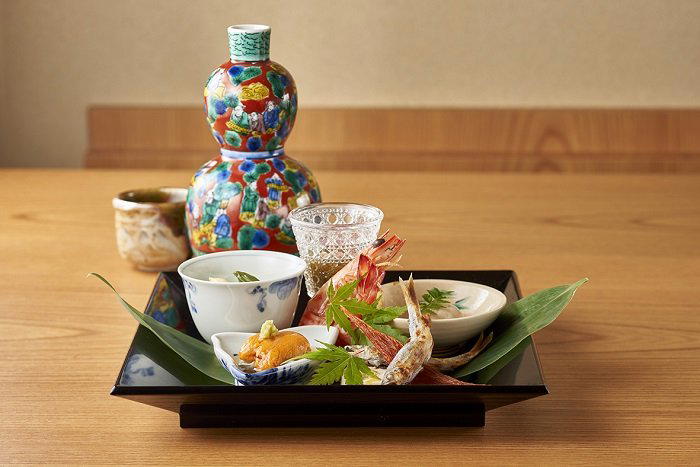
The creative detail embedded in the menu, tilefish wrapped in perilla leaf before frying, is worth attention precisely because it is so specific. Tilefish is mild and flaky, prone to dryness under direct heat; the perilla leaf wrap creates a steam pocket that keeps moisture in while the batter crisps. The aromatic transfer from perilla also adds a layer that straight batter cannot provide. This is a technique choice, not decoration, and it exemplifies how Ten-Yu uses the alternating menu structure to create moments of genuine contrast rather than relying on ingredient luxury alone.
For comparable kaiseki and specialty Japanese cooking at other price points and in different formats, Doujin offers a useful reference within Kyoto. Outside the city, HAJIME in Osaka and akordu in Nara represent different approaches to prix fixe sequencing in the Kansai region, while Tokyo's Kikunoi and Hirosaku provide context for how the kaiseki and counter-tempura traditions are maintained in the capital. Further afield, Harutaka in Tokyo, Goh in Fukuoka, 1000 in Yokohama, and 6 in Okinawa each reflect distinct regional registers within Japan's premium dining tier.
The Ryokan Connection and the Lunch Tendon
Ten-Yu is managed by a ryokan, and that relationship shapes the restaurant's operating identity more than it might appear at first. Ryokan dining in Japan has historically been a captive format: guests eat where they sleep, and the kitchen serves a guaranteed room. Ten-Yu inverts this logic deliberately. The stated ambition is that guests will return to dine here independently, after their ryokan stay ends, drawn back on the strength of the food alone rather than the convenience of proximity. This is a meaningful distinction in how the restaurant positions itself, it is competing for repeat civilian bookings, not relying on room occupancy to fill tables.
The decision to offer tendon at lunchtime is part of this strategy. Tendon, tempura over rice, is accessible, satisfying, and lower in price than the full prix fixe. It gives the lunch service a wider reach than a kaiseki-only menu would allow, and it functions as an entry point for guests who might not commit to the full experience on a first visit. The lunch hours run 11:30 am to 1 pm on most open days; dinner runs 5:30 to 7 pm. Tuesday is the weekly closure.
Recognition and Peer Position
Ten-Yu holds a Michelin Plate for 2025, placing it among Kyoto's recognized but not yet starred houses. On the Opinionated About Dining Japan list, the restaurant ranked #477 in 2024 and #523 in 2025, with a recommended designation in 2023. The slight rank decline between 2024 and 2025 does not indicate deterioration so much as the normal volatility of a large-field ranking system. The consistent multi-year presence on the OAD list, however, indicates sustained attention from the critic community rather than a single-year anomaly.
Within Kyoto's kaiseki tier, Ten-Yu occupies a position below the ¥¥¥¥ houses like Ifuki and Gion Sasaki in price, but its OAD recognition places it in a meaningful peer conversation with restaurants operating above its price bracket. That gap between price tier and critical recognition is one of the more useful signals for readers calibrating value within Kyoto's dense restaurant field.
Planning Your Visit
Frequently asked questions
Is Ten-Yu more mid-range or high-end?
Pricing at Ten-Yu is listed as ¥¥¥.
What part of town is Ten-Yu in?
Ten-Yu is located at 299 Shimohakusancho, Nakagyo Ward, Kyoto, 604-8085, Japan, Kyoto.
Does Ten-Yu have a Michelin star or similar recognition?
Ten-Yu has received recognition including: The clean-lined interior was created by a tea-house craftsman. The ground floor has private rooms in a modern Japanese style; the upper floor features counter seating with the chef holding court. Tempura is fried in cottonseed oil for a lig….
What do people recommend at Ten-Yu?
The prix fixe menu draws consistent attention, particularly the tempura fried in cottonseed oil, which produces a noticeably lighter result than sesame or vegetable oil preparations. The tilefish wrapped in perilla leaf is the menu's most discussed individual preparation. At lunch, the tendon is offered as a more accessible entry point and reflects the restaurant's ryokan-managed hospitality model. Ten-Yu holds a Michelin Plate for 2025 and ranks #523 on the Opinionated About Dining Japan list the same year.
Recognition Snapshot
Comparable options at a glance, pulled from our tracked venues.
| Venue | Cuisine | Price | Awards | Notes |
|---|---|---|---|---|
| Ten-YuThis venue (the venue you are viewing) | Michelin-Starred Tempura | $100–150 | Michelin Plate | Not listed |
| Gion Sasaki | Modern Kaiseki | $300–500 | 3 Michelin Stars · La Liste Top Restaurants | Kaiseki, Japanese |
| cenci | Innovative Italian-Japanese Fusion | $100–150 | 1 Michelin Star · World's 50 Best #76 | Italian |
| Ifuki | Sumibi Kappo Kaiseki | $200–300 | 2 Michelin Stars · La Liste Top Restaurants | Kaiseki |
| Kyokaiseki Kichisen | Kyoto Kaiseki | $200–300 | 2 Michelin Stars · La Liste Top Restaurants | Japanese |
| Kyo Seika | Modern Chinese Fine Dining | $150–200 | 1 Michelin Star · Tabelog Bronze #216 | Chinese |
Recognition history
Dated appearances from independent guides and award organizations, with the underlying list record or original source where available.
Michelin Plate
Michelin
Opinionated About Dining Top Restaurants in Japan Recommended
Opinionated About Dining
Full recognition history (6 entries)
Michelin Plate
Michelin
Opinionated About Dining Top Restaurants in Japan Ranked #523
Opinionated About Dining
Opinionated About Dining Top Restaurants in Japan Ranked #477
Opinionated About Dining
Opinionated About Dining Top Restaurants in Japan Recommended
Opinionated About Dining