

Tabelog Silver #67
Our verdict
Noguchi places Kyoto kaiseki in a compact, referral-only format led by chef Daisuke Noguchi, with eight counter seats and one private table room. Its standing is supported by The Tabelog Award 2026 Silver, a 4.39 Tabelog score, and a place on Opinionated About Dining’s 2026 Japan ranking, making it a serious address for diners who value restraint over theatre.

Pearl is the En Primeur Club membership app, where members save venues, book tables and use the concierge.
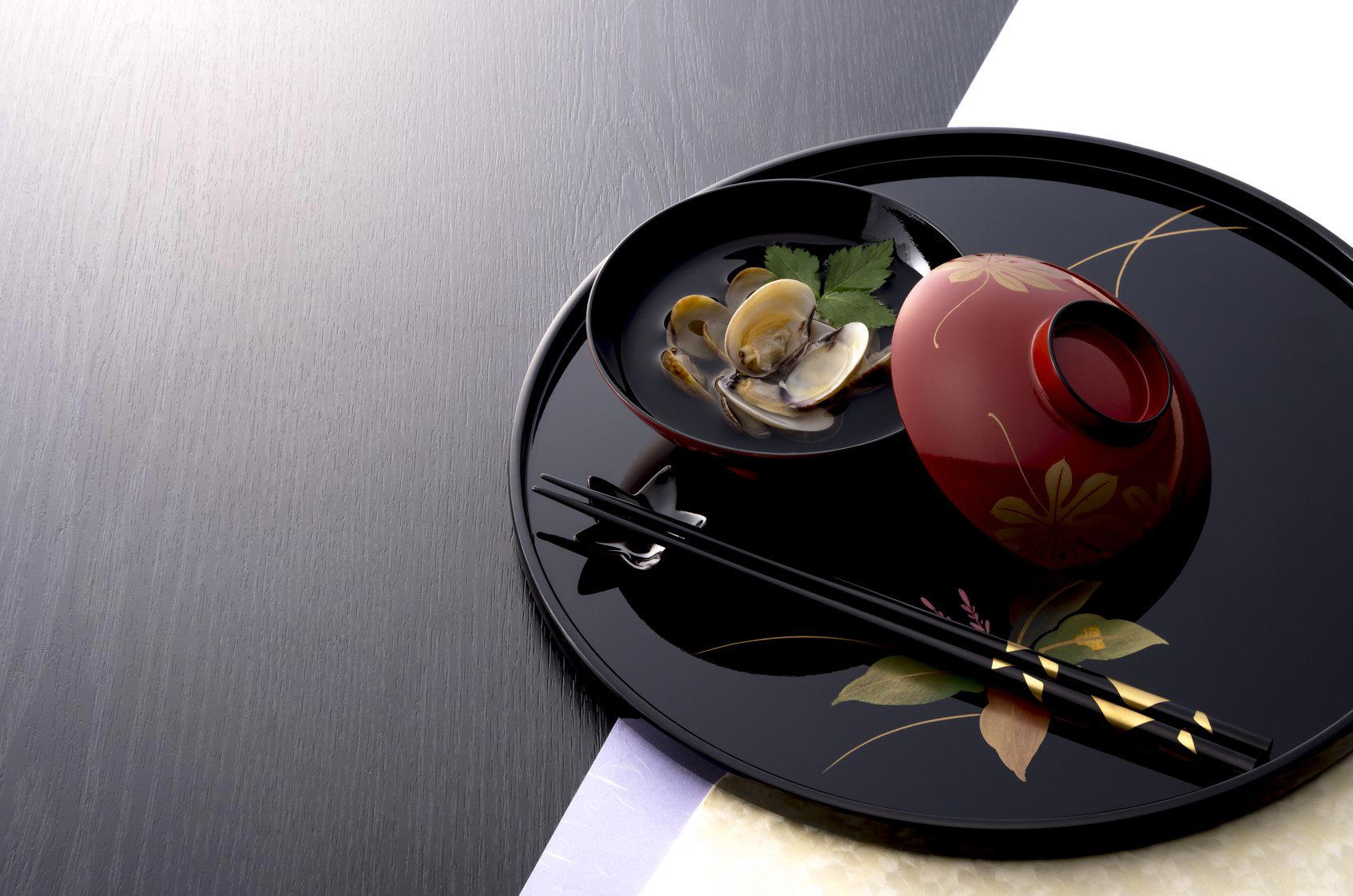
Kamigyo’s northern grid changes the mood of Kyoto dining before the first course appears. The city’s grand ryotei tradition can read as ceremonial, but this part of Kyoto often rewards a quieter eye: residential streets, low façades, and restaurants that make scale feel like part of the cooking. In that setting, Noguchi belongs to the Kyoto school where kaiseki is not spectacle but control, and where a simple bowl can carry as much weight as a carved seasonal arrangement.
That matters because Kyoto’s high-end Japanese cuisine is often misread by visitors as an exercise in rarity. The sharper reading is skill through reduction. Rice, broth, vegetables, fish, pickles, and sake look plain only when the kitchen lacks command. At this level, the meal asks diners to notice temperature, pacing, sequence, and the confidence to leave space on the table. The comfort-food lesson applies even inside kaiseki: the humble bowl is not a lesser course, but a test of seasoning, aroma, and timing.
Kyoto kaiseki at counter scale, not banquet-room scale
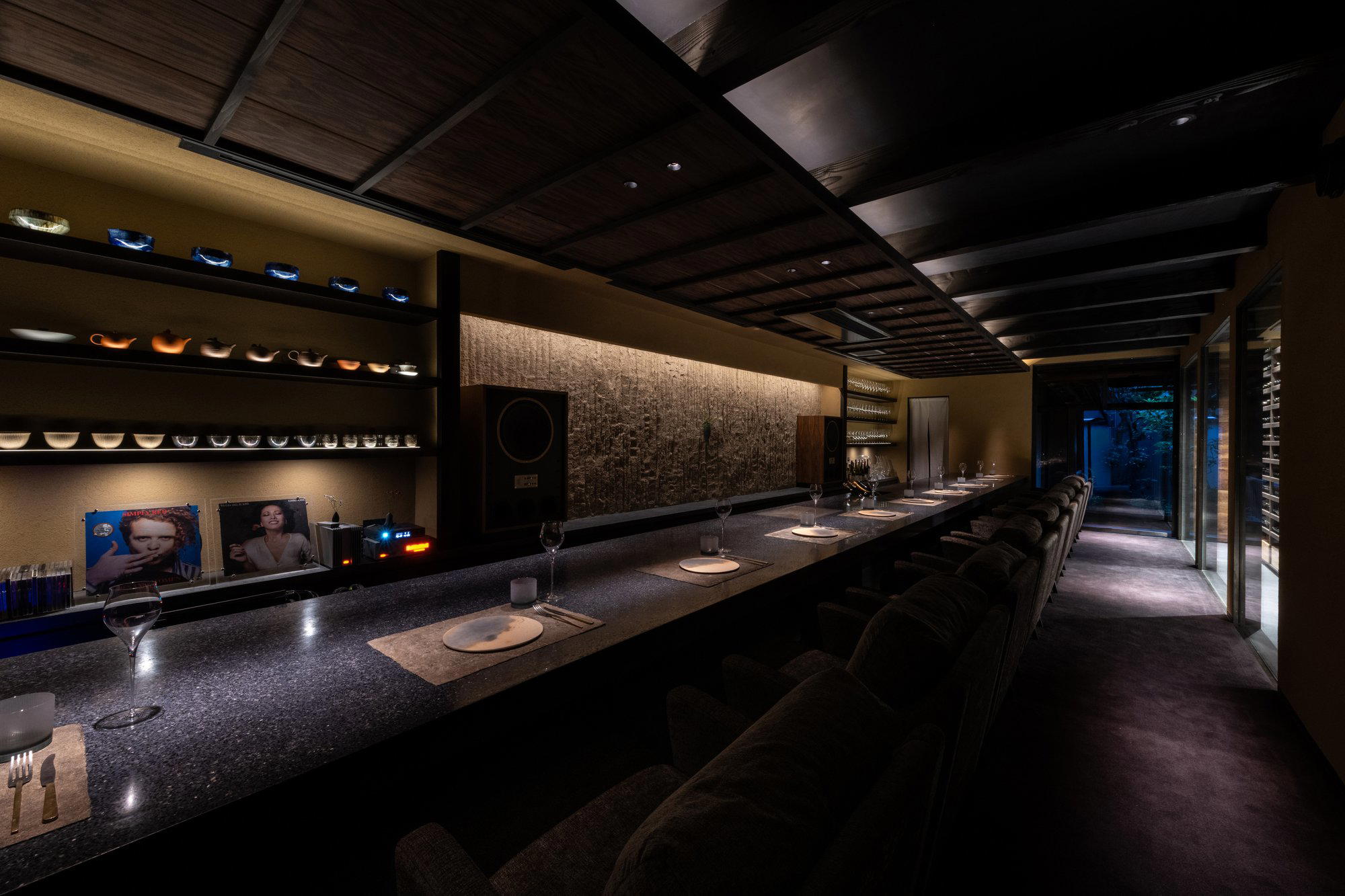
Kyoto’s kaiseki scene splits between formal houses built around ceremony and smaller rooms where the counter makes technique easier to read. Noguchi sits in the latter camp: eight counter seats and one private table room create a format closer to concentrated observation than social dining. That is a meaningful signal in Kyoto, where the difference between a meal that feels fluent and one that feels staged often comes down to proximity, rhythm, and the kitchen’s ability to maintain calm across a long sequence.
The restaurant’s recognition supports that position without needing inflated language. The Tabelog Award 2026 Silver and a 4.39 score put it in a narrow Japanese-cuisine bracket, while Opinionated About Dining ranked it in its 2026 Top Restaurants in Japan list. Those are not interchangeable badges. Tabelog reflects a domestic dining culture with demanding local reviewers; OAD places the restaurant inside a broader international conversation about Japan’s serious tables. Together, they mark a Kyoto address that is judged by diners who understand the grammar of kaiseki rather than by novelty-seeking traffic.
The comparison set in Kyoto is demanding. Nijo Yamagishi, Iida, Yamagishi, Oryori Hayashi, and Shokudou Ogawa all sit within the city’s kaiseki orbit, but the useful distinction is not a simple hierarchy. Some addresses lean further into ceremony, some into seasonal precision, some into the intimacy of a small room. Noguchi’s appeal is in the compactness of the experience: the meal is framed by closeness, not grandeur. For readers mapping the city more widely, Our full Kyoto restaurants guide gives the broader dining context, while Our full Kyoto hotels guide, Our full Kyoto bars guide, Our full Kyoto wineries guide, and Our full Kyoto experiences guide help place the meal within a longer Kyoto itinerary.
Why the modest course is often the serious one
Kaiseki is built on seasonality, but seasonality alone is not a point of view in Kyoto. Every serious kitchen claims it. The stronger question is how much the restaurant asks of simple materials. A clear soup, a rice course, a simmered vegetable, or a restrained closing sequence can expose technique more clearly than luxury ingredients do. This is where the “humble bowl” lens becomes useful: in Japanese cooking, comfort is rarely casual when served at this level. It is engineered through stock, heat, vessel, and order.
Chef Daisuke Noguchi’s name matters here as a credential, not as a biographical detour. The restaurant’s Japanese-cuisine classification, long-running award history, and counter-led format all point to a kitchen invested in the Kyoto fundamentals rather than imported fine-dining gestures. The opening date, 2011, also matters. In a city where reputation hardens slowly, more than a decade of operation gives the restaurant a different kind of authority from a new reservation craze.
The drinks register is similarly grounded in Japanese dining rather than built as a separate performance: sake, shochu, and wine are listed, which gives the room enough range without turning the meal into a pairing show. That balance suits kaiseki in Kyoto. The drink should frame the food’s progression, not compete with it. Diners looking across Kyoto’s smaller serious rooms may also find useful cross-reading in Ankyu, Chihana, Doujin, Gion Suetomo, and Hassun, each of which clarifies a different part of the city’s Japanese-cuisine spectrum.
How to read Noguchi against Japan's wider dining map
Kyoto kaiseki should not be judged by the same cues as Tokyo sushi or Osaka counter cooking. The city’s serious Japanese restaurants often value understatement, and the diner’s job is to recognize when simplicity is deliberate. Noguchi is for the guest who wants a measured Kyoto meal where the counter format makes the progression legible. It is less suited to diners chasing a long list of named signatures or dramatic plating language.
Price context also places the restaurant in a premium but not borderless tier for Japanese fine dining, with dinner listed at JPY 20,000 to JPY 29,999 and review-based spending bands extending higher. Capacity is the sharper constraint: eight counter seats mean access is structurally limited even before referral-only reservations enter the picture. This is the kind of restaurant where planning discipline matters as much as appetite.
For a wider Japan comparison, the contrast with Tokyo and other regional addresses can be instructive. Ajihiro, Kaiseki in Tokyo and Akasaka Asada, Kaiseki in Tokyo show how the same cuisine category changes under Tokyo’s business-dining and capital-city pressures. Outside Kyoto, listings such as -Grilled beef Sukiyaki- KAMAKURA TANUKIAN 鎌倉 たぬき庵 in Kamakura. 鮪と炭火焼き うお炭 秋葉原店 in Tokyo.cafe in Osaka.know in Kumamoto, (Shoku) Vietnam in Kawasaki, and [Curry Senmon Ten] Maruyama Kyoju. in Sapporo underline how regional dining categories in Japan resist a single national template.
The editorial case for Noguchi is therefore specific: a small Kyoto kaiseki counter with sustained domestic recognition, a serious chef name, and a format that rewards attention to quiet technique. In a city crowded with temples, tea, and inherited culinary language, that restraint is not decorative. It is the point.
Frequently asked questions
What are the operating hours at Noguchi?
Hours at Noguchi: Hours: Monday Closed Tuesday 5:30 pm–12 am Wednesday 5:30 pm–12 am Thursday 5:30 pm–12 am Friday 5:30 pm–12 am Saturday 5:30 pm–12 am Sunday 5:30 pm–12 am.
Where is Noguchi in Kyoto?
Noguchi is located in Kyoto.
How would you describe the cuisine at Noguchi?
Noguchi serves Kaiseki cuisine.
Which chef is Noguchi associated with?
The chef associated with Noguchi is Daisuke Noguchi.
What is Noguchi known for?
Noguchi is known for kaiseki in Kyoto, served at an 8-seat counter with one private table room. It holds a 2026 Tabelog Silver award and has been selected for Tabelog Japanese cuisine WEST "Tabelog 100" in 2025, 2023, and 2021.
Cost and Credentials
Comparable venues for orientation by cuisine and category.
| Venue | Cuisine | Price | Awards | Notes |
|---|---|---|---|---|
| NoguchiThis venue (the venue you are viewing) | Modern Kaiseki Counter Dining | $300–500 | Tabelog Silver #67 | Not listed |
| Oryori Hayashi | Traditional Kaiseki | $200–300 | La Liste Top Restaurants | Kamigyō, Traditional Kaiseki |
| Tsuneya Densuke | Kyoto Izakaya | $50–100 | Michelin Plate | Nakagyō, Kyoto Izakaya |
| Tempura Mizuki | Michelin-Starred Tempura | $200–300 | Michelin Plate | Nakagyō, Michelin-Starred Tempura |
| Matakichi | Refined Kyoto Omakase & Kaiseki | $100–150 | Michelin Plate | Higashiyama, Refined Kyoto Omakase & Kaiseki |
| Sakagawa | Traditional Kaiseki | $150–200 | Tabelog Bronze #381 | Higashiyama, Traditional Kaiseki |
Recognition history
Dated appearances from independent guides and award organizations, with the underlying list record or original source where available.
Opinionated About Dining Top Restaurants in Japan Ranked #67
Opinionated About Dining
Tabelog Silver #67
Tabelog
Full recognition history (7 entries)
Opinionated About Dining Top Restaurants in Japan Ranked #43
Opinionated About Dining
Tabelog Silver
Tabelog
Tabelog 100 #24 · No. 24
Tabelog · Tabelog 100 - Japanese cuisine - WEST - 2025
Opinionated About Dining Top Restaurants in Japan Ranked #49
Opinionated About Dining
Opinionated About Dining Top Restaurants in Japan Ranked #75
Opinionated About Dining
Continue exploring
More in Kyoto
Restaurants in Kyoto
All restaurants in Kyoto →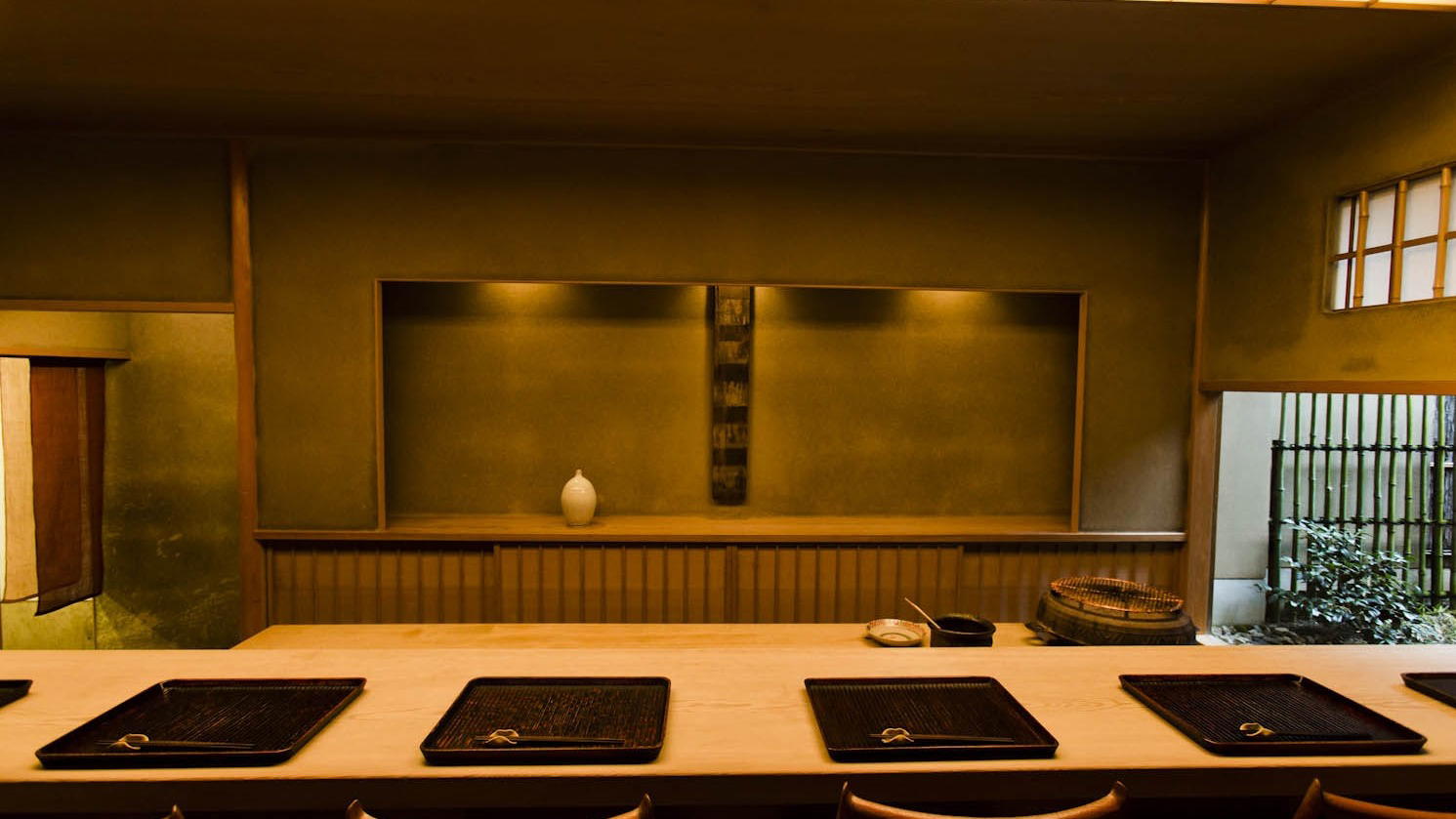
Bars in Kyoto
All bars in Kyoto →
Hotels in Kyoto
All hotels in Kyoto →
Wineries in Kyoto
Browse all →
Details
- Elegant
- Intimate
- Minimalist
- Sophisticated
- Special Occasion
- Date Night
- Chefs Counter
- Sake Program
- Local Sourcing
- Tasting Menu
- A La Carte
- Sake
Current opening hours
- Monday
- Closed
- Tuesday
- 5:30 PM–12 AM
- Wednesday
- 5:30 PM–12 AM
- Thursday
- 5:30 PM–12 AM
- Friday
- 5:30 PM–12 AM
- Saturday
- 5:30 PM–12 AM
- Sunday
- 5:30 PM–12 AM
Hours can change for holidays and private events. Hours as of .
Serene minimalist interior in a renovated traditional Kyoto home with warm counter atmosphere.