
A two-Michelin-starred kaiseki address in Higashiyama, Kodaiji Jugyuan occupies a sukiya-style house beside Kodaiji Temple and earns its place in Kyoto's upper dining tier through an unusual combination: French flame technique via the Hiramatsu group, seasonal festival menus rooted in ancient capital customs, and a meat-forward approach that sets it apart from the city's predominantly seafood-led kaiseki counters.
Pearl is the En Primeur Club membership app — saves, bookings, and concierge access live there. Same editors, same standards.
- Address
- Japan, 〒605-0826 Kyoto, Higashiyama Ward, 高台寺 桝屋町353
- Phone
- +81 75-533-6060
- Website
- jugyuan.jp
- Directions
- Get directions
 Saves & bookings on Pearl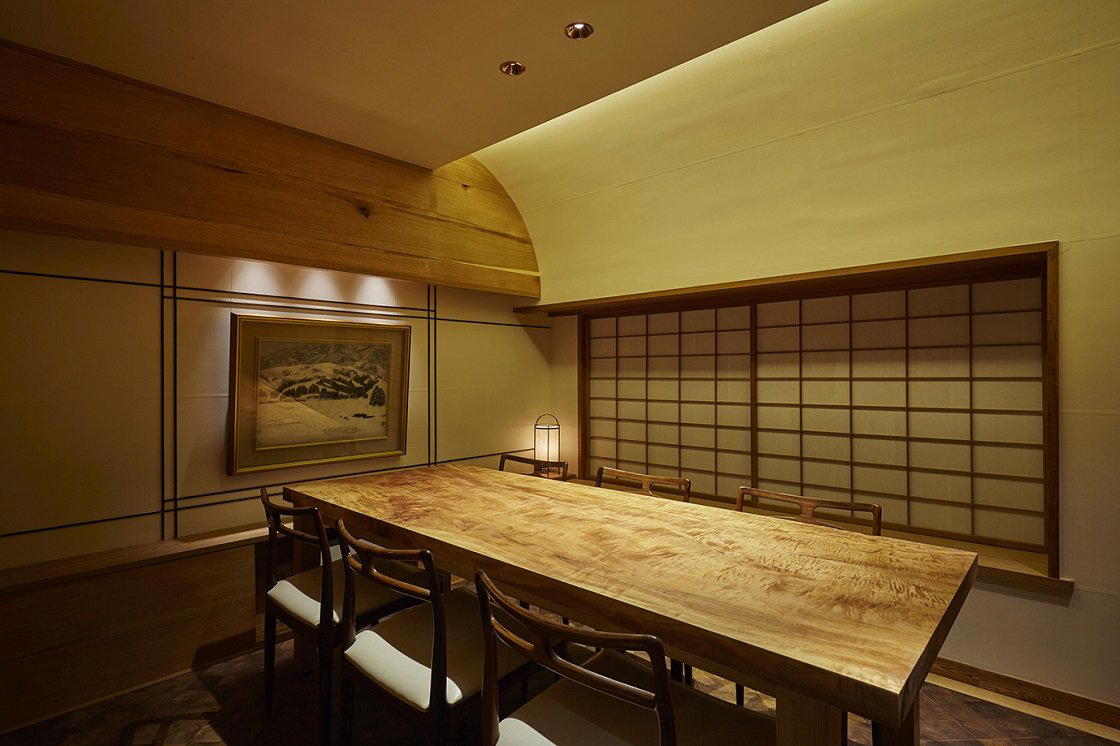
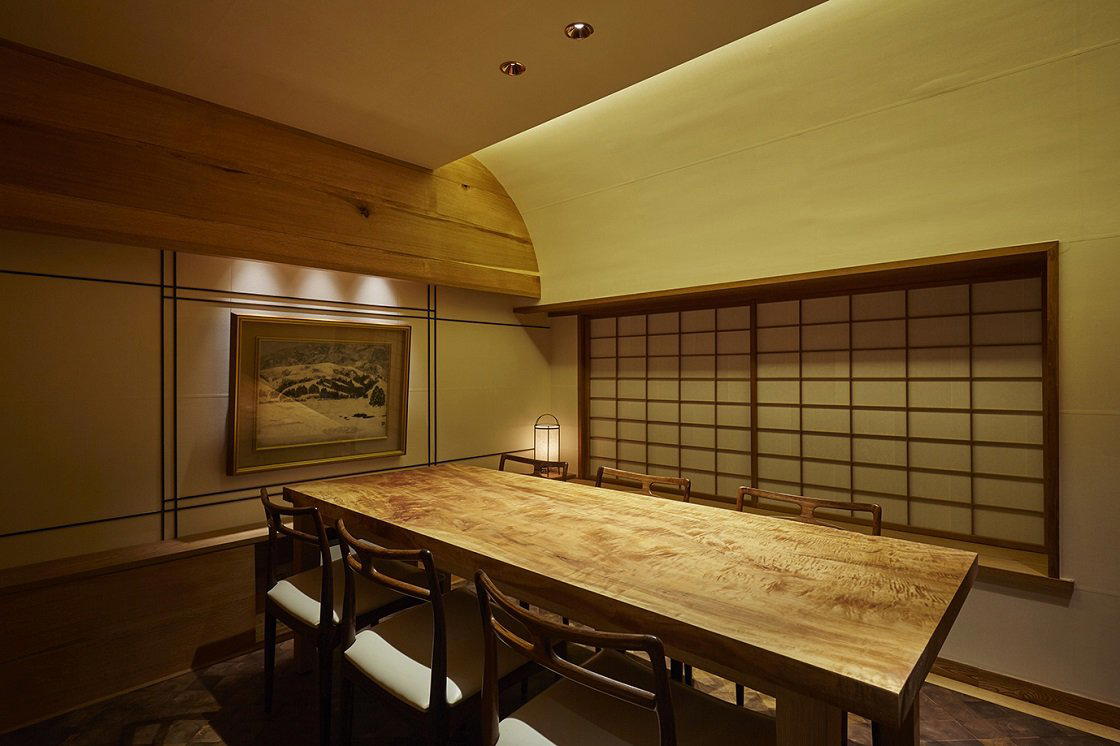
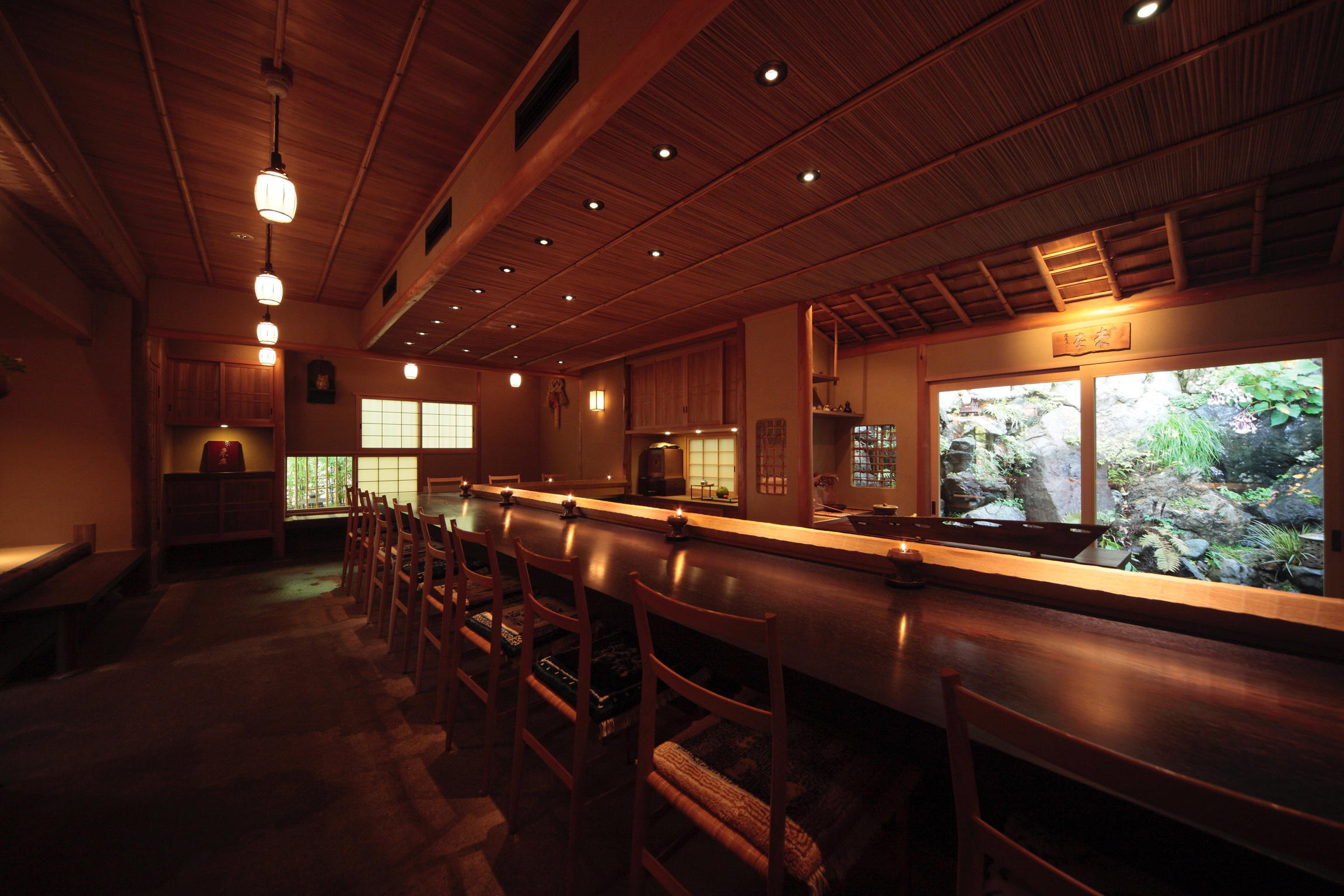
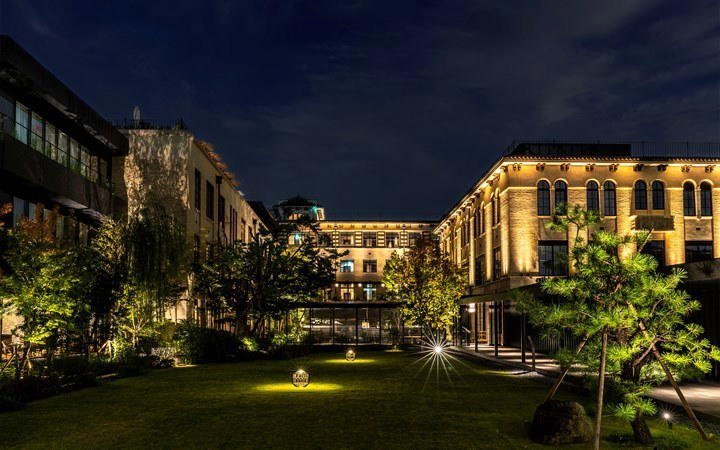
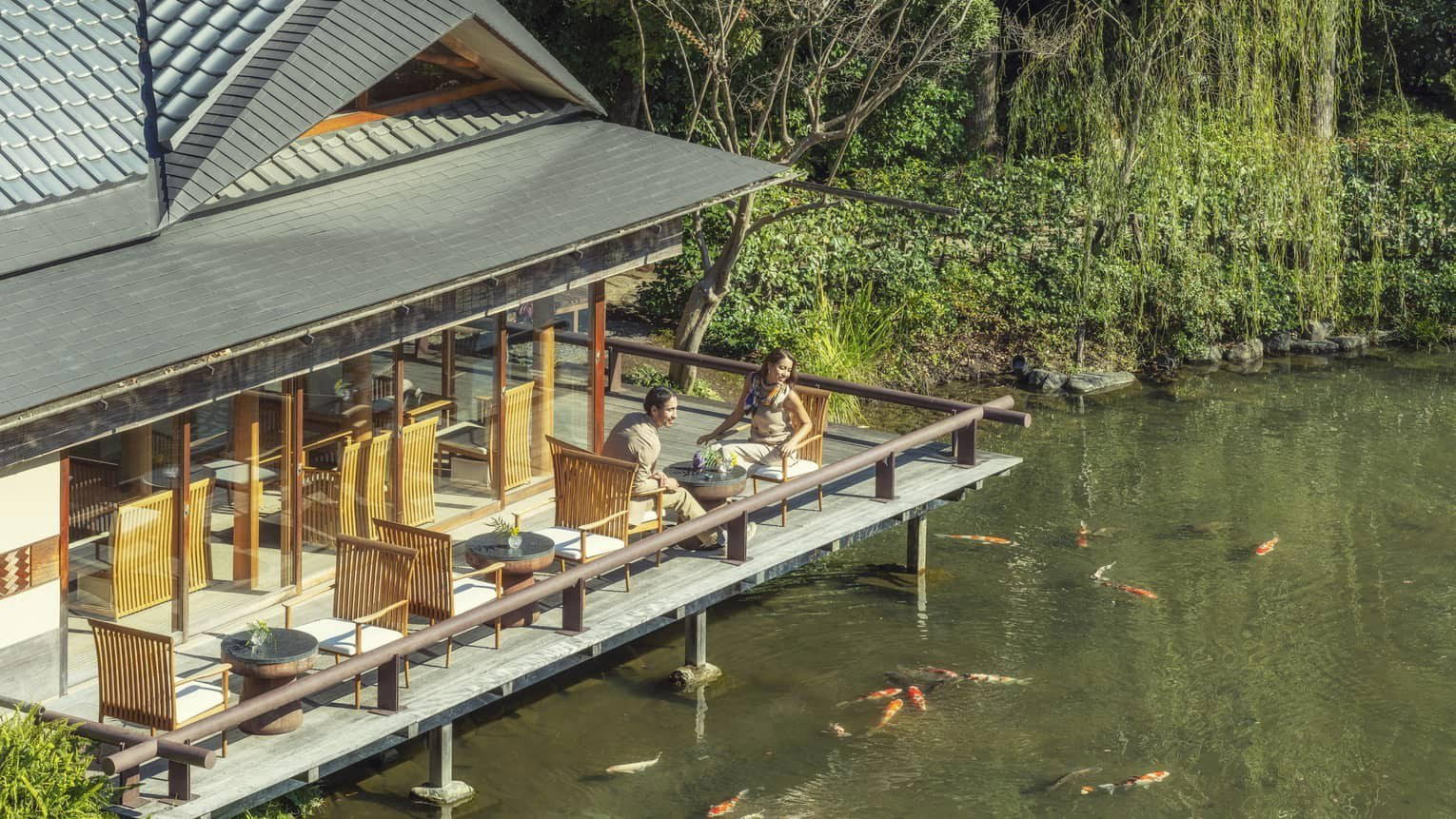
Kodaiji Jugyuan is a two-Michelin-star restaurant in Kyoto serving Traditional Kyoto Kaiseki, with dinner priced at about $150 per person. Higashiyama Ward's stone-paved lanes, running south from Maruyama Park toward the grounds of Kodaiji Temple, belong to the photographed corridor in Kyoto, lantern-lit at dusk, quiet by the standards of the city's more tourist-saturated precincts once evening falls. The restaurant sits at address 桝屋町353, inside a sukiya-style house whose restrained joinery, natural materials, and the light that filters through shoji screens mirror what arrives at the table. The garden extends the composition outward. In a city where aesthetic coherence between architecture, garden, and cuisine is treated as a baseline expectation rather than a point of distinction, Jugyuan meets the standard and then complicates it.
Kyoto's Upper Kaiseki Tier and Where Jugyuan Sits
Kyoto's two-star Michelin bracket is more populated than casual visitors tend to assume. Venues including Ifuki and Kyokaiseki Kichisen occupy the same tier, while the three-star ceiling is held by a small number of kaiseki houses with decades of institutional weight behind them. What separates the two-star addresses is less a question of technique, at this level, the craft is a given, and more a question of positioning within the tradition. Most high-end Kyoto kaiseki moves through a recognisable arc: delicate dashi-based preparations, the primacy of seasonal vegetables and seafood, restraint as a governing principle. Jugyuan departs from that arc in a specific and consequential way.
Meat dishes are a deliberate and central part of the menu here. That is not a minor footnote; in the context of classical Kyoto gastronomy, it represents a real philosophical position. The vehicle for this departure is the involvement of Hiramatsu, the restaurant group known for its French cuisine in Japan, whose Western flame-control techniques are applied to the meat courses. The result is a tasting progression that moves through kaiseki's seasonal and structural logic while incorporating a technical vocabulary borrowed from French kitchen practice. Among the city's kaiseki addresses, including Isshisoden Nakamura, Gion Matayoshi, and Kenninji Gion Maruyama, this cross-disciplinary construction is a rarity rather than a trend.
The Name as Program: Jugyuzu and the Ten-Course Arc
The restaurant takes its name from the Jugyuzu, the Zen painting series sometimes translated as "Pictures of Ten Oxen" or "Ten Bull Pictures." The series depicts stages of spiritual development through the metaphor of a herdsman searching for, finding, and ultimately transcending the ox. As a conceptual frame for a tasting menu, it sets an expectation: the meal is not a sequence of separate courses but a progression with cumulative logic, each stage preparing the ground for what follows. Whether a diner arrives with knowledge of the reference or not, the formal structure of kaiseki, which already moves from light to complex, from raw to cooked, from restraint to richness, lends itself naturally to that interpretive layer.
Chef Alexandre Vachon operates within this framework. The involvement of a non-Japanese chef at a Kyoto kaiseki address at this price point is itself a signal worth reading: it locates Jugyuan in a small cohort of Kyoto restaurants that treat the tradition as a living system capable of absorbing outside influence without dissolving into fusion. The progression through the meal, from early courses that likely lean on the city's vegetable and broth traditions toward meat courses where French fire technique becomes audible, mirrors the Jugyuzu's own arc from subtlety toward something more assertive.
Seasonal Festivals as Menu Architecture
Kyoto's calendar of traditional festivals, the nenjugyoji, is one of the densest in Japan. The city organises time differently from Tokyo or Osaka; the ritual year, Gion Matsuri in July, Jidai Matsuri in October, the quiet ceremonies that bracket the plum and cherry seasons, gives the calendar a texture that serious restaurants in the city have long treated as source material. At Jugyuan, the chef incorporates these seasonal festivals directly into the menu, treating them as more than backdrop. A dish's timing, its ingredients, its reference points can be anchored to a specific moment in Kyoto's ceremonial year.
This approach places the restaurant inside a Kyoto dining tradition that values what might be called temporal specificity: the idea that a dish eaten in the week of Obon means something different from the same dish eaten in November, not only because the ingredients differ but because the cultural context changes what the dish communicates. At the summit of the price tier, Jugyuan competes on the depth of that seasonal intelligence rather than on novelty alone.
The Meal's Arc: How the Progression Works
Reading the tasting progression at Jugyuan requires holding two systems simultaneously. The first is kaiseki's own structural grammar: the aperture of a small sakizuke, the deliberate pacing through soup, raw preparations, grilled courses, simmered dishes, rice and pickles at the close. The second is the Hiramatsu-inflected meat course, which arrives somewhere in the meal's later movement, when the palate has been shaped by the lighter preparations that precede it. French technique applied to Japanese ingredients and seasonal context is not a new idea in Japan's upper dining tier, venues like HAJIME in Osaka have built entire reputations on exactly that synthesis, but the specific application here, within kaiseki's sequential logic rather than against it, is what gives the meal its particular character.
The sukiya-style house and garden are not decorative additions to this experience; they are part of the same argument. Sukiya architecture developed as a setting for tea ceremony, which is itself structured as a progression from arrival through garden, entry, tea preparation, and tea drinking, each stage calibrated to shift attention inward. Eating in this architectural context, surrounded by a garden that changes with the season, is not incidental to understanding what Jugyuan is doing. The room participates in the meal's progression as much as the courses do.
Within Japan's Broader Cross-Disciplinary Scene
The conversation between classical Japanese culinary structure and Western technique has produced a generation of serious addresses across Japan. Harutaka in Tokyo holds its line in a more orthodox sushi tradition; akordu in Nara brings Spanish technique to a setting just south of Kyoto; Goh in Fukuoka represents the southern edge of this generation's ambition. Jugyuan's position within this loose network is defined by its insistence on remaining inside kaiseki's logic even as it borrows from outside it. Among Tokyo addresses navigating similar questions, Myojaku and Azabu Kadowaki offer comparable reference points for how classical Japanese form absorbs contemporary influence. Further afield, 1000 in Yokohama and 6 in Okinawa extend the map of where this kind of synthesis is happening across the country.
The Michelin progression to two stars signals that the restaurant's synthesis is read as coherent rather than compromised. That distinction matters. A tasting progression that grafts French technique onto kaiseki structure could easily read as confused. At two stars, the argument is that Jugyuan has made the graft legible.
Placing It in the Kyoto Visit
A dinner at Jugyuan sits at the upper end of Kyoto's dining cost range. For visitors building a multi-night Kyoto itinerary, the restaurant's Higashiyama location pairs naturally with the neighbourhood's concentration of temples, craft shops, and the evening quietude that descends on the eastern hills after day-trippers leave. The sukiya house and garden reward arrival before full dark, when the garden is still readable as a composition.
Know Before You Go
- Address: 〒605-0826 Kyoto, Higashiyama Ward, 高台寺 桝屋町353
- Price range: ¥¥¥¥ (top tier for Kyoto kaiseki)
- Awards: Michelin 2 Stars (2025); Michelin 1 Star (2024)
- Cuisine: Kaiseki with French flame technique; seasonal festival menus; meat-forward relative to Kyoto peers 6 from 203 reviews
- Setting: Sukiya-style house with garden, Higashiyama Ward near Kodaiji Temple
- Booking: Advance reservation is essential
- Timing: Menu programming follows Kyoto's festival calendar; season of visit will influence what the menu references
Nearby-ish Comparables
Comparable venues nearby, for context on price, style, and recognition.
| Venue | Cuisine | Price | Notes |
|---|---|---|---|
| Kodaiji JugyuanThis venue — the venue you are viewing | Traditional Kyoto Kaiseki | $$$$ | Not listed |
| Gion Nishikawa | Michelin-Starred Kaiseki | $$$$ | Higashiyama |
| Kodaiji Wakuden | Luxury Kaiseki | $$$$ | Higashiyama |
| Kamanza Nagashima | Traditional Japanese Kappo | $$$$ | Yamashina |
| Ifuki | Sumibi Kappo Kaiseki | $$$$ | Higashiyama |
| Otagi | Kaiseki | $$$$ | Kita |
Recognition history
Dated appearances from independent guides and award organizations, with the underlying list record or original source where available.
Michelin 2 Stars
Michelin
Michelin 2 Stars
Michelin
Michelin 1 Star
Michelin
Continue exploring
More in Kyoto
Restaurants in Kyoto
Browse all →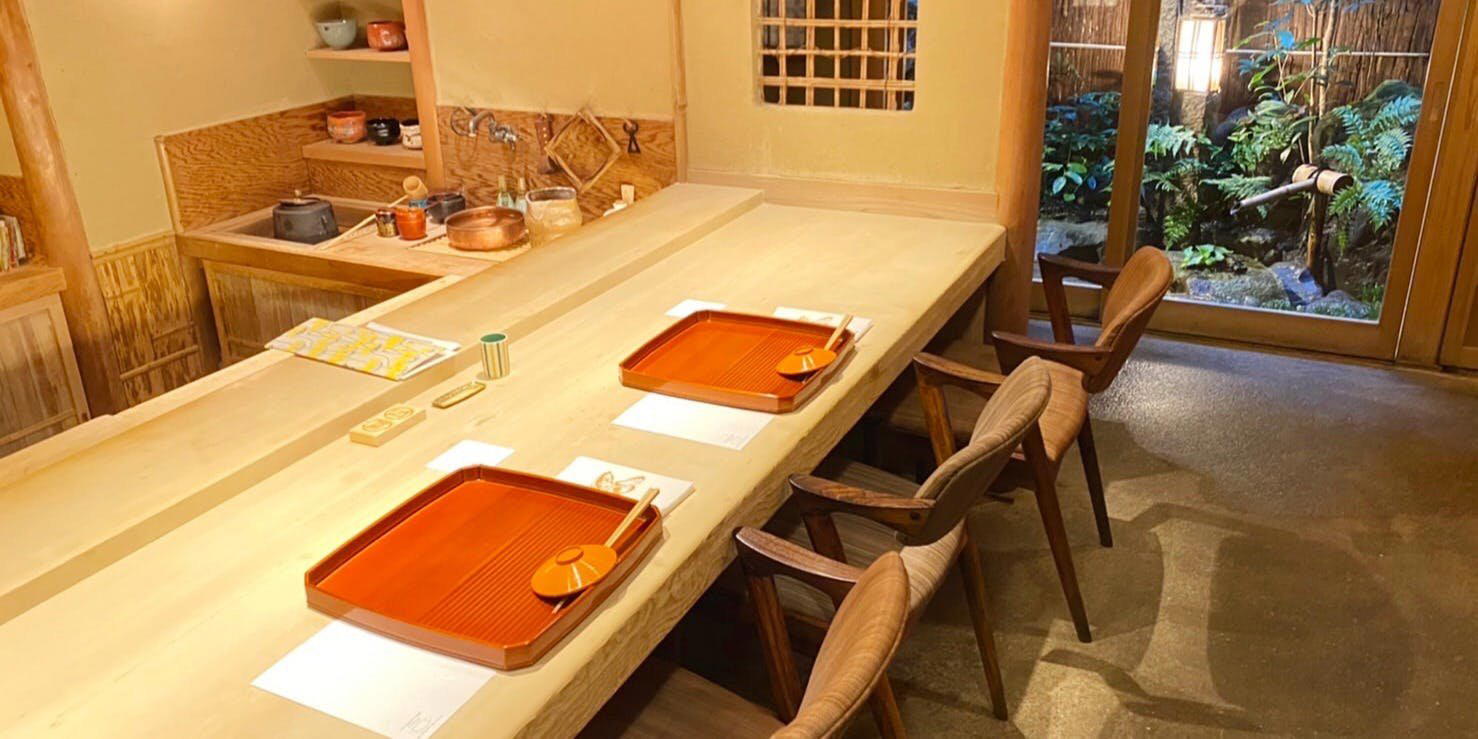
Bars in Kyoto
Browse all →
Hotels in Kyoto
Browse all →

Wineries in Kyoto
Browse all →
At a Glance
- Elegant
- Quiet
- Scenic
- Sophisticated
- Intimate
- Classic
- Special Occasion
- Date Night
- Celebration
- Business Dinner
- Private Dining
- Garden
- Historic Building
- Sake Program
- Local Sourcing
- Garden
- Skyline
Current opening hours
- Monday
- Closed
- Tuesday
- 11:30 AM–3 PM, 5:30–9:30 PM
- Wednesday
- 11:30 AM–3 PM, 5:30–9:30 PM
- Thursday
- 11:30 AM–3 PM, 5:30–9:30 PM
- Friday
- 11:30 AM–3 PM, 5:30–9:30 PM
- Saturday
- 11:30 AM–3 PM, 5:30–9:30 PM
- Sunday
- 11:30 AM–3 PM, 5:30–9:30 PM
Hours can change for holidays and private events. Last verified .
Serene and oasis-like with soft natural light through large windows, historic wooden architecture, and far-reaching garden views creating a peaceful, refined atmosphere.