

Tabelog 100 #77
Our verdict
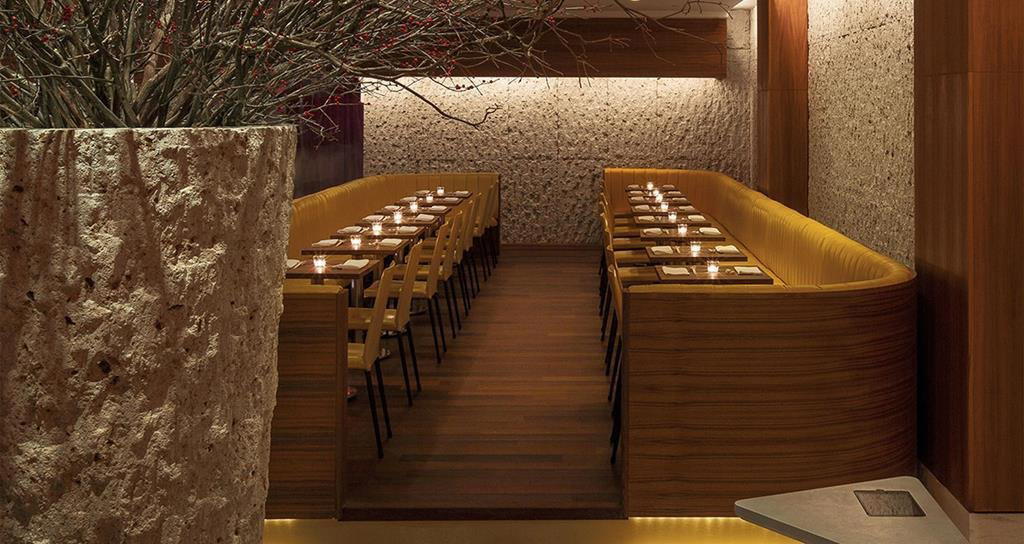
Located in Ebisu's basement-level dining corridor, Masa's Kitchen 47 places Chinese cooking inside a Tokyo idiom where precision and restraint do the heavy lifting. Service runs Tuesday through Sunday across lunch and dinner sittings.

Pearl is the En Primeur Club membership app, where members save venues, book tables and use the concierge.
The menu
What to order
- Spring Roll with seasonal ingredients
- Fukahire Steak
Chinese Cooking in Tokyo's Precision Register
Tokyo has spent the better part of three decades developing one of the most demanding audiences for Chinese cuisine outside mainland China. The city's leading Chinese tables are not operating as ethnic-curiosity destinations or crowd-pleasing banquet halls; they sit in direct competition with kaiseki counters and European tasting-menu rooms, and they are judged by the same criteria: sourcing rigour, technical discipline, and conceptual coherence. Masa's Kitchen 47, open in Ebisu's basement dining circuit, entered this conversation and earned a ranking in the Opinionated About Dining Leading Restaurants in Japan list for 2025, placing at #599 nationally. That credential positions it inside a tier of Chinese restaurants that Tokyo's informed dining community takes seriously.
The broader context matters here. Contemporary Chinese dining in Tokyo has split into at least two recognisable strands. One leans into Cantonese classicism and the prestige of whole-ingredient technique: roasted meats, dim sum precision, seafood sourced from Japanese coastal waters. The other, newer strand involves chefs who have absorbed Japanese kitchen discipline and applied it to a Chinese framework, producing dishes where portion control, ingredient seasonality, and presentation restraint borrow more from the kaiseki tradition than from a Guangzhou banquet. Masa's Kitchen 47, under Chef Masahito Namazue, operates closer to the second register. The restaurant's address in Ebisu rather than Ginza or Azabu signals a deliberate departure from the high-gloss Chinese dining strip, placing it in a neighbourhood where the audience tends toward the food-literate rather than the expense-account crowd. For comparable Chinese dining in Tokyo operating in the classical direction, Chugoku Hanten Fureika and Chugoku Hanten Kohakukyu (Amber Palace) represent the formal-lineage end of the spectrum.
What Contemporary Chinese Reinterpretation Looks Like in Practice
The reinterpretation of Chinese classics inside a Japanese culinary framework is not a superficial fusion exercise. It involves rethinking the mechanics of dishes that were historically calibrated for communal, high-volume service and rebuilding them for a counter or small-room setting where each component receives individual attention. Classic preparations, mapo tofu, Peking duck, char siu, are structurally familiar enough to anchor a diner's expectations but technically open enough that a kitchen with real ambition can reposition them. The key variables are fat management, sauce reduction philosophy, heat application, and the decision of where Japanese ingredient culture, dashi logic, mountain vegetables, aged soy, enters the Chinese structure without overwriting it.
This is the territory where Masa's Kitchen 47 operates. The restaurant's Ebisu basement address is not incidental: Ebisu has developed a restaurant culture that rewards specialist precision over brand recognition, a neighbourhood pattern visible across its French, Japanese, and now Chinese tables. The kitchen runs a split-service format with lunch from 11:30 am to 3:00 pm and dinner from 6:00 pm to 10:30 pm, Tuesday through Sunday, with Mondays closed.
Where Masa's Kitchen 47 Sits Among Tokyo's Chinese Tables
OAD rankings in Japan operate on a peer-nomination model weighted toward professional and serious amateur diners, which makes a 2025 inclusion significant even at the #599 position. The list covers all cuisine categories, so a Chinese restaurant appearing on it is competing directly against kaiseki institutions, sushi counters, and European rooms, not just within its own cuisine category. By that measure, the ranking is a meaningful trust signal. For context, the same national list includes Ippei Hanten, which represents the more traditional Cantonese-rooted Chinese dining mode in the city.
The Ebisu location also places Masa's Kitchen 47 in productive proximity to other precision-focused restaurants without the overhead cost, and thus without the pricing pressure, of a Ginza or Roppongi address. For readers working through Tokyo's broader dining offer, itsuka and Koshikiryori Koki represent adjacent dining modes in the city's mid-to-upper tier outside the major luxury corridors.
Globally, the project of reinterpreting Chinese cooking through a fine-dining lens has produced recognisably distinct results in different cities. Restaurant Tim Raue in Berlin approaches Chinese structure through a European tasting-menu architecture. Mister Jiu's in San Francisco layers Cantonese heritage against Californian ingredient philosophy. Tokyo's version, as practised at tables like Masa's Kitchen 47, tends to be more technically conservative and ingredient-led, borrowing Japanese discipline without the storytelling theatrics common in the European and American iterations.
Planning a Visit
The restaurant occupies basement level one of BPR Residence Ebisu, at 1 Chome-21-13 Ebisu, Shibuya, Tokyo. Ebisu Station on the JR Yamanote Line and Tokyo Metro Hibiya Line is the practical access point, and the neighbourhood's restaurant density means a visit pairs easily with the area's broader dining and bar offer. Service runs Tuesday through Sunday; the kitchen is closed on Mondays. Lunch sits run from 11:30 am to 3:00 pm, dinner from 6:00 pm to 10:30 pm.
For readers building a wider Tokyo itinerary, the EP Club guides cover the full range: our full Tokyo restaurants guide, our full Tokyo hotels guide, our full Tokyo bars guide, our full Tokyo wineries guide, and our full Tokyo experiences guide. For those extending the trip into other regions, HAJIME in Osaka, Gion Sasaki in Kyoto, akordu in Nara, Goh in Fukuoka, 1000 in Yokohama, and 6 in Okinawa represent the calibre of serious dining available across the country.
Frequently asked questions
What is the signature dish at Masa's Kitchen 47?
What the restaurant's OAD 2025 ranking and chef credentials indicate is a kitchen operating within the contemporary Chinese reinterpretation mode: taking classical preparations and rebuilding them with the sourcing and technical discipline that Tokyo's serious dining audience expects. For specific current menu details, direct enquiry with the restaurant is the reliable route. Chef Masahito Namazue's approach, as evidenced by the restaurant's placement within the OAD national list across all cuisine categories, suggests the kitchen's strength lies in technical precision rather than showpiece individual dishes.
Accolades, Compared
Comparable venues nearby, for context on price, style, and recognition.
| Venue | Cuisine | Price | Awards | Notes |
|---|---|---|---|---|
| Masa's Kitchen 47This venue (the venue you are viewing) | Modern Creative Chinese | Not listed | Tabelog 100 #77 | Not listed |
| Cantonese en | Modern Cantonese for Beauty and Health | $50–100 | Tabelog 100 #4 | Chiyoda |
| Chinese Sai ARATA | Modern Sichuan Chinese with Japanese wine pairings | $100–150 | Tabelog 100 #88 | Chūō |
| Matsushima | Modern regional Chinese (Yunnan-influenced) | $100–150 | Tabelog 100 #1 | Shibuya |
| Kohakukyu | Michelin-Starred Cantonese & Shanghainese | $150–200 | Michelin Plate · Tabelog 100 #26 | Chiyoda |
| Chinese Hanten Ichigaya ten | Seasonal Shanghai Chinese (Chuugokuhanten Ichigaya) | $50–100 | Tabelog 100 #96 | Chiyoda |
Recognition history
Dated appearances from independent guides and award organizations, with the underlying list record or original source where available.
Opinionated About Dining Top Restaurants in Japan Recommended
Opinionated About Dining
Tabelog 100 #77 · No. 77
Tabelog · Tabelog 100 - Chinese cuisine - TOKYO - 2026
Full recognition history (3 entries)
Opinionated About Dining Top Restaurants in Japan Ranked #599
Opinionated About Dining
Continue exploring
More in Tokyo
Restaurants in Tokyo
All restaurants in Tokyo →


Bars in Tokyo
All bars in Tokyo →




Details
- Lively
- Modern
- Elegant
- Casual Hangout
- Group Dining
- Date Night
- Open Kitchen
- Chefs Counter
- Counter Dining
- A La Carte
Current opening hours
- Monday
- Closed
- Tuesday
- 11:30 AM–3 PM, 6–10:30 PM
- Wednesday
- 11:30 AM–3 PM, 6–10:30 PM
- Thursday
- 11:30 AM–3 PM, 6–10:30 PM
- Friday
- 11:30 AM–3 PM, 6–10:30 PM
- Saturday
- 11:30 AM–3 PM, 6–10:30 PM
- Sunday
- 11:30 AM–3 PM, 6–10:30 PM
Hours can change for holidays and private events. Hours as of .
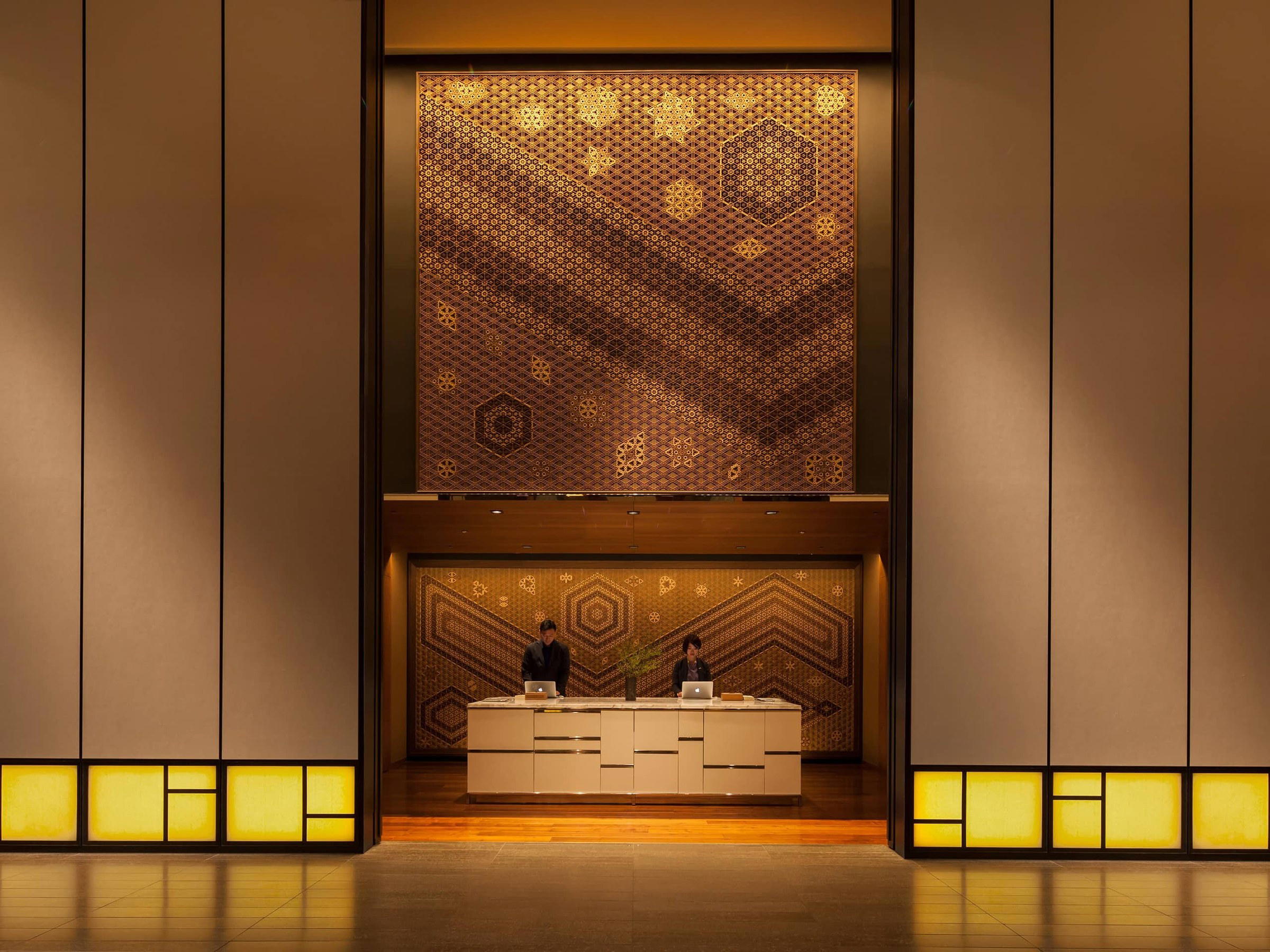
Modern, stylish Chinese restaurant with an open kitchen counter where diners can watch the chef prepare dishes in real-time, creating an engaging and lively atmosphere.