
Tabelog 100 #4
Our verdict
Cantonese cooking here meets the editorial rigour Tokyo's top dining tier demands.

Pearl is the En Primeur Club membership app, where members save venues, book tables and use the concierge.
The menu
What to order
- Kuruma shrimp in mango mayonnaise sauce
Wine dimension in Cantonese fine dining has evolved considerably over the past decade, particularly in Hong Kong and increasingly in cities like Tokyo where sommelier culture is deeply embedded. Cantonese roasted meats, seafood preparations, and braised dishes create a pairing environment distinct from European cuisines, champagne and white Burgundy have become the standard-bearers, but the sommelier's job is substantially more interpretive than in a French room where the cuisine's pairing logic is more prescribed. A room operating at this level rewards a wine programme built on that interpretive flexibility.
The Station Hotel Setting and Its Implications
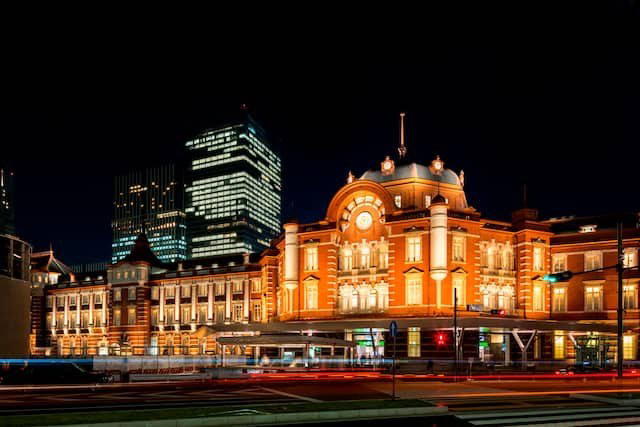
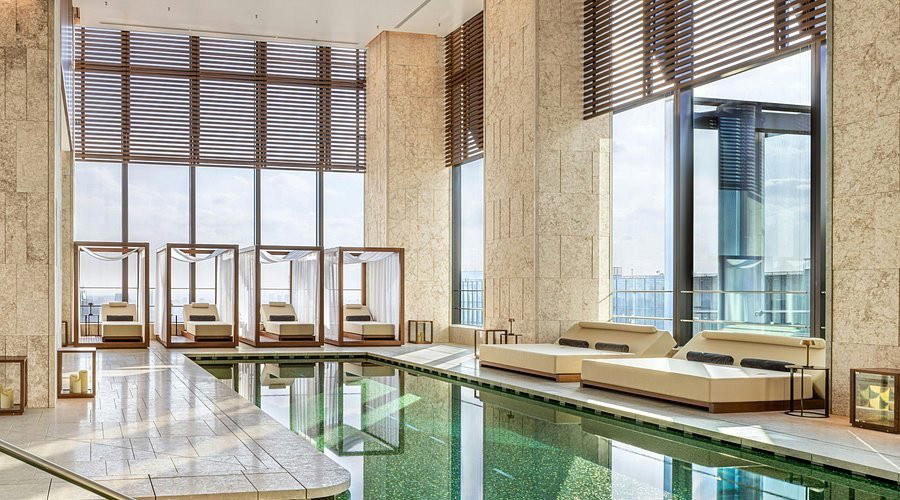
Hotel dining in Tokyo has undergone significant repositioning over the past decade. A basement address within a prestige hotel was historically a shorthand for corporate expense-account dining, safe, predictable, heavily marketed to business travellers. The better hotel-adjacent rooms have since separated themselves from that category by operating with the editorial focus of independent restaurants, even if the infrastructure is hotel-supported. Its food and beverage offer spans multiple formats. A basement Cantonese room within this context has access to the hotel's operational infrastructure, including a receiving and storage capacity that smaller street-level independents cannot match, which matters considerably when sourcing live seafood or dry-aged proteins central to Cantonese technique. For comparison, akordu in Nara and Goh in Fukuoka illustrate how fine dining positioned within or adjacent to anchoring cultural properties can build a specific and loyal diner profile. The relatively small number of rooms making a serious claim in other traditions, Chinese, Indian, Mediterranean, means those that do operate without direct domestic peers to benchmark against. Instead, they are measured by the standards of the tier rather than the category, which creates a higher operational ceiling and, for the diner, a more interesting proposition.
The comparison set for a room like Cantonese en is therefore not other Chinese restaurants in Tokyo. It is the discipline of the kaiseki counter, the precision of the sushi bar, and the wine intelligence of the leading French rooms. That is the same competitive register in which aki nagao in Sapporo and venues like affetto akita in Akita and Aji Arai in Oita operate, single-cuisine rooms in cities where the fine-dining format itself carries meaning regardless of the specific culinary tradition. Internationally, the model has parallels in rooms like Le Bernardin in New York City, where total discipline around a single cuisine creates an authority that transcends the category's typical expectations.
For a broader picture of how Tokyo's dining scene distributes across format and price tier, our full Tokyo restaurants guide maps the field in detail.
Category Peers
Comparable venues nearby, for context on price, style, and recognition.
| Venue | Cuisine | Price | Awards | Notes |
|---|---|---|---|---|
| Cantonese enThis venue (the venue you are viewing) | Modern Cantonese for Beauty and Health | $50–100 | Tabelog 100 #4 | Not listed |
| Mikokoro Mutenka China 935 | Additive‑Free Modern Chinese | $50–100 | Tabelog 100 #58 | Chiyoda |
| Kanda Yunrin | Seasonal Chinese (Shanghai/Sichuan influence) Fine Dining | $100–150 | Tabelog 100 #5 | Chiyoda |
| Shinkirow | Omakase Sichuan Chinese | $50–100 | Tabelog 100 #83 | Itabashi |
| Matsushima | Modern regional Chinese (Yunnan-influenced) | $100–150 | Tabelog 100 #1 | Shibuya |
| Masa's Kitchen 47 | Modern Creative Chinese | Not listed | Tabelog 100 #77 | Shibuya |
Recognition history
Dated appearances from independent guides and award organizations, with the underlying list record or original source where available.
Tabelog 100 #4 · No. 4
Tabelog · Tabelog 100 - Chinese cuisine - TOKYO - 2026
Continue exploring
More in Tokyo
Restaurants in Tokyo
All restaurants in Tokyo →



Details
- Elegant
- Ornate
- Sophisticated
- Business Dinner
- Special Occasion
- Hotel Restaurant
- Sake Program
- A La Carte
- Set Menu
- Vegetarian Friendly
- Vegan Options
Current opening hours
- Monday
- 11:30 AM–3 PM, 5:30–9:30 PM
- Tuesday
- 11:30 AM–3 PM, 5:30–9:30 PM
- Wednesday
- 11:30 AM–3 PM, 5:30–9:30 PM
- Thursday
- 11:30 AM–3 PM, 5:30–9:30 PM
- Friday
- 11:30 AM–3 PM, 5:30–9:30 PM
- Saturday
- 11:30 AM–3 PM, 5:30–9:30 PM
- Sunday
- 11:30 AM–3 PM, 5:30–9:30 PM
Hours can change for holidays and private events. Hours as of .
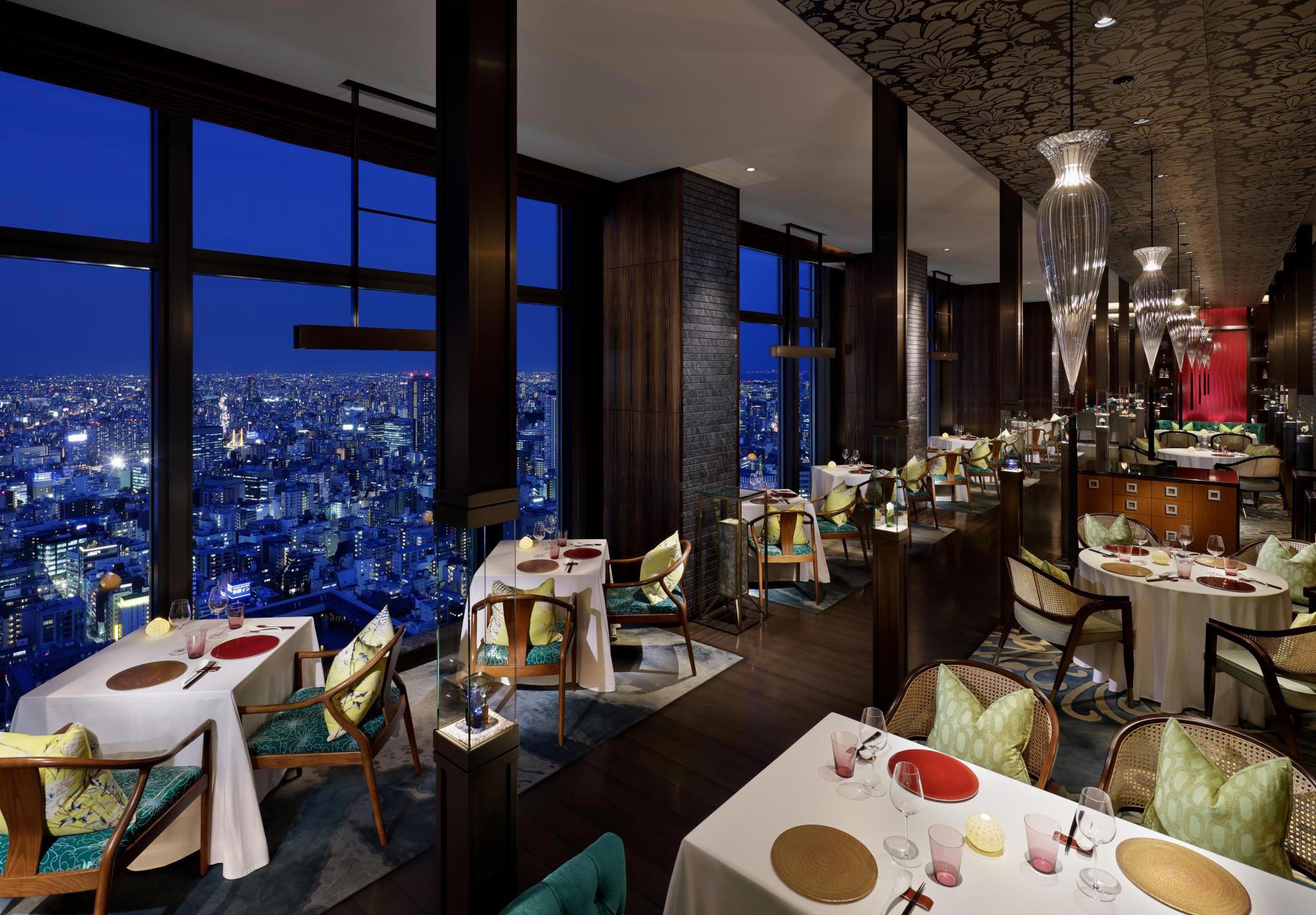
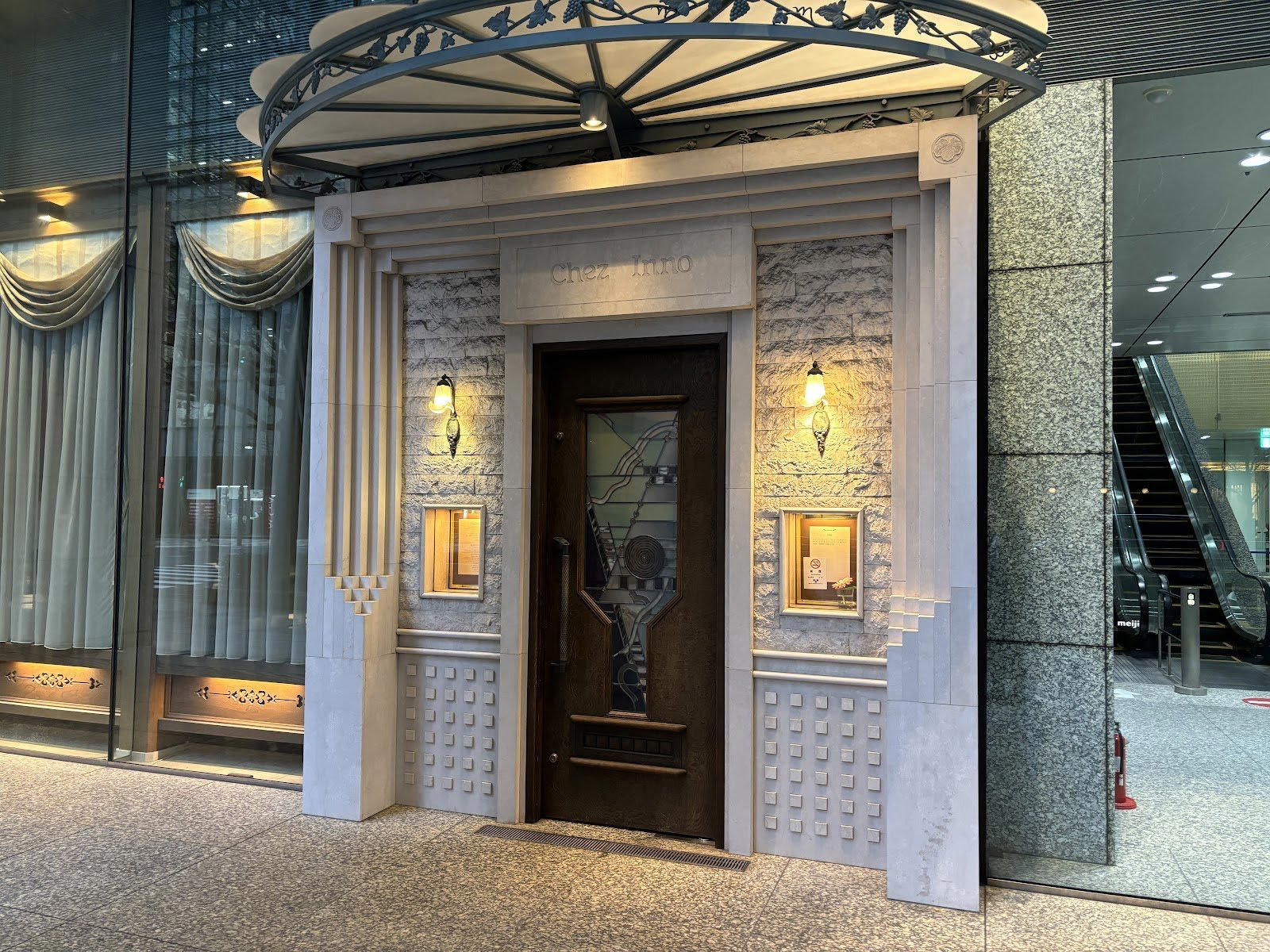
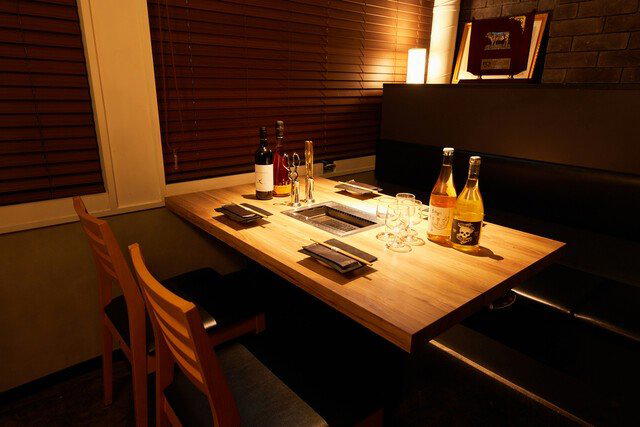
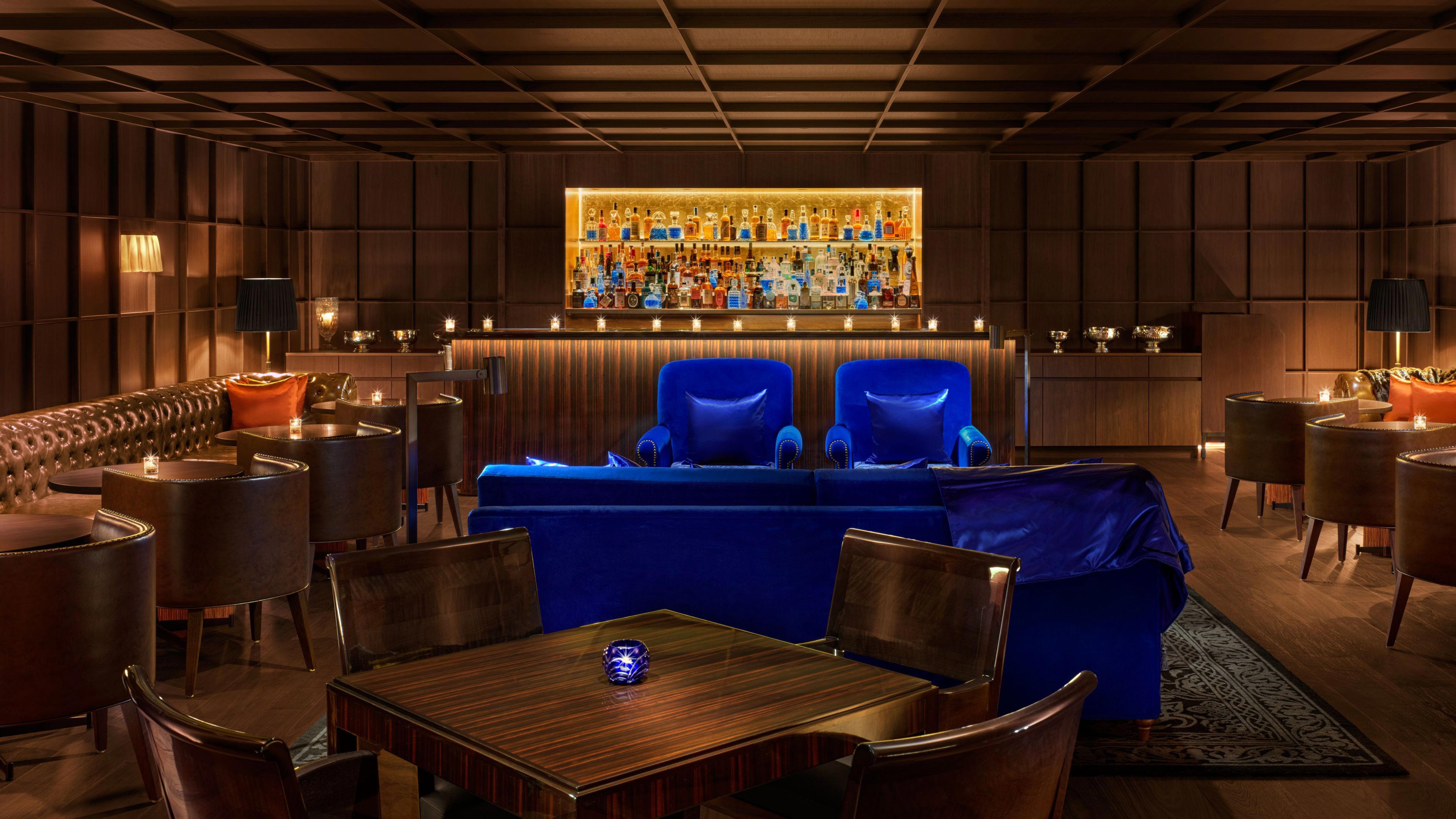
Ornate setting in the basement of Tokyo Station Hotel, described as a quiet and elegant place serving authentic yet health-oriented Cantonese dishes.