
Chinese Sai ARATA places contemporary Chinese cooking inside Tokyo’s compact, high-scrutiny dining culture, with recognition in Tabelog’s Chinese cuisine TOKYO 100 selection for 2024 and 2026. The draw is not spectacle but a small-room format where fish-led Chinese cooking, wine, and Nihonbashi’s adult restaurant rhythm meet in a restrained register.
Pearl is the En Primeur Club membership app — saves, bookings, and concierge access live there. Same editors, same standards.
- Address
- Japan, 〒103-0024 Tokyo, Chuo City, Nihonbashikobunacho, 15−17 1F
- Phone
- +81 3-5962-3041
- Website
- instagram.com
 Saves & bookings on Pearl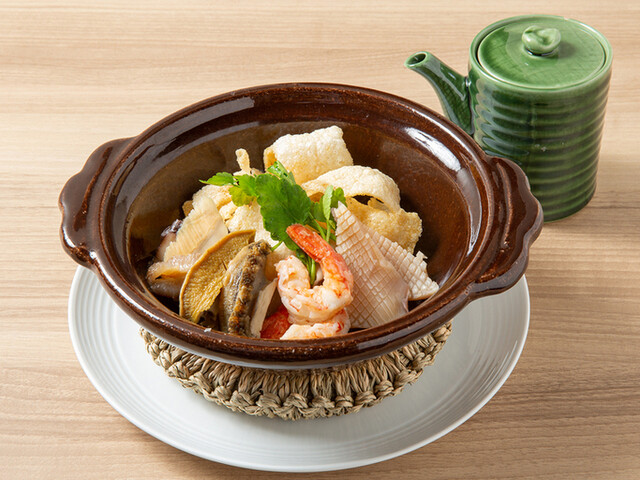
On Ningyocho’s quieter side streets, central Tokyo transit yields to old mercantile Tokyo: narrow frontages, discreet ground-floor rooms, and restaurants visible only once the door opens. Here, Chinese cooking is far from the banquet-hall model many travelers imagine: small room, measured pace, precision over volume.
Tokyo’s serious Chinese dining has moved in two directions over the past decade: hotel dining rooms with formal service and Cantonese luxury codes, and smaller independent kitchens translating Chinese technique through Japanese sourcing, tasting-menu pacing, and a narrower sense of occasion. Chinese Sai ARATA belongs to the latter: compact, adult, and built for diners who understand Chinese cuisine in Tokyo as regional methods filtered through local product and Japanese seasonality.
Its public identity points to fish and wine, away from heavy sauces and celebratory largesse. The category is Chinese, but the question is broader: how Tokyo absorbs an imported cuisine, tightens the format, and makes it answer the city’s appetite for detail. The 2026 Tabelog Chinese cuisine TOKYO 100 selection, after selection in 2024, gives the restaurant a clear place in that conversation without making the meal an awards chase.
Fish-led Chinese cooking in a city that prizes restraint
Chinese cuisine in Japan has never been singular: everyday ramen-counter lineage, grand Cantonese dining, Sichuan spice culture, and chuka ryori, the Japan-adapted Chinese food that entered urban life. The current premium tier asks whether a kitchen can keep Chinese grammar while reducing weight, sharpening product focus, and making the meal feel native to Tokyo rather than imported whole.
The useful distinction is disciplined adaptation, not authenticity versus adaptation. A fish emphasis signals a lighter register and a closer relationship with how Tokyo diners judge high-end cooking: temperature, timing, texture, and seafood handling. Wine deepens that position, moving beyond beer or Shaoxing-style pairing into a format comfortable beside contemporary Japanese, French-influenced, and counter-led dining rooms.
Comparison clarifies the role. Kongst sits in a lower dinner bracket than Chinese Sai ARATA. Yakiniku Akami Nikugatou Ningyouchou honten offers a different Tokyo night built around beef and immediacy. Katsu Yoshi has a more accessible spend and familiar comfort-food register. This is not an all-purpose neighborhood Chinese restaurant; it belongs to the narrower Tokyo category where Chinese technique becomes a serious, reservation-led evening rather than a casual fallback.
For travelers, that distinction matters. Tokyo is dense with single-specialty rooms, from yakitori to curry to sushi counters, but premium Chinese dining is more fragmented and less legible to visitors. A meal here suits those who have covered the obvious categories and want to see how the city handles Chinese form at smaller scale. For planning, Our full Tokyo restaurants guide gives the wider restaurant map, while Our full Tokyo bars guide, Our full Tokyo hotels guide, Our full Tokyo wineries guide, and Our full Tokyo experiences guide place the meal inside a longer Tokyo itinerary.
Ningyocho gives the meal its adult tempo
Ningyocho is not a neutral backdrop. Its workday rhythm, older commercial texture, and restaurant culture reward understatement. Without Ginza’s glamour or Shinjuku’s neon shorthand, a small Chinese room feels less like a street-announced destination and more like Chuo’s eating pattern: offices, regulars, compact counters, and restaurants built for repeat use rather than theatrical discovery.
The scale reinforces that. Sixteen seats puts the restaurant closer to Tokyo’s intimate specialist rooms than to a large Chinese dining room. Capacity changes the kitchen-guest contract: dishes can be paced with control, wine service can matter, and the meal becomes sequence rather than abundance. In a city where smallness often signals seriousness, seat count is part of the format.
The Tabelog score of 3.69 also needs context. On that platform, ratings above the mid-threes in competitive Tokyo categories usually indicate sustained local attention rather than tourist noise. The stronger signal is repeat inclusion in the Chinese cuisine TOKYO 100 list. Tabelog’s Hyakumeiten selections are not Michelin stars and should not be read as such; they are useful Japanese-market indicators of category recognition, especially where international guide coverage is uneven.
City’s range becomes clearer beside other Tokyo listings: 鮪と炭火焼き うお炭 秋葉原店 through tuna and charcoal, 12/10 Shinjuku ten through the Shinjuku dining orbit, 124. KAGURAZAKA (Yakitori) through skewers and Kagurazaka’s polished backstreets, 2D Cafe through visual café culture, and 3 Chome no Curry Ya San through curry-house specificity. Chinese Sai ARATA occupies its own lane: Chinese technique, seafood focus, wine, and a small dining room in old east-central Tokyo.
Who should choose this table
This is a strong fit for diners who prefer compact, controlled restaurants over grand rooms, and for travelers using Tokyo to study how culinary traditions mutate under local pressure. The appeal is cultural as much as gastronomic: Chinese cooking interpreted through a Tokyo lens, in a neighborhood where restraint carries more currency than display.
It is less suited to diners seeking a broad, casual Chinese menu or large-group banquet mood. Private rooms are not part of the format, and the small capacity favors couples, solo diners, and small parties. The stated smart-casual code also places it in the adult-evening category rather than the city’s spontaneous street-food end.
For Japan-wide context beyond Tokyo, contrasts with other listings are instructive. -Grilled beef Sukiyaki- KAMAKURA TANUKIAN 鎌倉 たぬき庵 in Kamakura points to beef sukiyaki tradition,.cafe in Osaka to café culture,.know in Kumamoto to regional dining identity, (Shoku) Vietnam in Kawasaki to Vietnamese cooking in the Tokyo orbit, [Curry Senmon Ten] Maruyama Kyoju. in Sapporo to specialist curry, and [ki:] in Kyoto to Kyoto’s quieter dining cadence. Beyond Japan, Jōdo Saké Bar in Los Angeles and Onigiri Time in Pasadena show Japanese dining ideas traveling the opposite way.
The editorial case is simple: choose this restaurant not merely to eat Chinese food in Tokyo, but to understand one small, serious expression of how Tokyo edits Chinese cuisine for its own dining culture. Awards recognition supplies the trust signal; neighborhood and scale supply the real reason to pay attention.
Booking and Cost Snapshot
Comparable venues to anchor price and recognition.
| Venue | Cuisine | Price | Awards | Notes |
|---|---|---|---|---|
| Chinese Sai ARATAThis venue — the venue you are viewing | $$$ | , | ||
| Sichuan Ryori Kae | $$$ | , | Toshima, Sichuan Hot Pot and Chinese Cuisine | |
| Chinese Shindai | $$$ | , | Shibuya, Innovative Chinese Chef’s Counter | |
| Akasaka Sichuan Restaurant | Chiyoda, Authentic Sichuan Chinese | $$$ | ||
| Sifon Choi Yoshida | Minato, Traditional Cantonese à la carte | $$$ | , | |
| Asia Kappou Rengetsu | $$ | , | Minato, Gyoza-focused Japanese-Chinese dumpling house |







At a Glance
- Modern
- Elegant
- Intimate
- Sophisticated
- Date Night
- Business Dinner
- Special Occasion
- After Work
- Open Kitchen
- Standalone
- Design Destination
- Extensive Wine List
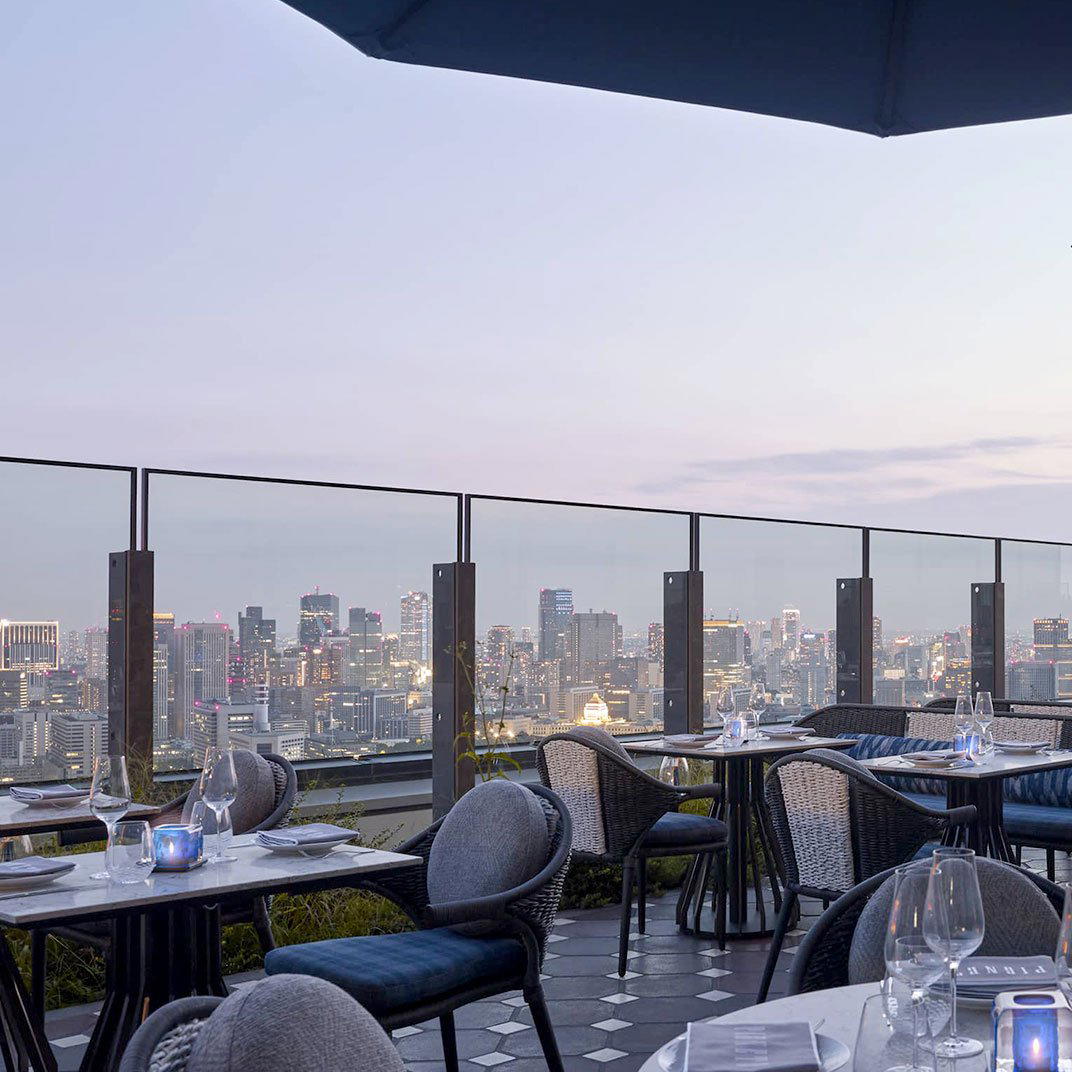
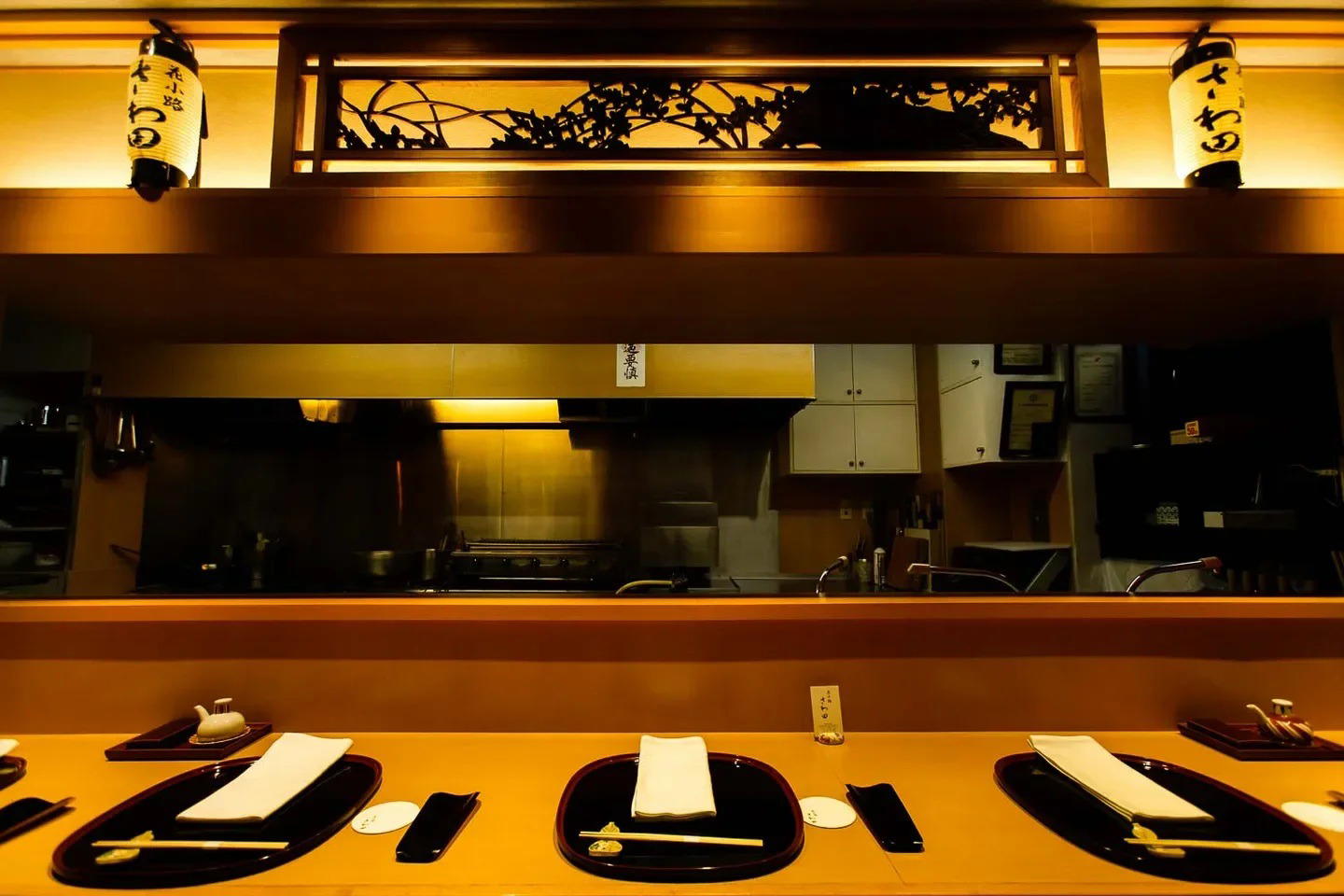
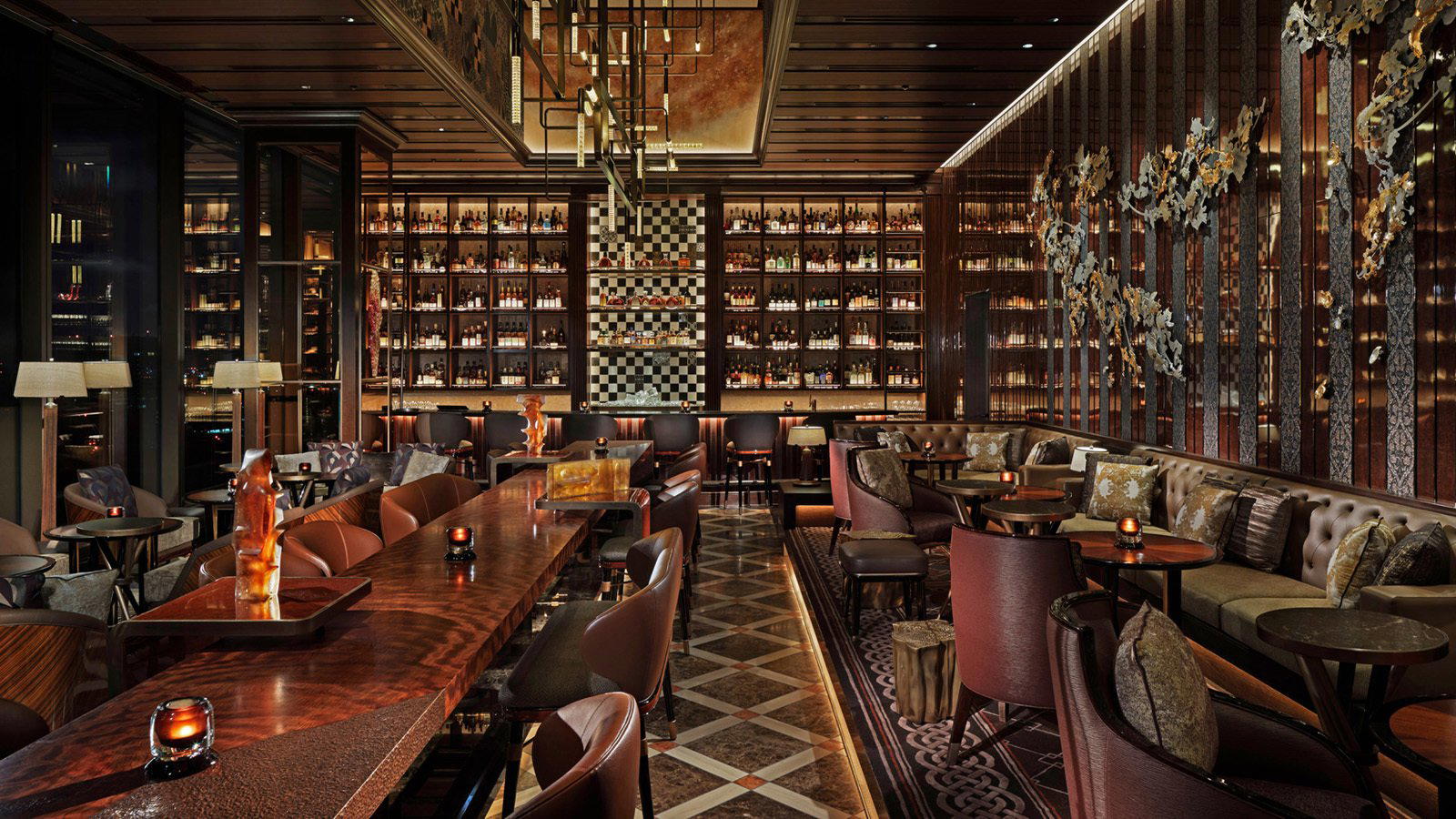
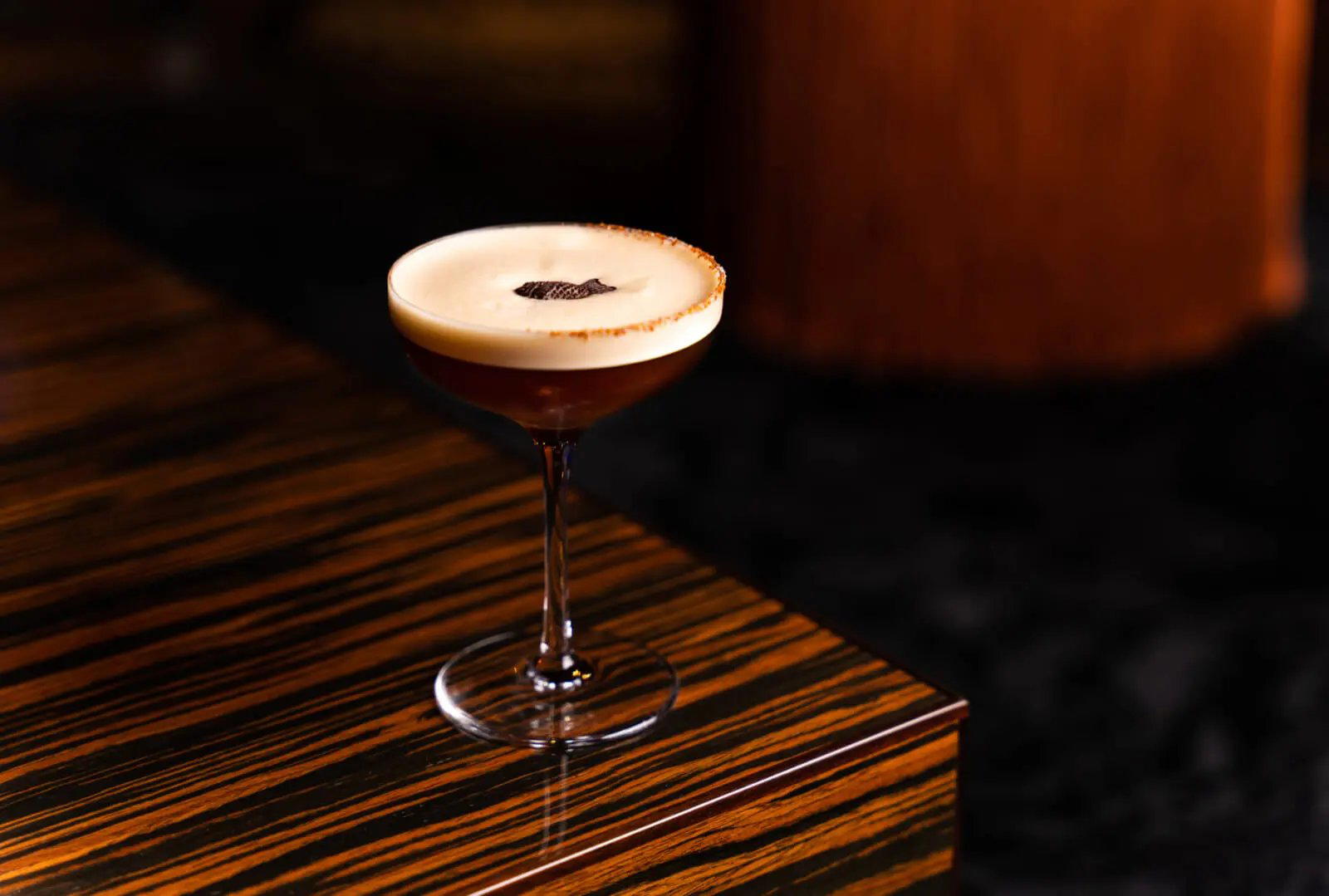
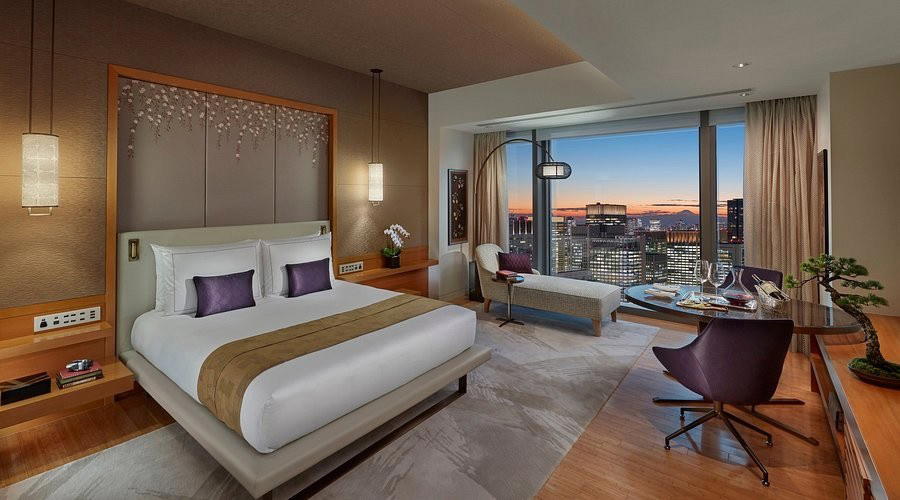
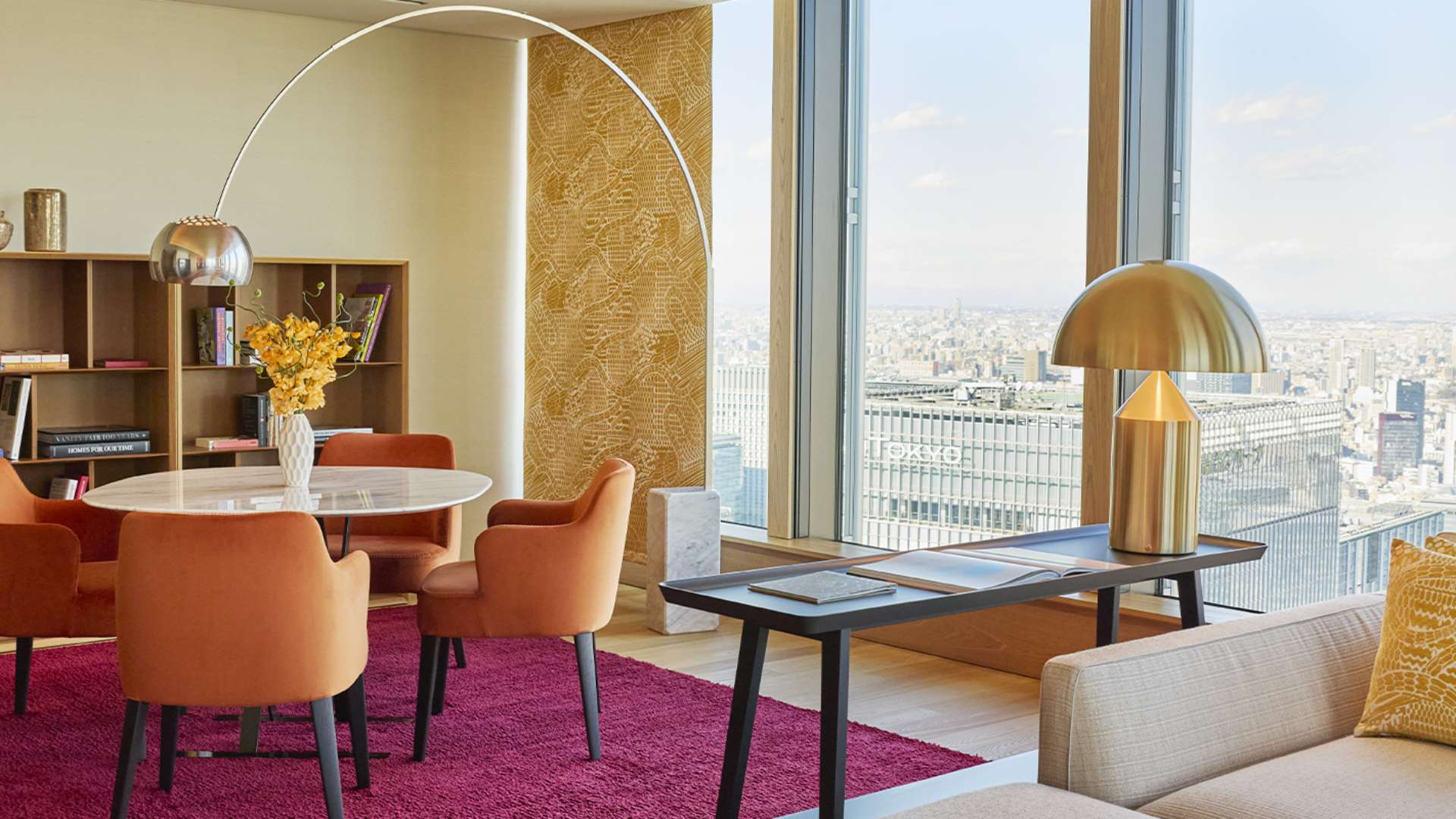
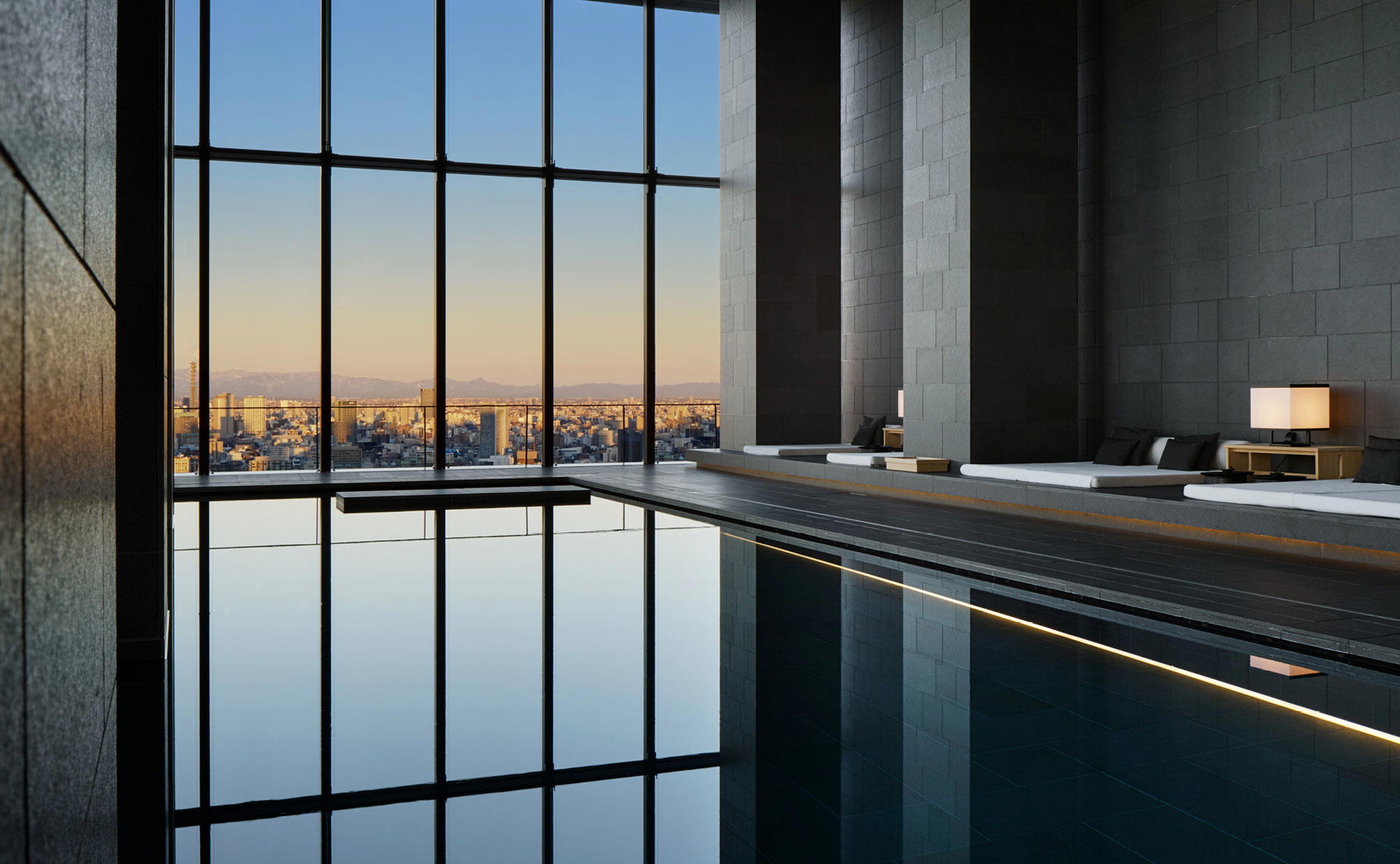
Reviews describe a modern, elegant interior with a calm, adult-oriented atmosphere and the energy of a live kitchen rather than a noisy crowd, suited to relaxed conversation over course-style Chinese dining.[1][4][5]