
Matsushima places Tokyo Chinese cooking in a small-room, reputation-led register rather than the banquet format many visitors expect. Its selection for Tabelog Chinese TOKYO “Tabelog 100” 2026 and earlier 2023 recognition put it in the city’s critical conversation, while the Yoyogi-Uehara setting keeps the experience closer to a neighbourhood dining room than a hotel dining salon.
Pearl is the En Primeur Club membership app — saves, bookings, and concierge access live there. Same editors, same standards.
- Address
- Japan, 〒151-0064 Tokyo, Shibuya, Uehara, 1 Chome−35−6 第16菊地ビル B1階
- Phone
- +81 3-6416-8059
- Website
- tabelog.com
 Saves & bookings on Pearl
Yoyogi-Uehara changes the temperature of a meal before the first course arrives. The neighbourhood sits west of the central hotel circuit, with a quieter rhythm than Ginza or Roppongi and a dining culture built around small rooms, repeat guests, and restaurants that do not need street-level theatre to make their case. In that context, Matsushima reads as part of Tokyo’s compact, reputation-led Chinese scene: serious enough to earn repeat Tabelog Chinese TOKYO “Tabelog 100” selection in 2023 and 2026, but scaled for close attention rather than banquet-hall breadth.
Chinese cooking in Tokyo has long split between formal hotel Cantonese, Sichuan specialist rooms, and smaller independent restaurants that translate regional technique through Japanese seasonality and portioning. The last category is where critical interest has sharpened. It rewards precision over spectacle and makes service format, pacing, and ingredient discipline matter as much as luxury cues. Matsushima’s recognition by Tabelog in the Chinese cuisine category places it inside that conversation, not as a generic neighbourhood Chinese restaurant, but as one of the city’s small-format rooms that reviewers and regular diners have kept in view.
Tokyo Chinese cooking, scaled down to a serious small room
The room size matters because it changes the contract. With 11 seats split between counter and tables, the meal belongs to the intimate end of Tokyo dining, closer in feel to a compact kappo or counter-led modern restaurant than a large Chinese dining room. That scale suits a city where high-end Chinese cooking often competes not only with other Chinese restaurants, but with sushi counters, yakitori rooms, and French-Japanese tasting menus for the same diners’ attention.
Yoyogi-Uehara adds a useful layer to the comparison. Nearby, sio represents the area’s contemporary French conversation, Kiwa sits in a higher-spend bracket, and Il Pregio brings Italian into the same west-side dining orbit. Matsushima gives the neighbourhood a different register: Chinese cuisine with enough critical traction to appear on a citywide Tabelog list, but without moving into the hotel-restaurant grammar that often defines luxury Chinese dining in Tokyo.
The Tabelog “100” signal should be read carefully. It is not a Michelin star, and it is not a global ranking. In Japan, however, Tabelog’s genre-specific lists carry weight because they reflect a dense local reviewing culture and separate restaurants by category and geography. A repeat appearance in 2023 and 2026 indicates sustained attention within Tokyo’s Chinese field, which is more useful for a traveller than a vague reputation claim. It says the restaurant belongs in a planned dining itinerary rather than a casual last-minute search.
Why the recognition matters more than the address
Tokyo rewards specialists. The city’s stronger dining rooms often work by narrowing the frame: a counter, a cuisine, a set rhythm, a chef-led kitchen, a limited number of seats. Chinese restaurants can be harder for visitors to parse because the category covers everything from gyoza counters to luxury Cantonese dining. Awards and list inclusion help separate serious independent cooking from convenience dining, especially in neighbourhoods where signage and online presence may be restrained.
Matsushima’s position is also a useful corrective to the idea that Tokyo’s destination meals cluster only around Ginza, Nihonbashi, Akasaka, and the luxury-hotel corridors. Yoyogi-Uehara has its own dining logic: residential, affluent, and selective, with restaurants that rely on people making a deliberate trip rather than foot traffic. That makes the meal feel less like a trophy reservation and more like participation in a local circuit of small, well-followed rooms.
For travellers building a Tokyo dining week, the restaurant works well as a counterpoint. Pair sushi, tempura, or yakitori with one serious Chinese meal and the city’s range becomes clearer. The broader EP Club Tokyo restaurant edit includes everything from . 鮪と炭火焼き うお炭 秋葉原店 and 12/10 Shinjuku ten to 124. KAGURAZAKA (Yakitori), 2D Cafe, and 3 Chome no Curry Ya San. Read beside those, Matsushima helps show how Tokyo’s dining strength lies in category depth rather than a single prestige style.
How to place it in a Tokyo itinerary
The sharper move is to treat this as a planned evening in west Tokyo, not an add-on after sightseeing. Yoyogi-Uehara sits outside the densest visitor dining grid, so the appeal is the shift in pace: smaller streets, less hotel traffic, and a room whose reputation comes through category recognition rather than broad international branding. For diners comparing formats, that distinction matters. A large Cantonese room may offer ceremony; a small independent Chinese restaurant in Tokyo often offers focus.
The practical read is simple: this is a compact restaurant with limited seating, no private rooms, non-smoking status, and credit-card acceptance for major cards. Reservations are available, and parties of two or more require them. Private use is listed for groups up to 20, which is notable given the small normal seating count. Parking is unavailable, so the meal fits better with rail or taxi planning than with a driving itinerary.
Tokyo planning should stay category-aware. Use Our full Tokyo restaurants guide to map dinner priorities, then cross-check the city through Our full Tokyo hotels guide, Our full Tokyo bars guide, Our full Tokyo wineries guide, and Our full Tokyo experiences guide. For a wider Japan-and-beyond comparison, the same restaurant lens can stretch to -Grilled beef Sukiyaki- KAMAKURA TANUKIAN 鎌倉 たぬき庵 in Kamakura,.cafe in Osaka,.know in Kumamoto, (Shoku) Vietnam in Kawasaki, [Curry Senmon Ten] Maruyama Kyoju. in Sapporo, [ki:] in Kyoto, Jōdo Saké Bar in Los Angeles, and Onigiri Time in Pasadena.
The editorial case is reputation with restraint. Matsushima is not trying to solve every version of Chinese dining in Tokyo. Its appeal is narrower and more useful: a small Yoyogi-Uehara room, recognised within Tabelog’s Tokyo Chinese category, suited to diners who want the city’s serious independent Chinese register without defaulting to the hotel circuit.
Just the Basics
Comparable venues at similar price and category levels.
| Venue | Price | Notes |
|---|---|---|
| MatsushimaThis venue — the venue you are viewing | $$$ | |
| Kapo Choryumon | $$$ | Chūō, Modern Cantonese & Dim Sum in Ginza Six |
| Mikokoro Mutenka China 935 | $$$ | Chiyoda, Additive‑Free Modern Chinese |
| Chinese Hanten Mita ten | $$$ | Minato, Classic Chinese restaurant known for Peking duck |
| Chinese Sai ARATA | $$$ | Chūō, Modern Sichuan Chinese with Japanese wine pairings |
| Chinese Shindai | $$$ | Shibuya, Innovative Chinese Chef’s Counter |










At a Glance
- Cozy
- Hidden Gem
- Modern
- Intimate
- Elegant
- Date Night
- Special Occasion
- Business Dinner
- Group Dining
- After Work
- Chefs Counter
- Standalone
- Design Destination
- Extensive Wine List
- Byob
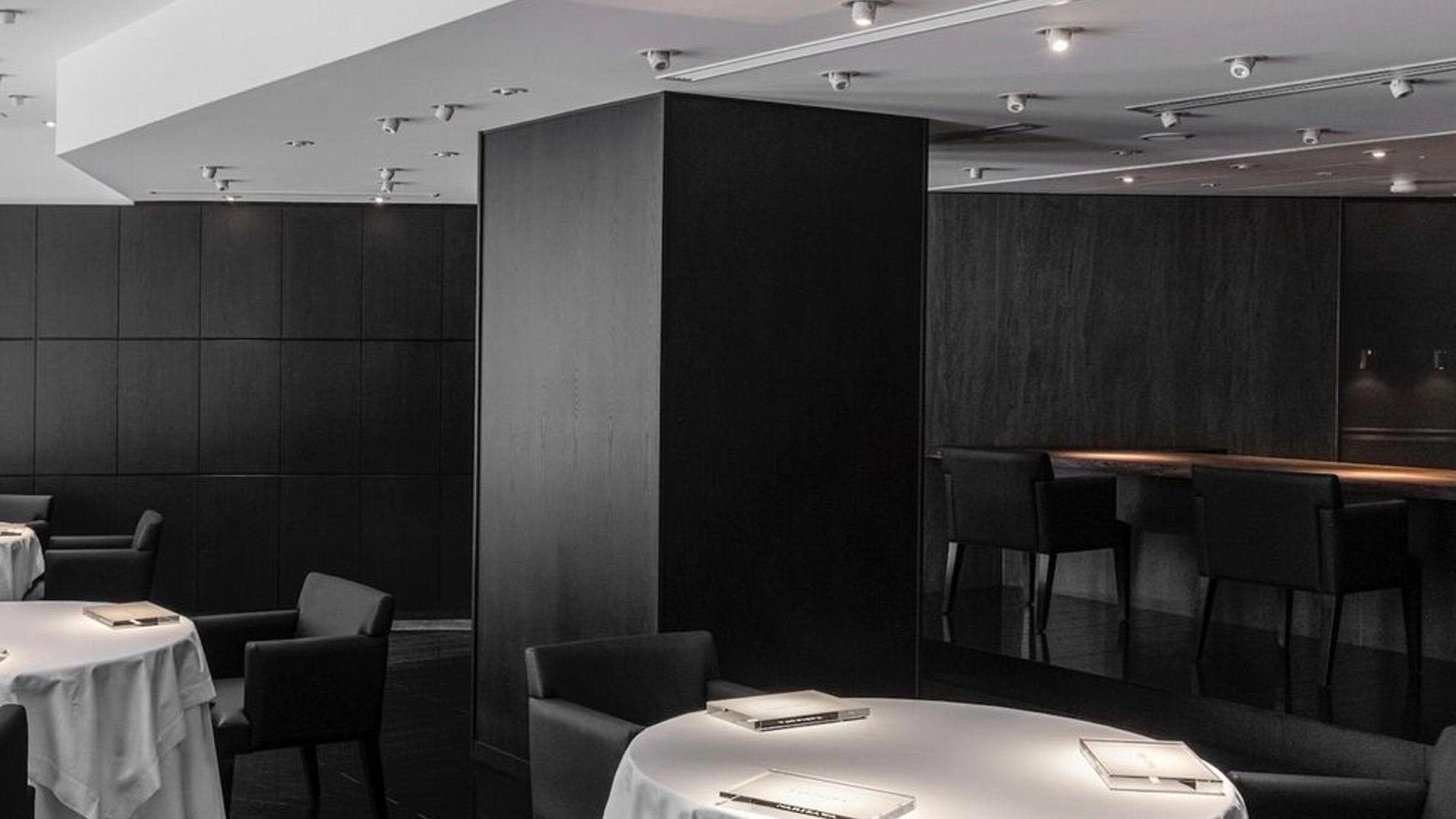
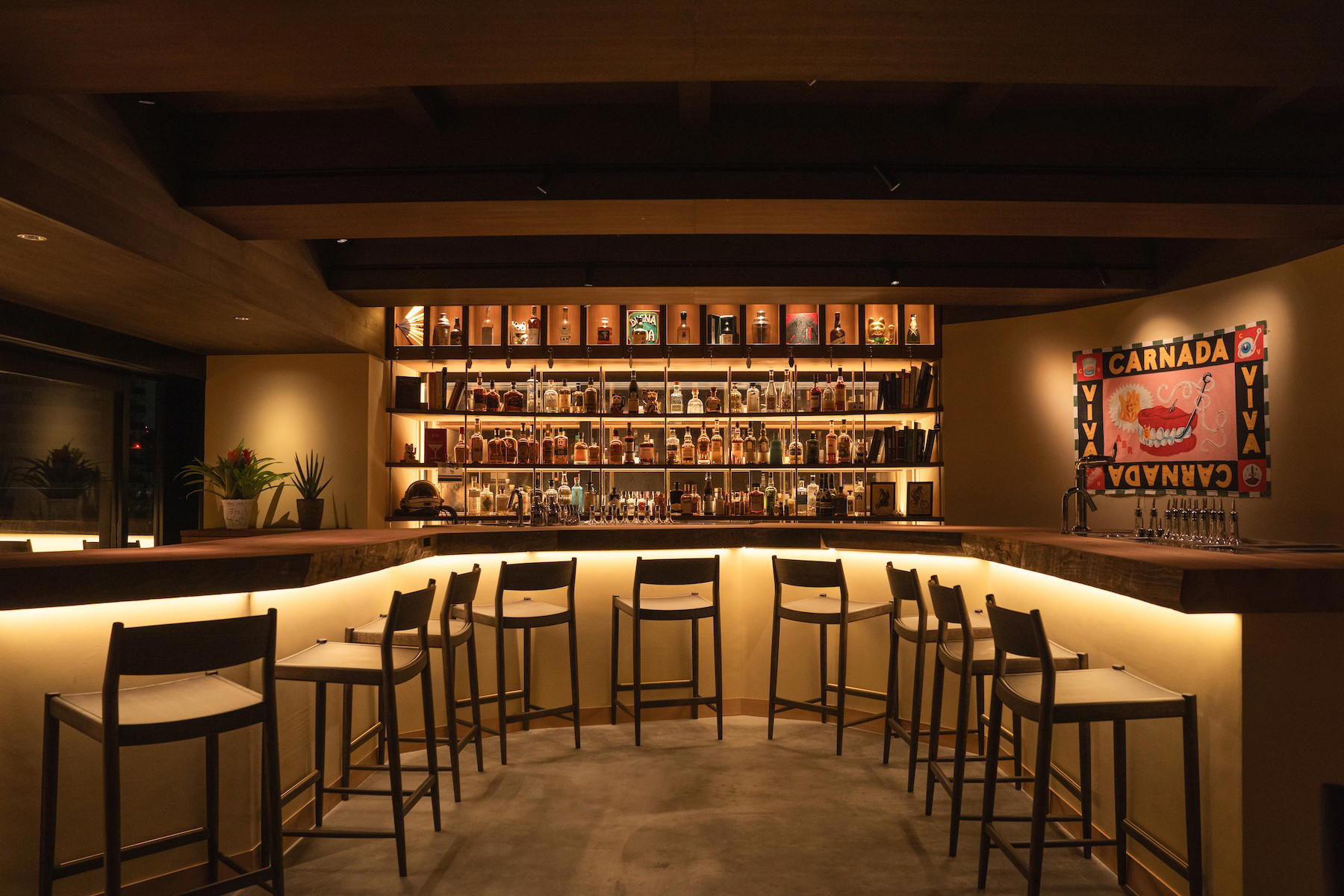
A small, stylish basement hideout with a relaxed, intimate feel, counter and table seating, and a calm non‑smoking atmosphere suited to leisurely dinners and wine.