
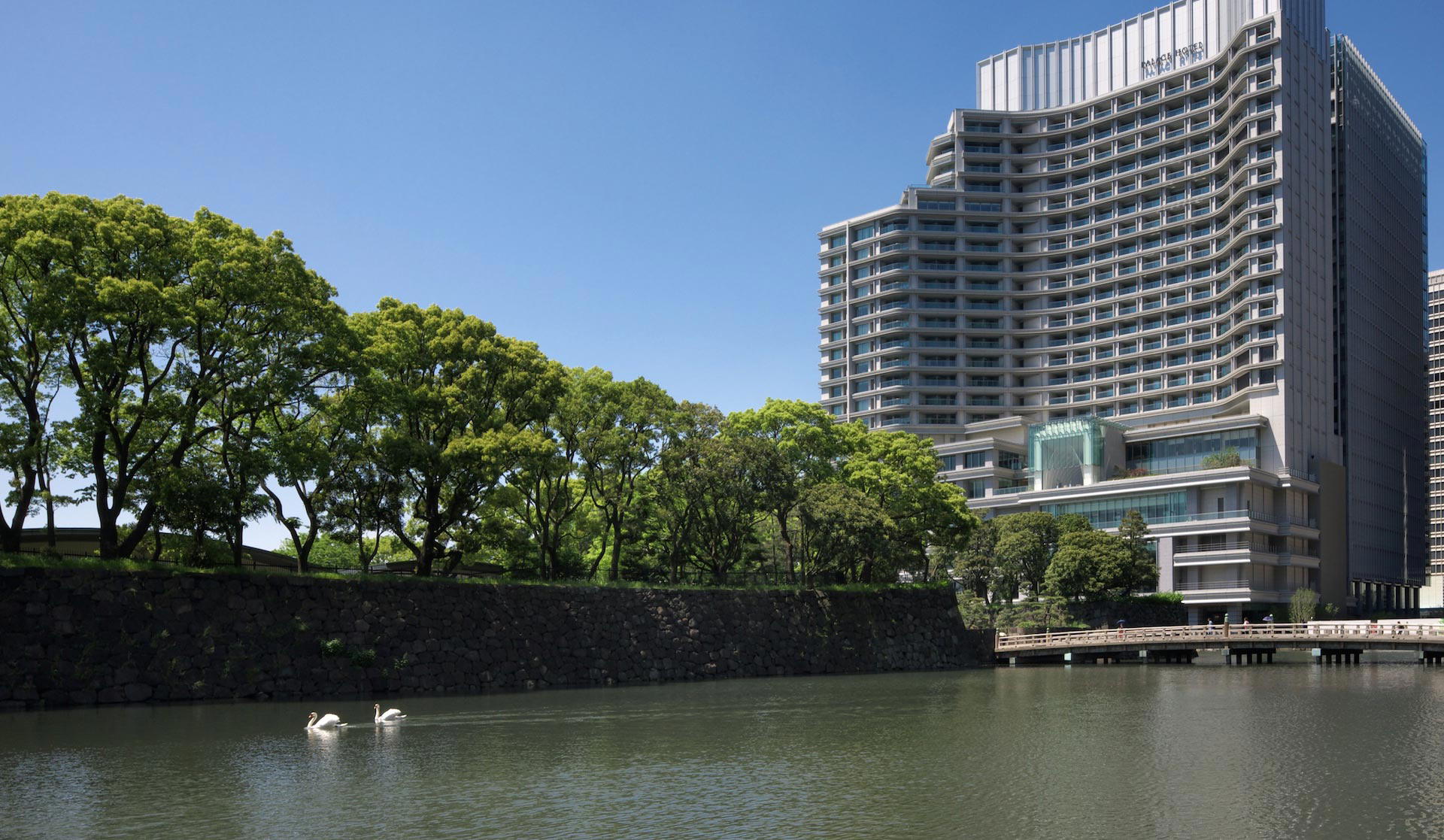
Kohakukyu occupies the Marunouchi district of central Tokyo, placing it inside one of the city's most concentrated corridors of serious dining. The venue's address, within the Palace Hotel Tokyo complex, situates it among a comparable set defined by precision, formality, and a strong sense of culinary tradition. Confirmed logistical details are limited; direct contact is advised before visiting.
Pearl is the En Primeur Club membership app — saves, bookings, and concierge access live there. Same editors, same standards.
- Address
- Japan, 〒100-0005 Tokyo, Chiyoda City, Marunouchi, 1 Chome−1−1 パレスホテル東京 5階
- Phone
- +81352217788
- Website
- chuugokuhanten.com
 Saves & bookings on Pearl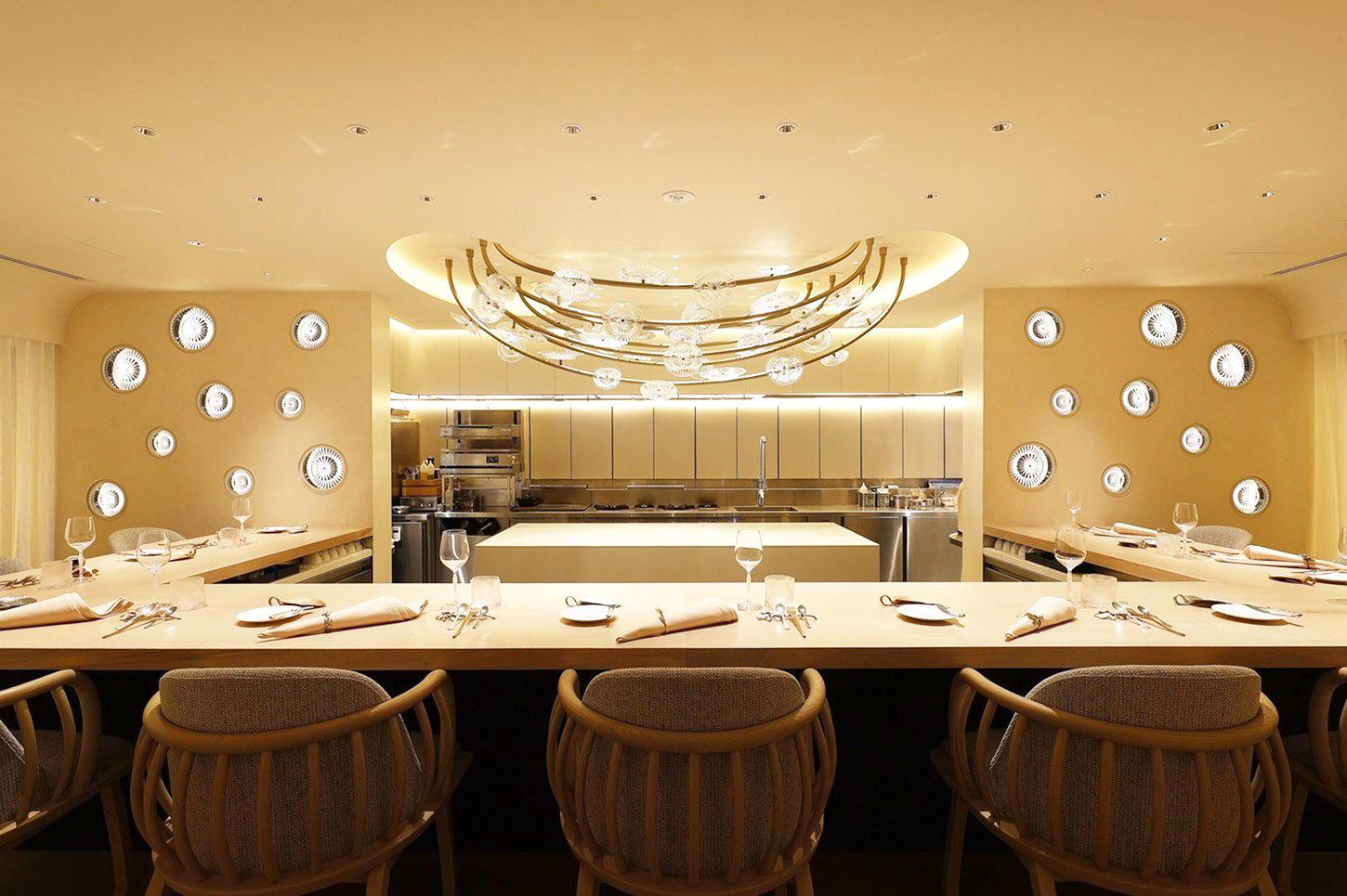
Marunouchi and the Architecture of Tokyo Fine Dining
The stretch of Marunouchi between Tokyo Station and the Imperial Palace represents something specific in Japan's dining hierarchy: a district where the business of serious eating and the business of serious commerce have been conducted side by side for decades. Restaurants here do not rely on neighbourhood foot traffic or late-night walk-ins. Their clientele arrives with a reservation, often made weeks in advance, and the experience is calibrated accordingly. Kohakukyu is a Cantonese and Shanghainese fine dining restaurant in Tokyo's Marunouchi district, priced at about $150 per person.
That address matters more than it might in other cities. Tokyo's dining geography is unusually legible: the postcode and building tell you something about the expected price register, the likely formality, and the competitive comparable set before a single dish arrives. Marunouchi's premium corridors tend to attract restaurants that compete on precision and restraint rather than on spectacle or novelty. The neighbourhood's character rewards patience and attention rather than provocation.
The Cultural Weight of Japanese Dining Formality
Understanding a restaurant in this part of Tokyo requires a brief account of what formality means in Japanese culinary tradition, because it operates differently from its European counterpart. French or Nordic fine dining formality is largely theatrical: the choreography of service, the architecture of the room, the visual grammar of the plate. Japanese dining formality at the upper register is about something closer to philosophical precision. The quality of a single ingredient at its seasonal peak, the temperature at which a dish is presented, the silence that frames a transition between courses: these are the signals that indicate seriousness.
This tradition has deep roots. Japan's kaiseki format, which originated in the tea ceremony culture of Kyoto, codified the relationship between season, ingredient, and presentation into something approaching a moral framework. A restaurant in the kaiseki or Japanese fine dining tradition is not simply executing recipes; it is participating in a centuries-old conversation about what food should communicate. Venues like RyuGin in Roppongi or Gion Sasaki in Kyoto represent different inflections of that tradition: one more technically experimental, the other more deeply rooted in Kyoto orthodoxy.
Marunouchi in Practice: What the Address Implies
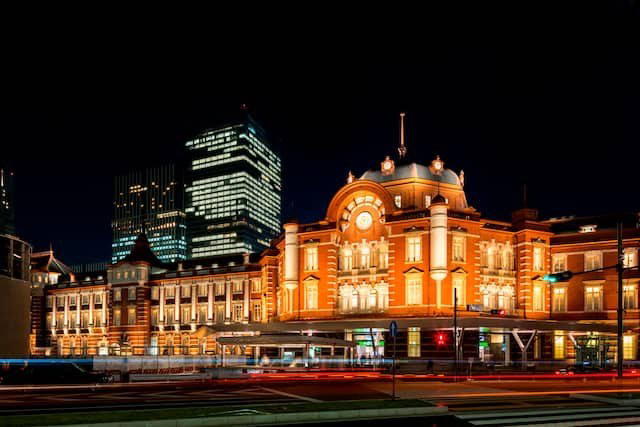
The Marunouchi 1-chome address, within the Palace Hotel Tokyo complex, carries a specific set of implications for the first-time visitor. Hotel-adjacent dining in Tokyo at this level tends to command a formal booking process, business-appropriate dress expectations, and a price register that competes with the city's independently operated fine dining. This is not Shibuya casual or Shimokitazawa experimental: this is Tokyo at its most composed.
How Kohakukyu Sits Among Its Peers
| Venue | Cuisine | Price Tier | District |
|---|---|---|---|
| Kohakukyu | Cantonese and Shanghainese Fine Dining | ¥¥¥ | Marunouchi |
| Harutaka | Sushi | ¥¥¥¥ | Ginza |
| RyuGin | Kaiseki | ¥¥¥¥ | Roppongi |
| L'Effervescence | French | ¥¥¥¥ | Nishi-Azabu |
| Sézanne | French | ¥¥¥¥ | Marunouchi |
| Crony | Innovative French | ¥¥¥¥ | Omotesando |
Planning a Visit: What You Need to Know
Kohakukyu is open Monday to Sunday from 11:30 AM to 3:30 PM and 5:30 PM to 10 PM. Reservations are recommended. Marunouchi hotel dining at this level routinely operates with advance reservation requirements; walk-in availability is not something to assume.
Kohakukyu serves lunch and dinner throughout the week, so advance planning is still wise during peak travel periods.
Visitors building a Japan itinerary around serious eating should note that the country's broader restaurant infrastructure is strong well beyond Tokyo. HAJIME in Osaka, akordu in Nara, and Goh in Fukuoka each represent the kind of serious regional dining that makes Japan's culinary geography unusually rewarding to move through deliberately rather than concentrating entirely on the capital. For a global reference point on French-influenced fine dining at this level, Le Bernardin in New York City and Atomix in New York City offer useful comparison on what contemporary tasting-menu formats at the summit of their category look like in a different city context.
Price Lens
Comparable venues nearby, for context on price, style, and recognition.
| Venue | Cuisine | Price | Notes |
|---|---|---|---|
| KohakukyuThis venue — the venue you are viewing | Not listed | $$$ | Not listed |
| Chinese Raika Shikunshiso | Not listed | $$$ | Chiyoda, Seasonal Nouvelle Chinese with Shanghai crab and shark fin specialties |
| Matsushima | Not listed | $$$ | Shibuya, Modern regional Chinese (Yunnan-influenced) |
| jiubar | Shinjuku, Modern Chinese Bistro & Bar | $$$ | Not listed |
| Chinese Shindai | Not listed | $$$ | Shibuya, Innovative Chinese Chef’s Counter |
| Chuka Kosai JASMINE Hiroo honten | Not listed | $$$ | Shibuya, Chinese Dim Sum & Cantonese-leaning Chinese |
Recognition history
Dated appearances from independent guides and award organizations, with the underlying list record or original source where available.
Opinionated About Dining Top Restaurants in Japan Recommended
Opinionated About Dining





At a Glance
- Elegant
- Sophisticated
- Classic
- Business Dinner
- Special Occasion
- Group Dining
- Hotel Restaurant
- Private Dining
- Sake Program
- Garden
Current opening hours
- Monday
- 11:30 AM–3:30 PM, 5:30–10 PM
- Tuesday
- 11:30 AM–3:30 PM, 5:30–10 PM
- Wednesday
- 11:30 AM–3:30 PM, 5:30–10 PM
- Thursday
- 11:30 AM–3:30 PM, 5:30–10 PM
- Friday
- 11:30 AM–3:30 PM, 5:30–10 PM
- Saturday
- 11:30 AM–3:30 PM, 5:30–10 PM
- Sunday
- 11:30 AM–3:30 PM, 5:30–10 PM
Hours can change for holidays and private events. Last verified .
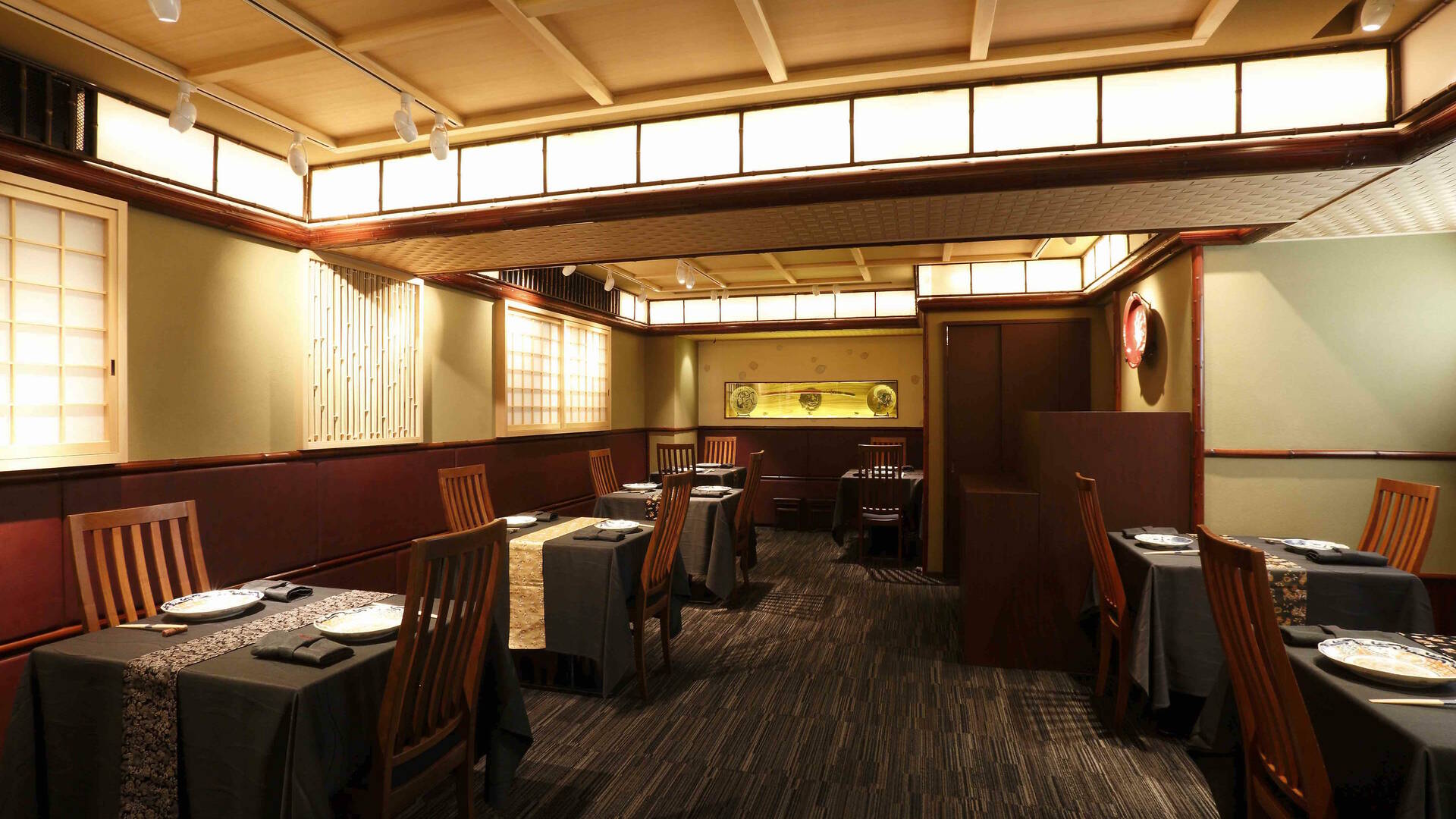
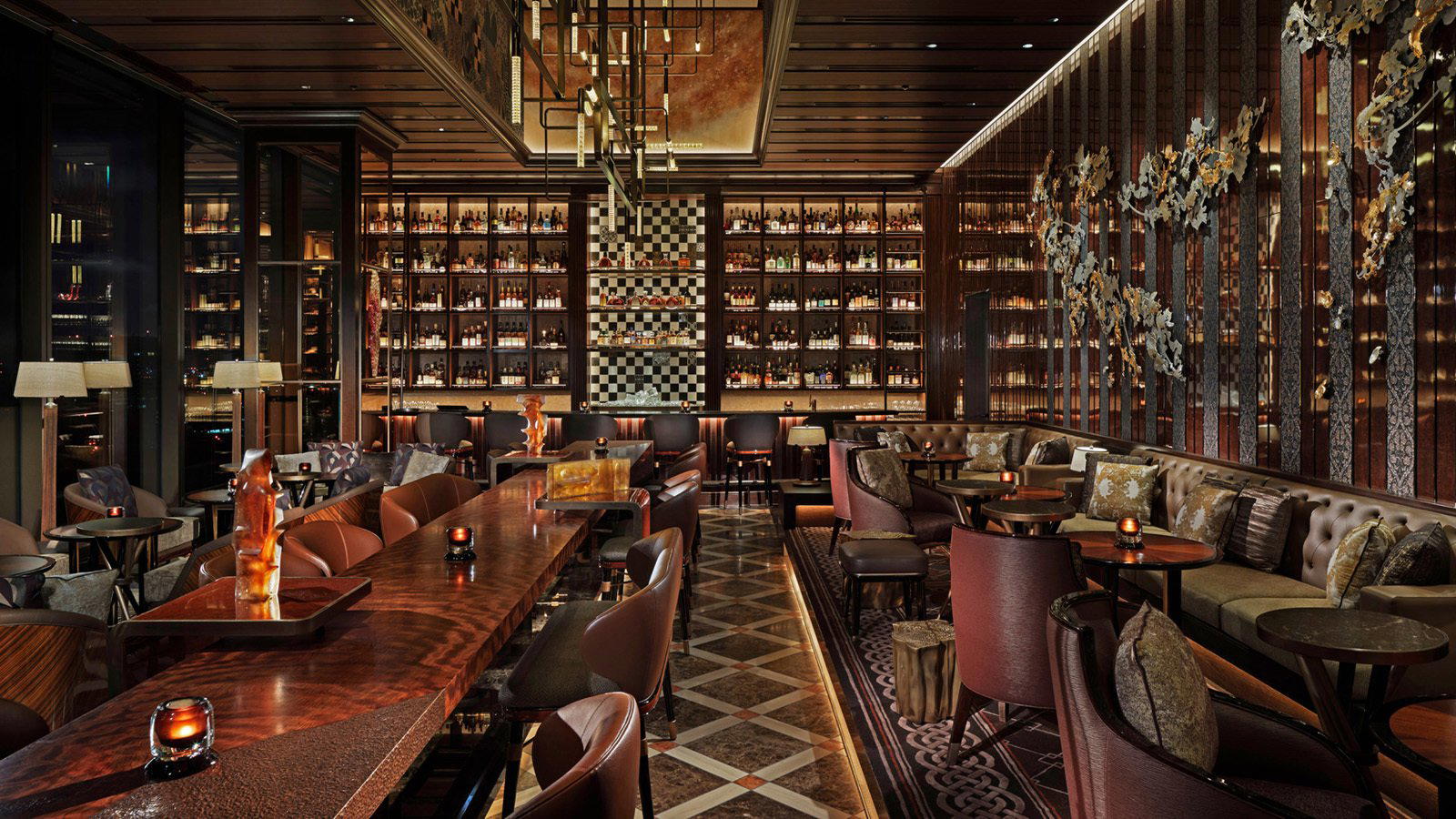
Modern elegant space blending traditional Chinese decorations like antique wood paneling and amber color scheme with a refined, Old World China atmosphere.