
Chinese Hanten Ichigaya ten sits in Tokyo’s serious Chinese dining tier, where Shanghai cooking, private-room service, and multi-course pacing matter more than spectacle. Its selection for Tabelog 100 Chinese cuisine Tokyo 2026 and repeat recognition in 2023 and 2024 place it in a competitive field that rewards consistency, range, and formal hospitality.
Pearl is the En Primeur Club membership app — saves, bookings, and concierge access live there. Same editors, same standards.
- Address
- Japan, 〒102-0073 Tokyo, Chiyoda City, Kudankita, 4 Chome−1−7 九段センタービル B1F
- Phone
- +81 3-3288-3088
- Website
- chuugokuhanten.com
 Saves & bookings on Pearl
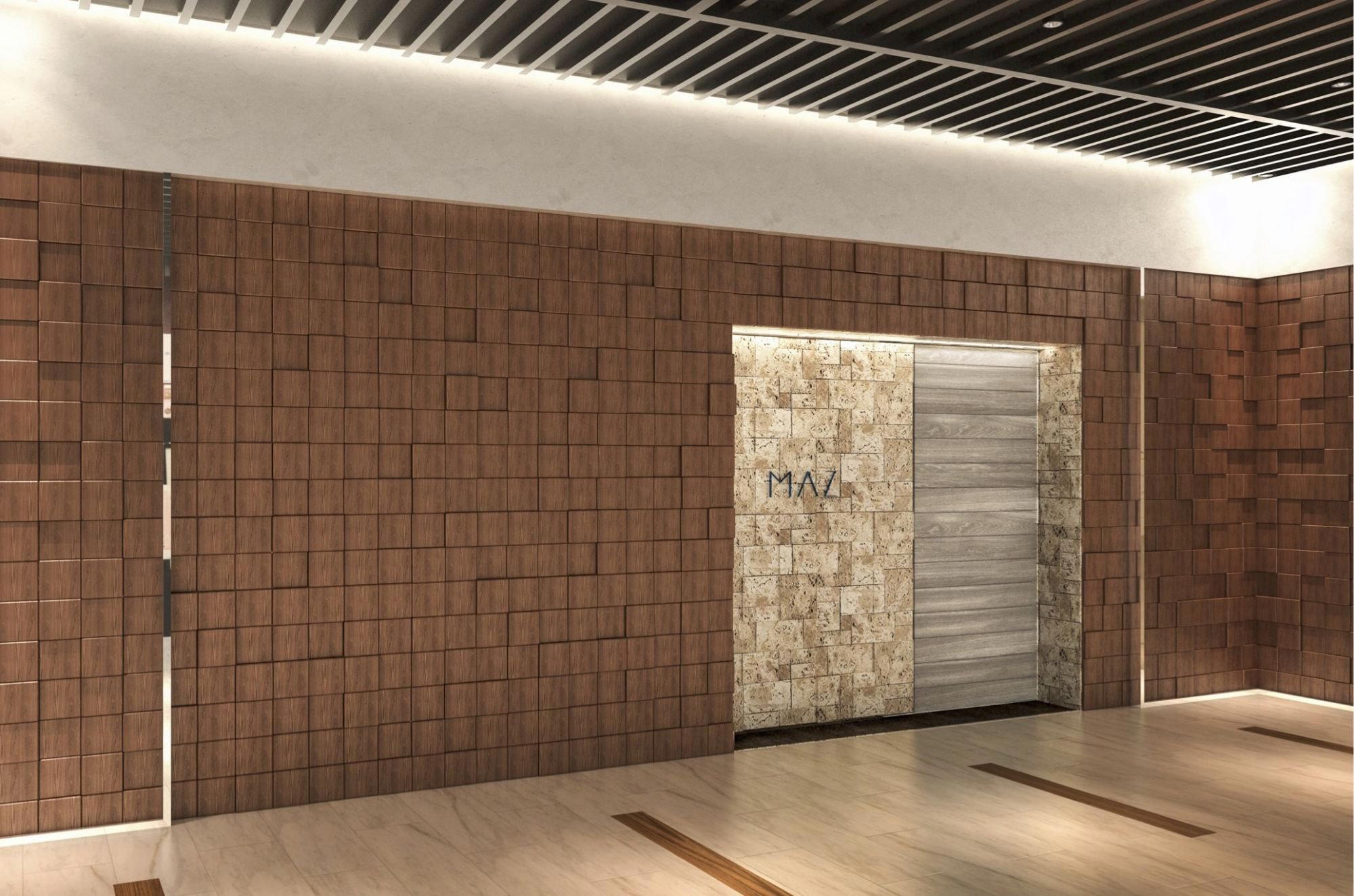
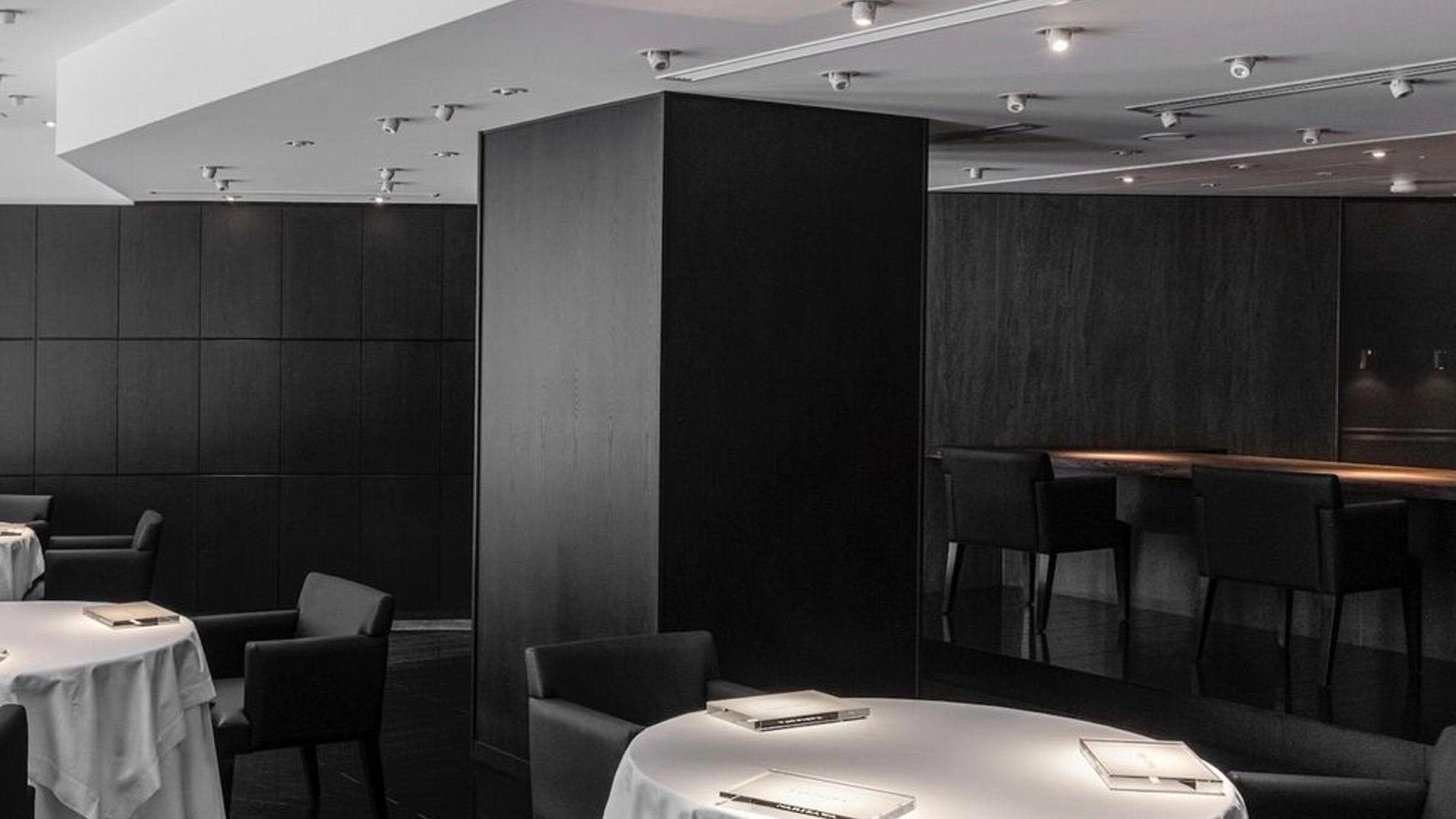
Below street level in Kudankita, the meal begins with a change of tempo. Tokyo’s Chinese dining rooms often separate into two camps: compact counters built around chef-led immediacy, and larger, private-room restaurants designed for sequence, conversation, and family-scale ordering. Chinese Hanten Ichigaya ten belongs to the second tradition, a 108-seat room with table seating and a large private-room footprint, where the experience is less about a single showpiece plate than the rhythm of Shanghai cooking across courses.
That matters in Tokyo because Chinese cuisine here is not a monolith. Cantonese luxury rooms, Sichuan specialists, hotel dining rooms, and Shanghai-leaning kitchens compete for different occasions. Shanghai cooking tends to reward progression: cold starters, seafood, braises, seasonal vegetables, soup, rice or noodle closure, then a lighter finish. The appeal is cumulative. A table orders for balance, not for a single headline dish, and the kitchen’s discipline shows in how richness, sweetness, acidity, and texture are spaced over the meal.
Shanghai pacing in a city that often prizes counter theatre
Tokyo’s prestige dining conversation is often dominated by small counters, but Chinese banquet structure asks for another kind of attention. The sequence is built for sharing and adjustment: a meal can move from fish-led dishes into richer sauces, then return to vegetables or starch without losing coherence. This is where a larger Chinese room earns its place. The cooking has to support group dining, private rooms, and longer meals while keeping individual dishes within a broader arc.
Chinese Hanten Ichigaya ten has been selected for Tabelog 100 Chinese cuisine Tokyo in 2026, with earlier selections in 2023 and 2024. That repeat recognition is a useful signal in a category where consistency carries weight. A restaurant serving this format must satisfy business tables, families, regulars, and occasion diners without relying on the intimacy of an eight-seat counter. The Tabelog score of 3.72 places it in a serious local tier, especially in a city where high Chinese dining is judged by polish as much as novelty.
The restaurant’s published strengths point toward fish, wine, shochu, and a multilingual service frame, including English and Simplified Chinese menus and Chinese-speaking staff. Those details say something about the audience as much as the kitchen. This is not the narrow omakase model, where the diner submits to a fixed hand. It is a Tokyo Chinese dining format built around ordering, hosting, and pacing, with the meal shaped by the table’s appetite and occasion.
Ichigaya gives the meal a different social function
Ichigaya is not Ginza, Aoyama, or Roppongi, and that distinction matters. The area sits near offices, schools, embassies, and residential pockets, so dining here often has a practical gravity. Restaurants in this part of Chiyoda tend to serve people who need reliability as much as theatre: family meals, business dinners, reunions, and dinners where a private room changes the entire tone of the evening.
The scale reinforces that role. A dining room with 108 seats, table seating for 48, and private rooms for 60 operates differently from a chef-counter address. It can absorb celebrations, multi-generational meals, and longer tables without turning the experience into a hotel ballroom. Private rooms are available across party sizes, including small groups and larger gatherings, which places the restaurant in a category Tokyo does particularly well: formal but usable dining, where service infrastructure is part of the value.
That positioning also explains why lunch and dinner occupy different decision lanes. Lunch sits in a lower spend bracket and works for a controlled taste of the kitchen’s style. Dinner moves into a higher bracket and makes more sense for the full progression, especially for diners who want the meal to unfold across several shared dishes rather than compress into a quick set. In Shanghai-oriented cooking, that longer format is not excess; it is how the cuisine’s architecture becomes visible.
How to read the room before choosing it
The right question is not whether this is a dramatic Tokyo dining address. It is whether the occasion benefits from a polished Chinese room with proven local recognition, private-room capacity, and a cuisine style that rewards sequencing. For solo diners or visitors chasing the energy of a chef directly across the counter, other Tokyo formats will feel sharper. For groups, families, and business meals, this category has a stronger claim because the structure of the restaurant matches the structure of the meal.
Within the nearby competitive field, the contrast is useful. Koshita and 香下 sit in the Japanese dining lane, while Chez Olivier and シェ オリビエ point toward French cooking; Shunsai Steak Dokoro Raimuraito occupies a lower-priced steakhouse bracket. Chinese Hanten Ichigaya ten is playing a different game: Shanghai-influenced Chinese dining with a larger room, repeat Tabelog 100 recognition, and enough service structure to handle meals that are planned rather than improvised.
For broader planning, compare it against Our full Tokyo restaurants guide, then widen the trip with Our full Tokyo hotels guide, Our full Tokyo bars guide, Our full Tokyo wineries guide, and Our full Tokyo experiences guide. Nearby and wider Japan references include. 鮪と炭火焼き うお炭 秋葉原店, 12/10 Shinjuku ten, 124. KAGURAZAKA (Yakitori), 2D Cafe, 3 Chome no Curry Ya San, -Grilled beef Sukiyaki- KAMAKURA TANUKIAN 鎌倉 たぬき庵 in Kamakura,.cafe in Osaka,.know in Kumamoto, (Shoku) Vietnam in Kawasaki, [Curry Senmon Ten] Maruyama Kyoju. in Sapporo, [ki:] in Kyoto, Jōdo Saké Bar in Los Angeles, and Onigiri Time in Pasadena.
A Credentials Check
Comparable venues at similar price and category levels.
| Venue | Cuisine | Price | Awards | Notes |
|---|---|---|---|---|
| Chinese Hanten Ichigaya tenThis venue — the venue you are viewing | Seasonal Shanghai Chinese (Chuugokuhanten Ichigaya) | $$$ | , | |
| Kohakukyu | Cantonese and Shanghainese Fine Dining | $$$ | , | Chiyoda |
| Cantonese en | Modern Cantonese for Beauty and Health | $$$ | , | Chiyoda |
| Chugoku Ikkyosai Bai En | Authentic Chinese course restaurant | $$$ | , | Taitō |
| 赤坂 四川飯店 | Classic Sichuan Chinese | $$$ | , | Akasaka / Nagatacho |
| Santa Hanten | Chinese Fine Dining | $$$ | , | Minato |






At a Glance
- Elegant
- Quiet
- Hidden Gem
- Sophisticated
- Intimate
- Business Dinner
- Group Dining
- Family
- Celebration
- Special Occasion
- After Work
- Private Event
- Private Dining
- Standalone
- Extensive Wine List
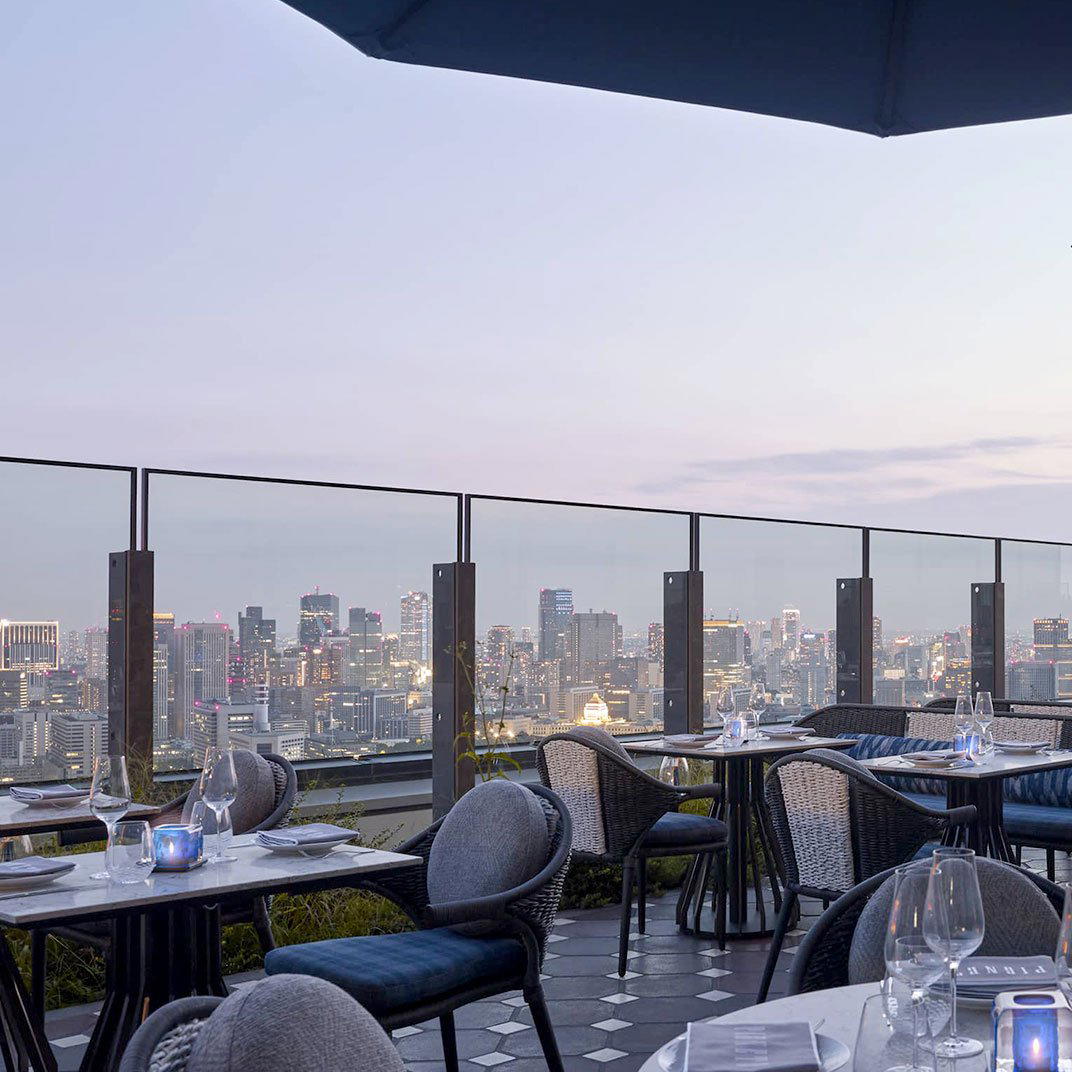
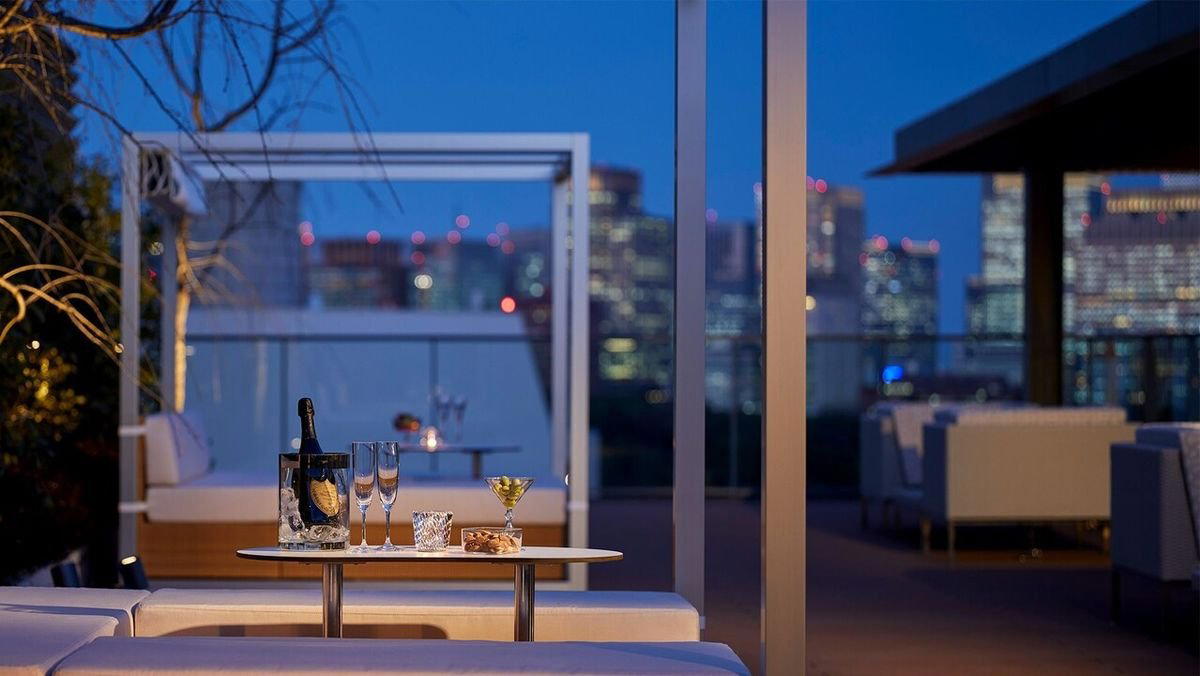
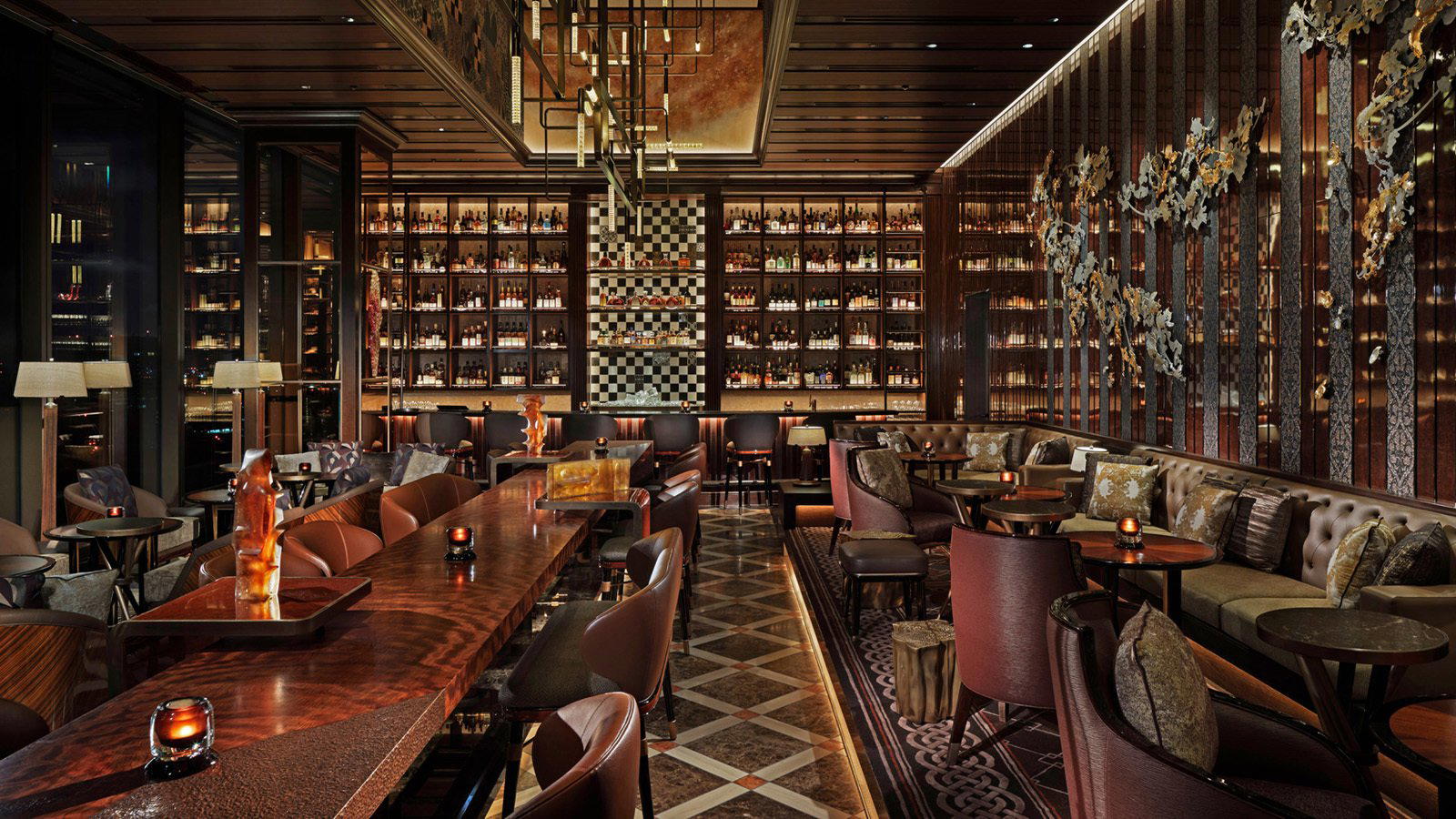
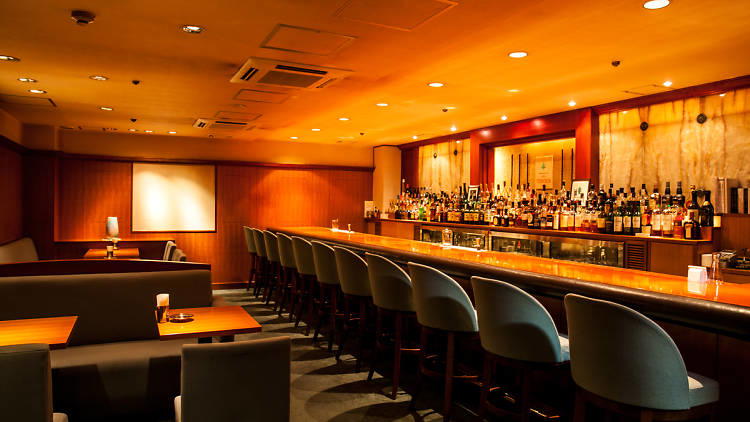
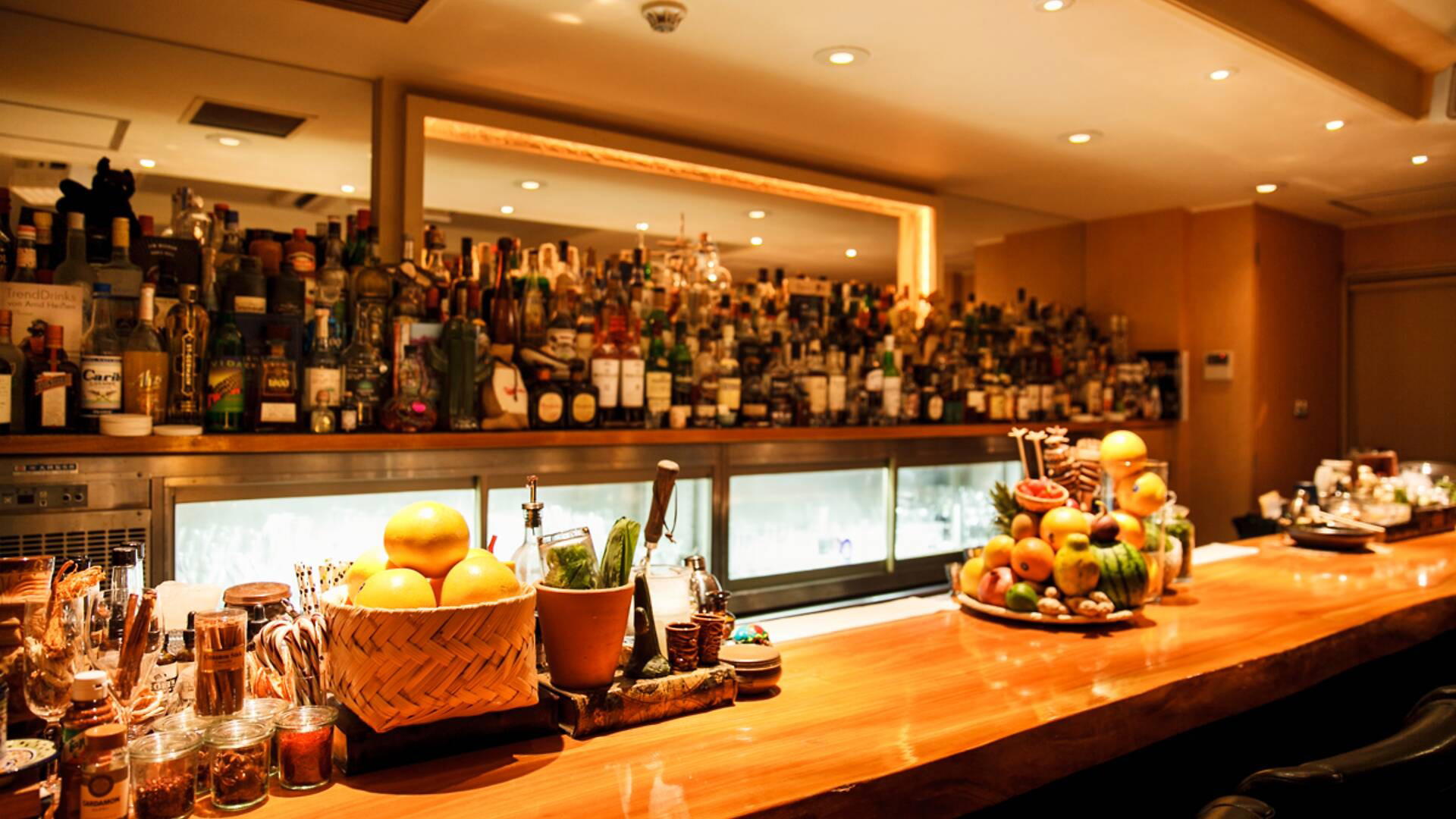
Calm and elegant, with a classic hotel-restaurant feel; private rooms and subdued lighting create a quiet, refined atmosphere suited to business dinners and special family occasions.