Our verdict
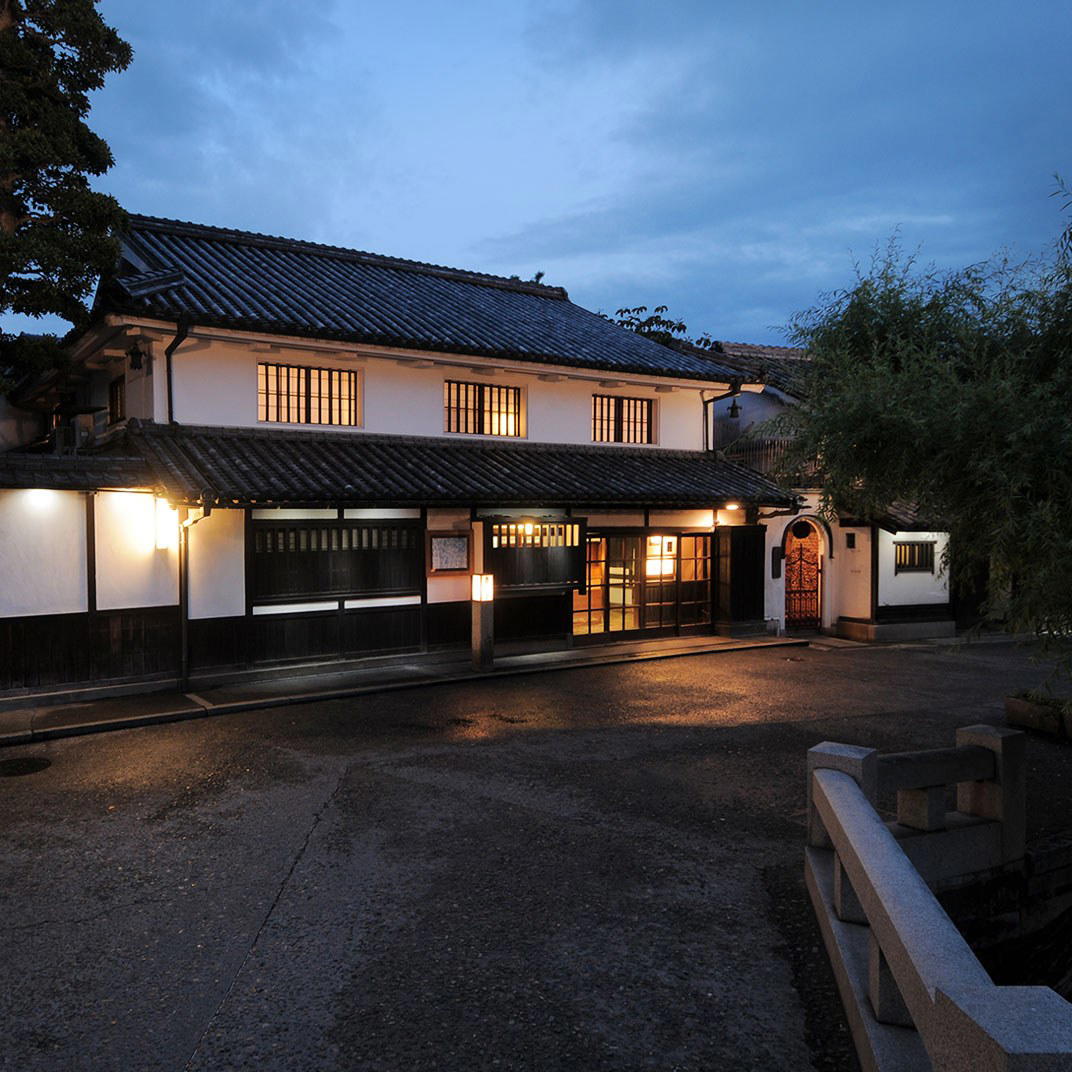
Manneken occupies a quiet position in Fukuyama's dining scene, a city in Hiroshima Prefecture better known for its castle and roses than its restaurants. The venue sits within a local dining culture that rewards patience and local knowledge, where the most interesting rooms are rarely the most visible ones. For visitors working through western Japan's secondary cities, Fukuyama offers a counterpoint to the crowds of Hiroshima and Kyoto.
- Address
- Fukuyama, Japan
- Directions
- Get directions
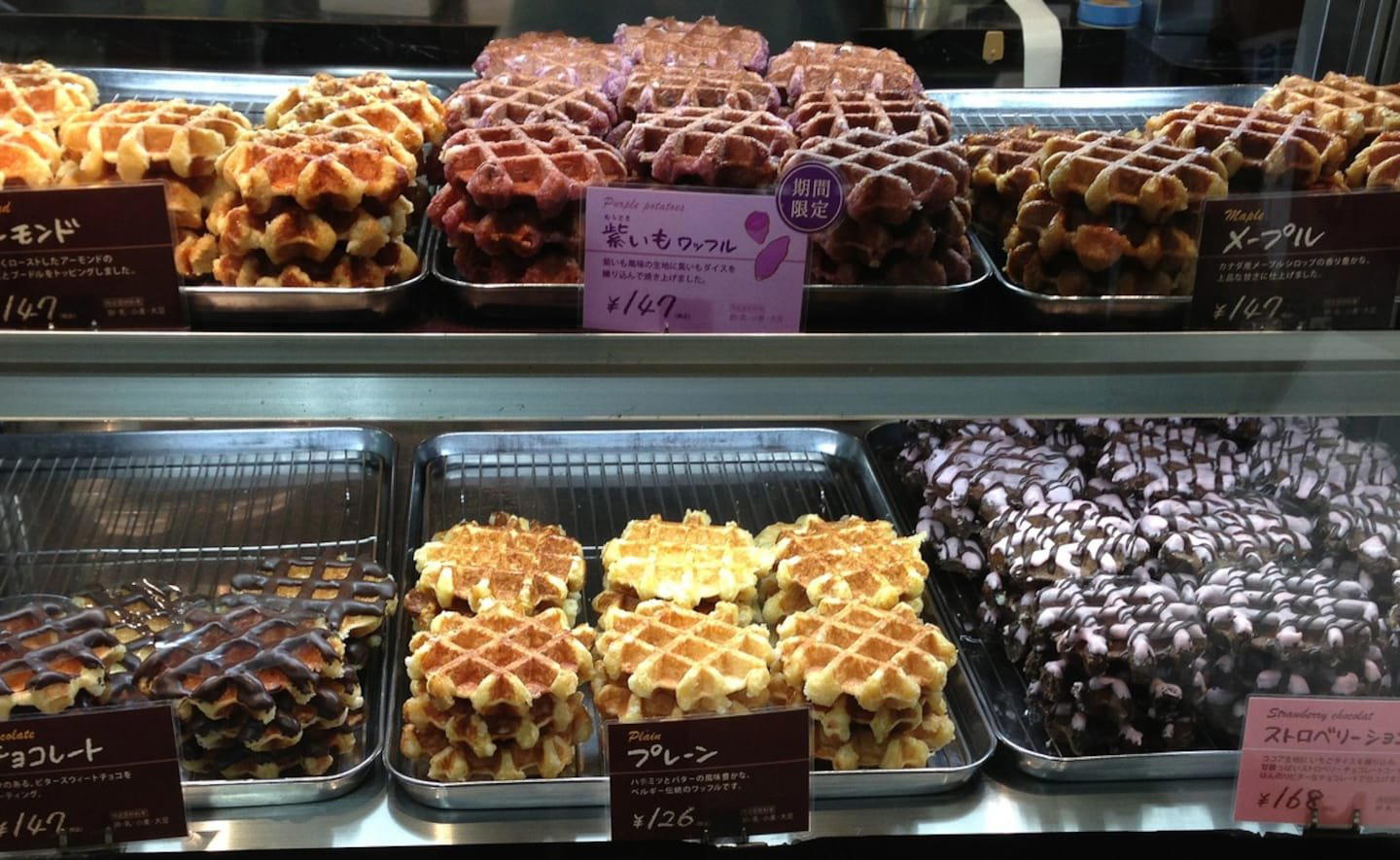
The menu
What to order
- Raspberry waffle
- Honey lemon tea waffle
Fukuyama's Dining Room, Away from the Tourist Circuit
Fukuyama sits at the eastern edge of Hiroshima Prefecture, connected to Osaka and Hiroshima by the Sanyo Shinkansen but rarely treated as a destination in its own right. That structural obscurity shapes how its restaurants operate. Without a steady flow of international visitors, the dining culture here is built for locals: neighborhood-specific, seasonal in rhythm, and priced for regulars rather than one-time guests. Manneken belongs to that context, a venue whose significance becomes legible only when you understand the city it occupies.
The restaurants that define Fukuyama's upper tier are not competing with the three-Michelin-star rooms of Osaka or the kaiseki institutions of Kyoto. They are operating in a different register entirely, one where longevity and community trust function as the primary signals of quality. Venues like Jiyuken and Le Miroir illustrate this: both have built sustained local reputations without relying on award recognition or destination dining press. Manneken sits within that same pattern.
What the Location Tells You
In Japanese secondary cities, a restaurant's address communicates something specific about its intended audience. Downtown locations near train stations tend to serve business travelers and after-work crowds. Quieter residential and neighborhood-adjacent positions signal a different kind of loyalty: the kind built over years of repeat visits rather than first impressions. Fukuyama's dining geography follows this logic closely, and understanding which tier a venue occupies is often more useful than any single data point about its menu or price.
The venues that define character in cities like Fukuyama tend to draw from regional ingredients while the format adapts to whatever the operator has committed to most seriously, whether that is a particular cuisine tradition, a specific local product, or a service style inherited from somewhere else. This is distinct from the approach you find at destination-oriented rooms like HAJIME in Osaka or Harutaka in Tokyo, where the room is explicitly designed to attract guests traveling for the meal itself. Fukuyama's more interesting operators are not chasing that audience, which gives their rooms a different texture entirely.
The Regional Context: Western Japan's Secondary Cities
Western Japan's secondary cities, Fukuyama among them, represent a dining tier that rarely receives serious editorial coverage relative to the major centers. The result is a category of restaurant that can sustain genuine quality without the self-consciousness that comes with constant external scrutiny. Comparisons to similarly positioned venues in other prefectures are useful here: the rural kaiseki rooms of Shimane, the quietly serious French tables of Okayama, the long-standing local specialists you find in places like Nanao (see 一本杉川島) or Nishikawa Machi (羽黒屋). These venues share a structural similarity: they operate with less external validation and more dependence on local trust.
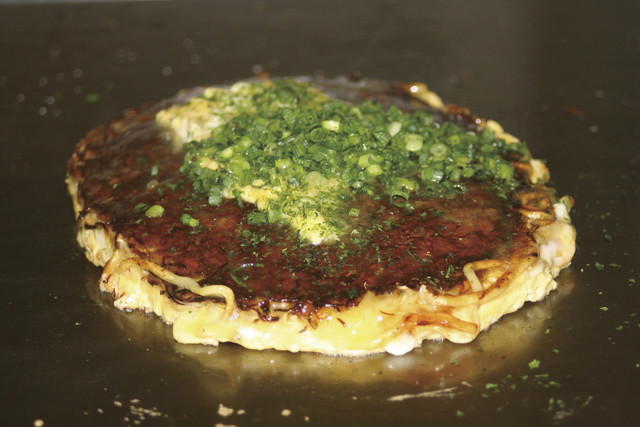
Fukuyama specifically has a small cluster of restaurants that deserve attention from visitors making the transit between Hiroshima and Osaka or Kyoto. Mikiwatei Oichi Kochi and Mingei Chadokoro Fukatsuya represent different poles of that cluster, one leaning toward traditional Japanese formats, the other toward craft and material culture. Manneken occupies its own position within this local ecosystem, shaped by whichever format and culinary commitment its operator has pursued. The city also has room for more casual formats: Okonomiyaki Chotto Yonnai demonstrates how well Hiroshima-style okonomiyaki translates even outside of the prefecture capital.
Planning a Visit
Because Fukuyama sits on the Sanyo Shinkansen line, access from both Osaka and Hiroshima is direct, under an hour from Hiroshima Station and around 90 minutes from Shin-Osaka. That accessibility makes Fukuyama viable as a day trip or an overnight stop rather than a dedicated multi-night destination. For visitors building a western Japan itinerary that includes serious dining in Kyoto (consider Gion Sasaki), Nara (akordu), or Fukuoka (Goh), Fukuyama can function as a lower-key interval, a city where the dining pressure drops and the experience becomes more locally grounded.
Given the limited publicly available data on Manneken specifically, including hours, booking method, and format, the practical recommendation is to consult the venue directly or check current local listings before building it into an itinerary. Japanese secondary-city restaurants frequently operate with limited English-language information online, and reservation practices can vary significantly between counter-style rooms and larger dining rooms. This is not a barrier so much as a characteristic of the category. For a broader map of where Manneken sits relative to the full Fukuyama dining picture, the EP Club Fukuyama restaurants guide provides additional context.
For those approaching from a New York reference point, the contrast is instructive. Rooms like Le Bernardin or Atomix operate in a fully documented, heavily reviewed environment where every element of the experience has been written about extensively. Manneken and its Fukuyama peers exist in a different information environment entirely, one where the discovery process is part of the experience rather than something to be optimized away. That asymmetry is, for the right traveler, the point.
Western Japan's dining circuit through cities like Sapporo (古代山乃), Takashima (湖畔庵), and Sakai (Birdland) rewards the traveler who is willing to build itineraries around second-tier cities rather than defaulting to the established major centers. Manneken is part of that argument for Fukuyama.
Frequently asked questions
Is Manneken in Fukuyama worth a stop if I'm travelling the Sanyo Shinkansen route between Osaka and Hiroshima?
Fukuyama sits on the Sanyo Shinkansen line, with journey times under an hour from Hiroshima Station, making a dedicated stop logistically low-friction. Manneken represents the kind of local dining that does not surface in standard tourist itineraries for the corridor, which is precisely the case for adding it as a deliberate stop rather than a fallback. Cuisine type and awards data are not currently on record, so confirming the current offer directly before building a visit around it is advisable.
What's the best thing to order at Manneken?
In Fukuyama's dining context, local restaurants at this tier typically anchor their offer around seasonal produce from Hiroshima Prefecture and western Japan's coastal produce corridor. Visiting with an open approach to the chef's current selection is the more reliable strategy than arriving with a fixed dish in mind.
How far ahead should I plan for Manneken?
For restaurants operating outside Japan's major urban centres, like Fukuyama, demand patterns differ from Tokyo or Osaka equivalents — walk-in availability can be more realistic, though contacting the venue directly before travelling from outside the region is sensible practice.
What's the signature at Manneken?
Fukuyama's restaurant culture, positioned at the eastern edge of Hiroshima Prefecture, tends to draw on Seto Inland Sea ingredients and regional western Japan cooking traditions, which typically shape what local venues centre their offer around.
The Minimal Set
| Venue | Cuisine | Price |
|---|---|---|
| MannekenThis venue — the venue you are viewing | Belgian Waffles | Not listed |
| ä¸å½æç è®è¯ | Authentic Chinese | $500+ |
| Le Miroir | Authentic French | $50–100 |
| エルバ | Italian Fine Dining | $30–50 |
| ラルドワーズ | Local Setouchi French | $20–30 |
| 旬彩酒肴 おく村 | Seasonal Kaiseki | $150–200 |
Details
- Casual Hangout
- Standalone
- A La Carte
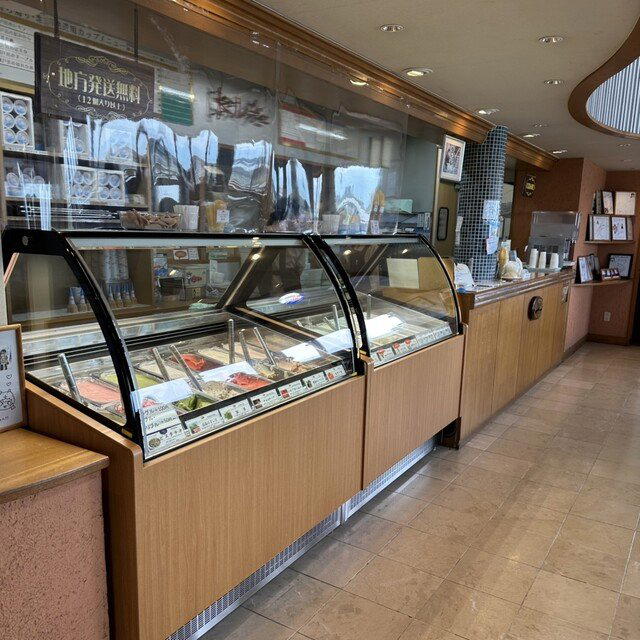
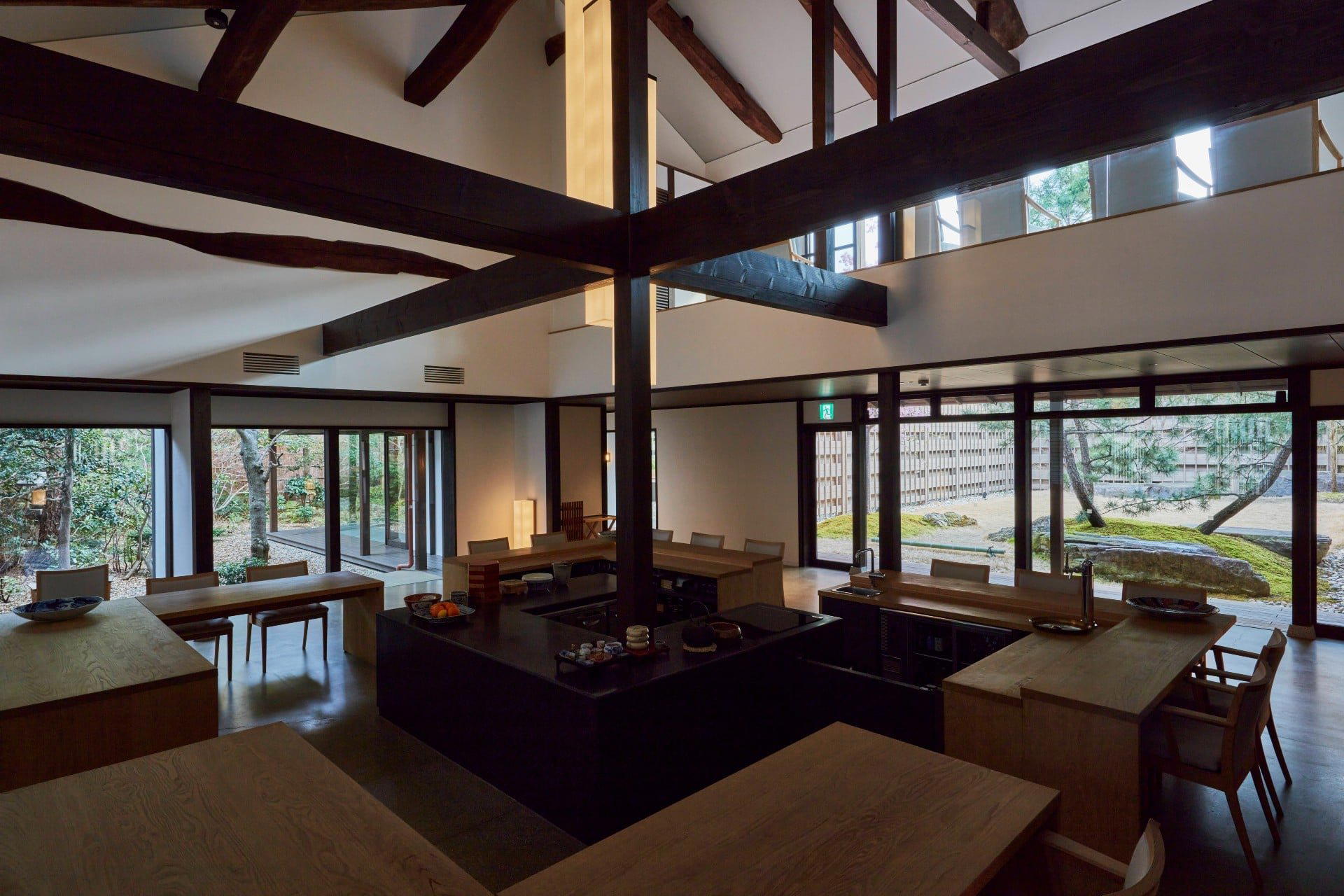
Casual station eatery atmosphere.