Our verdict
Okonomiyaki Chotto Yonnai is a Fukuyama restaurant specialising in okonomiyaki, the savory Japanese pancake tradition that defines casual dining culture across Hiroshima Prefecture. In a city where this regional style carries serious local weight, the restaurant sits within a dining scene that rewards those who seek out neighbourhood institutions over tourist-facing options. Advance planning is advisable for first-time visitors unfamiliar with the local booking context.

Pearl is the En Primeur Club membership app — saves, bookings, and concierge access live there. Same editors, same standards.
- Address
- Tomo-445-2 Tomocho, 福山市, 広島県, 720-0201
- Directions
- Get directions
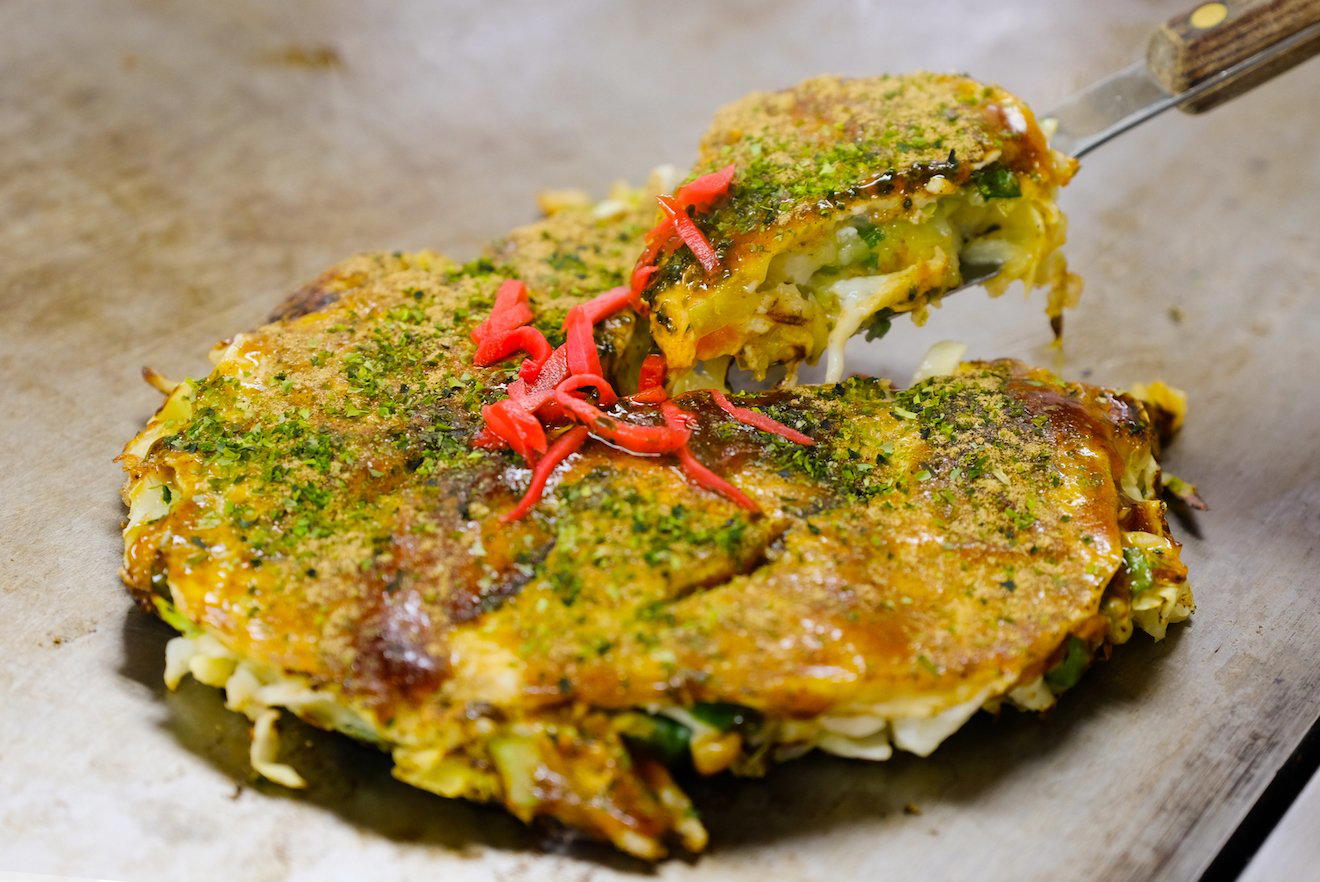
The menu
What to order
- Hiroshima-style okonomiyaki
The Room Before the Order
Fukuyama sits in the eastern edge of Hiroshima Prefecture, close enough to the prefectural capital that its food culture absorbs the same okonomiyaki traditions that define the region — but far enough away that the venues operating here do so for locals, not tour groups. When you arrive at a counter-style okonomiyaki restaurant in this part of Japan, the atmosphere tends to arrive before the food does: the smell of batter on iron, the sound of spatulas working flat, the low conversation of regulars who already know their order before they sit. Okonomiyaki Chotto Yonnai operates within that tradition, and understanding what that tradition demands of a visitor is the first practical step in planning a visit.
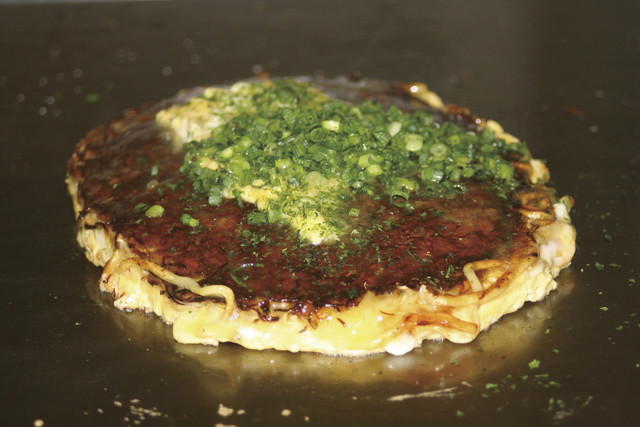
Hiroshima-style okonomiyaki differs from its Osaka counterpart in a way that matters structurally, not just aesthetically. Where Osaka mixes ingredients through the batter before cooking, the Hiroshima method layers them — batter, cabbage, protein, noodles, building upward on the griddle before flipping the whole stack. The result is denser, more textured, and considerably more time-intensive to produce. Restaurants that do it well tend to have a measured pace, and that pace shapes the dining experience as much as the food itself. For visitors unfamiliar with this format, arriving expecting fast-casual efficiency is the wrong frame entirely.
Booking Logistics in a City That Doesn't Cater to Walk-Ins
Fukuyama's better neighbourhood dining options, whether okonomiyaki specialists or the French-influenced rooms represented by Le Miroir or the longstanding yōshoku counter at Jiyuken, tend to fill through repeat customers and word-of-mouth. This is not a city with a deep reservation infrastructure in English. For international visitors, that creates a practical problem worth acknowledging directly: phone bookings are the norm, English support is not guaranteed, and hotel concierge assistance is often the most reliable route for anyone without Japanese-language capability. If you're staying locally, use that resource before trying to arrange things independently.
This is true of a number of Fukuyama dining institutions: their information exists primarily in local circulation, not in international travel databases. The practical parallel is restaurants like Goh in Fukuoka or Gion Sasaki in Kyoto, where the booking process itself signals something about the dining tier, in those cases, scarcity and complexity are features of prestige; here, they're features of a neighbourhood institution that simply hasn't built international infrastructure because it hasn't needed to.
What to Eat and What It Signals
Any okonomiyaki specialist in Hiroshima Prefecture is, by default, operating in one of Japan's most scrutinised regional formats. The dish has enough cultural weight in this part of the country that locals hold strong opinions about execution, the ratio of cabbage to noodle, the choice between soba and udon as the base, the degree of char on the exterior, the quality of the okonomiyaki sauce applied at the end. At a venue like Okonomiyaki Chotto Yonnai, the reasonable assumption is that the kitchen is working within a version of this tradition shaped by years of local feedback rather than a menu designed for outside visitors.
Compared to the multi-course kaiseki architecture of venues like Harutaka in Tokyo or the technically demanding tasting formats at HAJIME in Osaka, okonomiyaki dining operates at a completely different register, informal, communal, and built around repetition and refinement of a single format rather than range. That is not a lesser category; it is a different discipline. The depth comes from precision within constraint rather than breadth of offering. Visitors who appreciate that distinction tend to get more out of the experience than those arriving with fine-dining expectations.
For those exploring comparable neighbourhood-level dining in Fukuyama, the tea-house setting at Mingei Chadokoro Fukatsuya and the casual counter format at Manneken offer different but related entry points into the city's non-tourist dining culture. The wagashi and regional food traditions explored at Mikiwatei Oichi Kochi round out a picture of a city where the most compelling meals tend to happen in rooms that don't announce themselves loudly. See the full Fukuyama restaurants guide for a broader map of the city's dining character.
Situating the Visit
For context on the range of serious eating across Japan, the EP Club directory covers everything from the counter precision of akordu in Nara to the deeply regional ryotei traditions represented by venues like 一本杉川嶋 in Nanao, 庄羽屋 in Nishikawa Machi, and 湖麺屋ロテス in Takashima. Further afield, 宝来寿司 in Sapporo and Birdland in Sakai show how tightly defined formats, in those cases, sushi and yakitori respectively, generate outsized dining experiences through the same logic of constraint and repetition that governs a good okonomiyaki counter. For readers more accustomed to the international fine-dining tier, Le Bernardin in New York City and Atomix in New York City represent the formal end of the spectrum, useful for calibration, even if the register is entirely different.
Fukuyama is a city that rewards the kind of traveller who plans around a specific meal rather than expecting discovery on arrival. Okonomiyaki Chotto Yonnai sits in a category where showing up without prior contact risks a closed door, not because of exclusivity, but because these rooms run on local rhythms that don't accommodate last-minute visitors by design. The planning is part of the visit.
Planning Details
Fukuyama is accessible from Osaka and Hiroshima via the San'yo Shinkansen, with Fukuyama Station serving as the central arrival point. The city is manageable on foot or by taxi for most dining destinations. For Okonomiyaki Chotto Yonnai specifically, confirming location, hours, and reservation requirements through a local Japanese-speaking contact or hotel concierge is the recommended approach before any visit, given the limited availability of this information through international channels. Payment customs at this type of neighbourhood restaurant in Japan typically favour cash, though this should be verified directly.
Frequently asked questions
Is Okonomiyaki Chotto Yonnai suitable for visitors who are new to Hiroshima-style okonomiyaki?
Fukuyama is a practical entry point into Hiroshima Prefecture's okonomiyaki culture precisely because it sits outside the tourist circuit of Hiroshima city, meaning the room is more likely to reflect local rather than visitor expectations. The Hiroshima format — with its distinct layered construction — differs visibly and texturally from the Osaka style most international visitors encounter first. A neighbourhood specialist in Fukuyama gives you the regional tradition in context.
What should I eat at Okonomiyaki Chotto Yonnai?
The kitchen operates within the Hiroshima-style okonomiyaki tradition, which means layered construction rather than the mixed Osaka method — batter, cabbage, noodles, and protein built in sequence on the griddle. Any okonomiyaki specialist in Hiroshima Prefecture is working within one of Japan's most scrutinised regional formats, so the benchmark is set by the style itself. Order according to what the kitchen recommends on the day rather than defaulting to a fixed preference.
What's the best way to book Okonomiyaki Chotto Yonnai?
Fukuyama's neighbourhood dining rooms tend not to accommodate walk-ins reliably, and smaller okonomiyaki specialists in the city fill quickly on weekday evenings. Contacting the venue directly in advance is the practical approach. Arriving via Fukuyama Station on the San'yo Shinkansen from Osaka or Hiroshima, then confirming your reservation before travel, is standard practice for this part of Hiroshima Prefecture.
What's the defining dish or idea at Okonomiyaki Chotto Yonnai?
The defining idea is Hiroshima-style okonomiyaki as a disciplined regional format rather than a casual fast-food proposition. Fukuyama sits close enough to Hiroshima city that its okonomiyaki culture absorbs the same expectations around technique and ingredient layering that made the dish a subject of serious food writing. At a specialist counter in this city, the griddle work and the cab-to-noodle ratio are the signals worth reading.
A quick peer reference to anchor this venue in its category.
| Venue | Cuisine | Price |
|---|---|---|
| Okonomiyaki Chotto YonnaiThis venue — the venue you are viewing | Hiroshima-Style Okonomiyaki | $10–20 |
| ä¸å½æç è®è¯ | Authentic Chinese | $500+ |
| Le Miroir | Authentic French | $50–100 |
| エルバ | Italian Fine Dining | $30–50 |
| ラルドワーズ | Local Setouchi French | $20–30 |
| 旬彩酒肴 おく村 | Seasonal Kaiseki | $150–200 |
Details
- Cozy
- Classic
- Casual Hangout
- Solo
- Family
- Standalone
- Local Sourcing
- A La Carte
- Counter Dining
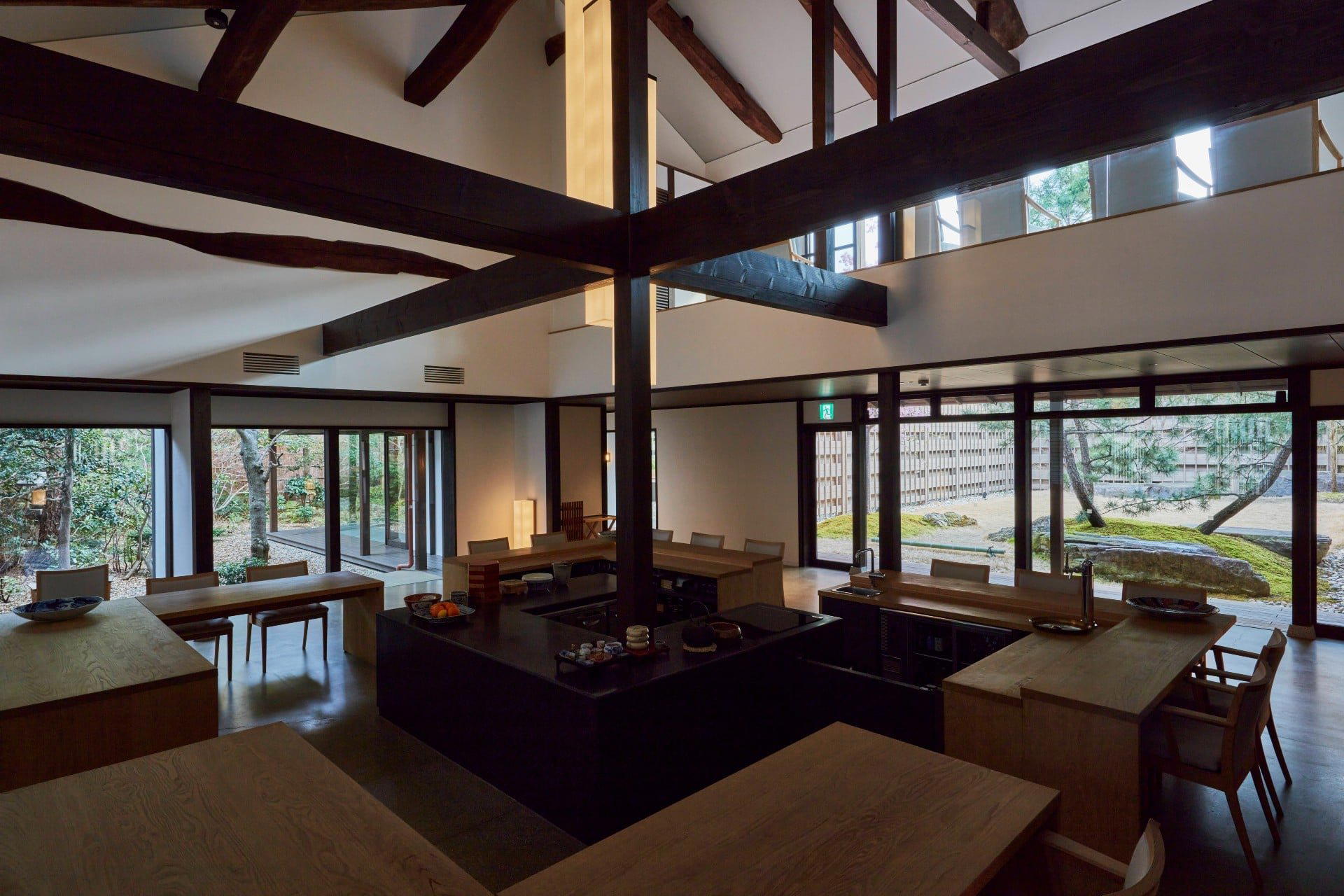
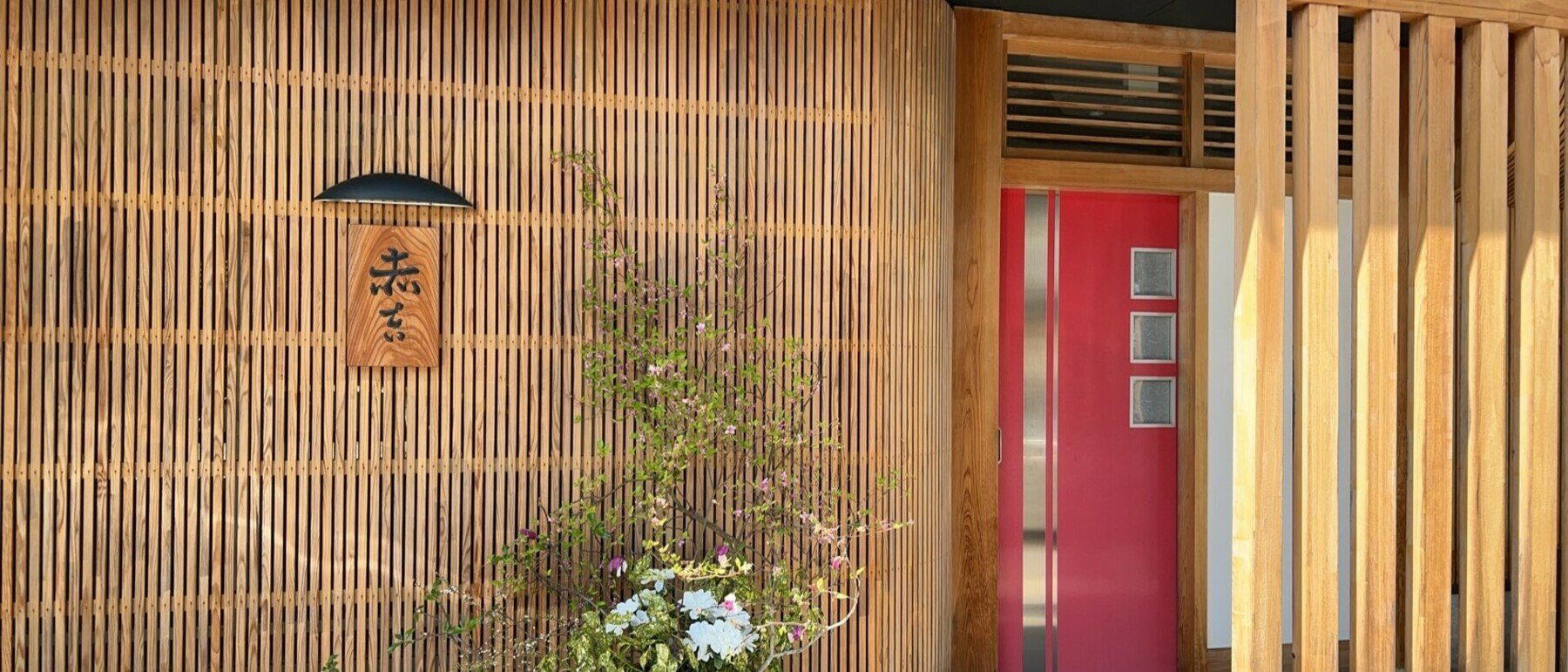
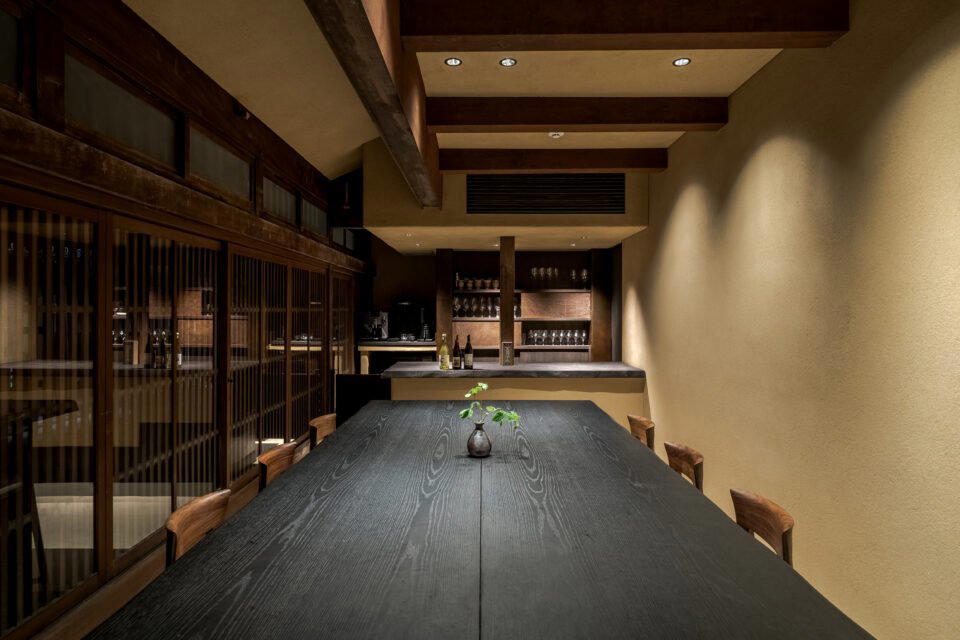
Casual, conversational, and neighborhood-oriented, with a comfortable local-dining feel rather than a tourist-focused atmosphere.