Bar Yoruya gives Kurashiki’s evening drinking culture a quieter counterpoint to Japan’s larger cocktail circuits. With only its Higashimachi address publicly fixed in the record, it reads as a bar for travellers who value small-city context, measured pacing, and proximity to the historic core over award-chasing or hotel-lobby polish.

Pearl is the En Primeur Club membership app — saves, bookings, and concierge access live there. Same editors, same standards.
- Address
- 2-2-7 Higashimachi, Kurashiki, Okayama 710-0053, Japan
- Phone
- +81 86-697-5456
- Hours
- Daily 5–10 PM
- Website
- yoruya-kurashiki.com
- Directions
- Get directions
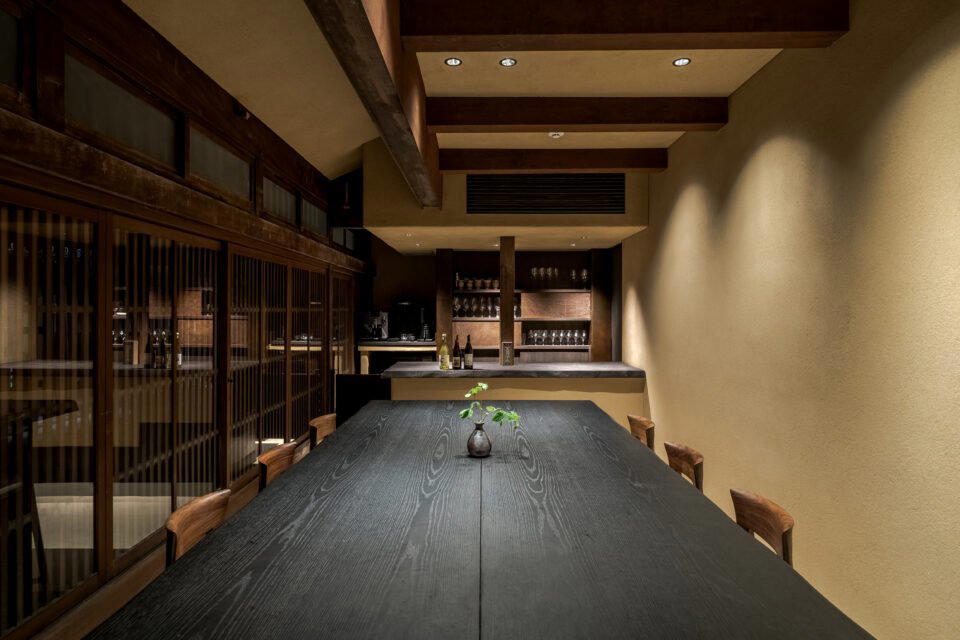
Kurashiki after dark, beyond the postcard route
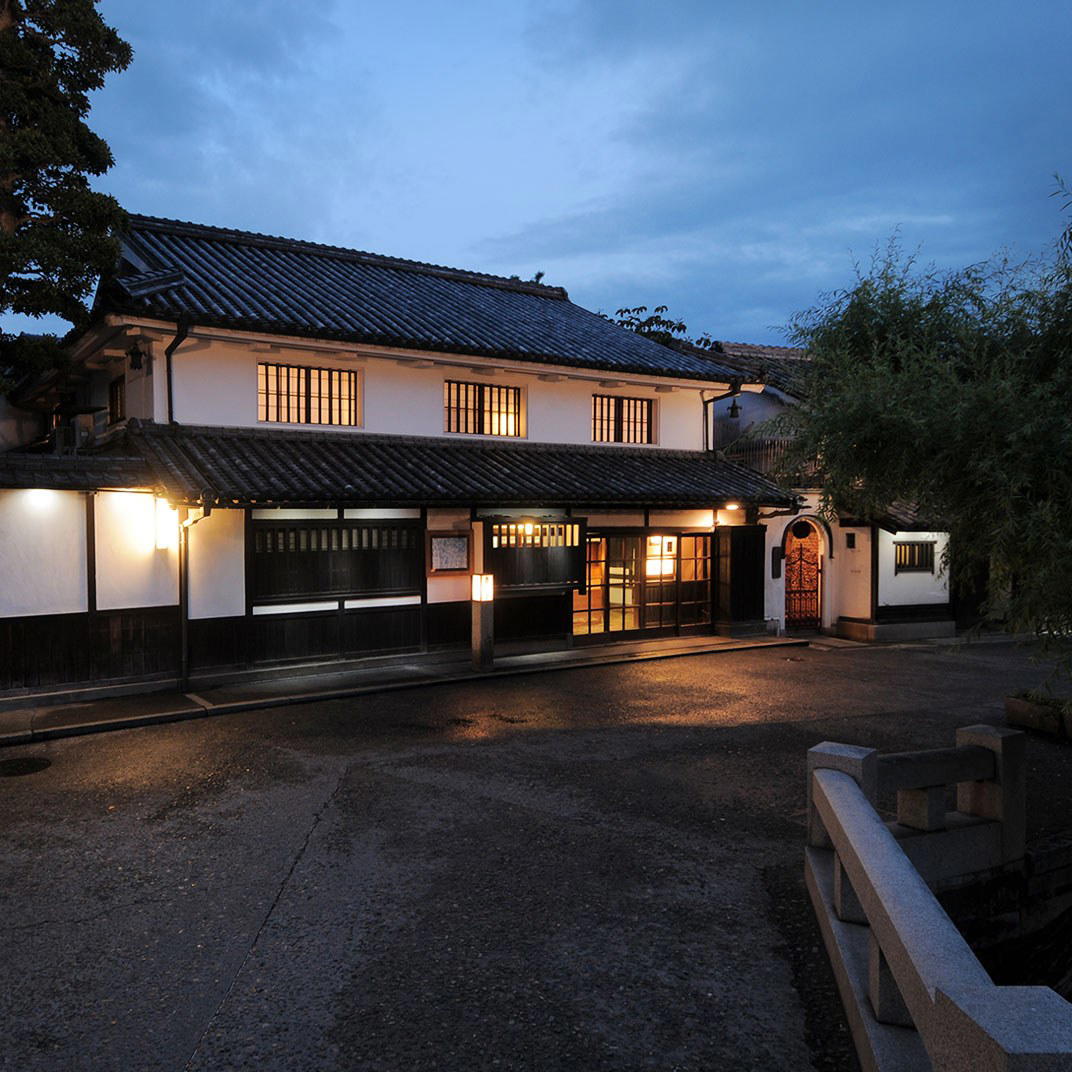
Approaching Higashimachi at night changes the scale of Kurashiki. The city’s daytime identity is tied to the Bikan Historical Quarter, white-walled storehouses, willow-lined canals, and craft shops that draw travellers through a compact, preserved centre. After the shutters come down, the mood narrows. Smaller bars become the more revealing measure of the city: not spectacle, not a high-volume nightlife district, but controlled rooms where pace, conversation, and the person behind the counter carry the evening. Bar Yoruya belongs to that register, with its address at 2-2-7 Higashimachi placing it in the older part of Kurashiki rather than a station-front entertainment strip.
That location matters more than a long list of public accolades would. Kurashiki is not Tokyo, Osaka, or Kyoto, where cocktail culture is often discussed through international rankings, hotel programs, and guest-shift calendars. Here, a bar’s value is tied to the slower rhythms of a heritage city, where the evening may follow a kaiseki meal, an izakaya stop, or a walk through streets that empty earlier than Japan’s larger urban bar districts. For travellers building a night around atmosphere rather than status, that is the appeal.
Japan’s cocktail tradition has long prized exacting technique: ice work, measured dilution, glassware temperature, and a form of hospitality that can make a three-seat exchange feel as choreographed as a tasting menu. In smaller cities, that grammar often becomes less performative. Without the pressure of an international bar-crawl circuit, the counter can return to fundamentals: a drink made to order, pacing set by the room, and a bartender’s choices filtered through what the guest asks for rather than what a printed concept demands. Bar Yoruya is worth considering within that tradition, not as a trophy stop, but as evidence that Japan’s serious drinking culture does not belong only to Ginza or Shinsaibashi.
The cocktail programme as a small-city discipline
The assigned question for a bar like this is not whether it competes with the headline rooms of Tokyo. It does not need to. The stronger comparison is between formats. Large-city cocktail bars increasingly define themselves through named menus, clarified serves, seasonal lab work, and international awards. Small-city bars in Japan often work differently: the programme may be less visible online, less translated, and less packaged, but it can carry the same respect for balance, restraint, and customer-led drinking. In that sense, Bar Yoruya sits in a category where the absence of public noise becomes part of the editorial reading.
That should not be mistaken for secrecy. The address is clear: 2-2-7 Higashimachi, Kurashiki, Okayama 710-0053, Japan. A careful traveller should therefore treat this as a bar to approach with flexibility rather than a venue to schedule around a published tasting format. If a trip requires fixed opening hours, confirmed seating, or English-language booking infrastructure, those details need to be verified independently before making the bar the anchor of the evening.
For cocktail-focused travellers, the more useful lesson is comparative. A Tokyo benchmark such as Star Bar Ginza in Tokyo belongs to a lineage where classic technique, Ginza service codes, and global cocktail tourism meet. Osaka’s late-night drinking culture has a different velocity, and Bar Nayuta in Osaka sits closer to that city’s fluid, nocturnal style. Nara offers a more destination-led pilgrimage model through Lamp Bar in Nara, where the city’s quieter scale frames the experience. Kurashiki fits another pattern again: the appeal is not a bar district competing for international attention, but a preserved town where a serious drink can extend the evening without breaking the spell of place.
What Kurashiki changes about the drink
Kurashiki asks visitors to slow down before they reach the counter. The city’s architectural identity is tied to Edo-period merchant wealth, kura storehouses, and later cultural patronage, including museums and craft traditions that give the centre its unusual density. That backdrop alters how a bar reads. A cocktail in a capital city often functions as part of a sequence: restaurant, second bar, taxi, hotel lounge, another counter. In Kurashiki, the night is usually more compressed. One carefully chosen bar can carry more weight because there are fewer competing stops within easy reach.
In a smaller heritage city, the bar becomes a translator between local pace and national technique. The bartender’s creative vision, if present in the glass, is less likely to be communicated through press-ready language and more likely to appear through the structure of the encounter: how classics are handled, how much the guest is asked, how much the room encourages lingering, and whether the evening feels calibrated rather than scripted. Those are qualities travellers can assess on arrival, and they are also why the bar should be treated as an experience rather than a checklist entry.
Kurashiki’s food and drink planning also benefits from category separation. The city has restaurants that speak to Setouchi ingredients, casual drinking rooms that serve local regulars, and hotel bars or cafés that operate with a different kind of predictability. EP Club’s broader coverage is useful for that reason: Our full Kurashiki restaurants guide helps place the evening meal, while Our full Kurashiki bars guide gives the drinking side its own frame. Travellers who treat bars as afterthoughts often miss this distinction. In Japan, the second stop can be as revealing as dinner, especially when the city is small enough for the shift in mood to feel immediate.
The Japanese cocktail map is wider than its most familiar addresses. Kyoto, Osaka, Nara, Kumamoto, and smaller regional cities all support drinking cultures with different social codes. Kyoto’s bars often borrow from the city’s formality and tourist fluency; Bee's Knees in Kyoto shows how a city with heavy visitor demand can still sustain cocktail ambition outside a hotel setting. Hotel bars, meanwhile, operate with their own logic: Hotel Okura Kyoto in Kyoto Shi belongs to the polished institutional model, where consistency and setting matter as much as invention.
Regional bars can be more instructive because they work with fewer external signals. Yakoboku in Kumamoto, for example, points toward a Japan where serious drinking is not limited to the country’s busiest travel corridors. Bar Yoruya should be read in that same wider geography. Kurashiki does not need to imitate Ginza, and a smaller bar here does not need a global ranking to justify attention. Its relevance comes from how it fits into a travel day built around architecture, craft, and slower evening movement.
International comparisons also sharpen the point. Café La Trova in Miami operates in a city where music, Cuban-American bar culture, and high-energy hospitality shape the drinking experience. Kurashiki sits at the other end of the spectrum. The attraction is lower frequency: fewer signals, less volume, a more compact field of choices. Travellers accustomed to cocktail bars as performance spaces may need to adjust expectations. The reward is not theatricality; it is the chance to see how Japanese bar discipline behaves when stripped of metropolitan acceleration.
Reading the room without overclaiming it
That restraint is not a limitation for the reader; it is protection. Too many bar pages invent a house drink or imply a visit that never happened. The more useful guidance is to set expectations correctly. Arrive prepared for a small Japanese bar context, keep the first order simple enough to establish the conversation, and let the bartender’s response determine whether the evening moves toward classics, spirit-forward drinks, or something more personal.
Price is also unlisted, so budget planning should avoid assumptions. In Japan, serious cocktail bars can vary widely by city, format, cover charge, and drink style. A small regional bar may be less expensive than an international hotel lounge, but that is not a rule. Travellers who need exact numbers should confirm before going or carry enough cash flexibility for a premium counter format. The absence of a published price range places Bar Yoruya in the category of bars where practical caution matters, especially for visitors moving between dinner, late trains, and hotel check-in times.
The atmosphere, in practical terms, is likely to be defined by Kurashiki itself as much as by the room. This is not a nightlife city built around constant movement. If the evening plan depends on multiple late stops, Kurashiki may feel thin compared with Osaka. If the plan is a measured dinner followed by one serious drink near the historic centre, the city works in its favour. That is the correct frame for Bar Yoruya: a bar to place after the main daylight itinerary has quieted, not before a long night of venue-hopping.
How to plan an evening around Higashimachi
The confirmed planning detail is the address: 2-2-7 Higashimachi, Kurashiki, Okayama 710-0053, Japan. That means the bar should be treated as a flexible evening option rather than the only fixed point in a travel schedule unless current details have been checked through another reliable source. In a city like Kurashiki, where many visitors are staying for one night or passing through from Okayama, that distinction matters. Build the evening with a dinner reservation first, then allow room for a bar stop if timing and availability line up.
Accommodation choice changes the practicality. Staying near the historic quarter makes a late drink easier; staying outside the centre or returning to Okayama after dinner makes timing more sensitive. EP Club’s hotel coverage can help with that sequencing: Our full Kurashiki hotels guide is the better starting point for travellers who want to keep the evening walkable. Those extending the trip through the region can also use Our full Kurashiki experiences guide to understand how daytime cultural planning affects the night. A full museum-and-canal day calls for a different drinking plan than a late arrival from Osaka or Hiroshima.
Kurashiki is not a wine-region destination in the way parts of Europe or California are, but travellers who structure trips around drinks often think across categories. For that wider lens, Our full Kurashiki wineries guide sits alongside the bar and restaurant guides, even where the local offer is limited. The point is not to force Kurashiki into a wine-tour template. It is to separate what the city does well: heritage-scale hospitality, compact evening movement, and small venues that reward patience more than speed.
Who should prioritise Bar Yoruya
Bar Yoruya makes the strongest case for travellers who already understand Japanese cocktail culture and want to see how it changes outside the heavily documented circuits. The bar is less suitable for visitors who require published menus, confirmed English-language booking channels, or a named-award trail before committing time. That is not a criticism; it is a filter. Kurashiki rewards travellers who can accept a little uncertainty in exchange for a more local evening shape.
The editorial recommendation is conditional but firm: place Bar Yoruya on the shortlist if the night is already centred on Kurashiki’s historic core and the goal is a quiet, technique-led drink rather than a scene. Do not build an entire itinerary around it without verifying hours and availability, because the public record is sparse. Within those limits, the bar has a clear role. It gives cocktail-focused travellers a way to experience Kurashiki after the daytime heritage route, when the city’s scale becomes an advantage rather than a constraint.
Continue exploring
More in Kurashiki
Bars in Kurashiki
Browse all →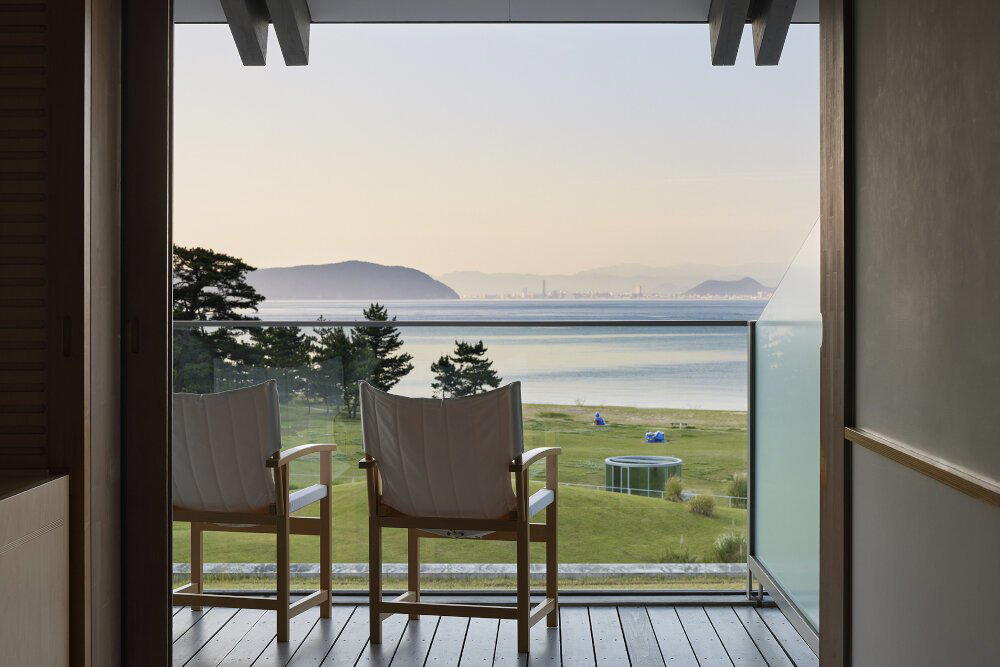
Restaurants in Kurashiki
Browse all →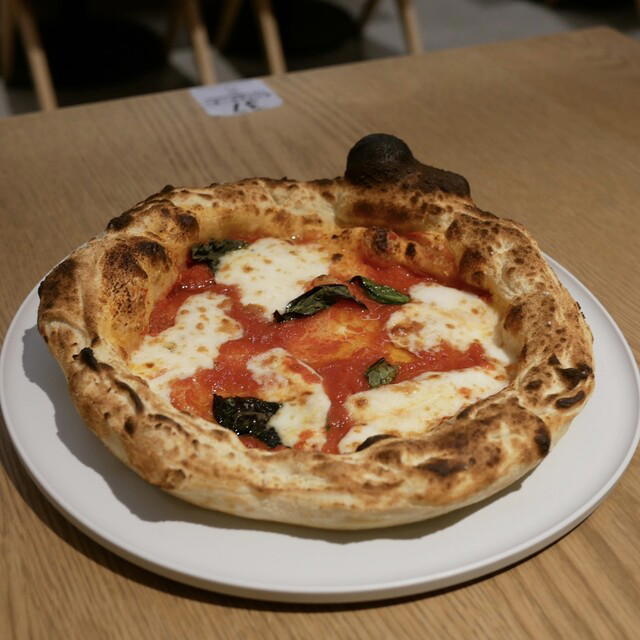
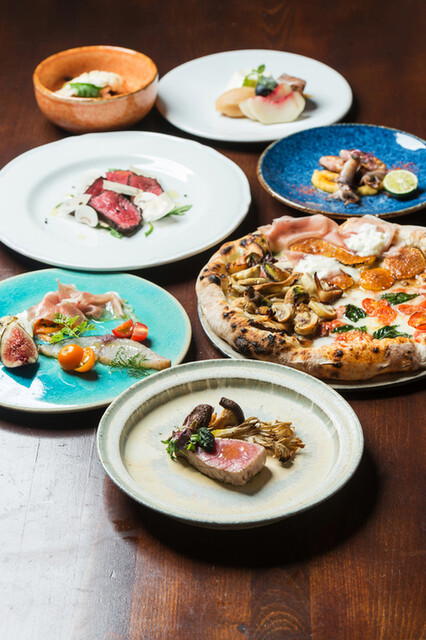
Details
- Cozy
- Elegant
- Intimate
- Sophisticated
- Date Night
- After Work
- Solo
- Casual Hangout
- Design Destination
- Hotel Bar
- Seated Bar
- Lounge Seating
- Counter Only
- Natural Wine
- Conventional Wine
- Sake
- Street Scene
Current opening hours
- Monday
- 5–10 PM
- Tuesday
- 5–10 PM
- Wednesday
- 5–10 PM
- Thursday
- 5–10 PM
- Friday
- 5–10 PM
- Saturday
- 5–10 PM
- Sunday
- 5–10 PM
Hours can change for holidays and private events. Last verified .
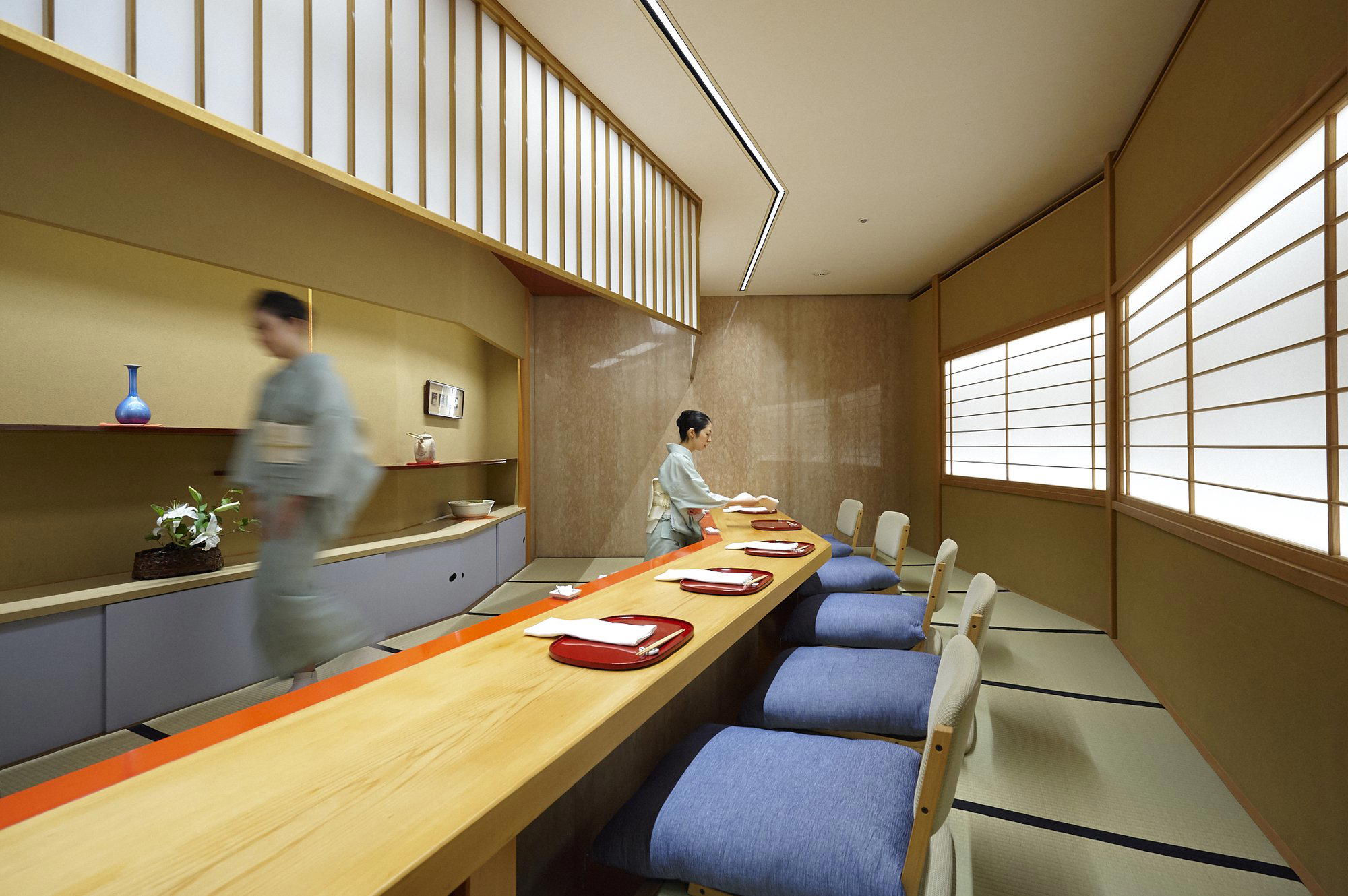
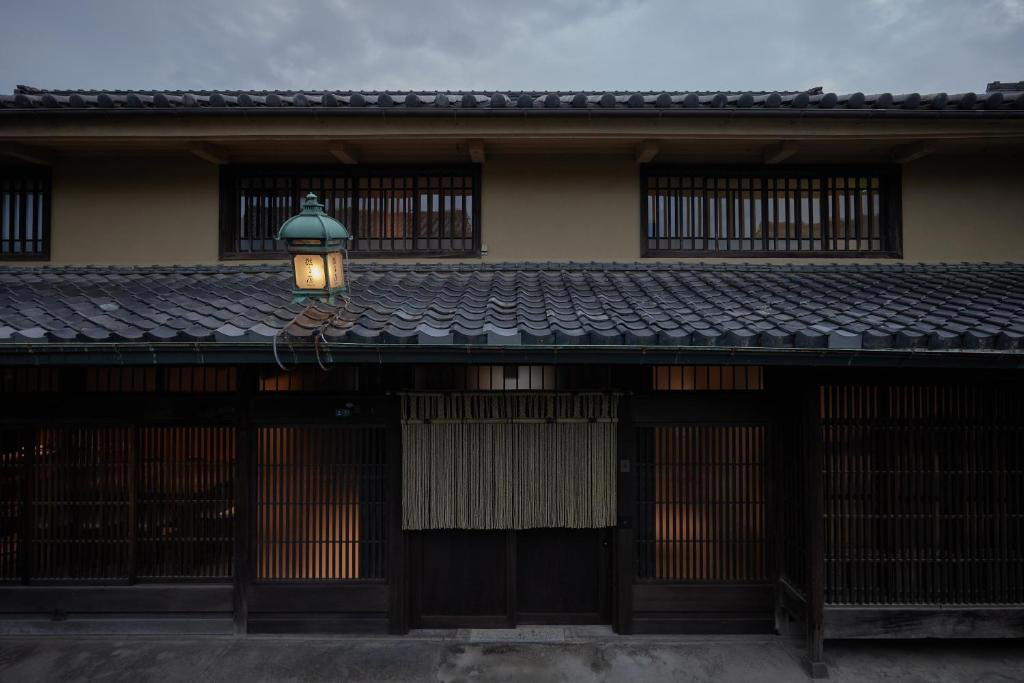
Reviews and hotel materials describe a small, casually styled but refined wine bar with only about ten seats, soft lighting, and a quiet, relaxed mood that matches Yoruya’s minimalist, renovated-merchant-house aesthetic in the Bikan Historical Quarter.