Our verdict
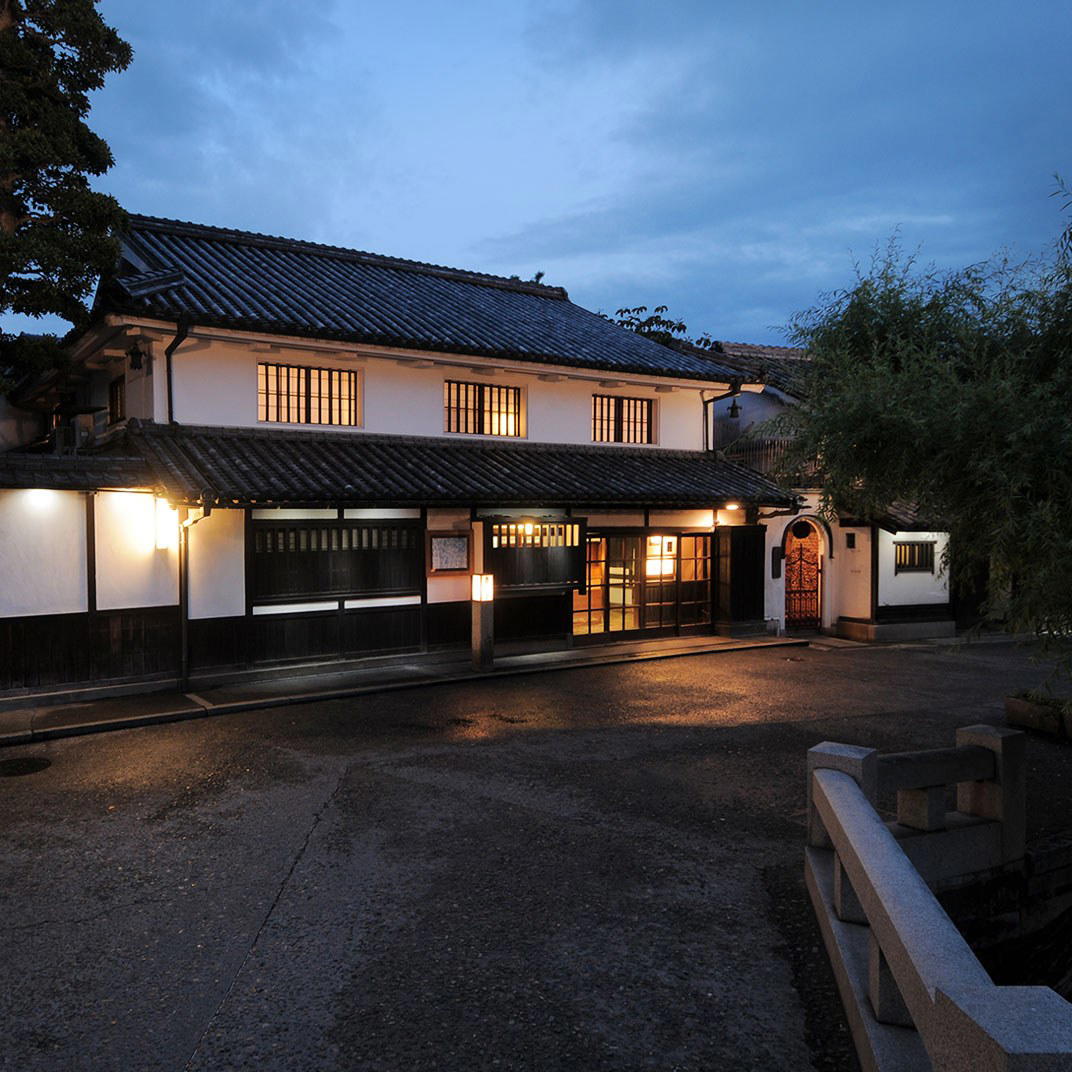
Jiyuken is a Fukuyama restaurant operating within a city whose dining scene sits at a crossroads between regional Hiroshima-ken tradition and quieter, less-documented local craft. The kitchen draws on culinary roots that place it among the more locally embedded addresses in a city better known for its castle than its restaurant culture.

Pearl is the En Primeur Club membership app — saves, bookings, and concierge access live there. Same editors, same standards.
- Address
- Fukuyama, Japan
- Directions
- Get directions
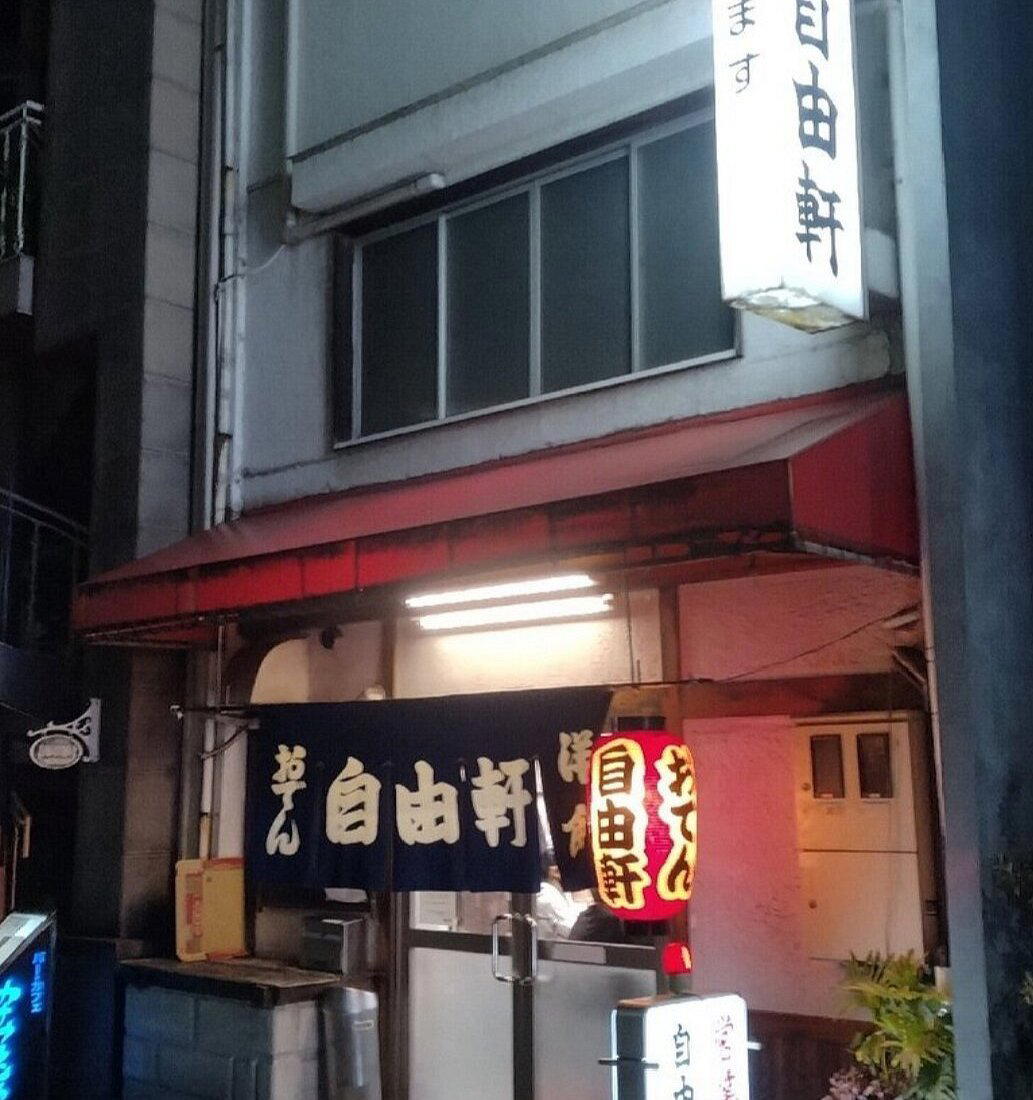
The menu
What to order
- Oden
- Omurice
Fukuyama's Dining Character and Where Jiyuken Sits
Cities like Fukuyama rarely attract the food-press attention that flows to Hiroshima or Okayama, despite sitting between them on the Sanyo corridor. That relative obscurity shapes what restaurants here do and how they do it: the clientele is local, the pricing structure responds to local spending patterns, and the identity of any given kitchen tends to be built on repetition and neighbourhood trust rather than on press cycles or reservation competition. Jiyuken operates within that context, which is a different competitive environment from the Michelin-graded counters of Harutaka in Tokyo or the austere kaiseki lineage of Gion Sasaki in Kyoto, and should be read accordingly.
The Hiroshima prefecture dining tradition draws on a specific agricultural and coastal larder: oysters from Miyajima, citrus from the inland valleys, and a okonomiyaki culture that diverges sharply from Osaka's layered version. Restaurants further east, in the Fukuyama basin, also draw on Setouchi seafood — the narrow inland sea produces bream, amberjack, and octopus in a microclimate that rewards local sourcing. That geographic specificity is worth understanding before visiting any Fukuyama address, because the seasonality of the menu, wherever menus are driven by it, follows Setouchi rhythms rather than national trend cycles.
The Cultural Frame: Regional Japanese Restaurant Identity
Japanese restaurant culture outside the major cities has a distinct sociological character. In Tokyo or Osaka, a restaurant's identity is often mediated through credentials — training lineage, awards, press recognition. In a city like Fukuyama, that mediation is less common. Restaurants tend to accumulate identity through years of operation and the specific loyalty of a returning local audience. The contrast is instructive when comparing Fukuyama's dining scene against something like the recognition-heavy tier occupied by HAJIME in Osaka or the modernist Korean framework of Atomix in New York City. Those venues exist in ecosystems where external validation is structural. Jiyuken exists in an ecosystem where it largely is not, and the food culture that produces it is different as a result.
That distinction matters editorially because it shifts the lens through which you should assess a visit. You are not arriving at a venue performing for critics. You are arriving at a place shaped by the specific demands of a mid-sized Japanese city with its own culinary reference points and its own sense of what a proper meal should do. Within Fukuyama's options, Okonomiyaki Chotto Yonnai anchors the city's working-class street food tradition, while addresses like Mingei Chadokoro Fukatsuya reflect the quieter tea-culture aesthetic that runs through parts of western Honshu. Jiyuken sits within this range, and understanding that range is necessary context for any visit.
Fukuyama's Broader Restaurant Set
The city's dining options span several registers without reaching the density or specialisation of larger Japanese urban centres. Le Miroir and Manneken represent the European-influenced end of the local range, a category that appears across Japanese provincial cities where French and Belgian culinary formats took root during the 1980s and have remained as a kind of institutionalised alternative to washoku. Mikiwatei Oichi Kochi occupies a different register again. That spread is typical of a Japanese city of Fukuyama's scale: enough variety to serve a diverse local population, not enough concentration in any single category to produce the competitive intensity that drives innovation in Tokyo or Fukuoka.
For comparison against what the broader Japanese regional scene can produce at its most accomplished, Goh in Fukuoka shows how Kyushu's ingredient wealth has supported serious creative cooking outside the capital. The Nanao restaurant 一本木 金沢製 and Sapporo's 古往今来 each illustrate how regional Japanese cooking can develop a strong identity tied to local agricultural specificity. Fukuyama's equivalent claim rests most credibly on its Setouchi access, and restaurants that exploit that geography honestly tend to be the ones worth seeking out.
Planning a Visit to Jiyuken
Fukuyama is accessible by Shinkansen from both Hiroshima and Okayama, which makes it a practical stop on a longer western Honshu itinerary rather than a standalone destination for most international visitors. Travel time from Osaka is approximately ninety minutes by Nozomi, which positions the city within the day-trip or one-night range for travellers based further west. The surrounding region, including Onomichi and the Tomonoura historic port area, adds context for a longer stay. For a fuller picture of what the city's restaurant scene currently offers across categories, the EP Club Fukuyama restaurants guide maps the range more comprehensively.
Because the venue data available for Jiyuken does not include current booking methods, hours, or price details, the practical planning advice is to contact the restaurant directly before visiting and to treat any third-party booking information with caution given how frequently it becomes outdated for smaller Japanese independents. For travellers building a trip around restaurant dining, anchoring around one or two confirmed reservations and treating Jiyuken as a walk-in possibility is a lower-risk approach than attempting to build a fixed itinerary around it. Provincial Japanese restaurants often operate on hours that differ from what aggregator sites list, particularly around lunch service and mid-week closures.
The seasonal calendar for the Setouchi region argues for visits between late autumn and early spring for those prioritising seafood quality, when the cold water temperatures produce the most concentrated flavour in the bream and shellfish that define the regional larder. Summer visits to Fukuyama centre more naturally on the city's festival calendar and castle area than on restaurant dining specifically.
For travellers building a broader Japan itinerary that includes western Honshu addresses, the contrast between Fukuyama's quieter local scene and the more credential-saturated dining of akordu in Nara or the intimate counter formats found at places like Le Bernardin in New York City for international reference points helps calibrate expectations. Jiyuken is a local restaurant in a Japanese provincial city. Engaging with it on those terms, rather than through the lens of destination dining, is likely to produce a more accurate and more satisfying experience. Restaurants like Birdland in Sakai and 湖隣荘 in Takashima, and 羽根屋 in Nishikawa Machi offer useful regional comparators for the kind of quiet craft that Japanese smaller-city dining can produce at its most coherent.
Frequently asked questions
Is Jiyuken a good dining option when passing through Fukuyama on the Shinkansen?
Fukuyama's Shinkansen station makes it a practical mid-point stop between Hiroshima and Okayama, and Jiyuken is among the restaurants that give the city a reason to pause rather than pass through. Regional Japanese restaurants in cities of this scale tend to draw a consistent local clientele rather than transit visitors, so arrival timing and advance contact matter. Confirming hours and availability before your journey is advisable.
What's the best thing to order at Jiyuken?
Visiting without a fixed agenda and deferring to the kitchen's current offerings is the approach that tends to work best at this type of venue. Asking staff directly about the day's focus is a practical starting point.
How far ahead should I plan for Jiyuken?
Fukuyama is reachable by Shinkansen from both Hiroshima and Okayama, so Jiyuken fits naturally into a western Honshu itinerary rather than requiring a dedicated trip. Contacting the venue directly ahead of your travel dates is the safest approach.
What do critics highlight about Jiyuken?
Fukuyama sits between Hiroshima and Okayama on the Sanyo corridor and draws limited national food-press attention despite a genuine local dining culture. Jiyuken's standing in that context is rooted in neighbourhood authority rather than award documentation, which is consistent with how regional Japanese restaurants outside Tokyo and Osaka typically build their reputations.
Price and Recognition
Comparable venues nearby, for context on price, style, and recognition.
| Venue | Cuisine | Price | Awards | Notes |
|---|---|---|---|---|
| JiyukenThis venue — the venue you are viewing | Japanese Izakaya with Western Fusion | Not listed | Not listed | Not listed |
| Tonshou | Specialist Tonkatsu (Pork Cutlet) | $30–50 | Tabelog 100 #47 | Minamizao-cho, Specialist Tonkatsu (Pork Cutlet) |
| Tori Tsune | Yakitori | Not listed | Tabelog 100 #38 | Mikadocho, Yakitori |
| 旬彩酒肴 おく村 | Seasonal Kaiseki | $150–200 | Not listed | Harubi-cho, Fukuyama, Seasonal Kaiseki |
| Mingei Chadokoro Fukatsuya | Traditional Japanese Tea House | $1–10 | Not listed | Fukuyama City, Traditional Japanese Tea House |
| Steak Kaiseki Miyako Kasuga | Teppanyaki Steak Kaiseki in Garden Villa | $150–200 | Tabelog 100 #45 | Kasugacho / Kasuga-cho, Teppanyaki Steak Kaiseki in Garden Villa |
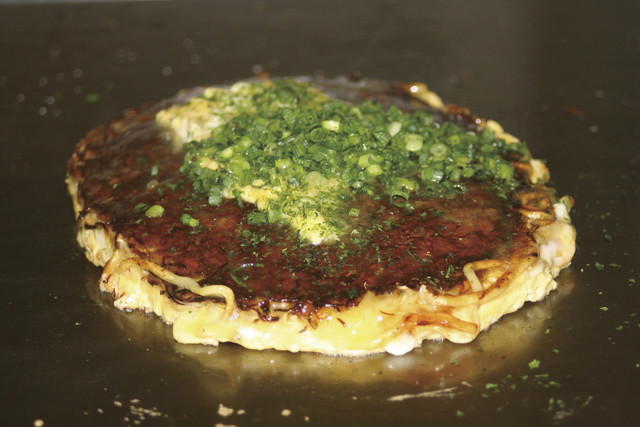
Details
- Cozy
- Retro
- Classic
- Intimate
- Casual Hangout
- After Work
- Standalone
- Sake Program
- A La Carte
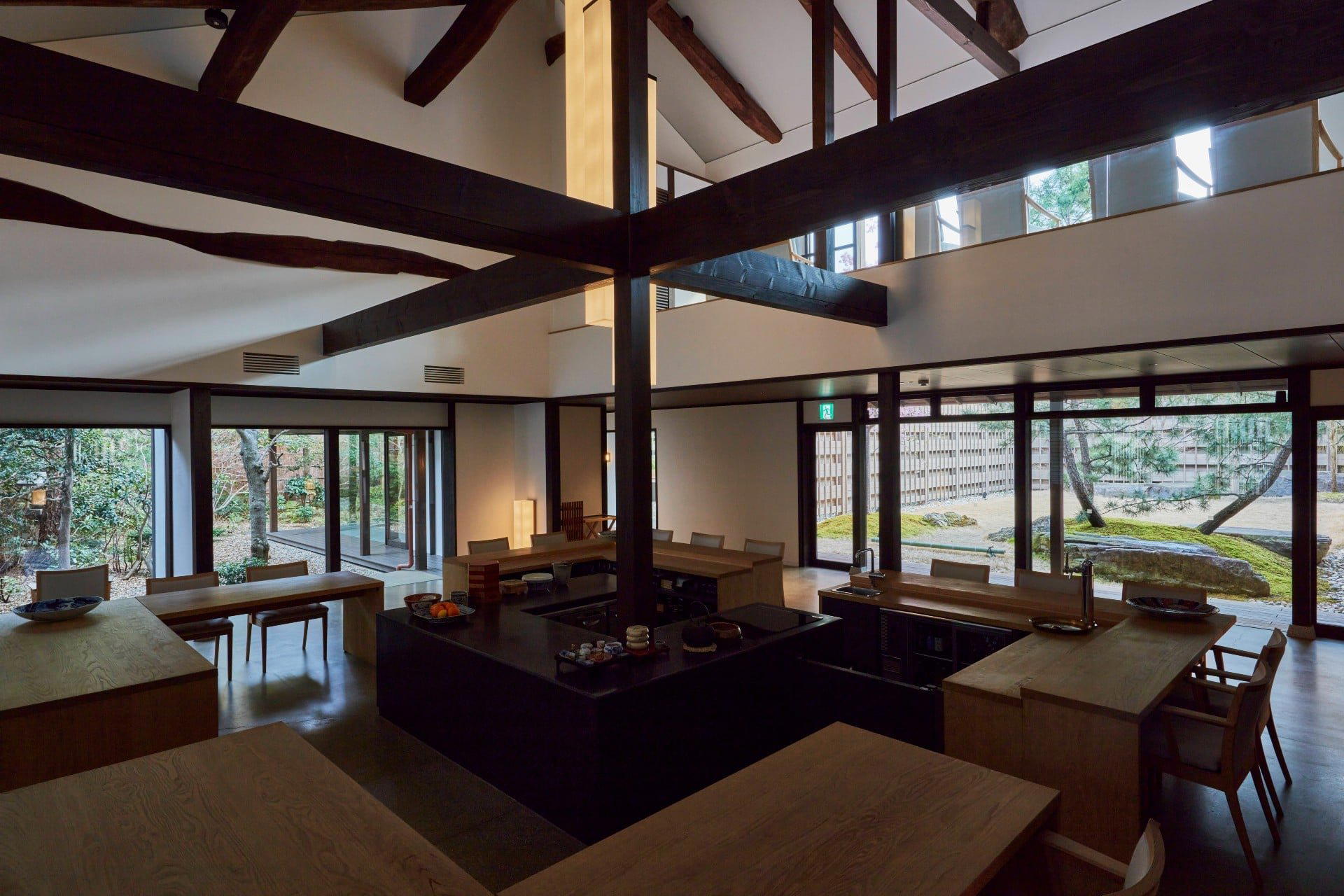
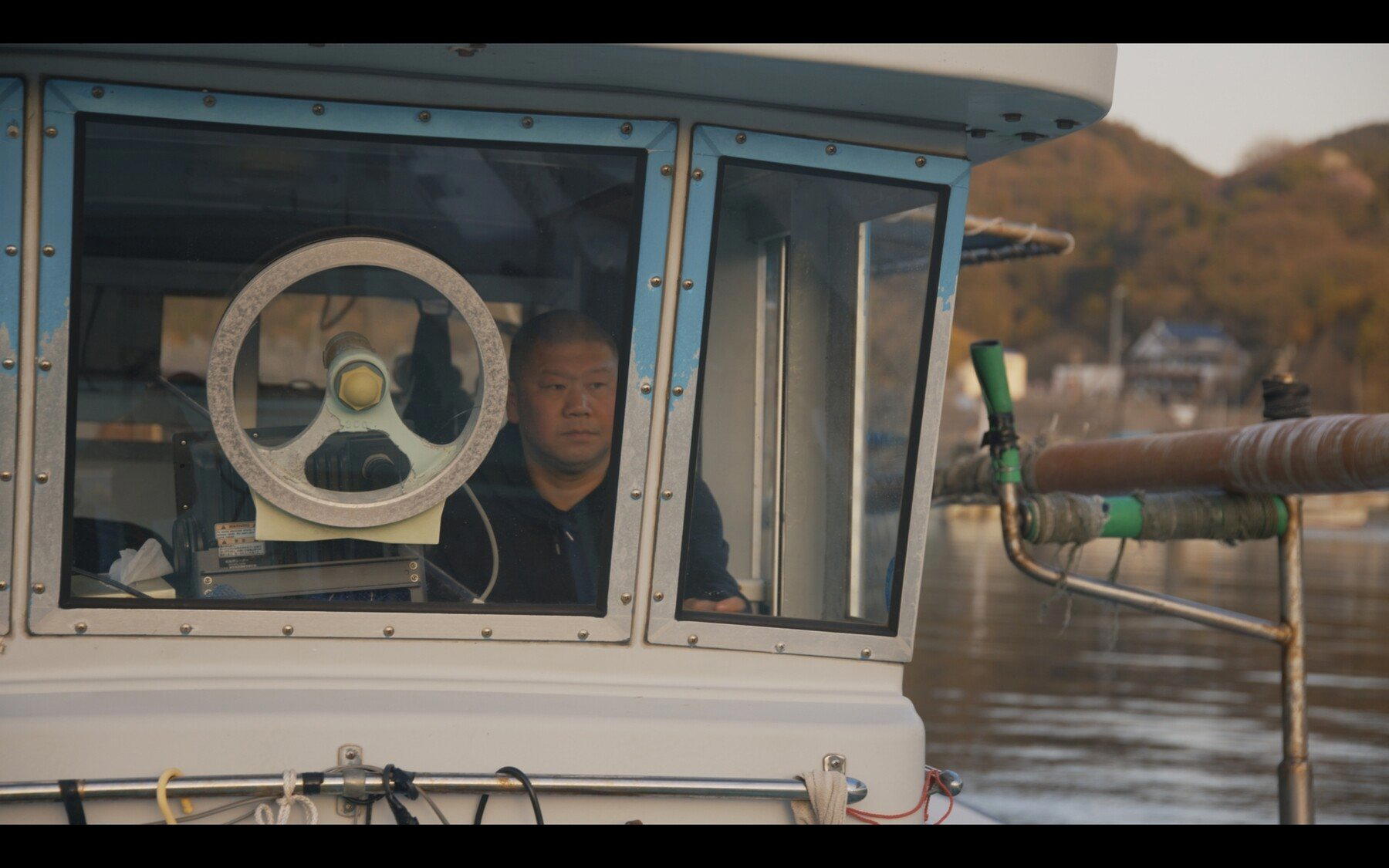
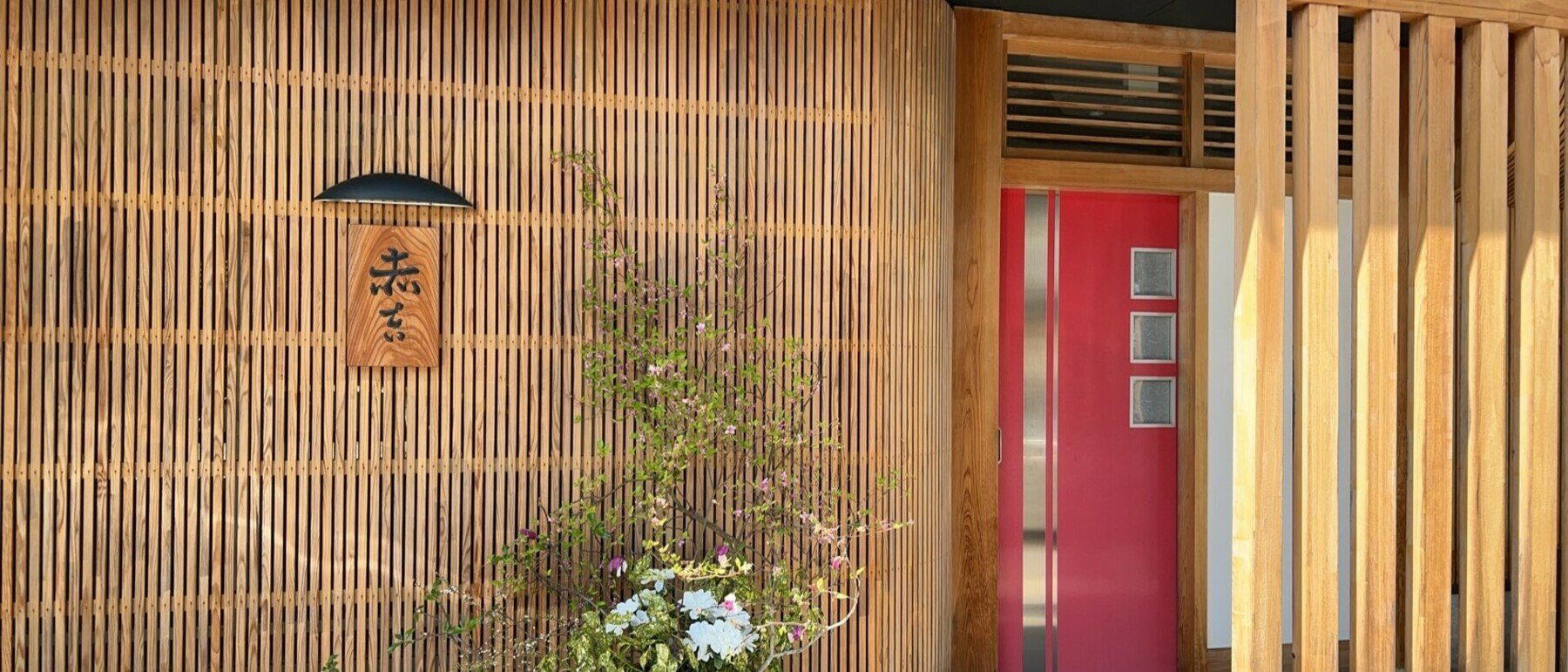
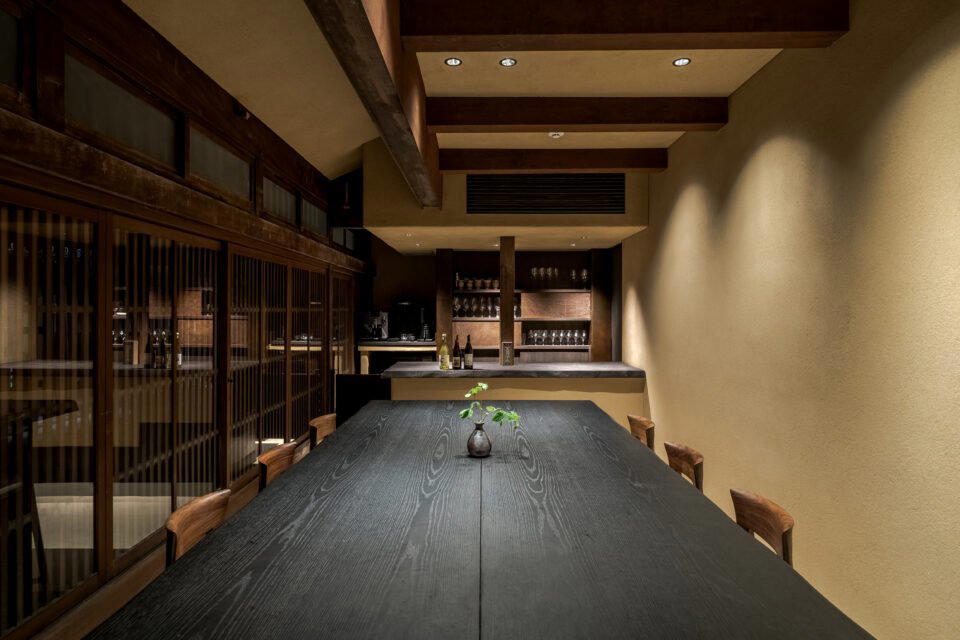
Retro atmosphere with purple curtains, old-days Japan feel, cozy and authentic with counter seating and two tables run by a married couple.