Our verdict
ラルドワーズ occupies a quiet address in Fukuyama's Miyukicho district, drawing a loyal local following that returns not for novelty but for consistency. The French name — l'ardoise, a chalkboard — signals a menu that shifts with the kitchen's judgment rather than a fixed roster of dishes. For Fukuyama, it represents a distinct register of dining that sits apart from the city's more casual restaurant corridor.

Pearl is the En Primeur Club membership app — saves, bookings, and concierge access live there. Same editors, same standards.
- Address
- Kamiiwanari-455-3 Miyukicho, Fukuyama, Hiroshima 720-0001, Japan
- Phone
- +81849727689
- Hours
- Mon–Wed 11:30 AM–2 PM, 6–10 PMThu ClosedFri–Sat 11:30 AM–2 PM, 6–10 PMSun 11:30 AM–2 PM, 6–9 PM
- Website
- lardoise.tv
- Directions
- Get directions
- Booking
- Book on the venue's website
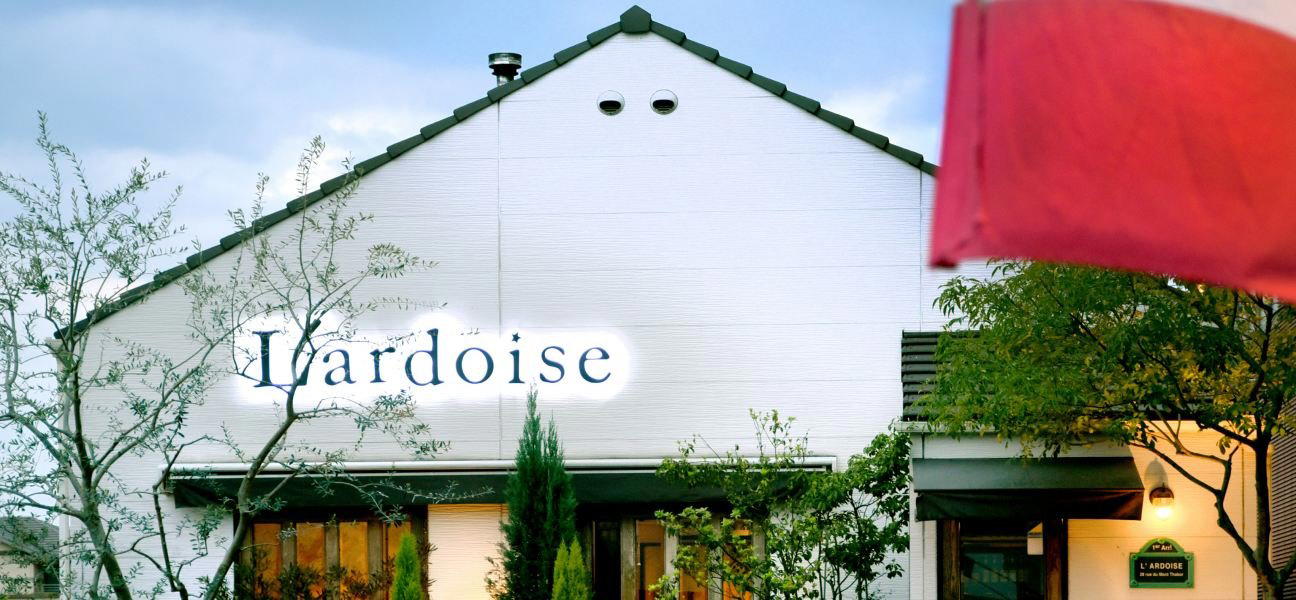
A Chalkboard in Miyukicho
Fukuyama does not have the restaurant density of Hiroshima city, forty minutes west by Shinkansen, nor the culinary gravity of Osaka or Kyoto. What it has is a scattered constellation of serious, locally rooted kitchens that sustain themselves on repeat custom rather than tourist traffic. ラルドワーズ — the name translates from French as "the chalkboard," a term long associated with daily-changing menus in French bistro culture — operates from an address in Miyukicho, a residential pocket of the city that generates no foot traffic on its own. The people who find it are, almost without exception, people who have been before.
That pattern of return is itself an editorial signal. In Japan's smaller cities, restaurants that rely on regulars develop a different rhythm from destination venues. The menu adapts to what the kitchen can source that week. The pace is set by the room, not by a tasting sequence. The relationship between cook and diner accumulates across visits in ways that a single reservation cannot capture. Compare this to a venue like Gion Sasaki in Kyoto, where the dining experience is partly constructed around the weight of expectation that first-time visitors carry. ラルドワーズ operates in the opposite register: it earns its reputation incrementally, through visits that compound.
The Regulars' Logic
The French bistro chalkboard tradition, from which the restaurant takes its name, carries a specific philosophy: the menu exists to reflect what is available, not to anchor a brand identity. At the venues that take this most seriously, regulars develop an instinct for what the kitchen will do with seasonal produce, and they return precisely because the menu cannot be fully anticipated. This is a meaningful distinction from fixed-tasting formats, where the experience is designed to be complete on a single visit.
Across Japan's mid-sized cities, this chalkboard-style approach has found a natural home in French-influenced kitchens that source locally but cook through a European lens. Le Miroir, also in Fukuyama, operates within a comparable framework, and the two restaurants together suggest that the city supports a small but committed audience for this kind of European-influenced cooking. The regulars at both venues tend to be local professionals and families who have developed preferences over years of dining rather than visitors benchmarking against a national ranking.
The address in Miyukicho, a residential area without the commercial visibility of central Fukuyama, reinforces this dynamic. A kitchen that chooses a location without walk-in trade is making a statement about its intended relationship with its audience. It is not competing for passing attention. It is relying on the kind of word-of-mouth that only functions if the food consistently justifies another visit. For context on the broader dining scene in the city, see our full Fukuyama restaurants guide.
Where ラルドワーズ Sits in the City's Dining Tier
Fukuyama's restaurant scene is thin at the formal end but reasonably deep in the middle register, casual dining, ramen, izakaya-style eating, and it is in that middle-to-upper band where kitchens like ラルドワーズ operate. The competitive reference points are not the Michelin-tracked counters of Osaka, like HAJIME, or the precision-driven omakase rooms of Tokyo, like Harutaka. They are the handful of Fukuyama kitchens, including Jiyuken, Manneken, and Mikiwatei Oichi Kochi, that aim for a level of care and consistency above the city's everyday dining tier.
This is a pattern repeated across Japan's secondary cities. In Nanao, 三本木 糸川製 holds a similar position in a smaller market. In Takashima, 滋賀院壁 functions as a serious kitchen operating outside the usual circuit of critical attention. These venues share a structural condition: they exist in places where the infrastructure of culinary recognition, guidebooks, critic visits, social media discovery, is thinner, and where longevity is therefore a more reliable indicator of quality than any award or rating. Mingei Chadokoro Fukatsuya, also in Fukuyama, represents a related example in a different format.
For a city like Fukuyama, the relevant comparison is not with headline destinations in Japan's major cities, but with the pattern of serious regional cooking that sustains itself on local loyalty. Goh in Fukuoka and akordu in Nara both demonstrate how European-inflected cooking can find a committed audience in Japanese cities that are not primary destinations for international food travel.
Planning a Visit
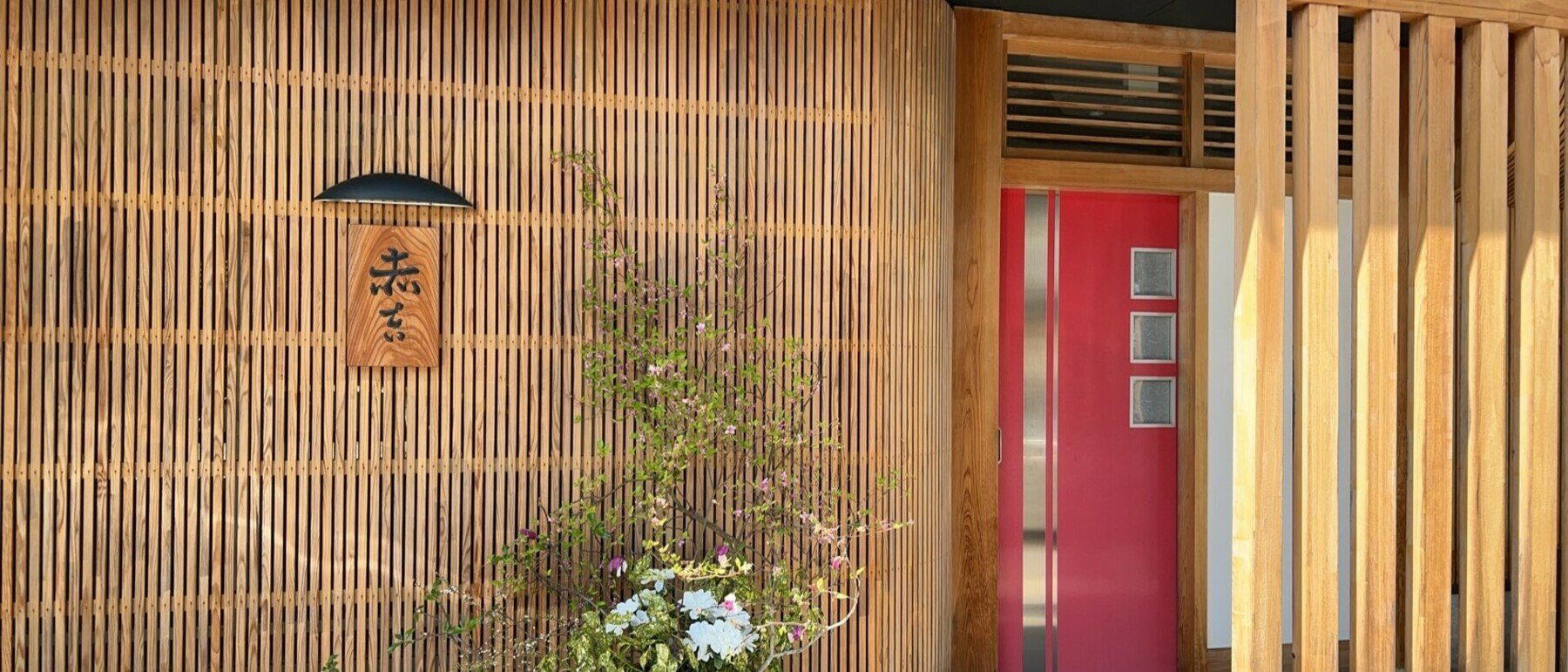
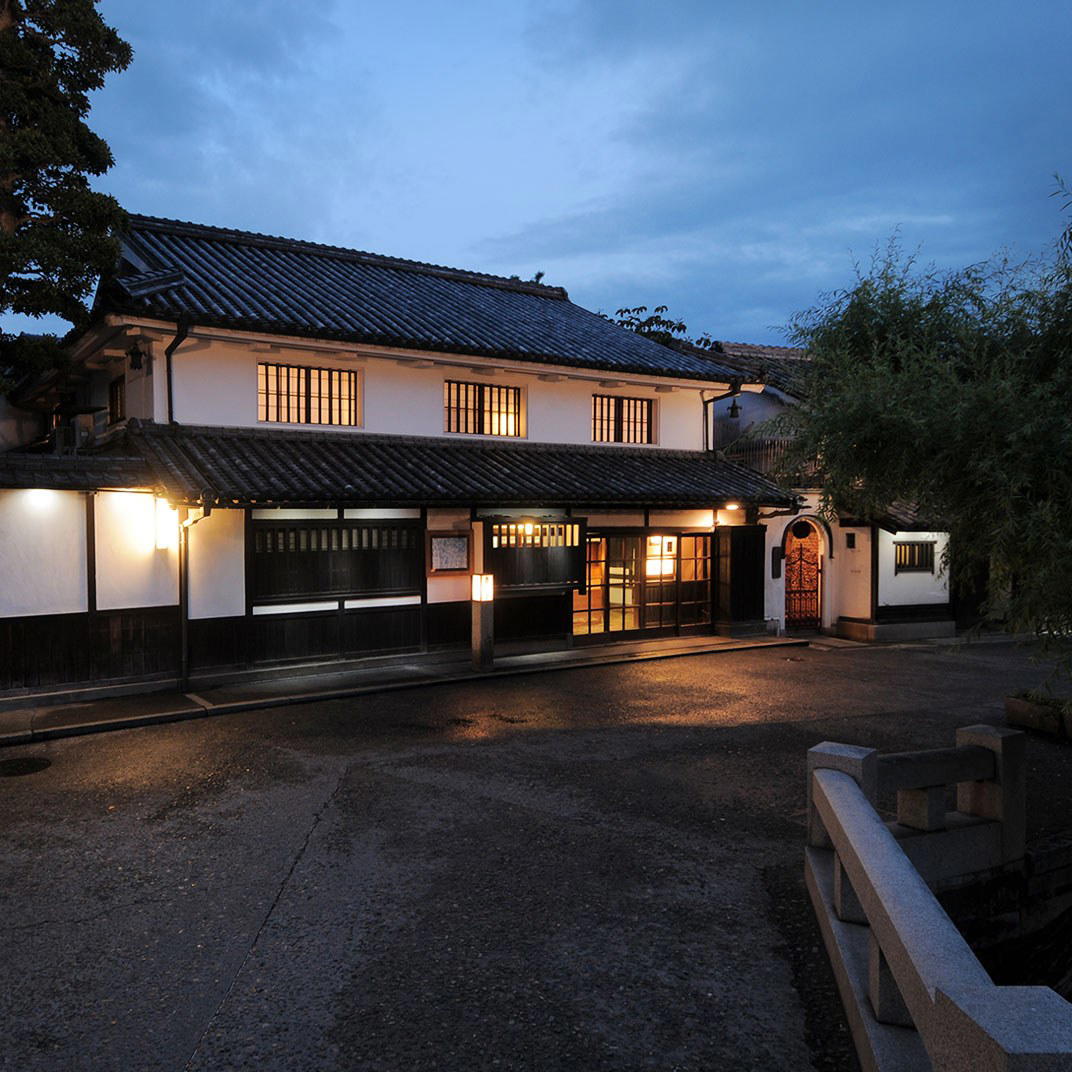
Miyukicho is a residential address, and ラルドワーズ sits within it without the signage or street presence of a centrally located restaurant. Fukuyama Station, served by the San'yo Shinkansen line, is the practical access point for visitors arriving from Hiroshima, Okayama, or Osaka. From the station, the Miyukicho address requires either a taxi or a local bus connection rather than a walkable approach from the main commercial district. For visitors building a broader Japan itinerary, the venue sits within easy reach of the Setonaikai coastal route that links Hiroshima to Okayama, a corridor with its own cluster of serious regional kitchens.
Chalkboard-format kitchens in Japan frequently keep limited seat counts and do not maintain the kind of online booking infrastructure common at higher-profile venues. Arriving without a reservation at a kitchen of this type, in a location without foot traffic, carries meaningful risk of finding the room full or the kitchen closed. The model rewards advance planning rather than spontaneous visits.
For reference on how similarly positioned European-inflected kitchens in major markets handle pricing and format, Le Bernardin in New York City and Atomix in New York City provide a useful contrast in how French-influenced fine dining scales with market size, the gap between those rooms and a regional Japanese chalkboard kitchen is instructive about what the format can and cannot signal about price and formality. Closer to home, Birdland in Sakai and 夕佳仙乃亭 in Sapporo show how dedicated regional kitchens outside Japan's major cities develop their own loyal followings over time, the same dynamic that appears to animate ラルドワーズ in Fukuyama. Also of note: 庭羽屋 in Nishikawa Machi provides a further regional point of reference for smaller-city Japanese dining in a Western-influenced register.
Frequently asked questions
What part of town is ラルドワーズ in?
ラルドワーズ is located at Kamiiwanari-455-3 Miyukicho, Fukuyama, Hiroshima 720-0001, Japan, Fukuyama.
Is ラルドワーズ worth visiting from Hiroshima city?
Fukuyama is approximately forty minutes east of Hiroshima by Shinkansen, making ラルドワーズ a plausible standalone destination for anyone already travelling through the San'yō corridor. The French chalkboard format it runs is not a format you can easily replicate by staying in Hiroshima city itself, which has greater restaurant density but fewer venues operating on this specific bistro philosophy. Whether the detour suits your itinerary depends on how much the format and the Miyukicho neighbourhood context factor into what you're looking for.
What should I eat at ラルドワーズ?
The menu at ラルドワーズ follows the French chalkboard tradition, meaning it shifts with market availability rather than offering a fixed card. Arriving with specific dish expectations is less useful than arriving hungry and open to whatever the board shows that day. In Fukuyama's dining context, where this format is uncommon, the range on offer at any given sitting reflects what's seasonal and sourced that week.
Is ラルドワーズ reservation-only?
ラルドワーズ sits at a residential Miyukicho address rather than a high-footfall street, which typically means the kitchen operates on limited covers rather than walk-in volume. Contacting the restaurant directly before visiting is advisable, particularly for evening service. No phone or online booking link is publicly listed, so the most reliable approach is an in-person inquiry or reaching out through local dining networks.
What's the signature at ラルドワーズ?
The defining feature is the format itself: a chalkboard menu rooted in the French bistro tradition, where the day's dishes exist to reflect what is fresh and available rather than what a printed card dictates. In Fukuyama, a city whose formal dining tier is thin, that philosophy positions ラルドワーズ as one of the few venues operating on a genuinely produce-led basis.
How does ラルドワーズ handle allergies?
Because the menu changes with market availability, the kitchen's ingredients shift regularly, which makes advance communication about dietary restrictions more important here than at venues running fixed menus. No allergy policy is publicly documented. Raising any dietary requirements directly with the restaurant before your visit is the sensible course of action.
Where It Fits
Comparable venues nearby, for context on price, style, and recognition.
| Venue | Cuisine | Price | Awards | Notes |
|---|---|---|---|---|
| ラルドワーズThis venue — the venue you are viewing | Local Setouchi French | $20–30 | Not listed | Not listed |
| Le Miroir | Authentic French | $50–100 | Not listed | Takaramachi |
| Jiyuken | Japanese Izakaya with Western Fusion | Not listed | Not listed | Motomachi |
| Unagi Nakasho | Traditional Unagi (eel) restaurant | $30–50 | Tabelog 100 #67 | Okinogamicho |
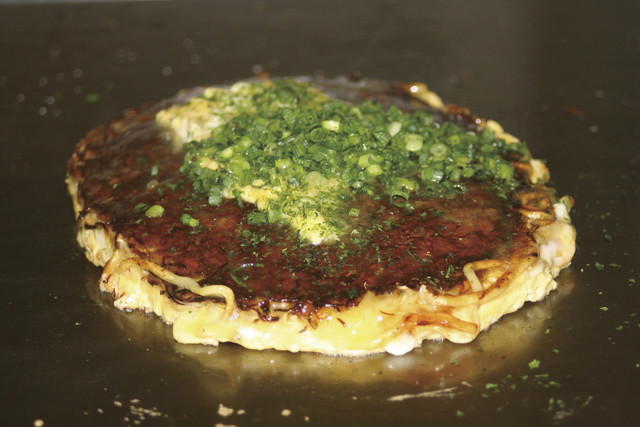
| お好み焼き ちょっとよんない | Hiroshima-Style Okonomiyaki | $10–20 | Not listed | 鞆町鞆 |
| エルバ | Italian Fine Dining | $30–50 | Not listed | 明治町 |
Details
- Elegant
- Cozy
- Intimate
- Date Night
- Special Occasion
- Celebration
- Standalone
- Sake Program
- Local Sourcing
- A La Carte
Current opening hours
- Monday
- 11:30 AM–2 PM, 6–10 PM
- Tuesday
- 11:30 AM–2 PM, 6–10 PM
- Wednesday
- 11:30 AM–2 PM, 6–10 PM
- Thursday
- Closed
- Friday
- 11:30 AM–2 PM, 6–10 PM
- Saturday
- 11:30 AM–2 PM, 6–10 PM
- Sunday
- 11:30 AM–2 PM, 6–9 PM
Hours can change for holidays and private events. Last verified .
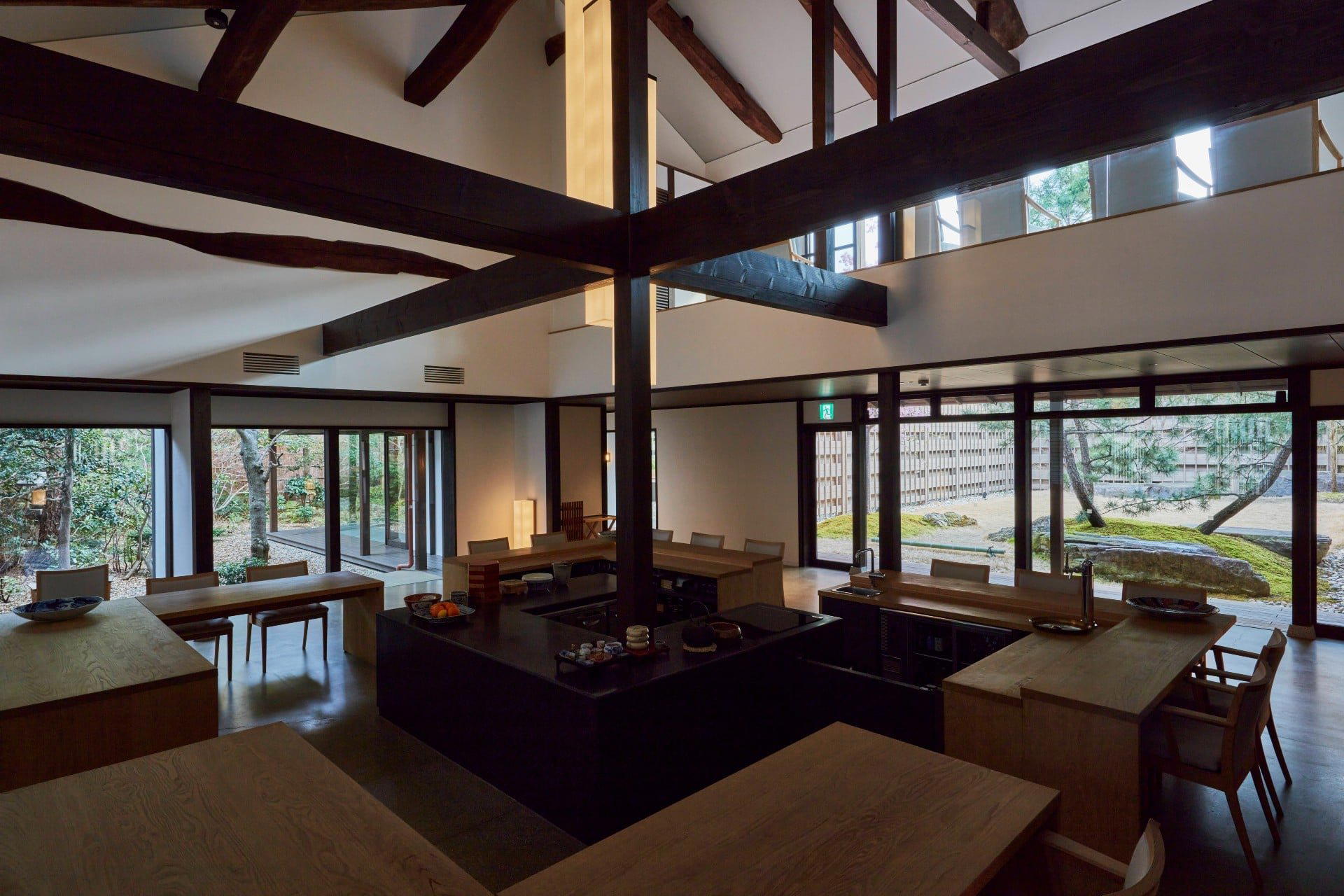
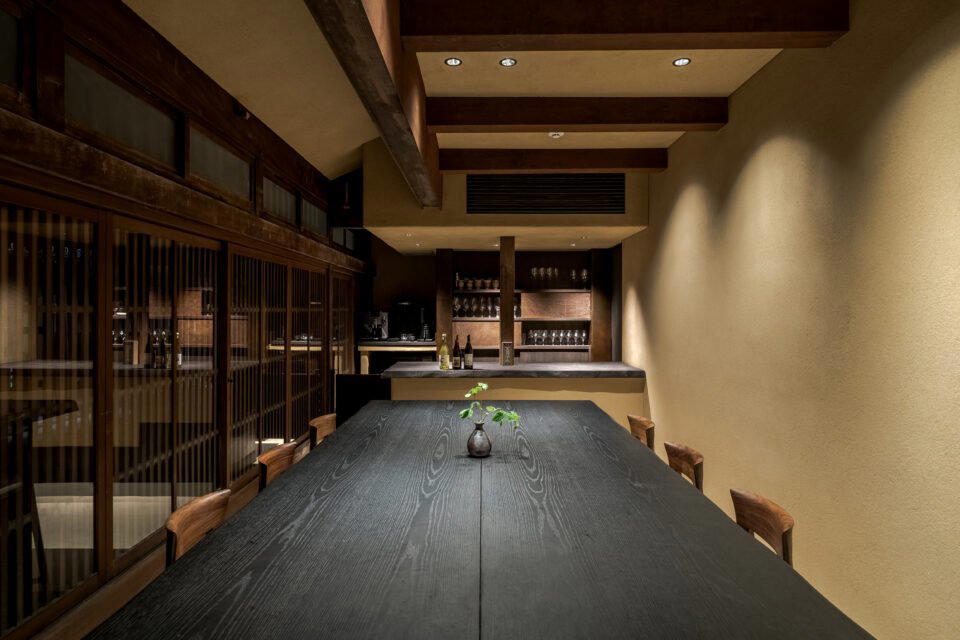
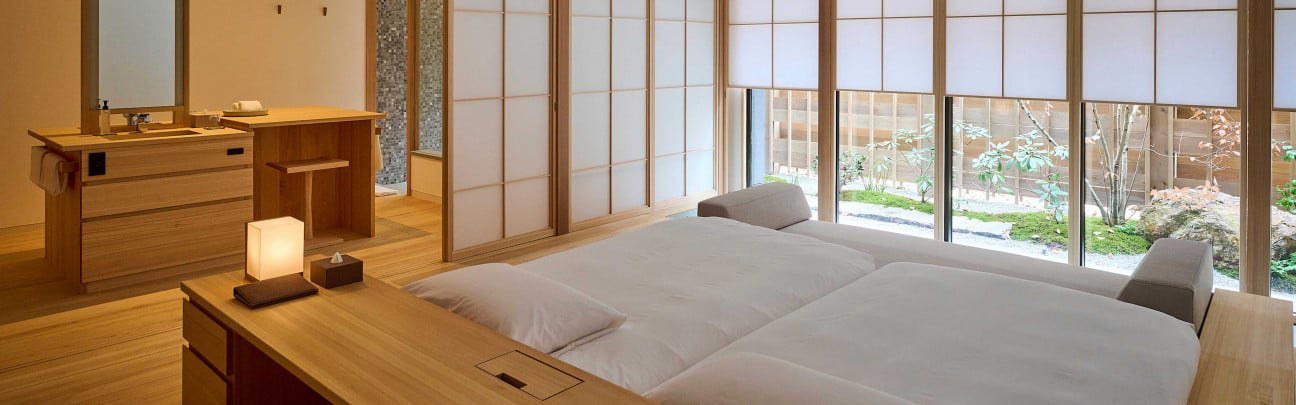
Calm and stylish interior with beautiful artistic plating appreciated in guest reviews.