
1 Michelin Key
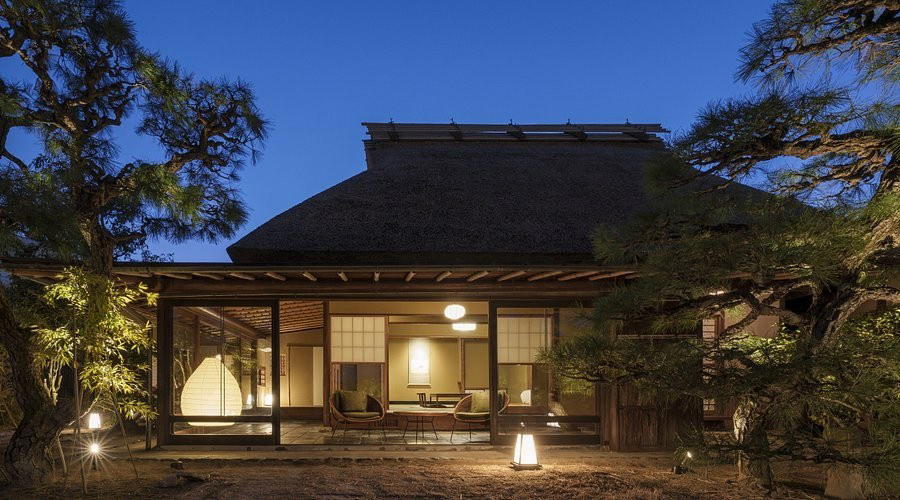
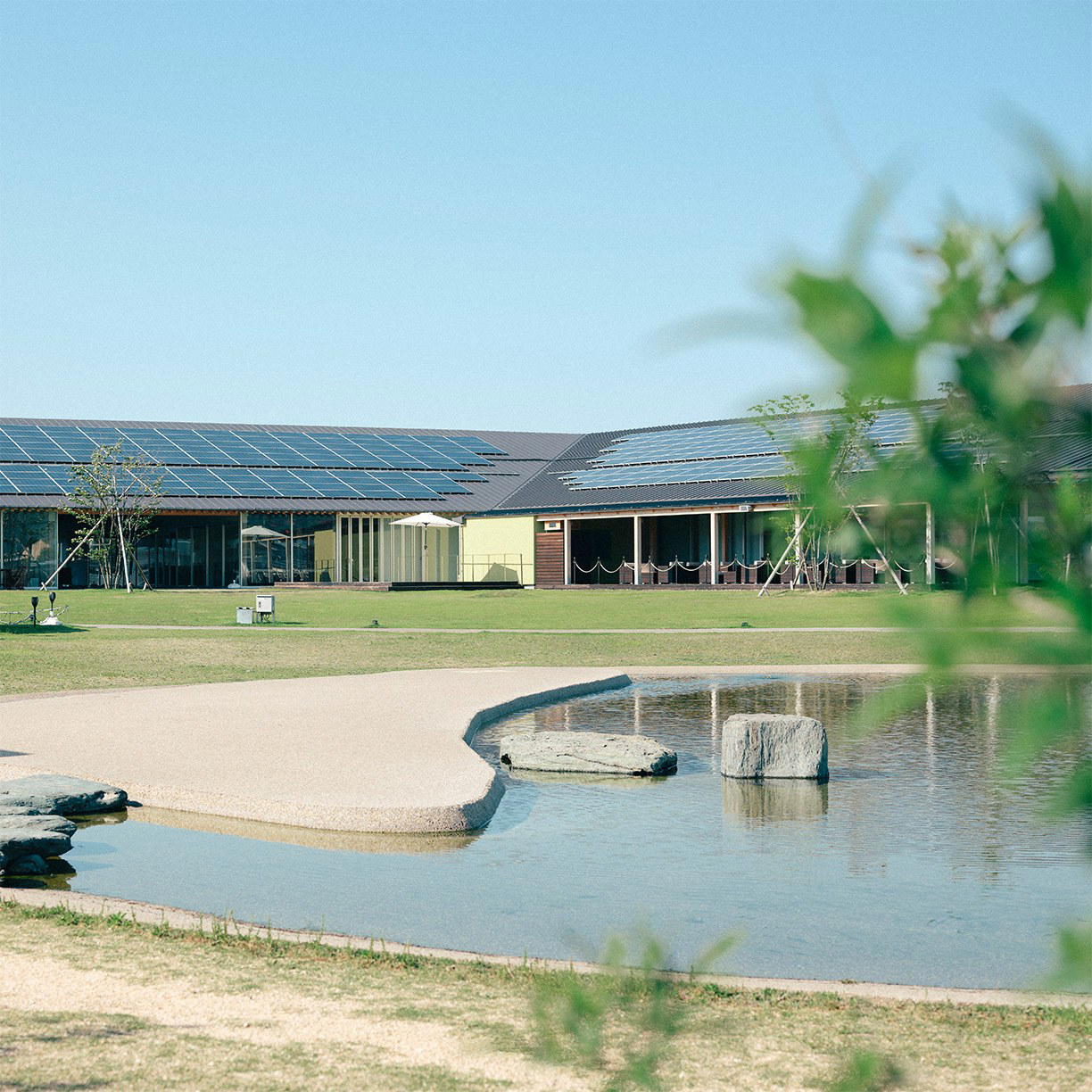
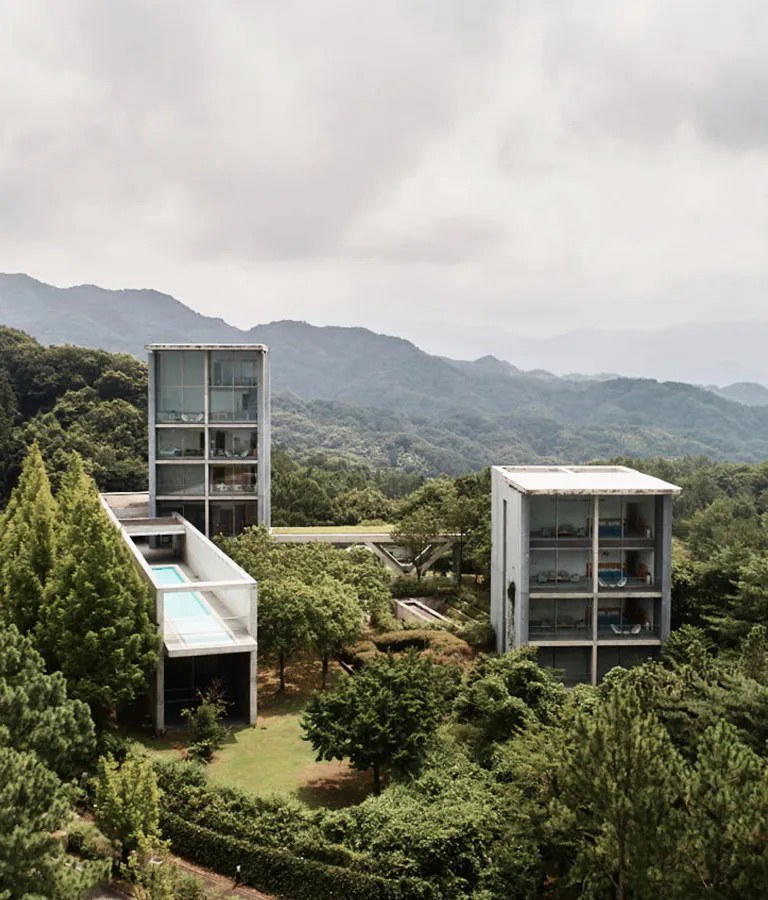
A Michelin One Key ryokan in the Hiroshima port town of Onomichi, Nishiyama opened in 2023 on the site of a 1943 tea house, reusing its original materials across 11 largely freestanding guest structures. At around $525 per night, it occupies the upper tier of the Setouchi region's small-inn scene, where architectural continuity and culinary restraint define the category.

Pearl is the En Primeur Club membership app, where members save venues, book tables and use the concierge.
A Port Town That Earns Closer Attention
Onomichi sits at the eastern edge of Hiroshima Prefecture, where the Seto Inland Sea narrows between the main island of Honshu and the chain of smaller islands that form the Shimanami Kaidō corridor. The town accumulated its wealth through centuries of maritime trade, and the density of temples, wooden machiya townhouses, and steep hillside lanes that resulted from that prosperity makes it one of the more architecturally layered small cities in western Japan. In recent years, the creative rehabilitation of its older building stock, spearheaded by a loose coalition of local operators and designers, has drawn a new wave of attention from travellers who have already worked through the major Setouchi circuits. For context on where to eat and what to explore across the city, see our full Onomichi restaurants guide.
The accommodation scene here operates on intimate terms. Onomichi is not a city of large resort footprints. Properties tend toward the small and considered, and the best of them position themselves as extensions of the town's layered character rather than alternatives to it. Azumi Setoda, which occupies a converted island sake brewery in the nearby Setouchi archipelago, represents one pole of this approach. Ryokan Onomichi Nishiyama represents another: a hillside inn that takes material continuity with the past seriously enough to have built its 2023 structure from the salvaged timber and fittings of the 1943 tea house that previously occupied the site.
What Michelin's One Key Signals in This Context
The Michelin Keys, introduced as a hotel designation system in 2024, use a structured framework that accounts for architecture, service, culinary offering, and atmosphere. A single Key in the context of a small-format Japanese inn is a meaningful credential: it places Nishiyama inside a peer group that skews toward properties with strong design integrity and a dining programme coherent enough to hold independent scrutiny. At the small-ryokan scale, eleven rooms, largely freestanding structures, pricing around $525 per night, the award functions as a category confirmation rather than a surprise. This is the tier of Japanese inn where the dining experience is inseparable from the stay, and where the Michelin Key is increasingly the clearest shorthand for that proposition.
Comparable properties across Japan that hold similar credentials tend to share a few structural characteristics: limited room counts that allow kitchen programmes to operate at a precision that larger hotels cannot sustain, material and design identities that connect to a specific place rather than a generic luxury vocabulary, and a food and drink offering that takes regional provenance seriously. Gora Kadan in Hakone and Asaba in Izu each operate within this same logic, connecting kaiseki or kaiseki-adjacent dining to specific landscape and ingredient contexts. In western Japan, Araya Totoan in Kaga and Nishimuraya Honkan in Kinosaki-chō hold analogous positions in their respective onsen towns. Nishiyama's coastal setting gives its kitchen a different pantry to draw from: the Seto Inland Sea is one of Japan's most productive fishing grounds, and the shellfish, bream, and small pelagic species that characterise its waters form the backbone of serious Setouchi cuisine.
The Dining Frame: Setouchi Kaiseki in a Salvaged Setting
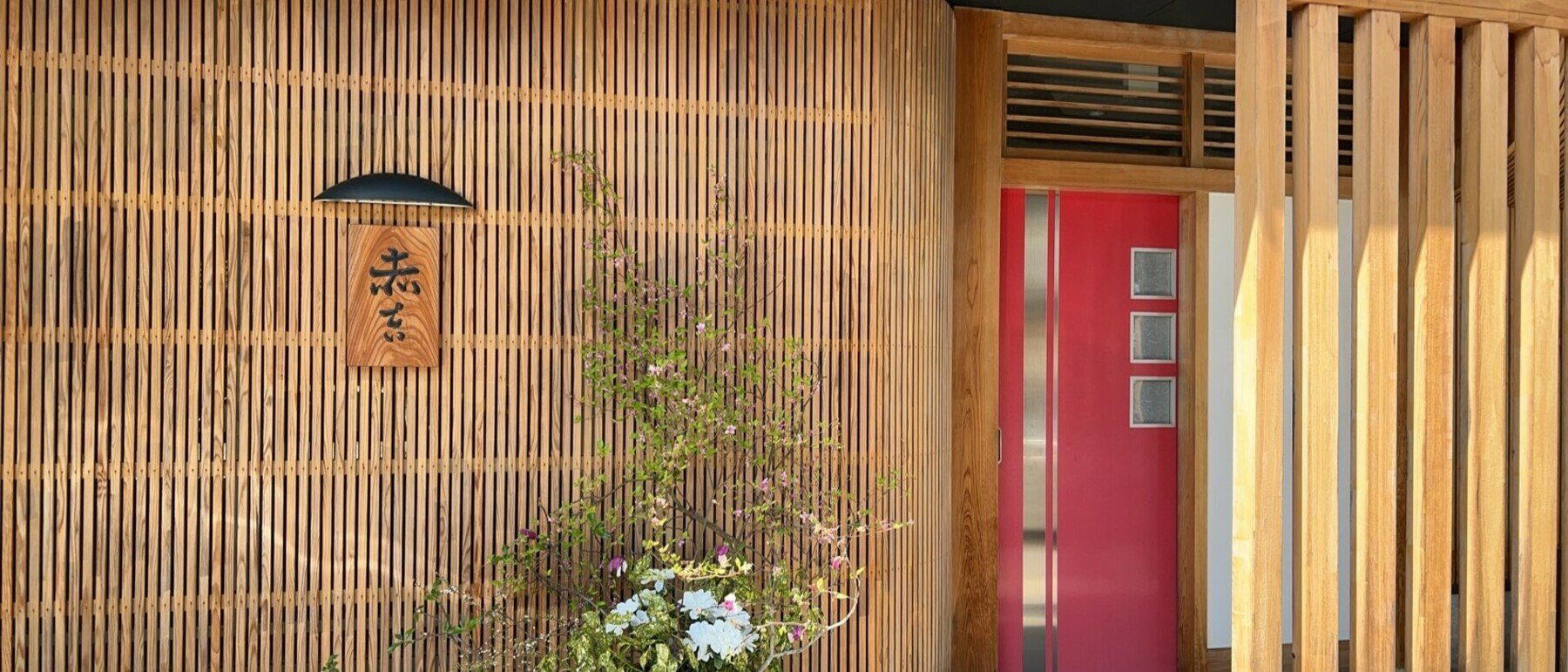
The editorial angle on Nishiyama begins with its dining context, and that context is tied directly to its architecture. The inn was built in 2023 but draws its material identity from the 1943 Nishiyama Bekkan tea house that preceded it. Timber, fittings, and structural elements from that original building were salvaged and incorporated into the new construction, creating a spatial continuity that is unusual even within Japan's heritage-sensitive inn culture. Dining within a structure that carries this kind of material memory is a different experience from dining in a purpose-built property: the physical environment carries a specific weight that shapes how food, service, and atmosphere register together.
The Seto Inland Sea's culinary identity is built on precision rather than abundance. The waters between the islands are subject to strong tidal flows that produce shellfish and fish with firm texture and clean flavour, sea bream from this stretch of water carries a reputation in Japanese culinary circles that functions similarly to how a specific appellation functions in wine. The kaiseki format, which structures the meal as a progression from light, seasonal preparations through to richer courses, is the natural vehicle for that kind of ingredient-led cooking in this context.
Guest room structures at Nishiyama are largely freestanding, which alters the dining dynamic in comparison to properties where all eleven rooms feed into a single shared dining space. Freestanding units typically mean that breakfast, and sometimes dinner, is served within the room or at a private table, maintaining the sense of separation and quiet that is central to the appeal of this format. This is a different proposition from the open kaiseki counter environment of city-based Japanese restaurants, and it is where the overlap between accommodation design and dining experience becomes most apparent.
Western Furniture, Japanese Structure
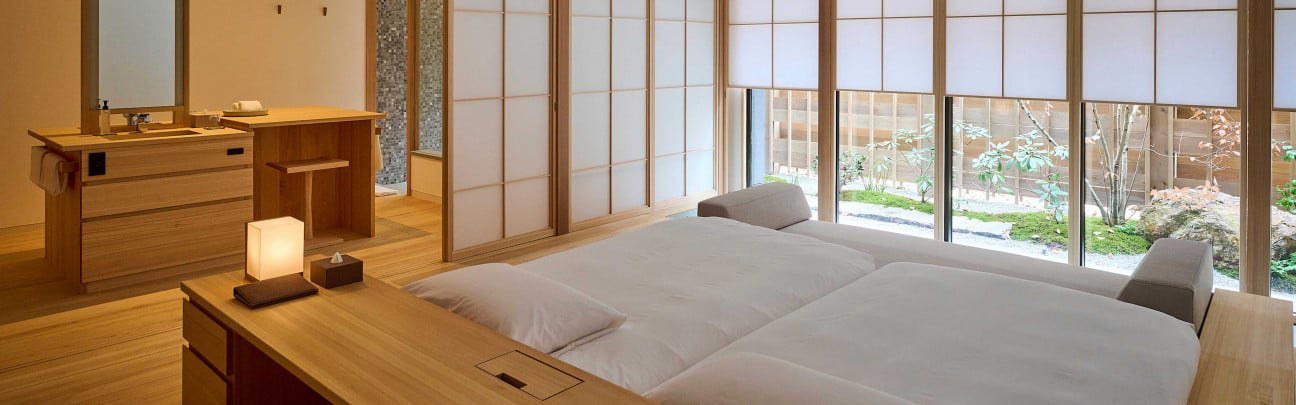
One of the more considered decisions in Nishiyama's interior programme is the deliberate mixing of classic Japanese spatial logic with varying amounts of Western furniture and design elements. This is not a new approach in Japanese hospitality, Yoshida Sanso in Kyoto and several of the higher-end Hoshino Resorts properties have worked within similar hybrid registers, but it carries specific weight at an inn where the underlying material came from a tea house built in the 1940s. The juxtaposition is architectural argument rather than aesthetic compromise, and it positions Nishiyama within a strand of Japanese inn design that is interested in how tradition evolves rather than how it is preserved in amber.
For travellers who benchmark Japanese inn experiences against properties elsewhere in the country, the comparison set is instructive. Zaborin in Hokkaido and ENOWA Yufu in Kyushu each operate at the freestanding-unit end of the ryokan spectrum, with design programmes that engage seriously with contemporary architecture while maintaining connections to Japanese spatial convention. Benesse House on Naoshima island, a short ferry ride from the Onomichi area, takes a more explicitly art-led approach to the same question. Nishiyama's answer is rooted in material salvage and historical continuity, which is a more locally specific argument than any of those comparisons.
Planning the Stay
Onomichi is accessible by shinkansen to Shin-Onomichi Station on the Sanyo line, with the town centre a short bus or taxi ride away. The hillside position of properties like Nishiyama means that some walking on uneven terrain is part of the approach, which is worth factoring in if mobility is a consideration. At eleven rooms, Nishiyama operates at the capacity level where forward booking is advisable, particularly for autumn foliage season in November and during spring, when the Inland Sea cycling and island-hopping circuits draw their heaviest traffic. Rates run at approximately $525 per night, which positions the property in the upper bracket of Setouchi small-inn options, comparable to what travellers pay at Fufu Kawaguchiko or Sekitei in the broader western Japan ryokan market. For travellers combining this with a broader Japan itinerary, pairings with HOTEL THE MITSUI KYOTO in Kyoto or Bvlgari Hotel Tokyo represent the full arc from urban luxury to coastal inn format.
Cost and Credentials
Comparable venues nearby, for context on price, style, and recognition.
| Venue | Price | Awards | Notes |
|---|---|---|---|
| Ryokan Onomichi NishiyamaThis venue (the venue you are viewing) | Not listed | 1 Michelin Key | Not listed |
| Azumi Setoda | $750–1,000 | 1 Michelin Key · Mr & Mrs Smith Seal of Approval | Setoda, Restored traditional Japanese ryokan in a 140-year-old merchant estate |
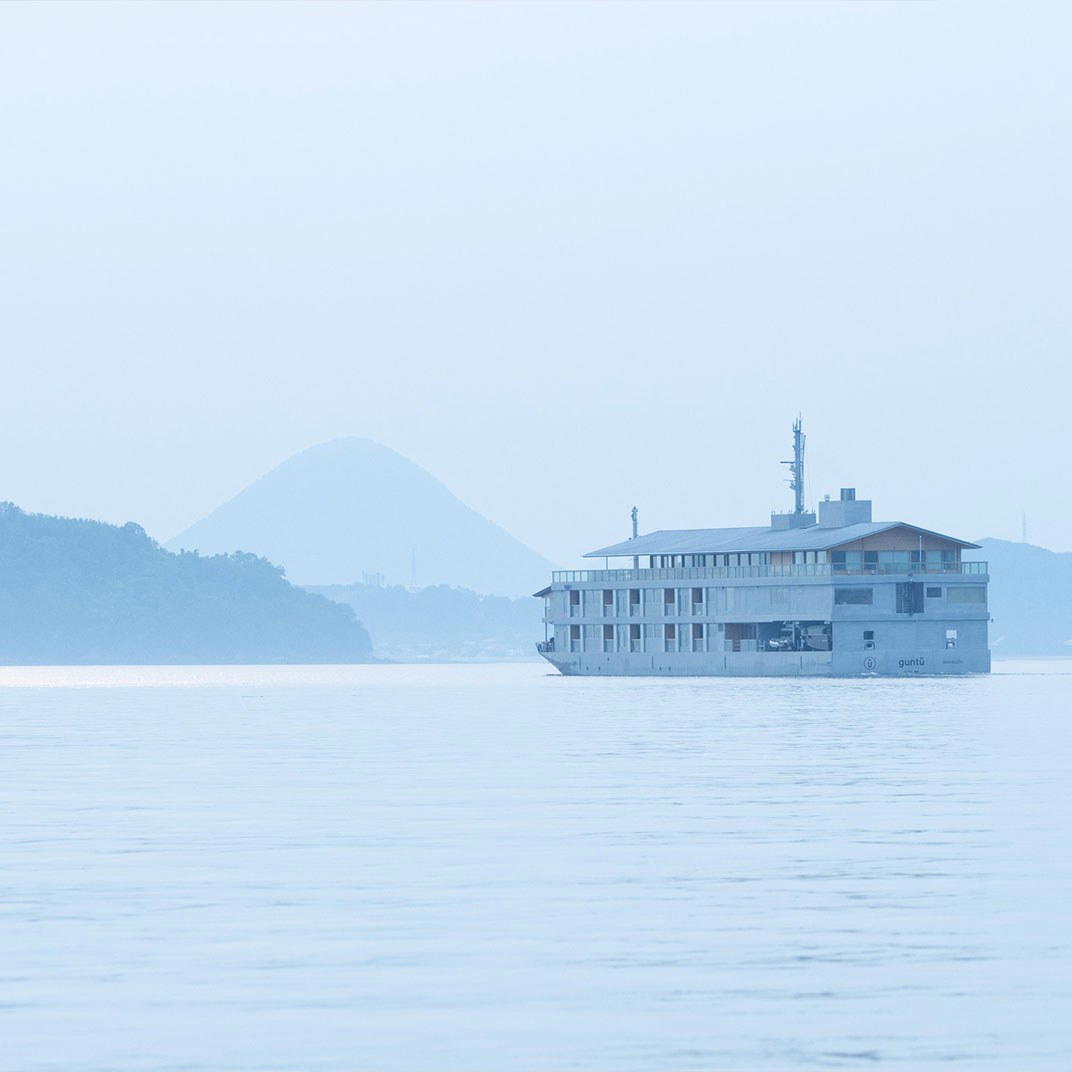
| guntu | $2,500+ | Michelin Selected · Tablet Hotels Top 40 New Hotels | Onomichi, Floating luxury ryokan blending traditional Japanese inn with modern yacht design |
| Hotel Cycle | $100–200 | Michelin Selected | Nishigoshocho, Bicycle-friendly design hotel within a mixed-use waterfront complex. |
| Patina Osaka | $300–500 | 1 Michelin Key · World's 50 Best #33 | Chūō, Contemporary luxury high-rise with minimalist Japanese design principles, blending traditional seasonal awareness (kisetsukan) with cutting-edge wellness technology and artistic expression. |
| ANA InterContinental Beppu Resort & Spa | $300–500 | 1 Michelin Key | Beppu foothills, Contemporary luxury hot spring resort blending modern design with authentic Japanese craftsmanship and natural elements. |
Recognition history
Dated appearances from independent guides and award organizations, with the underlying list record or original source where available.
Michelin 1 Key
Michelin
Full recognition history (3 entries)
Michelin 1 Key
Michelin
Michelin 1 Key
Michelin
Continue exploring
More in Onomichi
Hotels in Onomichi
All hotels in Onomichi →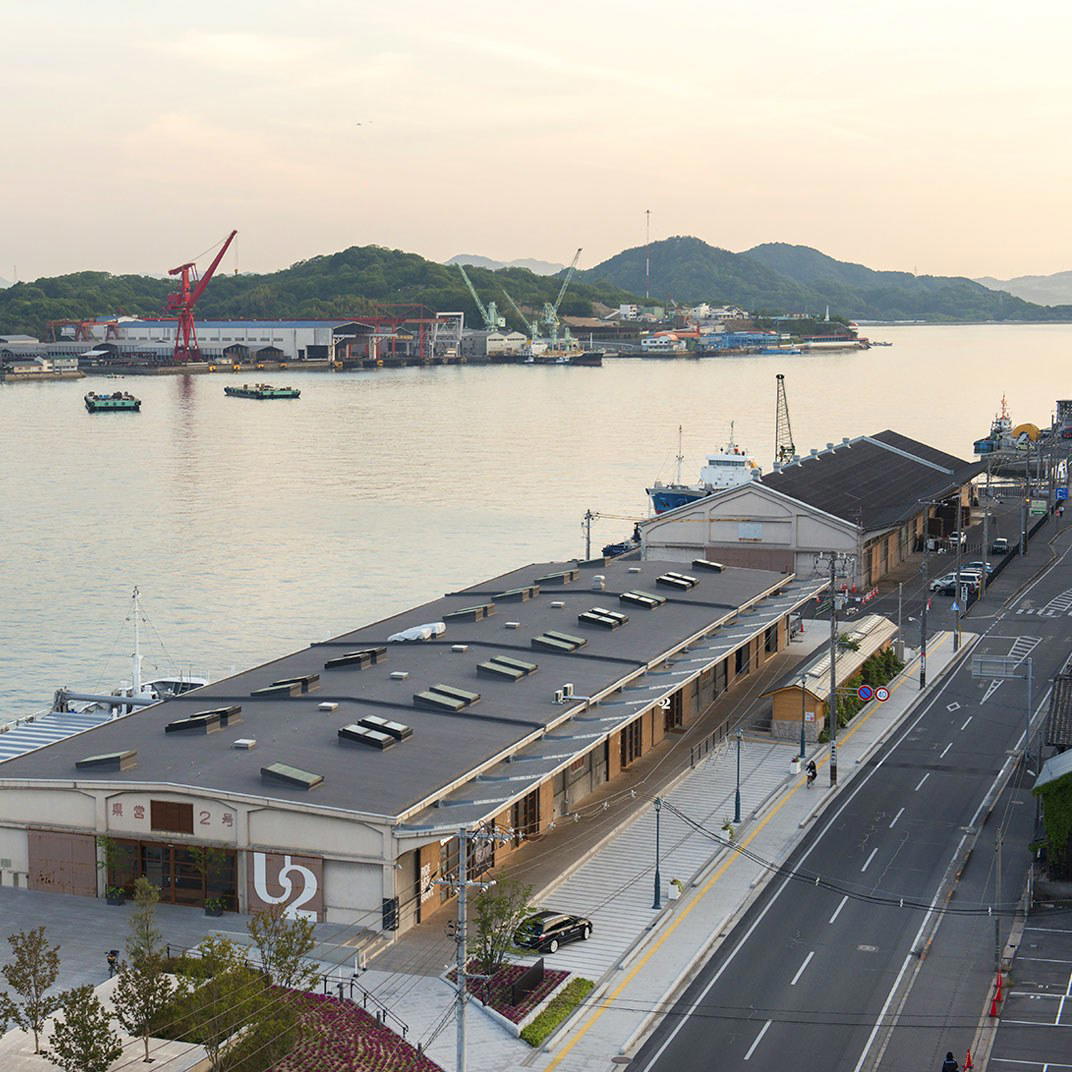

Details
- Quiet
- Scenic
- Elegant
- Classic
- Intimate
- Romantic Getaway
- Honeymoon
- Anniversary
- Historic Building
- Panoramic View
- Garden
- Wi Fi
- Restaurant
- Concierge
- Garden
- Waterfront
- Garden
- Mountain
Tranquil and serene atmosphere with beautiful Japanese garden, relaxing lounge, and onsen, praised for polished hospitality and peaceful surroundings.