Our verdict
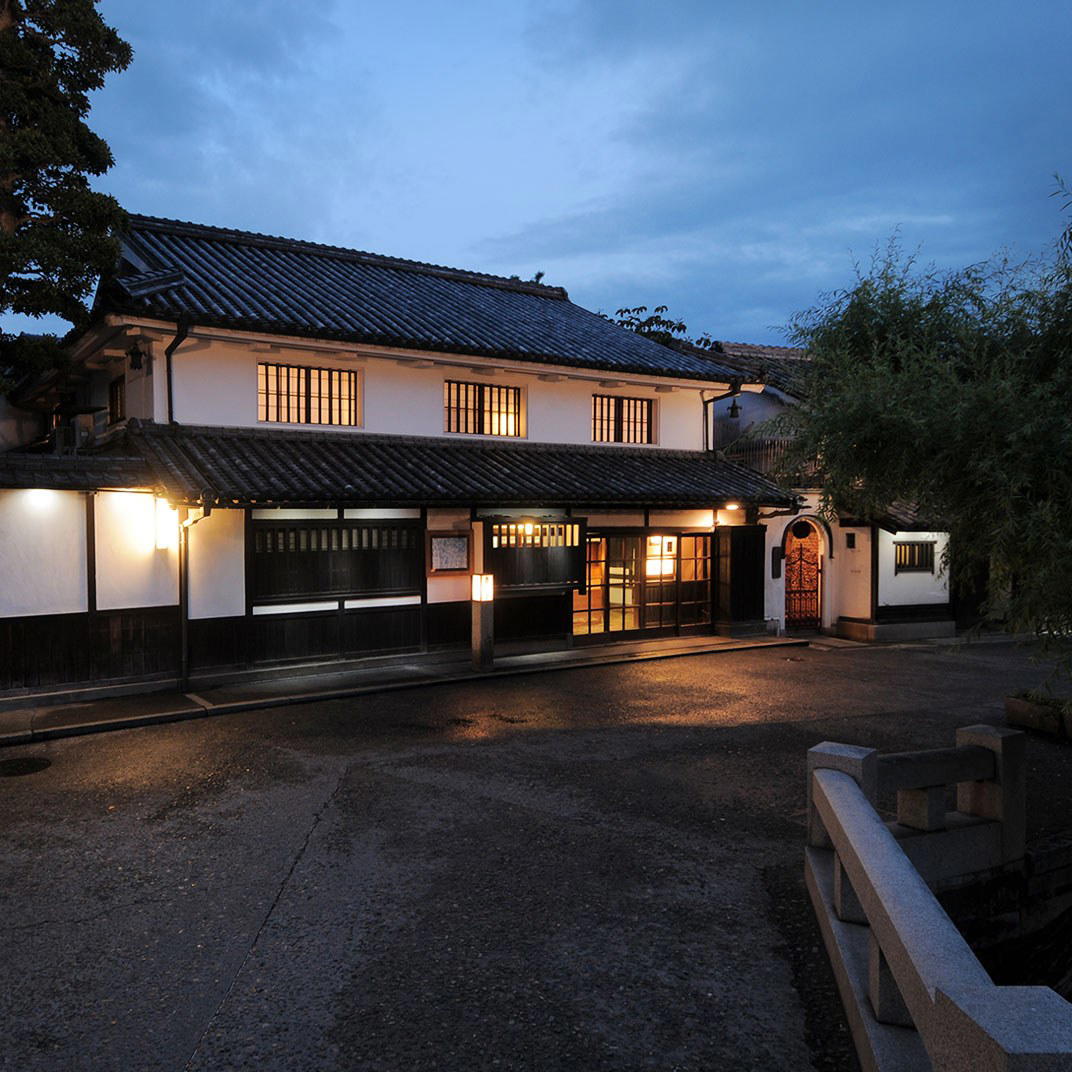
Mingei Chadokoro Fukatsuya occupies a quiet register within Fukuyama's dining scene, where the traditions of Japanese craft tea culture and seasonal cooking converge in a format shaped by local sensibility rather than metropolitan ambition. The name itself signals intent: mingei, the folk-craft aesthetic movement, applied to the intimacy of a chadokoro, a tea-place. It sits within a regional dining circuit that rewards visitors who look beyond the bullet-train corridor.

Pearl is the En Primeur Club membership app — saves, bookings, and concierge access live there. Same editors, same standards.
- Address
- Fukuyama, Japan
- Directions
- Get directions
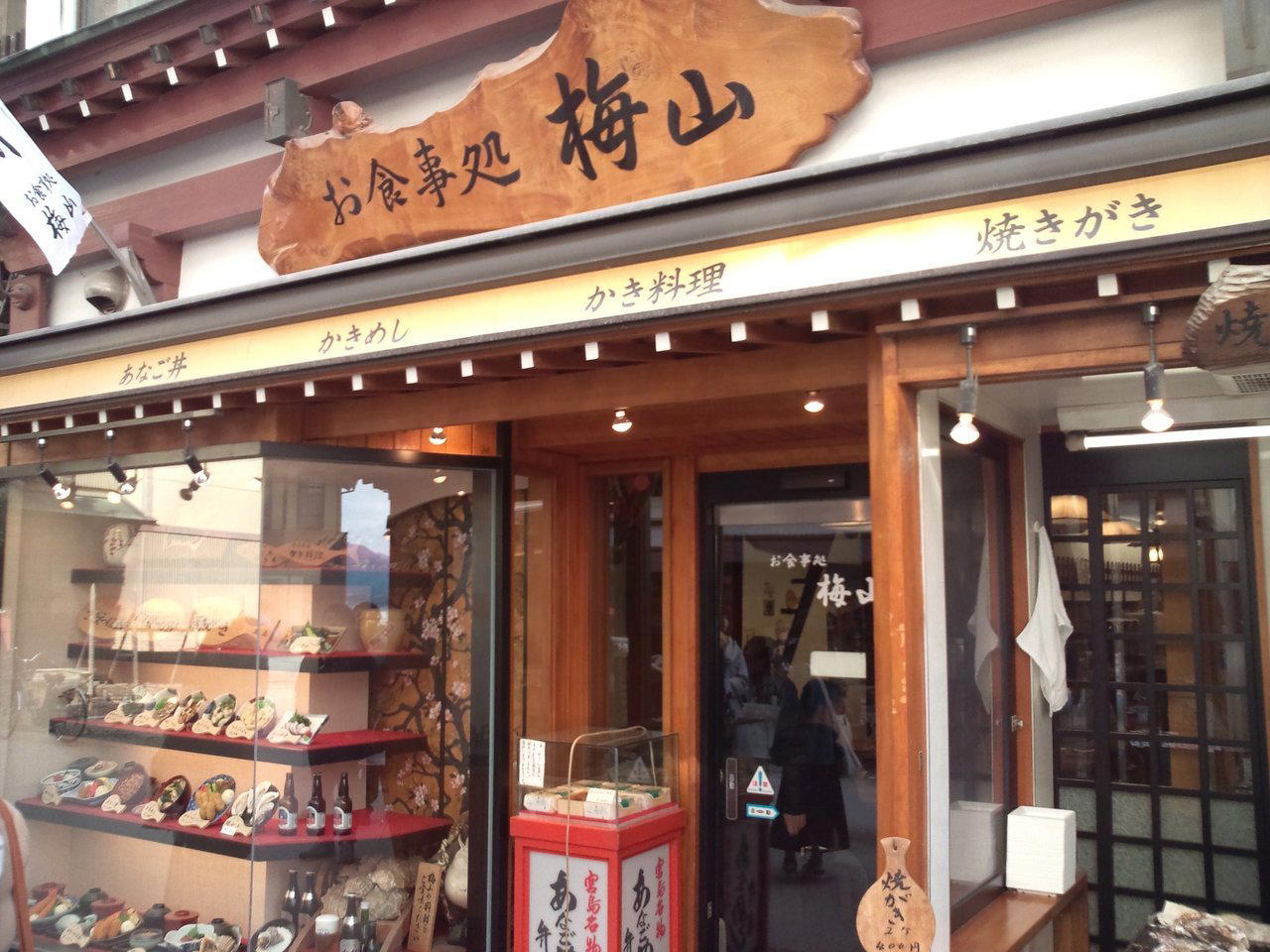
Where Craft Aesthetics and Seasonal Cooking Meet in Fukuyama
Fukuyama sits at the western edge of the Seto Inland Sea corridor, close enough to Hiroshima to feel its cultural gravity yet distinct enough to sustain its own dining register. The city is not a destination that receives the volume of food-press coverage that flows toward Kyoto or Osaka, and that relative quiet is precisely what allows places like Mingei Chadokoro Fukatsuya to operate on their own terms. The name frames the proposition before a single dish arrives: mingei evokes the folk-craft philosophy associated with Soetsu Yanagi, a tradition that values honest material, hand-work, and use over pure decoration. A chadokoro is a tea-place, a space organised around the rhythm of brewing and receiving. Together, the name describes a dining environment shaped by tactile, grounded aesthetics rather than the lacquered formality that defines kaiseki at its most ceremony-heavy.
The Sensory Register of a Mingei Interior
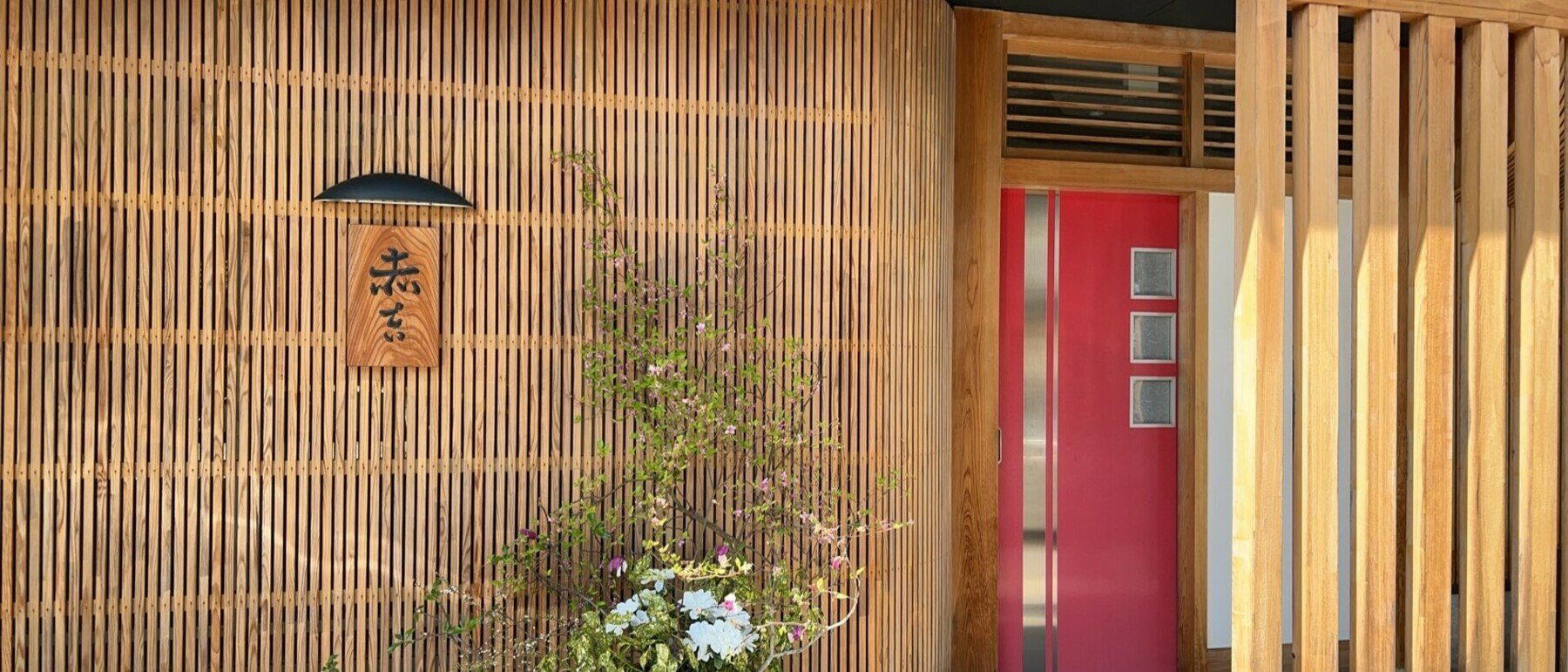
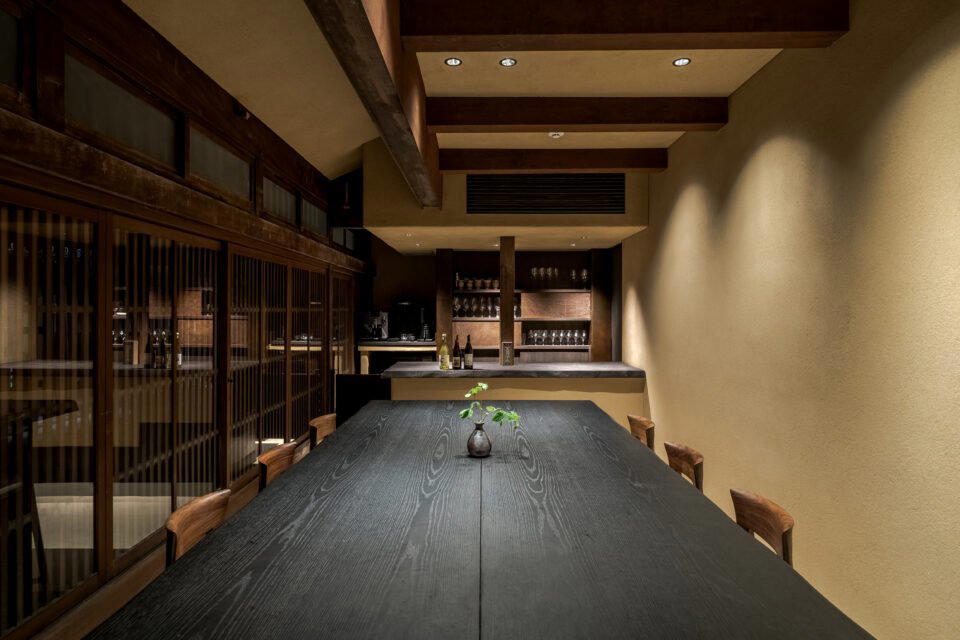
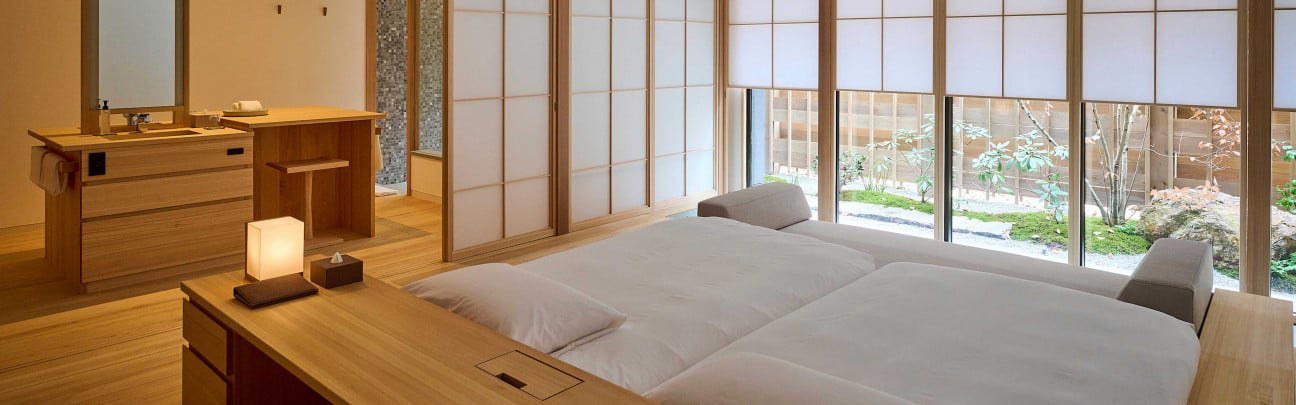
The mingei tradition, when applied to a dining or tea space, tends to produce interiors of a particular character: unglazed ceramics with visible throwing marks, timber that shows grain and age, textiles in natural dye, light that comes from paper or low wattage rather than from theatrical spots. These are not decorative gestures toward rusticity but a coherent material philosophy in which the maker's hand remains legible. That philosophy changes how a meal is perceived. The same dish placed on a mass-produced white plate and on a wood-fired, ash-glazed bowl registers differently in the hand, in the eye, and in the way it frames the food placed inside it. Spaces designed around mingei principles tend to be quieter acoustically as well, because the materials that define the aesthetic, wood, clay, woven fibre, absorb rather than reflect sound. The atmosphere that results sits closer to a considered private home than to a restaurant operating at commercial scale.
Fukuyama's broader dining environment supports this kind of register. The city has a mid-sized urban fabric without the density of Hiroshima or the tourist throughput of Onomichi, which means the venues that survive here do so through local loyalty rather than visitor volume. That shapes the atmosphere differently than it does in cities built around destination dining. The experience at Fukatsuya, in this sense, is a product of its geography as much as its name.
Tea Culture as a Structural Element
Japanese tea culture is not incidental to the way a chadokoro operates. The logic of cha-no-yu, the way of tea, organises a meal around deliberate pacing, seasonal awareness, and the principle that a guest's attention is drawn inward rather than outward. A dining format that takes this seriously tends to move more slowly than a conventional restaurant, to present fewer, more considered courses, and to treat the transition between dishes as part of the experience rather than as service logistics to be minimised. This structural approach has a strong precedent across Japan. Venues in Kyoto's Higashiyama district or in the older machiya districts of Kanazawa have long operated in this format. What makes Fukatsuya's position in Fukuyama notable is that it occupies this mode in a city that sits outside the main heritage tourism circuits, which means the format here is shaped by genuine local practice rather than by the expectations of visitors arriving with a checklist derived from travel media.
For context on how Japanese craft-oriented dining operates across the country at its most recognised tier, Gion Sasaki in Kyoto represents the point at which seasonal Japanese cooking and formal recognition intersect at high intensity. HAJIME in Osaka shows how a Japanese kitchen can absorb international technique while remaining anchored in a single cook's sensibility. akordu in Nara demonstrates that smaller heritage cities can sustain serious, award-recognised cooking outside the obvious metropolitan hierarchy. Fukatsuya operates in a quieter register than any of these, but the underlying logic, craft materials, seasonal rhythm, considered pacing, belongs to the same broad tradition.
Fukuyama's Dining Circuit
Fukuyama is not a single-venue city. Its dining circuit includes a range of formats and price points that make it a workable destination for a traveller who wants to spend time in the Setouchi region without anchoring entirely to Hiroshima or Onomichi. Jiyuken and Le Miroir offer different registers within the city's restaurant spectrum, and Okonomiyaki Chotto Yonnai places the city's dining within the broader Hiroshima-style okonomiyaki tradition that defines much of this part of western Honshu. Manneken and Mikiwatei Oichi Kochi fill out the picture further. The full picture of what the city offers is covered in our full Fukuyama restaurants guide.
For travellers mapping a broader Honshu itinerary, the comparison points extend further. Harutaka in Tokyo and Goh in Fukuoka bracket the kind of serious, small-format Japanese cooking that has found recognition at the highest tier. In smaller regional cities, venues like 一本木 布川制 in Nanao, 古代山乃 in Sapporo, 湖際庵 in Takashima, and 庭羽屋 in Nishikawa Machi show how craft-oriented dining sustains itself across Japan's regional fabric, away from the cities that dominate the awards conversation. Birdland in Sakai adds another data point from western Japan's less-covered dining corridor. For international reference, Le Bernardin in New York City and Atomix in New York City represent the tier at which formal recognition and considered format intersect in a very different cultural context.
Planning a Visit
Fukuyama is served by the San'yo Shinkansen, with direct services from Hiroshima taking under twenty minutes and from Shin-Osaka around seventy. The city's compact centre is walkable from Fukuyama Station. Venues operating in the mingei-chadokoro format tend to run limited seatings with advance reservation required, and the assumption that walk-in availability exists would be poorly founded for this category of dining in Japan. Seasonal timing matters for any format built around Japanese craft tea culture: spring and autumn represent the periods when the sensory character of such a space, the light quality, the garden if present, the seasonal ingredient references, operates at its most coherent.
Frequently asked questions
What is a chadokoro and how does Fukatsuya fit that format in Fukuyama?
A chadokoro is a tea-house dining space where the rhythm and philosophy of cha-no-yu, the Japanese way of tea, shape how food is served and paced rather than functioning as a pure restaurant. At Fukatsuya in Fukuyama, this framework is combined with the mingei craft tradition, meaning the ceramics, textiles, and spatial design are as intentional as the food itself. Fukuyama's position on the Seto Inland Sea corridor, with cultural links to both Hiroshima and the broader craft history of western Japan, makes it a plausible setting for this kind of venue.
What's the must-try dish at Mingei Chadokoro Fukatsuya?
A chadokoro structured around mingei principles typically foregrounds local, seasonal ingredients served in handcraft ceramics, so the seasonal set course is generally the point of the meal rather than any single fixed dish. Ask at booking whether a particular course or tea pairing is available on your visit date.
Can I walk in to Mingei Chadokoro Fukatsuya?
Walk-in availability is not confirmed for Fukatsuya, and chadokoro venues in Fukuyama operating at this register of craft and tea culture typically run on reservations. Given Fukuyama's position as a day-trip destination from Hiroshima — under twenty minutes by San'yo Shinkansen — demand at smaller venues can spike unpredictably. Contacting the venue ahead of travel is advisable.
What do critics highlight about Mingei Chadokoro Fukatsuya?
The venue's positioning within the mingei tradition, a craft philosophy with roots in the work of Soetsu Yanagi, gives it a conceptual coherence that tends to draw attention in discussions of Fukuyama's more considered dining options. Formal critical coverage remains sparse, which reflects the city's broader profile rather than the venue's standing within it.
How does Mingei Chadokoro Fukatsuya handle allergies?
No allergy or dietary policy is documented publicly for Fukatsuya. Seasonal Japanese set-course formats often incorporate ingredients like dashi, gluten-containing soy sauce, and shellfish without explicit labelling, so guests with specific requirements should communicate these directly when making a reservation. This applies to most chadokoro-style venues operating in Japan.
Is Mingei Chadokoro Fukatsuya good value for money?
Pricing data for Fukatsuya is not publicly listed. Chadokoro venues in Japan's mid-sized cities like Fukuyama typically occupy a mid-to-upper price tier relative to the local dining circuit, with set courses that reflect the cost of handcraft tableware, seasonal sourcing, and the slower, more labour-intensive pace of tea-influenced service. Fukuyama generally offers better value per cover than comparable experiences in Kyoto or Tokyo.
Comparable options at a glance, pulled from our tracked venues.
| Venue | Cuisine | Price |
|---|---|---|
| Mingei Chadokoro FukatsuyaThis venue — the venue you are viewing | Traditional Japanese Tea House | $1–10 |
| ä¸å½æç è®è¯ | Authentic Chinese | $500+ |
| Le Miroir | Authentic French | $50–100 |
| エルバ | Italian Fine Dining | $30–50 |
| ラルドワーズ | Local Setouchi French | $20–30 |
| 旬彩酒肴 おく村 | Seasonal Kaiseki | $150–200 |
Details
- Quiet
- Classic
- Cozy
- Casual Hangout
- Solo
- Standalone
- A La Carte
- Tea
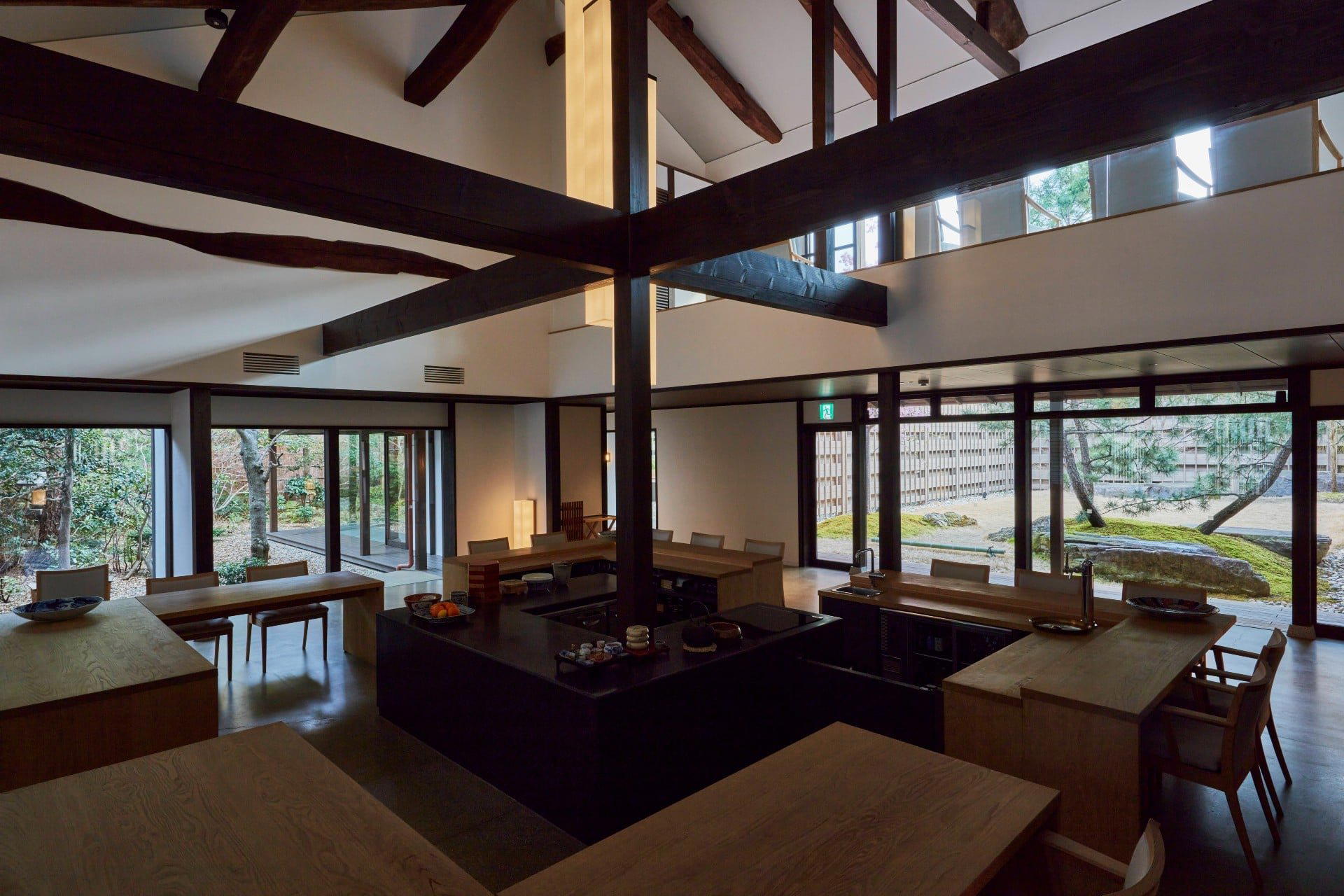
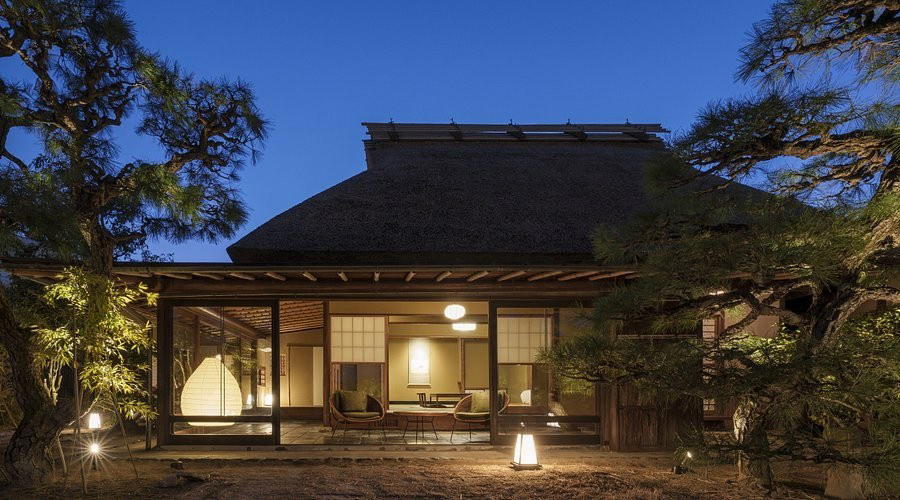
Intimate, traditional Japanese tea house atmosphere with natural lighting and folk craft displays creating a serene, contemplative environment.