
Tabelog Silver #88
Our verdict
Nijikichi puts Setouchi seafood into a six-seat counter format on Hakata Island, part of Imabari’s Shimanami Kaido corridor. Its Tabelog Award 2026 Silver recognition, 2025 Bronze recognition, reservation-only format, and JPY 30,000–39,999 spend range place it in a narrow category: destination dining built around fish, access, and timing rather than urban convenience.

Pearl is the En Primeur Club membership app, where members save venues, book tables and use the concierge.
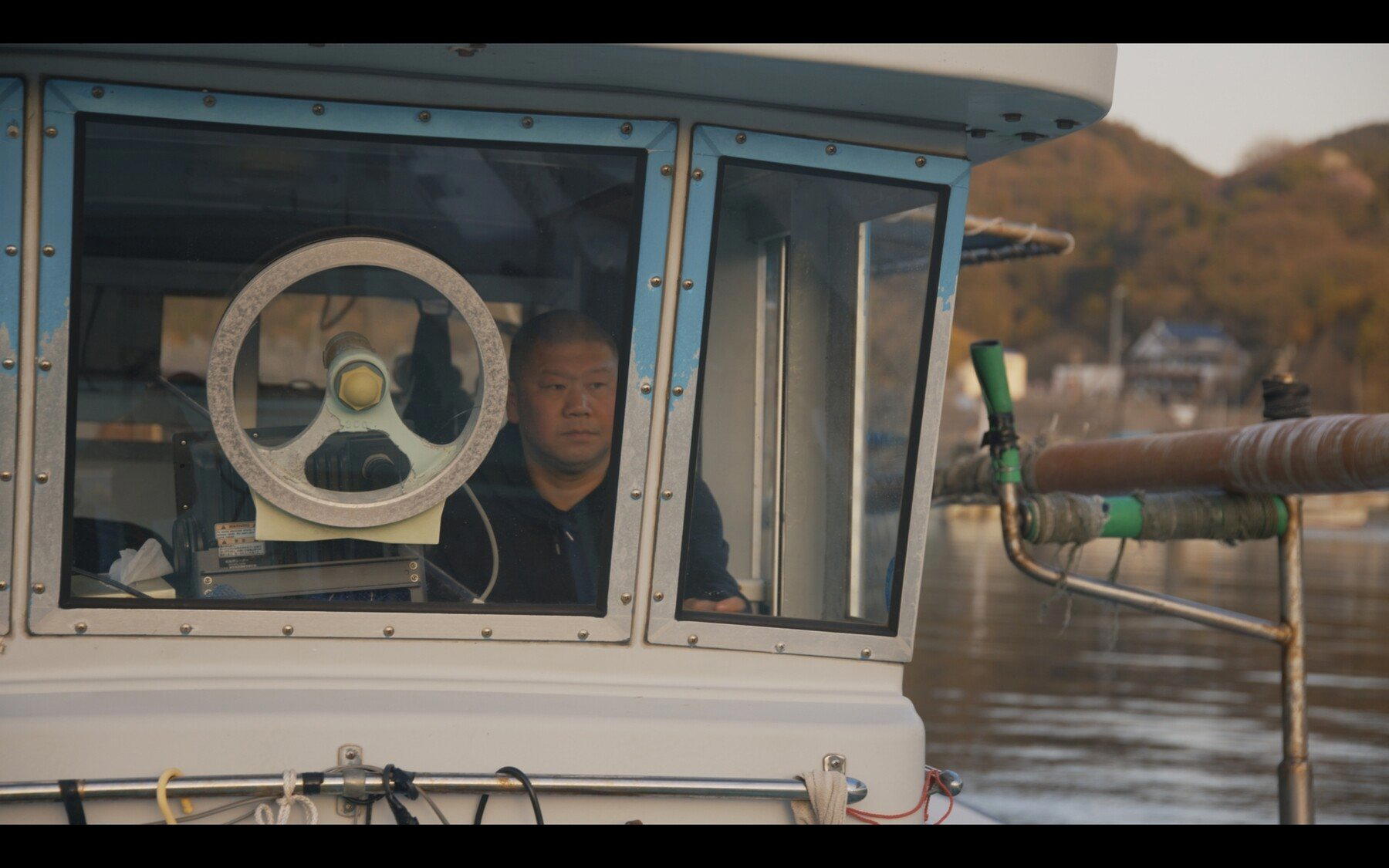
Hakata Island changes dinner’s terms before the first course. The Shimanami Kaido is not an urban restaurant district but a sea-road of bridges, ports, citrus slopes, fishing towns, and working water between Hiroshima and Ehime. Here, a six-seat seafood counter reads differently from a city tasting room. The point is proximity: Setouchi fish is not a theme, it is the argument.
Imabari’s serious dining scene is shaped by geography. The city faces the Seto Inland Sea, where currents, islands, and small fishing communities create a seafood culture that resists the scale and polish of Osaka or Tokyo. Nijikichi sits on Hakata Island within the wider Shimanami Kaido food map, and its recognition, a Tabelog Award 2026 Silver with a 4.45 score after a 2025 Bronze at 4.43, puts a rural, fish-led counter in conversation with destination restaurants that ask diners to travel for a specific product logic.
Setouchi fish is the organizing principle, not a menu category
Seafood restaurants in Japan often split into two camps: market-led counters in metropolitan dining districts, and coastal rooms where the sea is part of the operational model. Nijikichi belongs to the second. The public description points to Setouchi fish and fisherman Junichi Fujimoto working with a chef, shifting attention from luxury signifiers to supply. At this level, sourcing is not romantic detail; it determines what a small counter can serve, when it can open, and why the meal belongs to this coastline rather than a transferable city format.
The JPY 30,000–39,999 lunch and dinner range is serious for Ehime, but the format is more telling than the price. Six counter seats, reservation-only service, no private rooms, and a maximum seated party size of two create a compact, product-focused experience with little margin for compromise. Diners expecting a broad à la carte seafood house will misread it; this is closer to a controlled counter meal where catch, sequence, and pacing are part of the value.
The Seto Inland Sea has a different culinary cadence from Japan’s large-city seafood circuits, built on small boats, island harbors, tidal movement, and fish handled close to landing. The broader Shimanami Kaido has turned that geography into a travel route, but premium dining along it remains small-scale. Nijikichi’s award history confirms that a remote counter can draw national attention without adopting metropolitan cues. The appeal is not spectacle, but the discipline of letting a specific marine region carry the meal.
A counter built for concentration rather than ceremony
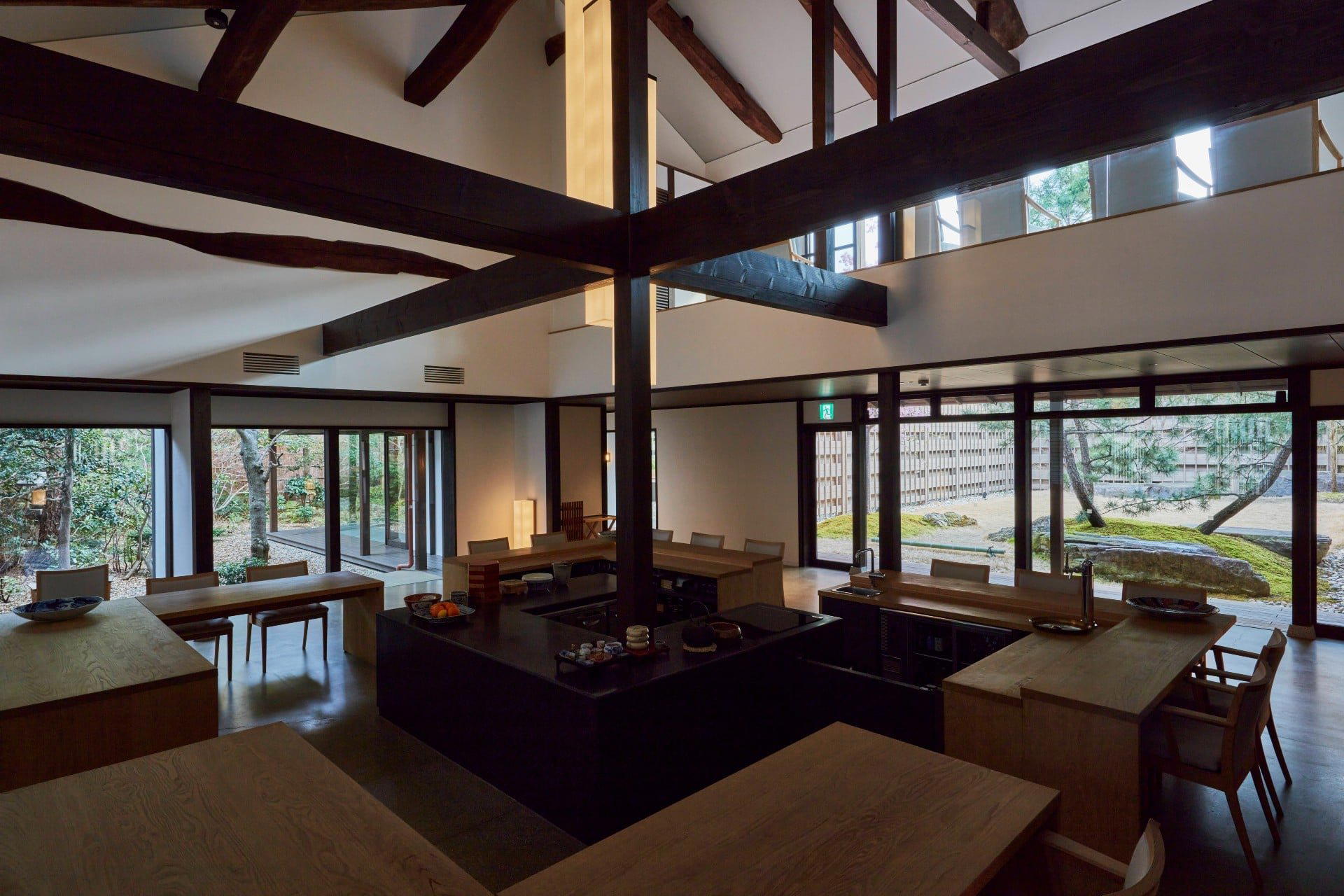
At six seats, atmosphere becomes functional. There is little room for large-restaurant distractions: no private-room choreography, group dining energy, or lounge-like buffer between arrival and service. A counter this size puts the diner in direct relation to preparation and pacing, which is why reservation-only service matters. It is not built for casual walk-ins from the cycling route or a spontaneous sightseeing detour; it rewards diners who make the meal the day’s anchor.
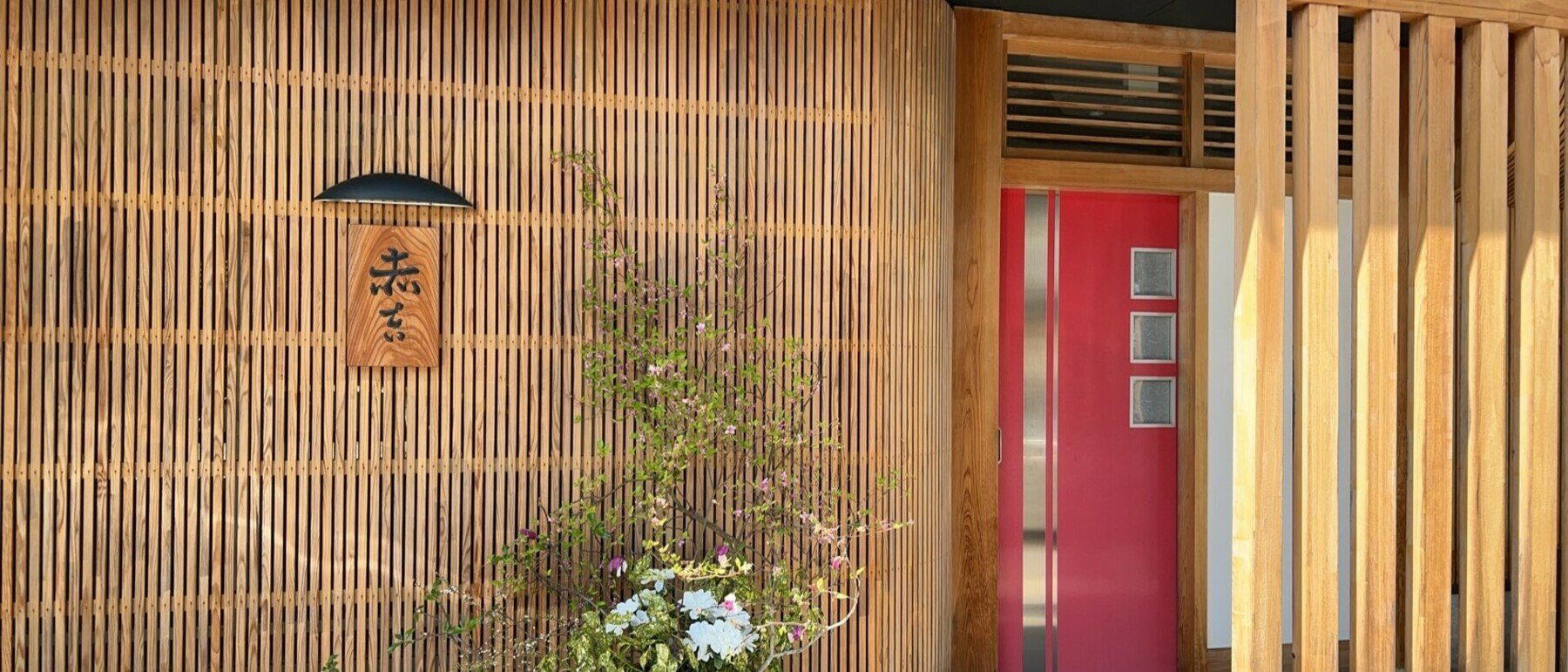
That compactness also explains its position among Imabari peers. Akakichi and Shinoda help define the city’s small destination-dining tier, while Hachihachi broadens the local map beyond trophy-counter logic. Nijikichi’s distinction is its island setting and fish-first frame. It belongs in our full Imabari restaurants guide for readers using food as a reason to cross the Shimanami Kaido, rather than treating Imabari as transit.
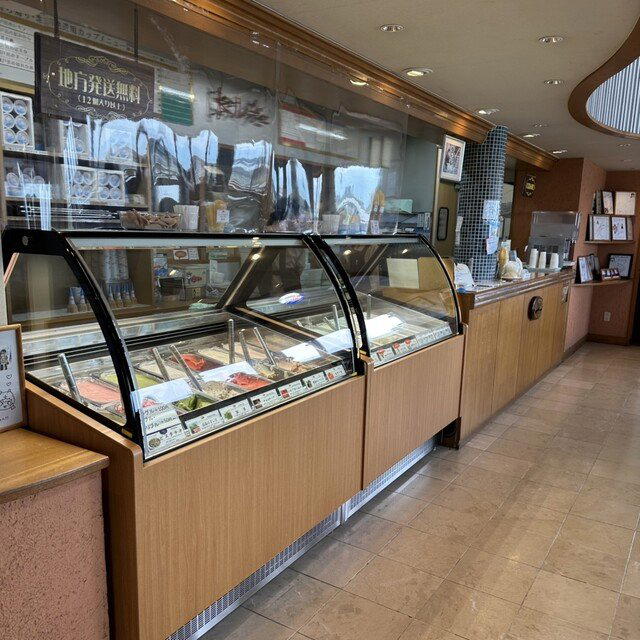
There is useful contrast with lower-priced Shimanami stops outside the city core, where casual formats suit a cycling day or bridge-to-bridge itinerary. Dolce Honten operates in a different, much lighter spend register, while Okonomiyaki Tecchan Honten fits the everyday Hiroshima-side food route. Nijikichi is not competing with that rhythm. It asks for a dedicated meal slot, a car or taxi plan, and an appetite for a counter small enough that the experience rises or falls on fish handling.
How to plan the meal without treating it like a city booking
The logistics are part of the assessment. Hakata Island is on the Shimanami Kaido between Onomichi and Imabari, and the restaurant advises arrival by private car, rental car, or taxi. Taxi approaches from Hiroshima Airport, Fukuyama Station, Onomichi Station, Matsuyama Airport, Matsuyama Station, or Imabari Station are listed at roughly one to one and a half hours, with traffic variability. This makes the meal a regional excursion, not a quick urban reservation. Parking is available in front, and diners using taxis should note that nearby taxi companies may require cash even though the restaurant accepts major credit cards.
Operating days and reservation methods are irregular and updated through Instagram or OMAKASE, so planning should start with availability rather than an assumed calendar. The non-smoking room, counter-only seating, and two-person maximum party size suit solo diners or pairs better than family groups or celebratory parties. For a full Imabari itinerary, pair the restaurant with overnight planning through our full Imabari hotels guide, and with the city’s after-dinner and daytime options via our full Imabari bars guide, our full Imabari wineries guide, and our full Imabari experiences guide.
For wider Japan context, the contrast is instructive. Urban dining pages such as . 鮪と炭火焼き うお炭 秋葉原店 in Tokyo.cafe in Osaka, [ki:] in Kyoto, and.know in Kumamoto sit inside cities where access is easier and dining can be stacked into dense itineraries. Regional specialists such as -Grilled beef Sukiyaki- KAMAKURA TANUKIAN 鎌倉 たぬき庵 in Kamakura, (Shoku) Vietnam in Kawasaki, [Curry Senmon Ten] Maruyama Kyoju. in Sapporo, and #肉といえば松田 奈良本店 in Kashihara show how format and locality shape meals differently. Even overseas Japanese-leaning addresses such as Jōdo Saké Bar in Los Angeles and Onigiri Time in Pasadena underline the point by contrast: Nijikichi’s value is inseparable from the Inland Sea, not Japanese cuisine as a broad export category.
Frequently asked questions
Is Nijikichi good for families?
Nijikichi is set up for 2-person seating and has just 6 seats at the counter, so it works better for adults or older children who can sit through a focused meal. The reservation-only format and Tabelog 2026 Silver award suit diners planning a seafood meal in Imabari rather than a casual family stop.
What should I expect atmosphere-wise at Nijikichi?
Expect a compact, six-seat counter in Imabari with no private rooms and a non-smoking room. The setup is sparse and focused on fish, with irregular hours and reservation details handled through Instagram or OMAKASE.
When is Nijikichi open?
Hours at Nijikichi: Our business hours are irregular. For the latest updates on our operating days and reservation methods, please check our Instagram or OMAKASE.
Where do I go for Nijikichi?
Nijikichi is located in Imabari.
Comparison Snapshot
Comparable venues by cuisine and price in the same metro.
| Venue | Cuisine | Price | Awards | Notes |
|---|---|---|---|---|
| NijikichiThis venue (the venue you are viewing) | Setouchi Seafood Counter Dining | $500+ | Tabelog Silver #88 | Not listed |
| Akakichi | Michelin-Starred Seto Inland Sea Sushi | $150–200 | Tabelog Bronze #11 | Hakatacho Kitaura |
| Shinoda | Regional Japanese Fine Dining | $300–500 | Tabelog Bronze #403 | Matsumoto-cho |
| Hachihachi | Imabari yakitori & chicken dishes | $20–30 | Tabelog 100 #40 | Gohoncho |
| Sobiki | Traditional Seasonal Kaiseki | $150–200 | Tabelog Bronze #416 | Saijo |
| Eizan | Seasonal Kaiseki Omakase | $150–200 | Tabelog Bronze #60 | Naka |
Recognition history
Dated appearances from independent guides and award organizations, with the underlying list record or original source where available.
Tabelog Silver #88
Tabelog
Full recognition history (2 entries)
Tabelog Bronze
Tabelog
Continue exploring
More in Imabari

Details
- Intimate
- Sophisticated
- Elegant
- Special Occasion
- Chefs Counter
- Sake Program
- Local Sourcing
- Sustainable Seafood
- Counter Dining
Current opening hours
- Monday
- 6–10 PM
- Tuesday
- 6–10 PM
- Wednesday
- 6–10 PM
- Thursday
- 6–10 PM
- Friday
- 6–10 PM
- Saturday
- 6–10 PM
- Sunday
- Closed
Hours can change for holidays and private events. Hours as of .
Intimate counter-only setting with a focus on the culinary artistry of seafood preparation.