Our verdict
In Kasugacho, one of Fukuyama's quieter residential pockets, 旬彩酒肴 おく村 occupies a format common to provincial Japanese dining at its most considered: intimate, seasonal, and oriented around sake and small plates rather than tasting-menu theatre. Compared to the French-leaning rooms that define much of Fukuyama's mid-tier dining scene, おく村 represents the washoku counter tradition in a city that doesn't oversaturate it.

Pearl is the En Primeur Club membership app — saves, bookings, and concierge access live there. Same editors, same standards.
- Address
- 1 Chome-1-44 Kasugacho, Fukuyama, Hiroshima 721-0907, Japan
- Phone
- +81849466866
- Hours
- Mon–Tue ClosedWed–Sun 11:45 AM–2:30 PM, 6–10 PM
- Website
- fukuyama-okumura.com
- Directions
- Get directions
The menu
What to order
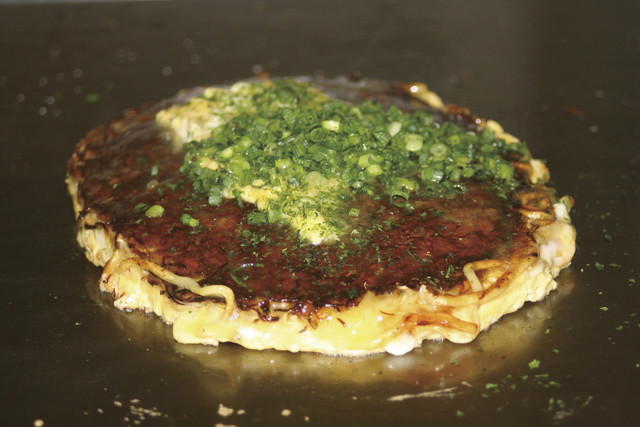
- 松葉ガニ (Matsuba crab)
- 鱧と松茸の菊花椀 (Pike conger and matsutake mushroom)
- 子持ち鮎 (Sweetfish with roe)
The Room Before the Meal
Provincial Japanese dining has its own spatial grammar, and Fukuyama's Kasugacho neighbourhood sits comfortably within it. The address — 1 Chome-1-44 Kasugacho — places 旬彩酒肴 おく村 in a low-rise residential quarter southeast of Fukuyama Station, the kind of block where restaurants tend to be small, owner-operated, and oriented toward regulars rather than passing trade. That context matters before you even consider what arrives at the table.
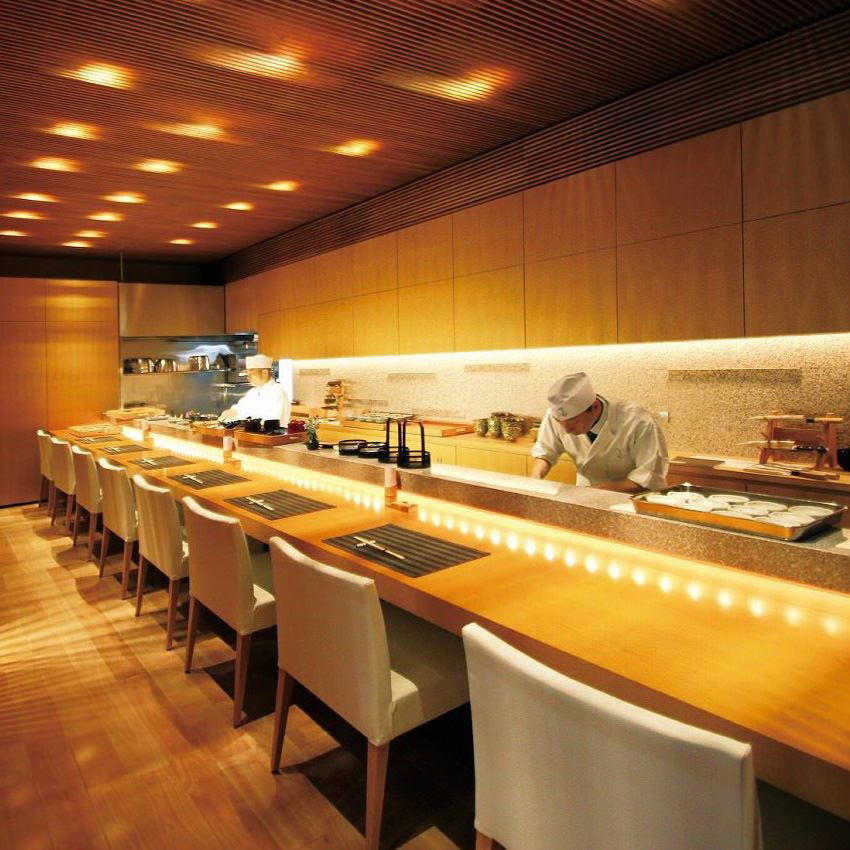
Venues like おく村 occupy a particular niche within Japan's provincial dining ecosystem: the izakaya-adjacent washoku counter that functions somewhere between a neighbourhood sake house and a seasonal Japanese kitchen. These are not omakase destinations in the Ginza mould, nor are they casual chain izakaya. They operate in a middle register that is, arguably, the most representative expression of how Japanese people actually eat on a deliberate evening out. The physical container tends to be modest in scale, often counter-forward, with wooden surfaces, restrained lighting, and an emphasis on the transaction between kitchen and guest rather than the spectacle of the room itself.
Design as Discipline: What the Space Signals
In Japanese dining at this register, interior architecture is rarely decorative for its own sake. The design choices, counter seating, proximity to the kitchen, the absence of elaborate partitioning, function as commitments to a particular kind of hospitality. A narrow counter facing the kitchen puts the guest in direct relationship with the cooking process. Tablecloth-free surfaces and simple ceramics keep attention on the food and the drink. These are deliberate subtractions, not oversights.
Venues operating in this format, scattered across mid-sized Japanese cities from Nanao to Sapporo and Takashima, tend to share a spatial philosophy: small seat counts, a kitchen that is visible or audible from the dining area, and a menu structure built around seasonal availability rather than a fixed formula. The room is sized to the ambition, which is to say it is sized to allow the kitchen to cook everything to order without theatrical compromise.
Within Fukuyama specifically, this format sits apart from the French-influenced mid-market rooms represented by venues like Le Miroir and the more casual Western-leaning formats at places like Manneken. The washoku counter tradition that おく村 appears to represent draws instead on a lineage that runs through the sake-pairing culture of western Honshu, where Hiroshima Prefecture's proximity to serious sake-producing regions, and to the Seto Inland Sea's seafood supply, shapes what ends up on the plate.
Seasonal Japanese Cooking in a Sake-Focused Format
The name 旬彩酒肴 is instructive. 旬 (shun) refers to peak seasonality, the narrow window when an ingredient is at its finest. 彩 (sai) carries connotations of colour and presentation. 酒肴 (shuko) means sake accompaniments, the category of dishes designed to be eaten alongside Japanese rice wine rather than as a standalone meal. The venue's name, taken together, describes a format where seasonal small plates are built around the logic of sake pairing rather than the logic of a Western tasting menu.
This is a different kind of precision than what you find at destination kitchens like HAJIME in Osaka or Gion Sasaki in Kyoto. It is rooted in hospitality rather than gastronomy as performance. The counterpart tradition across Japan's mid-sized cities, see also the kaiseki-adjacent formats at venues like Mikiwatei Oichi Kochi in Fukuyama, prioritises the guest's comfort within the meal's rhythm over the kitchen's ambition to impress critics. That is not a lesser aspiration; it is a different one.
Hiroshima Prefecture's position along the Seto Inland Sea gives kitchens in this region access to some of the most consistent shellfish and white fish supply in western Japan. Seasonal vegetables from the Chugoku mountains to the north round out a larder that changes meaningfully across the year. A room that names seasonality in its very title is, in this geography, working from genuine material advantage.
How おく村 Sits in Fukuyama's Dining Scene
Fukuyama is not a dining destination in the way that Kyoto or Fukuoka attract food-focused travellers, but it sustains a coherent mid-market scene. The city's restaurant mix, visible across venues in our full Fukuyama restaurants guide, leans toward approachable formats: long-standing Western-Japanese hybrids like Jiyuken, tea-culture-adjacent spaces like Mingei Chadokoro Fukatsuya, and the more contemporary rooms that have opened as the city's food culture has matured.
Within that mix, a venue positioned explicitly around shun seasonality and sake accompaniments occupies a more traditional register. It is the kind of restaurant that cities like Fukuyama have always supported, where the customer base is local, the menu changes without announcement, and the relationship between kitchen and regular guest is the actual product. Compared to the technically ambitious formats at Harutaka in Tokyo or Goh in Fukuoka, this is a quieter kind of restaurant, but quieter is not a synonym for lesser.
The Kasugacho address also positions おく村 slightly removed from Fukuyama's commercial centre, which tends to self-select a guest who is coming specifically rather than passing by. That geographic specificity often correlates with higher kitchen consistency and a more reliable booking experience, since the room is not absorbing tourist overflow or corporate lunch traffic in significant volume.
Planning Your Visit
Practical information for おく村 is not publicly available through major booking platforms at the time of writing, and the venue does not maintain a listed website. This is common among smaller owner-operated Japanese restaurants in provincial cities, where reservations are typically handled by telephone or through introduction by an existing regular. Visiting during the week rather than Friday or Saturday evenings generally gives better access to smaller rooms of this type in Japan. For international visitors without Japanese language capability, arranging a reservation through the hotel concierge at a nearby property is the most reliable path. The Kasugacho address is accessible from Fukuyama Station within a short taxi or local bus journey.
For those whose reference points are international, the closest analogue in terms of format philosophy, counter-led, ingredient-driven, expert but not theatrical, might be found in the smaller omakase counters at venues like Atomix in New York City, though the cultural register differs substantially. The seasonal kaiseki tradition that influences rooms like おく村 is also visible, at higher ambition and price points, through venues like akordu in Nara and Le Bernardin in New York City in the sense that both prioritise ingredient provenance and seasonal discipline over menu permanence.
Questions About 旬彩酒肴 おく村
- at 旬彩酒肴 おく村?
- The name's reference to 旬 (shun) seasonality and 酒肴 (sake accompaniments) suggests that the most representative dishes will be small, ingredient-focused plates calibrated to the sake selection. Ordering across several courses rather than selecting a single dish is the appropriate approach for this format, consistent with how seasonal washoku counters operate across Japan.
- How far ahead should I plan for 旬彩酒肴 おく村?
- If the room is small, as is typical for Kasugacho-area venues in this format, demand from local regulars may fill the calendar several weeks in advance, particularly on weekends. Visitors planning specifically around this restaurant should attempt contact, ideally through a hotel concierge with Japanese language support, at least two to three weeks before their intended visit. Weeknight availability is generally more accessible in provincial Japanese dining at this scale.
- What do critics highlight about 旬彩酒肴 おく村?
- Published critical coverage of おく村 is not available through major English-language food publications, which is consistent with its position in Fukuyama's local dining scene rather than on a national or international food circuit. Venues operating at this register in provincial Japanese cities are more typically assessed through word-of-mouth and local Japanese review platforms than through the award systems that surface restaurants like Gion Sasaki or HAJIME to international audiences. The absence of formal awards data does not imply a quality judgment in either direction.
- Is 旬彩酒肴 おく村 suitable for visitors who don't speak Japanese?
- Smaller owner-operated washoku venues in provincial Japanese cities like Fukuyama are, as a category, less frequently set up for non-Japanese-speaking guests than restaurants in Tokyo or Kyoto with regular international clientele. At おく村, where no English-language booking infrastructure is publicly visible, the most practical approach for international visitors is to arrange the reservation and any dietary communication through a Japanese-speaking intermediary before arrival. Arriving without a reservation at a small seasonal counter of this type is generally not advisable, as seating capacity and daily availability are constrained by the format itself.
Frequently asked questions
What's 旬彩酒肴 おく村's location?
旬彩酒肴 おく村 is located at 1 Chome-1-44 Kasugacho, Fukuyama, Hiroshima 721-0907, Japan, Fukuyama.
Is 旬彩酒肴 おく村 suitable for visitors who don't speak Japanese?
Located at 1 Chome-1-44 Kasugacho in Fukuyama — a city without a large international tourism infrastructure — おく村 is a local dining room rather than a venue set up for overseas visitors. No English-language website or booking channel is publicly listed. Non-Japanese speakers will find the experience more accessible with a Japanese-speaking companion or hotel concierge assistance, both for reservations and for navigating a seasonally rotating menu that is unlikely to carry English translation.
What's the best thing to order at 旬彩酒肴 おく村?
The name itself points to the answer: 旬 (shun) is the Japanese concept of peak-season ingredients, and the kitchen at this Kasugacho address structures its menu around that principle. Rather than signature dishes that stay fixed year-round, the cooking rotates with what's at its best — so the right order depends entirely on when you visit. Arrive in autumn expecting different choices than in spring.
How far ahead should I plan for 旬彩酒肴 おく村?
For a counter-format sake dining room of this type in provincial Japan, walk-ins carry real risk — contact through local concierge or a Japanese-speaking intermediary is the more reliable approach. Allow at least one to two weeks of lead time when planning a visit to Fukuyama around a meal here.
What do critics highlight about 旬彩酒肴 おく村?
What the name signals is specific enough to orient expectations: 酒肴 (sakana) positions the food as sake accompaniment rather than standalone cuisine, which is a distinct editorial choice that separates it from conventional kaiseki or izakaya formats. Fukuyama supports a coherent local dining scene, and venues operating in this sake-forward, seasonally-anchored register tend to draw a neighbourhood regular base rather than destination press coverage.
A Minimal comparable set
Comparable venues nearby, for context on price, style, and recognition.
| Venue | Cuisine | Price | Awards | Notes |
|---|---|---|---|---|
| 旬彩酒肴 おく村This venue — the venue you are viewing | Seasonal Kaiseki | $150–200 | Not listed | Not listed |
| Mikiwatei Oichi Kochi | Seasonal Japanese Kaiseki with Local Seafood | $200–300 | Not listed | Tomonoura, Seasonal Japanese Kaiseki with Local Seafood |
| Steak Kaiseki Miyako Kasuga | Teppanyaki Steak Kaiseki in Garden Villa | $150–200 | Tabelog 100 #45 | Kasugacho / Kasuga-cho, Teppanyaki Steak Kaiseki in Garden Villa |
| Tori Tsune | Yakitori | Not listed | Tabelog 100 #38 | Mikadocho, Yakitori |
| Unagi Nakasho | Traditional Unagi (eel) restaurant | $30–50 | Tabelog 100 #67 | Okinogamicho, Traditional Unagi (eel) restaurant |
| Mingei Chadokoro Fukatsuya | Traditional Japanese Tea House | $1–10 | Not listed | Fukuyama City, Traditional Japanese Tea House |
Details
- Elegant
- Intimate
- Sophisticated
- Quiet
- Business Dinner
- Special Occasion
- Celebration
- Private Event
- Private Dining
- Open Kitchen
- Sake Program
- Local Sourcing
- Set Menu
- Prix Fixe
- Sake
- Seasonal Specialties
- Allergy Accommodating
Current opening hours
- Monday
- Closed
- Tuesday
- Closed
- Wednesday
- 11:45 AM–2:30 PM, 6–10 PM
- Thursday
- 11:45 AM–2:30 PM, 6–10 PM
- Friday
- 11:45 AM–2:30 PM, 6–10 PM
- Saturday
- 11:45 AM–2:30 PM, 6–10 PM
- Sunday
- 11:45 AM–2:30 PM, 6–10 PM
Hours can change for holidays and private events. Last verified .
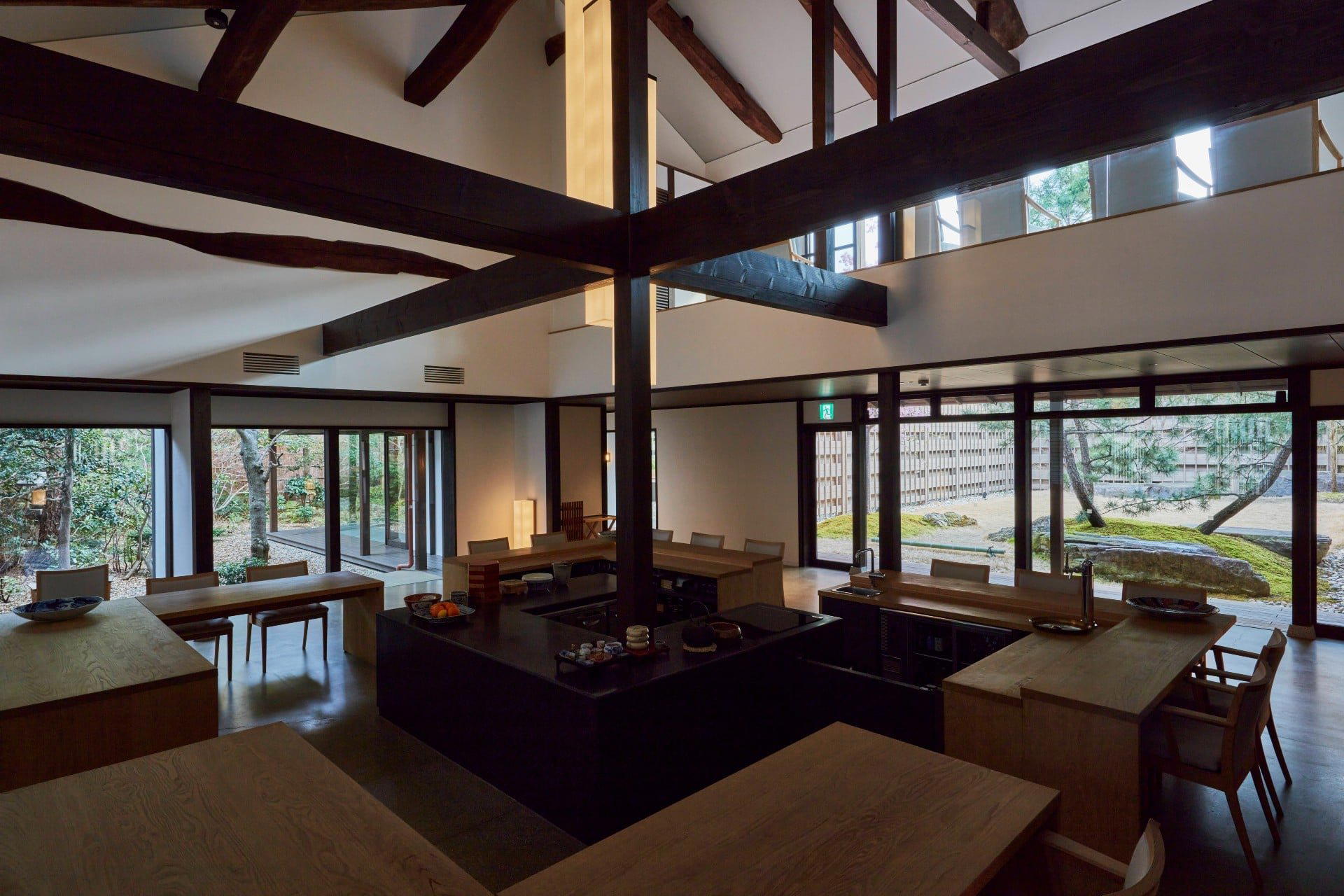
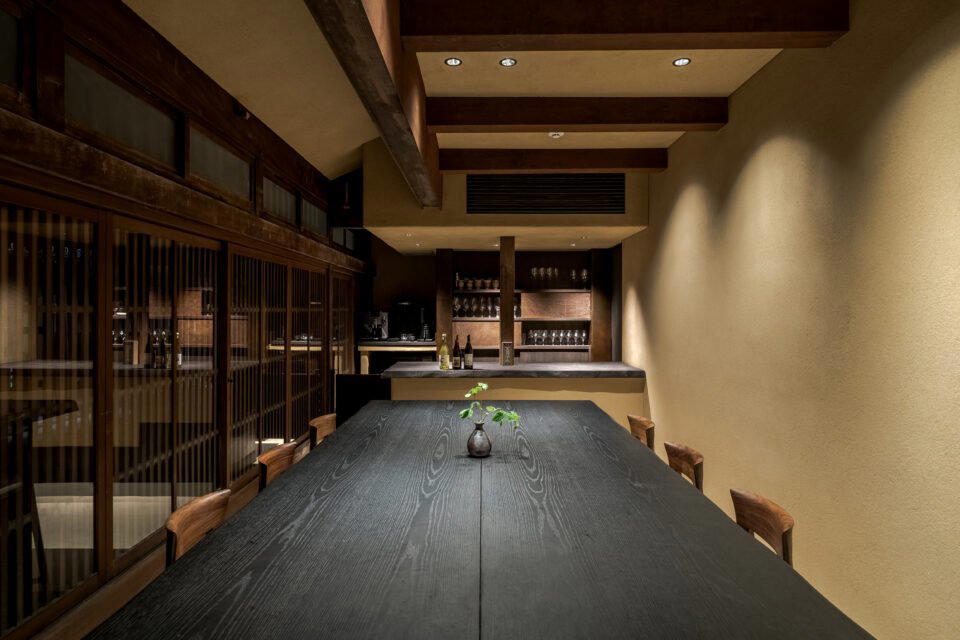
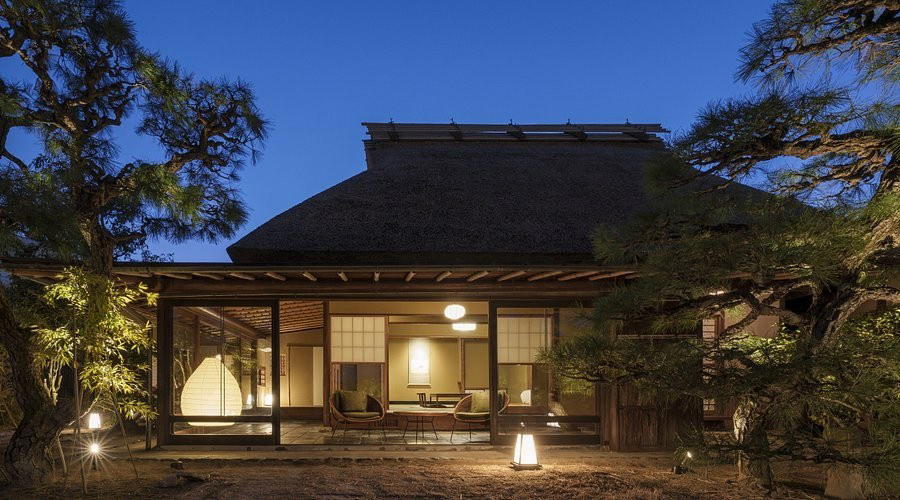
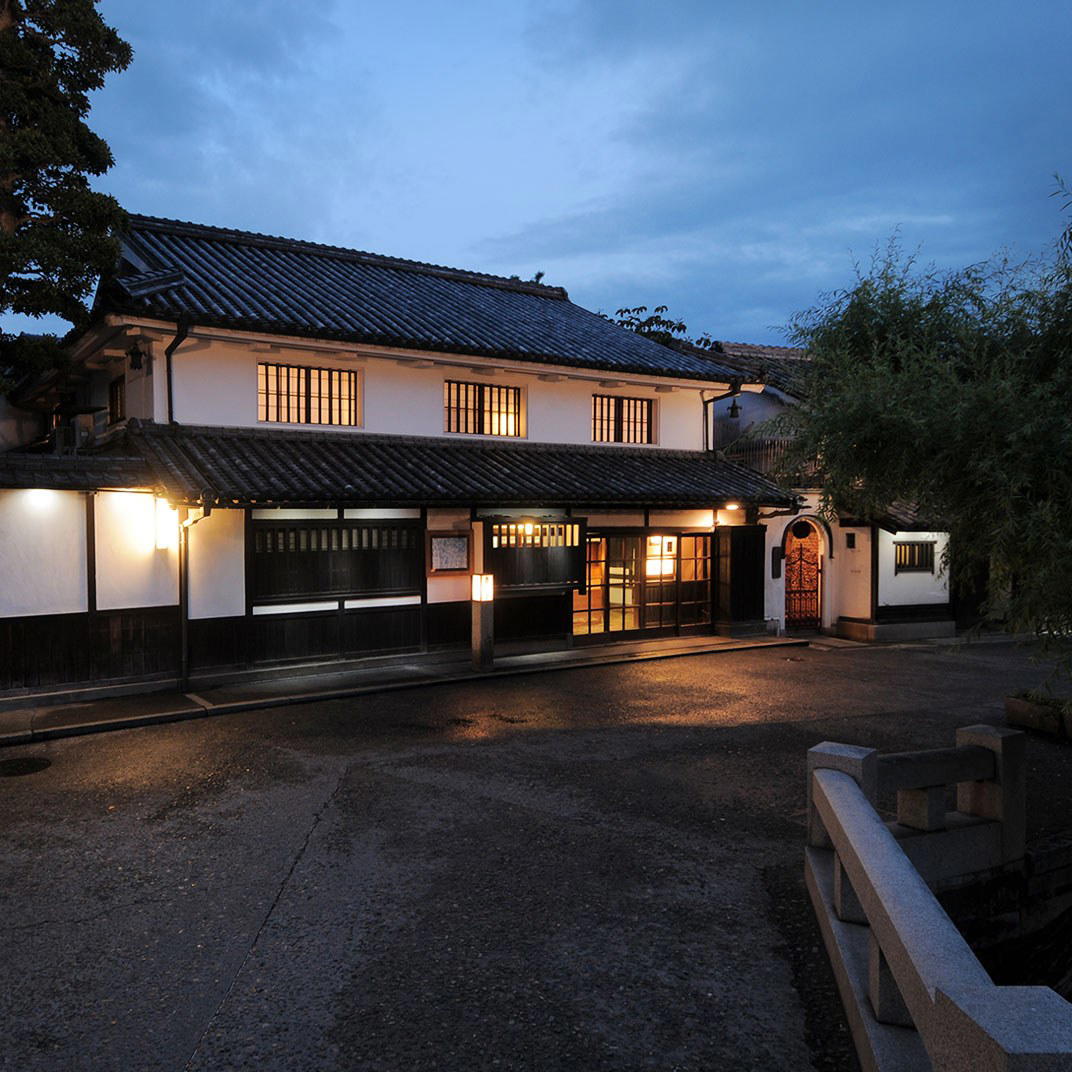
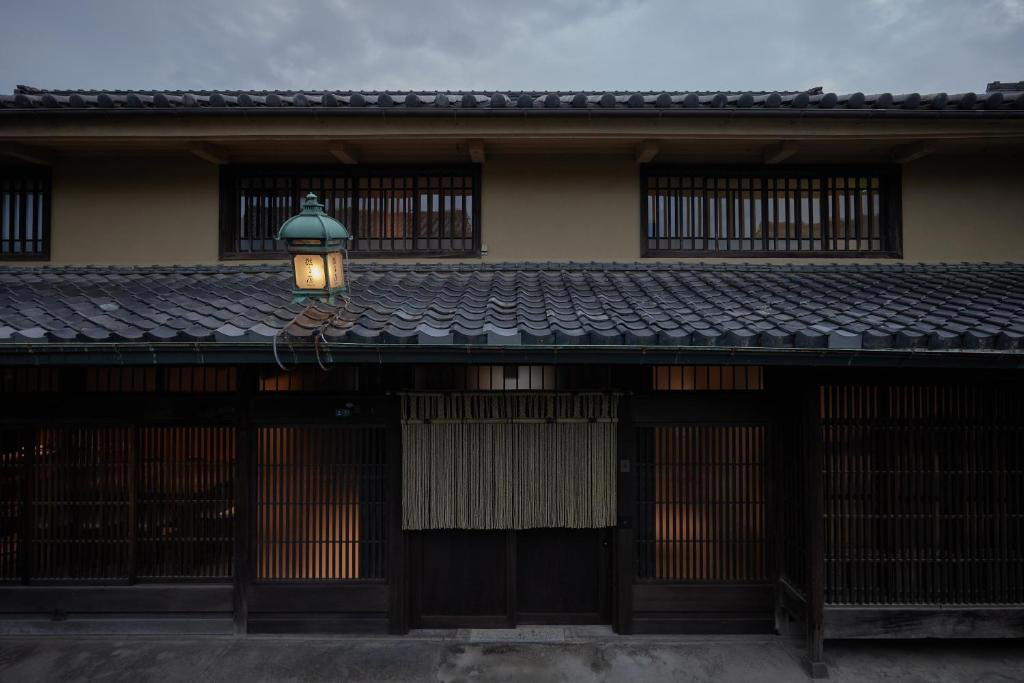
Refined and serene atmosphere with traditional Japanese aesthetics, featuring private tatami and table rooms designed for adult gatherings and formal occasions.