
Michelin Selected
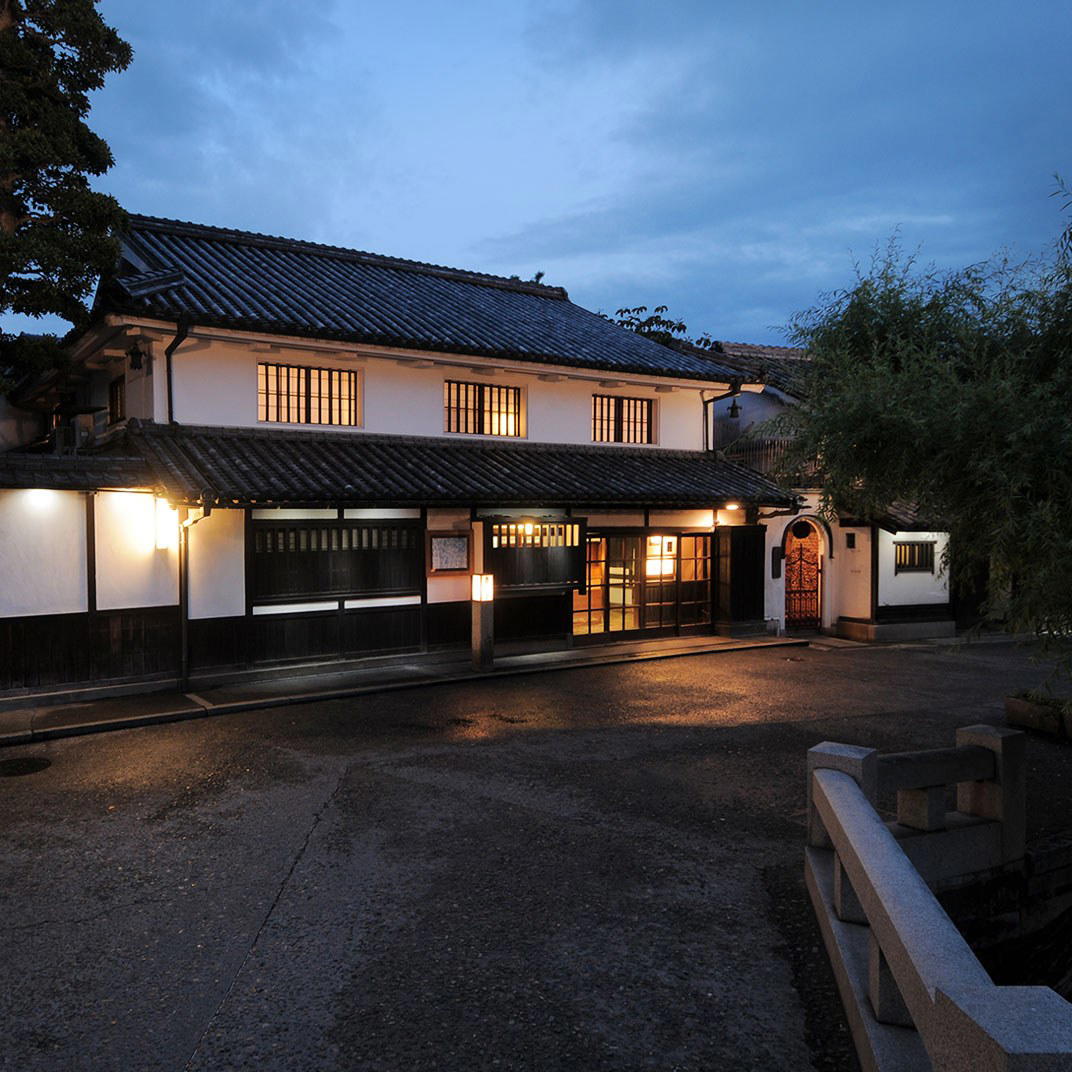
A Michelin Selected ryokan occupying a preserved Edo-period merchant house in Kurashiki's Bikan historical quarter, Ryokan Kurashiki places guests inside one of western Japan's most coherent stretches of traditional townhouse architecture. The property sits at 4-1 Hommachi, within walking distance of the willow-lined canal that defines the district's character.

Pearl is the En Primeur Club membership app, where members save venues, book tables and use the concierge.
Staying Inside Kurashiki's Architectural Memory
Kurashiki's Bikan historical quarter is one of the few places in Japan where Edo-period merchant architecture survived the twentieth century largely intact. The white-walled kura storehouses that line the canal were built for function, not spectacle, and their survival is partly a matter of geography, Kurashiki was a shogunate-controlled rice distribution hub, which meant its built fabric was maintained with unusual consistency. Walking the quarter today, the proportions feel compressed and deliberate: low eaves, thick plastered walls, dark timber frames. Ryokan Kurashiki sits at 4-1 Hommachi, directly within this zone, and the address matters. This is not proximity to a historical district; it is occupancy within one.
The property's Michelin Selected recognition in the 2025 guide places it inside a small cohort of Japanese ryokan that the guide identifies as worth attention on accommodation quality and character rather than on restaurant performance alone. That distinction is meaningful in a country where the ryokan category spans everything from roadside inns to trophy retreats. Michelin's hotel selection process tends to weight setting coherence, material quality, and service consistency, which means the recognition here says something specific about how this property presents itself relative to its physical context.
What the Architecture Tells You Before You Check In
The ryokan format in Japan has always been inseparable from its built environment. At its most considered, the ryokan is an argument about how space, material, and time relate to each other, tatami replacing carpet, shoji screens replacing solid walls, the garden visible from the room rather than separated by thick glazing. What distinguishes a property like Ryokan Kurashiki within that tradition is the question of original fabric versus reconstruction. The Bikan quarter's merchant houses were working buildings, and converting them to hospitality use without erasing their structural logic requires a particular kind of restraint. The preservation of load-bearing posts, recessed alcoves, and the spatial rhythm of a traditional machiya plan is not incidental to the guest experience here; it is the experience.
Editorial angle that applies to Kurashiki's ryokan tier is one of contrast with Japan's newer luxury accommodation formats. Properties like Bvlgari Hotel Tokyo in Tokyo or HOTEL THE MITSUI KYOTO in Kyoto represent a strand of Japanese premium hospitality that imports international luxury codes into a Japanese context. Ryokan Kurashiki operates from the opposite premise: the building's age and material history are the primary offering, and contemporary comfort is introduced in service of that framework rather than in replacement of it. The comparison is not a judgment about quality; it is a description of two distinct approaches to what a premium stay in Japan should feel like.
The Bikan Quarter as Context and Constraint
Staying in the Bikan quarter means accepting certain conditions that are inseparable from its appeal. The streets are narrow and largely car-free after a certain hour. The district is a working tourist destination during daylight, with the canal walk and the Ohara Museum of Art drawing significant foot traffic from mid-morning through late afternoon. The museum, which houses one of Japan's more serious collections of Western art alongside a substantial Japanese modern collection, is a ten-minute walk from most points within the quarter. By early evening, that traffic recedes, and the stone-paved lanes around the canal take on a different character entirely.
For guests arriving by rail, Kurashiki Station is approximately fifteen minutes on foot from the Bikan quarter. The journey is partly through a commercial shopping district before the built fabric shifts toward the preserved zone. Shinkansen access is available from Shin-Kurashiki Station with a local train connection, or via Okayama Station, which sits on the Sanyo Shinkansen line with high-frequency service to both Osaka and Hiroshima. Okayama is the more practical interchange for guests arriving from Tokyo or Kyoto.
Japan's ryokan category has stratified considerably over the past two decades. At the leading, properties like Gora Kadan in Hakone, Asaba in Izu, and Amanemu in Mie compete on kaiseki dining, private onsen access, and landscape setting. A second tier, which includes properties with strong architectural or cultural identity but without the same thermal infrastructure or restaurant ambition, occupies a different competitive position. Ryokan Kurashiki belongs to that second register. Its argument is location and material history rather than spa depth or multi-course dining performance.
That positioning is not a limitation in the context of how guests use the Kurashiki area. The Bikan quarter is a day-and-evening destination in itself. The Ohara Museum collection, the network of smaller craft galleries and ceramic shops in the adjacent streets, and the canal walk as a transitional experience between morning and evening provide enough structure to anchor a two-night stay without needing the property to function as a self-contained resort. Properties in Hakone or Izu tend to be destination-in-themselves stays where guests rarely leave the grounds; Kurashiki operates on a different logic.
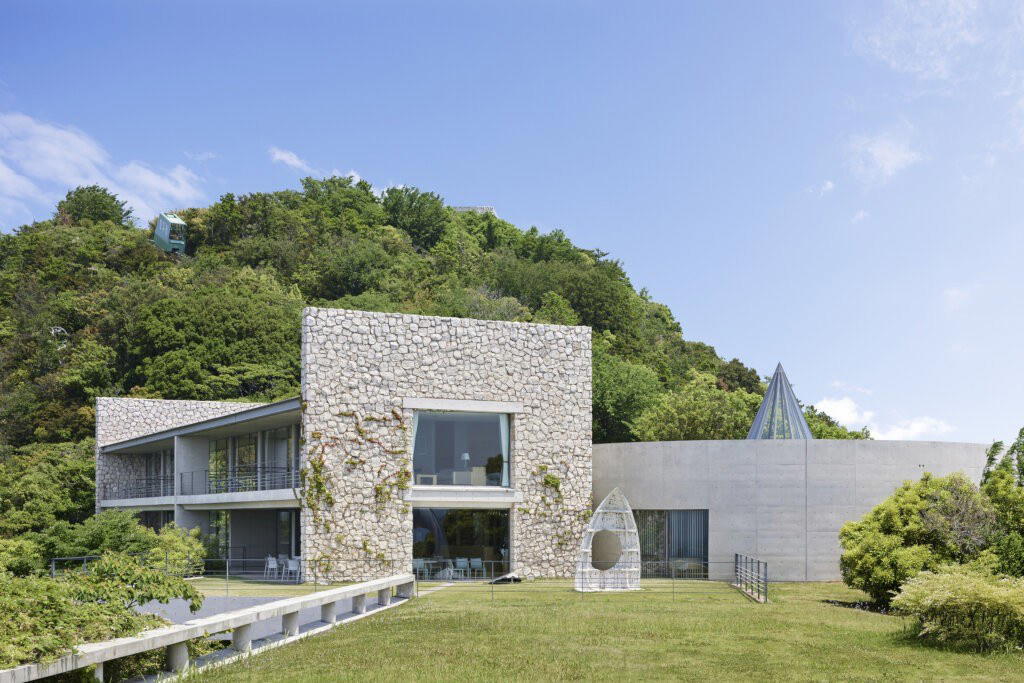
For guests interested in the wider Setouchi region, Kurashiki sits within reasonable reach of Benesse House on Naoshima, the art island in the Seto Inland Sea that has become one of Japan's more discussed intersections of contemporary architecture and hospitality. The contrast between the two properties is instructive: Benesse House is a purpose-built Tadao Ando structure where contemporary art is the organizing principle; Ryokan Kurashiki is a conversion where historical preservation is the organizing principle. Both sit within the same geographic radius and represent serious positions within Japanese hospitality, approached from opposite directions.
Other comparable ryokan properties operating in historically significant built environments include Nishimuraya Honkan in Kinosaki-cho and Yoruya, which also operates within the Kurashiki area. For guests building a broader Japan itinerary that prioritizes ryokan accommodation, properties like Zaborin in Kutchan, Fufu Nikko in Nikko, and Kamenoi Besso in Yufu represent the format across different regional and seasonal contexts. For guests approaching Japan via a culinary or cultural itinerary, our full Kurashiki restaurants guide maps the dining options within the city in more detail.
Planning a Stay
Bookings for Ryokan Kurashiki are handled directly through the property at its Hommachi address. Spring (late March through April, cherry blossom season) and autumn (late October through November, foliage) represent the two highest-demand windows across western Japan's ryokan category, and advance reservations during those periods are advisable. The summer months in the San'yo region run hot and humid, which is relevant for guests planning to walk the Bikan quarter extensively; early morning and late evening are the practical windows. Winter stays offer the canal walk with fewer visitors and a different quality of light on the white plaster walls.
Comparable Spots, Quickly
Comparable venues nearby, for context on price, style, and recognition.
| Venue | Cuisine | Price | Awards | Notes |
|---|---|---|---|---|
| Ryokan KurashikiThis venue (the venue you are viewing) | Traditional Japanese ryokan in historic merchant storehouses | $500–750 | Michelin Selected | Not listed |
| Ryokan Kurashiki (旅館くらしき) | Heritage boutique ryokan blending Edo-period architecture with contemporary minimalist design philosophy | $500–750 | Michelin Selected | Kurashiki Bikan Historical Quarter |
| Yoruya | Restored historic machiya townhouse with modern extensions preserving Edo-period architecture. | Not listed | Michelin Selected · Design Hotels Member | Bikan Historical Quarter |
| Hotel New Awaji | Seaside luxury resort combining modern hotel and traditional ryokan elements. | $200–300 | Michelin Selected | Sumoto |
| Snow Peak YAKEI SUITE | luxury glamping resort | Not listed | Michelin Selected | Minami |
| MOGANA | Modernist reimagination of traditional Japanese aesthetics with contemporary European design influences, positioned as an intimate design-focused luxury boutique hotel. | Not listed | Michelin Selected | Nakagyō |
Recognition history
Dated appearances from independent guides and award organizations, with the underlying list record or original source where available.
Michelin Selected
Michelin
Continue exploring
More in Kurashiki
Hotels in Kurashiki
All hotels in Kurashiki →
Bars in Kurashiki
All bars in Kurashiki →
Details
- Elegant
- Quiet
- Classic
- Intimate
- Sophisticated
- Romantic Getaway
- Anniversary
- Honeymoon
- Historic Building
- Garden
- Wi Fi
- Room Service
- Garden
- Street Scene
Elegant and calm oasis with tatami mats, antique furnishings, wooden beams, and soft lighting evoking timeless Japanese luxury amidst the historic district.