
Michelin Selected
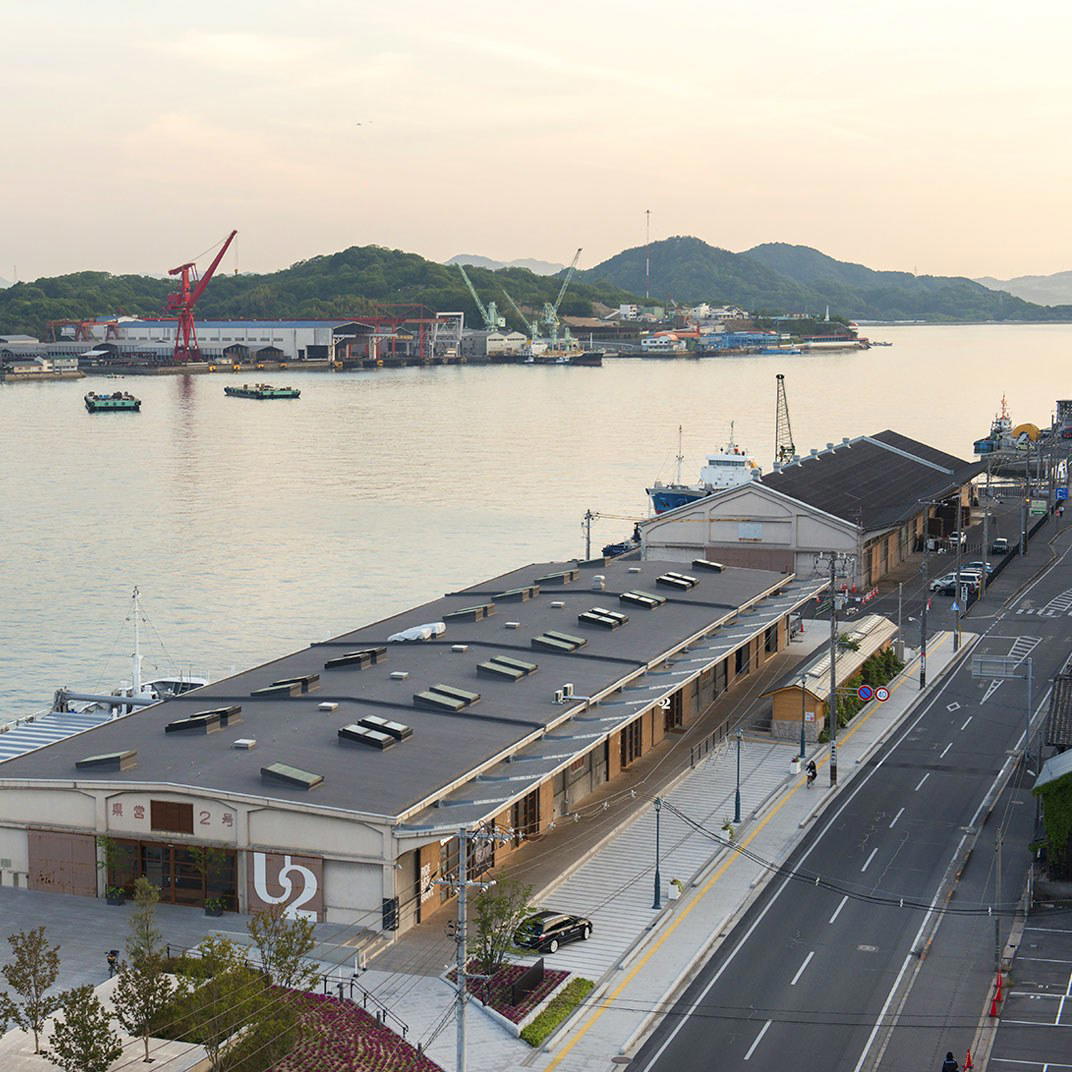
A Michelin Selected hotel in Onomichi, Hotel Cycle sits inside a converted waterfront warehouse at 5-11 Nishigoshocho, positioning itself at the intersection of cycling culture and design-led travel along the Seto Inland Sea. The property anchors the ONOMICHI U2 complex, a repurposed maritime facility that draws cyclists tackling the Shimanami Kaidō and travellers seeking an alternative to the region's traditional ryokan circuit.

Pearl is the En Primeur Club membership app — saves, bookings, and concierge access live there. Same editors, same standards.
- Address
- 5-11 Nishigoshocho, Onomichi, Hiroshima 722-0037, Japan
- Phone
- +81 848-21-0550
- Website
- onomichi-u2.com
- Directions
- Get directions
Where the Shimanami Kaidō Begins — and Ends
The Seto Inland Sea has always sorted travellers into two camps: those who arrive by water and those who come to cycle. Onomichi sits at the eastern terminus of the Shimanami Kaidō, one of Japan's most celebrated cycling routes, and the accommodation offer around that route has evolved accordingly. On one end, the region's traditional ryokan circuit — places like Ryokan Onomichi Nishiyama, preserves the kaiseki-and-onsen formula that defines much of rural Japanese hospitality. On the other, Hotel Cycle represents a different proposition entirely: a design-hotel built around active travel, occupying a converted waterfront warehouse whose industrial bones have been left deliberately visible.
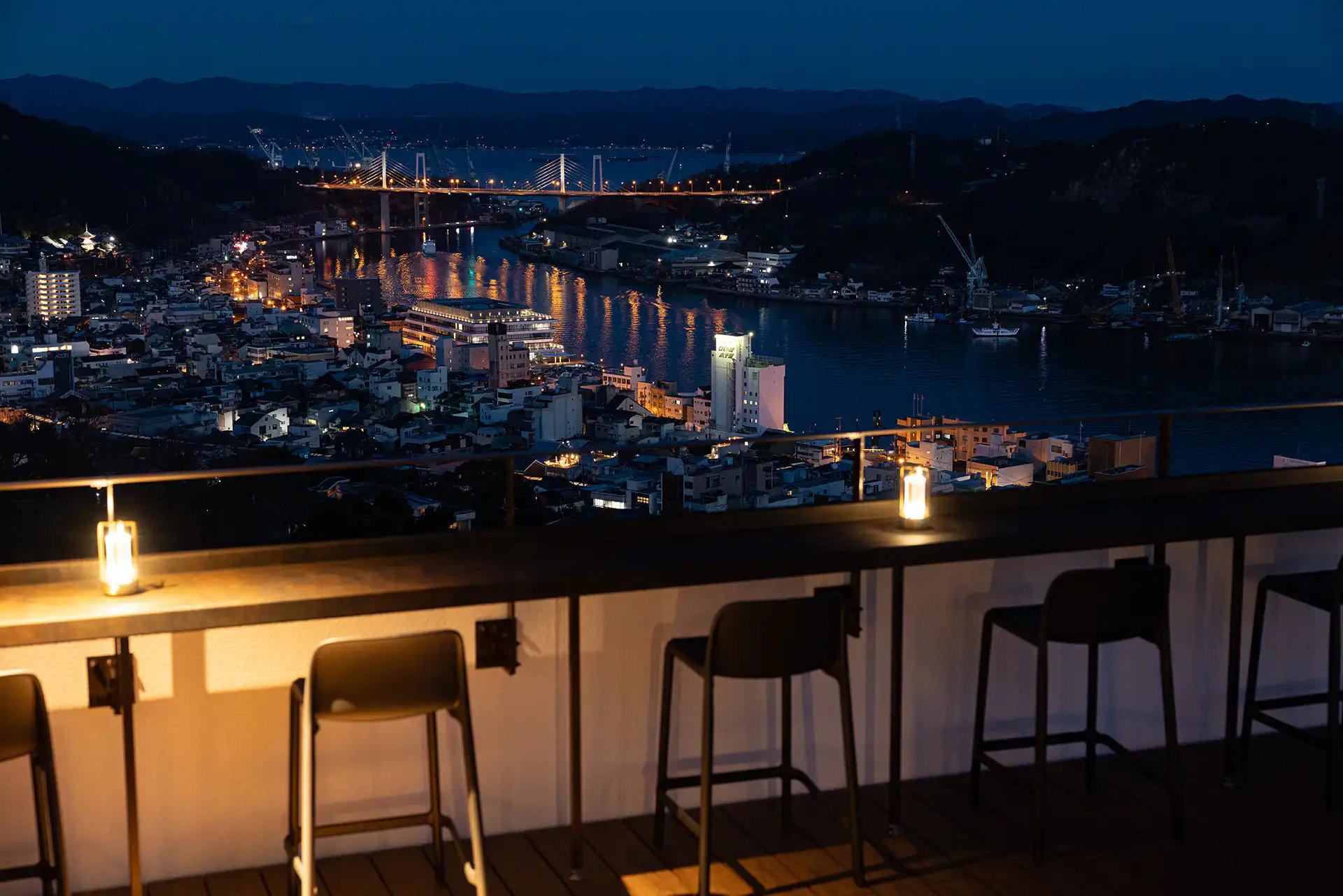
The address, 5-11 Nishigoshocho, places the property directly on Onomichi's working harbour front, where the ferry to Mukaishima departs and cyclists clip in for the 70-kilometre crossing to Imabari. Approaching on foot, the building reads as a repurposed logistics facility rather than a conventional hotel, and that is the point. The ONOMICHI U2 complex, of which Hotel Cycle is the accommodation component, was once a prefectural marine products warehouse. The decision to retain its warehouse character rather than smooth it over with hotel-standard finishes aligns Hotel Cycle with a cohort of Japanese adaptive-reuse properties, among them Benesse House in Naoshima, where the building's history is treated as an asset rather than a liability to be renovated away.
Michelin's 2025 hotel selection confirms what the design press has long noted: the property occupies a tier of its own in the Onomichi accommodation market. For direct comparisons along the Seto Inland Sea corridor, Azumi Setoda offers a more overtly luxury-ryokan positioning on nearby Setoda island, while the cruise ship-style experience of guntu targets a completely different travel mode.
The Warehouse as Dining and Drinking Infrastructure
The editorial angle for Hotel Cycle's food and beverage programme begins with the building itself. Warehouse conversions in Japan tend to produce two types of hospitality: the kind that imports a polished restaurant concept into a raw shell, and the kind where the rough-and-functional character of the original structure informs what gets served and how. Hotel Cycle belongs to the second category.
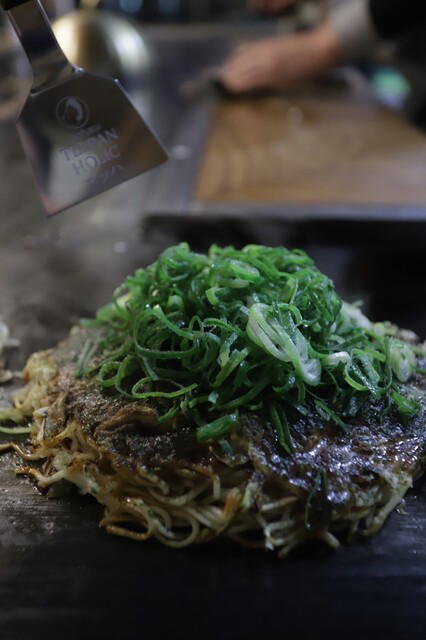
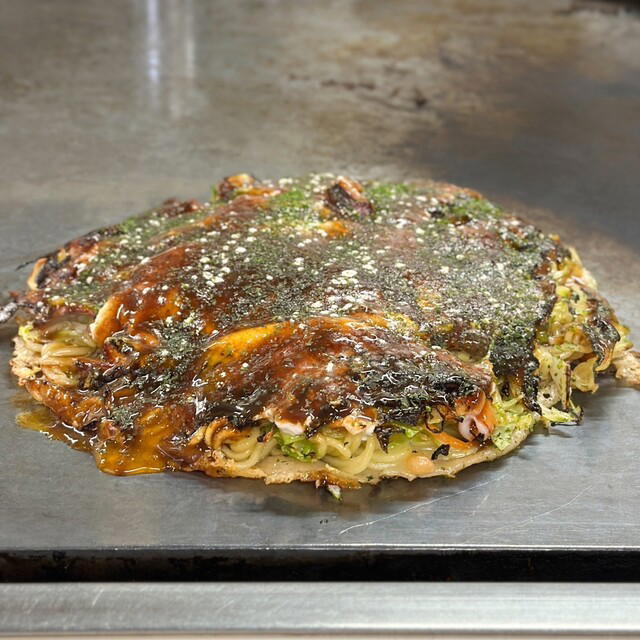
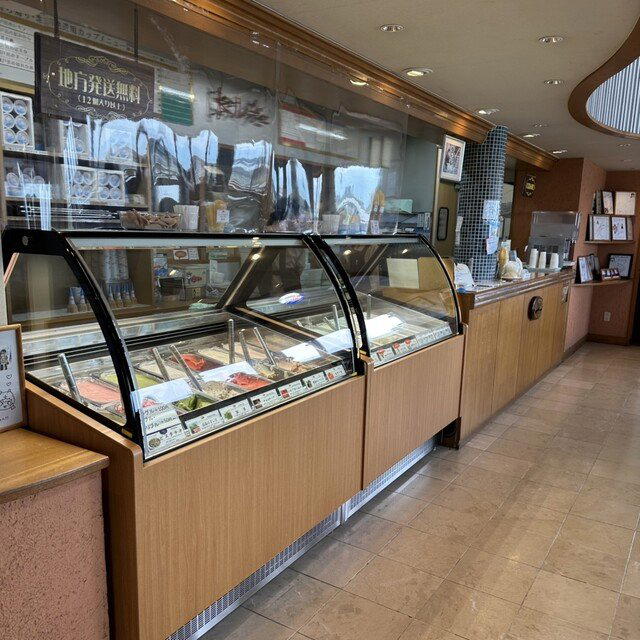
The complex houses multiple food and beverage outlets within the same converted structure, meaning the dining experience is inseparable from the wider atmosphere of the building, cyclists moving through in kit, bikes racked at hotel-room level, the smell of the harbour coming in off the water. This is not an incidental detail. In cities like Tokyo, where Michelin's hotel selections often cluster around properties with destination restaurants attached, see Bvlgari Hotel Tokyo for one end of that spectrum, Onomichi operates under entirely different culinary logic. The food here is framed around recovery, refuelling, and community rather than tasting-menu ceremony.
Broader pattern is worth noting: Michelin's accommodation selections across Japan increasingly reward properties that have developed a coherent identity between space and programme, rather than simply those that have accumulated the highest-grade dining attached. Properties like Gora Kadan in Hakone or Amanemu in Mie achieve this through deep-rooted onsen ryokan tradition; Hotel Cycle achieves it through a different kind of rootedness, one tied to active travel infrastructure and the specific character of the Seto Inland Sea port town it occupies.
Cycling Culture as Hospitality Identity
Hotel's most distinctive operational feature is the integration of bicycle infrastructure at the room level. Guests can bring bikes directly into their rooms, a policy that reads as a logistical convenience but functions, in practice, as a statement about who the property is designed for and what kind of trip it is built to support. This positions Hotel Cycle within a global movement toward sport-specific accommodation, but with a Japanese attention to the considered detail that makes the difference between a policy and a practice.
Shimanami Kaidō itself draws a range of rider profiles, from serious cyclists completing the full route in a day to leisure travellers who tackle shorter sections and use Onomichi as a base. The hotel's position at the route's starting point means it functions as both a staging post and a finishing-line property, accommodating travellers at the beginning and end of the same journey. Few hotels occupy both roles simultaneously with this degree of intentionality.
For travellers planning the broader region, the Setouchi area has developed a distinctive hospitality identity over the past two decades, partly through the Setouchi Triennale's influence on Naoshima and its neighbour islands, and partly through investment in cycling infrastructure that now rivals dedicated cycling destinations in Europe. Hotel Cycle sits at the infrastructure end of that story rather than the art-tourism end, which is what separates it from properties like Benesse House and positions it as a different type of trip anchor. See our full Onomichi guide for broader context on the town's place in the Setouchi circuit.
Planning Your Stay
Hotel Cycle's address at 5-11 Nishigoshocho puts it within walking distance of Onomichi Station, which sits on the San'yo Main Line and connects the town to Fukuyama and onward to Osaka and Hiroshima via shinkansen interchange. For travellers arriving by car, Onomichi is accessible from the San'yo Expressway, though the harbour-front location means navigating the town's narrow coastal streets. Cyclists completing the Shimanami Kaidō from the Imabari end will arrive on the ferry from Mukaishima, docking within close range of the hotel.
Booking should be treated as a time-sensitive exercise, particularly for spring (late March through May) and autumn (October to November), when cycling traffic on the Shimanami Kaidō peaks and Onomichi's small hotel stock fills several weeks in advance. The Michelin 2025 selection will only compress that window further. Travellers comparing properties in this part of Japan's Seto Inland Sea should note that Azumi Setoda operates on a different island and requires ferry access, making the two properties complementary rather than interchangeable for a multi-night Setouchi itinerary.
For context on what Michelin's hotel programme covers across Japan's more traditional luxury tier, properties like Fufu Nikko, Asaba in Izu, Zaborin in Kutchan, Nishimuraya Honkan, Kamenoi Besso, Satoyama-Jujo in Niigata, Fufu Kawaguchiko, Fufu Kyu-Karuizawa Restful Forest, Nasu Mukunone, Atami Izusan Karaku, Sekitei in Hatsukaichi-shi, Halekulani Okinawa, and Jusandi in Ishigaki provide a useful cross-section of the Michelin-selected hotel range across Japan's regions, from mountain onsen to coastal resort. And for those travelling beyond Japan, the standards applied at properties like HOTEL THE MITSUI KYOTO, The Fifth Avenue Hotel in New York City, Badrutt's Palace Hotel in St. Moritz, and Hôtel de Paris Monte-Carlo illustrate how the Michelin hotel selection spans both heritage institutions and concept-driven properties, a range that Hotel Cycle, at its particular end of the spectrum, firmly belongs to.
Booking and Cost Snapshot
Comparable venues nearby, for context on price, style, and recognition.
| Venue | Price | Awards | Notes |
|---|---|---|---|
| Hotel CycleThis venue — the venue you are viewing | $100–200 | Michelin Selected | Not listed |
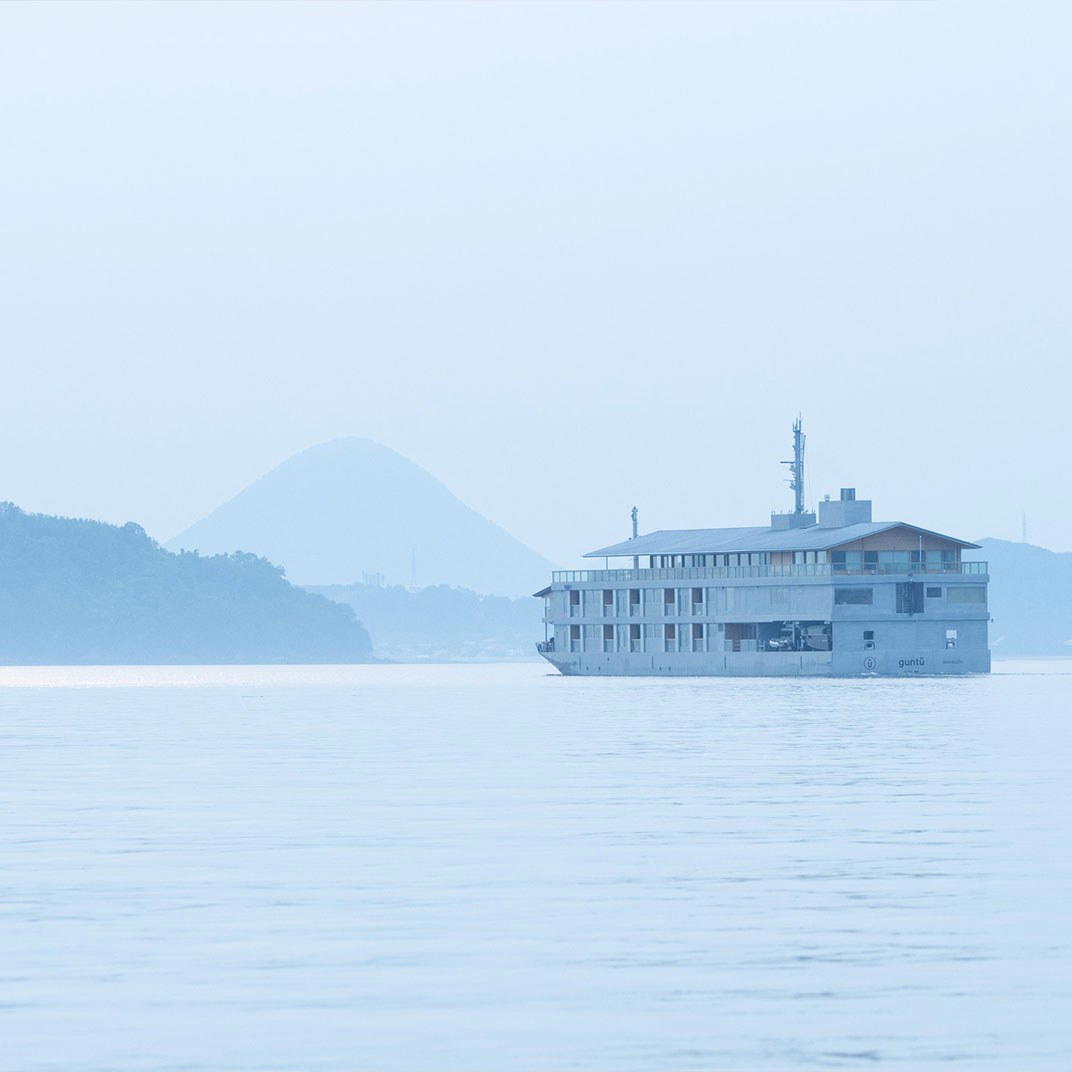
| guntu | $2,500+ | Michelin Selected · Tablet Hotels Top 40 New Hotels | Onomichi, Floating luxury ryokan blending traditional Japanese inn with modern yacht design |
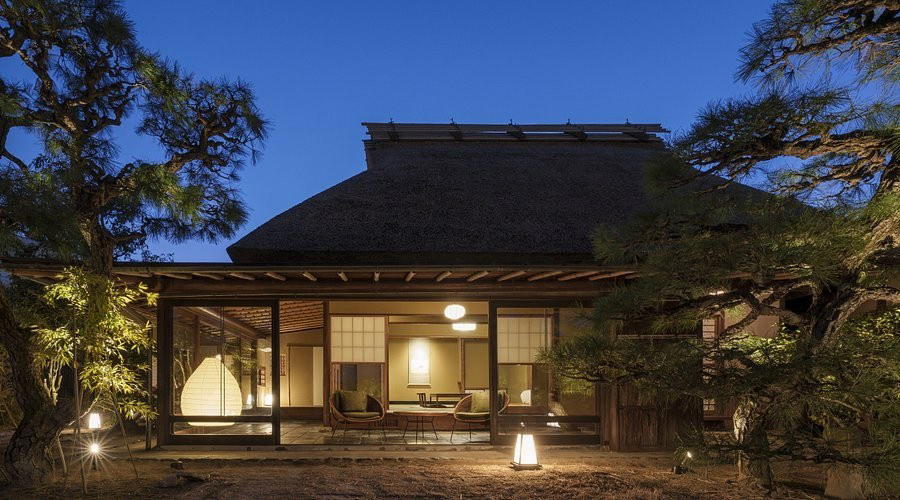
| Ryokan Onomichi Nishiyama | Not listed | 1 Michelin Key | Onomichi, Historic ryokan blending preserved Edo-period architecture with modern comforts in detached garden buildings. |
| Azumi Setoda | $750–1,000 | 1 Michelin Key · Mr & Mrs Smith Seal of Approval | Setoda, Restored traditional Japanese ryokan in a 140-year-old merchant estate |
| Kyoto Royal Hotel & Spa (京都ロイヤルホテル&スパ) | Not listed | Not listed | Nakagyo-ku (Downtown Kyoto), Contemporary Japanese-style hotel blending traditional elements with modern amenities in a downtown business district setting. |
| Yama no Chaya (山の茶屋) | Not listed | Not listed | Tonosawa, Traditional Japanese ryokan built into mountainside surrounded by bamboo and river gorge. |
Recognition history
Dated appearances from independent guides and award organizations, with the underlying list record or original source where available.
Michelin Selected
Michelin

Details
- Modern
- Scenic
- Cozy
- Weekend Escape
- Waterfront
- Wi Fi
- Bicycle Rental
- Restaurant
- Bar
- Luggage Storage
- Waterfront
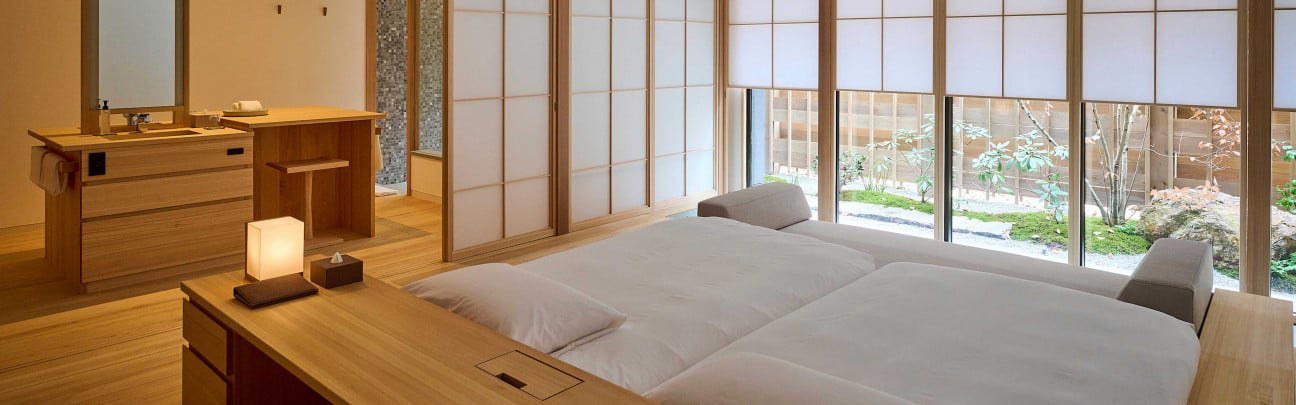
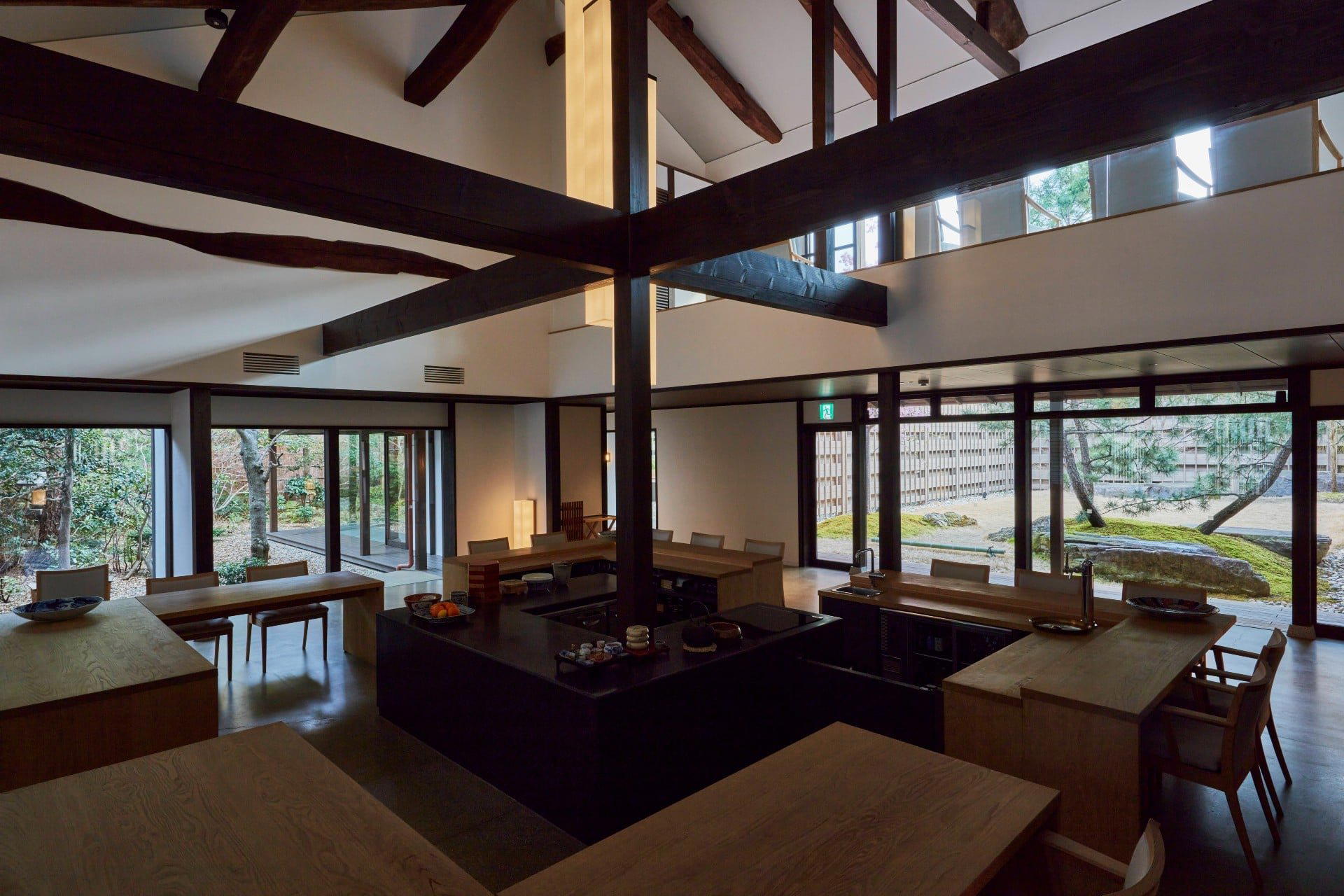
Simple yet stylish with natural materials, traditional crafts, and a lively waterfront atmosphere featuring a restaurant, bar, café, and bakery.