Our verdict
A Chinese restaurant in Fukuyama's Kasumicho district, 中国料理 讌譞 sits within a city better known for its castle district than its dining scene.

Pearl is the En Primeur Club membership app — saves, bookings, and concierge access live there. Same editors, same standards.
- Address
- 1 Chome-5-6 Kasumicho, Fukuyama, Hiroshima 720-0812, Japan
- Phone
- +81849739552
- Website
- pocket-concierge.jp
- Directions
- Get directions
- Booking
- Book on the venue's website
Chinese Cuisine in a City Still Finding Its Dining Identity
Fukuyama sits at the eastern edge of Hiroshima Prefecture, a city shaped more by its castle, its rose festivals, and its role as a regional transit hub than by any particular culinary reputation. That context matters when assessing its restaurant scene. Unlike Hiroshima city, which has developed clear dining anchors around okonomiyaki, oysters, and a growing fine-dining tier, Fukuyama's restaurant offering is more diffuse: a mix of neighbourhood staples, local izakayas, and category-specific spots that serve the city's working population rather than destination visitors. Chinese restaurants occupy a consistent and well-patronised tier within that mix across Japanese secondary cities, typically ranging from quick-service ramen-adjacent formats to more formal banquet-style rooms. 中国料理 讌譞, located at 1 Chome-5-6 Kasumicho in central Fukuyama, sits somewhere within that spectrum.
Kasumicho is a district within walking distance of Fukuyama Station, which positions any restaurant there to draw on both local regulars and the transit-connected visitor passing through on the Sanyo Shinkansen line. That accessibility is a practical asset in a city where dining out tends to be driven by convenience as much as destination intent. For the broader context of what Fukuyama's dining scene offers, our full Fukuyama restaurants guide maps the city's key options across categories.
Ingredient Sourcing and the Chinese Restaurant Model in Regional Japan
Chinese cuisine in Japan has followed a distinct trajectory from its mainland origins, shaped by decades of localisation. What gets served under the Chinese restaurant banner in regional Japanese cities is rarely a direct import: it draws on locally available proteins, regional produce rhythms, and Japanese expectations around freshness and portioning. In Hiroshima Prefecture specifically, proximity to the Seto Inland Sea means seafood supply chains are reliable and relatively short, which tends to filter into the ingredient practices of restaurants across categories, including Chinese kitchens. Whether that applies specifically to 中国料理 讌譞 is not verifiable from available data, but the regional pattern is consistent enough to note.
Across Japan's secondary cities, Chinese restaurants that have sustained neighbourhood presence over time tend to do so by threading local sourcing into menus designed around recognisable formats: dim sum, stir-fry, hot pots, and banquet courses. The sourcing credibility of those dishes often rests less on explicit farm-to-table framing and more on the practical relationships between kitchen and local suppliers that accumulate quietly over years. Restaurants operating in this mode rarely publicise their sourcing in the way that Michelin-tracked fine-dining venues do, yet they form the backbone of everyday dining in cities like Fukuyama in ways that more-celebrated establishments do not.
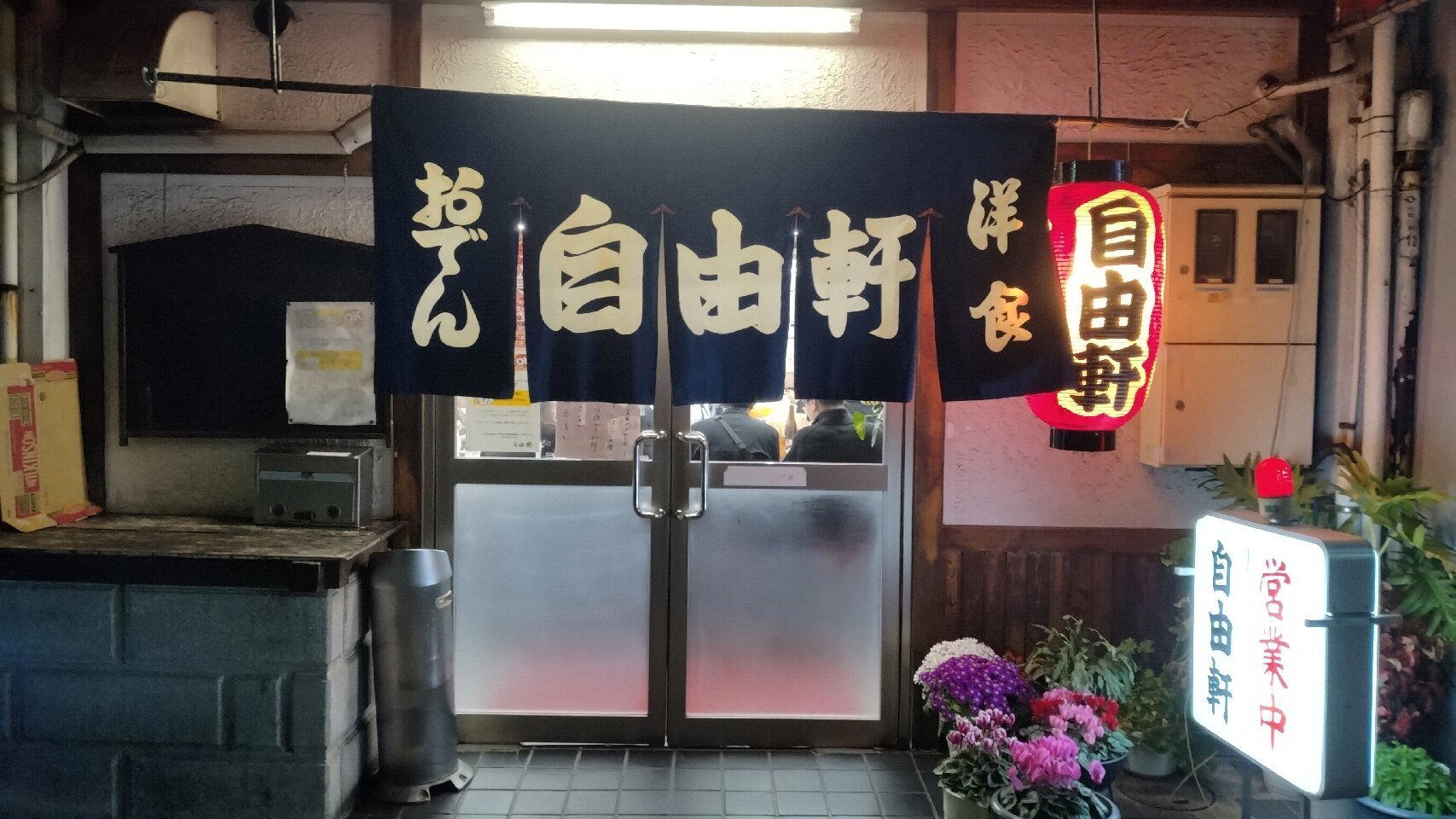
For a point of comparison on what ingredient-led Chinese cuisine looks like at the highest tier in Japan, HAJIME in Osaka represents one end of the precision-sourcing spectrum, though it operates in an entirely different category and price register. More regionally relevant comparisons within Fukuyama itself include Jiyuken and Le Miroir, both of which reflect the city's mid-range dining habits from different culinary angles. Mingei Chadokoro Fukatsuya and Mikiwatei Oichi Kochi add further texture to the city's neighbourhood-dining character, while Manneken rounds out the accessible end of the market.
Where Fukuyama Sits in the Broader Western Honshu Dining Picture
Western Honshu's dining scene is anchored at its western end by Hiroshima city and at its eastern transition point by the Kansai cities, with Fukuyama occupying a mid-point that rarely attracts the food-travel attention those endpoints command. That relative obscurity is partly structural: Fukuyama lacks the international visitor volume that drives culinary investment in Hiroshima or Kyoto, and its local dining economy is oriented toward residents rather than food tourism. The implication for any restaurant operating here is that longevity depends on local loyalty rather than critical recognition cycles.
Across the wider Japan dining map, the restaurants that attract sustained critical attention in secondary cities tend to be those with verifiable credentials: named awards, documented chef trajectories, or placement within recognised culinary lineages. Gion Sasaki in Kyoto, Harutaka in Tokyo, akordu in Nara, and Goh in Fukuoka all operate within that framework of documented distinction. Restaurants like 一本木 無乃蔵制 in Nanao, 夕佳亭山乃 in Sapporo, 湖魚庵IN in Takashima, and 庄羽屋 in Nishikawa Machi operate in regional contexts where local embeddedness carries more weight than award-circuit visibility. Birdland in Sakai adds another angle on how regional Japanese venues build reputation through category specialisation rather than broad critical recognition. For international reference points on what ingredient-driven technical cooking looks like at its most formalised, Le Bernardin in New York City and Atomix in New York City represent the documentary benchmark against which sourcing-led restaurants at any tier are increasingly measured.
Planning a Visit: What to Know
The practical details for 中国料理 讌譞 are limited in the public record. The restaurant's address places it in Kasumicho, a central Fukuyama district that is accessible from Fukuyama Station without significant navigation. This is not unusual for neighbourhood Chinese restaurants in regional Japanese cities, many of which operate without substantial digital presence and rely on foot traffic and word-of-mouth within their immediate community. Given this, visitors with firm itinerary plans are better served confirming opening hours locally before making a specific trip.
Frequently asked questions
Is 中国料理 讌譞 okay with children?
Chinese restaurants in Japan's regional cities typically accommodate family groups without difficulty, and nothing in the Kasumicho address or format of 中国料理 讌譞 suggests otherwise. Shared-plate Chinese dining is generally well-suited to mixed-age tables. For specific seating arrangements or high-chair availability, check the venue's official channels ahead of your visit.
Is 中国料理 讌譞 better for a quiet night or a lively one?
Fukuyama's central Kasumicho district positions 中国料理 讌譞 within reach of the city's main commercial corridor, where the pace on weekday evenings tends to be calmer than on Friday or Saturday nights. Chinese restaurants in this category in regional Japanese cities often draw a mix of business dinners and family gatherings, making the atmosphere variable by night and table size rather than fixed by concept.
What should I eat at 中国料理 讌譞?
Chinese restaurants operating in regional Japanese cities like Fukuyama typically offer a canon shaped by decades of local adaptation, where dishes sit somewhere between mainland Chinese technique and Japanese ingredient preferences. Asking staff for the kitchen's own recommendations on arrival is the most reliable approach.
Is 中国料理 讌譞 a good option for a business dinner in Fukuyama?
Located in Kasumicho, one of Fukuyama's central districts, 中国料理 讌譞 is positioned close to the city's commercial core, which has made the area a practical choice for business-oriented dining. Chinese cuisine in Japanese regional cities frequently functions as a go-to format for group meals and professional entertaining, given the shared-table format and range of ordering options. Confirming private room availability directly with the restaurant would be advisable for larger parties.
At-a-Glance Comparison
Details
- Cozy
- Intimate
- Date Night
- Business Dinner
- Sake Program
- A La Carte
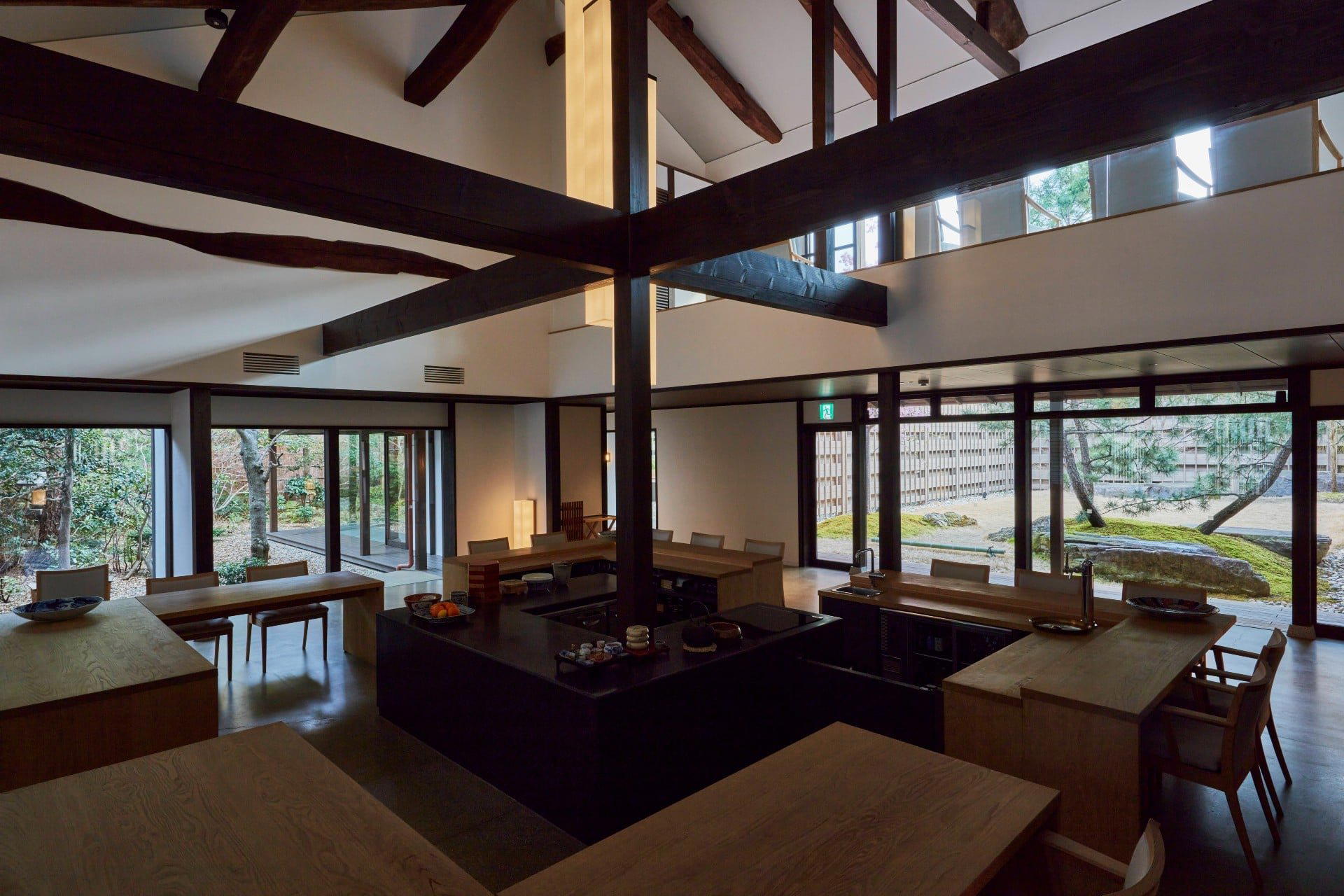
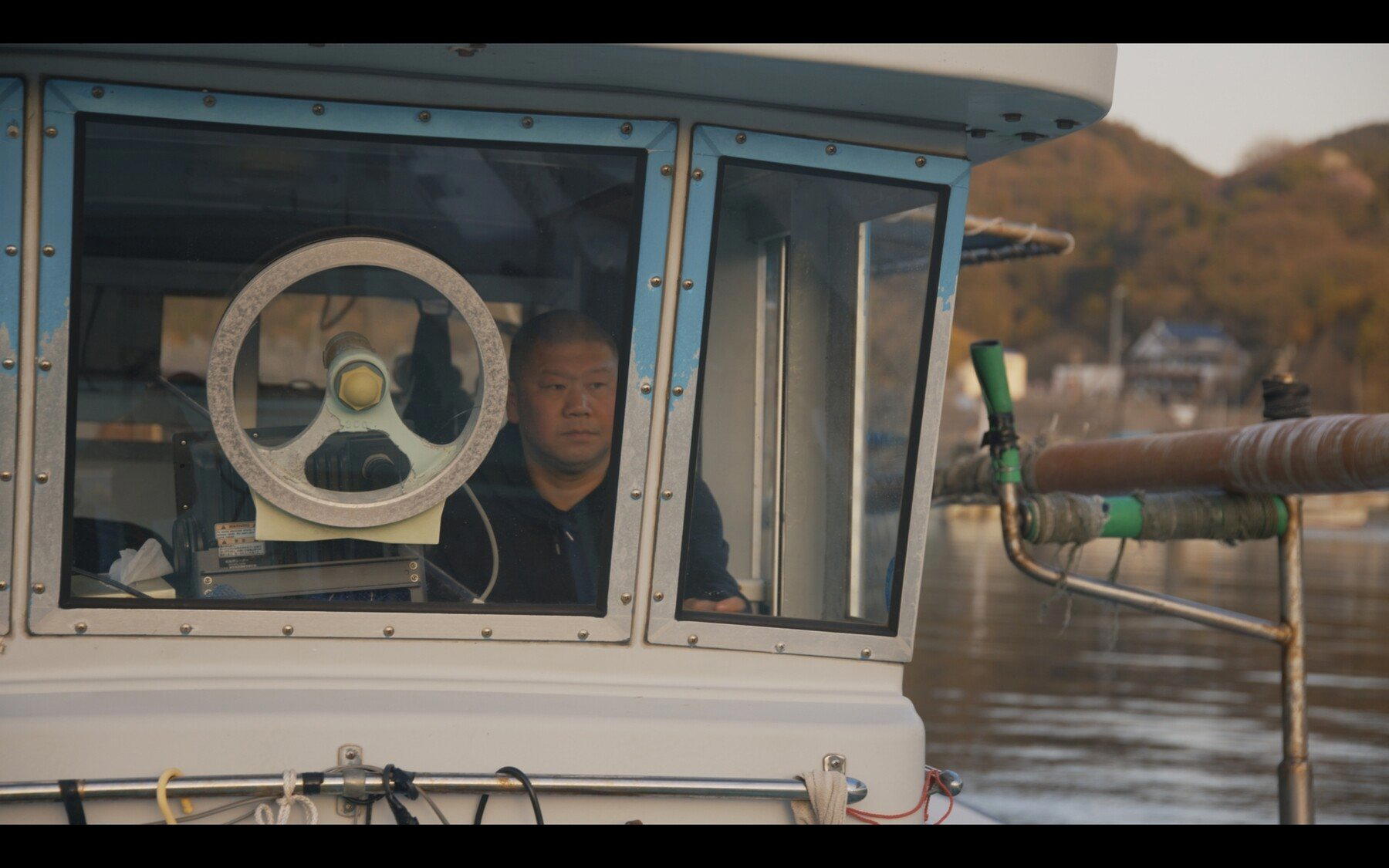
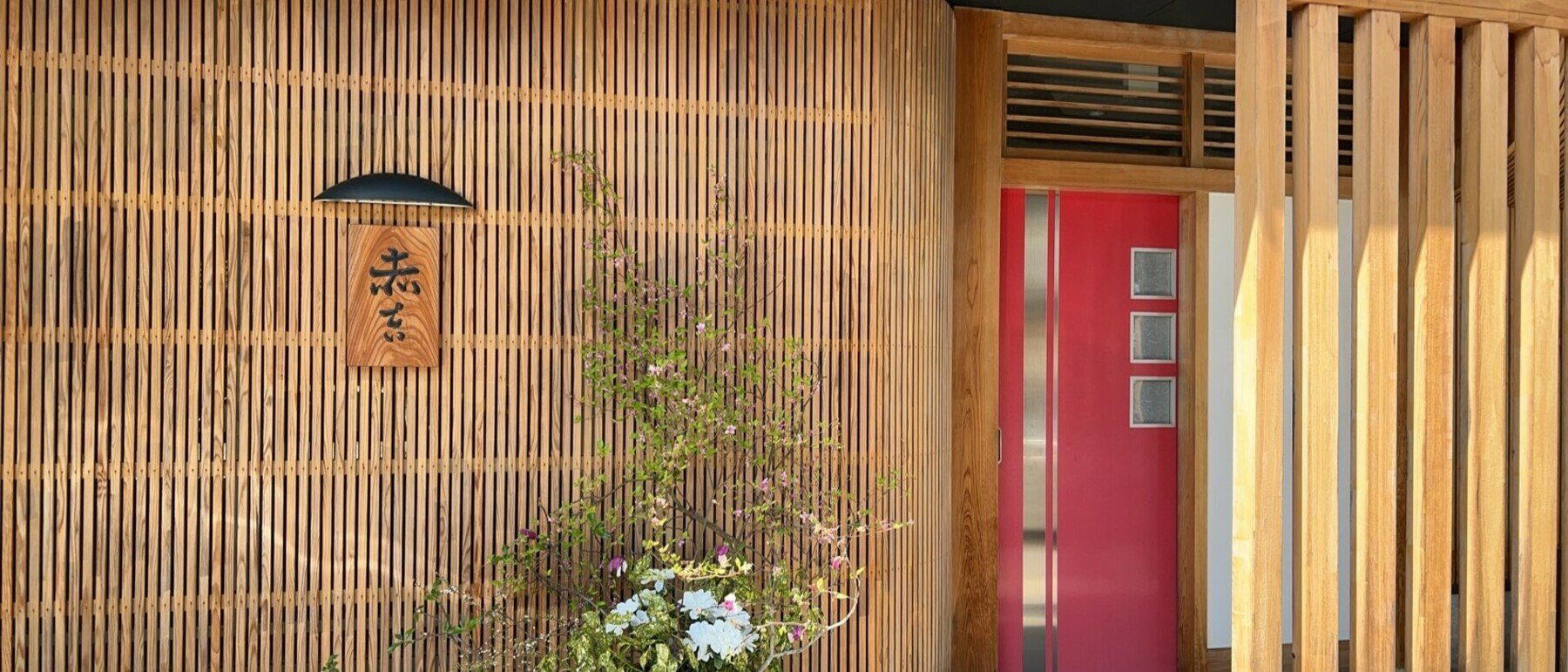
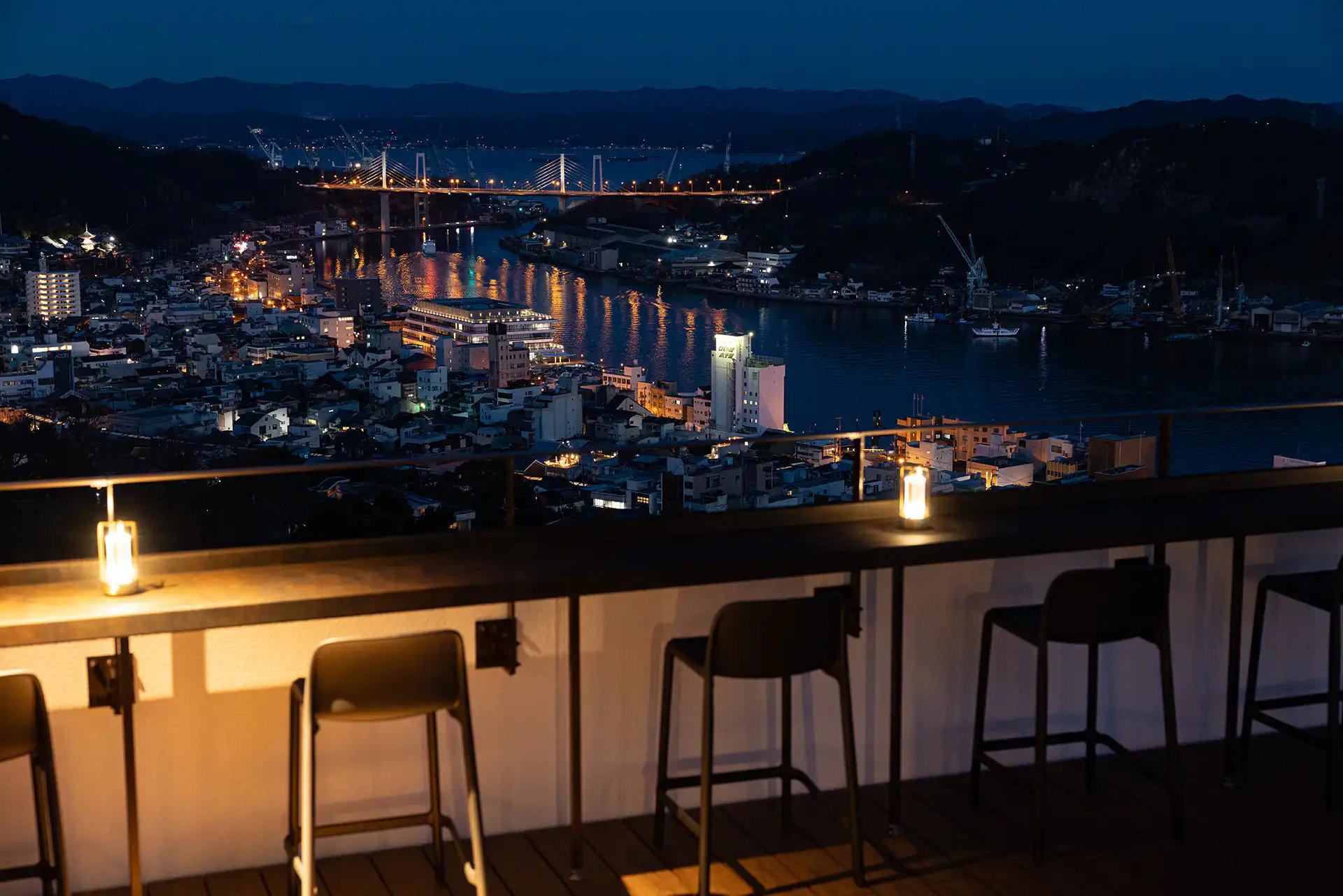
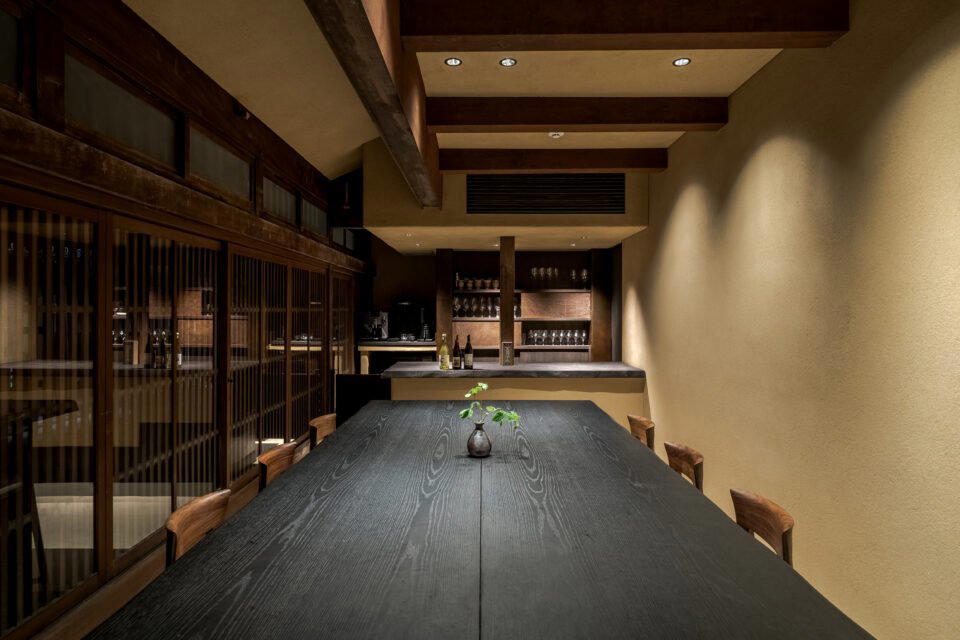
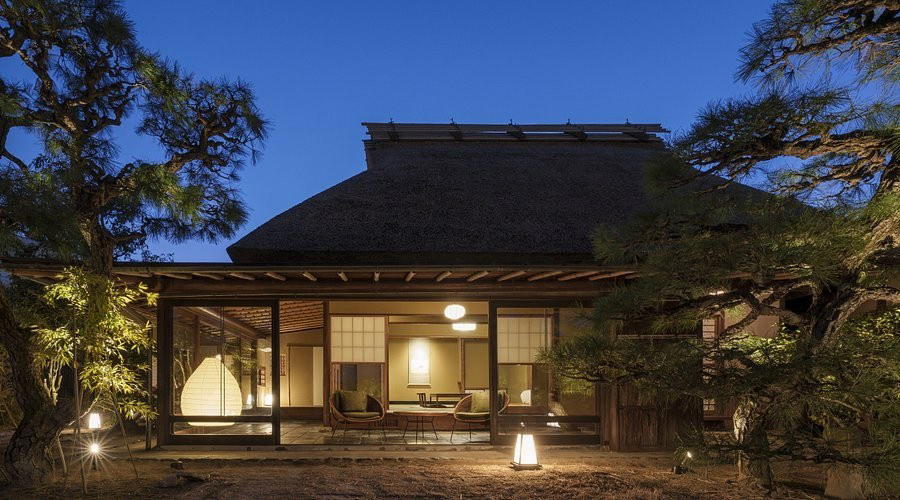
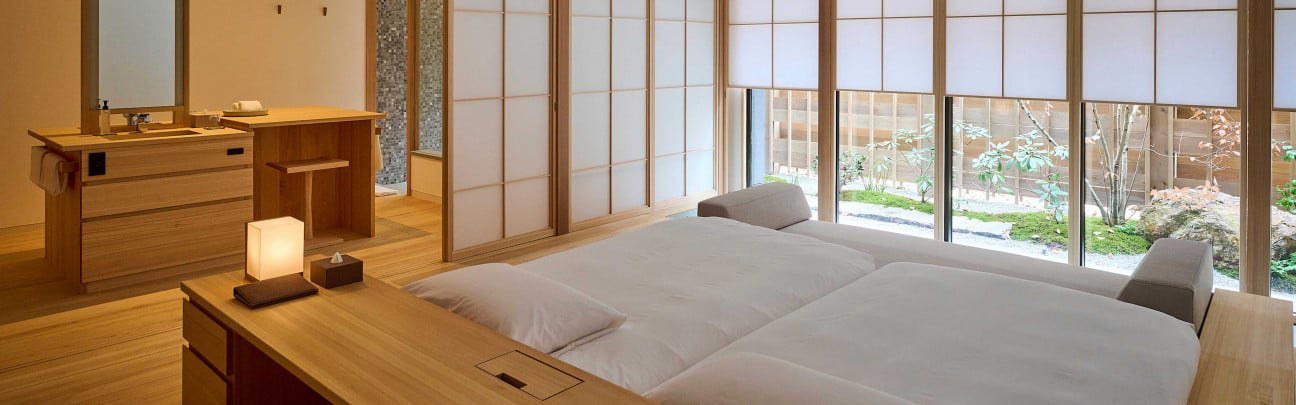
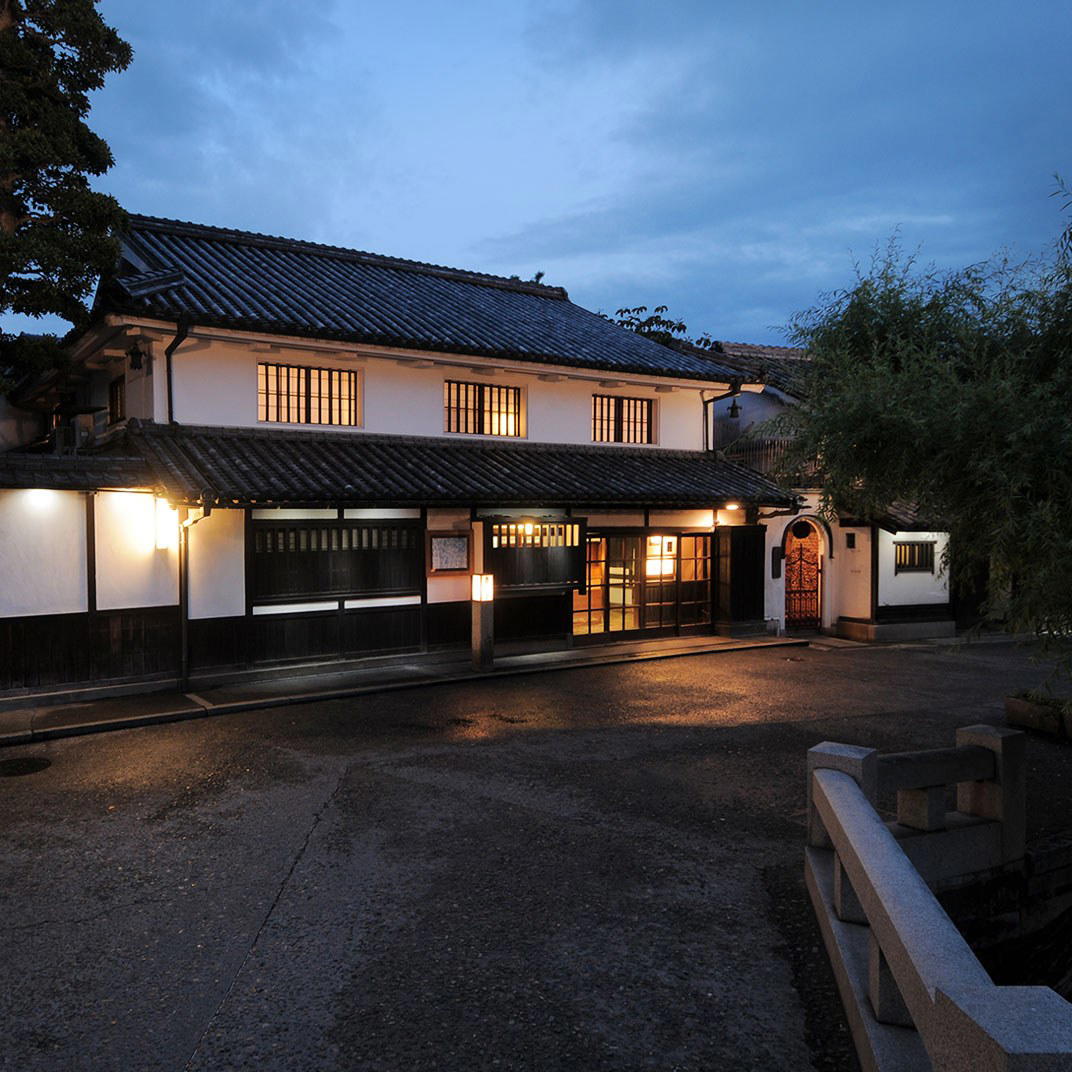
Relaxing space with counter and table seating, providing an intimate and comfortable atmosphere.