

Michelin Selected · Tablet Hotels Top 40 New Hotels
A floating ryokan moored in the Seto Inland Sea, guntu earns Michelin Selected recognition in 2025 for a design-forward approach that places guests within the water rather than above it. Berthed at Bella Vista Marina in Onomichi, the vessel reframes Japanese hospitality around the rhythms of the sea, trading the temple garden for an ever-shifting panorama of island silhouettes and tidal light.

Pearl is the En Primeur Club membership app — saves, bookings, and concierge access live there. Same editors, same standards.
- Address
- Bella Vista Marina, Onomichi, Japan
- Phone
- +81-848-70-0023
- Directions
- Get directions
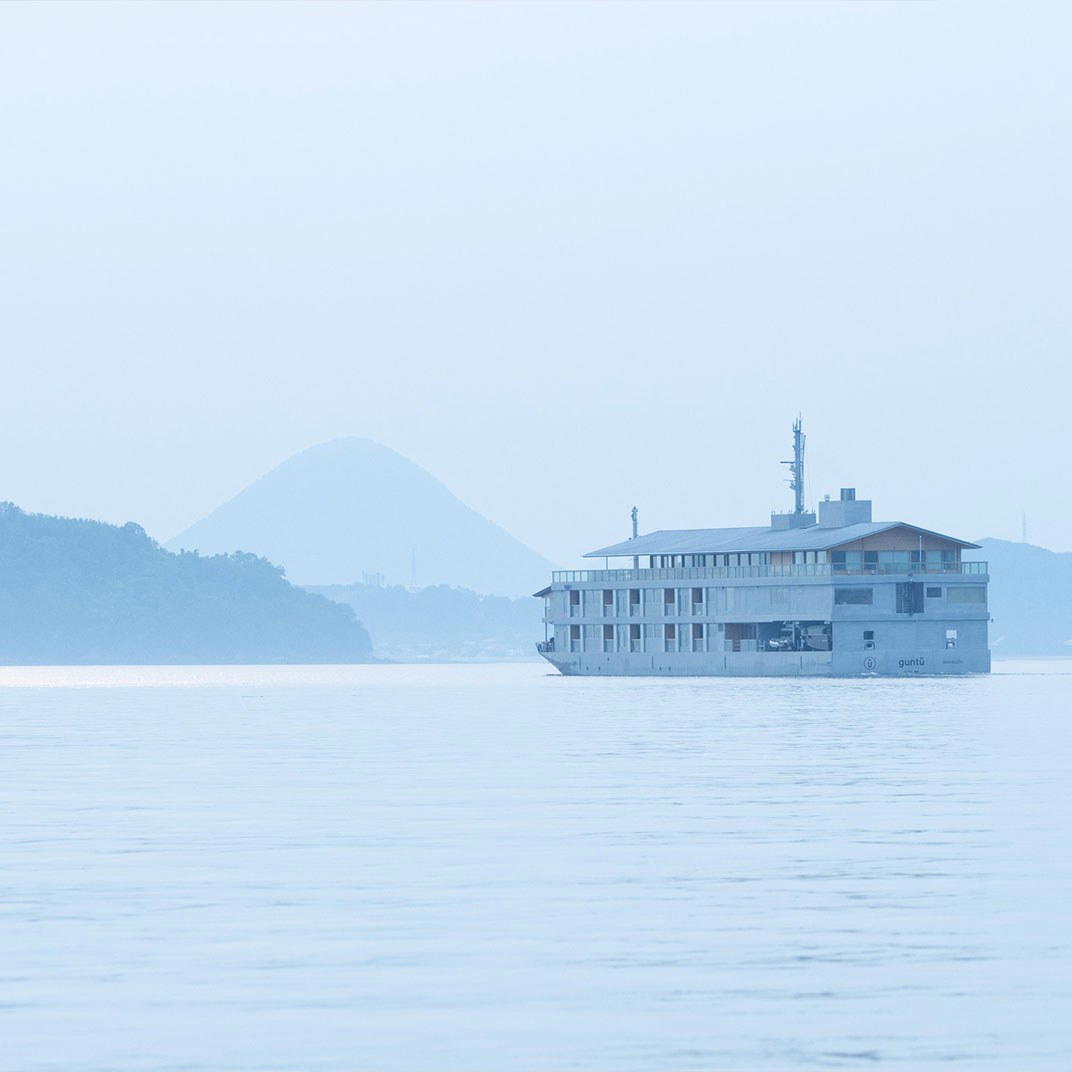
A Ship as Architecture: How guntu Reframes the Japanese Hospitality Vessel
Japan's premium ryokan tradition has long anchored itself to landscape — mountain onsen retreats, cedar-forested valleys, coastlines glimpsed from a tatami room. What guntu does differently is collapse the distance between guest and environment entirely. This is not a hotel with a water view; it is a vessel, moored at Bella Vista Marina in Onomichi, where the Seto Inland Sea is not backdrop but fabric. The ship moves. The light shifts. The islands rearrange themselves with the tide. That premise alone places guntu in a category that very few properties anywhere in Japan occupy.
The broader context matters here. Japanese luxury accommodation has, over the past decade, bifurcated sharply between large-footprint international hotel groups and small-capacity, design-intensive properties that lean hard into a specific landscape or cultural proposition. Benesse House in Naoshima embeds guests inside a contemporary art institution; Zaborin in Kutchan uses Hokkaido's snowscape as structural argument. guntu belongs in that cohort: properties where the physical environment is so integral to the design concept that separating the two becomes meaningless. The Michelin Selected designation it holds in the 2025 Michelin Hotels guide signals that the international hospitality authority recognises the category on its own terms, not simply as a novelty.
The Design Logic of the Vessel
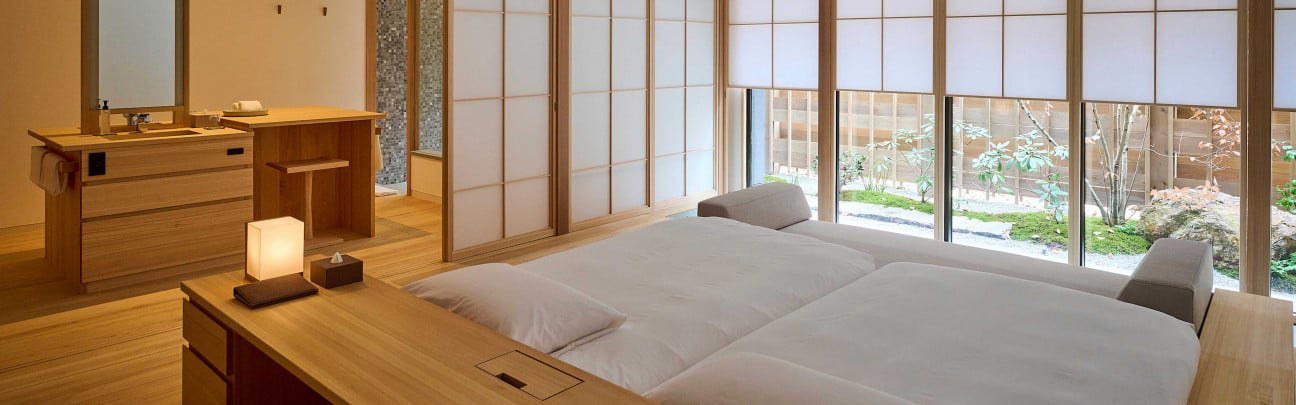
What distinguishes the floating hotel format architecturally is the discipline it demands. A ship imposes constraints that land-based properties never face: load distribution, hull geometry, the acoustic presence of water on all sides. The design response at guntu leans into those constraints rather than hiding them. Guest spaces are arranged to maximise the horizontal panorama — the wide, low silhouette of the Seto Inland Sea, studded with islands that have defined this shipping corridor for centuries. The interior palette, from what the property communicates publicly, draws on a register familiar from Japan's finest small-scale ryokan: natural materials, restrained surfaces, spatial proportion that privileges calm over stimulation.
This sits within a tradition of Japanese hospitality design that prioritises negative space as intentional content. The same logic runs through properties like Gora Kadan in Hakone or Asaba in Izu, where what is left out of a room is as considered as what is placed in it. On a vessel, that philosophy gains additional force: there is nowhere to add and nothing superfluous survives the logic of the hull.
Onomichi as Context: Why This City, This Sea
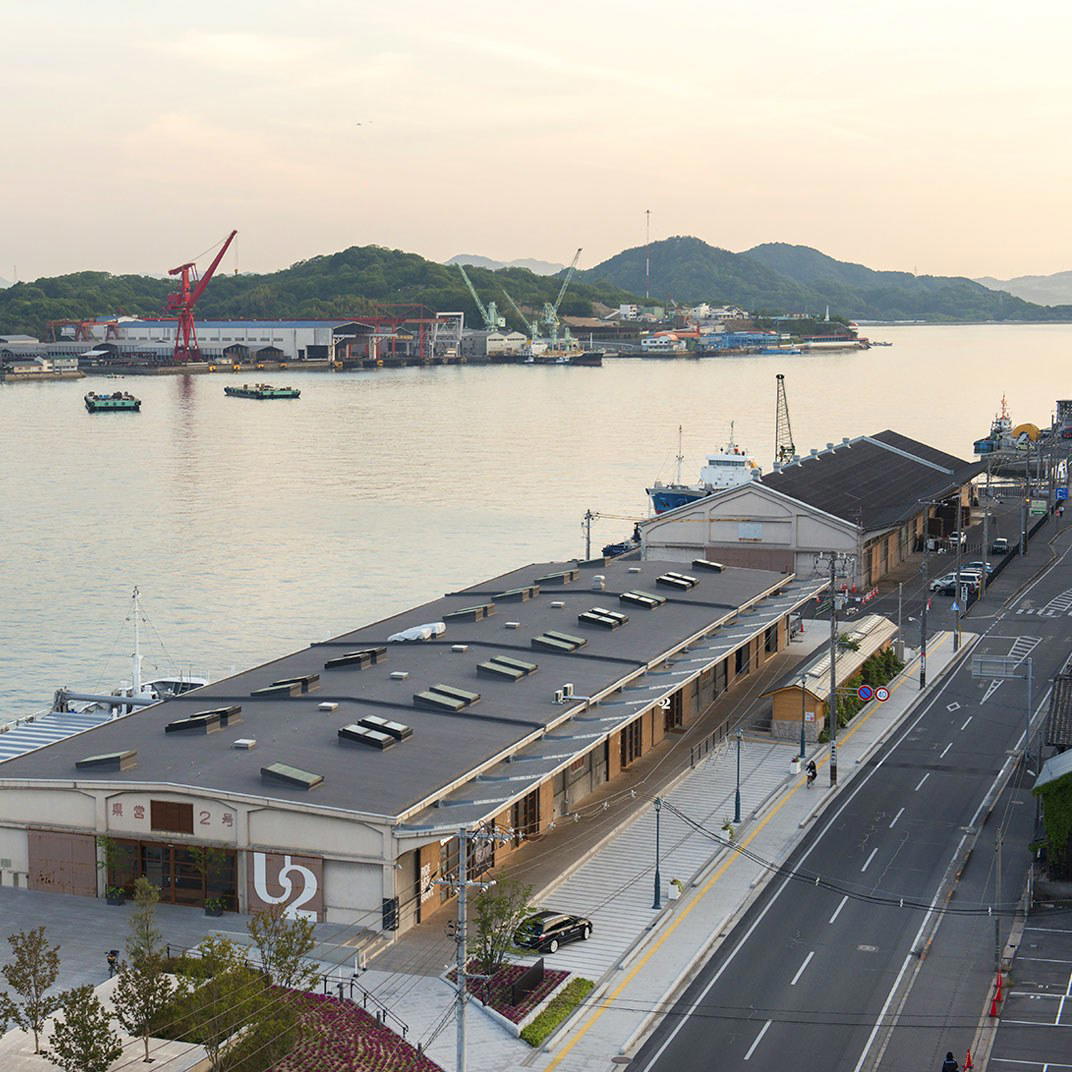
Onomichi sits on the narrow strait where the Honshu coastline presses close to a chain of islands that eventually link, via the Shimanami Kaido cycling route, to Shikoku. The town has its own distinct character: a hillside layered with temple paths, a literary history that draws pilgrims of a particular kind, and a port that never fully shed its working-maritime identity. That texture makes Onomichi a more complex host than, say, a purpose-built resort zone. Guests who arrive expecting the polished blankness of a luxury resort enclave will find something more interesting and more specific.
The Onomichi accommodation market is small but increasingly watched. Azumi Setoda has brought international attention to the Setouchi island corridor, while Ryokan Onomichi Nishiyama holds the traditional inn position and Hotel Cycle has staked out the design-forward, cycling-culture tier. guntu competes with none of these directly. Set it against the global luxury tier and the comparison points shift again: Bvlgari Hotel Tokyo or Hotel The Mitsui Kyoto operate on entirely different urban logic, and Amanemu in Mie offers the closest structural parallel in terms of remote-setting intensity, though anchored on land rather than water.
For the reader considering how guntu fits relative to international reference points, the analogy is closer to a private charter experience than to a fixed hotel: the environment is moving, or can move, and the guest is contained within it rather than adjacent to it. Properties such as Badrutt's Palace Hotel in St. Moritz or Hôtel de Paris Monte-Carlo signal civic grandeur through fixed architecture; guntu's authority derives from the opposite: impermanence, motion, the fact of being on water at all.
What the Michelin Selection Signals
The 2025 Michelin Selected designation for guntu is the single verifiable external credential on record. In the context of Michelin's hotel guide, Selected properties are those that clear the standard for quality and consistency without necessarily reaching the higher distinction tiers. For a vessel-based property, achieving that recognition affirms that the format delivers reliably against hospitality fundamentals, comfort, service, food, rather than trading on novelty alone. Michelin's hotel assessors evaluate on criteria that apply regardless of building type, which means guntu is being measured against land-based properties and clearing the bar. That is a meaningful data point.
Within the broader Japan Michelin hotel selection, guntu sits alongside mountain and forest retreats, urban design hotels, and traditional onsen ryokan. The shared designation does not imply comparable experiences; it implies comparable quality. Readers who have stayed at other Michelin Selected properties in Japan, perhaps Satoyama-Jujo in Niigata, Sekitei in Hatsukaichi-shi, or Nasu Mukunone, will find the standard familiar, the format entirely different.
Planning a Stay: Logistics and Orientation
guntu is berthed at Bella Vista Marina in Onomichi, accessible from Onomichi Station on the San'yo Main Line, which connects directly to Hiroshima in roughly an hour and to Shin-Onomichi Shinkansen station nearby. The Setouchi region as a whole is leading approached as a multi-destination itinerary; pairing guntu with a night on Naoshima, a pass along the Shimanami Kaido, or time in Hiroshima produces a coherent arc through one of Japan's most architecturally and historically layered corridors. Booking should be anticipated well in advance given the vessel's inherently limited capacity: a ship's guest count is a fixed ceiling, not a variable one, which concentrates demand across a small number of cabins. The full picture of what Onomichi offers as a base is covered in our full Onomichi restaurants guide.
Seasonality bears consideration. The Seto Inland Sea's climate is mild by Japanese standards, sheltered from Pacific weather systems by the surrounding islands, but the quality of light and the texture of the sea surface shift significantly between spring, when cherry blossoms reach the hillside temples above Onomichi, and autumn, when the island foliage turns and the low-angle light flattens the water into silver. Both are argued by regular visitors to the region as the superior window. Summer brings heat and humidity common to western Honshu; winter is quiet, the sea calm, and the light sharp in a way that suits the vessel's interior design logic.
Comparison Snapshot
Comparable venues nearby, for context on price, style, and recognition.
| Venue | Cuisine | Price | Awards | Notes |
|---|---|---|---|---|
| guntuThis venue — the venue you are viewing | Floating luxury ryokan blending traditional Japanese inn with modern yacht design | $2,500+ | Michelin Selected · Tablet Hotels Top 40 New Hotels | Not listed |
| Ryokan Onomichi Nishiyama | Historic ryokan blending preserved Edo-period architecture with modern comforts in detached garden buildings. | Not listed | 1 Michelin Key | Onomichi |
| Azumi Setoda | Restored traditional Japanese ryokan in a 140-year-old merchant estate | $750–1,000 | 1 Michelin Key · Mr & Mrs Smith Seal of Approval | Setoda |
| Hotel Cycle | Bicycle-friendly design hotel within a mixed-use waterfront complex. | $100–200 | Michelin Selected | Nishigoshocho |
| Maruyo Hotel | Historic designers ryokan with traditional elegance. | $500–750 | Michelin Selected · Tablet Hotels Best New Hotel Designs (Asia) | Senbacho |
| 1 Hotel Tokyo | Sustainable luxury lifestyle hotel with biophilic design | Not listed | 1 Michelin Key | Minato |
Recognition history
Dated appearances from independent guides and award organizations, with the underlying list record or original source where available.
Michelin Selected
Michelin
Tablet Hotels Top 40 New Hotels
Tablet Hotels
Details
- Quiet
- Modern
- Cozy
- Minimalist
- Scenic
- Elegant
- Honeymoon
- Romantic Getaway
- Weekend Escape
- Waterfront
- Panoramic View
- Terrace
- Spa
- Sauna
- Fitness Center
- Massage
- Wi Fi
- Waterfront
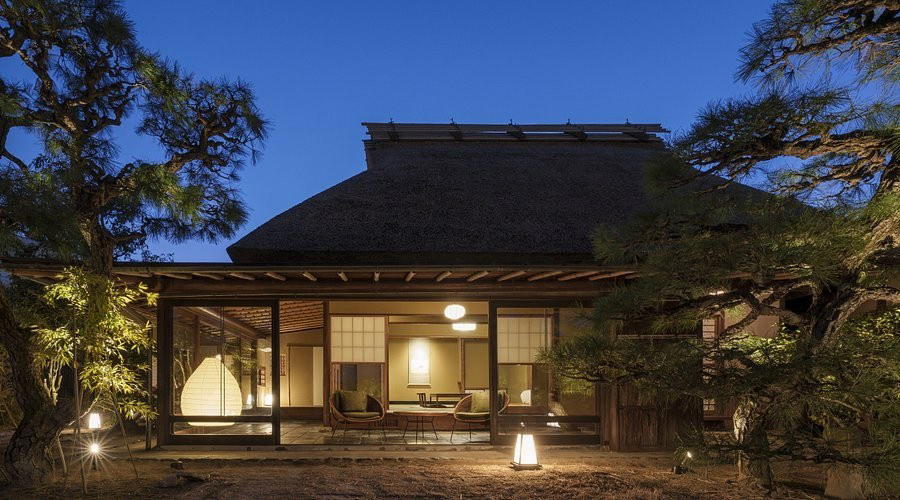
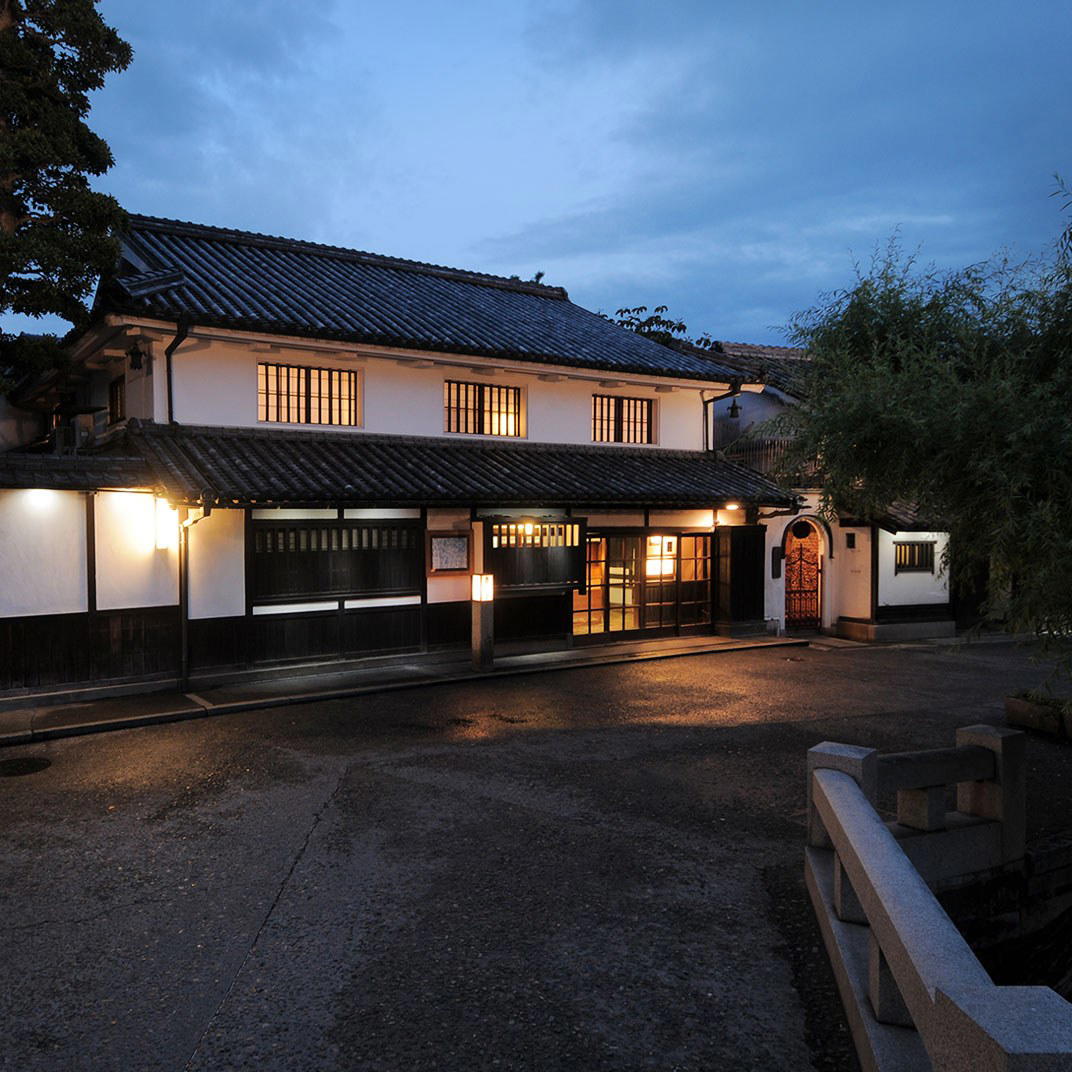
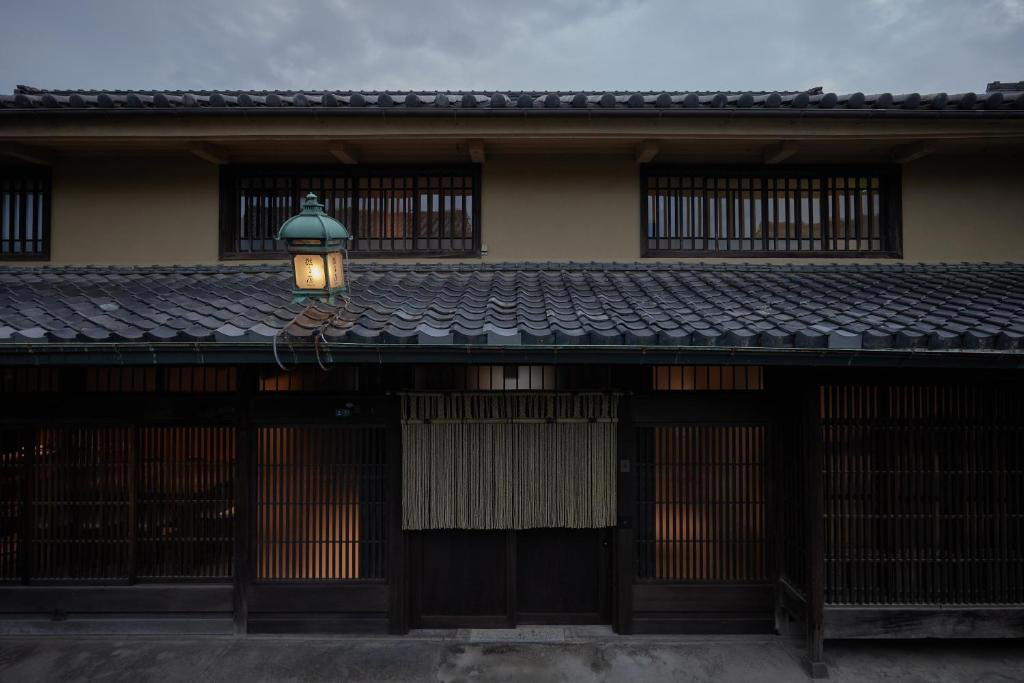
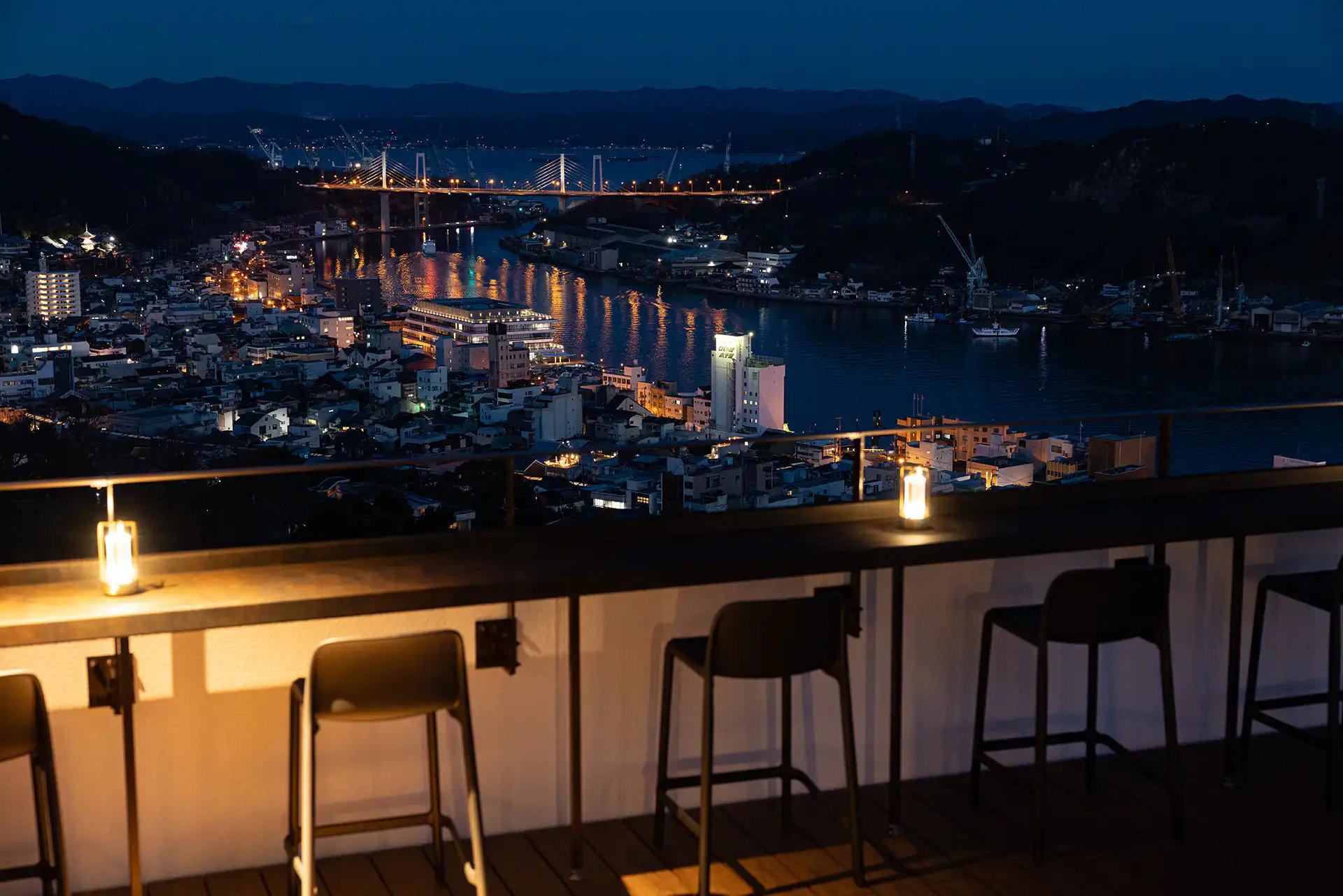
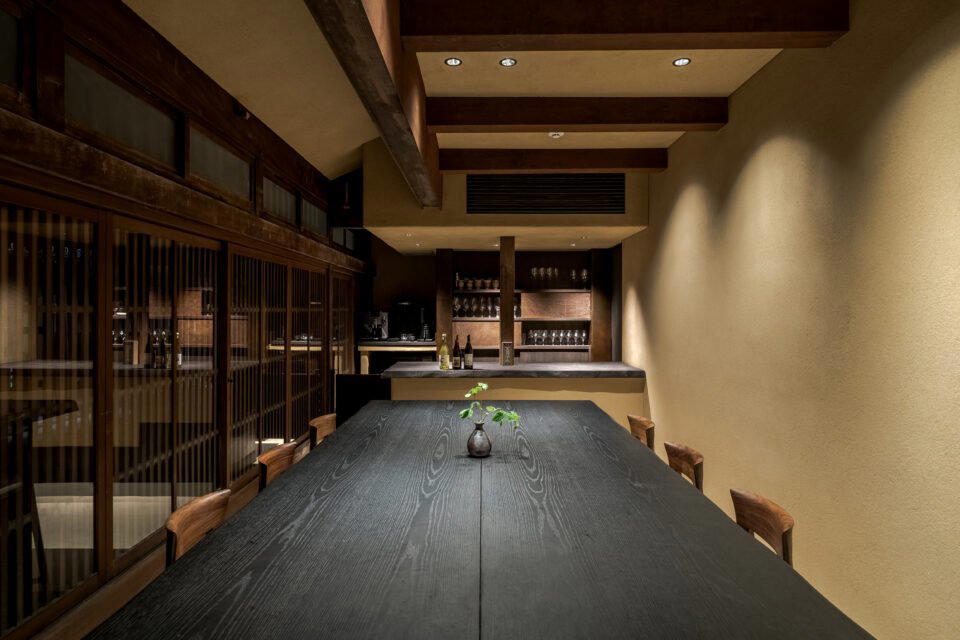
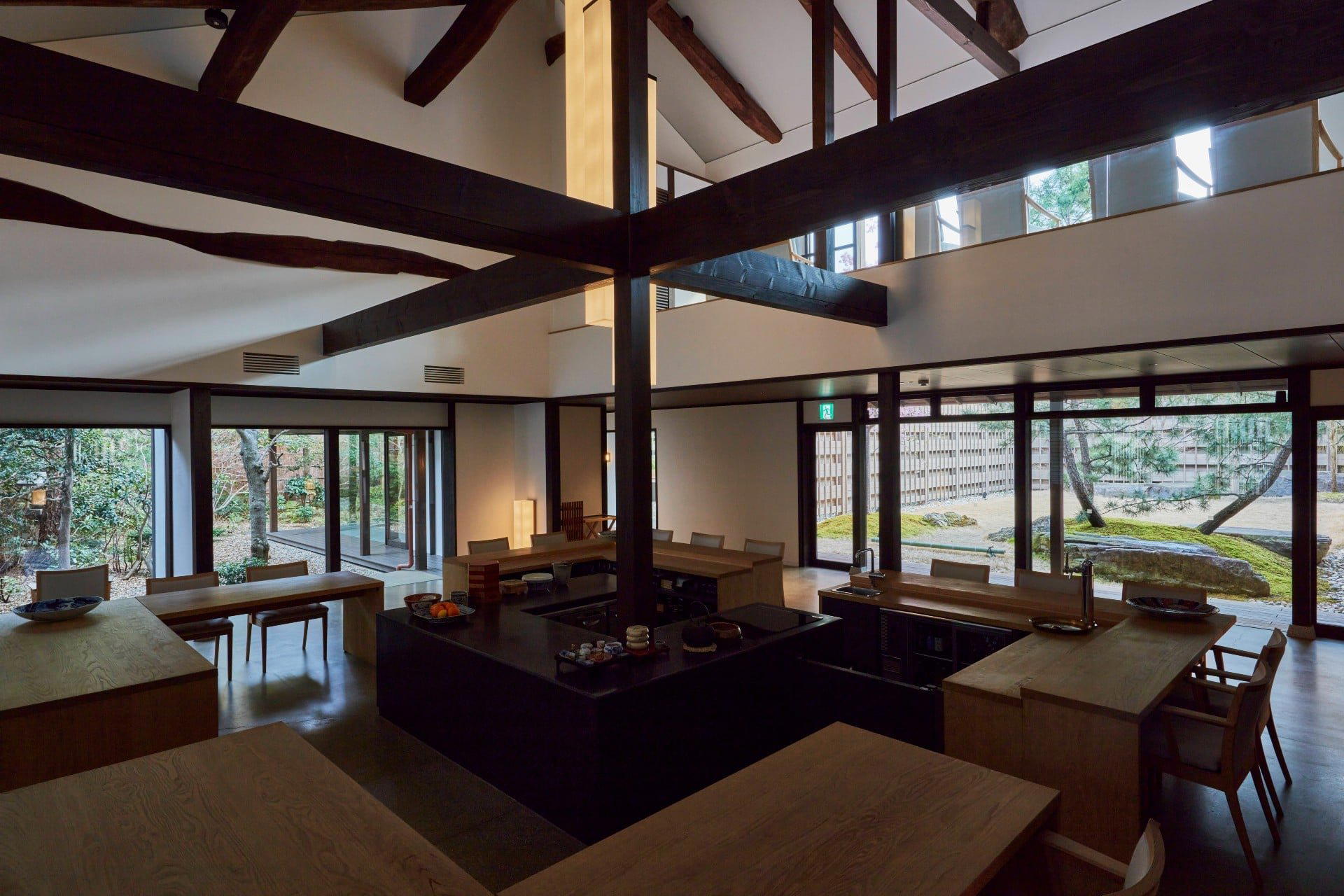
Minimalist wood-paneled interiors with cozy, tranquil atmosphere, large windows framing sea views, and relaxing spaces like lounges and baths.