Azumi Setoda

We're Smart World 2 Radishes
Our verdict
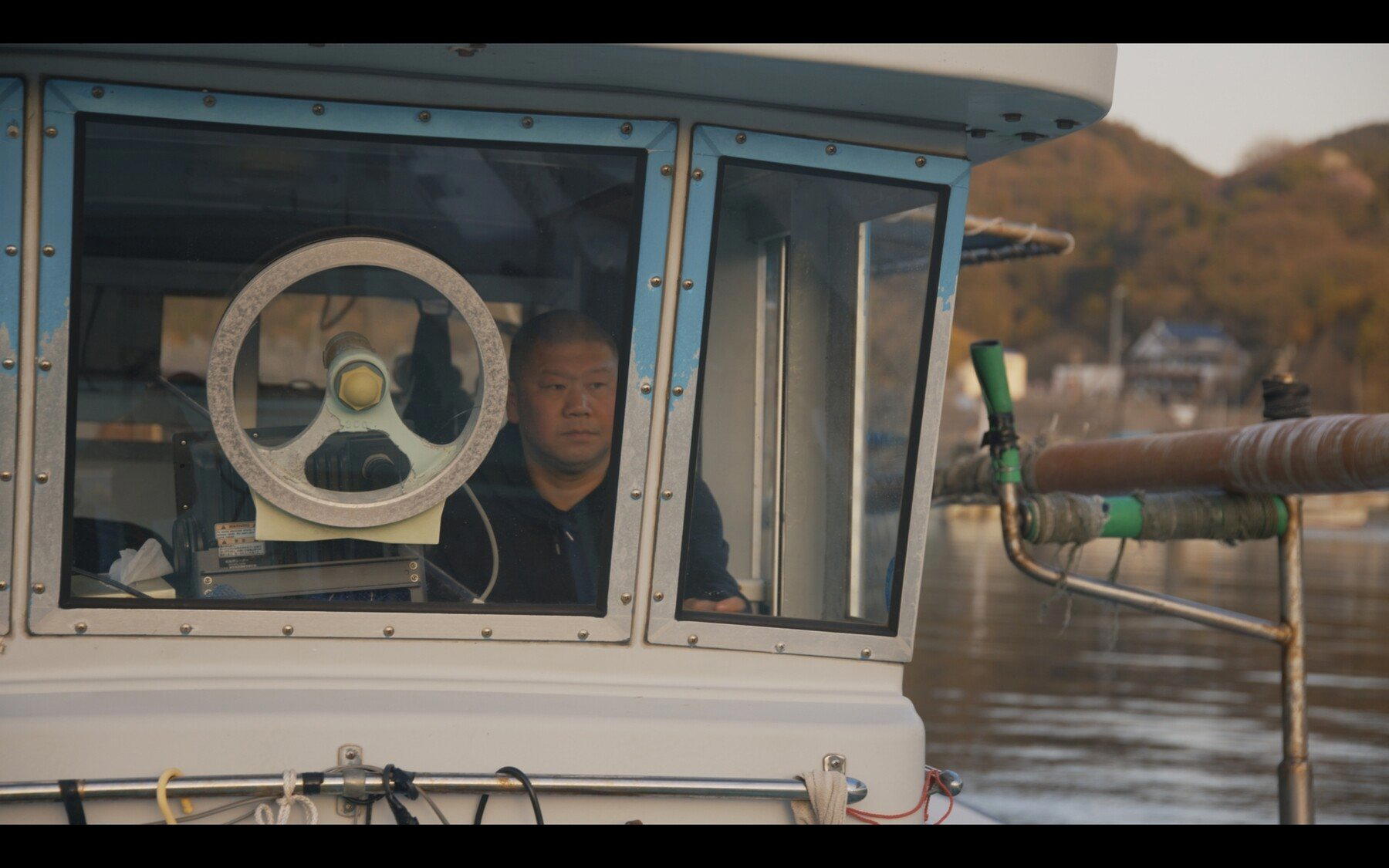
On Ikuchi Island in the Setouchi Inland Sea, Azumi Setoda is where Chef Kenya Akita builds his menus entirely around vegetables sourced within 50 kilometres of the restaurant. The approach reflects a broader Japanese tradition of deep respect for farming and producers, translated here into a plant-forward format that reads as both disciplined and deeply local. This is not destination dining as spectacle, it is cooking as a sustained argument for a specific place.

Pearl is the En Primeur Club membership app, where members save venues, book tables and use the concierge.
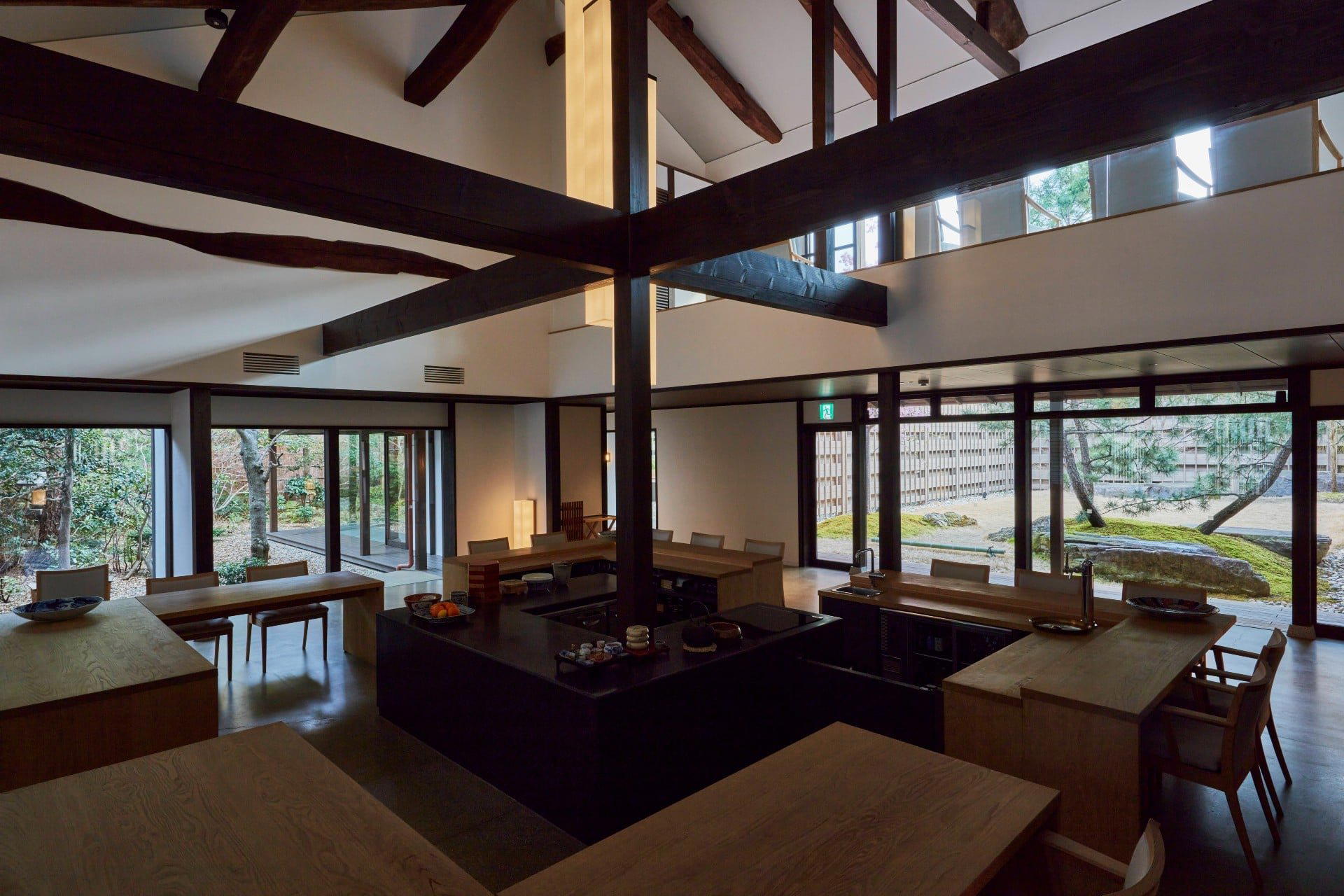
A Room With the Inland Sea on Its Mind
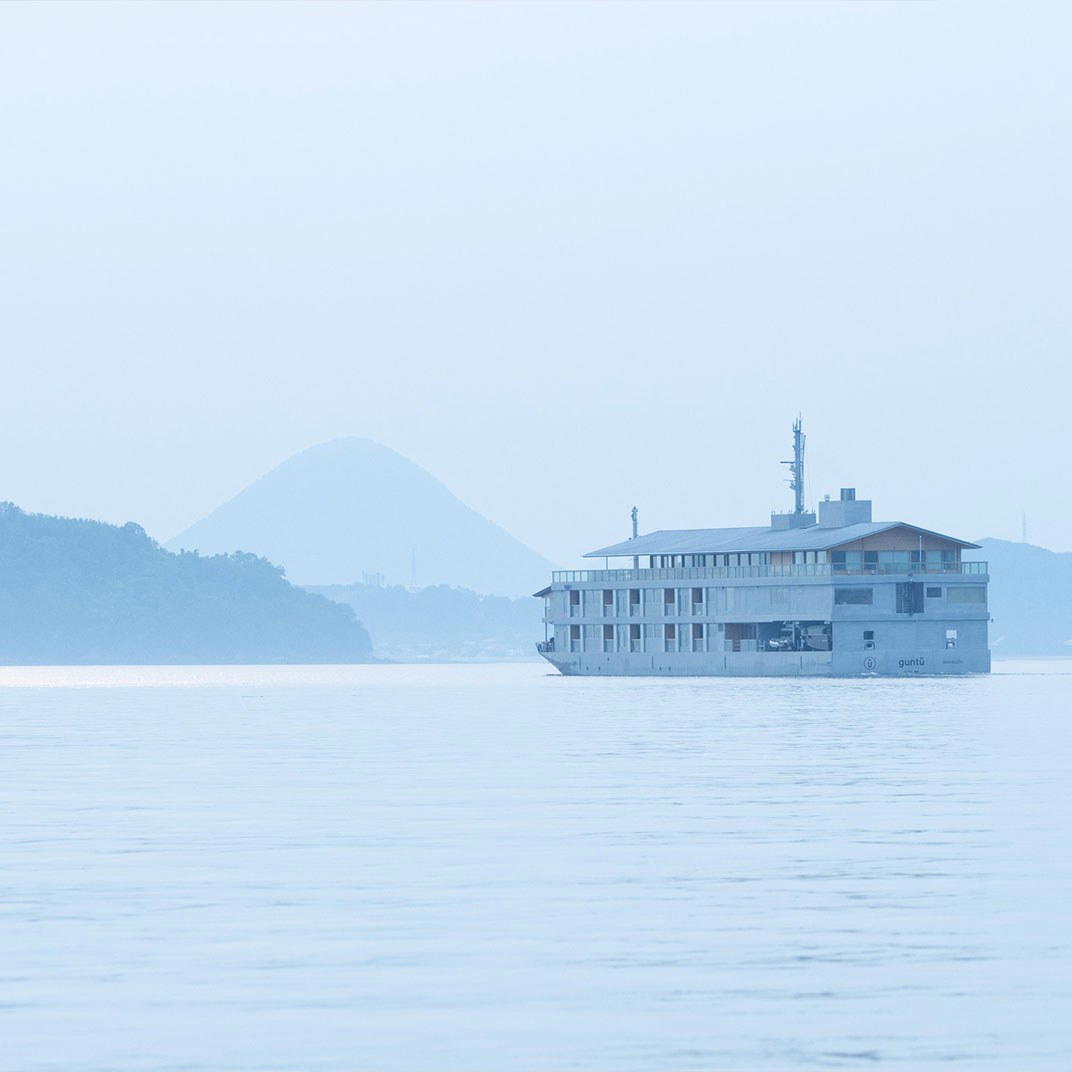
Arriving on Ikuchi Island, the shift in register is immediate. The Setouchi Inland Sea defines the light here, softer, more diffuse than the sharp coastal brightness of the Pacific side, and the food at Azumi Setoda operates in that same register. This is not a restaurant that announces itself loudly. The dining experience reads as an extension of the island itself: measured, rooted, and shaped by what grows within reach. For a broader picture of what the region offers, see our full Onomichi Hiroshima restaurants guide.
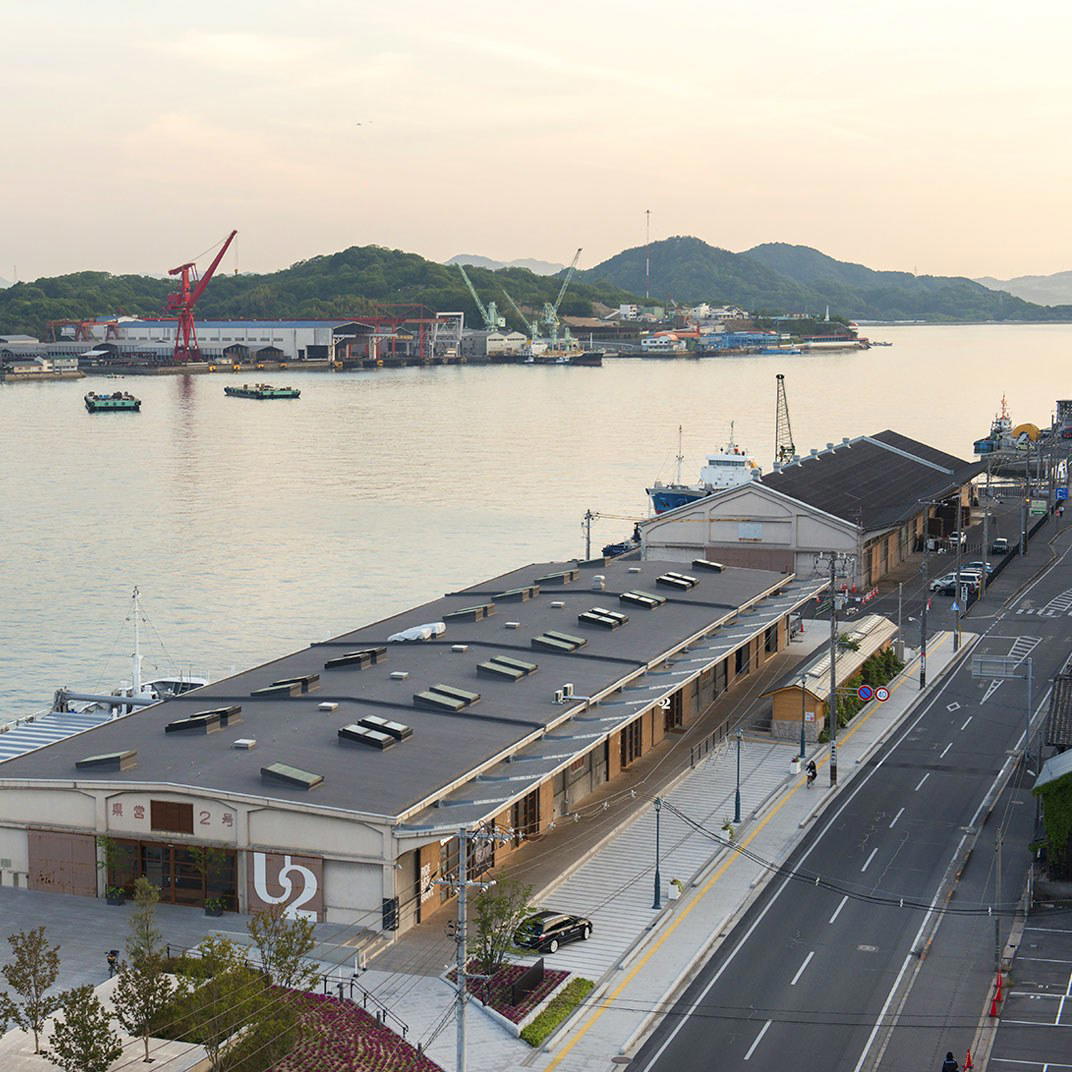
Ikuchi Island sits between Fukuyama and Hiroshima along the Shimanami Kaidō, the cycling and driving route threading through the archipelago that connects Honshū to Shikoku. The island is accessible by car, making Azumi Setoda reachable without significant logistical effort from either city, though the reward for arriving is the sense of leaving the mainland tempo behind entirely.
The 50-Kilometre Argument
Japan's premium dining tier has spent the past decade in productive tension between global technique and local sourcing. At the ¥¥¥¥ end of the market, restaurants like HAJIME in Osaka bring a laboratory-precision French framework to the question of Japanese ingredients. At Harutaka in Tokyo, the commitment is to craft within a highly codified tradition. Azumi Setoda operates on a different axis altogether: its organising principle is geographic, not stylistic. Everything on the plate comes from within 50 kilometres of the restaurant.
That radius, in the context of the Setouchi region, is not a limitation. The Inland Sea corridor supports a farming culture built over centuries on terraced hillsides and alluvial plains that benefit from the mild, rain-sheltered climate the surrounding mountains provide. The vegetables grown here carry a specificity that broader supply chains erase. Chef Kenya Akita's decision to work exclusively with local producers is not a marketing stance, it reflects a relationship-based sourcing model where the chef's understanding of an ingredient begins with knowing the person and the land that produced it.
This producer-first approach connects to a strand of Japanese culinary philosophy that treats farming with the same seriousness as cooking. The kitchen does not receive ingredients passively; it participates in a dialogue with growers across the region, a model that sits closer to what practitioners in rural France have long called cuisine du terroir than to the urban omakase format that tends to dominate Japan's international dining reputation. For readers interested in how other Japanese restaurants handle the tension between place and technique, Gion Sasaki in Kyoto and akordu in Nara offer instructive contrasts from different regional contexts.
Vegetables as the Main Event
In Japanese haute cuisine, vegetables have historically played supporting roles, the seasonal garnish that signals awareness of the calendar, the textural counterpoint to fish or aged beef. What distinguishes Azumi Setoda within that tradition is that Chef Akita has inverted the hierarchy. Vegetables are not accompaniments; they are the argument. The plant-forward format that has gained considerable traction in European fine dining since the early 2010s finds a specifically Japanese expression here, where the discipline is less about technique showmanship and more about allowing an ingredient's character to lead.
This is a meaningful distinction. At restaurants like Installation Table ENSO L'asymétrie du calme in Ishikawa, the frame is philosophical as much as culinary. Azumi Setoda's frame is agricultural: the question being asked in each dish is what this particular vegetable, from this particular farm, in this particular season, wants to become. The answer changes as the year turns, which is precisely the point.
Guests should approach the menu with the expectation that familiarity is not the goal. The Setouchi region produces varieties and cultivars that rarely travel far from where they are grown. Encountering them here, prepared by a kitchen with a close knowledge of how they were grown, is the specific experience Azumi Setoda offers. It compares most naturally not to urban fine dining, but to a narrow tier of destination restaurants in rural Japan, see also Bleston Court Yukawatan in Nagano and giueme in Akita, where the geography of production is inseparable from the identity of the cooking.
The Setouchi Region as Context
Understanding what Azumi Setoda is doing requires some understanding of where it is. The Setouchi Inland Sea is one of Japan's most historically significant agricultural and maritime zones, and the islands along the Shimanami Kaidō corridor have preserved farming traditions that industrialisation largely bypassed. Citrus cultivation, in particular, has deep roots here, the region produces a range of varieties that inform the local palate in ways that visitors from outside the area may not immediately recognise.
The area around Onomichi has also developed, over the past decade, into a low-key destination for travellers drawn more to craft, landscape, and a slower pace than to conventional tourism infrastructure. That context matters: Azumi Setoda sits in a region where the surrounding experience, the cycling routes, the small shrines, the views across the water to neighbouring islands, is part of what makes a visit coherent rather than merely episodic. Readers planning time in the area will find useful orientation in our full Onomichi Hiroshima experiences guide, as well as our full Onomichi Hiroshima hotels guide for overnight options that make the island's slower rhythm accessible.
For those building a longer Japan itinerary around ingredient-led cooking, Goh in Fukuoka, hiro in Gifu, and KAI in Kagoshima represent different regional interpretations of a similar commitment to place. Globally, the closest structural parallel in terms of sourcing philosophy would be Le Bernardin in New York City, though the similarity is one of discipline and producer relationships, not cuisine type.
Planning a Visit
Azumi Setoda is located at 269 Setodacho Setoda, Onomichi, Hiroshima. The restaurant is on Ikuchi Island, accessible by car along the Shimanami Kaidō from either the Hiroshima or Fukuyama side of the route. Given the island setting, visitors planning a meal here are advised to build the visit into a broader Setouchi itinerary rather than treating it as a short urban detour. Booking should be arranged well in advance, as the format and capacity of a kitchen working at this level of sourcing precision does not accommodate walk-in volume. Contact and reservation details are best confirmed directly through current sources, as operational specifics are subject to seasonal adjustment.
Frequently asked questions
Would Azumi Setoda be comfortable with kids?
The kitchen runs a produce-driven menu built around Chef Kenya Akita's relationships with local farmers within a 50 km radius of the Setouchi region, a format that rewards guests who engage with that context. Families with young children who need flexible ordering or familiar dishes will likely find the structure a poor fit. Older children with an interest in food and place are a better match for what this restaurant does.
What is the atmosphere like at Azumi Setoda?
Ikuchi Island sets the register before you walk through the door, this is a destination that requires deliberate effort to reach, and the room reflects that. The pace is unhurried, shaped by a kitchen working within tight seasonal and geographic constraints. Guests who arrive expecting the energy of a city dining room will find something quieter and more considered.
What awards or recognition does Azumi Setoda have?
Azumi Setoda has received recognition including: The restaurant is located on Ikuchi Island, between Fukuyama and Hiroshima, and is easily accessible by car. After many experiences along the way, Chef Kenya Akita has found his own style—one where vegetables take center stage. In Japan, fa….
What should I order at Azumi Setoda?
The vegetable preparations are the core of Chef Akita's kitchen, what he calls pure plant creations, sourced entirely from producers within 50 km of the Setouchi coast. These dishes represent the clearest statement of his cooking philosophy, where vegetables take the primary role rather than acting as accompaniment. Order with that framing and the menu makes most sense.
Where is Azumi Setoda in Onomichi Hiroshima?
Azumi Setoda is located at 269 Setodacho Setoda, Onomichi, Hiroshima 722-2411, Japan, Onomichi Hiroshima.
Side-by-Side Snapshot
Comparable venues nearby, for context on price, style, and recognition.
| Venue | Cuisine | Price | Awards | Notes |
|---|---|---|---|---|
| Azumi SetodaThis venue (the venue you are viewing) | French-Japanese Fusion Fine Dining | $150–200 | We're Smart World 2 Radishes | Not listed |
| 3110NZ By LDH Kitchen | Modern Omakase Sushi with Art Gallery | $300–500 | Not listed | Naka-Meguro |
| Chisou Sottakuito (馳走啐啄一十) | Modern Japanese Omakase | $200–300 | Tabelog Silver #15 | Fujimicho, Naka Ward |
| Dining at Kai (食事処) | Kaiseki Ryokan Dining | Not listed | Not listed | Yufuin |
| Sushi Mitani (鮨 三谷) | Edomae Omakase | $200–300 | La Liste Top Restaurants · Tabelog Gold #16 | Yotsuya |
| 焼肉 いぶさな | Heritage Wagyu Yakiniku | $500+ | Not listed | Shibuya (Yoyogi/Sendagaya) |
Recognition history
Dated appearances from independent guides and award organizations, with the underlying list record or original source where available.
We're Smart World 2 Radishes
We're Smart World
Continue exploring
More in Onomichi Hiroshima
Details
- Elegant
- Minimalist
- Intimate
- Sophisticated
- Scenic
- Special Occasion
- Date Night
- Historic Building
- Open Kitchen
- Garden
- Sake Program
- Local Sourcing
- Garden
- Set Menu
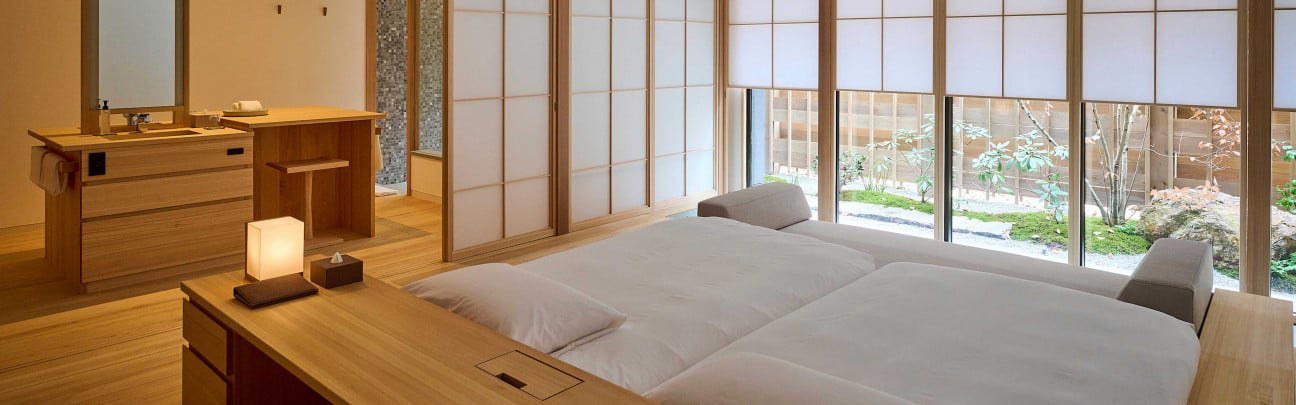
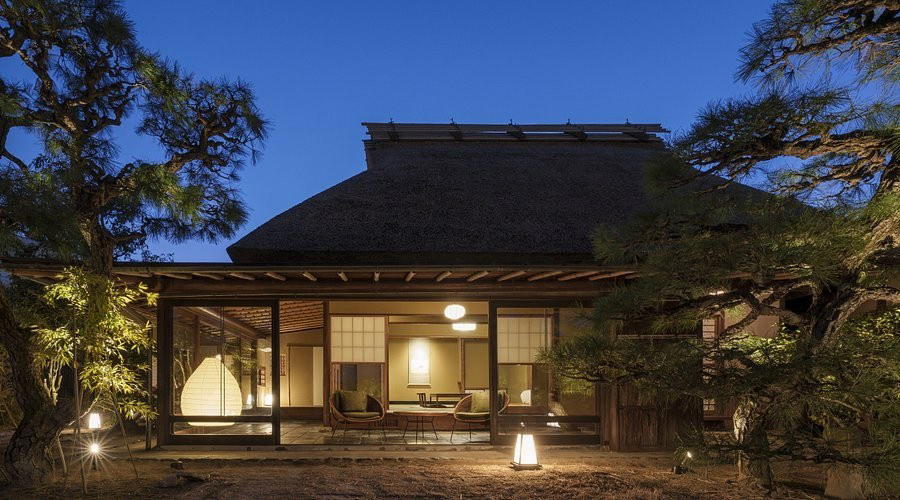
Calm, light-filled spaces with minimalist interiors, exposed beams, pale wood, washi paper, and peaceful courtyard garden views, creating a Zen-like serene atmosphere.