Our verdict
Mikiwatei Oichi Kochi occupies a position within Fukuyama's quieter end of the dining register, where the structure of the meal itself does the speaking. Set in a city that sits between Hiroshima and Okayama along the San'yo corridor, the restaurant draws on the region's produce-forward traditions without the visibility of Japan's major dining capitals.

Pearl is the En Primeur Club membership app — saves, bookings, and concierge access live there. Same editors, same standards.
- Address
- Fukuyama, Japan
- Directions
- Get directions
The menu
What to order
- Red seabream
- Abalone
Where Fukuyama's Dining Register Gets Quiet
Japan's mid-sized cities along the San'yo coast have long operated on a different frequency from Tokyo or Osaka. Fukuyama, positioned roughly equidistant between Hiroshima to the west and Okayama to the east on the Shinkansen line, has never cultivated the dining density of those cities, but that absence has its own character. The restaurants that do establish themselves here tend to do so without the safety net of tourist volume or critical infrastructure. They survive on local repeat custom and a kind of earned trust that metropolitan addresses rarely have to build in the same way. Mikiwatei Oichi Kochi sits within that context — a place whose survival and presence in a low-visibility market carries its own signal, even before the food arrives.
The Architecture of a Menu Built for Place
In Japan's kaiseki and washoku traditions, the structure of a meal is rarely accidental. The sequence of courses is an argument about season, about the relationship between raw and cooked, light and substantial, sea and mountain. What a menu reveals is often more legible than any single dish: which ingredients the kitchen trusts enough to present simply, where it reaches for technique, and where it chooses restraint. Fukuyama's geography gives kitchens in the area access to the Seto Inland Sea's seafood, the agricultural output of the Bingo plain, and mountain produce from the surrounding Chugoku region. A menu built honestly around that supply chain tells a story about proximity and selection rather than procurement ambition. At restaurants operating in this register elsewhere in Japan — from Gion Sasaki in Kyoto to Goh in Fukuoka, the most persuasive menus are those where the seasonal logic is visible in every transition between courses, not just announced in an introductory note.
Mikiwatei Oichi Kochi operates within this tradition. While specific menu details are not available for independent verification, the restaurant's name and positioning within Fukuyama's food scene suggest an alignment with the kind of measured, ingredient-led cooking that characterises the better tables in Japan's secondary cities. This is a category of dining that sits between the accessible informality of something like Okonomiyaki Chotto Yonnai and the more refined craft signalled by places such as Mingei Chadokoro Fukatsuya. Understanding where a restaurant sits in that spectrum, how formal the service reads, how composed the plating is, whether the menu changes with any frequency, tells the visitor what kind of attention the kitchen is paying.
Fukuyama in the Broader Japanese Dining Conversation
Japan's regional dining scene has become more seriously discussed over the past decade, partly because Michelin expanded its Guide coverage beyond Tokyo and Osaka, and partly because the domestic travel infrastructure (the Shinkansen network in particular) makes day trips and weekend detours to secondary cities practical in a way that has no real equivalent in most other countries. Cities like Kanazawa, Matsuyama, and Hiroshima now draw food-focused visitors. Fukuyama, by contrast, occupies a lower position in that awareness hierarchy, which means its better restaurants have largely built their reputations through local recognition rather than external validation. That's a meaningful difference. Establishments that persist in those conditions tend to have a stability in their cooking and a clarity about their audience that more exposed addresses sometimes lose. For context, the kind of regional depth that distinguishes destinations like akordu in Nara, a city similarly underestimated relative to its culinary seriousness, offers a useful comparative frame.
Within Fukuyama itself, the restaurant scene is small enough that each address carries a distinct identity. Jiyuken, Le Miroir, and Manneken each represent different points on the register. Mikiwatei Oichi Kochi adds another. In a city this size, that variety matters more than it might in a place with hundreds of credible options, because the visitor's decision to choose one address over another carries more weight and less redundancy. You can't easily course-correct over three nights of dining if the city only has half a dozen restaurants worth the attention.
What the Setting Tells You Before You Order
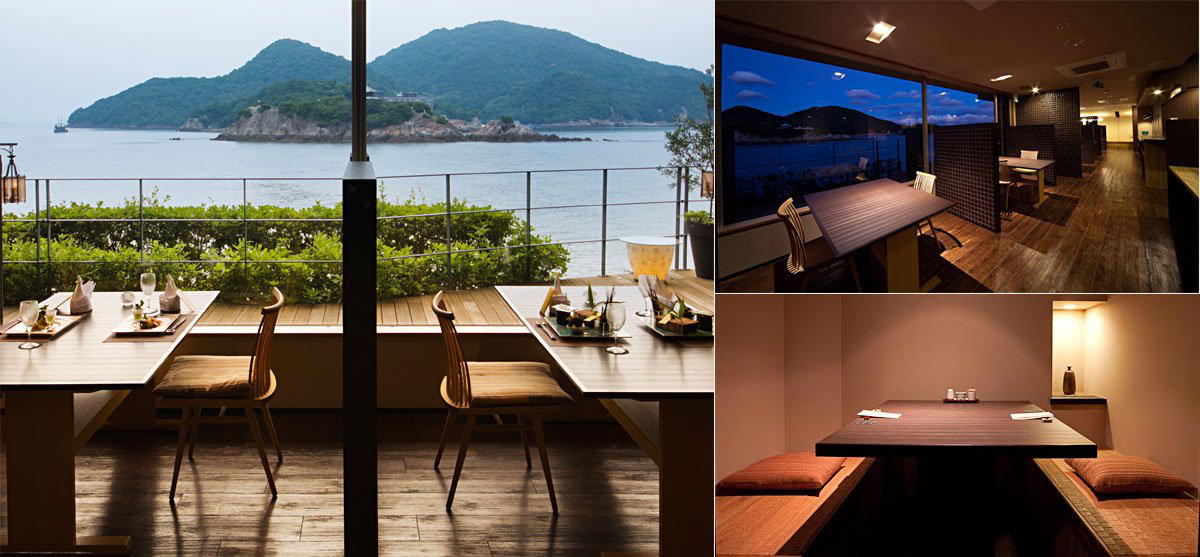
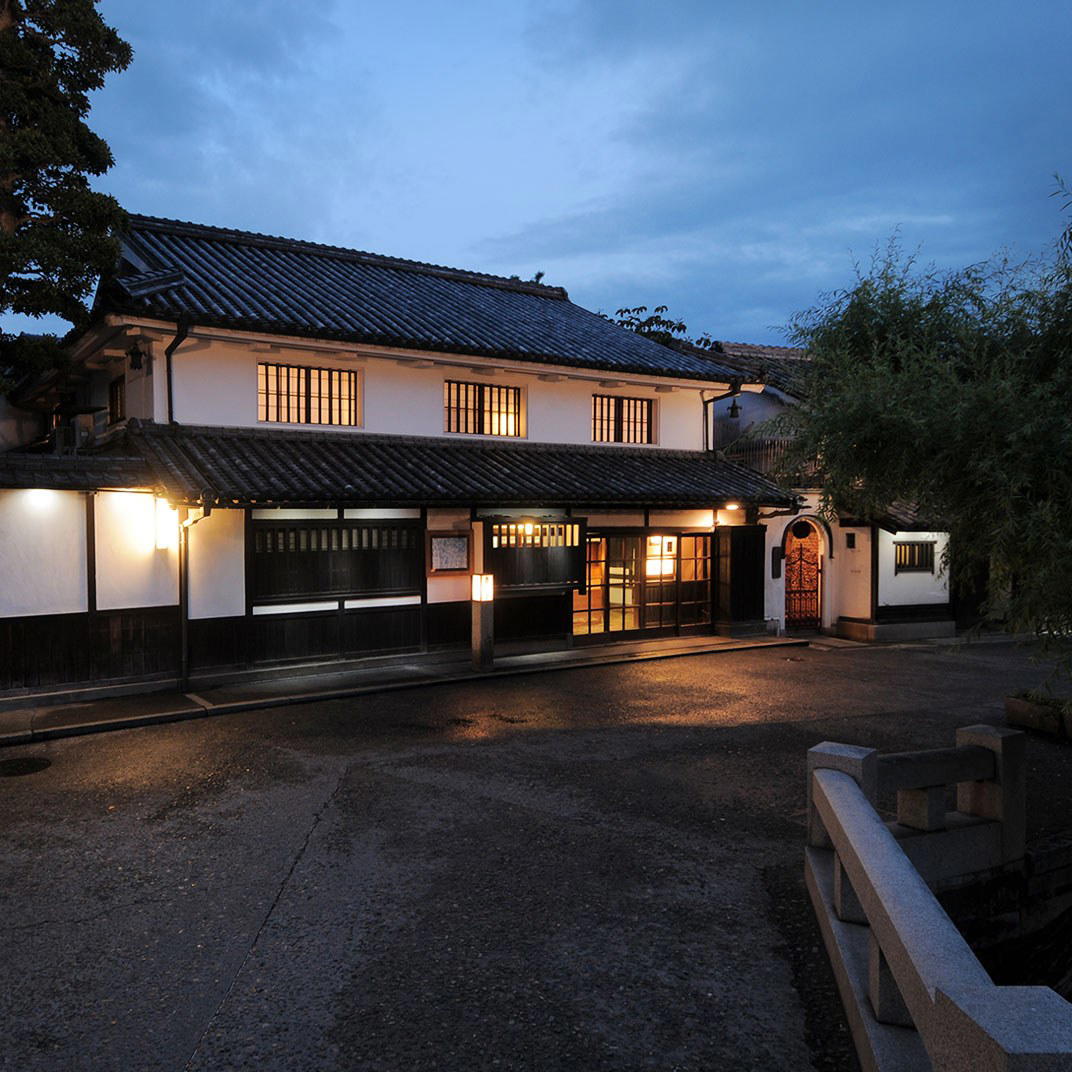
Approaching any restaurant in a Japanese secondary city, the physical environment tends to communicate quickly: the degree of formality, whether the room expects you to linger, how much of the experience is about the food versus the total setting. Japan's washoku tradition has produced a remarkable range of physical formats, from the intimate eight-seat counter of a high-end Tokyo omakase (places like Harutaka in Tokyo operate in this mode) to the open, communal energy of a regional izakaya. What those environments share is a designed relationship between space and pace: the room tells you how quickly or slowly to move through the meal. In Fukuyama's context, restaurants that sit in a mid-to-upper register tend toward the quieter end, prioritising the conversation at the table and the progression of the food over ambient energy or spectacle. Mikiwatei Oichi Kochi's name, invoking place through specificity, suggests a kitchen with a considered identity rather than a generalist ambition.
Internationally, the comparison point for this kind of regional Japanese seriousness might be found at addresses like Le Bernardin in New York City, where the absence of distraction and the precision of sequence communicate the kitchen's intent before a single dish is described, or at Atomix in New York City, where the meal's architecture carries explicit intellectual weight. The scale is very different, but the principle, that a thoughtfully ordered menu is itself a form of argument, translates across registers and geographies.
Planning Your Visit
Fukuyama is accessible via Shinkansen on the San'yo line, with direct connections from Hiroshima (approximately 15 minutes) and Okayama (approximately 20 minutes), making it a plausible stop on a longer Honshu itinerary rather than a dedicated destination in the way that, say, Kyoto demands separate planning. For visitors combining it with broader regional itineraries, the Shinkansen connection means a single-night stay can be built around a serious dinner without significant logistical cost. Because specific booking details, hours, and contact information for Mikiwatei Oichi Kochi are not independently confirmed, reaching the restaurant through a hotel concierge in Fukuyama or Hiroshima is a practical first step; concierge networks in Japan's mid-sized cities tend to carry real local knowledge about which tables are actually worth pursuing. For a full picture of Fukuyama's dining options to frame your planning, our full Fukuyama restaurants guide provides the wider context. Those planning itineraries that include other serious regional Japanese tables might also look at HAJIME in Osaka or regional discoveries such as 一本木 有川製 in Nanao, 夕佳亭 in Sapporo, 湖畔荘 in Takashima, 庄羽屋 in Nishikawa Machi, and Birdland in Sakai.
Frequently asked questions
Is Mikiwatei Oichi Kochi suitable for visitors who don't speak Japanese?
Like many independent regional restaurants in Fukuyama, Mikiwatei Oichi Kochi sits outside the international tourism infrastructure that larger cities provide, meaning English-language support cannot be assumed. Arranging a reservation through a hotel concierge in Hiroshima or Okayama, or using a specialist booking service familiar with the San'yo region, significantly smooths the process for non-Japanese-speaking visitors.
What's the best thing to order at Mikiwatei Oichi Kochi?
In this context, the most rewarding approach is typically to follow the chef's sequence rather than selecting individual dishes. Ask staff about the current seasonal course when booking.
How far ahead should I plan for Mikiwatei Oichi Kochi?
Fukuyama's better regional restaurants operate with limited seatings and draw visitors arriving via Shinkansen from Hiroshima and Okayama, which tightens availability more than the city's size might suggest. A reservation window of four to six weeks is a reasonable baseline, though popular periods around autumn foliage and spring may require more lead time. Contacting the venue directly to confirm current booking practice is advisable before finalising travel dates.
What makes Mikiwatei Oichi Kochi worth seeking out?
Mikiwatei Oichi Kochi sits in Fukuyama, a city on the San'yo Shinkansen line that receives relatively little international dining coverage despite its proximity to Hiroshima and Okayama. That low profile is part of the case for going: the regional dining register here operates without the performance pressure of major urban centres, and restaurants in this tier tend to reflect genuine local sourcing and seasonal rhythm rather than tourist-facing programming. For travellers already moving along the San'yo coast, it represents a substantive stop rather than a detour.
Standing Among Peers
Comparable venues nearby, for context on price, style, and recognition.
| Venue | Cuisine | Price | Awards | Notes |
|---|---|---|---|---|
| Mikiwatei Oichi KochiThis venue — the venue you are viewing | Seasonal Japanese Kaiseki with Local Seafood | $200–300 | Not listed | Not listed |
| 旬彩酒肴 おく村 | Seasonal Kaiseki | $150–200 | Not listed | Harubi-cho, Fukuyama |
| Sarrasin | Soba and Kawachi duck specialty | $50–100 | Tabelog 100 #53 | Meijicho |
| Tonshou | Specialist Tonkatsu (Pork Cutlet) | $30–50 | Tabelog 100 #47 | Minamizao-cho |
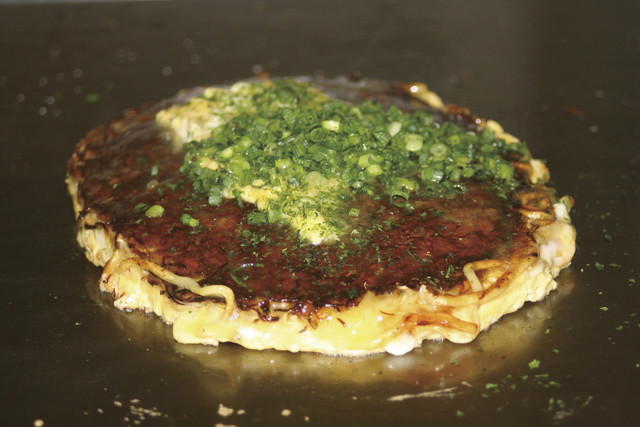
| お好み焼き ちょっとよんない | Hiroshima-Style Okonomiyaki | $10–20 | Not listed | 鞆町鞆 |
| Tori Tsune | Yakitori | Not listed | Tabelog 100 #38 | Mikadocho |
Details
- Elegant
- Scenic
- Cozy
- Sophisticated
- Special Occasion
- Date Night
- Sake Program
- Local Sourcing
- Sustainable Seafood
- Waterfront
- Sake
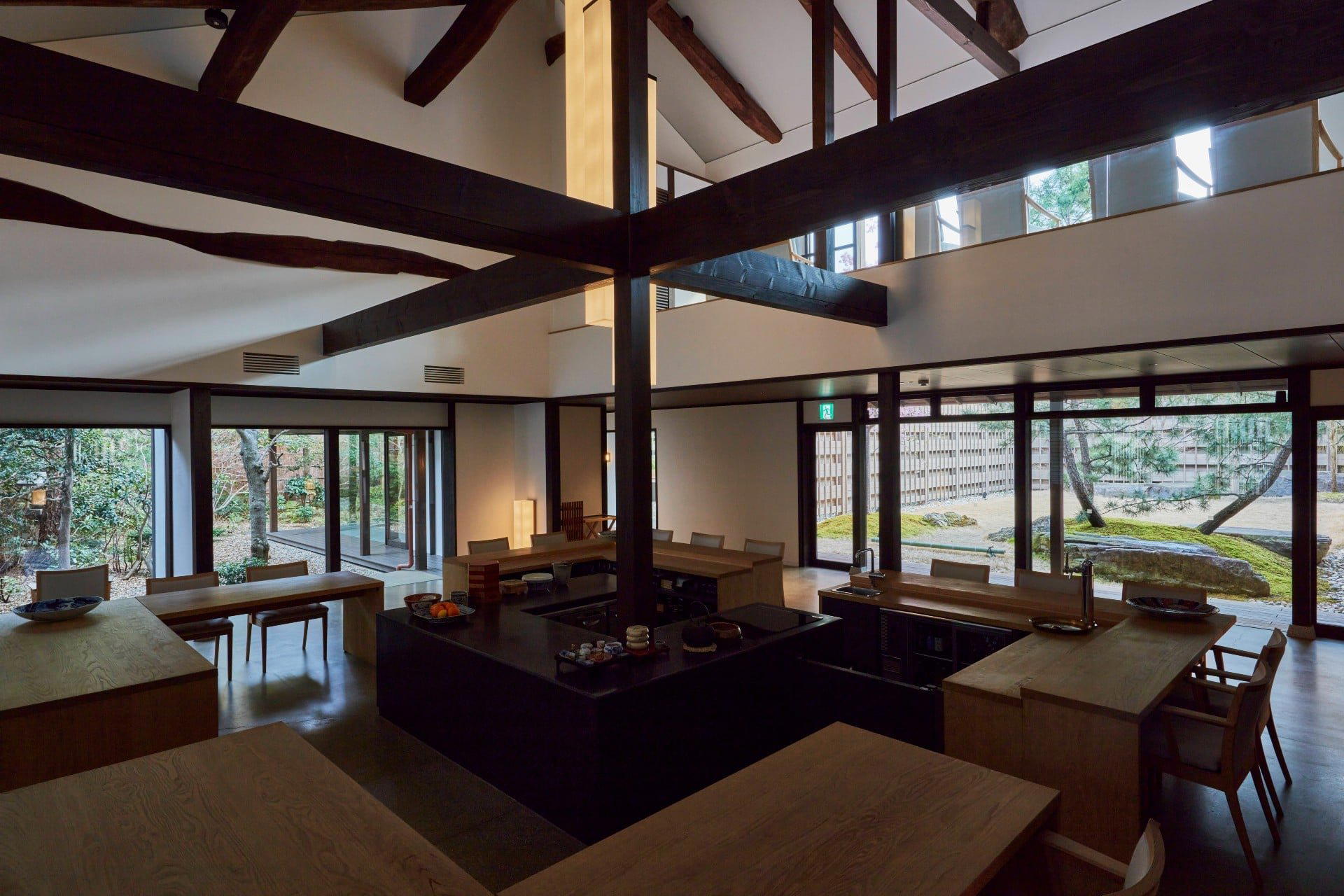
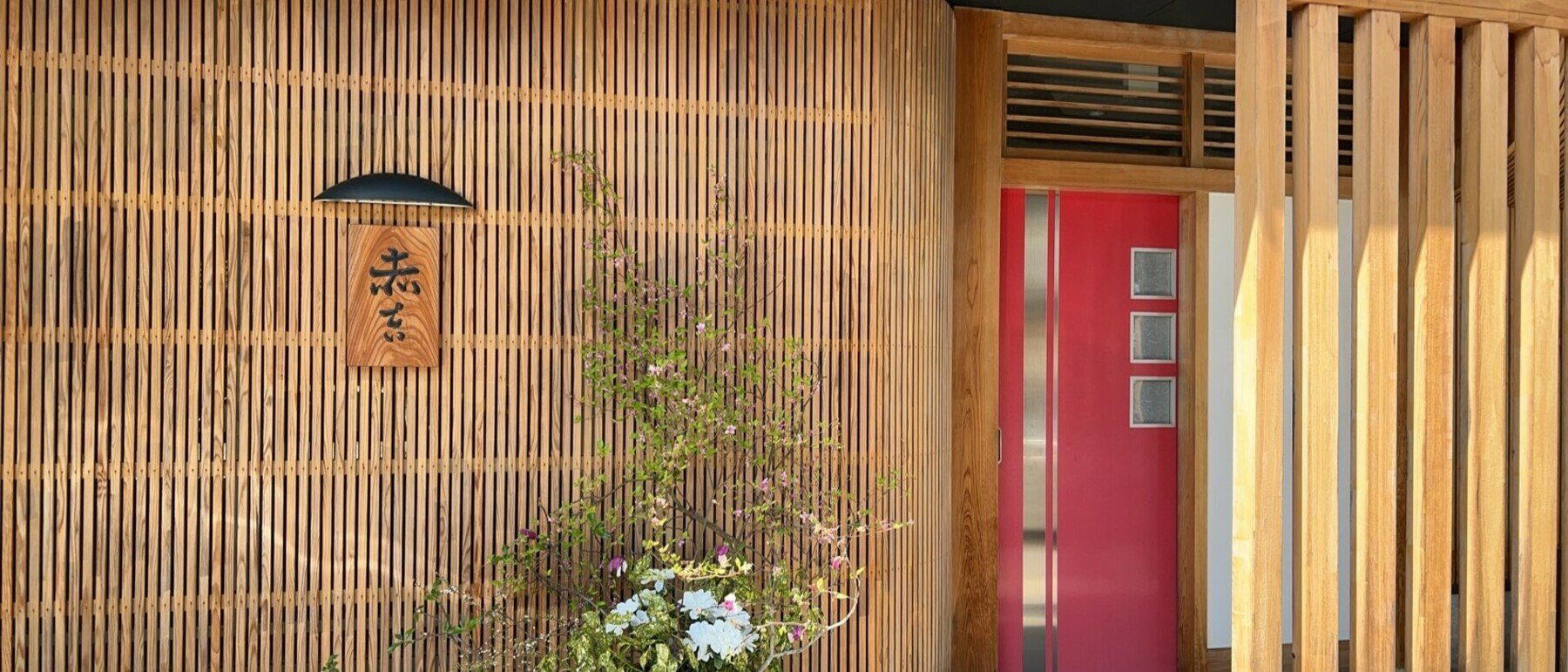
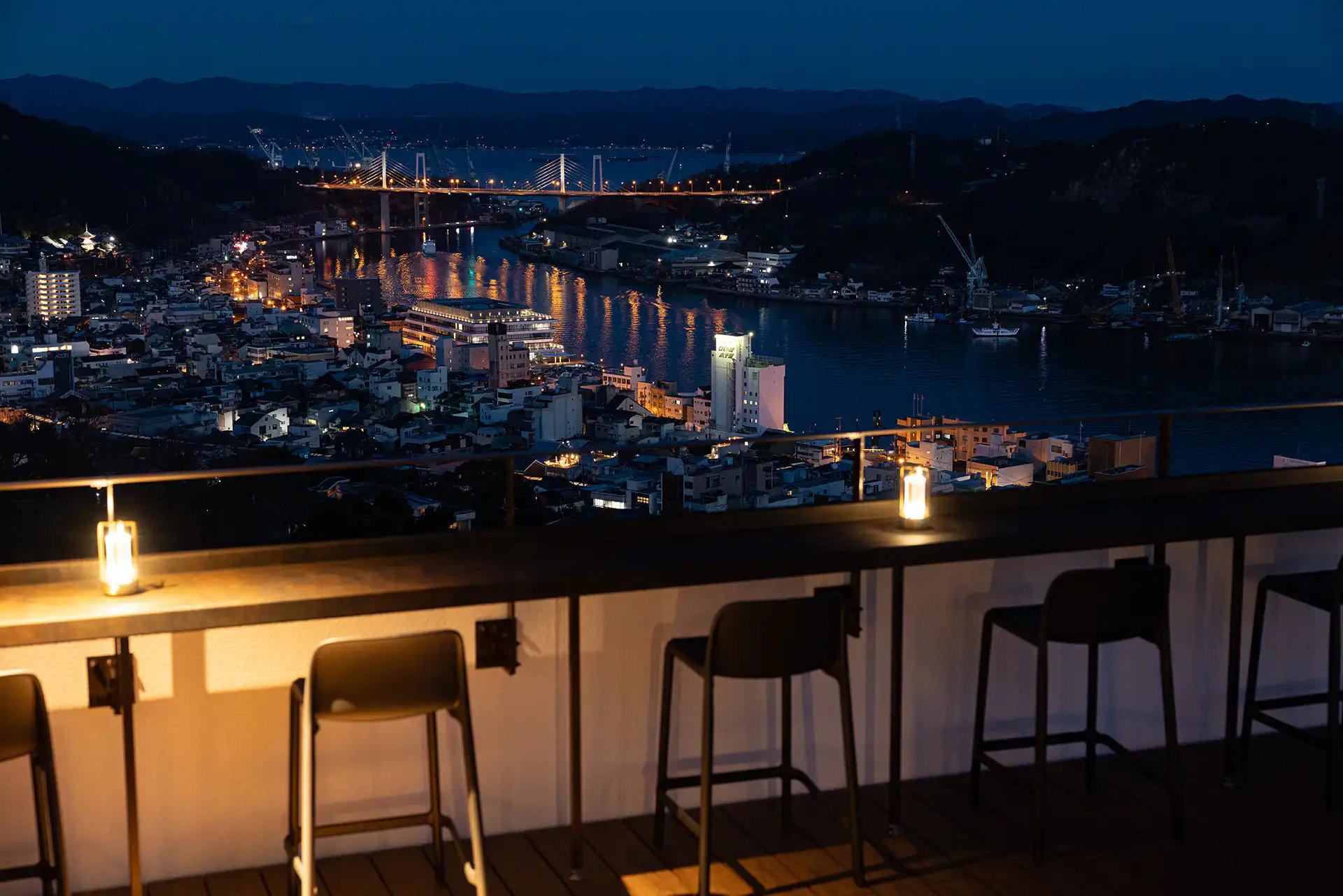
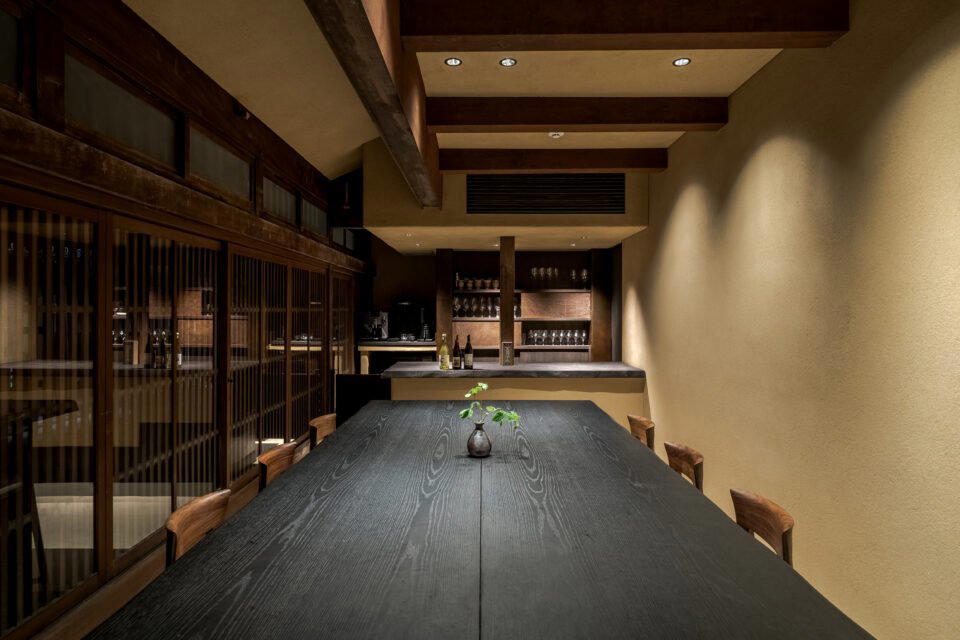
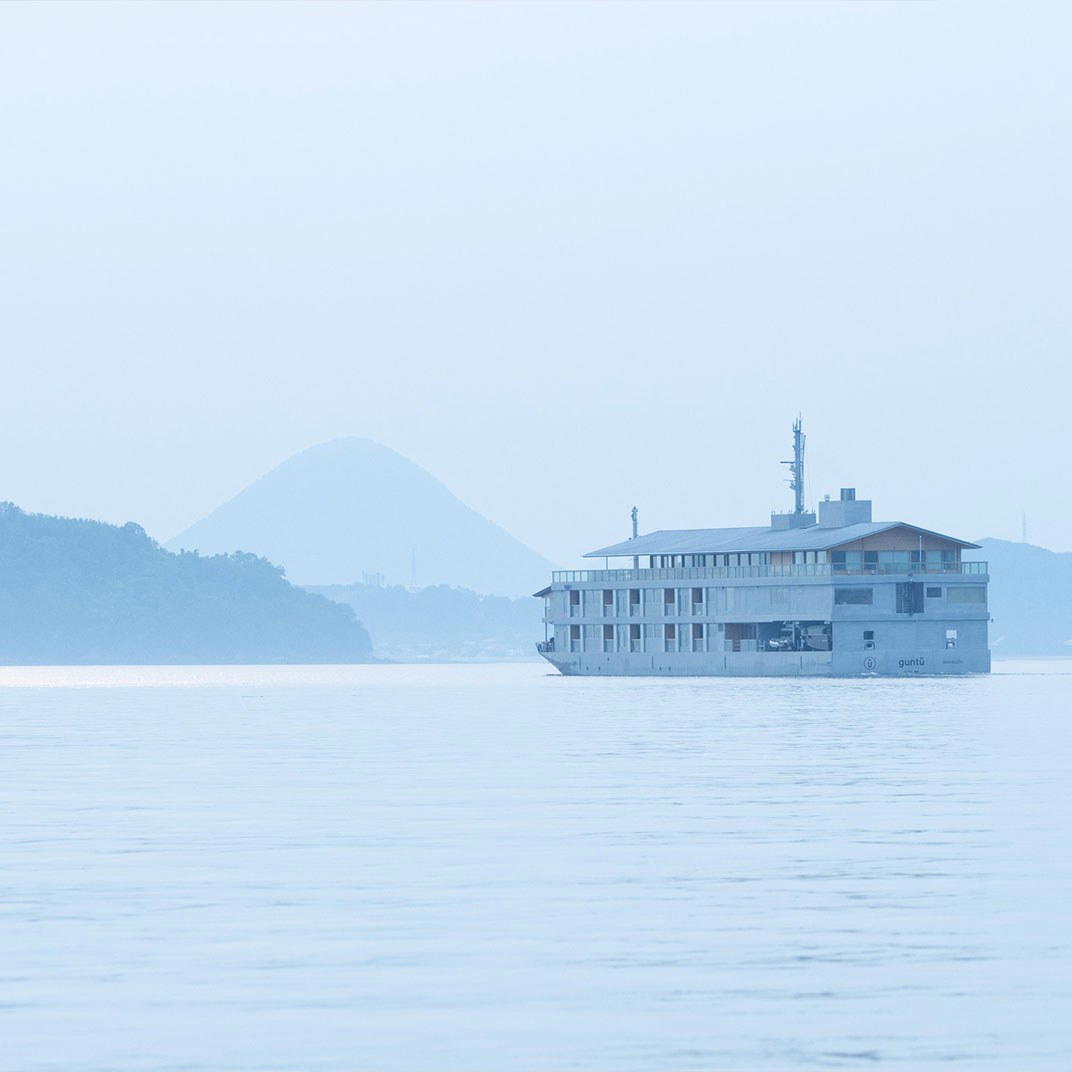
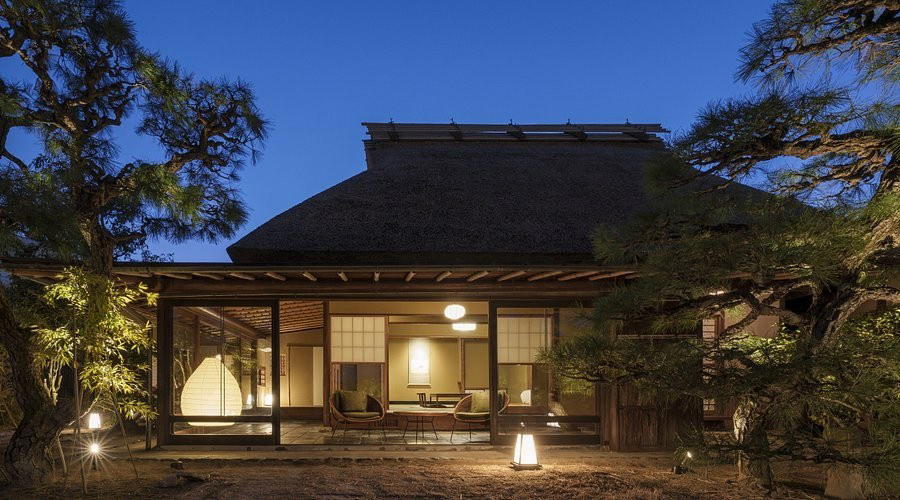
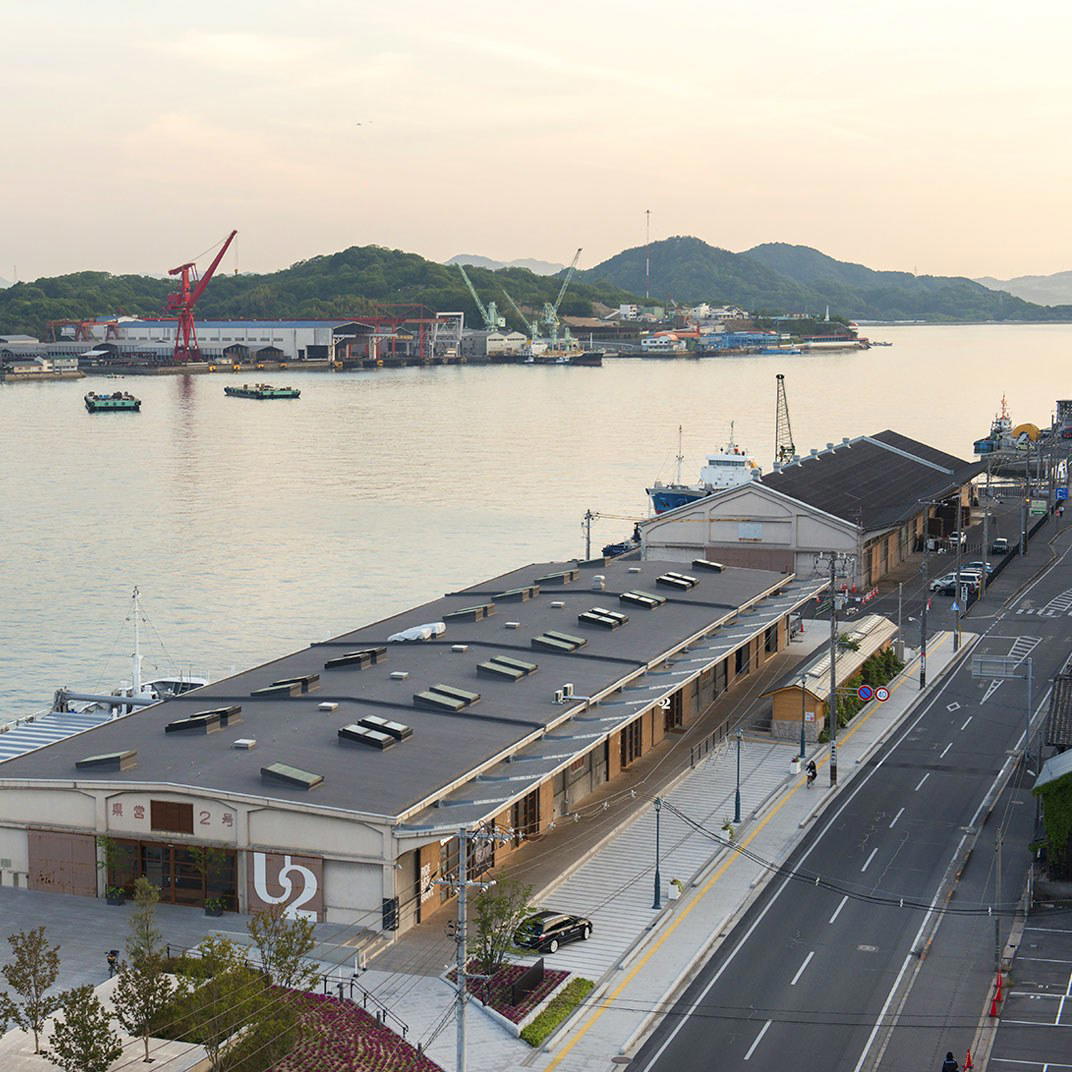
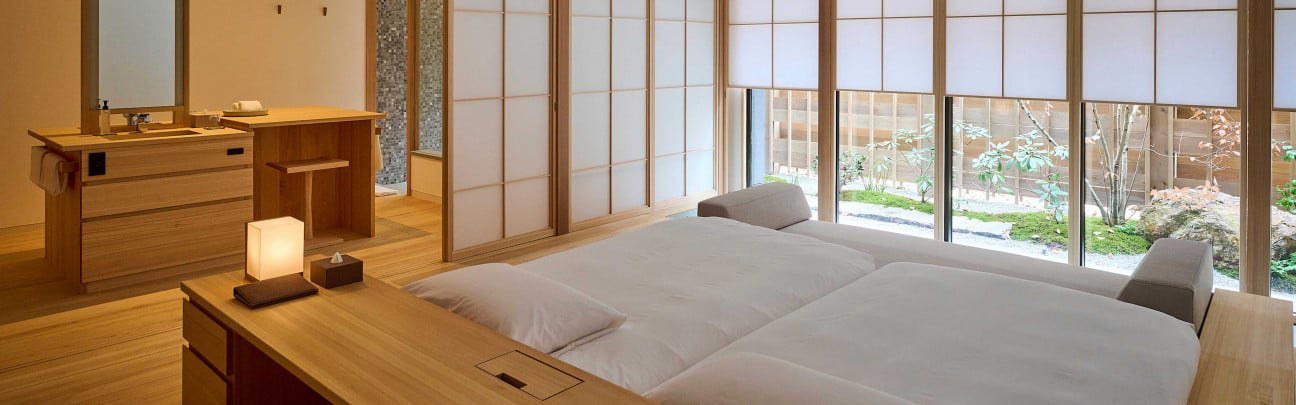
Contemporary Japanese design blending luxury and tradition, with relaxing ocean views and serene seaside atmosphere.