Maeshiro sits in Kyoto's Nakagyo Ward, a neighbourhood where traditional machiya townhouses share streets with tea wholesalers and discreet dining rooms that have served the city's merchant class for generations. In a city where kaiseki has become a benchmark against which Japanese fine dining is measured globally, Maeshiro occupies this charged culinary environment with a studied quietness that invites closer attention.
 Discover on Pearl
Pearl is the En Primeur Club membership app — saves, bookings, and concierge access live there. Same editors, same standards.
- Address
- Japan, 〒604-0934 Kyoto, Nakagyo Ward, Owaricho, 234 アマデウス麩屋町二条
- Phone
- +81757481087
- Website
- tabelog.com
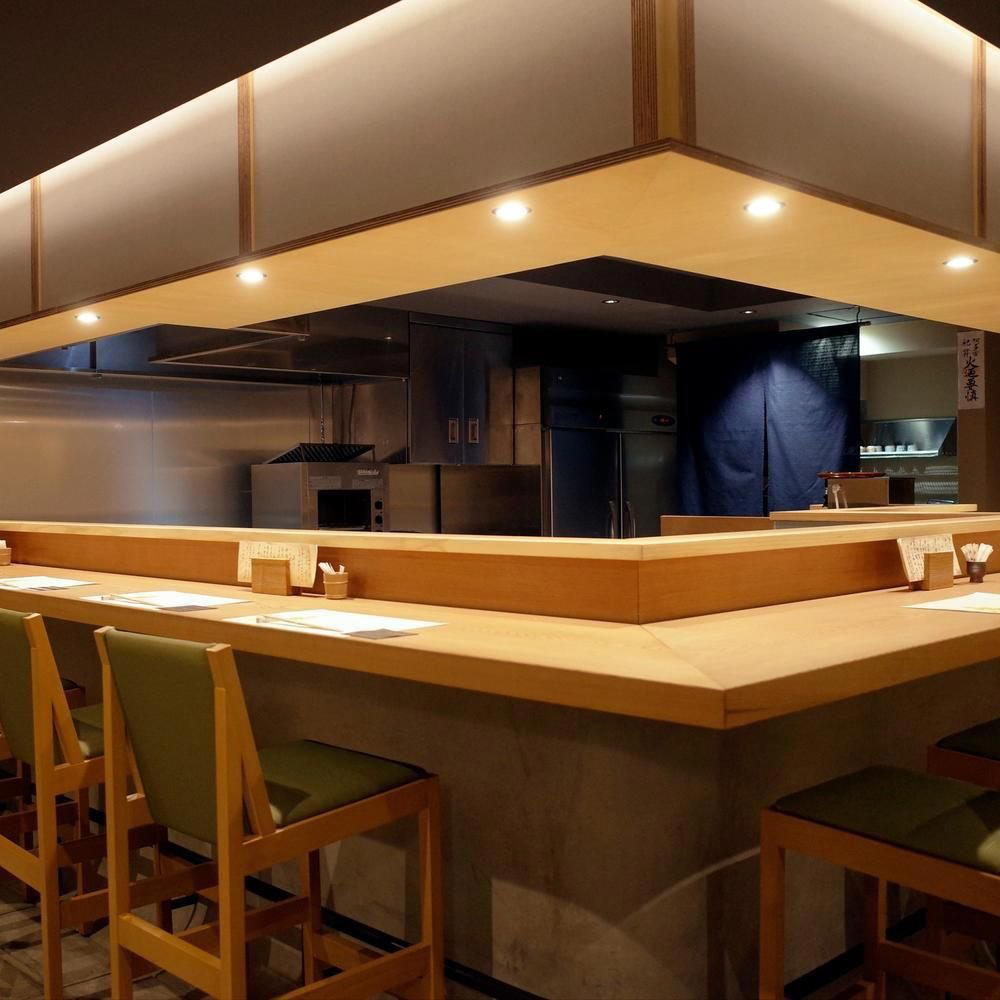
Arriving in Nakagyo
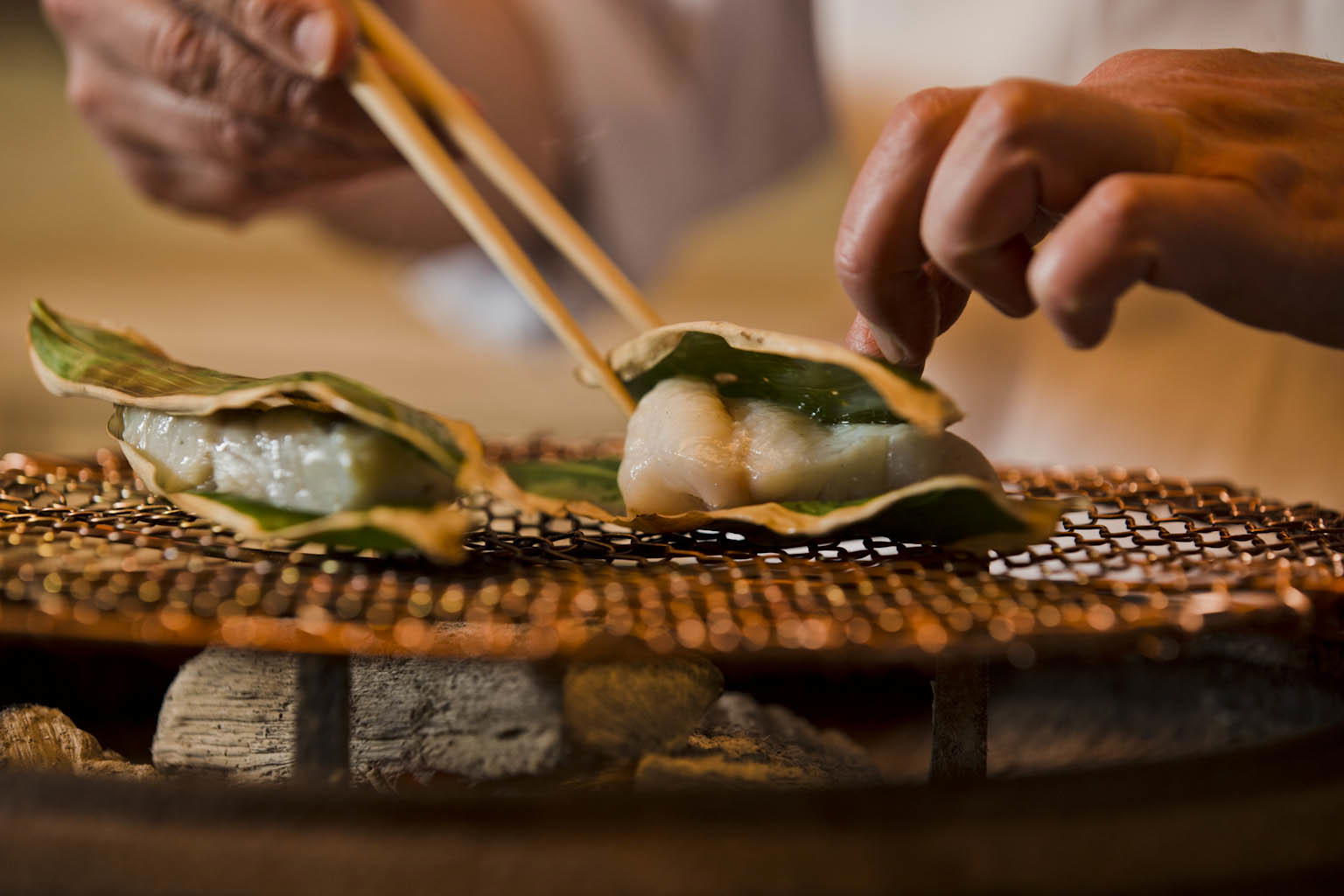
Maeshiro is a restaurant in Kyoto's Nakagyo Ward serving Traditional Kyoto Kaiseki Omakase at about $80 per person. Kyoto's Nakagyo Ward does not announce itself. The streets around Owaricho move at a pace set by delivery cyclists and locals who know which unlabelled doors open into something worth entering. The neighbourhood sits between the commercial density of Shijo-dori to the south and the cultural weight of the Imperial Palace grounds to the north, a corridor where the city's older merchant traditions persist underneath a surface that looks unremarkable to anyone passing through quickly. It is in this register, quiet, specific, accumulated, that Maeshiro operates.
The address itself, in a district historically associated with textile merchants and provisioners to Kyoto's great households, carries its own form of context. Spaces in this part of Nakagyo tend toward compression and interiority. The sensory logic here is inward: you move from the noise of the street into something cooler, narrower, more deliberate. That transition from outside to inside is not incidental in a city where the built environment has always been arranged to produce exactly that effect.
The Culinary Register of Kyoto's Dining Rooms
To understand where Maeshiro sits, it helps to understand the pressure Kyoto's dining scene operates under. This is a city that gave kaiseki its highest formal expression, where the seasonal calendar, sakura in late March through April, ayu sweetfish from May, matsutake mushrooms in autumn, the stripped-back austerity of winter, dictates what appears on the table as much as any chef's decision. Restaurants like Kikunoi Honten and Hyotei have carried that tradition for generations and carry Michelin recognition to match. Gion Sasaki and Mizai operate at the sharper, more contemporary edge of the same tradition. Isshisoden Nakamura represents the kind of long-standing institutional authority that the city confers on dining rooms across centuries rather than decades.
Nakagyo's dining rooms occupy a slightly different position within this hierarchy. They are less frequently the subject of international press cycles than Gion or Higashiyama, which means the visitor who finds them tends to arrive with more specific intent. That self-selection shapes the room. The absence of orientation tourists changes the atmosphere in ways that are difficult to quantify but easy to perceive.
Seasonal Architecture and the Sensory Frame
Kyoto's kitchen calendar is one of the most rigorously observed in any food culture. The transition between seasons here is not a marketing concept, it is the organisational principle around which serious dining rooms build their entire offer. Spring brings the bittersweet clarity of bamboo shoots and wild greens. Summer in Kyoto, which arrives with genuine force, shifts menus toward cold preparations, vinegared dishes, and the delicacy of Kamo River ayu. Autumn loads the table with the earthier, richer registers of root vegetables and mushrooms. Winter in Kyoto pares everything back, leaning into the philosophical restraint that defines honzen and temple cooking traditions.
For visitors planning around peak seasons, this matters practically. The spring kaiseki season, timed around cherry blossom, sees Kyoto's better dining rooms book out weeks or months in advance. The city's quieter intervals, late May to early June before the summer heat arrives, or February before the first spring bookings accelerate, often offer better access to rooms that would otherwise require considerable forward planning. Travellers willing to visit outside the most photographed seasonal windows frequently find a Kyoto that is both easier to move through and more focused in its hospitality.
Comparison with dining at the same price and ambition tier in other Japanese cities is instructive. HAJIME in Osaka and Harutaka in Tokyo represent the kind of precision-driven, technique-foregrounded dining that Japan's larger cities have developed as their own idiom. akordu in Nara demonstrates how a regional city adjacent to Kyoto has built its own fine dining identity. Even Goh in Fukuoka shows how far Japan's regional dining culture has developed on its own terms. Kyoto's restaurants, by contrast, carry the weight of a culinary tradition that predates any of these modern expressions, and that historical density is present in the room whether or not it is explicitly referenced by what arrives at the table.
The Room's Atmosphere
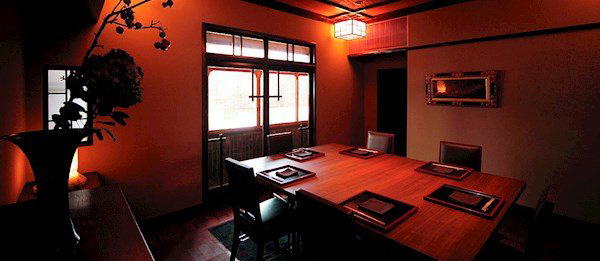
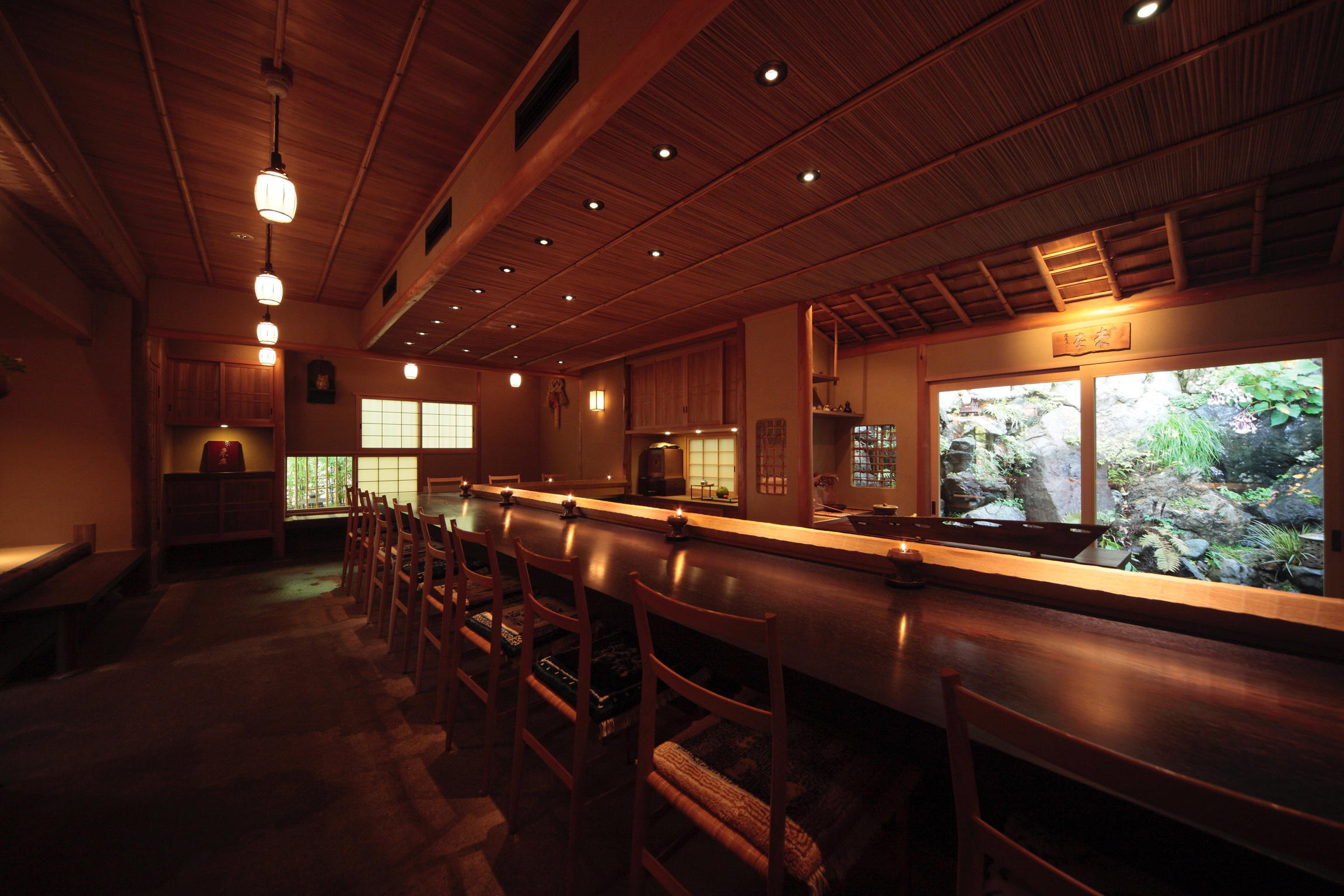
Nakagyo's machiya-influenced interiors typically work through restraint rather than display. The materials are aged wood, washi, stone, and ceramic. Lighting stays low and warm. Sound is managed by the density of old construction and the deliberateness of staff movement. These are not designed experiences in the contemporary hospitality sense, they are inherited ones, sustained by buildings that were built to produce exactly this atmosphere across multiple centuries of use. The smell of old timber and the particular stillness that comes from rooms insulated by history is not something that can be replicated by a contemporary fit-out, regardless of budget.
International reference points like Le Bernardin in New York or Atomix represent the highest register of what Western fine dining or Korean-inflected tasting menus can produce in a global city. The contrast with a Kyoto room like Maeshiro is not one of quality but of orientation: the former manage every variable as a design decision; the latter works with what has accumulated. The distinction matters to how the experience sits in memory afterward.
Placing Maeshiro in the Broader Map
Japan's broader dining landscape, even outside Kyoto, offers useful reference. Restaurants like 一本杉 川島 in Nanao, 夕付山乃 in Sapporo, 湖辺庵 in Takashima, and 庭羽屋 in Nishikawa Machi reflect how deeply Japan's regional dining culture has developed its own identities at distance from the major centres. Birdland in Sakai and Bistro Ange in Toyohashi represent the range of what serious regional dining looks like at different price points and in different idioms. Against this spread, Kyoto's central dining rooms remain their own category: not regional in the sense of being peripheral, but local in the deepest sense, shaped by a city that has been the reference point for Japanese aesthetic culture for more than a millennium.
For visitors building a Kyoto itinerary around food, the full Kyoto restaurants guide maps the city's dining rooms from the established multi-generational kaiseki houses through to the smaller, less publicised spaces in Nakagyo and beyond. Maeshiro falls into the latter category: a Nakagyo address in a city where address and atmosphere are inseparable from what the kitchen produces.
Planning a Visit
Nakagyo Ward is accessible from central Kyoto with minimal transit complexity. The Karasuma subway line and the city's bus network both connect the area to Kyoto Station, Gion, and Higashiyama. Visitors staying in central Kyoto can reach Owaricho on foot from several hotel clusters. Reservations are recommended, and the restaurant's opening hours are Mon 5-10 PM; Tue 12-3 PM and 5-10 PM; Wed 6-10 PM; Thu 6-10 PM; Fri 12-3 PM and 5-10 PM; Sat 5-10 PM; Sun 12-3 PM and 5-10 PM. Kyoto's better dining rooms often operate through limited communication channels, and concierge relationships frequently provide the most efficient route in.
Peers in This Market
Comparable venues nearby, for context on price, style, and recognition.
| Venue | Cuisine | Price | Notes |
|---|---|---|---|
| MaeshiroThis venue — the venue you are viewing | Traditional Kyoto Kaiseki Omakase | $$$ | |
| Okuniya Manbei Unagi | Kansai-Style Unagi Kabayaki | $$$ | Nakagyo-Ku |
| Wabiya Korekidou (侘家古暦堂 祇園花見小路本店) | Traditional Japanese Yakitori & Chicken Specialties | $$$ | Gion |
| 麩屋町 久らく | Japanese Kappo Izakaya | $$$ | 京都市役所前 |
| 木山 | Traditional Kyoto Kaiseki | $$$ | Nakagyō |
| Shokudo Miyazaki | Refined Kyoto Omakase | $$$ | Kiyamachi |
Continue exploring
More in Kyoto
Restaurants in Kyoto
Browse all →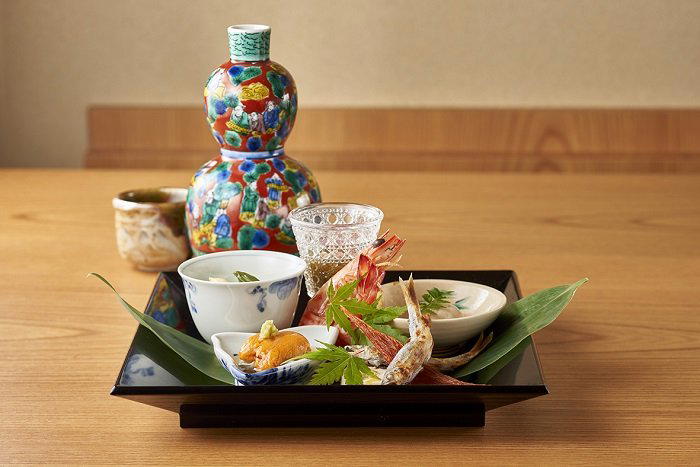
Bars in Kyoto
Browse all →
Hotels in Kyoto
Browse all →
Wineries in Kyoto
Browse all →
At a Glance
- Intimate
- Cozy
- Elegant
- Quiet
- Hidden Gem
- Date Night
- Solo
- Special Occasion
- Chefs Counter
- Sake Program
- Local Sourcing
Cozy and tranquil counter seating for 10, providing a quiet, personalized view of the chef's meticulous craftsmanship in a refined setting.