Umenoyama sits in Kyoto's Nakagyo Ward, within a city that sets the standard for kaiseki and refined Japanese hospitality. With sparse public data and no walk-in culture to speak of, this address draws a returning clientele who treat it as a fixed point in their Kyoto itinerary. Its location in the Kinuyacho district places it within the dense network of private dining rooms that define the city's most serious culinary quarter.
 Discover on Pearl
Pearl is the En Primeur Club membership app — saves, bookings, and concierge access live there. Same editors, same standards.
- Address
- Japan, 〒604-0804 Kyoto, Nakagyo Ward, Kinuyacho, 136 ヴェルドール御所 1F
- Phone
- +81752564460
- Website
- kiyama-kyoto.com
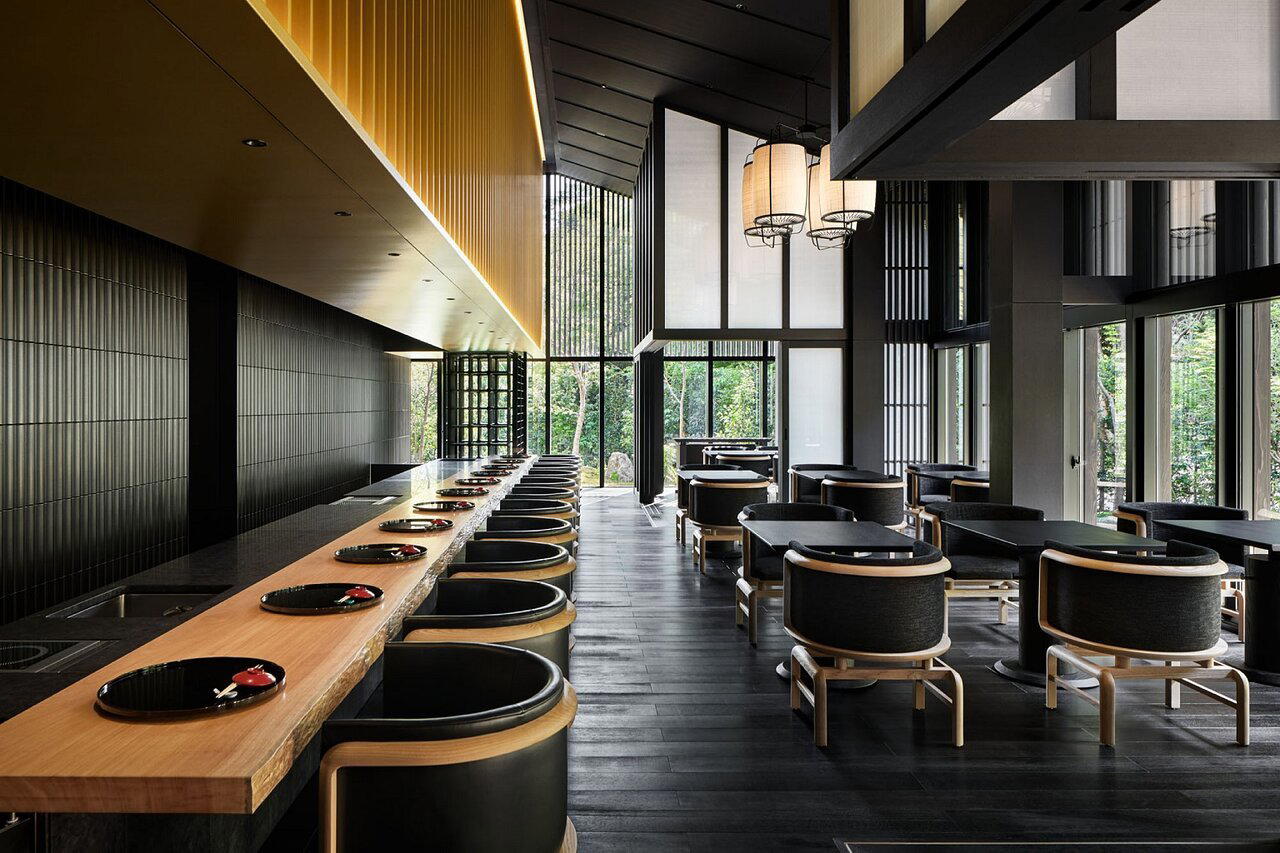
A Fixed Point in the Kyoto Calendar
Kyoto's most serious dining addresses rarely announce themselves. The city's premium restaurant culture has long operated on the assumption that those who need to find a place will find it, and those who stumble across it by accident are unlikely to be the intended guest. 木山 is a traditional Kyoto kaiseki restaurant in Nakagyo Ward, Kyoto, with a smart casual dress code and a reservation recommended policy. Umenoyama, in the Kinuyacho district of Nakagyo Ward, belongs to that category of address: present on the map, largely absent from the noise.
Nakagyo Ward sits at the geographic and cultural centre of Kyoto, between the tourist-heavy corridors of Gion and the commercial density of Shijo-Kawaramachi. The streets around Kinuyacho contain some of the city's older machiya townhouse stock, and the dining rooms that occupy them tend toward small capacity and long reservation lead times. This is not the part of Kyoto where restaurants compete for street-level attention. They compete, instead, for the kind of repeat patronage that fills a book months in advance without a single promotional effort.
What the Returning Guest Understands
In a city where Hyotei has held three Michelin stars across multiple editions and Kikunoi Honten has anchored the kaiseki canon for decades, there is an established hierarchy that new arrivals often misread. The more public tier is visible and documented. Below it, and sometimes alongside it, runs a quieter stratum of addresses that loyal guests treat as personal property. Umenoyama operates in that register.
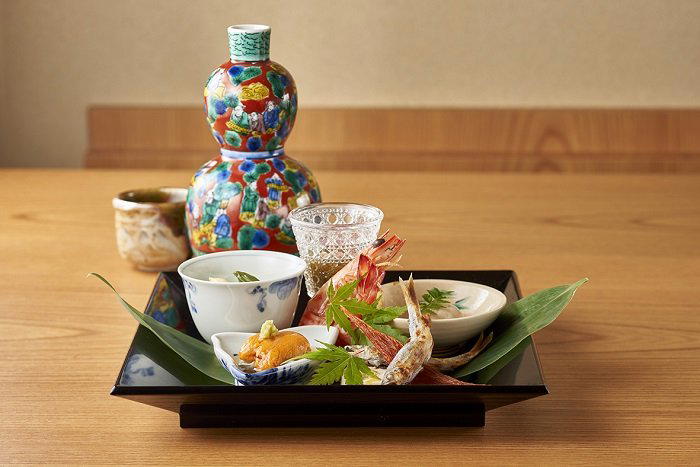
What keeps regulars returning to this type of address is rarely a single dish or a rotating seasonal menu, though both matter in Kyoto's kaiseki-inflected dining culture. It is the accumulated sense that the kitchen knows what it is doing and does not need external validation to prove it. Across the city, that trust is earned slowly and lost quickly. Venues in the ¥¥¥¥ tier, where Gion Sasaki and Mizai operate, carry the weight of award recognition as part of their identity. Addresses without that public scaffolding depend entirely on the experience of the meal itself.
The unwritten menu at places like this is the sequence of small decisions the kitchen makes for a guest it recognises. An earlier start time on a summer evening. A course adjusted without explanation. A pouring preference noted from a previous visit. These are the currencies of the Kyoto regular, and they are not available to first-time visitors regardless of how much they spend elsewhere.
Kyoto's Mid-City Dining Geography
The Nakagyo district has a different character from Higashiyama or the Fushimi corridor. It is more residential in texture, less trafficked by the touring circuits, and home to a range of dining formats from standing noodle bars to private kaiseki rooms. Isshisoden Nakamura, one of the city's oldest operating dining houses, is not far in spirit from what this part of Kyoto represents: continuity, restraint, and an audience that values both.
For visitors building a Kyoto itinerary around serious eating, the mid-city ward offers practical advantages. It is accessible from the major accommodation clusters without the taxi dependency that some of the outer-district addresses require. The density of quality options in the surrounding streets means that an evening can be structured around a single reservation without needing to plan transit between widely separated venues. That practical coherence is part of what makes the area a natural base for repeat visitors who have moved past the first-trip checklist.
Across Japan, there are analogous addresses worth tracking: HAJIME in Osaka operates at the far end of the formal spectrum; Harutaka in Tokyo represents the sushi counter equivalent of the quiet high-conviction address; akordu in Nara and Goh in Fukuoka demonstrate how the pattern of small, credentialled rooms extends well beyond the major cities. Umenoyama belongs to that national pattern, expressed through Kyoto's particular idiom.
Where It Sits in the comparable set
Kyoto's premium dining market is heavily weighted toward Japanese formats. The ¥¥¥¥ tier is dominated by kaiseki, with a smaller number of specialist rooms covering sushi, tempura, and traditional Kyoto-style cuisine. Gion Sasaki and comparable addresses in that bracket carry Michelin recognition that functions as both a trust signal and a booking filter: the stars draw international demand that pushes reservation windows out considerably. Umenoyama, without confirmed award credentials in the public record, likely attracts a different booking profile, one weighted more heavily toward domestic repeat visitors and guests introduced through personal referral.
That referral economy is not a weakness in the Kyoto context. It is, for a certain kind of dining room, a deliberate operating model. The city has produced enough serious culinary institutions, from Isshisoden Nakamura to internationally followed names, that guests who care about this tier of dining arrive with enough context to find what they are looking for without needing it advertised.
Outside Japan, the closest structural parallel is found in tightly held urban rooms that resist the review economy. Atomix in New York City operates at the opposite extreme of public visibility, but the underlying logic of a small, exacting room that rewards familiarity is the same. Le Bernardin in New York City represents the maximally documented tier. Between those poles, the quieter addresses hold their own kind of authority.
Planning a Visit
Reservations are recommended, and Kyoto concierges can often assist with introductions. Concierge-mediated reservations remain the standard access route for private dining rooms of this type across the city, and that route also provides the most useful context about format, dress expectations, and any minimum spend requirements. Visitors planning around a specific seasonal window should allow several weeks of lead time. Those with an interest in comparing across the city's formal dining tier should also consider Mizai and the similarly positioned rooms covered in our wider Japan coverage, including 一本杉 川嶋 in Nanao, 夕佳亭山乃 in Sapporo, 湖籟庵 in Takashima, 庄羽屋 in Nishikawa Machi, Birdland in Sakai, and Bistro Ange in Toyohashi.
Price Lens
Comparable venues nearby, for context on price, style, and recognition.
| Venue | Cuisine | Price | Awards | Notes |
|---|---|---|---|---|
| 木山This venue — the venue you are viewing | Nakagyō, Traditional Kyoto Kaiseki | $$$ | , | |
| 和食晴ル | $$$ | , | Shinkyō-chō, Shimogyō-ku, Kyoto Kappo Izakaya | |
| 今 | $$$ | , | Nakagyo-ku, Traditional Japanese Seasonal Cuisine | |
| 釜座 長島 | Nakagyō, Traditional Kaiseki | $$$ | , | |
| Takamatsu | Nakagyō, Traditional Kyoto Kaiseki | $$$ | , | |
| Sobaya Nikola | $$$ | , | Kamigyō, Modern soba restaurant with sake & wine pairing |
Continue exploring
More in Kyoto
Restaurants in Kyoto
Browse all →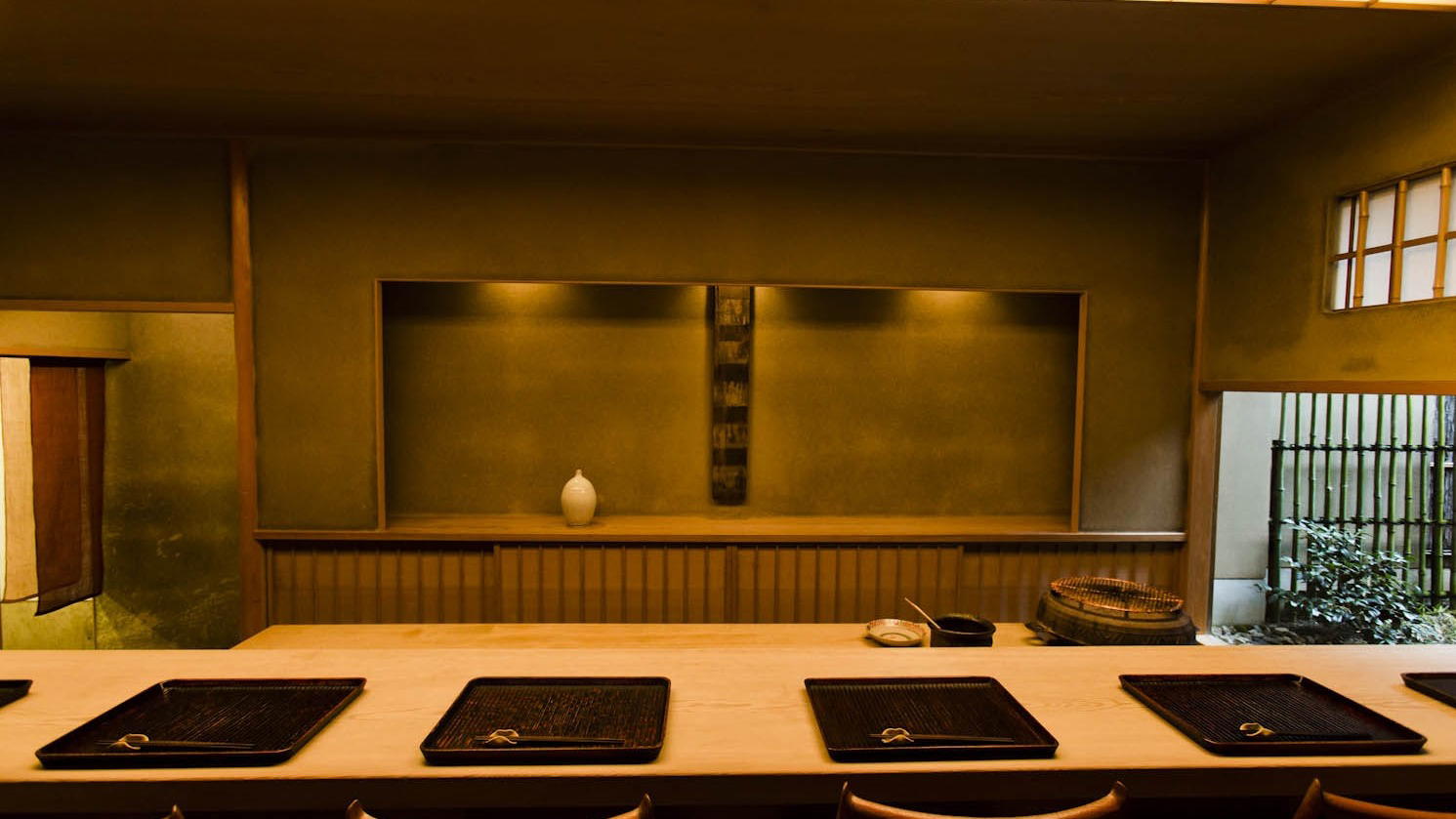

Bars in Kyoto
Browse all →


Hotels in Kyoto
Browse all →

Wineries in Kyoto
Browse all →
At a Glance
- Classic
- Elegant
- Intimate
- Date Night
- Special Occasion
- Business Dinner
- Historic Building
- Open Kitchen
- Sake Program
- Local Sourcing
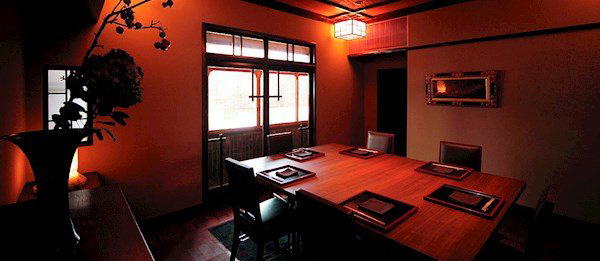
Warm, intimate lighting with traditional Japanese design elements reflecting the historic Gion neighborhood atmosphere.