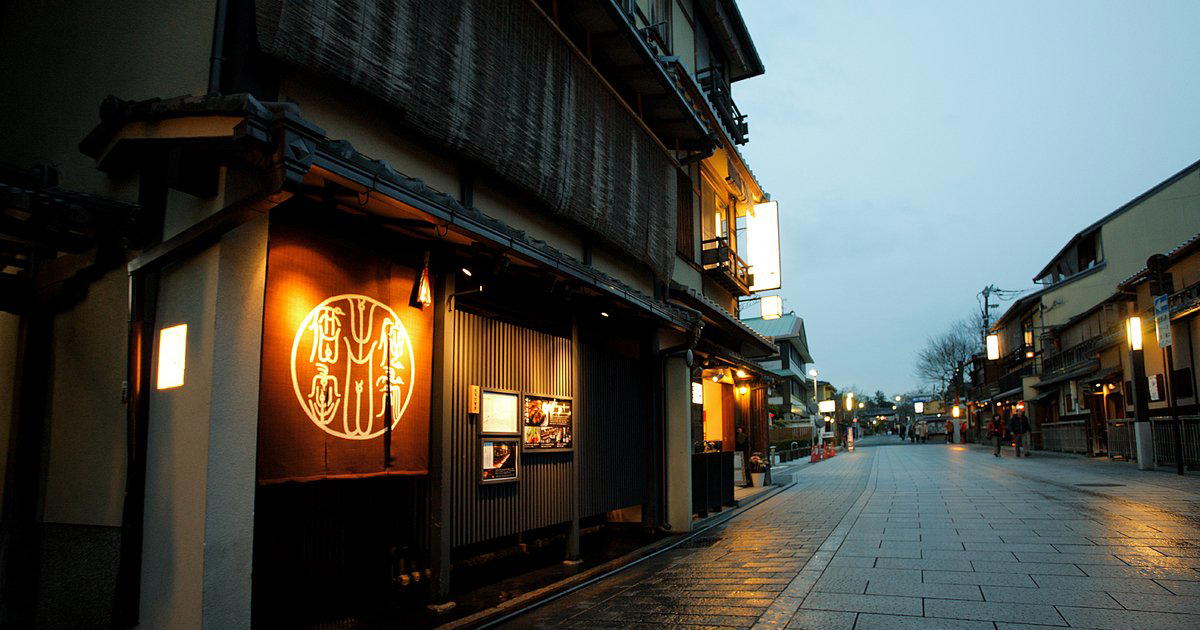
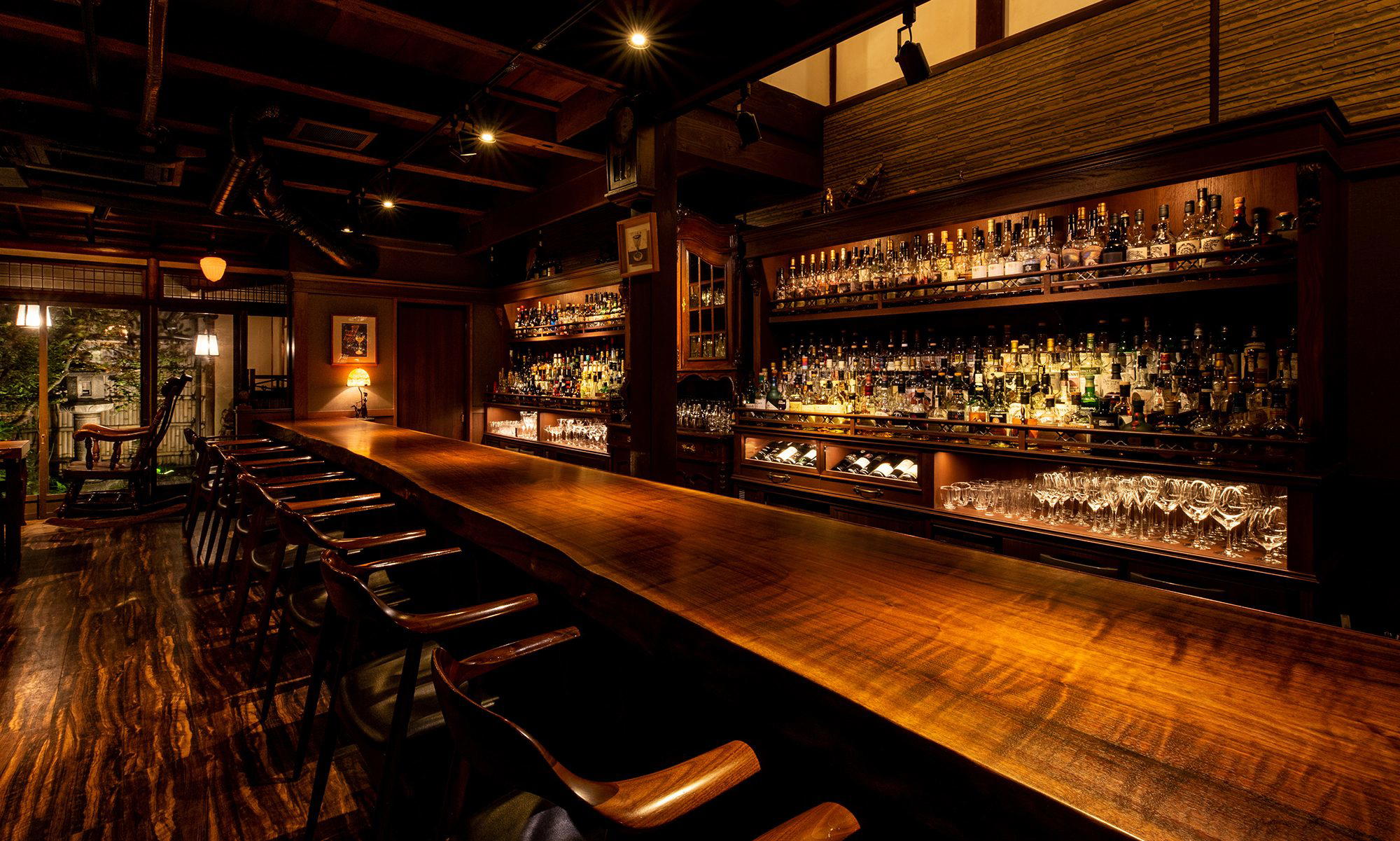
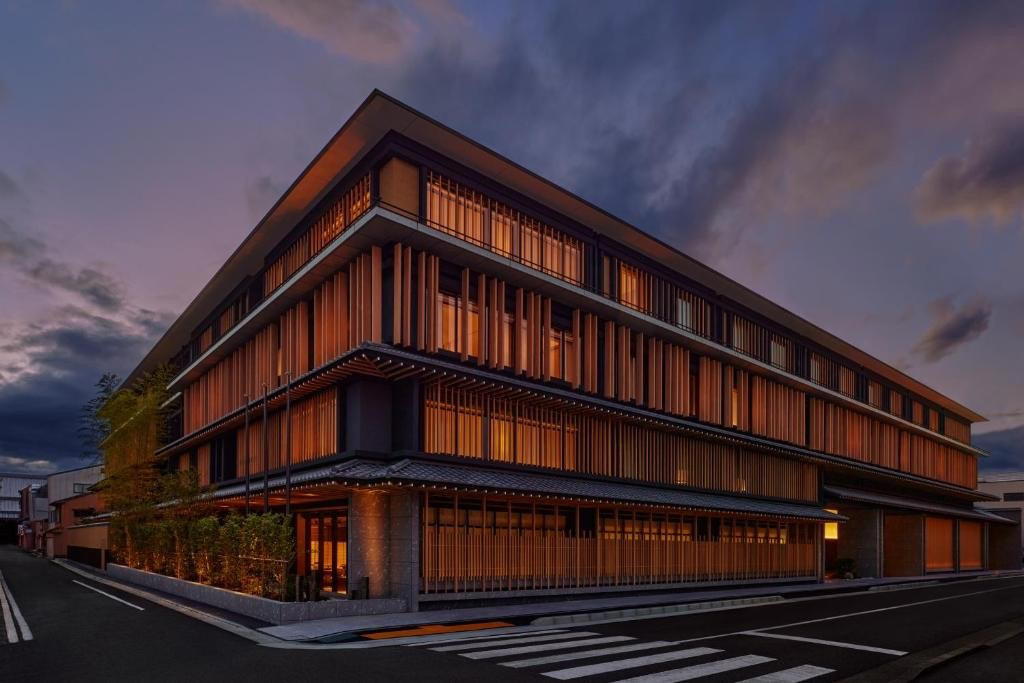
On Gion's Hanamikoji main street, Wabiya Korekidou occupies a converted machiya townhouse where the architectural setting is as deliberate as the food. The address places it among Kyoto's most concentrated cluster of traditional dining rooms, a few steps from shrines and ochaya teahouses that define the neighbourhood's character. Planning ahead is essential: the format, location, and Gion context make this a reservation-first destination.
 Discover on Pearl
Pearl is the En Primeur Club membership app — saves, bookings, and concierge access live there. Same editors, same standards.
Hanamikoji and the Logic of Eating in Gion
Kyoto's dining culture has always been inseparable from its geography, and nowhere is that more true than the stretch of Hanamikoji that runs south of Shijo-dori through the heart of Gion. This is one of the most photographed streets in Japan, lined with ochaya teahouses and preserved machiya townhouses, and it functions as a kind of self-selecting filter: the venues here must justify their address. The competition is not just culinary but contextual. A restaurant on Hanamikoji is measured against the weight of the setting itself.
Wabiya Korekidou (侘家古暦堂 祇園花見小路本店) sits at 570-231 on the south side of this corridor, in the Higashiyama district postal zone that also contains some of Kyoto's most referenced kaiseki rooms. Neighbours in the broader sense include Gion Sasaki, one of the city's most celebrated kaiseki addresses, and the multi-generational Kikunoi Honten, whose Michelin pedigree anchors the upper tier of formal Japanese dining in this neighbourhood. Being placed in that geographic cluster carries implicit expectations about format, service register, and ingredient provenance.
The Machiya Dining Format and What It Signals
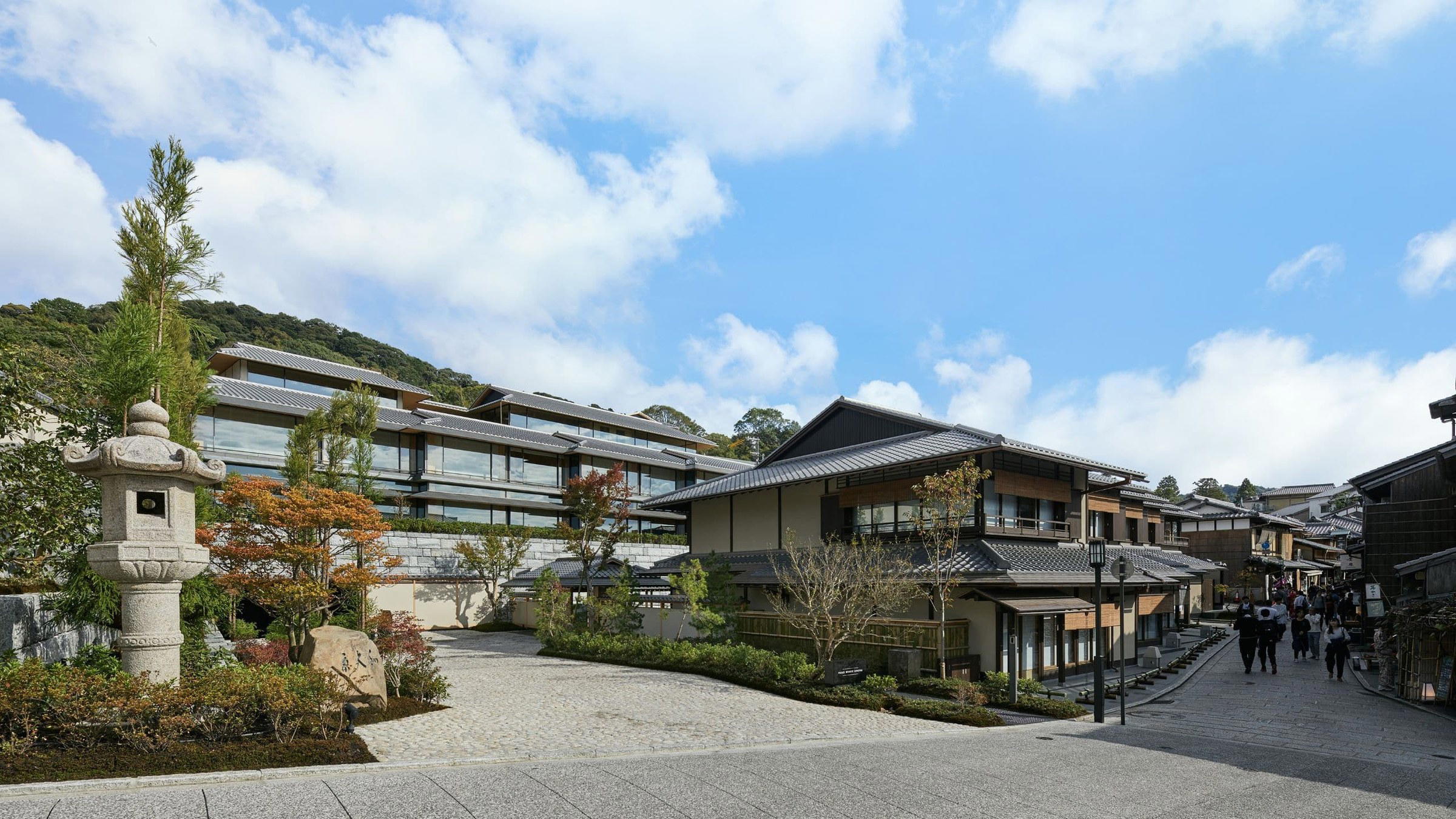
Across Kyoto, a specific type of dining experience has become strongly associated with the machiya townhouse: a narrow frontage opening into a series of rooms arranged around an internal garden or engawa corridor, where the building's age and material honesty set the register for everything that follows. This format has a distinct relationship with the concept of wabi, the aesthetic of quiet imperfection and restraint that runs through traditional Japanese arts from tea ceremony to lacquerware. A venue whose name invokes that tradition, wabi, as in wabiya, is positioning itself explicitly within that lineage.
This matters for anyone planning a visit. The machiya format typically means smaller room capacities, sequential service tied to the pace of the building rather than a busy dining room's turnover logic, and a visual environment where the architecture contributes as much to the experience as the food on the table. Venues in this format tend to fill quickly precisely because their capacity is structurally limited: a room that seats eight or ten cannot scale to absorb demand the way a larger restaurant can.
Booking Wabiya Korekidou: What the Address Tells You
The editorial focus on Wabiya Korekidou that matters most for readers planning a Kyoto itinerary is not the food in isolation but the logistics of getting there. The Hanamikoji address is not a casual walk-in destination under any circumstances. Gion's concentration of formal dining rooms means that advance planning is standard practice across the neighbourhood, and the narrower the venue format, the further ahead the booking window typically extends.
For international visitors, this creates a specific planning sequence. Kyoto's most in-demand dining rooms operate either through direct reservation systems, often in Japanese, or through hotel concierge channels that have established relationships with individual houses. This is where staying at a hotel with a strong concierge operation in Kyoto can help: the channel matters as much as the timing. Visitors arriving without reservations and hoping to rely on same-day availability in this stretch of Gion are consistently disappointed, particularly during the spring cherry blossom season (late March to mid-April) and the autumn foliage window (mid-November to early December), which represent peak demand periods across the city.
For comparison, the booking dynamics at similarly positioned Kyoto kaiseki rooms are instructive. Mizai and Hyotei both operate on advance reservation models where windows of one to three months are common, and the same logic applies to Hanamikoji's dining rooms more broadly. Isshisoden Nakamura, another Kyoto address with deep historical roots, reflects a similar planning reality.
Practical access to Wabiya Korekidou follows the standard Gion approach: the Keihan line's Gion-Shijo station puts you on Shijo-dori, from which Hanamikoji is a short walk south. In the evenings, the street is relatively quiet by Tokyo standards, which is part of its appeal. The neighbourhood's preservation ordinances limit signage and exterior modification, so the approach to the venue is a genuine encounter with Edo-period urban architecture, not a staged recreation of it.
Kyoto's Dining Scene Beyond the Single Address
Wabiya Korekidou exists within a broader regional dining network worth mapping for any serious Japan itinerary. The Kansai region's premium dining tier has expanded in both ambition and geographic spread. HAJIME in Osaka represents one extreme of that ambition, with a three-Michelin-star French-influenced tasting format that has no equivalent in Kyoto. akordu in Nara offers a different register entirely, a European-trained approach grounded in the quieter cultural setting of Japan's oldest capital.
Further afield, Goh in Fukuoka and Harutaka in Tokyo sit in peer conversations about Japan's formal dining scene but in contexts that are fundamentally different from Kyoto's temple-and-teahouse urban grammar. What Kyoto does, and what Hanamikoji specifically does, is anchor the food to a built environment that is itself part of the argument for why the meal matters. That is a value proposition that venues in Osaka or Tokyo's commercial districts cannot fully replicate.
Planning Your Visit
Reaching Wabiya Korekidou requires advance reservation rather than a walk-in attempt, ideally four to six weeks ahead for standard travel periods and earlier still for the spring and autumn peak windows. The Hanamikoji address (570-231, Gion-machi Minamigawa, Higashiyama-ku, Kyoto, 605-0074) is within short walking distance of Gion-Shijo station and the traditional ochaya corridor that defines the neighbourhood at dusk.
A Quick Peer Check
Comparable venues nearby, for context on price, style, and recognition.
| Venue | Cuisine | Price | Awards | Notes |
|---|---|---|---|---|
| Wabiya Korekidou (侘家古暦堂 祇園花見小路本店)This venue — the venue you are viewing | Traditional Japanese Yakitori & Chicken Specialties | $$$ | , | |
| Maeshiro | Traditional Kyoto Kaiseki Omakase | $$$ | , | Nakagyō |
| Sobaya Nikola | Modern soba restaurant with sake & wine pairing | $$$ | , | Kamigyō |
| Gion Nishi | Traditional Kyoto Kaiseki | $$$ | , | Higashiyama |
| 祇園 一道 | Kyoto Kaiseki Omakase | $$$ | , | Higashiyama |
| Yoshoku no Mise Mishina | Classic Yoshoku (Japanese-style Western) | $$$ | , | Higashiyama |

At a Glance
- Elegant
- Cozy
- Intimate
- Sophisticated
- Hidden Gem
- Date Night
- Special Occasion
- Solo
- Open Kitchen
- Sake Program
- Local Sourcing
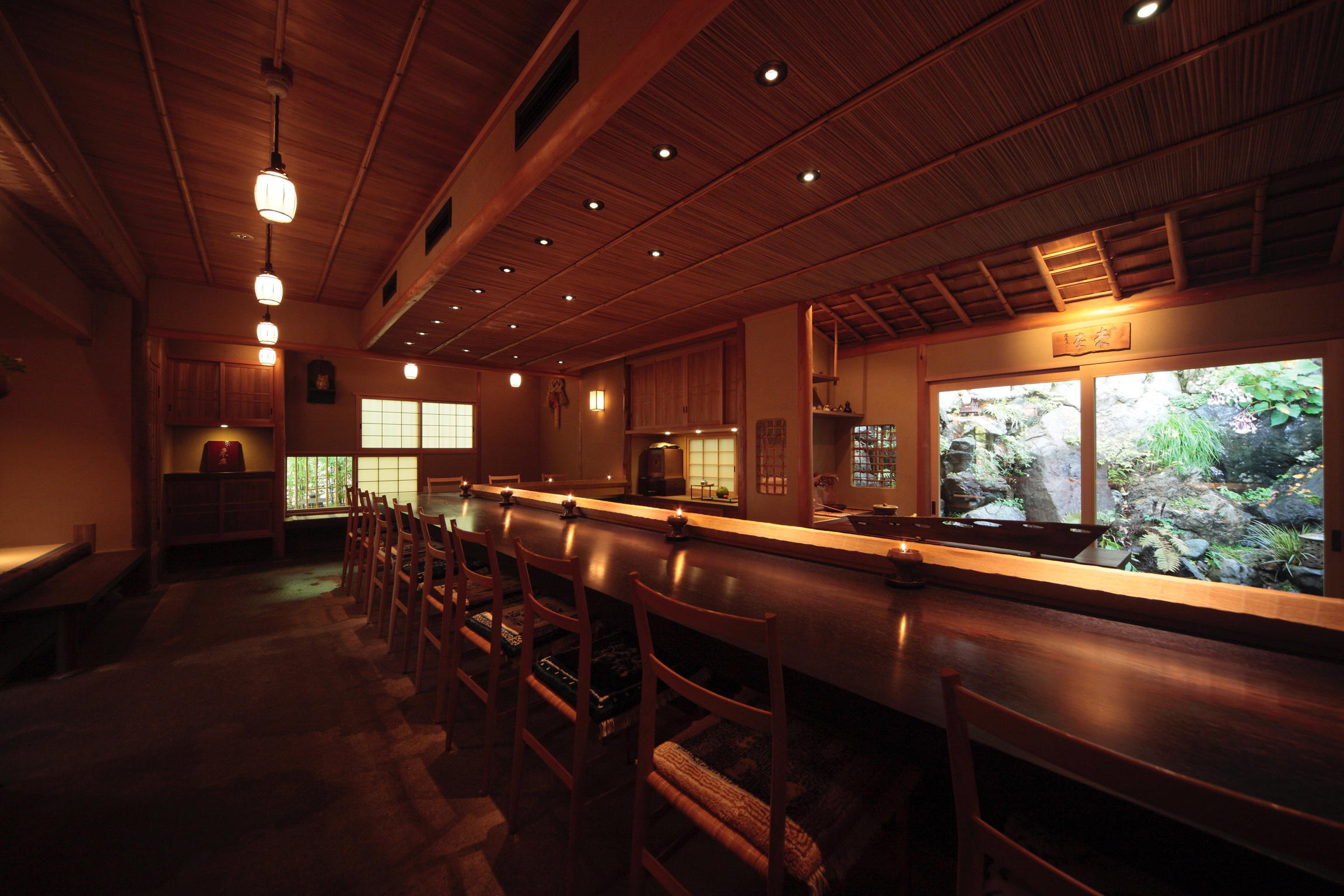
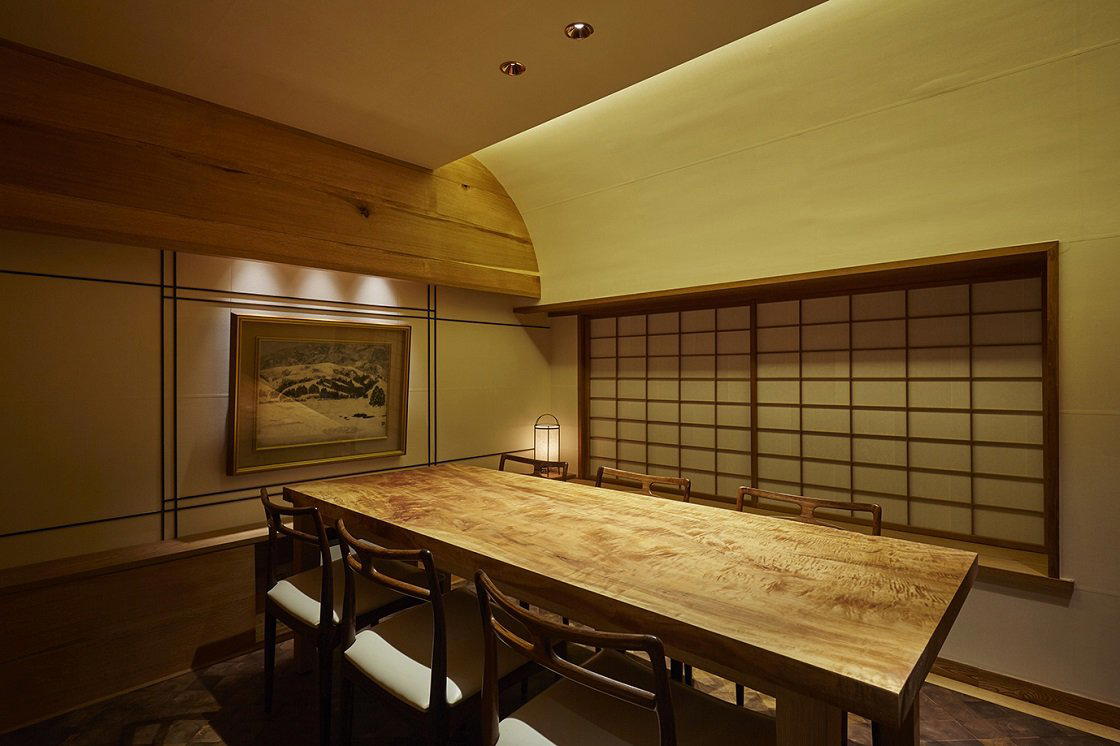
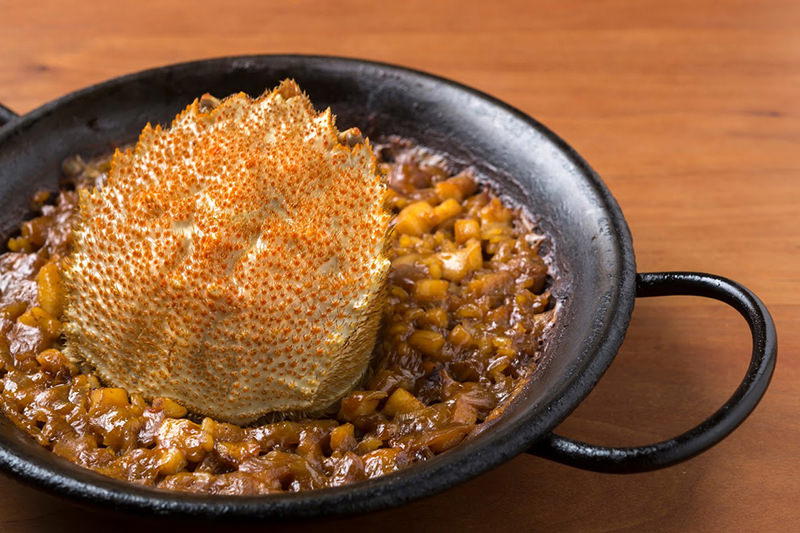
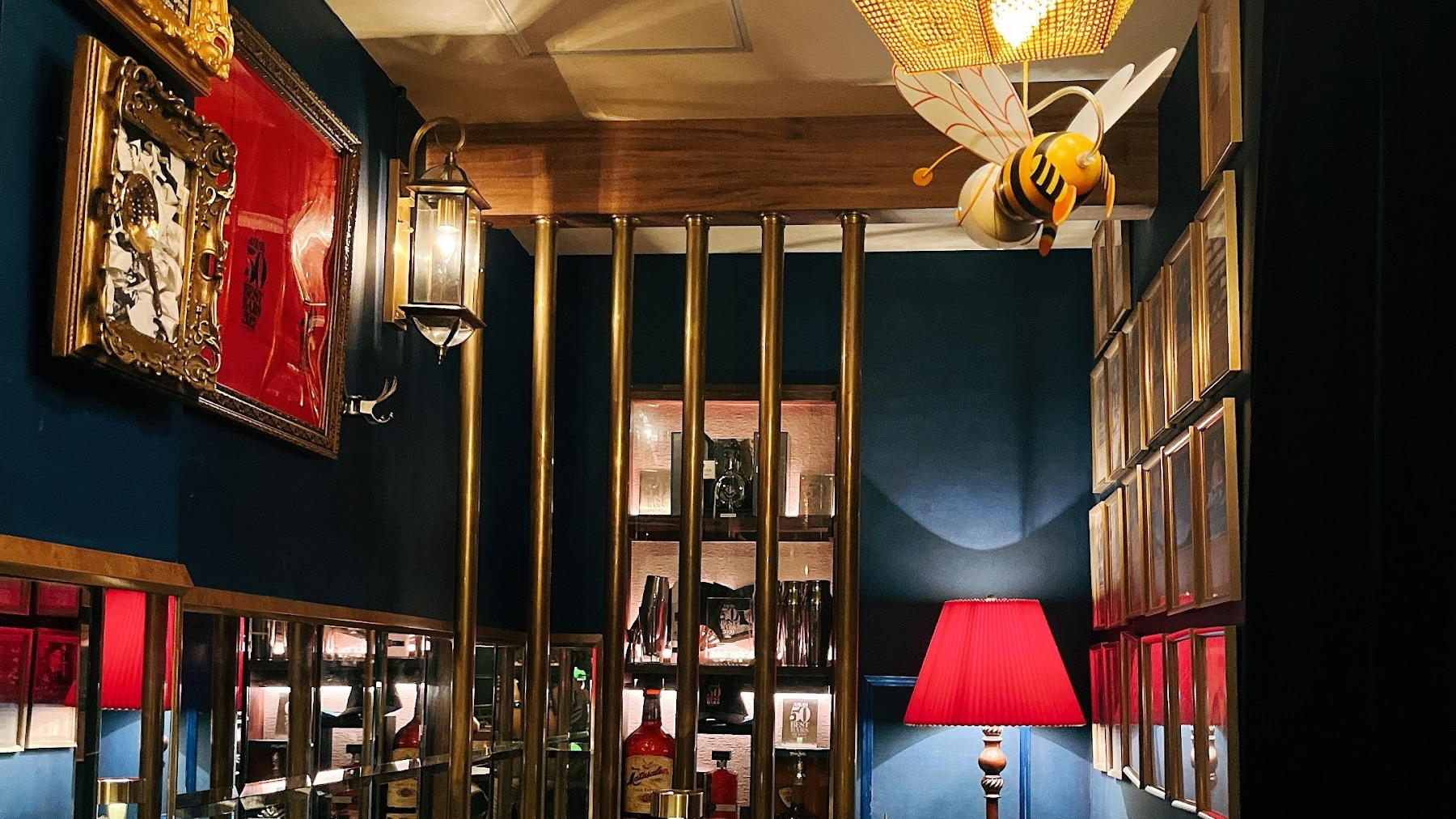
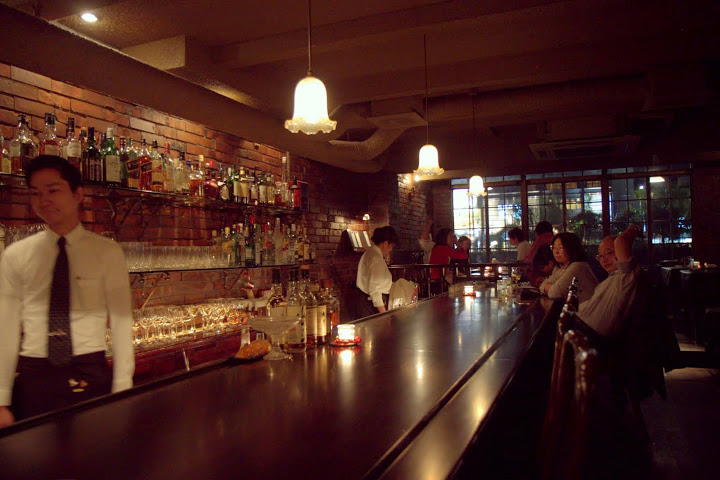
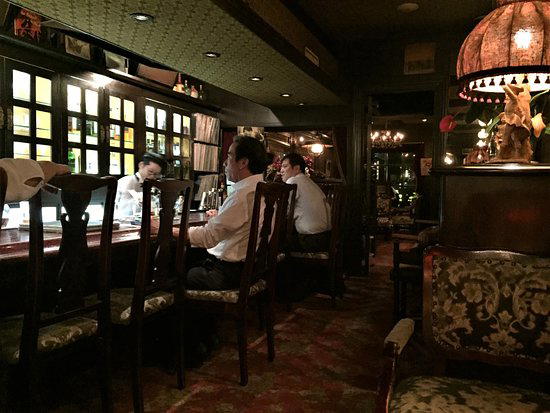
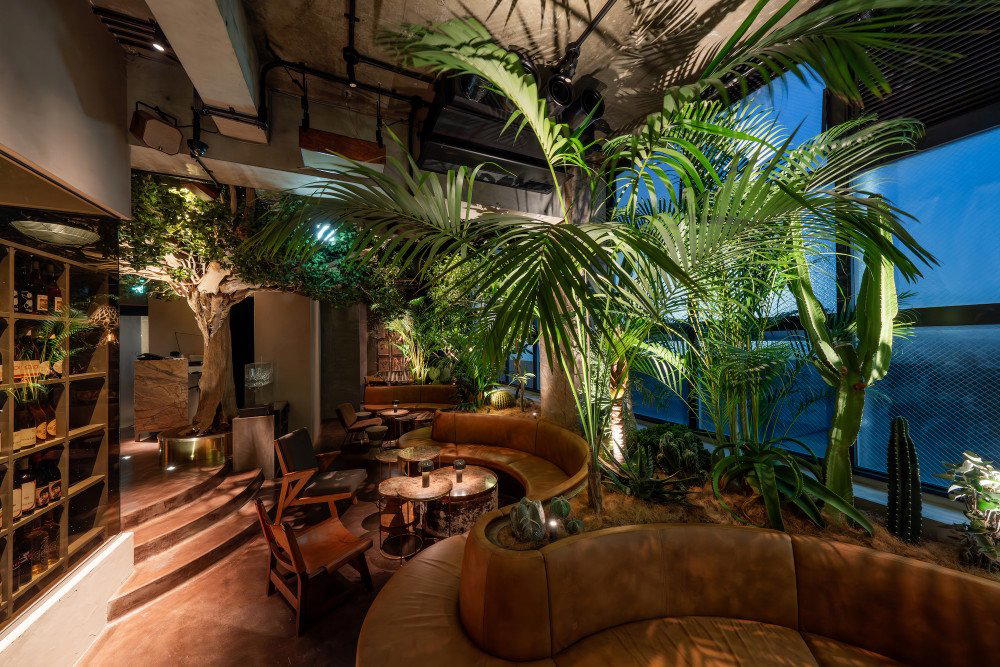
Cozy villa-like atmosphere with warm lighting from the open charcoal grill and wood-fired oven, creating an elegant and serene dining experience distinct from typical lively yakitori spots.