Okuniya Manbei Unagi carries one of Kyoto's most focused mandates: the preparation of freshwater eel by methods refined across generations of specialist practice. In a city where multi-course kaiseki dominates the premium dining conversation, this unagi-dedicated address occupies a distinct and narrower lane, where the discipline of a single ingredient defines the entire operation.
Pearl is the En Primeur Club membership app — saves, bookings, and concierge access live there. Same editors, same standards.
- Address
- Kyoto, Japan
- Website
- manbei.bubu-unagi.com
- Directions
- Get directions
 Saves & bookings on Pearl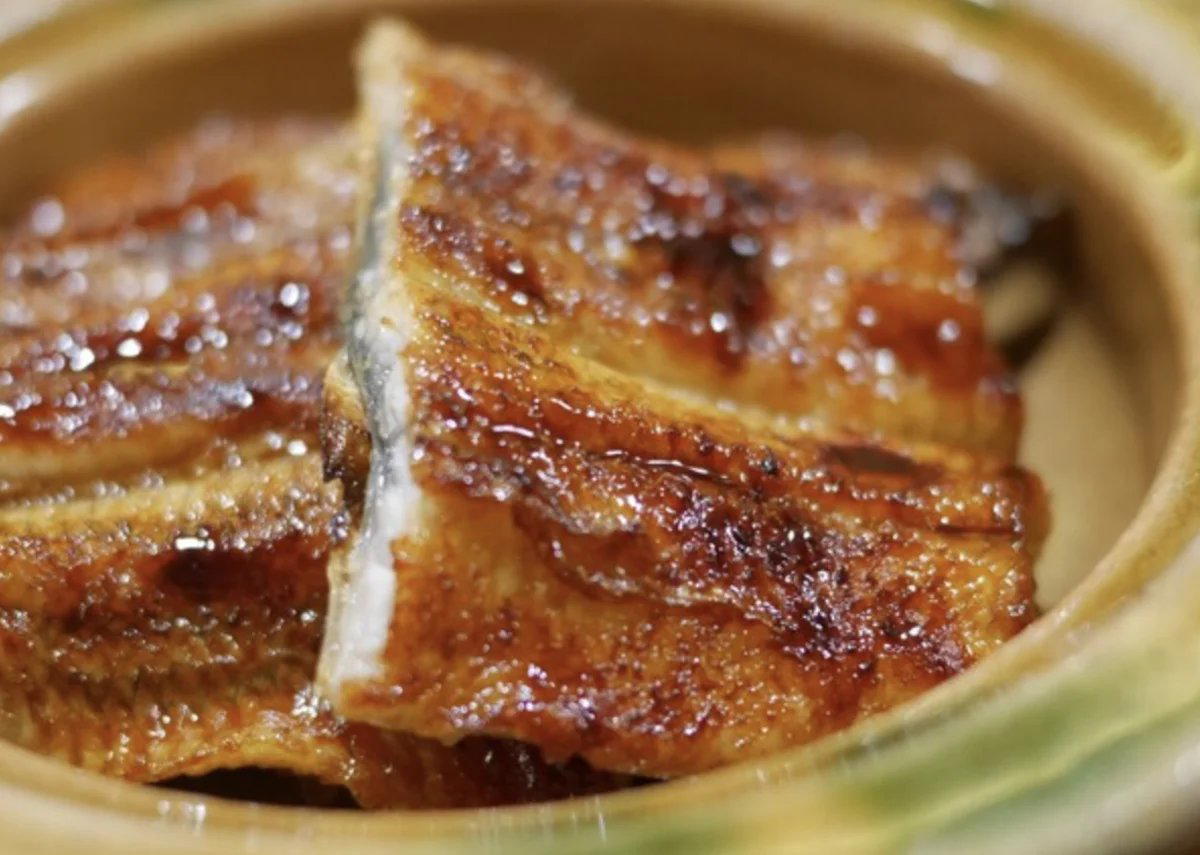
The Unagi Specialist in a Kaiseki City
Kyoto's premium dining identity is largely shaped by kaiseki, the multi-course seasonal format that institutions like Kikunoi Honten, Hyotei, and Gion Sasaki have brought to international prominence. Against that backdrop, a restaurant built around a single ingredient occupies a different position. Unagi, freshwater eel, grilled over charcoal and lacquered with tare, has its own deep tradition in Japanese culinary culture, and the specialist houses that serve it operate on a different logic than the seasonal tasting-menu circuit. Where kaiseki prizes the continuous reinvention of the menu around what the market offers that morning, unagi restaurants prize the mastery of an unchanging technique applied to one animal, across decades, across generations.
Okuniya Manbei Unagi sits inside that tradition in Kyoto. The name itself signals lineage and continuity, in the way that old Japanese food houses often encode their history into their signage. The restaurant's focus on eel preparation places it in a comparable set that runs alongside, rather than within, the city's dominant kaiseki tier, and visiting it requires a different frame of mind than the one you bring to Mizai or Isshisoden Nakamura.
What Unagi Specialism Actually Means
The Japanese tradition of unagi as a dedicated restaurant category is one of the more demanding in the country's food culture. Eel handling requires skill at every stage: live procurement, the precise knife work of splitting and cleaning, the controlled steaming that precedes grilling in the Kanto style (though Kyoto and the Kansai region more commonly grill directly, without pre-steaming, producing a firmer, more charred result), and the management of the tare, the basting sauce that accumulates depth across years of use, replenished but never discarded. A long-established unagi house carries that tare as a living document of its own history. Across Japan, the restaurants that have earned serious reputations in this format, and the comparison extends nationally, to the kind of specialist focus you find at operations like Birdland in Sakai working in their own ingredient-led lane, share a commitment to the integrity of sourcing and the consistency of execution over novelty.
In Kyoto specifically, where the tourist volume is high and many eel restaurants have drifted toward throughput-focused operations, a house that maintains traditional Kansai preparation methods and prioritises quality sourcing over volume holds a different status. The comparison with technically demanding single-ingredient formats elsewhere in Japan is instructive: just as a counter at Harutaka in Tokyo signals a particular relationship with its fish through the discipline of what it excludes from its menu, an unagi specialist that refuses to dilute its focus signals a comparable commitment.
The Service Structure and the Role of the Room
In well-run unagi houses, the coordination between kitchen and floor matters more than it might appear from the outside. Because the primary dish arrives at a specific moment of doneness, grilled eel degrades quickly, and the window between ideal and ordinary is narrow, the front-of-house timing function is not decorative. The person managing the dining room is, in a meaningful sense, co-authoring the quality of what arrives on the plate. This is a version of the team dynamic that operates differently than in kaiseki, where the kitchen controls pacing through course sequencing. In an eel house, the server who reads the table, communicates accurately with the grill, and brings the dish at the precise moment of readiness is performing a technical role as consequential as the cook's.
That structural logic positions unagi restaurants as a category where front-of-house professionalism is directly tied to food quality, not merely hospitality quality. It is a meaningful distinction, and it separates the serious operations from the tourist-facing ones. The same principle applies at high-commitment single-focus restaurants across Japan, from the fish-focused counter formats in Fukuoka exemplified by Goh to the rigorous service systems at HAJIME in Osaka. In each case, the service team's technical contribution shapes the outcome.
Kyoto as Context for This Type of Restaurant
Kyoto's relationship with food traditions that predate the kaiseki framework is worth understanding when placing a restaurant like Okuniya Manbei Unagi. The city's culinary identity is often narrated as synonymous with seasonal kaiseki, but the older layers include tofu specialists, pickled-vegetable houses, and the river-fish preparations, ayu, carp, and eel, that defined inland dining before coastal fish became widely accessible. Eel restaurants in Kyoto carry some of that older character: they are not trend-driven, they do not reconfigure their menus for the Instagram cycle, and they tend to draw a loyal local clientele alongside tourists seeking something more grounded than the high-design kaiseki tier.
This positions Okuniya Manbei Unagi in a dining culture that prizes continuity and craft over spectacle. Visitors who have spent time at the kaiseki counters, at Hyotei or Gion Sasaki, and who want to understand Kyoto's food culture more completely will find a different register here. The contrast is informative. So is the comparison with what a focused ingredient-led restaurant looks like outside Japan entirely: the technical rigour that Le Bernardin in New York City applies to fish, or the Korean-inflected precision of Atomix's approach to its own ingredient logic, maps loosely onto what the leading unagi specialists are doing within their narrower frame. Specialist commitment, across cultures, tends to produce the same result: a kitchen that knows one thing with uncommon depth.
For a wider orientation to Kyoto's dining scene before you go, the full Kyoto restaurants guide provides category-level context across price tiers and cuisine types. Those planning multi-city itineraries in the Kansai region may also find akordu in Nara a useful complement to the Kyoto circuit. Further afield, Japan's regional specialist restaurant culture extends from Nanao to Sapporo, with strong local traditions also present in Takashima, Nishikawa Machi, and even mid-sized cities like Toyohashi.
Planning Your Visit
For current booking details and hours, contact the restaurant directly.
Similar Picks
Comparable venues nearby, for context on price, style, and recognition.
| Venue | Cuisine | Price | Notes |
|---|---|---|---|
| Okuniya Manbei UnagiThis venue — the venue you are viewing | Kansai-Style Unagi Kabayaki | $$$ | Not listed |
| Sobaya Nikola | Modern soba restaurant with sake & wine pairing | $$$ | Kamigyō |
| 祇園 一道 | Kyoto Kaiseki Omakase | $$$ | Higashiyama |
| Hatsuda | Kyoto-style Yakiniku & Wagyu Bento | $$$ | Sakyō |
| Riki Chan Gion ten | High-end Wagyu Yakiniku (Fillet Specialty) | $$$ | Higashiyama |
| Morita Ya JR kyoto isetan ten | Traditional Kyoto beef sukiyaki & shabu-shabu | $$$ | Shimogyō |
Continue exploring
More in Kyoto
Restaurants in Kyoto
Browse all →
Bars in Kyoto
Browse all →
Hotels in Kyoto
Browse all →
Wineries in Kyoto
Browse all →
At a Glance
- Classic
- Intimate
- Cozy
- Special Occasion
- Solo
- Sake Program
- Local Sourcing
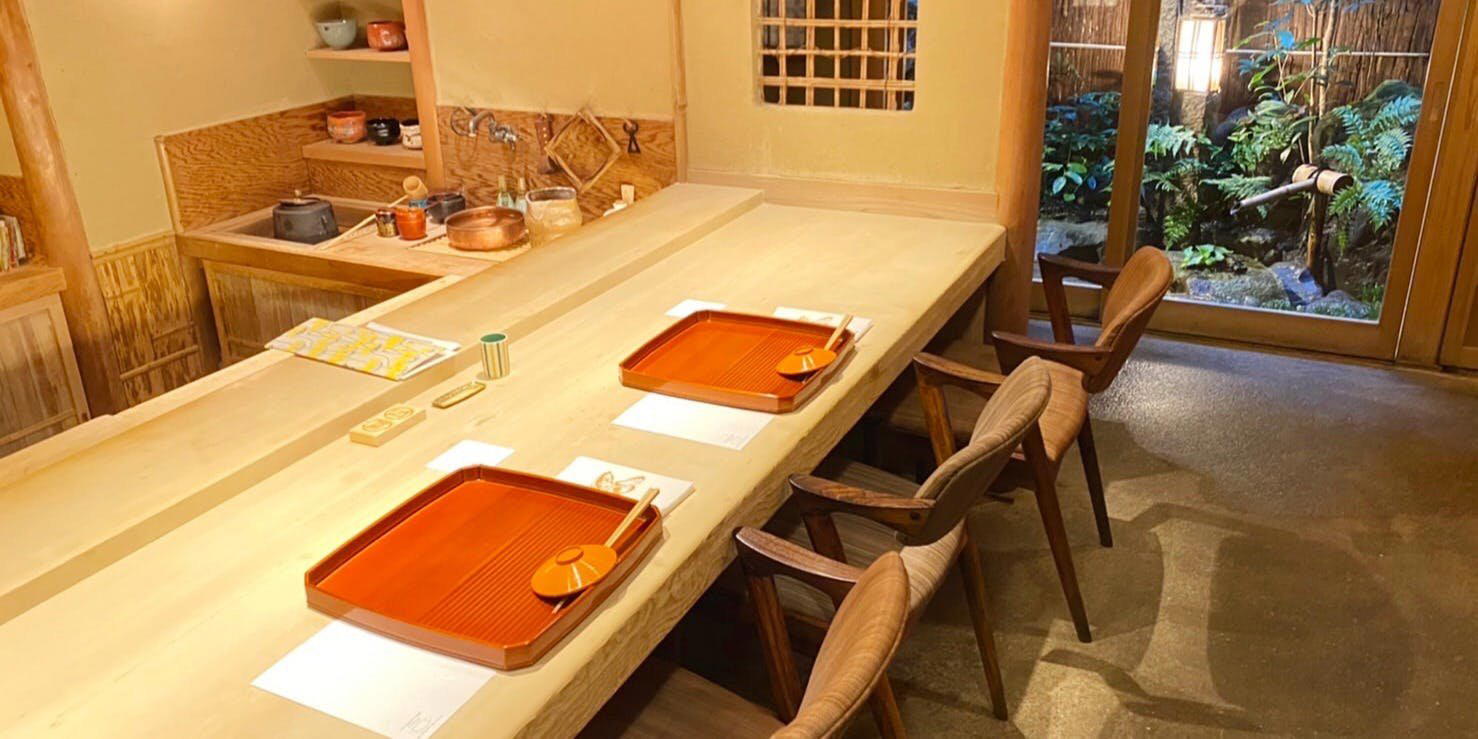
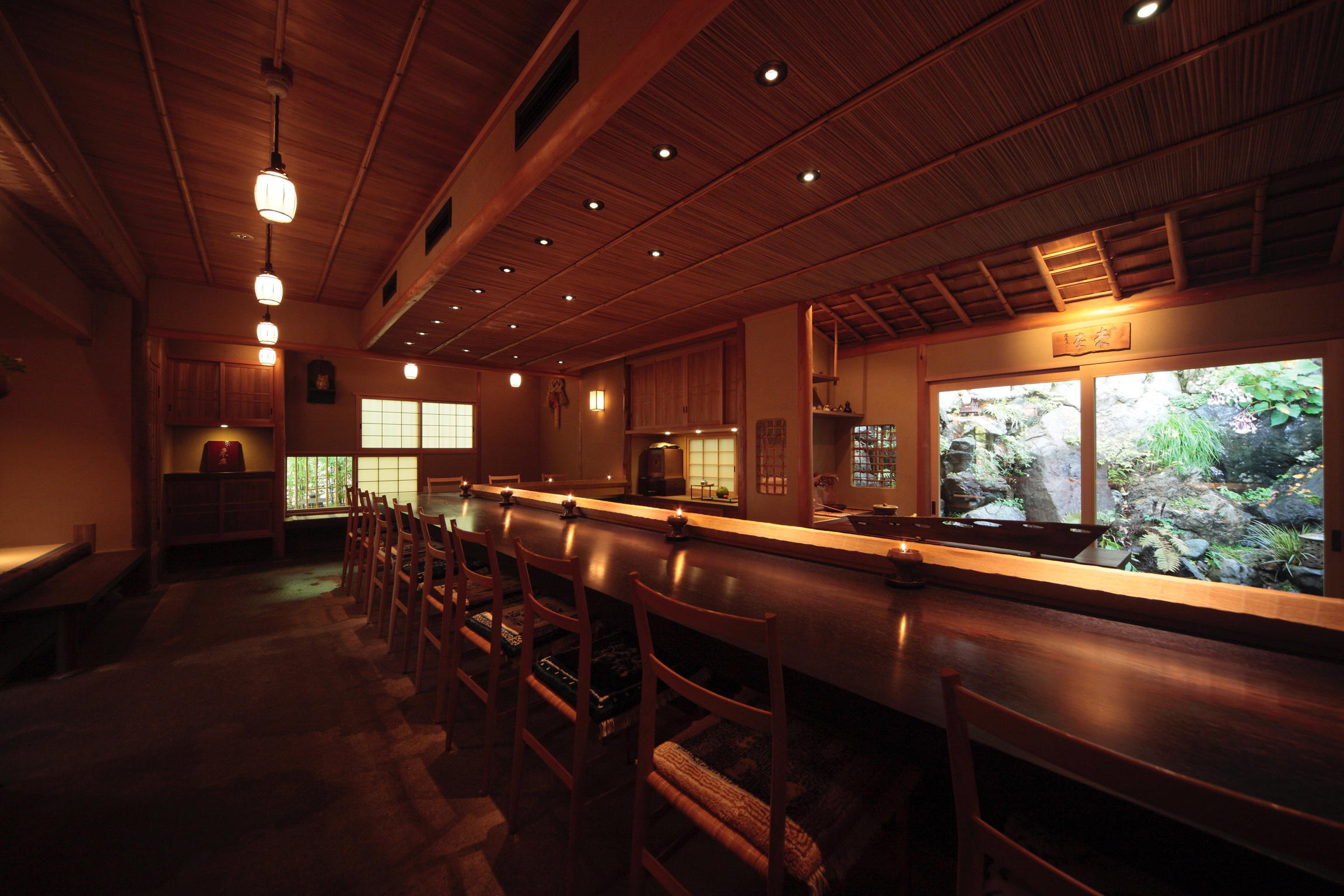
Discrete and intimate family-run spot with 12 table seats, focusing on traditional preparation and warm hospitality amid the aroma of binchotan charcoal-grilled eel.