

Michelin Plate · Tabelog 100 #41
Our verdict
A Michelin Plate Chinese counter in Nakagyo Ward where two brothers continue a family culinary lineage, the elder in the kitchen, the younger on the floor. At the ¥¥¥ price point, Kyochuka Makisada offers a front-row seat to serious Chinese technique, with Peking duck among the preparations visible from the counter. One of Kyoto's more specific propositions in the Chinese dining category.

Pearl is the En Primeur Club membership app, where members save venues, book tables and use the concierge.
The menu
What to order
- Peking Duck
- Braised Shark Fin
- Shanghai Crab
A Counter, a Curtain, and the Logic of Chinese Cooking in Kyoto
Kyoto's restaurant culture is so thoroughly defined by kaiseki that anything outside that tradition tends to be read as supplementary. Chinese cooking occupies a curious position in this context: the city has no shortage of competent mid-range Chinese restaurants, but the tier where serious technique meets considered service is genuinely thin. Kyochuka Makisada, holding a Michelin Plate in both 2024 and 2025, sits in that narrower bracket, a counter-led Chinese restaurant in Nakagyo Ward where the format is intimate, the cooking is visible, and the price point is ¥¥¥.
That price tier places it alongside venues like Kyo Seika, the Michelin-starred Chinese restaurant that occupies the same general category, and well below the ¥¥¥¥ kaiseki houses such as Hachiraku or Akihana. For the spend, what Makisada offers is access to Chinese cooking taken at a level of seriousness that most of the city's Chinese options at this price do not reach. The Michelin Plate is a recognition of quality cooking without the full star designation, a signal that the food merits attention, not that it falls short of the tier above it.
What the Counter Reveals
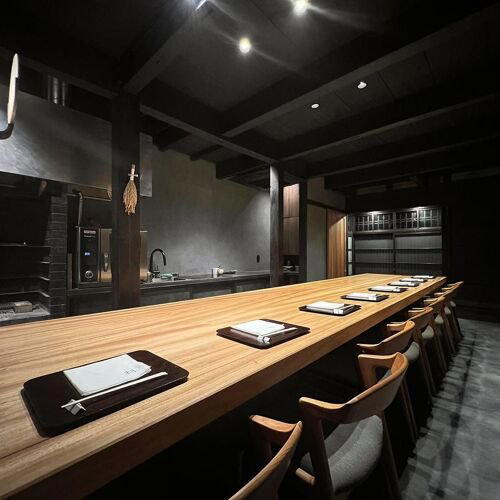
Counter dining has become the organizing principle for serious restaurants across most categories in Japan, from sushi to tempura to kaiseki. In Chinese cooking, where the kitchen is more typically concealed behind a wall and dishes arrive from a distance, a counter format changes the dynamic substantially. At Makisada, the counter is where the preparation becomes part of the experience, Peking duck being among the dishes rendered visible in its sizzling, high-heat moment. Chinese technique at this level is worth watching: the management of oil temperature, the precision of timing, the speed required in wok work. Sitting at the counter converts what might otherwise be a dining room transaction into something closer to a specialist performance.
This approach places the restaurant in a cohort that spans categories and cities. Compare, for instance, the counter-led format with how Chinese technique is foregrounded in very different settings, Restaurant Tim Raue in Berlin or Mister Jiu's in San Francisco, where Chinese cooking is the technical foundation around which a wider restaurant experience is built. Makisada's version is more compressed and more locally rooted, but the underlying premise, that Chinese cooking at this level deserves a format that communicates seriousness, connects them.
The Family Lineage and What It Means for the Food
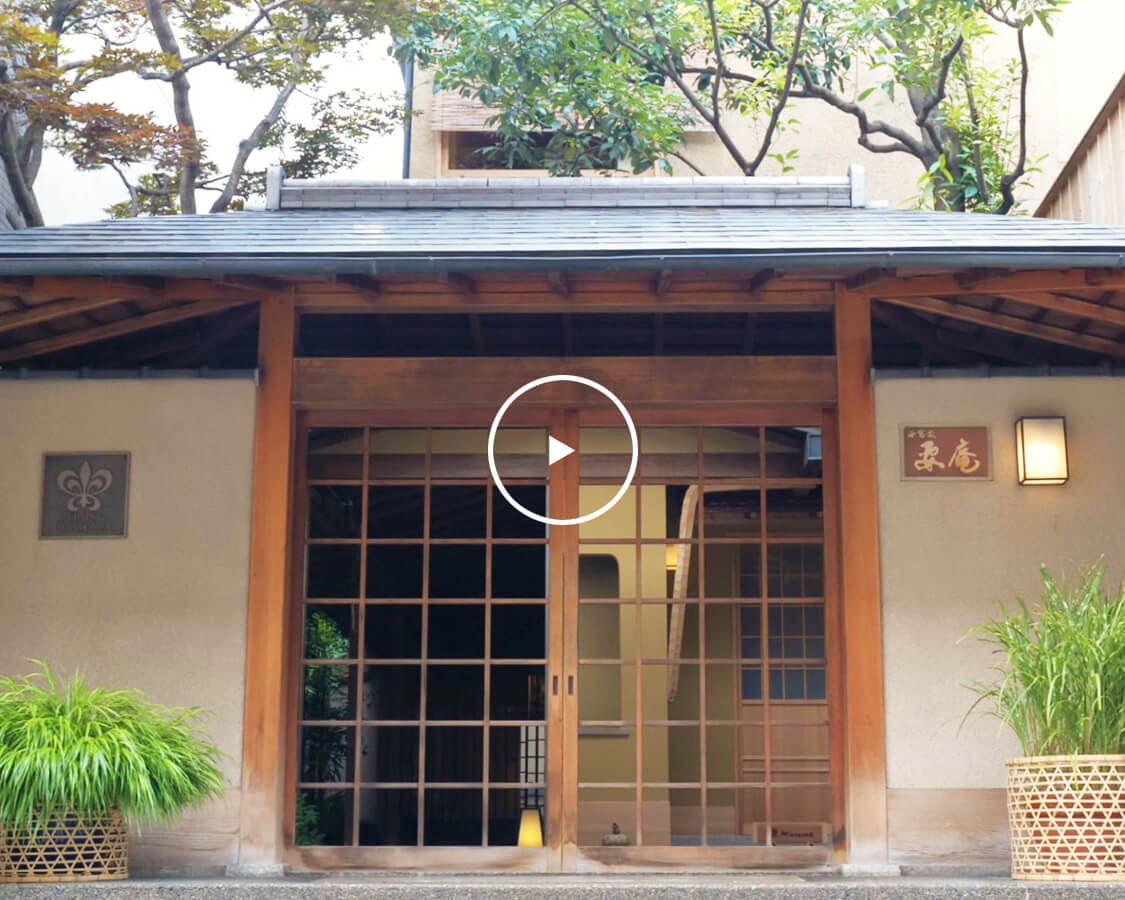
The restaurant is run by two brothers whose father was a chef at a Chinese restaurant. The sign beside the shop curtain was written by him as a gift to mark their opening; the name itself draws on a character common to both brothers' names. The elder brother runs the kitchen, the younger handles service. In Kyoto's dining culture, where multi-generational craft credentials carry considerable weight, the major kaiseki houses often cite lineage across several decades, a second-generation Chinese restaurant operating at this standard is a meaningful credential, not a marketing footnote.
The family connection also shapes the front-of-house dynamic. The division of roles between kitchen and floor, between two brothers rather than between a chef-owner and hired staff, tends to produce a particular kind of coherence. The service is attentive in a way that reflects ownership rather than employment. This matters at the ¥¥¥ level, where the difference between a restaurant that feels considered and one that merely functions is often the people running it rather than the budget.
Where Makisada Sits in Kyoto's Broader Scene
Nakagyo Ward, where the restaurant is located on Kawaracho, is a commercially active stretch of central Kyoto, close to the Kamo River and well within the city's core dining corridor. It lacks the historical gravity of Gion or the kaiseki density of the Higashiyama slopes, but it is where a number of the city's mid-tier serious restaurants operate, often without the tourist volume that surrounds the more photographed neighbourhoods.
Kyoto's Chinese dining tier has been slower to develop recognition than its Japanese counterparts. The Michelin Guide in Kyoto is heavily weighted toward Japanese formats, kaiseki, sushi, tempura, and the Chinese category competes for attention against a culinary tradition that commands the city's identity. Kyo Seika, with its Michelin star, holds the highest formal recognition in this category locally. Makisada, with consecutive Plate recognitions, sits in the tier immediately below that designation. For context, the Michelin Plate has been used in recent editions to signal cooking that merits recommendation even when star criteria aren't fully met, it is an endorsement with editorial weight.
For a broader view of what Kyoto's restaurant scene encompasses, our full Kyoto restaurants guide maps the city across categories and price tiers. Those extending their trip to neighbouring cities will find relevant comparisons at HAJIME in Osaka, Goh in Fukuoka, or akordu in Nara for a sense of how the Kansai region's fine dining positions itself more broadly.
The Value Argument
At ¥¥¥, Makisada occupies the same general spend as VELROSIER and Canton Shunsai Ikki in Kyoto's mid-upper tier, and sits below the multi-star kaiseki destinations that represent the city's premium ceiling. The counter format means fewer covers and a more concentrated version of the cooking than a standard table-service Chinese restaurant at the same price. For visitors whose Kyoto itinerary is already weighted toward kaiseki, Makisada offers a different register of Japanese dining culture, technically serious, family-operated, Chinese in its tradition, without requiring a significant budget recalibration.
At this price point, with Michelin recognition in two consecutive years, the ratio of quality to spend is favourable by the standards of the city's broader ¥¥¥ tier.
For those planning a fuller Kyoto stay, our Kyoto hotels guide, bars guide, and experiences guide cover the city's wider offer. The Kyoto wineries guide adds further context for those interested in the region's wine and sake landscape. Elsewhere in Japan, Harutaka in Tokyo, 1000 in Yokohama, and 6 in Okinawa represent the range of formats and traditions documented across the EP Club network.
Know Before You Go
- Address: 565-5 Kawaracho, Nakagyo Ward, Kyoto 604-0827
- Price range: ¥¥¥
- Recognition: Michelin Plate (2024, 2025)
- Format: Counter seating recommended for kitchen visibility
- Booking: Contact directly;, verify in advance
Frequently asked questions
Is Kyochuka Makisada better for a quiet night or a lively one?
The counter format and family-run service model tend toward engagement rather than anonymity. Kyoto's Chinese restaurants at the ¥¥¥ tier rarely generate the floor-level energy of a large Cantonese dining room, and Makisada's intimate setup, where the kitchen is visible and the two brothers are present throughout, makes it a more conversational setting than a celebratory one. Dishes like Peking duck, prepared in view of the counter, bring a theatrical register to proceedings, but the restaurant's overall tone is focused rather than festive. It holds a Michelin Plate in consecutive years, which is a recognition of cooking quality, not of atmosphere volume.
What do regulars order at Kyochuka Makisada?
Peking duck is the preparation cited in the restaurant's own documentation as a counter-visible event, the sizzling presentation at the kitchen is described as part of what makes counter seating the right choice. Given the Michelin Plate recognition and the second-generation chef background, the expectation is a menu built on technique rather than novelty. For the most current picture of what is being served, direct contact with the restaurant is the appropriate step.
Just the Basics
A quick peer reference to anchor this venue in its category.
| Venue | Cuisine | Price | Awards | Notes |
|---|---|---|---|---|
| Kyochuka MakisadaThis venue (the venue you are viewing) | Kyoto-style Chinese | $100–150 | Michelin Plate · Tabelog 100 #41 | Not listed |
| Gion Sasaki | Modern Kaiseki | $300–500 | 3 Michelin Stars · La Liste Top Restaurants | Kaiseki, Japanese |
| cenci | Innovative Italian-Japanese Fusion | $100–150 | 1 Michelin Star · World's 50 Best #76 | Italian |
| Ifuki | Sumibi Kappo Kaiseki | $200–300 | 2 Michelin Stars · La Liste Top Restaurants | Kaiseki |
| Kyokaiseki Kichisen | Kyoto Kaiseki | $200–300 | 2 Michelin Stars · La Liste Top Restaurants | Japanese |
| Kyo Seika | Modern Chinese Fine Dining | $150–200 | 1 Michelin Star · Tabelog Bronze #216 | Chinese |
Recognition history
Dated appearances from independent guides and award organizations, with the underlying list record or original source where available.
Michelin Plate
Michelin
Tabelog 100 #41 · No. 41
Tabelog · Tabelog 100 - Chinese cuisine - WEST - 2026
Full recognition history (4 entries)
Michelin Plate
Michelin
Michelin Plate
Michelin
Continue exploring
More in Kyoto
Restaurants in Kyoto
All restaurants in Kyoto →
Bars in Kyoto
All bars in Kyoto →
Hotels in Kyoto
All hotels in Kyoto →
Wineries in Kyoto
Browse all →
Details
- Intimate
- Elegant
- Cozy
- Sophisticated
- Special Occasion
- Date Night
- Chefs Counter
- Sake Program
- Omakase
- Counter Dining
Current opening hours
- Monday
- 6–9 PM
- Tuesday
- 6–9 PM
- Wednesday
- Closed
- Thursday
- 6–9 PM
- Friday
- 6–9 PM
- Saturday
- 6–9 PM
- Sunday
- 6–9 PM
Hours can change for holidays and private events. Hours as of .
Warm and inviting atmosphere with counter seating fostering close interaction between chefs and diners.