

Tabelog Silver #113
Our verdict
An eight-seat counter in Kyoto's Higashiyama district, Saika has held Tabelog Silver consecutively since 2017 and a Tabelog score of 4.36, placing it among the most decorated Chinese restaurants in western Japan. Chef Hiroto Saito's omakase format runs dinner only, with a wine programme overseen by an on-site sommelier. Dinner averages JPY 40,000–49,999.

Pearl is the En Primeur Club membership app, where members save venues, book tables and use the concierge.
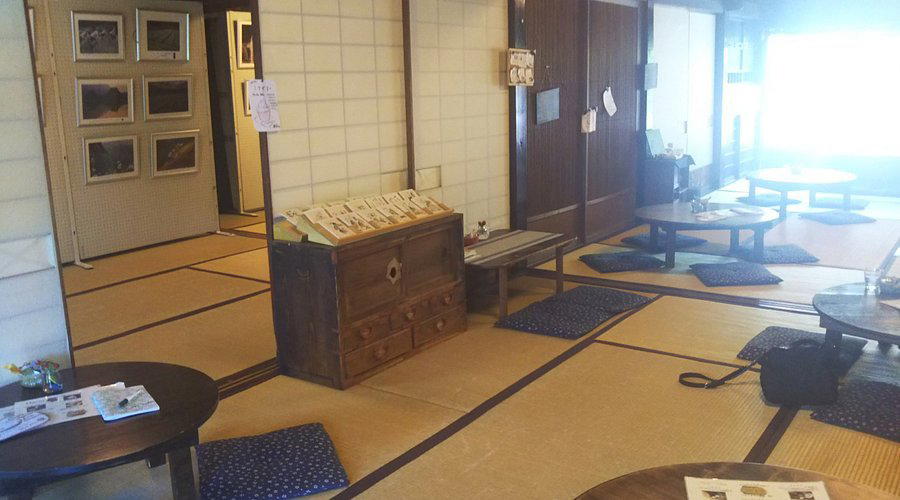
Chinese at Counter Level: The Higashiyama Tier
Kyoto's dining identity runs so deeply toward kaiseki that any cuisine operating outside that tradition must work against considerable gravity. Chinese cooking, even at the highest register, tends to be bracketed as peripheral in a city where the kaiseki counter is the default frame for serious eating. The conversation around Saika is not "excellent Chinese in Kyoto", it is excellent cooking, full stop, measured against the city's kaiseki rooms and against the small number of serious Chinese counters operating at this price point anywhere in Japan.
That peer comparison matters. Kyoto's leading kaiseki rooms, Gion Sasaki, Ifuki, Kyokaiseki Kichisen, occupy a similar price band and operate with comparable intimacy. Saika positions itself within that tier rather than against a different standard. For visitors building a Kyoto itinerary around restaurants in the JPY 30,000–50,000 dinner range, it belongs in the same planning consideration as those rooms, not as an alternative category. See our full Kyoto restaurants guide for how the broader field maps out.
The House and the Counter
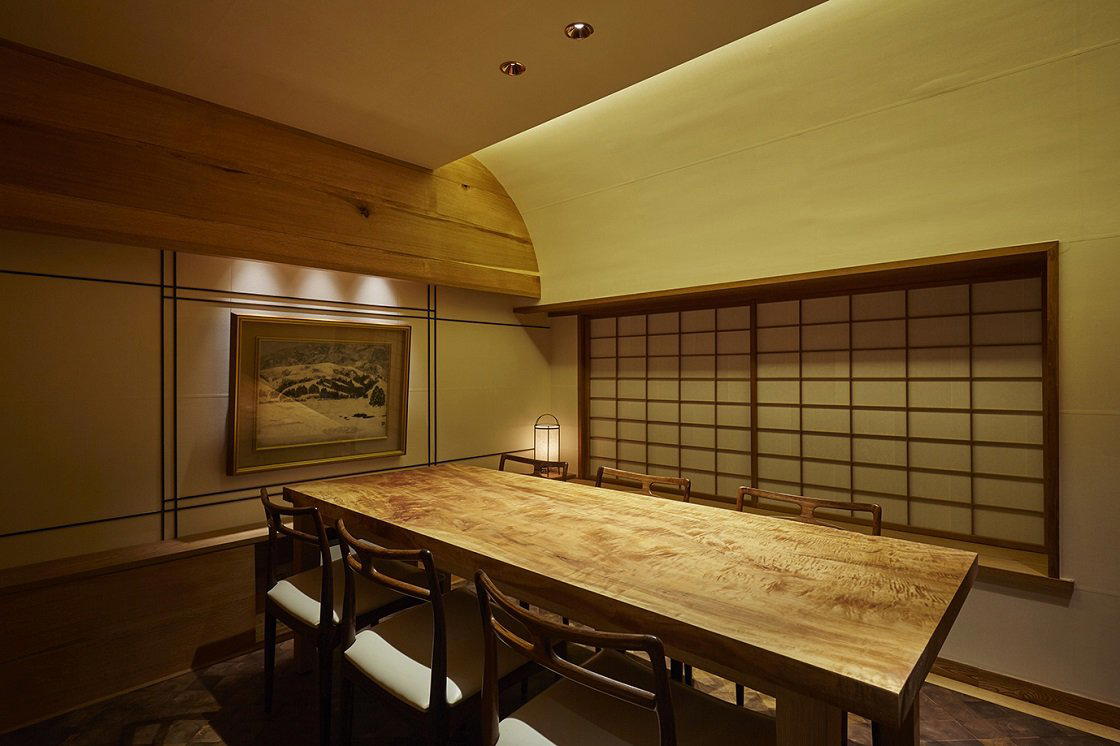
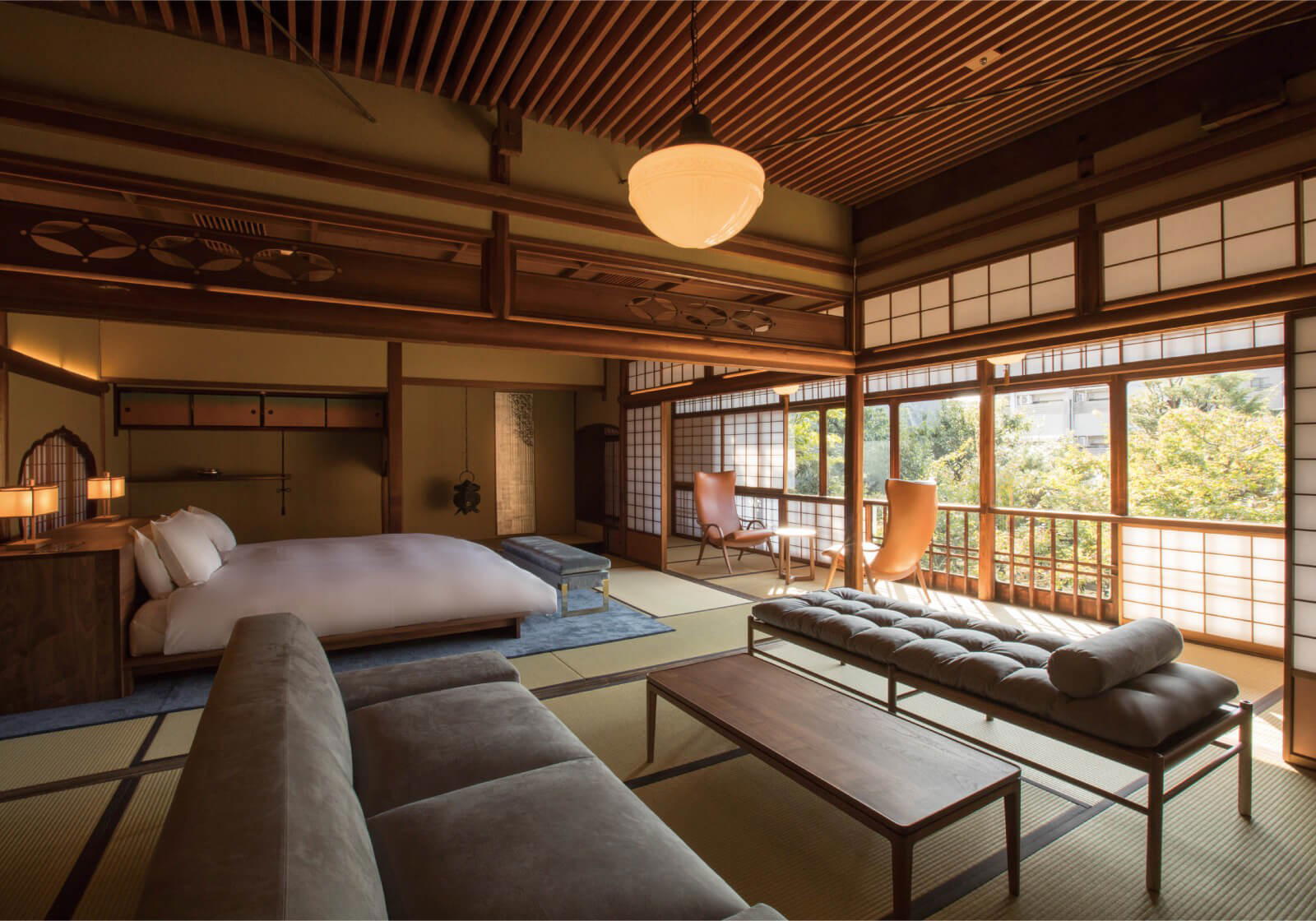
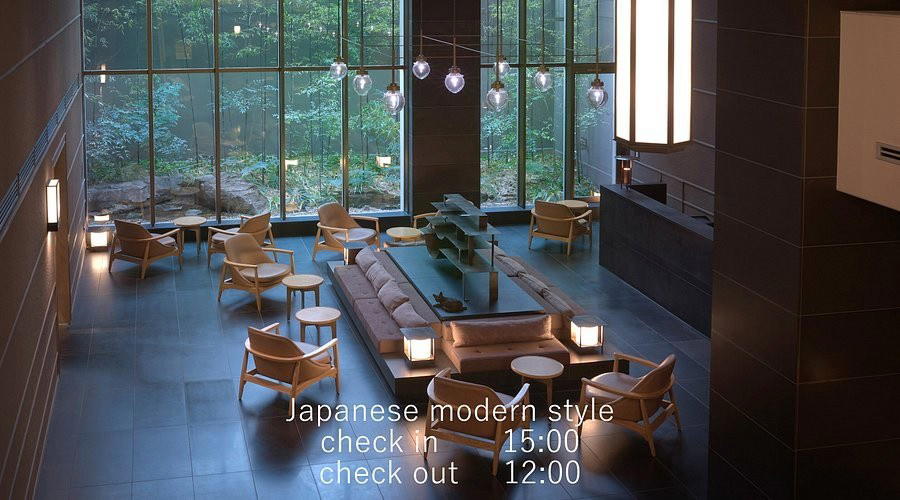
The physical setting reinforces the register. Eight seats. The format is intimate in a way that eliminates the distance between kitchen and table that larger Chinese restaurants rely on for spectacle. At this scale, the meal becomes closer to an omakase experience than a traditional Chinese dining format: the kitchen reads the room, the pacing is controlled, and the sommelier's presence becomes meaningful rather than ornamental.
That wine focus is worth noting specifically. Chinese cuisine and wine pairing remains a contested space in most markets. The presence of a dedicated sommelier at an eight-seat counter charging JPY 40,000–49,999 per dinner signals that the wine programme is not decorative. It is a working part of the experience, which aligns Saika with a tier of Chinese fine dining that has become more visible in Asia over the past decade, where the old assumption that Chinese food pairs leading with tea or beer has been systematically challenged by a generation of chefs and sommeliers treating the cuisine with the same pairing discipline applied to French or Japanese cooking.
Tea, Wine, and the Pairing Question
The tension between tea and wine as the correct partner for refined Chinese cooking has no clean resolution, but it does have a clear trajectory. In the last decade, serious Chinese fine dining rooms across Asia, and increasingly in European capitals, have moved toward hybrid beverage programmes that treat tea as a structural element rather than a default option, while building wine lists calibrated to the specific flavour profiles of high-level Chinese technique: the clean umami of Cantonese-style preparations, the aromatic complexity of Sichuan spicing, the textural register of slow-braised dishes.
A sommelier is on-site. The house is described as "particular about wine." That framing, combined with the counter format and the price point, suggests a programme built around specific pairings rather than a general selection. What it also implies, without the benefit of a verified menu, is that tea is likely handled with similar intentionality at this level. Chinese cooking at JPY 40,000 per head in a city as steeped in tea culture as Kyoto does not treat the question lightly. The intersection of Kyoto's deep tea tradition with Chinese cuisine's own tea heritage, both cultures have sophisticated tea practices that developed largely independently, creates a layered beverage context that few comparable restaurants in Japan can draw on.
For reference, the serious Chinese fine dining conversation in western Japan now includes a small number of counters that operate at similar standards. Canton Shunsai Ikki and Kyo Seika represent adjacent positions in Kyoto's Chinese dining tier, with Kyo Seika operating at a lower price point (¥¥¥ versus Saika's ¥¥¥¥ equivalent). The distinction between these tiers is not just about price, it reflects differences in format depth, beverage programme investment, and the degree to which the kitchen operates as a single counter-driven experience rather than a multi-table service.
Award Trajectory and What It Signals
The award record here is long enough to read as a pattern rather than a moment. Tabelog Bronze in 2017 shifted to Silver in 2018 and has held there continuously through 2026, nine consecutive Silver awards. Three separate inclusions in the Tabelog Chinese WEST "Tabelog 100" (2021, 2023, 2024) confirm consistency within the western Japan Chinese category specifically. The Opinionated About Dining trajectory, Highly Recommended in 2023, ranked #197 in 2024, ranked #124 in 2025, shows a restaurant moving through recognition tiers, not plateauing in them.
Within the broader Japan fine dining context, Saika's OAD ranking of #124 (2025) places it in company that includes rooms across all cuisine categories. HAJIME in Osaka operates in a different cuisine register entirely, but the proximity of top-ranked Osaka rooms matters for visitors planning multi-city itineraries across the Kansai corridor. Further afield, Harutaka in Tokyo illustrates how counter-format restaurants in other Japanese cities occupy similar structural positions, intimacy, fixed format, high price point, even when the cuisine differs entirely.
Restaurant Tim Raue in Berlin and Mister Jiu's in San Francisco each approach Chinese technique from distinct cultural positions, but all three share the same fundamental premise: Chinese cooking treated with the structural seriousness and beverage investment that French or Japanese cuisine receives at comparable price points. The format may look different across continents, but the underlying argument is the same.
Neighbourhood Context
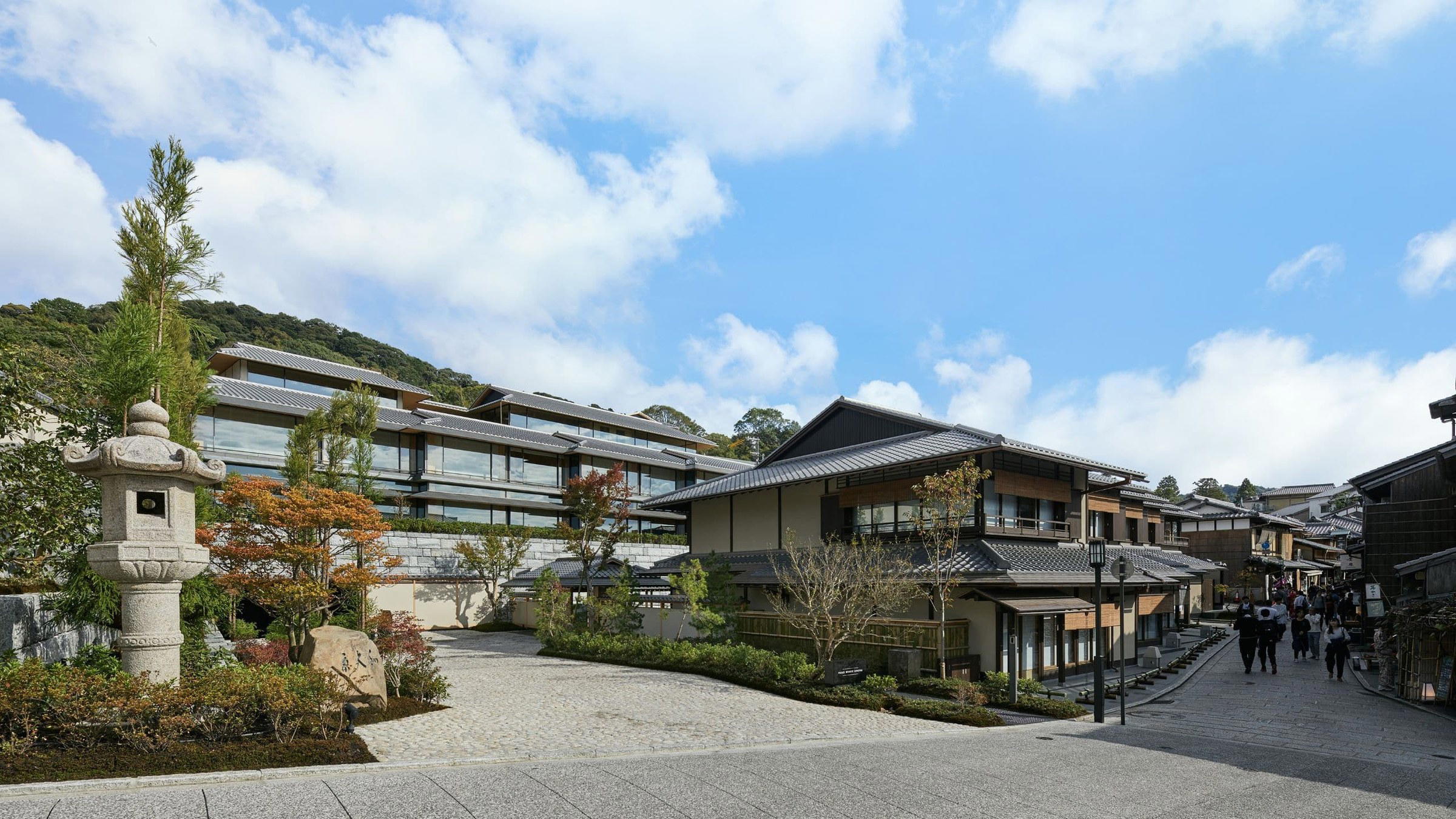
The listed address for Saika sits in Higashiyama Ward, the district that runs along the eastern hills of Kyoto and contains some of the city's most concentrated temple and shrine infrastructure. A house restaurant in this setting operates in a different register than street-level venues in Gion or Kawaramachi. Visitors arriving at dinner hour are arriving at a specific destination, not drifting in from the surrounding foot traffic.
Other Kyoto restaurants worth anchoring around a broader Higashiyama or central Kyoto itinerary include Akihana, Hachiraku, and VELROSIER. For those extending beyond Kyoto, the Kansai and broader Japan fine dining circuit also connects to akordu in Nara, Goh in Fukuoka, 1000 in Yokohama, and 6 in Okinawa. Our guides to Kyoto hotels, Kyoto bars, Kyoto wineries, and Kyoto experiences cover the full city picture.
Planning a Visit
Reservations: Appointment only via TableCheck (online reservation system); new reservations are currently being accepted. Hours: Dinner service Monday through Sunday, 18:00–22:00, with last entry at 20:00; no lunch service. Seats: Eight-seat counter. Budget: JPY 40,000–49,999 per person at dinner (JPY 30,000–39,999 per some review breakdowns). Payment: Credit cards accepted (VISA, JCB, AMEX, Diners); electronic money and QR code payments not accepted. Private use: Available for groups of up to 20. Getting there: Approximately ten minutes by taxi from JR Kyoto Station (Hachijo Exit); approximately 734 metres from Tofukuji station. Parking: Smoking: Non-smoking throughout. Chef: Hiroto Saito. Open since: May 2014.
Frequently asked questions
What are Saika's hours?
Hours at Saika: Hours: Monday 11:30 am–2:30 pm, 5–9 pm Tuesday 11:30 am–2:30 pm, 5–9 pm Wednesday 11:30 am–2:30 pm, 5–9 pm Thursday 11:30 am–2:30 pm, 5–9 pm Friday 11:30 am–2:30 pm, 5–9 pm Saturday 11:30 am–3:30 pm, 5–9 pm Sunday 11:30 am–2:30 pm, 5–9 pm.
What's the address for Saika?
Saika is located at 255 Gionmachi Kitagawa, Higashiyama Ward, Kyoto, 605-0073, Japan, Kyoto.
What kind of recognition has Saika received?
Saika has received recognition including:
What's the must-try dish at Saika?
No specific dishes are confirmed through a verified source, so EP Club does not name individual menu items here. What the record does confirm: dinner runs JPY 40,000–49,999 per person, the eight-seat counter operates appointment-only via TableCheck, and a sommelier is on hand, details that collectively point toward a structured, course-based format rather than à la carte selection. Saika has held Tabelog Silver every year since 2018 and appears in the Tabelog Chinese WEST Top 100, which places it among the most closely tracked Chinese restaurants in western Japan.
Who is the chef at Saika?
The chef associated with Saika is Hiroto Saito.
Cuisine Lens
Comparable venues nearby, for context on price, style, and recognition.
| Venue | Cuisine | Price | Awards | Notes |
|---|---|---|---|---|
| SaikaThis venue (the venue you are viewing) | Modern Sichuan Chinese | $200–300 | Tabelog Silver #113 | Not listed |
| Nishibuchi Hanten | Kyoto-style Chinese | $200–300 | Tabelog 100 #74 | Higashiyama |
| Hirosawa | Modern Chinese | $200–300 | Michelin Plate · Tabelog Silver #37 | Nakagyō |
| Oryori Hayashi | Traditional Kaiseki | $200–300 | La Liste Top Restaurants | Kamigyō |
| Hachiraku | Kyoto-style Chinese | Not listed | Michelin Plate | Higashiyama |
| KOGA | Modern French Fine Dining | $100–150 | 1 Michelin Star · We're Smart World 2 Radishes | Kamigyō |
Recognition history
Dated appearances from independent guides and award organizations, with the underlying list record or original source where available.
Opinionated About Dining Top Restaurants in Japan Recommended
Opinionated About Dining
Tabelog Silver #113
Tabelog
Full recognition history (6 entries)
Tabelog 100 #70 · No. 70
Tabelog · Tabelog 100 - Chinese cuisine - WEST - 2026
Opinionated About Dining Top Restaurants in Japan Ranked #124
Opinionated About Dining
Opinionated About Dining Top Restaurants in Japan Ranked #197
Opinionated About Dining
Opinionated About Dining Top Restaurants in Japan Highly Recommended
Opinionated About Dining
Continue exploring
More in Kyoto
Restaurants in Kyoto
All restaurants in Kyoto →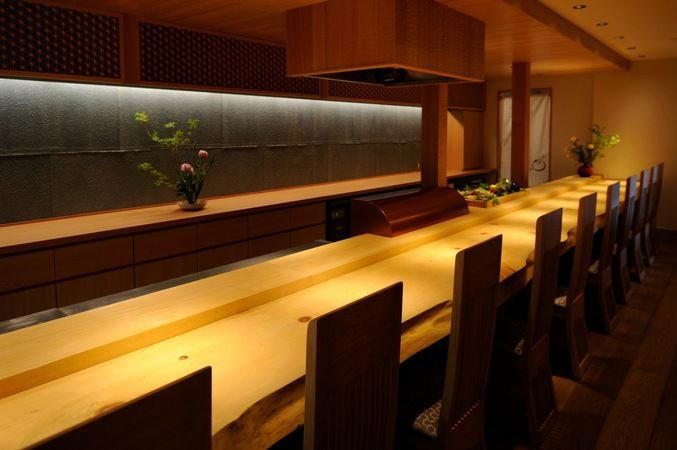
Bars in Kyoto
All bars in Kyoto →
Hotels in Kyoto
All hotels in Kyoto →
Wineries in Kyoto
Browse all →
Saika
The wine
- Wine program
- Deep wine list
- Extensive wine list
- Sake program
Details
- Elegant
- Cozy
- Sophisticated
- Special Occasion
- Date Night
- Sake Program
- Extensive Wine List
- Local Sourcing
- Garden
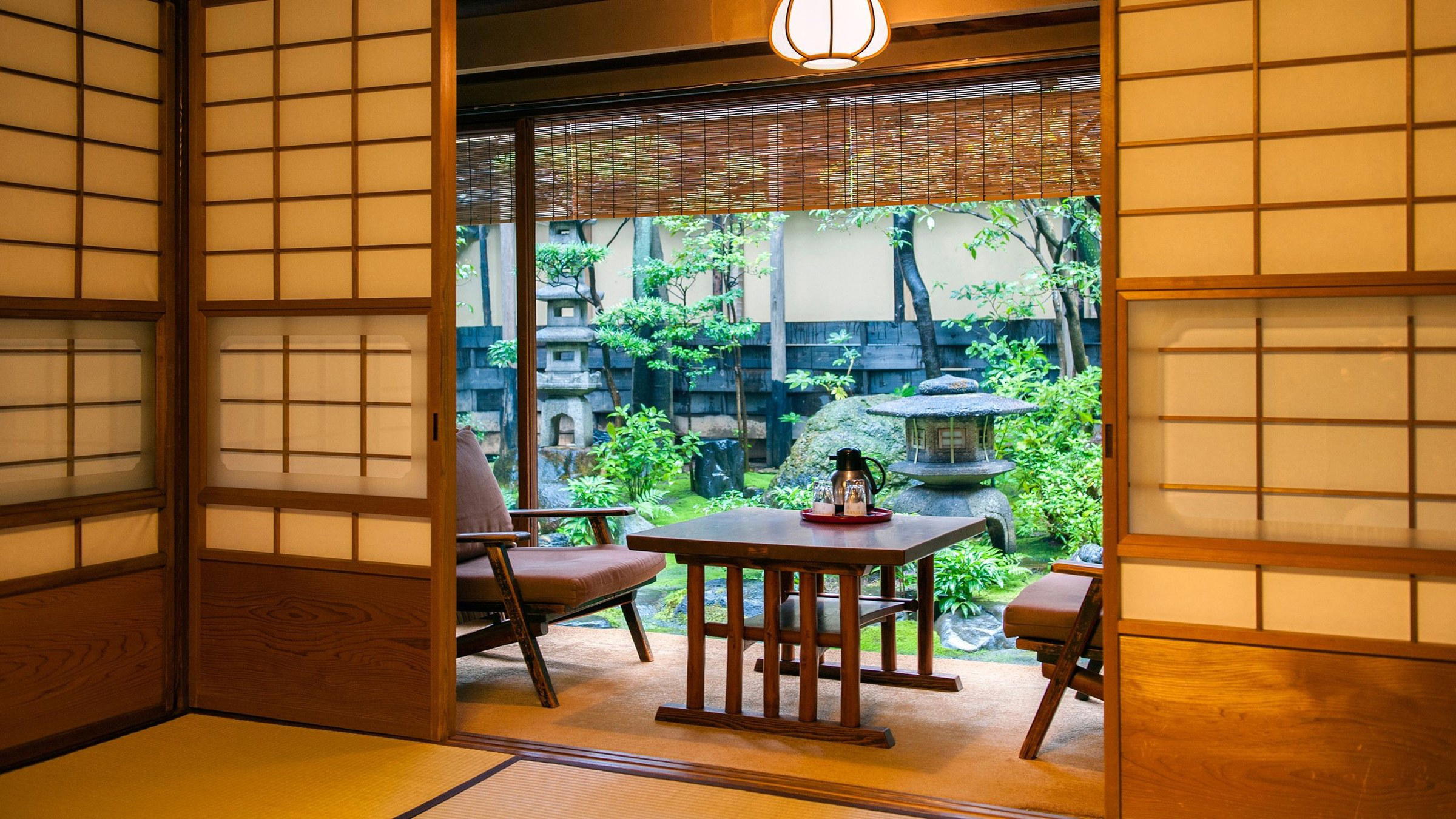
Cozy and relaxing atmosphere with traditional decor, sunken seating, and counter seating in a hideout location.