
Michelin Plate
Our verdict
A French restaurant in Kyoto's Nakagyo Ward holding consecutive Michelin Plates (2024, 2025), Le cadeau builds its identity around classical sauce-making as a primary discipline. The kitchen treats sauce construction not as a finishing step but as the structural logic of each plate, placing it in a small but serious cohort of French addresses operating outside Japan's major French-dining centres.

Pearl is the En Primeur Club membership app, where members save venues, book tables and use the concierge.
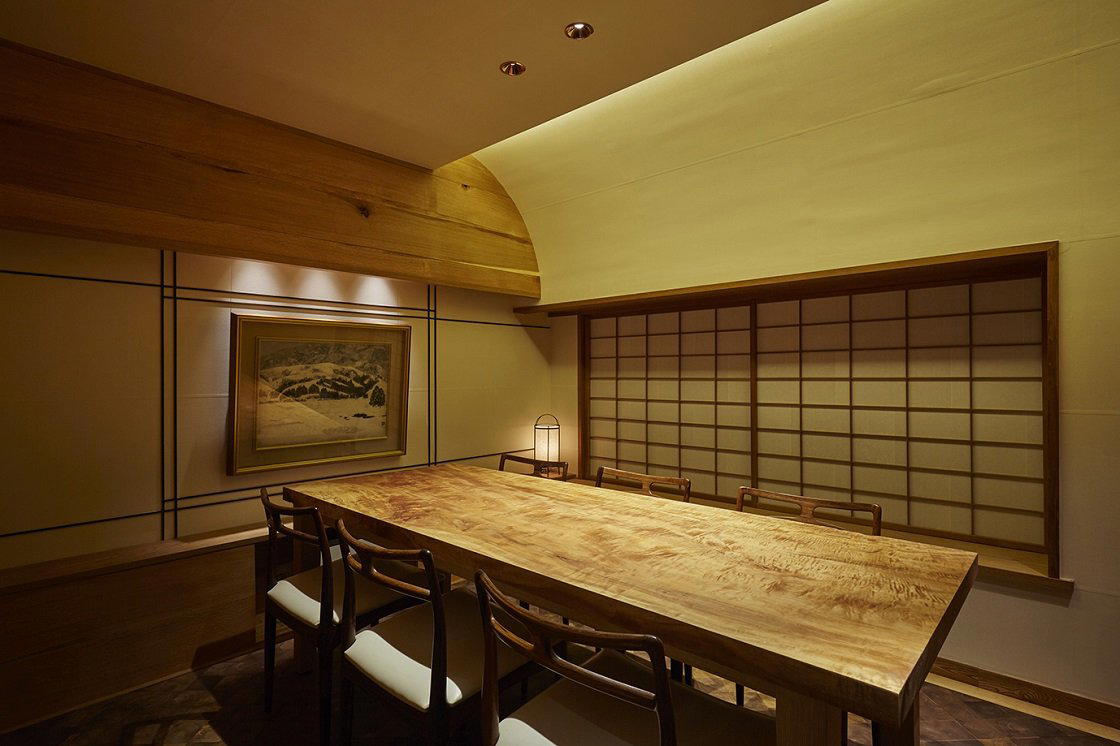
French Sauce Craft in a City Defined by Dashi
Kyoto's culinary identity runs on stock. The city's kaiseki tradition treats dashi, the fundamental broth of kombu and bonito, with the same reverence that classical French kitchens reserve for fond de veau or a reduced fumet. That shared obsession with liquid as the carrier of flavour, built slowly from quality raw materials, is what makes Kyoto an unusually receptive environment for serious French cooking. It is a French kitchen that takes sauces as its central discipline, in a city that already understands why that matters.
Nakagyo Ward sits between Kyoto's more tourist-heavy southern districts and the quieter residential north, and it concentrates a particular kind of serious mid-tier dining: smaller rooms, fixed formats, and menus that reflect a single kitchen's point of view rather than a hotel group's brief. Le cadeau fits that pattern. The address itself, in a compact building on a side street, signals the kind of restaurant that rewards those who know to look for it rather than those who wander past.
The Logic of the Sauce
In classical French cuisine, the sauce is where technique becomes visible. A well-reduced glace de viande, a properly emulsified beurre blanc, a sauce that holds its texture and clarity from kitchen to plate: these are the products of accumulated skill, and they are the first things a knowledgeable diner reads when evaluating a kitchen's credentials. Le cadeau's Michelin Plate recognition in both 2024 and 2025 places it within a tier of French restaurants in Japan that are considered worth seeking out, without yet reaching the starred bracket. The restaurant's own framing of its identity, centred on sauces as the gift referenced in its name, is an unusually direct statement of culinary intent for a market where many French restaurants in Japan let the ingredients carry the headline and treat the sauce as context.
The tradition the kitchen draws from is long. Jean Anthelme Brillat-Savarin, the nineteenth-century French gastronome whose aphorisms shaped how educated diners talked about food for two centuries, understood French cuisine as inseparable from the craft of flavour construction. His framework, that good cooking is fundamentally about understanding the relationship between ingredients and the media through which they are expressed, is exactly what a sauce-forward kitchen is testing with every plate. In Kyoto, where that same philosophy operates across the kaiseki tradition using different ingredients and vocabulary, the conversation between the two approaches is implicit in every service.
Where Le cadeau Sits in Kyoto's French and European Field
Kyoto has developed a coherent cluster of French and European kitchens operating at the ¥¥¥ to ¥¥¥¥ tier, each with a distinct culinary logic. Droit and la bûche represent other points in the French cooking spectrum within the city, while La Biographie··· extends the range of European-inflected options. anpeiji takes a different direction entirely. The kaiseki houses, including Hiramatsu Kodaiji, operate at ¥¥¥¥ and anchor the city's Japanese fine dining tier.
Le cadeau's ¥¥¥ positioning places it in a mid-premium bracket that invites comparison with cenci, the Italian address working at the same price tier, and Kyo Seika in Chinese cuisine at ¥¥¥. Le cadeau's consecutive Michelin Plates indicate a kitchen that has cleared the recognition threshold without yet reaching the starred tier, which is a meaningful credential in a country where Michelin Japan evaluates French restaurants with particular rigour.
Across Japan, the French restaurant scene has developed regional centres of gravity. HAJIME in Osaka holds three stars and represents the pinnacle of French cooking in the Kansai region. Further afield, Harutaka in Tokyo, akordu in Nara, Goh in Fukuoka, 1000 in Yokohama, and 6 in Okinawa extend the picture of how European-influenced fine dining has dispersed across the country. Le cadeau is Kyoto's own contribution to that spread: a French kitchen that has embedded itself in a city where the local culinary tradition provides an unusually informed audience for its central preoccupation.
Provenance and the Plate
The terroir argument for French cooking in Kyoto is not direct, but it is real. Kyoto vegetables, known locally as kyo yasai, include varieties cultivated specifically for their flavour in prepared dishes rather than raw eating: Kamo eggplant with its dense flesh and capacity to absorb sauces, Manganji peppers with low heat and pronounced sweetness, Kyoto carrots bred for their colour and sugar content. A French kitchen working in this environment has access to ingredients that interact with classical sauce techniques in ways that are not available outside the region.
The sauce tradition in French cooking is itself a form of terroir-thinking: the idea that a reduction made from bones and aromatics carries the flavour logic of the animal and the land, concentrated and clarified. In Kyoto, where dashi performs an analogous function across centuries of cooking, that argument lands with an audience already trained to think in those terms.
Planning Your Visit
| Detail | Le cadeau | Comparable Kyoto mid-tier |
|---|---|---|
| Cuisine | French | Italian (cenci), Chinese (Kyo Seika) |
| Price tier | ¥¥¥ | ¥¥¥ (same bracket) |
| Recognition | Michelin Plate 2024, 2025 | Varies |
| Not directly comparable | ||
| Location | Nakagyo Ward, Suemarucho | Dispersed across Kyoto wards |
| Booking | Varies by address |
For the wider Kyoto dining field, see our full Kyoto restaurants guide, and for planning the full trip, consult our Kyoto hotels guide, bars guide, wineries guide, and experiences guide.
What Do Regulars Order at Le cadeau?
What the restaurant's own framing makes clear is that the sauce courses are the structural centre of the meal, not the garnish. Regulars at French restaurants built around classical sauce discipline tend to order in a way that lets the kitchen's primary skill show: protein-forward courses where the sauce has room to demonstrate its construction, rather than dishes where the main ingredient is designed to carry the plate alone. The specific dishes on the current menu are best confirmed at booking.
Frequently asked questions
Does Le cadeau have a Michelin star or similar recognition?
Le cadeau has received recognition including: Drawn to the art of sauces, the chef came to appreciate the depth and complexity of French cuisine. The right sauces lend flavour and texture to each dish, accentuating each ingredient and bringing the plate together in a harmonious whole. ….
What do regulars order at Le cadeau?
The restaurant's own framing centres entirely on sauces, positioning them as the defining element that brings each plate together. Given that the kitchen holds a Michelin Plate for 2024 and 2025, the sauce-forward dishes are almost certainly what keeps guests returning.
How much does it cost to eat at Le cadeau?
Pricing at Le cadeau is listed as ¥¥¥.
Side-by-Side Snapshot
Comparable options at a glance, pulled from our tracked venues.
| Venue | Cuisine | Price | Awards | Notes |
|---|---|---|---|---|
| Le cadeauThis venue (the venue you are viewing) | Modern French Fine Dining | $50–100 | Michelin Plate | Not listed |
| Gion Sasaki | Modern Kaiseki | $300–500 | 3 Michelin Stars · La Liste Top Restaurants | Kaiseki, Japanese |
| cenci | Innovative Italian-Japanese Fusion | $100–150 | 1 Michelin Star · World's 50 Best #76 | Italian |
| Ifuki | Sumibi Kappo Kaiseki | $200–300 | 2 Michelin Stars · La Liste Top Restaurants | Kaiseki |
| Kyokaiseki Kichisen | Kyoto Kaiseki | $200–300 | 2 Michelin Stars · La Liste Top Restaurants | Japanese |
| Kyo Seika | Modern Chinese Fine Dining | $150–200 | 1 Michelin Star · Tabelog Bronze #216 | Chinese |
Recognition history
Dated appearances from independent guides and award organizations, with the underlying list record or original source where available.
Michelin Plate
Michelin
Full recognition history (3 entries)
Michelin Plate
Michelin
Michelin Plate
Michelin
Continue exploring
More in Kyoto
Restaurants in Kyoto
All restaurants in Kyoto →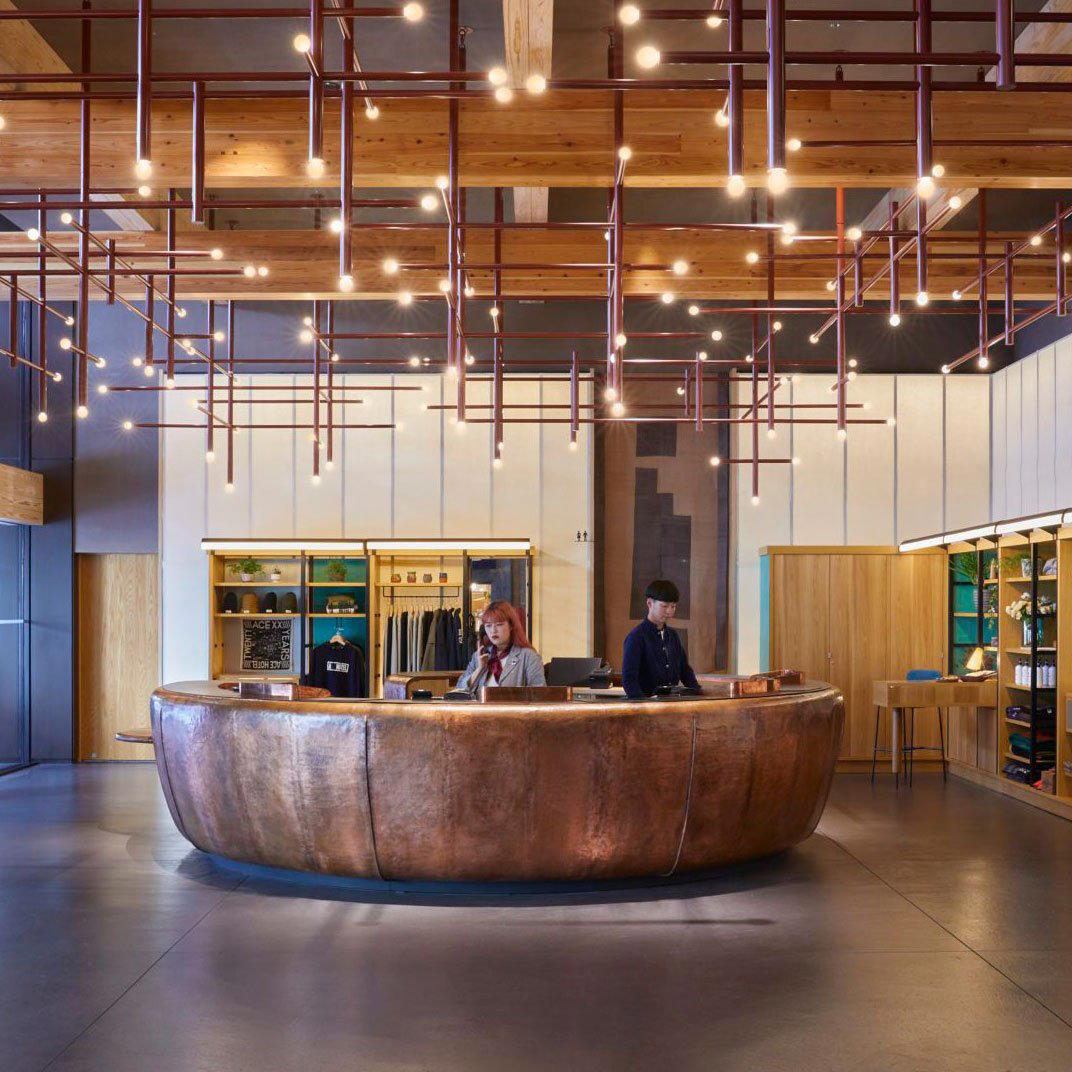
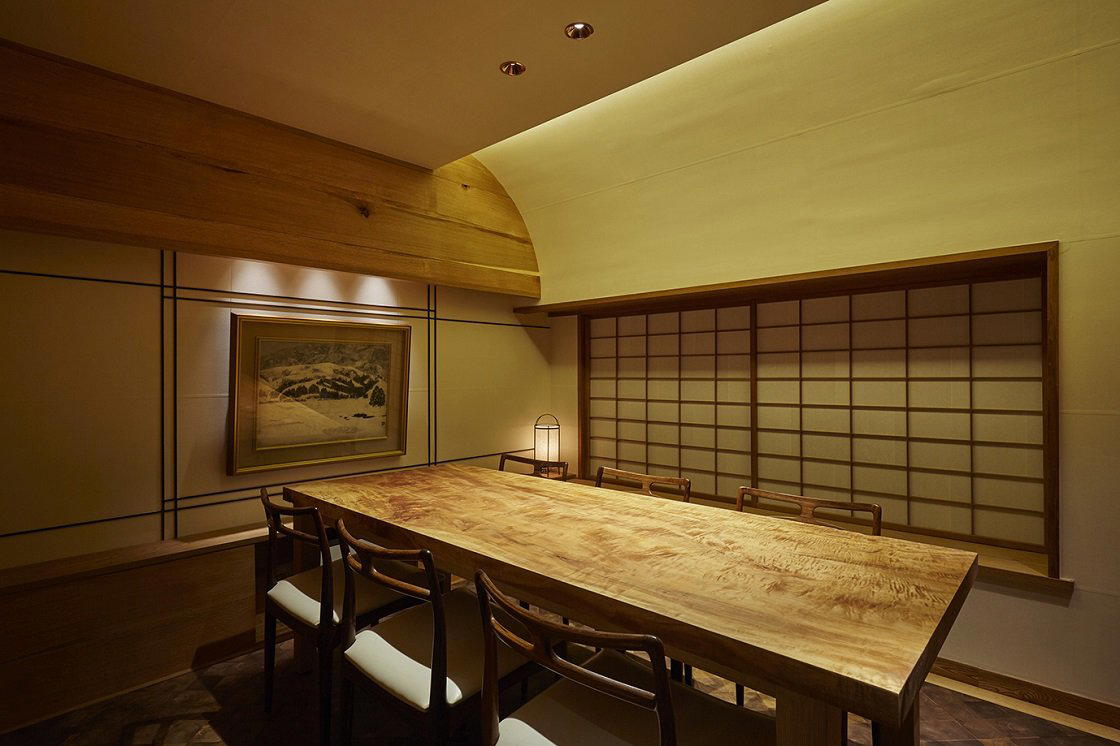
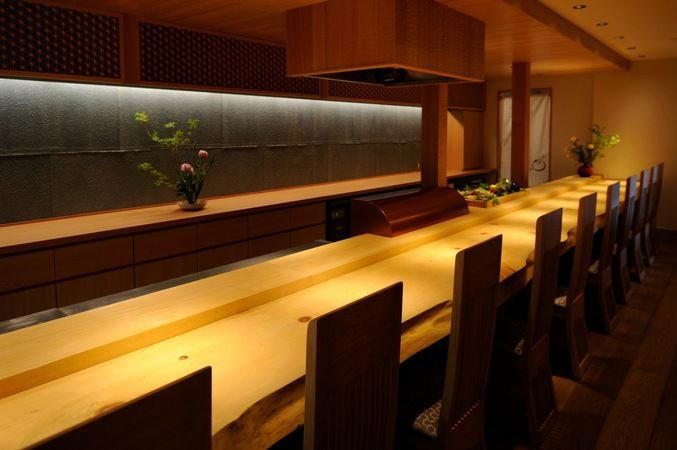
Bars in Kyoto
All bars in Kyoto →
Hotels in Kyoto
All hotels in Kyoto →
Wineries in Kyoto
Browse all →
Details
- Intimate
- Elegant
- Sophisticated
- Serene
- Date Night
- Special Occasion
- Extensive Wine List
- Local Sourcing
- Tasting Menu
- Prix Fixe
Current opening hours
- Monday
- 12–1:30 AM, 12–3 PM, 6–10 PM
- Tuesday
- 12–1:30 AM, 12–3 PM, 6–10 PM
- Wednesday
- 12–1:30 AM, 12–3 PM, 6–10 PM
- Thursday
- Closed
- Friday
- 12–1:30 AM, 12–3 PM, 6–10 PM
- Saturday
- 12–1:30 AM, 12–3 PM, 6–10 PM
- Sunday
- 12–1:30 AM, 12–3 PM, 6–10 PM
Hours can change for holidays and private events. Hours as of .
Serene and stylish with a harmonious blend of traditional Japanese aesthetics and sophisticated French dining, praised for its peaceful, inviting atmosphere and polished service.