

A Michelin Bib Gourmand-recognised Chinese restaurant in Kyoto's Higashiyama Ward, Canton Shunsai Ikki draws on Guangdong culinary technique and cooks with rice bran oil to coax clean, fragrant flavour from seasonal ingredients. The mid-range price point (¥¥) and tight booking window make early planning essential. Rated 4.4 on Google across 107 reviews.
Pearl is the En Primeur Club membership app — saves, bookings, and concierge access live there. Same editors, same standards.
- Address
- 17-5 Bishamoncho, Higashiyama Ward, Kyoto, 605-0812, Japan
- Phone
- +81 75-744-1947
- Website
- tabelog.com
- Directions
- Get directions
 Saves & bookings on Pearl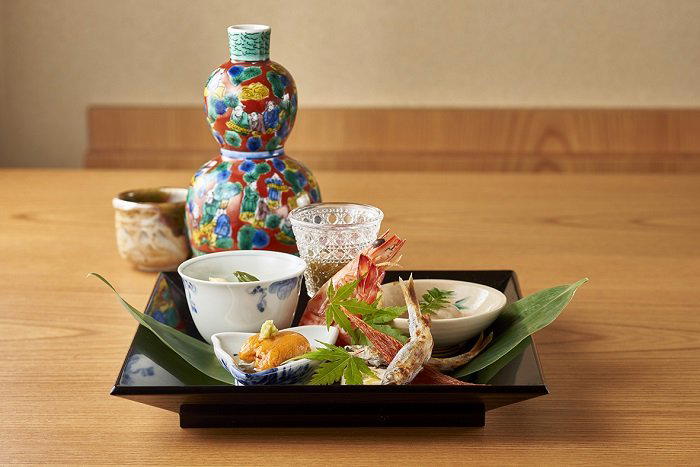
Where Guangdong Technique Meets Kyoto Seasonality
Higashiyama Ward moves at a different pace from Kyoto's commercial centre. The stone-paved lanes around Bishamoncho draw visitors for temples and machiya townhouses, but the neighbourhood's restaurant scene rewards those who look past the obvious tourist-facing formats. Within that context, a Guangdong-trained kitchen at mid-range prices occupies an unusual position: it is neither a special-occasion kaiseki room nor a cheap lunch stop, but something more considered in between.
Canton Shunsai Ikki sits at 17-5 Bishamoncho, Higashiyama Ward, a location that places it within walking distance of some of Kyoto's most visited precincts. The lane is quiet, and first-time visitors benefit from checking the exact block before arrival.
The Logic of Bringing Guangdong to Kyoto
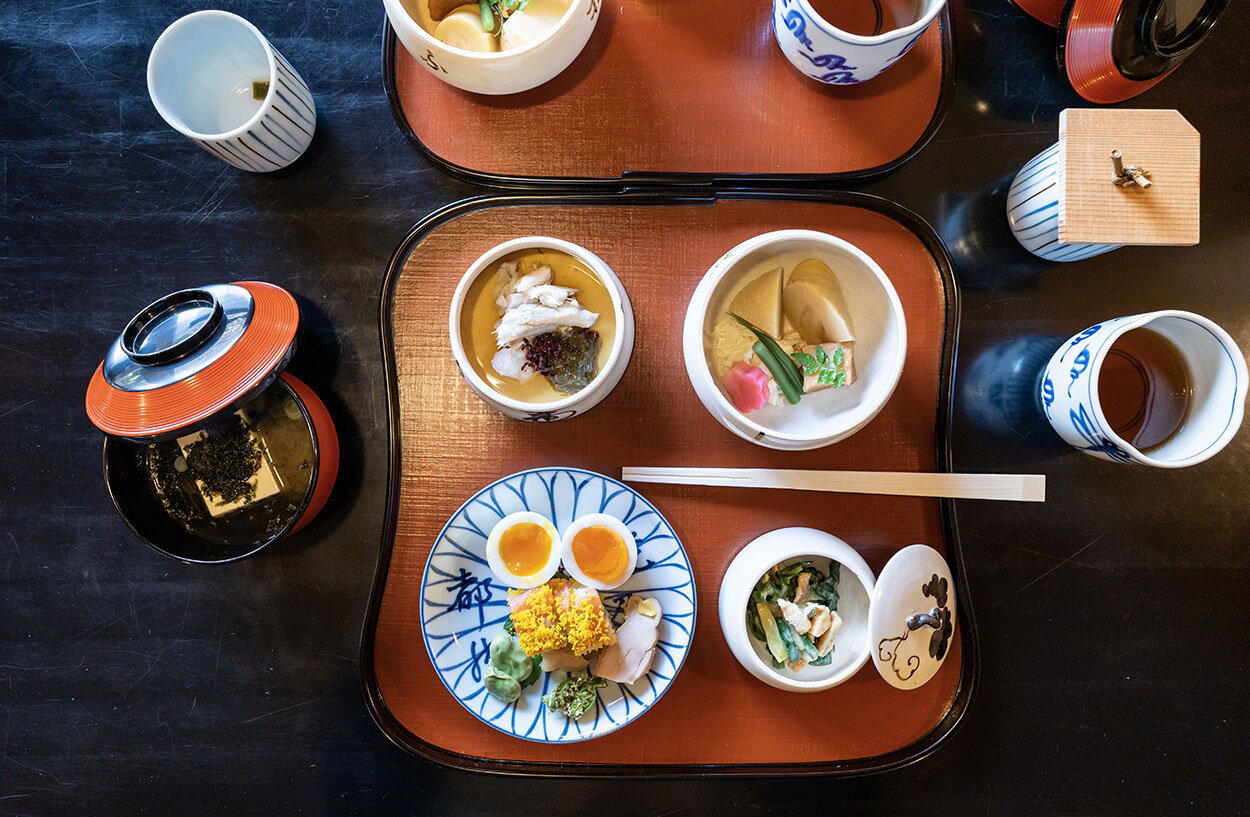
The pairing of Guangdong cooking with Kyoto as a host city is less arbitrary than it might appear on a map. Both food cultures share a fundamental orientation: seasonal produce treated with restraint, cooking methods that preserve rather than transform, and a preference for clean, trailing flavour over heavy sauce. Guangdong's classical tradition prizes the natural character of each ingredient, relying on technique, heat control, and fat quality to draw out what is already present. Kyoto's own dining culture, built across centuries of kaiseki refinement, operates on similar principles. The result at Canton Shunsai Ikki is a coherence that goes beyond novelty, with light seasoning and rice bran oil doing the work that heavier kitchens would assign to cream or soy reduction.
The Guangdong region, like Kyoto's hinterland, benefits from a geography that supplies sea, mountain, and river ingredients within reach of a single kitchen. That material abundance, when filtered through a chef trained in Guangdong's wok discipline, produces a menu built around fresh vegetables in season alongside proteins prepared with the oil control and flame management that Cantonese cooking demands. Rice bran oil, specifically, contributes a clean fragrance and a lightness on the palate that aligns with how Kyoto diners have historically read quality: not in richness, but in precision.
Where It Sits in Kyoto's Chinese Dining Tier
Kyoto's Chinese restaurant scene is small relative to the city's overall dining depth, which skews heavily toward Japanese formats, kaiseki at the leading end and izakaya, ramen, and tofu cuisine further down. The Chinese tier that does exist spans a considerable range. At the higher end, Kyo Seika holds a Michelin star at the ¥¥¥ price point, representing the more formal, higher-spend bracket of Chinese cooking in the city. Canton Shunsai Ikki positions one tier below in price (¥¥) while still carrying Michelin recognition through the Bib Gourmand, which the guide awards for high quality at moderate cost. That positioning is meaningful: it signals a kitchen that has been assessed at inspection standard but priced to sit outside the occasion-dining category.
The broader Kyoto dining context is dominated by kaiseki rooms across multiple price tiers. Akihana, Hachiraku, and hakubi represent the Japanese-cuisine end of the city's mid-to-upper restaurant range. VELROSIER and Kyo Seika reflect different angles on non-Japanese cooking with Michelin recognition. The restaurant occupies a specific gap in that spread: Guangdong technique, mid-market price, and a location in one of the city's most historically textured wards.
For comparison beyond Kyoto, diners familiar with places like HAJIME in Osaka or Harutaka in Tokyo will recognise the Michelin calibration system, even if the cuisine categories differ entirely. And for those tracking how Chinese cooking translates into non-Chinese urban contexts internationally, Restaurant Tim Raue in Berlin and Mister Jiu's in San Francisco offer useful reference points for how Cantonese-influenced kitchens operate in foreign culinary environments.
Planning Your Visit: What to Know Before You Book
Michelin recognition has a well-documented effect on booking demand at mid-range restaurants: it broadens the audience beyond specialist food-travellers and compresses available reservations across evenings and weekends. At a small restaurant in a residential Higashiyama lane, that pressure is felt quickly. Visitors planning a Kyoto itinerary are advised to treat the restaurant with the same booking discipline applied to one-star restaurants in the city, even though the price point sits lower. Leaving it to arrival week in a city as visited as Kyoto, particularly during cherry blossom season (late March to mid-April) or autumn foliage season (mid-November), carries real risk of finding no availability.
Reservations are essential, and one reliable approach is to contact the restaurant directly in Japanese or to ask a hotel concierge to make the reservation on your behalf. Higashiyama Ward hotels and ryokan with concierge services are well-placed for this. Visitors staying elsewhere in the city should factor in the request lead time when planning. The address, 17-5 Bishamoncho, is precise enough to navigate by map, and the Higashiyama area is walkable from several central Kyoto districts, though taxi or rideshare from Kyoto Station is the more practical option for first-time visitors with luggage or limited time.
The ¥¥¥ price range places the restaurant in a bracket where a full meal for two typically lands around US$80 per person.
Cost and Credentials
Comparable venues nearby, for context on price, style, and recognition.
| Venue | Cuisine | Price | Awards | Notes |
|---|---|---|---|---|
| Canton Shunsai IkkiThis venue — the venue you are viewing | Chinese | $$$ | Bib Gourmand | Not listed |
| Akihana | Sakyō, Sichuan Chinese | $$ | Bib Gourmand | Not listed |
| Juu-go | Not listed | $$$ | Bib Gourmand | Sakyō, Handmade 100% Buckwheat Soba |
| Shichiku Kiko | Kita, Seasonal Kyoto Kaiseki | $$$ | Bib Gourmand | Not listed |
| Itsutsu | Kita, Luxury Soba Kaiseki | $$$ | Bib Gourmand | Not listed |
| Yamagishi | Nakagyō, Kaiseki | $$$ | Michelin Plate | Not listed |
Recognition history
Dated appearances from independent guides and award organizations, with the underlying list record or original source where available.
Michelin Bib Gourmand
Michelin
Tabelog 100 #81 · No. 81
Tabelog · Tabelog 100 - Chinese cuisine - WEST - 2026
Michelin Bib Gourmand
Michelin
Michelin Bib Gourmand
Michelin
Continue exploring
More in Kyoto
Restaurants in Kyoto
Browse all →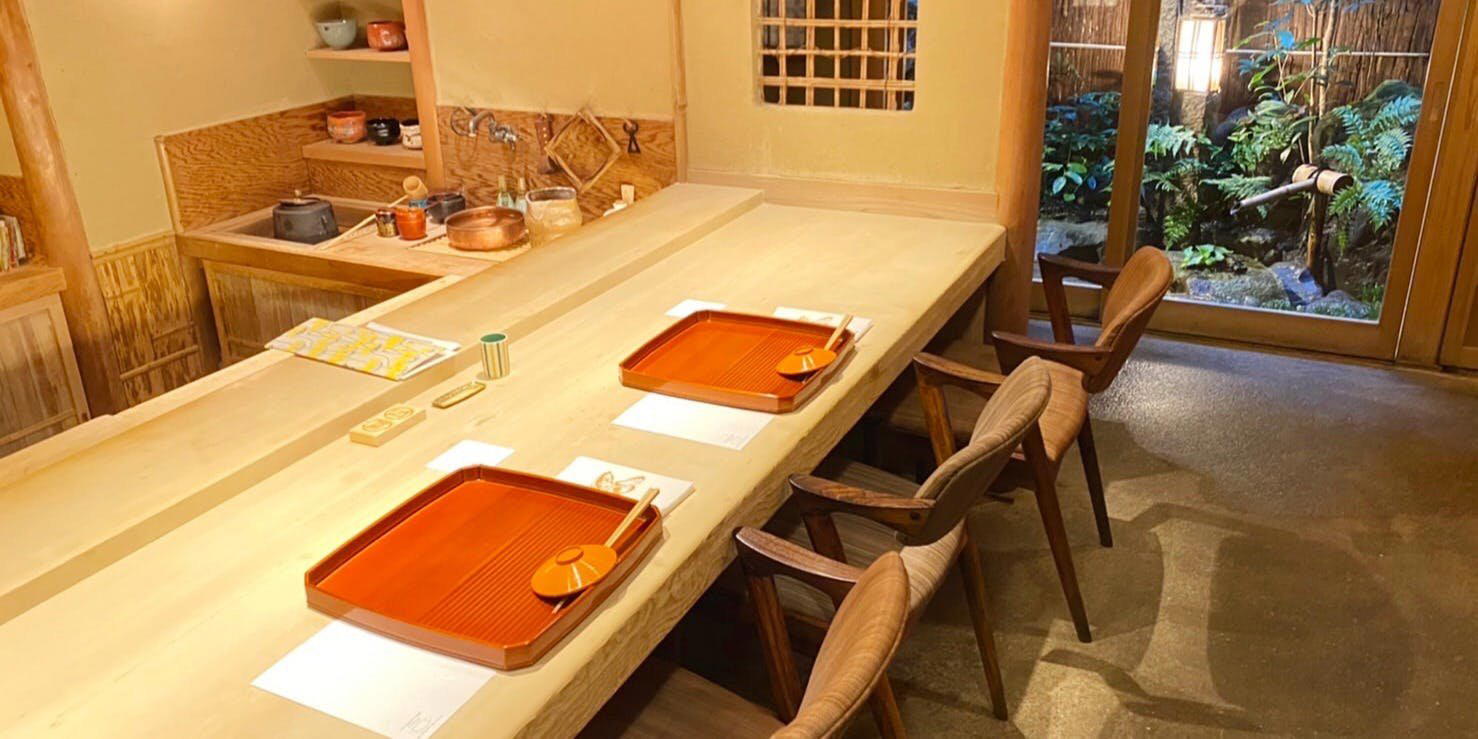
Bars in Kyoto
Browse all →
Hotels in Kyoto
Browse all →
Wineries in Kyoto
Browse all →
At a Glance
- Quiet
- Intimate
- Elegant
- Cozy
- Date Night
- Special Occasion
- Chefs Counter
- Open Kitchen
- Sake Program
- Local Sourcing
Current opening hours
- Monday
- 4:45–7 PM, 7:15–9:30 PM
- Tuesday
- 4:45–7 PM, 7:15–9:30 PM
- Wednesday
- 4:45–7 PM, 7:15–9:30 PM
- Thursday
- Closed
- Friday
- 4:45–7 PM, 7:15–9:30 PM
- Saturday
- 11:30 AM–1 PM, 4:45–7 PM, 7:15–9:30 PM
- Sunday
- 11:30 AM–1 PM, 4:45–7 PM, 7:15–9:30 PM
Hours can change for holidays and private events. Last verified .
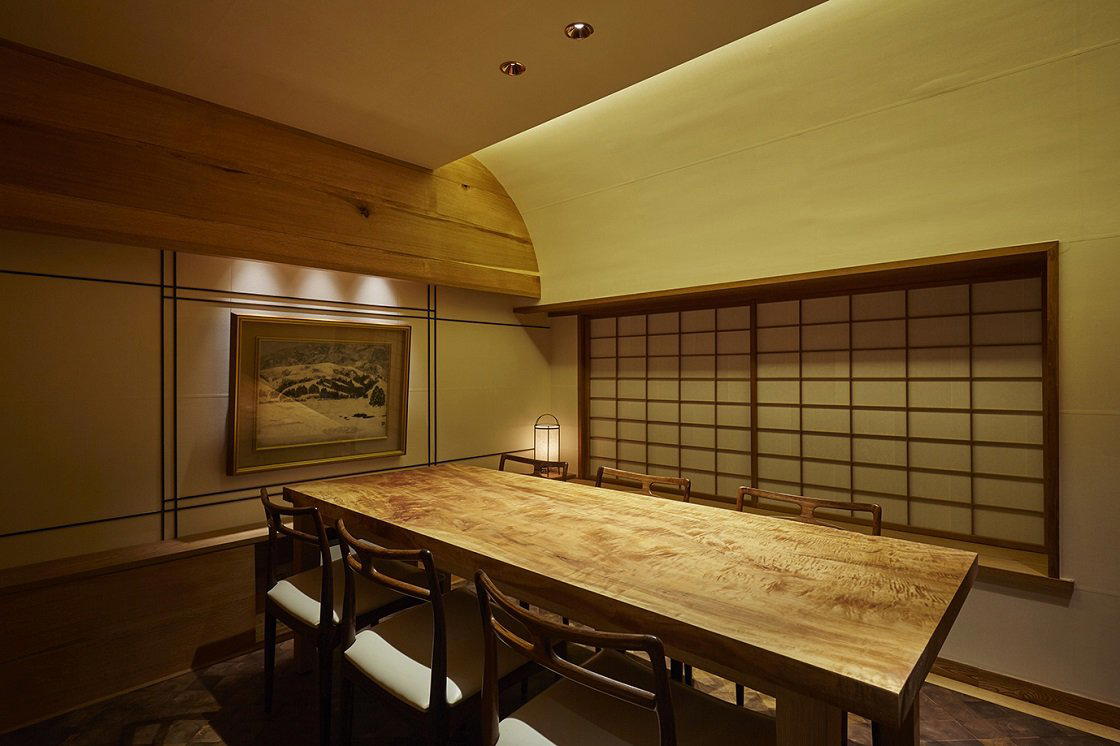
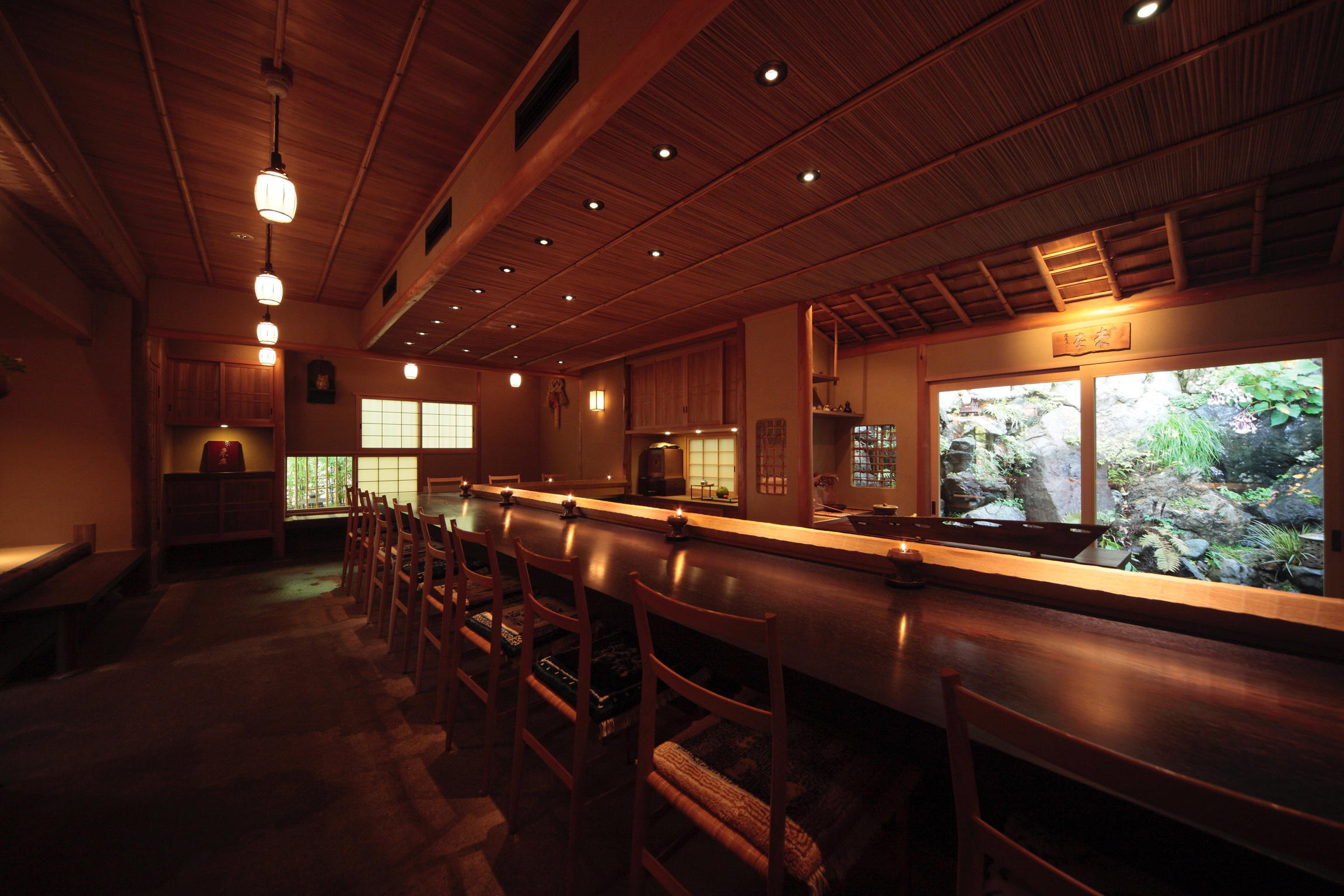
Compact counter seating with warm wood surfaces, subtle lighting, calm and focused atmosphere emphasizing flavor and privacy.