
A Michelin Bib Gourmand recipient two consecutive years running, Akihana operates in Kyoto's Ichijoji neighbourhood where a chef trained in creative Chinese cooking returns to regional fundamentals. Sichuan preparations anchor the menu, with a signature mapo tofu built on wagyu beef sinew rather than ground meat, and an XO sauce fried rice that threads Suruga coastal ingredients through Kyoto's culinary register.
Pearl is the En Primeur Club membership app — saves, bookings, and concierge access live there. Same editors, same standards.
- Address
- Japan, 〒606-8167 Kyoto, Sakyo Ward, Ichijoji Hinokuchicho, 27 コーポラス禅 1F東
- Phone
- +81 75-285-1140
- Website
- instagram.com
- Directions
- Get directions
 Saves & bookings on Pearl
Chinese Regional Cooking, Kyoto Neighbourhood Scale
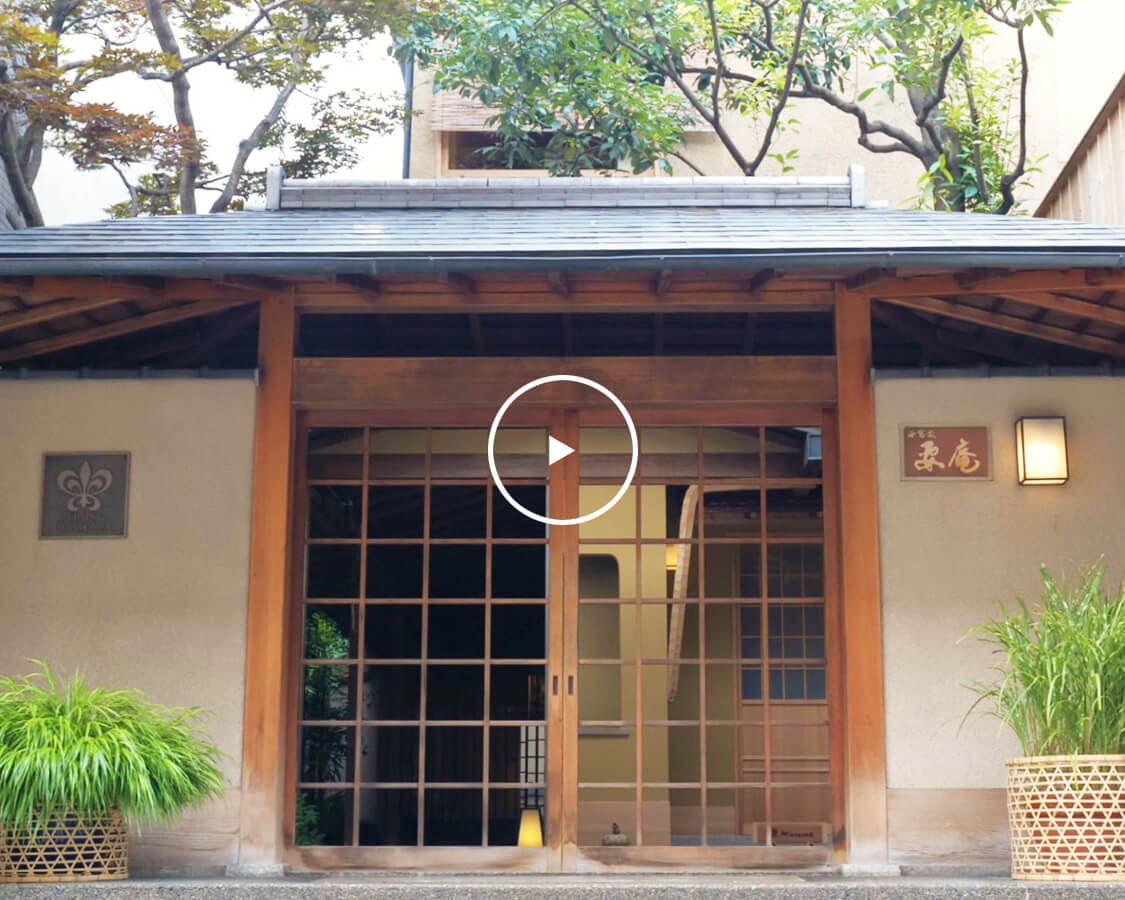
Ichijoji sits northeast of central Kyoto, a district better known for ramen shops and student bars than for Chinese cooking of any serious ambition. That makes Akihana a study in deliberate placement. The restaurant occupies the ground floor of a low-rise residential building on Hinokuchicho, a setting that announces nothing about what happens at the table inside. Across Japanese cities, particularly considered cooking has long operated at exactly this kind of address: no lantern, no ceremony at the door, no architectural signal to slow the passing pedestrian. The experience begins when you sit down.
The broader context matters here. Kyoto's Chinese restaurant scene is smaller than Osaka's and, by design, more restrained. Where Osaka's Chinatown-adjacent dining culture skews toward volume and familiarity, Kyoto's handful of recognised Chinese addresses tend toward precision formats. Kyo Seika, holding a Michelin star at the ¥¥¥ tier, sits above Akihana's price bracket and aims at a more formal register. Akihana at ¥¥ represents a different proposition: Bib Gourmand cooking, accessible by price, uncompromising in its sourcing logic.
What Bib Gourmand Actually Means at This Level
Two consecutive Michelin Bib Gourmand awards, in 2024 and 2025, put Akihana inside a specific category of recognition: restaurants where the quality-to-price ratio is judged to exceed what the price point would ordinarily predict. In a city whose restaurant stock tilts heavily toward kaiseki at the upper end and direct teishoku at the lower, a Chinese address holding back-to-back Bib Gourmand recognition occupies a narrow, competitive position. For reference, Kyoto's starred tables, including three-star VELROSIER and two-star Ifuki, operate at price points that represent a fundamentally different commitment. Akihana prices in an accessible band without softening its culinary ambitions.
That distinction matters when deciding where Akihana sits in a broader Japan itinerary. Visitors moving through the Kansai region and extending into dining experiences at HAJIME in Osaka or akordu in Nara may find Akihana useful as a contrast: a lower-commitment meal that still carries institutional endorsement. The same logic applies if your itinerary passes through Harutaka in Tokyo, Goh in Fukuoka, or further afield at 1000 in Yokohama and 6 in Okinawa.
Sichuan Foundations and the Mapo Tofu Question
Sichuan cooking forms the structural core of the menu. Steamed chicken with spicy sauce, twice-cooked pork, and shrimp in chili sauce are all present, and they represent the kind of regional fidelity that distinguishes a kitchen working within a tradition rather than sampling from it. Each of those dishes has a clear technical standard against which any cook can be measured: the sauce balance on the spicy chicken, the fat rendering on the pork, the heat calibration on the shrimp. These are not decorative choices; they are a declaration of what the kitchen believes it can execute.
The mapo tofu carries the strongest editorial weight in the menu description. Where the conventional preparation uses ground pork or beef, this version substitutes wagyu beef sinew, a material that behaves differently in the sauce, releasing collagen slowly and creating a texture and richness that ground meat cannot replicate. The dish is described in the Michelin notes as a true original, which for a preparation as codified as mapo tofu is a substantive claim. It also reflects a broader tendency in Japan's Chinese restaurant culture: the use of Japanese premium ingredients inside Chinese frameworks, a conversation between culinary systems rather than a simple transplant of one into the other. Internationally, this cross-cultural ambition appears in different registers at Restaurant Tim Raue in Berlin and Mister Jiu's in San Francisco, where Chinese cooking is inflected by local ingredients and culinary reference points.
Tea as the Natural Partner Here
Chinese regional cooking of this type, Sichuan-forward, oil-rich, intensely spiced, has a long-established relationship with tea that operates as more than palate-cleansing ritual. In Sichuan and Chongqing, tea culture and food culture are interwoven at the civic level; teahouses historically served as sites where food, conversation, and drink occupied equal standing. At a small neighbourhood restaurant in Kyoto working within this tradition, the question of what to drink alongside the food is not trivial.
Chinese teas that pair credibly with Sichuan preparations include pu-erh, whose fermented earthiness has an affinity for chili-laden sauces and fatty cuts, and lighter oolongs, which provide aromatic contrast to heavier mains without competing with spice. Kyoto's own tea culture, centred on Uji matcha and deep-steamed sencha, creates a secondary layer of interest: a kitchen chef trained in creative Chinese cooking, now working in one of Japan's most tea-saturated cities, is operating in an environment where beverage decisions carry cultural weight.
For visitors building a full picture of Kyoto's food and drink culture across a longer stay, our full Kyoto bars guide and our full Kyoto experiences guide offer complementary reference points, while Hachiraku and hakubi represent the kind of adjacent Kyoto dining worth placing in conversation with Akihana's register. The Canton Shunsai Ikki in Kyoto also operates in the Chinese space and provides a useful comparative frame for how the city's smaller Chinese dining circuit distributes itself across price and format.
The Suruga Thread: Where Shizuoka Enters the Picture
The XO sauce fried rice introduces a geographic strand that runs counter to the Sichuan concentration. XO sauce is a Hong Kong invention, traditionally built from dried scallops, dried shrimp, and cured ham. Here, the version incorporates stardust shrimp and dried fish fry connected to chef Ygor Lopes's Shizuoka origins, specifically the Suruga region, a Pacific-facing coastal area with a distinct dried seafood and fishery culture. The result is not fusion in any diluted sense but rather a deliberate cross-referencing: Suruga coastal ingredients entering a Hong Kong-origin sauce framework, served in a Kyoto restaurant operating within a Sichuan-accented Chinese menu. That layering of geographic reference is where the kitchen's identity becomes legible as something more than category exercise.
Planning Your Visit
Akihana sits in Sakyo Ward's Ichijoji district, reachable by local bus or a short taxi from central Kyoto. The ¥¥ price positioning makes this one of the more accessible Bib Gourmand addresses in the city relative to its category peers.2 average. The restaurant's address is Ichijoji Hinokuchicho 27, Sakyo Ward, Kyoto. For the broadest view of where Akihana sits within Kyoto's full dining spectrum, consult our full Kyoto restaurants guide.
Nearby-ish Comparables
Comparable venues nearby, for context on price, style, and recognition.
| Venue | Cuisine | Price | Notes |
|---|---|---|---|
| AkihanaThis venue — the venue you are viewing | Sichuan Chinese | $$ | Not listed |
| NOODLE SHOP RENNOSUKE | Refined Kyoto Ramen | $$ | Kita |
| Teuchisoba Kanei | Traditional Hand-Ground Soba | $$ | Kita |
| Kushi Tanaka | Traditional Japanese Kushi-age | $$ | Nakagyō |
| Soba Rojina | Artisanal 100% Buckwheat Soba | $$ | Nakagyō |
| Izugen | Traditional Kyoto Sushi | $$ | Shimogyō |
Recognition history
Dated appearances from independent guides and award organizations, with the underlying list record or original source where available.
Michelin Bib Gourmand
Michelin
Michelin Bib Gourmand
Michelin
Michelin Bib Gourmand
Michelin
Continue exploring
More in Kyoto
Restaurants in Kyoto
Browse all →
Bars in Kyoto
Browse all →
Hotels in Kyoto
Browse all →

Wineries in Kyoto
Browse all →
At a Glance
- Quiet
- Intimate
- Cozy
- Casual Hangout
- Solo
- Standalone
Current opening hours
- Monday
- Closed
- Tuesday
- Closed
- Wednesday
- 11:30 AM–1:30 PM, 6–9 PM
- Thursday
- 11:30 AM–1:30 PM, 6–9 PM
- Friday
- 11:30 AM–1:30 PM, 6–9 PM
- Saturday
- 11:30 AM–1:30 PM, 6–9 PM
- Sunday
- 11:30 AM–1:30 PM, 6–9 PM
Hours can change for holidays and private events. Last verified .
Warm and inviting with subtle decor reflecting both Japanese and Chinese culture; tranquil setting with the aroma of spices and freshly prepared dishes creating a comforting and exciting atmosphere.