


1 Michelin Star · La Liste Top Restaurants · Tabelog 100 #20
Our verdict
Chef Yuji Iwasaki's kitchen uses decompression cooking and liquid nitrogen to approach Chinese flavour with European precision. The result is a counter dining experience that sits outside Kyoto's kaiseki mainstream.

Pearl is the En Primeur Club membership app, where members save venues, book tables and use the concierge.
The menu
What to order
- Foie gras monaka
- Deconstructed gyoza
- Shark fin soup
Where Chinese Flavour Meets European Method
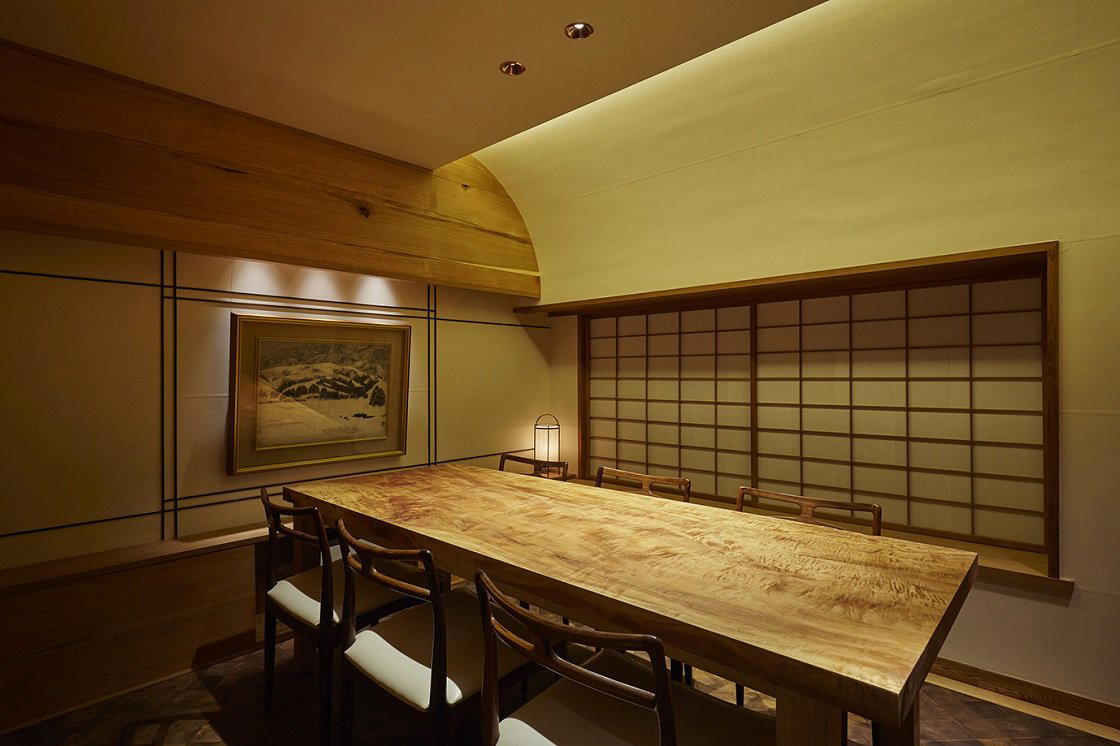
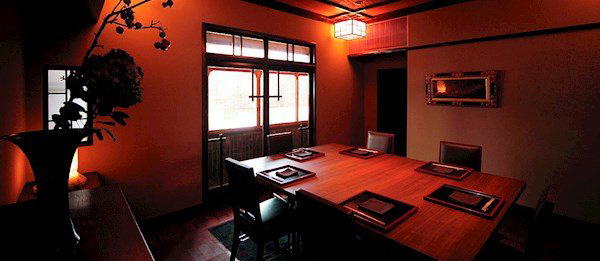
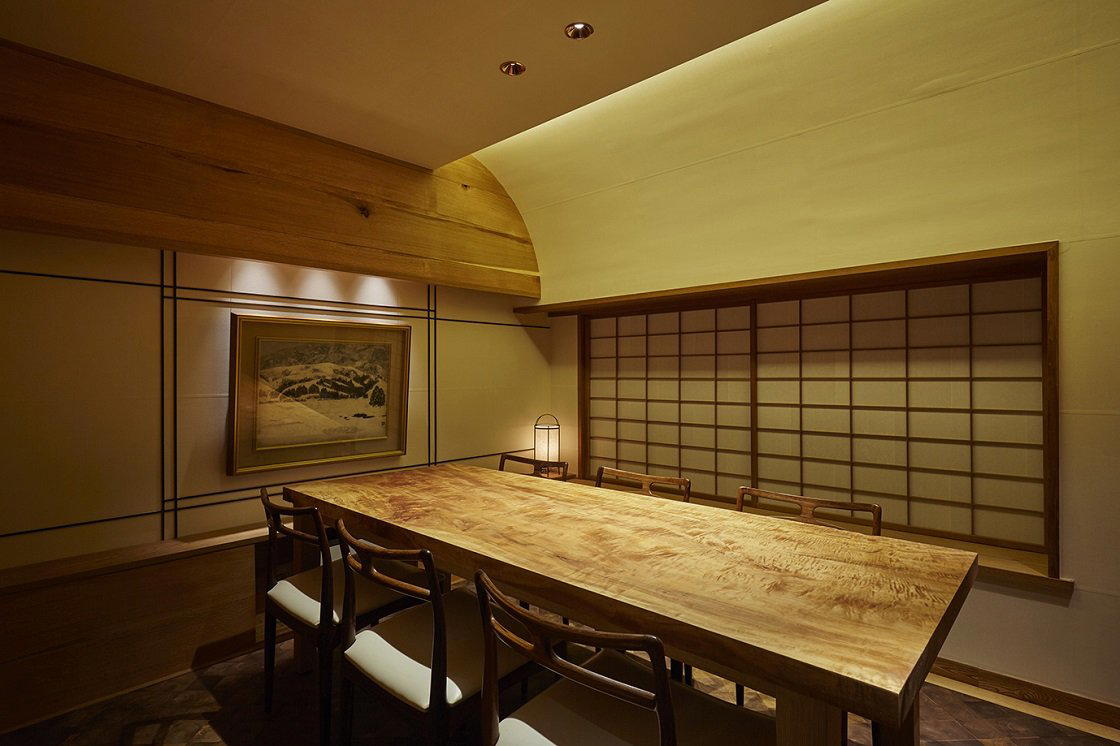
Kyoto's fine dining scene has long been defined by kaiseki, the austere, seasonal Japanese progression that draws visitors from across the world and anchors the city's reputation in the Michelin Guide. Against that backdrop, restaurants working in Chinese cuisine occupy a smaller, more architecturally distinct niche. VELROSIER, at 318-6 Inaricho in Shimogyo Ward, addresses this space directly. The interior signals its intent before the first course arrives: the keynote black of the dining room reads as a deliberate break from the lacquered wood and washi softness of the kaiseki houses nearby. This is a room designed to frame precision cookery, not to evoke a tea ceremony.
The broader category of Chinese-French fusion has precedents in major Western cities, Restaurant Tim Raue, Chinese in Berlin and Mister Jiu's, Chinese in San Francisco both demonstrate how Chinese culinary tradition can be reworked through European frameworks without losing its identity. VELROSIER belongs to this conversation, though it operates with a distinctly Japanese sensibility: restrained, technically serious, and deeply attentive to ingredient character.
The Technical Programme
What distinguishes VELROSIER within the broader fusion category is its use of high-intervention cooking methods applied to Chinese flavour profiles. Decompression cooking and liquid nitrogen are not decorative, they are instruments for solving a specific problem that Chinese cuisine poses at the fine dining level: how to preserve volatile aromatics and delicate textures that traditional wok cooking can sacrifice at scale. La Liste's 2026 entry for the restaurant notes that these advanced methods allow ingredients to retain their full flavour expression, which is a meaningful claim in a cuisine where the gap between a great and merely adequate outcome is often a matter of seconds and heat.
The foie gras preparation documented in La Liste's award citation, sandwiched between two thin, crisp wafers seasoned with Shaoxing wine, illustrates how the kitchen integrates Chinese flavouring agents into European preparations. Shaoxing wine carries a depth of fermented character that Western counterparts cannot replicate; using it to inform a foie gras course rather than replacing the foie gras with a Chinese ingredient entirely is a technically confident move. It positions VELROSIER within a cohort of restaurants that treats fusion as a two-way technical exchange rather than a branding exercise.
Chef Yuji Iwasaki leads this programme. For context within Japan's multi-city fine dining network, VELROSIER's peer conversation extends beyond Kyoto: restaurants like HAJIME in Osaka represent the kind of technically ambitious, cross-cultural fine dining that earns both Michelin and La Liste attention simultaneously, and Harutaka in Tokyo illustrates how a single-minded technical commitment in a focused format can sustain long-term critical recognition.
VELROSIER in Kyoto's Chinese Dining Context
Kyoto has a smaller but coherent Chinese restaurant tier. Kyo Seika operates at the same ¥¥¥ price level, offering a reference point for how the category is priced locally. Canton Shunsai Ikki represents the Cantonese tradition that historically anchored Chinese fine dining in Japan. VELROSIER's modern Chinese-French approach sits in a different register from both: it is not drawing on Cantonese refinement or Sichuan directness, but constructing a third category that uses European technique as a structural scaffold for Chinese flavour logic.
This matters because the distinction is not simply aesthetic. In a city where restaurants like Akihana and Hachiraku demonstrate Kyoto's commitment to deep-rooted culinary traditions, VELROSIER's willingness to work outside any single tradition's rules gives it a different relationship with its diner.
Elsewhere in the Kansai region and further afield, the appetite for this kind of cross-cultural technical fine dining is growing: akordu in Nara, Goh in Fukuoka, 1000 in Yokohama, and 6 in Okinawa all represent versions of the same broader trend: Japanese-based kitchens using international frameworks to produce something that cannot be filed simply under any single national cuisine. VELROSIER is one of the more technically defined examples of this tendency.
Within Kyoto's wider dining scene, hakubi illustrates how deeply the city's restaurants engage with ingredient sourcing and presentation precision even outside the kaiseki format. See our full Kyoto restaurants guide for a broader picture of how VELROSIER fits within Kyoto's multi-cuisine offer.
Freshness, Sourcing, and the Live-Ingredient Sensibility
The editorial angle on live selection and freshness theatre, the seafood tank tradition, is less literally present at VELROSIER than at a Cantonese seafood house, but the underlying principle is directly relevant. Chinese fine dining, in its most technically serious form, has always oriented itself around the same question that a live tank poses: how close to the source can the ingredient remain before it reaches the plate? At VELROSIER, the answer involves laboratory-grade cooking methods rather than water tanks, but the intent is parallel. Decompression cooking is, in part, a tool for preserving the kind of alive quality in an ingredient that market-weight pricing and freshness theatrics signal in a more traditional Chinese fine dining context. The Shaoxing wine wafer, the liquid nitrogen applications, the decompression approach, each is a technique for keeping flavour in a state that mimics immediacy, even when working with ingredients whose nature requires preparation time.
This positions VELROSIER in an interesting middle ground: the freshness philosophy of high-end Chinese cuisine translated into the technical vocabulary of French haute cuisine, executed in a Japanese city known for an entirely different culinary tradition. The three-way tension is not a weakness; it is the programme.
Planning Your Visit
VELROSIER is located at 318-6 Inaricho, Shimogyo Ward, Kyoto. Price range: ¥¥¥, placing it at mid-to-upper fine dining in Kyoto terms, consistent with peer Chinese restaurants in the city. Reservations: Getting there: Shimogyo Ward is accessible from Kyoto Station, which connects to the city's subway and bus network; VELROSIER is within the walkable southern part of central Kyoto. For hotels near this area, see our full Kyoto hotels guide. For drinks before or after, our full Kyoto bars guide covers the current range. Broader Kyoto planning resources include our full Kyoto wineries guide and our full Kyoto experiences guide.
Frequently asked questions
Do I need a reservation for VELROSIER?
Kyoto's top-end restaurants across all cuisine types, kaiseki, Chinese, Italian, operate with advance booking requirements that extend weeks to months depending on season. Book as far in advance as the restaurant's system allows; high seasons in Kyoto (cherry blossom in late March to early April, autumn foliage in November) compress availability across the entire fine dining market simultaneously.
Cuisine-First Comparison
A short peer table to compare basics side-by-side.
| Venue | Cuisine | Price | Awards | Notes |
|---|---|---|---|---|
| VELROSIERThis venue (the venue you are viewing) | Modern Chinese Fusion | $200–300 | 1 Michelin Star · La Liste Top Restaurants | Not listed |
| Gion Sasaki | Modern Kaiseki | $300–500 | 3 Michelin Stars · La Liste Top Restaurants | Not listed |
| cenci | Innovative Italian-Japanese Fusion | $100–150 | 1 Michelin Star · World's 50 Best #76 | Italian |
| Ifuki | Sumibi Kappo Kaiseki | $200–300 | 2 Michelin Stars · La Liste Top Restaurants | Not listed |
| Kyokaiseki Kichisen | Kyoto Kaiseki | $200–300 | 2 Michelin Stars · La Liste Top Restaurants | Not listed |
| Kyo Seika | Modern Chinese Fine Dining | $150–200 | 1 Michelin Star · Tabelog Bronze #216 | Chinese |
Recognition history
Dated appearances from independent guides and award organizations, with the underlying list record or original source where available.
Michelin 1 Star
Michelin
La Liste Top Restaurants
La Liste
Tabelog 100 #20 · No. 20
Tabelog · Tabelog 100 - Chinese cuisine - WEST - 2026
Full recognition history (5 entries)
La Liste Top Restaurants
La Liste
Michelin 1 Star
Michelin
Continue exploring
More in Kyoto
More from Chef Yuji Iwasaki
Browse all →
Restaurants in Kyoto
All restaurants in Kyoto →
Bars in Kyoto
All bars in Kyoto →
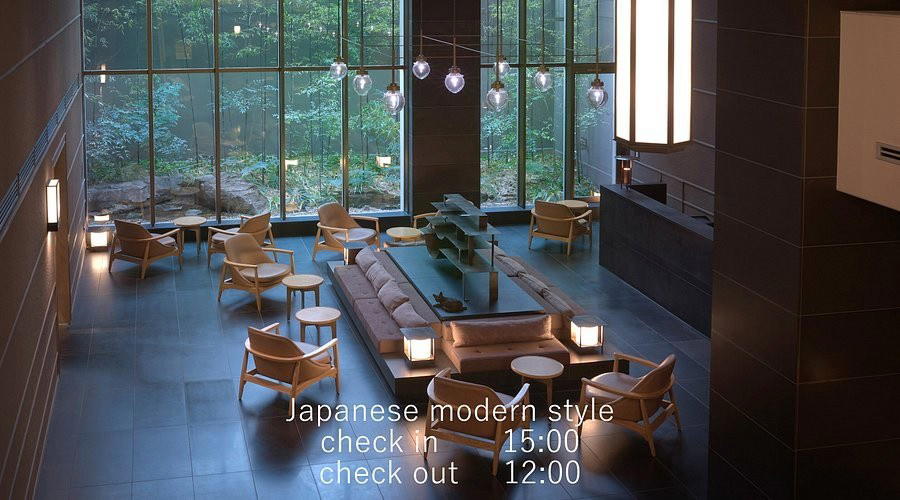
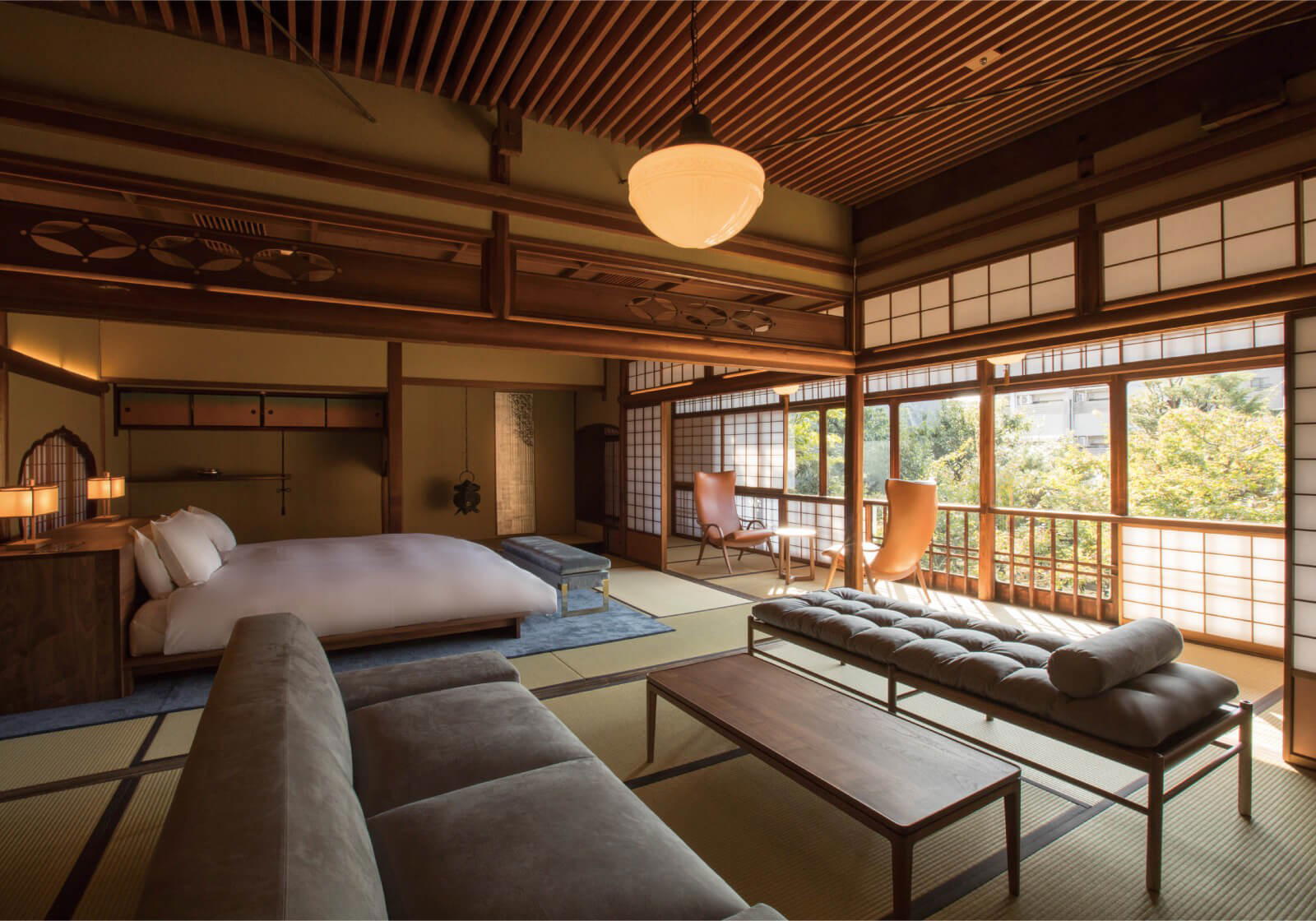
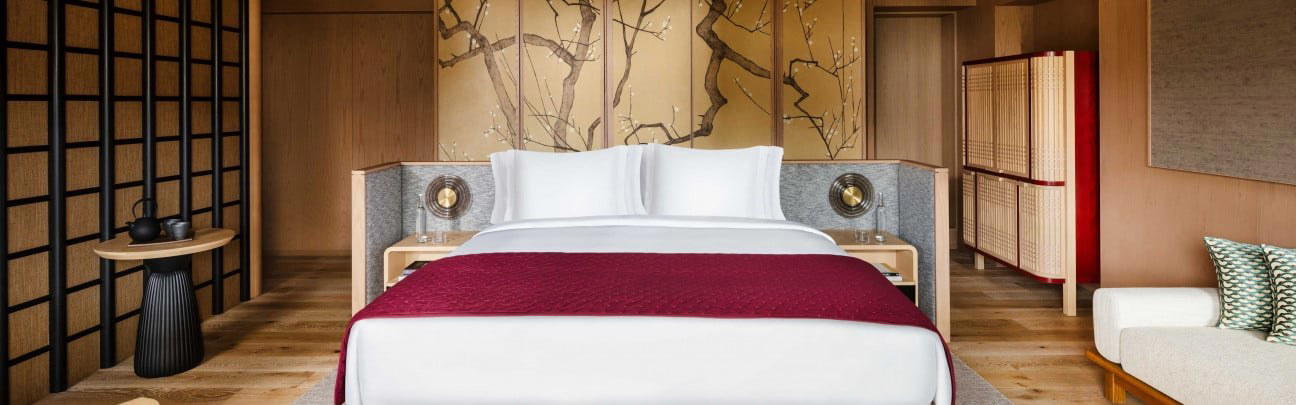
Hotels in Kyoto
All hotels in Kyoto →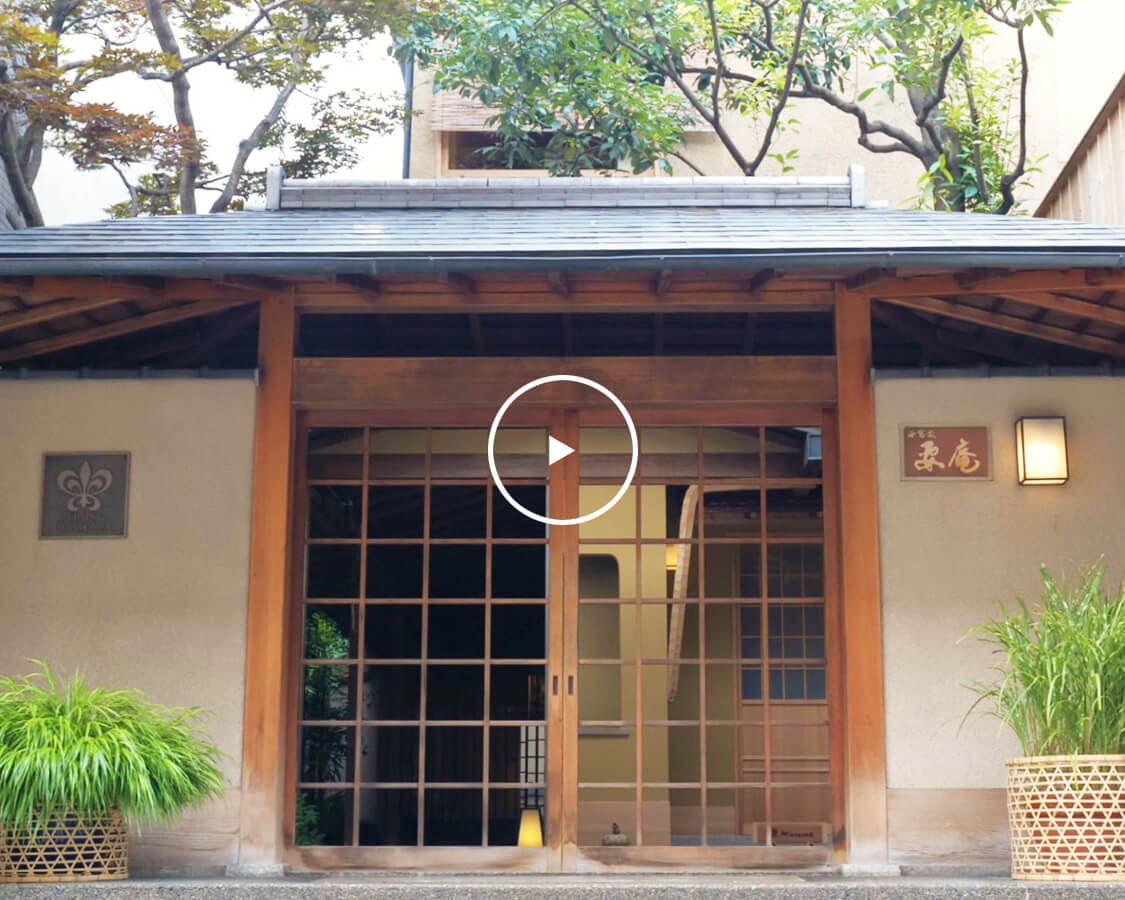

Wineries in Kyoto
Browse all →
Details
- Elegant
- Modern
- Intimate
- Sophisticated
- Celebration
- Special Occasion
- Date Night
- Open Kitchen
- Extensive Wine List
- Tasting Menu
- Wine Pairing
Current opening hours
- Monday
- 12–3 PM, 6–10 PM
- Tuesday
- 12–3 PM, 6–10 PM
- Wednesday
- Closed
- Thursday
- 12–3 PM, 6–10 PM
- Friday
- 12–3 PM, 6–10 PM
- Saturday
- 12–3 PM, 6–10 PM
- Sunday
- 12–3 PM, 6–10 PM
Hours can change for holidays and private events. Hours as of .
Dark, stylish, and cozy with dramatic lighting, black decor, and an open kitchen view creating an intimate, refined atmosphere.