

Tabelog 100 #74
Our verdict
Nishibuchi Hanten sits in Kyoto’s small, serious Chinese dining tier, where counter format and Kyoto restraint matter as much as regional Chinese technique. Kentaro Nishibuchi’s kitchen has Tabelog Silver recognition for 2026 and a place on Tabelog Chinese WEST 100, making it a useful reference point for how the city absorbs Chinese cuisine without turning it into spectacle.

Pearl is the En Primeur Club membership app, where members save venues, book tables and use the concierge.
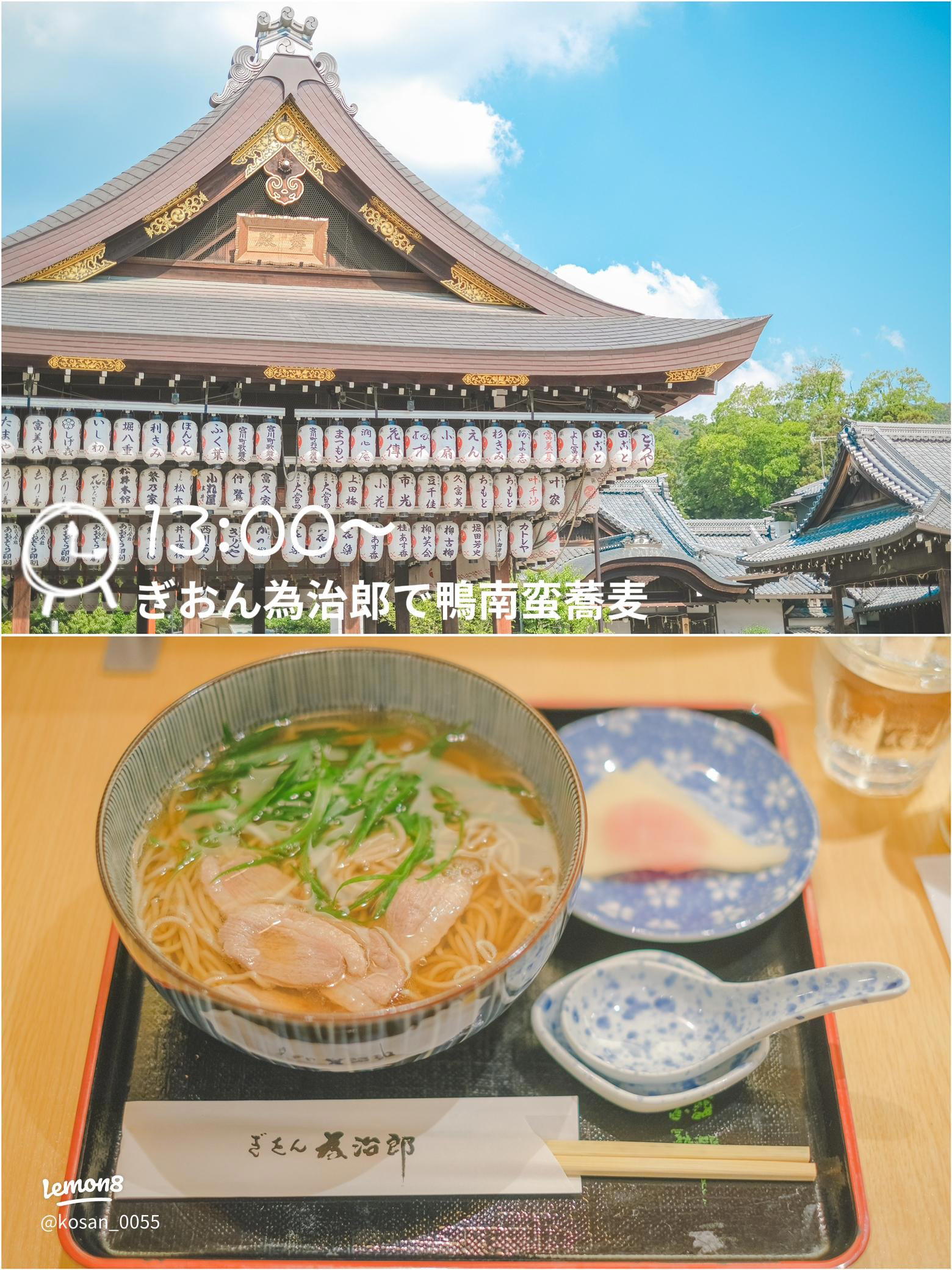
A small street in Higashiyama changes the register before dinner starts: noren, machiya scale, and the hush of Kyoto’s older lanes rather than the glare of a hotel dining room. That setting matters for Chinese cuisine here. Kyoto has never treated high-end Chinese cooking as a simple import; the city tends to compress it, quiet it, and place it inside the same discipline that shapes counter kappo and seasonal kaiseki. Nishibuchi Hanten belongs to that narrower category, Chinese by cuisine, Kyoto by tempo.
The useful way to read the restaurant is not as a broad survey of China, but as a Kyoto interpretation of Chinese technique. That is where the noodle question becomes interesting. In China, noodle traditions are often regional declarations: hand-pulled lamian with elasticity and theatre, knife-cut dao xiao mian with irregular edges, wheat noodles built for broth, rice noodles built for lift and gloss. Kyoto’s premium Chinese rooms rarely lean on volume or rusticity in the same way. The craft is more often edited into a sequence, with starch, broth, wok heat, and seasoning treated as controlled accents rather than a bowl-as-meal proposition.
Kyoto-style Chinese cooking, compressed to counter scale
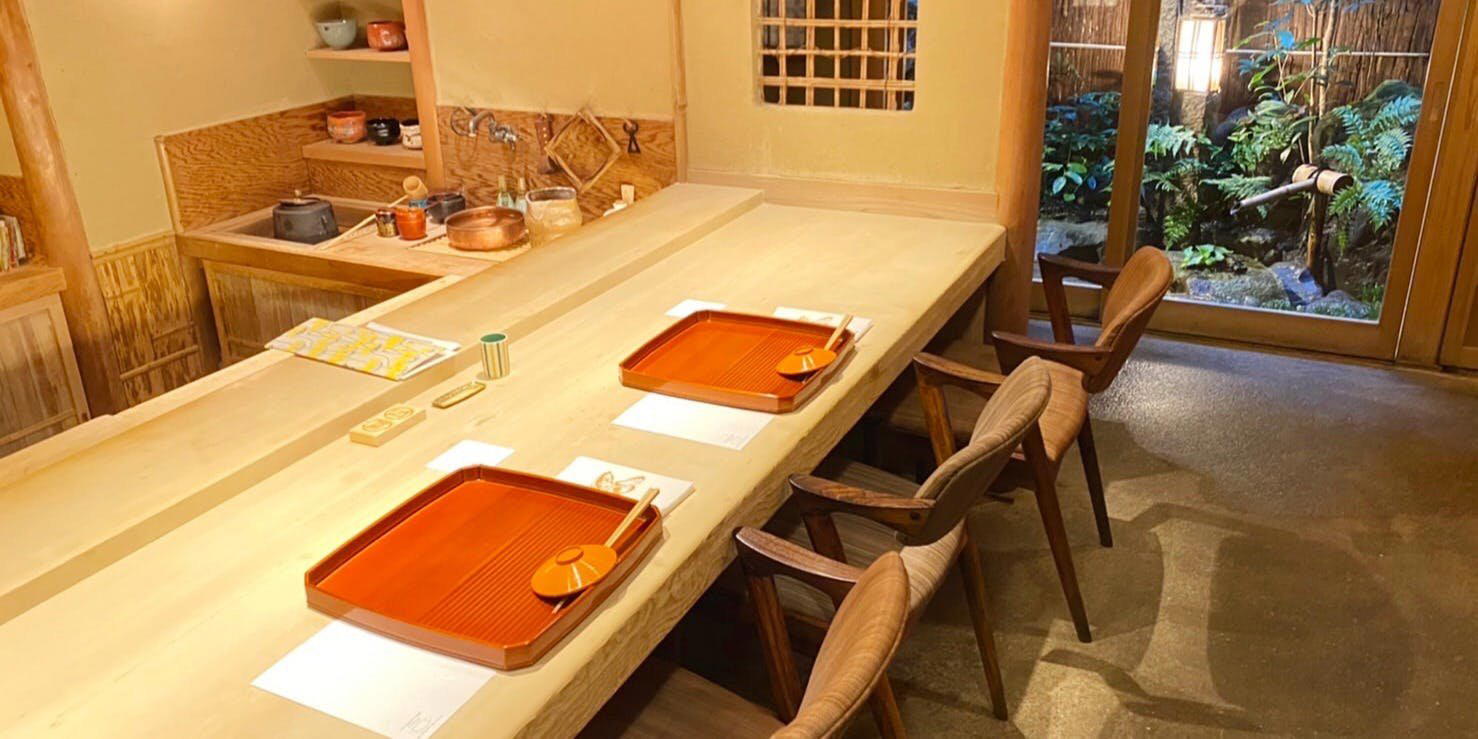
The counter format changes the expectations. With 10 seats and no private rooms, the meal is closer to a chef-led tasting rhythm than a banquet table. That matters because Chinese cuisine in Japan often splits between two poles: convivial, shared-plate dining and precise, high-ticket rooms where Cantonese, Sichuan, Shanghainese, and Japanese seasonal logic are reassembled course by course. Kyoto pushes the second model further. The city’s dining culture rewards restraint, pacing, and a sense of proportion; the result is Chinese cooking that can feel less like a category and more like a controlled vocabulary.
Nishibuchi Hanten’s recognition gives that vocabulary a measurable frame. The restaurant is a Tabelog Award 2026 Silver winner, selected for Tabelog Chinese WEST 100 in 2026, and listed by Opinionated About Dining in its 2026 Japan recommendations. Those signals place it in a competitive set above casual chuka and apart from tourist-facing Gion dining. Tabelog’s 2026 score appears at 4.38 for the Silver listing and 4.33 on the Chinese WEST 100 listing, both unusually high in a system where incremental differences carry weight among Japanese diners.
Chef Kentaro Nishibuchi is best understood as a credential inside that scene, not the story in isolation. The restaurant opened in 2013, which gives the counter more than a decade of continuity in a city where reputations are slow to form and slow to fade. In practical editorial terms, that longevity matters: Kyoto diners are not short on refined Japanese formats, so a Chinese counter needs more than novelty to hold attention across award cycles.
Noodles as a lens, not a checklist
The assigned lens here is noodle mastery, but the point is not to expect a noodle shop in disguise. Kyoto’s serious Chinese counters tend to treat noodles as one part of a broader grammar: texture, heat, stock, oil, and timing. Hand-pulled noodles privilege tensile strength and immediate cooking; knife-cut noodles prize uneven surfaces that catch sauce; regional soup noodles depend on broth architecture. A restaurant working at this tier is judged less by whether it performs every tradition and more by whether it understands when wheat, broth, and seasoning should take the lead.
That distinction separates high-end Kyoto Chinese from more familiar urban Chinese formats elsewhere in Japan. Tokyo has deeper breadth, more specialist regional rooms, and flashier high-budget Chinese dining. Kyoto has a smaller field, but the strongest addresses are often more integrated with Japanese service codes and local seasonality. Among Kyoto Chinese options, hakubi occupies a premium bracket, while Canton Shunsai Ikki signals a more approachable price tier. Hachiraku, Akihana, and Hirosawa help show how broad Kyoto’s Chinese and Chinese-adjacent dining map has become, from neighborhood comfort to polished specialist rooms.
The dining decision, then, is about appetite for precision rather than appetite alone. A 10-seat counter asks for attention. It suits diners who want Chinese technique filtered through Kyoto’s preference for sequence and restraint, not a large-table meal built around abundance. That makes the restaurant more compelling for a focused dinner than for a mixed group looking for flexibility, children’s pacing, or a long list of à la carte compromises.
Where it fits in a Kyoto itinerary
Higashiyama gives the meal a useful geographic logic. The district is associated with temples, preserved streets, ryokan culture, and evening walks that can turn overly staged if dinner is chosen badly. Serious Chinese cooking in this setting works because it breaks the expected script. Instead of another kaiseki room or sushi counter, the city offers a Chinese meal that keeps Kyoto’s scale while changing the culinary language.
For travelers mapping a wider stay, the restaurant belongs on a short list for a Kyoto dinner built around craftsmanship rather than sightseeing convenience. Use Our full Kyoto restaurants guide for the broader dining spread, then pair the decision with Our full Kyoto hotels guide, Our full Kyoto bars guide, Our full Kyoto wineries guide, and Our full Kyoto experiences guide if the trip is being built across several nights.
Outside Kyoto, Japanese Chinese dining covers a wide field, from refined destination counters to casual regional specialists. For contrast, EP Club’s wider Japan listings include 4000 Chinese Restauranat, Chinese in Tokyo and 4000 Chinese Restaurant, Chinese in Tokyo, while the national map also ranges through places such as -Grilled beef Sukiyaki- KAMAKURA TANUKIAN 鎌倉 たぬき庵 in Kamakura. 鮪と炭火焼き うお炭 秋葉原店 in Tokyo.cafe in Osaka.know in Kumamoto, (Shoku) Vietnam in Kawasaki, and [Curry Senmon Ten] Maruyama Kyoju. in Sapporo. Those comparisons underline the point: Kyoto’s version of Chinese dining is not about maximal choice. It is about control, quiet confidence, and the particular tension between Chinese technique and Kyoto formality.
Frequently asked questions
Is Nishibuchi Hanten focused on a specific cuisine style?
Nishibuchi Hanten serves Chinese cuisine.
What days is Nishibuchi Hanten closed?
Hours at Nishibuchi Hanten: Hours: Monday 6–9 pm Tuesday 6–9 pm Wednesday 6–9 pm Thursday 6–9 pm Friday 6–9 pm Saturday 6–9 pm Sunday Closed.
What's Nishibuchi Hanten's location?
Nishibuchi Hanten is located in Kyoto.
Is Nishibuchi Hanten chef-led?
The chef associated with Nishibuchi Hanten is Kentaro Nishibuchi.
What's the standout thing about Nishibuchi Hanten?
The counter-only setup is the clearest point of distinction: just 10 seats, no private rooms, and a dinner service that runs Monday through Saturday from 6 to 9 pm. Its standing is backed by Tabelog recognition, including 2026 Silver and inclusion in Chinese cuisine WEST 100.
Does Nishibuchi Hanten work for a family meal?
It can work for a small family that is comfortable with a compact counter setting and an evening-only schedule in Higashiyama, Kyoto. The 10-seat format and counter seating make it feel more intimate than casual family dining, so it suits older children and adults better than larger groups.
A Quick Peer Check
Comparable venues by cuisine and price in the same metro.
| Venue | Cuisine | Price | Awards | Notes |
|---|---|---|---|---|
| Nishibuchi HantenThis venue (the venue you are viewing) | Kyoto-style Chinese | $200–300 | Tabelog 100 #74 | Not listed |
| Saika | Modern Sichuan Chinese | $200–300 | Tabelog Silver #113 | Higashiyama |
| Hirosawa | Modern Chinese | $200–300 | Michelin Plate · Tabelog Silver #37 | Nakagyō |
| Sakagawa | Traditional Kaiseki | $150–200 | Tabelog Bronze #381 | Higashiyama |
| Inaka no Taiho | Farm-to-table Chinese on a mountain farm | $100–150 | Tabelog 100 #68 | Ayabe |
| Nijo Aritsune | Modern Kappo | $100–150 | Michelin Plate | Nakagyō |
Recognition history
Dated appearances from independent guides and award organizations, with the underlying list record or original source where available.
Opinionated About Dining Top Restaurants in Japan Recommended
Opinionated About Dining
Tabelog 100 #74 · No. 74
Tabelog · Tabelog 100 - Chinese cuisine - WEST - 2026
Full recognition history (6 entries)
Tabelog Silver #90
Tabelog
Opinionated About Dining Top Restaurants in Japan Ranked #337
Opinionated About Dining
Opinionated About Dining Top Restaurants in Japan Ranked #402
Opinionated About Dining
Opinionated About Dining Top Restaurants in Japan Recommended
Opinionated About Dining
Continue exploring
More in Kyoto
Restaurants in Kyoto
All restaurants in Kyoto →
Bars in Kyoto
All bars in Kyoto →
Hotels in Kyoto
All hotels in Kyoto →
Wineries in Kyoto
Browse all →
Details
- Elegant
- Intimate
- Sophisticated
- Special Occasion
- Date Night
- Historic Building
- Sake Program
- Garden
- Tasting Menu
- Counter Dining
- Sake
- Vegetarian Friendly
- Vegan Options
- Gluten Free Options
Current opening hours
- Monday
- 6–9 PM
- Tuesday
- 6–9 PM
- Wednesday
- 6–9 PM
- Thursday
- 6–9 PM
- Friday
- 6–9 PM
- Saturday
- 6–9 PM
- Sunday
- Closed
Hours can change for holidays and private events. Hours as of .
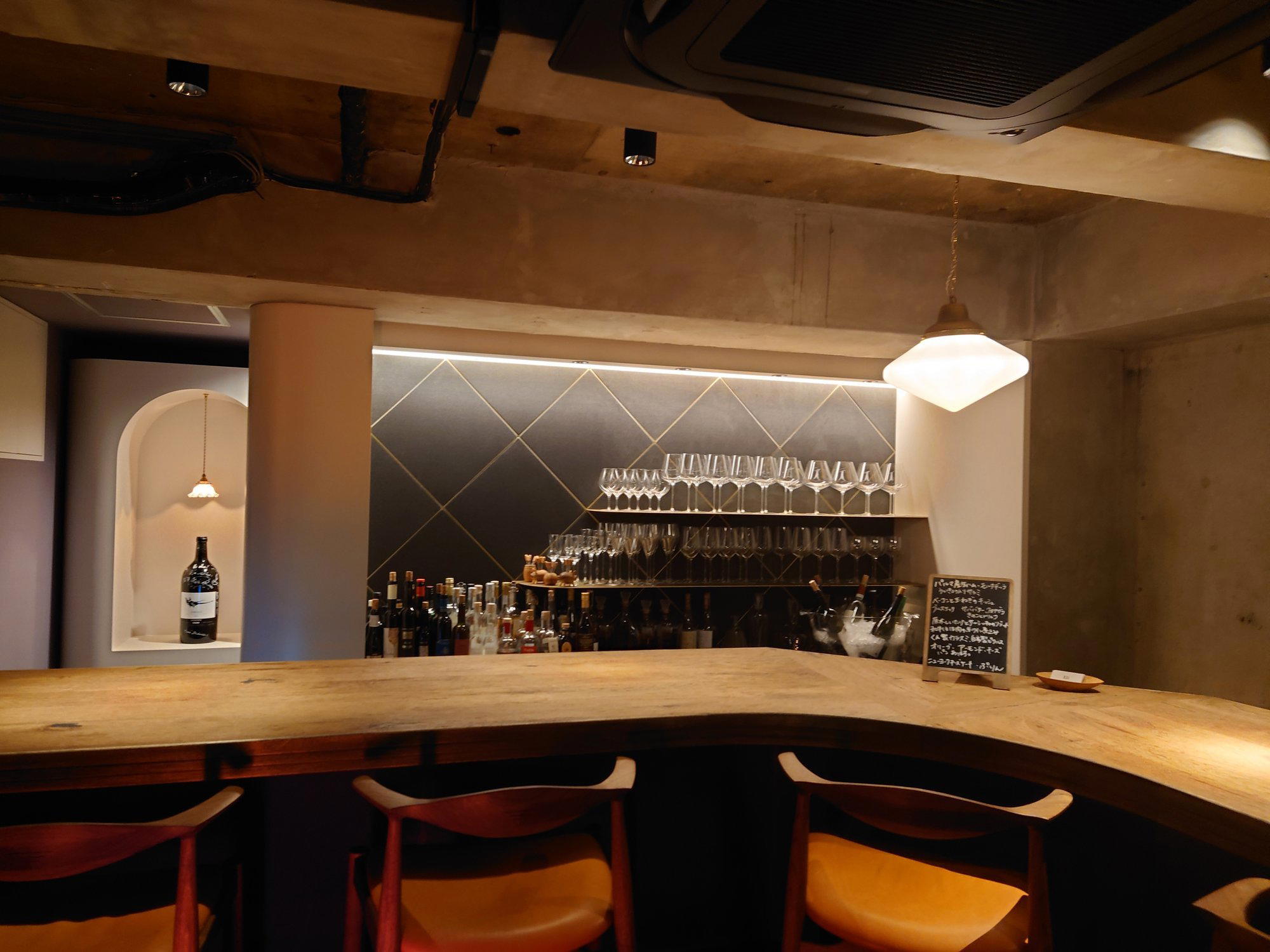
Serene machiya atmosphere reminiscent of kaiseki restaurant with relaxing space, small garden, and counter seating.